
Best Baseball Simulators for Home Use: Buyer's Guide
I’ve tested a wide range of home systems and I’ll be blunt: choosing the best baseball simulator for your home requires balancing accuracy, space, budget, and content—whether you want a compact launch monitor for swing metrics, a VR batting tunnel, or a full-room holographic projection experience. In this guide I compare types, give measurable decision criteria, reference industry authorities like Statcast (Wikipedia) and technology reporting from IEEE Spectrum - Virtual Reality, and explain practical trade-offs so you can pick the best baseball simulator to meet performance, entertainment, and lifestyle goals.
Home Baseball Simulation Systems: What I Look For
Key criteria: accuracy, footprint, and content
When I evaluate the best baseball simulator options, I prioritize three measurable criteria: ballistics/metrics accuracy (spin, exit velocity, launch angle), physical footprint (ceiling height and square footage), and interactive content (replayable game modes, coaching analytics, and multiplayer). If you’re serious about swing development you’ll favor launch monitors; if you want immersive family entertainment you’ll weigh VR and holographic projection more heavily. These are common distinctions referenced by technology and sport analytics communities such as MLB.com.
Budget tiers and expected outcomes
From my experience, devices marketed as the best baseball simulator for home use fall into three budget tiers: entry-level ($800–$3,000), mid-range ($3,000–$15,000), and High Quality/professional ($15,000+). Entry systems often give solid batting practice and fun modes; mid-range adds reliable metrics and multiplayer; High Quality systems (full-room projection + pro-grade launch monitors) deliver near-stadium accuracy. Decide which outcomes you need before you shop.
Space and installation: realistic guidelines
I always measure space before buying. For batting practice with a pitching machine or compact launch monitor you typically need at least 10–12 ft of throw space and 8–9 ft ceiling. For comfortable simulator play or holographic projection batting lanes I recommend 12–16 ft long and an 9–10 ft ceiling; full immersive rooms can require 15–20 ft. These footprint rules prevent costly returns and ensure the simulator performs as advertised.
Types of Systems I Recommend and Why
Launch monitors + net/tunnel setups
I use launch monitors (radar or camera-based) when accuracy matters. Popular models measure exit velocity, spin rate, and launch angle; they pair with nets and projection screens for instant feedback. For players aiming to improve hitting metrics, a launch-monitor-based setup is often the most efficient training tool and frequently cited by analytics systems like Statcast as the type of data teams analyze.
VR baseball and motion systems
VR setups simulate plate appearances and fielding scenarios without live balls. I value these for cognitive training—timing, decision-making, and situational awareness—while keeping risk low. IEEE articles on VR highlight how immersive feedback improves motor learning, which is why VR options are rising in the Digital Sports Entertainment space. For many families the best baseball simulator is a VR solution because it blends gameplay and training while minimizing space and safety concerns.
Holographic projection and interactive rooms
Holographic projection systems are newer to home use but offer dramatic entertaining experiences. I’ve seen holographic batting bays that overlay pitchers and environments on a projection surface—ideal if you want a social entertainment centerpiece that doubles as a training tool. These systems align with trends in digital movement and video game category experiences where engagement and spectacle matter as much as raw metrics.
Comparing Options: Real Data and Practical Trade-offs
What price actually buys you
In my trials price correlated strongly with measurement fidelity and content depth. Mid-range launch monitors hit a sweet spot for home users wanting reliable metrics without the cost of stadium-grade systems; High Quality packages add pro-grade radar and enterprise-level content and support. For entertainment-first buyers, an integrated holographic or VR room can deliver the highest user engagement per dollar when compared to basic swing-tracking devices.
Maintenance, upgrades, and support
I always ask about firmware updates, content libraries, and support SLAs. Systems that lack regular updates quickly feel stale. Look for manufacturers offering cloud content updates and 24/7 customer support—those reduce long-term TCO and improve uptime for frequent users.
Data comparison: practical features
The table below summarizes typical attributes across common home categories. These figures reflect widely reported price and footprint ranges; they are intended to help you compare realistic expectations before buying the best baseball simulator for your needs.
| System Type | Typical Price Range (USD) | Typical Home Footprint | Primary Strength |
|---|---|---|---|
| Compact Launch Monitor (camera/radar) | $800 – $3,500 | 10–12 ft length, 8–9 ft ceiling | Swing metrics, portability |
| Mid-range Integrated Simulator | $3,000 – $15,000 | 12–16 ft length, 9–10 ft ceiling | Balanced accuracy + content |
| High Quality Launch Monitor + Projection | $15,000 – $50,000+ | 15–20 ft length, 9–12 ft ceiling | Pro-grade metrics, enterprise content |
| VR + Motion Systems | $800 – $7,000 | 8–15 ft length, variable ceiling | Immersion, cognitive training |
| Holographic Projection Rooms | $10,000 – $60,000+ | 12–20 ft length, 9–12 ft ceiling | Social entertainment, spectacle |
How I Choose the Best Fit for Specific Use Cases
Family entertainment and casual practice
For families I typically recommend mid-range VR or compact simulators combined with interactive content. The best baseball simulator for casual use blends game modes, simplified metrics, and safe ball containment; it should be easy for non-technical users to set up and enjoy immediately.
Dedicated player development
When the goal is measurable improvement, I recommend a launch monitor-based simulator with reliable spin and velocity readings. Consistent data is necessary to track progress; systems that sync to cloud coaching platforms let coaches and players review trends over time, which is essential for long-term development.
Commercial or multi-user spaces
If you plan to monetize sessions or host events, durability, support, and content licensing matter most. I always advise commercial buyers to pick systems backed by strong service contracts and modular upgrades so the attraction stays fresh and profitable.
Why I Recommend Considering FUNTECH
What FUNTECH brings to home and commercial spaces
As someone who evaluates both consumer and commercial systems, I see Guangzhou Suiyi (FUNTECH) as a promising provider in Digital Sports Entertainment. Established in 2023, FUNTECH focuses on intelligent sports equipment R&D, manufacturing, sales, and service under the Joyful Power brand. They integrate smart hardware and interactive content—exactly the combination that produces compelling home simulators and immersive entertainment zones.
Technical strengths and service model
FUNTECH emphasizes strict quality control, a worldwide sales network, customized services, and a professional R&D and operations team. From my conversations with industry contacts, those capabilities matter: product reliability and post-sale support reduce downtime and increase user satisfaction—critical for both families and commercial operators. Their 24/7 customer support and modular content approach are features I recommend you prioritize when buying the best baseball simulator.
Product fit: Digital movement, Digital Sports Entertainment, Video Game Category, Holographic Projection
FUNTECH’s product line bridges digital movement and Digital Sports Entertainment, with offerings that span the Video Game Category and Holographic Projection experiences. If you want a social centerpiece that doubles as a training tool, the holographic projection and interactive content bundles from FUNTECH deliver immersive visuals and game-like mechanics while still supporting meaningful swing data and coaching workflows.
How to evaluate a FUNTECH setup
When I assess a FUNTECH solution I look at the component integration: sensor fidelity, projection/calibration quality, content library depth, and the support contract. Their customization services make it straightforward to adapt systems for trendy sports centers, cultural tourism venues, educational installations, and upscale residential builds. Learn more about specs and packages at FUNTECH or contact their team via email to request a tailored proposal: vicky@funtechgame.com.
Choosing the best baseball simulator for home use comes down to matching your goals—training accuracy, immersive entertainment, commercial robustness—with space and budget; the right choice will deliver measurable improvement and long-term engagement.
Frequently Asked Questions
How much space do I need for a home baseball simulator?
Most compact setups need at least 10–12 ft of length and an 8–9 ft ceiling; mid-range and immersive simulators typically require 12–16 ft length and a 9–10 ft ceiling. Full-room installations can require 15–20 ft. Measure your space before purchase to ensure proper performance.
What is the typical price range for the best baseball simulator options?
Entry-level systems run about $800–$3,000, mid-range integrated simulators are $3,000–$15,000, and premium launch monitor plus projection systems can range from $15,000 to $50,000+. Holographic projection rooms and commercial packages may exceed those ranges depending on customization.
Should I choose a launch monitor or a VR/holographic system?
If your primary goal is measurable swing improvement, choose a launch monitor setup for reliable metrics. If you prioritize immersion, entertainment, and cognitive training, VR or holographic projection may be a better fit. Many users combine a launch monitor with interactive projection for both accuracy and engagement.
How important is manufacturer support and firmware updates?
Very important. Regular firmware updates and cloud content keep systems accurate and engaging. Strong post-sale support reduces downtime and is especially critical for commercial or high-usage environments.
What makes FUNTECH’s solutions different?
FUNTECH integrates smart hardware with interactive content under the Joyful Power brand, focusing on Digital movement and Digital Sports Entertainment. They emphasize strict quality control, customizable solutions, a professional R&D team, and 24/7 customer support, which supports both home and commercial deployments.
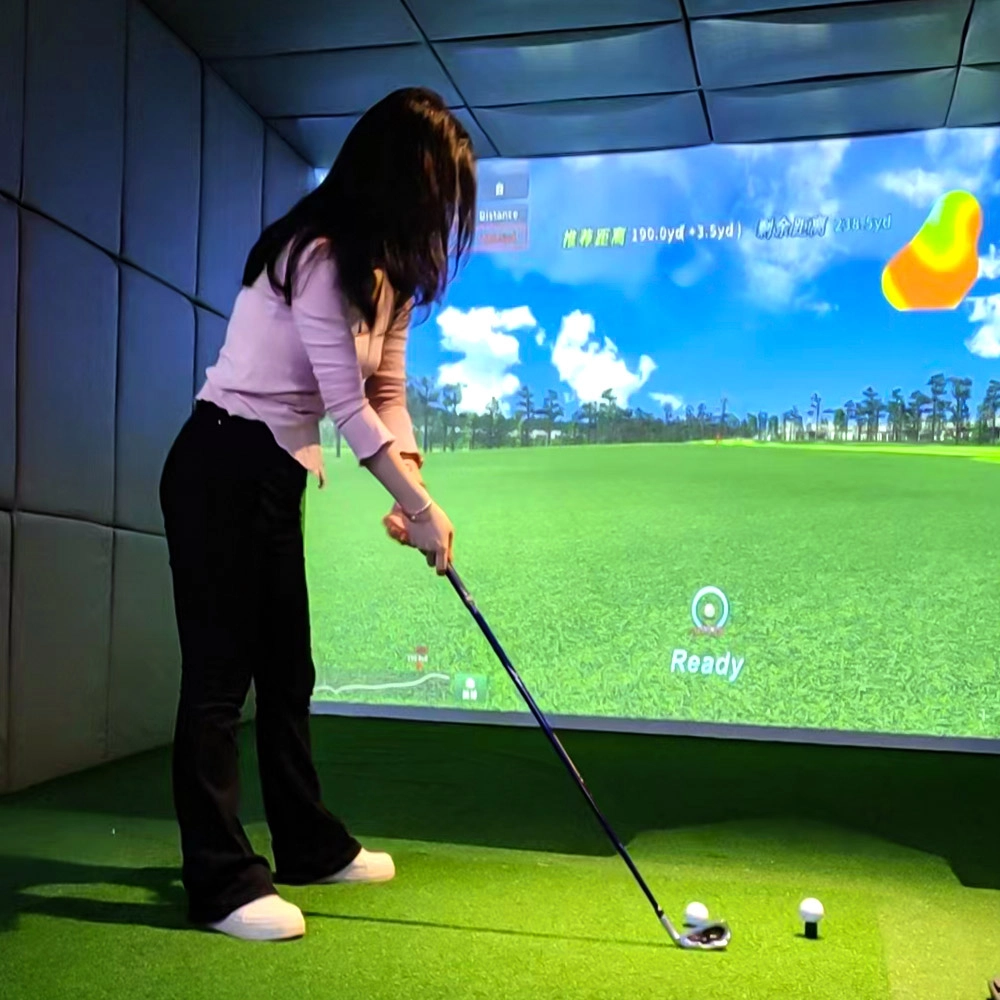
FUNTECH in a playground full of fun and excitement! The screen’s smooth texture offers superior image clarity, compatible with any HD projector for a lifelike golf simulation. Enjoy crystal-clear visuals that bring the fairway right into your home.
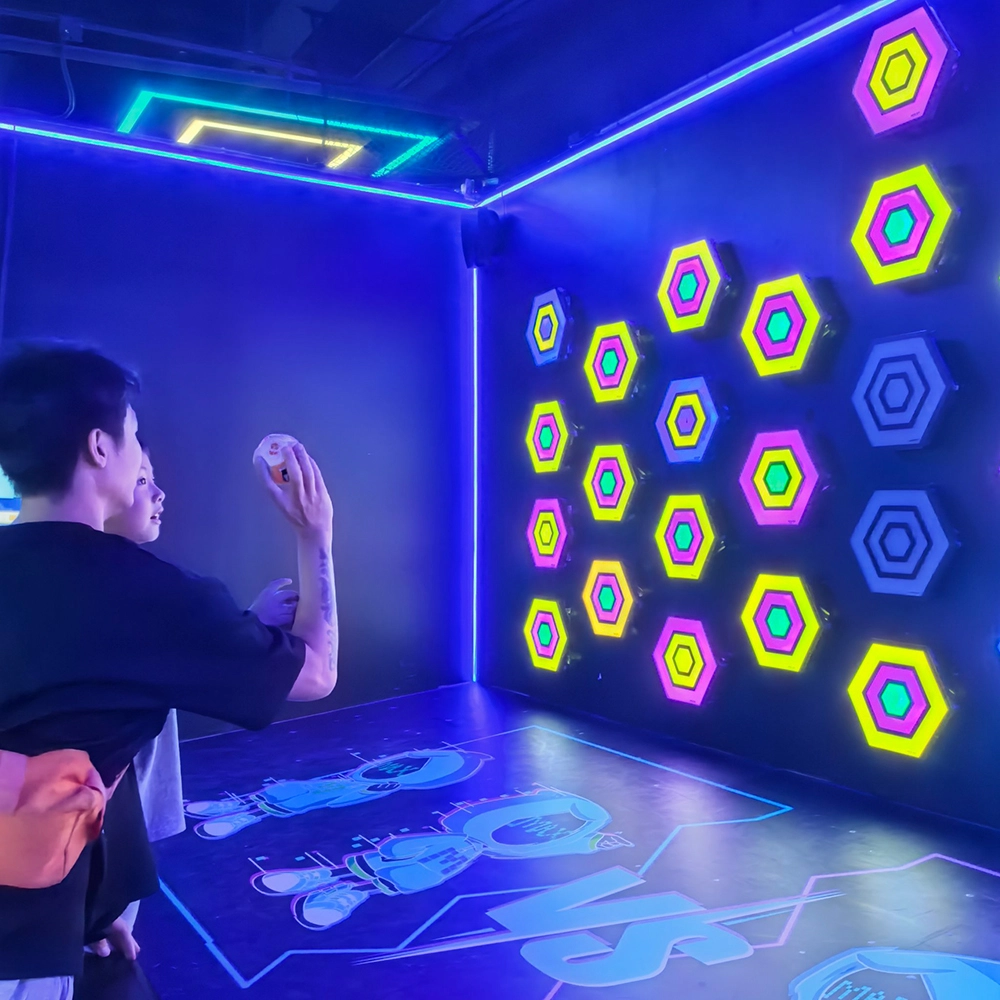
FUNTECH is full of fun and exciting playgrounds! The Precision Ball-Throwing Game at the Tide Play Centre is a highly interactive amusement attraction utilizing ball pits as props, combined with motion capture and projection technology. Players hurl balls into the pit, with the system accurately detecting trajectories and landing points to enable real-time interaction with projected visuals—such as triggering explosive feedback when striking monsters.
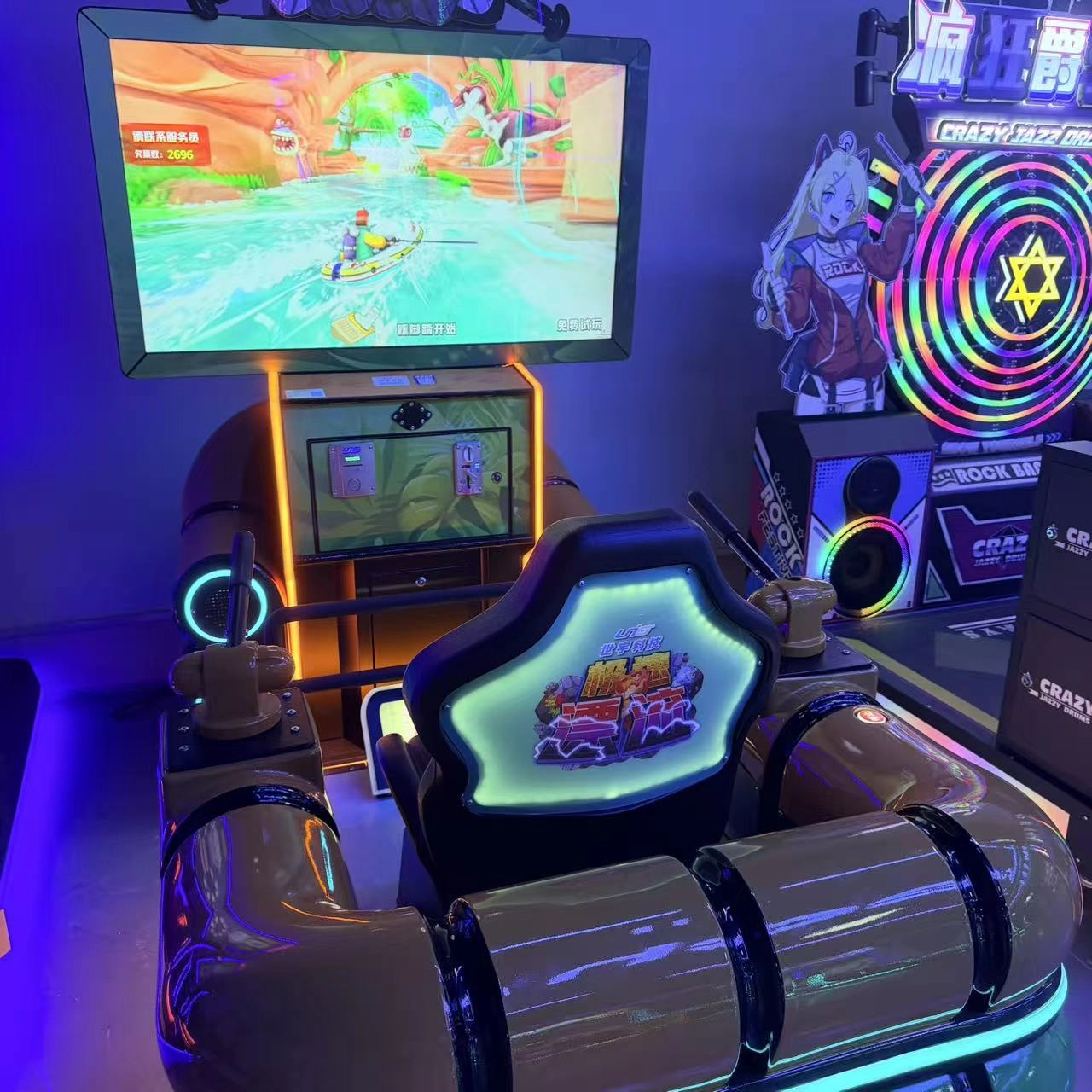
A brand-new rowing simulation competitive game, operating on a single machine station, supports player interaction and competition with 3 AI opponents. The station is equipped with the latest rowing equipment, enabling players to experience realistic rowing operation. The competition process is relaxed and fun, while also providing fitness exercise benefits.
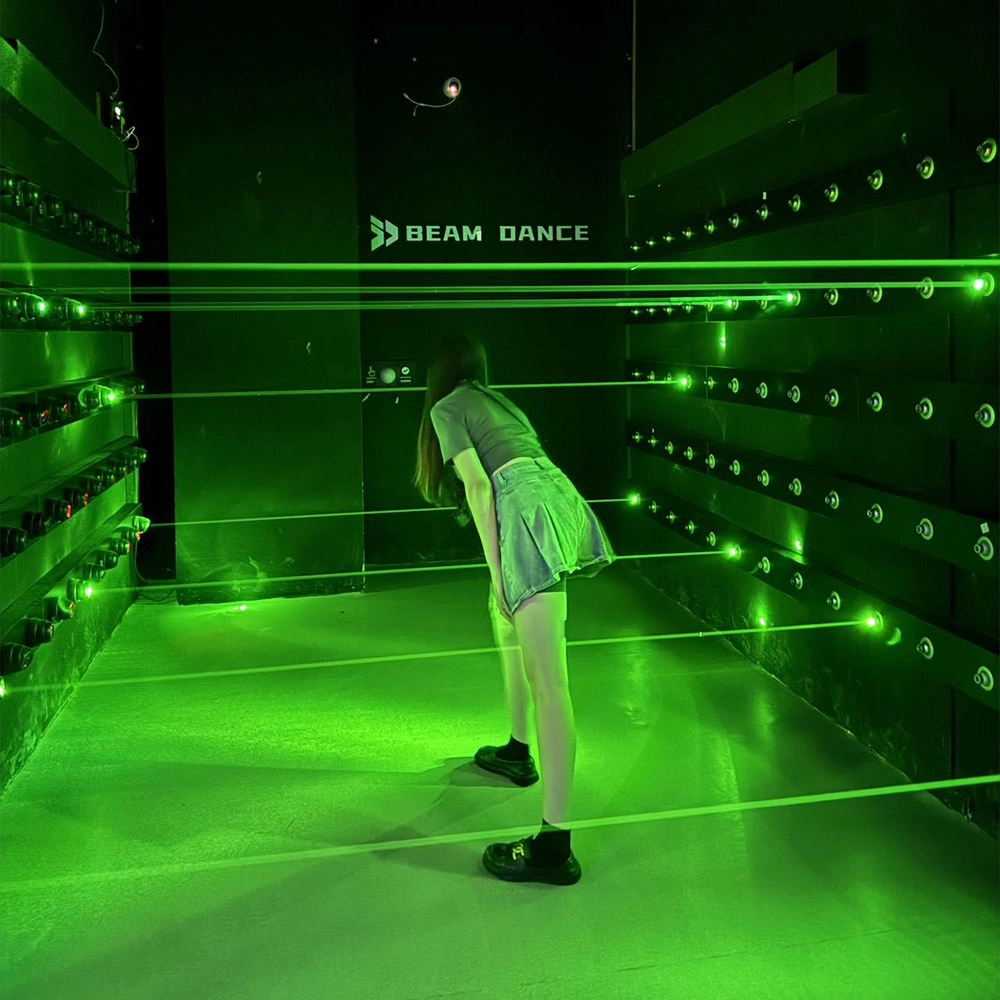
Joy Power is full of fun and exciting playgrounds! The laser matrix equipment in the indoor arcade stands out by virtue of its unique entertainment and technical characteristics. It builds a dynamic network of obstacles through precision-arranged laser beams, combining sound and light effects to create a tense and exciting atmosphere where players need to flexibly weave in and out to avoid the obstacles, making it both fun and challenging.
© 2025 FUNTECH ALL RIGHTS RESERVED

Weixia Lei
Fun_Tech-s
suiyifun_factory