
Choosing a Tennis Simulation Engine: Key Buyer's Checklist
I evaluate tennis simulation engines through a pragmatic buyer's checklist that balances physics fidelity, AI opponent realism, hardware integration, latency, analytics, and commercial viability for Digital Sports Entertainment deployments; this guide combines field-tested selection criteria, verifiable industry references (Wikipedia - Tennis, IEEE, ISO), and recommendations for integrating interactive hardware such as holographic projection and digital movement systems to deliver immersive, scalable experiences.
- Evaluating Simulation Engines for Realistic Court Dynamics
- Practical Integration and Deployment Concerns
- Commercial Criteria: Business, Support, and Metrics
- Comparative Data: Traditional vs AI-enhanced vs Integrated Venue Solutions
- How I Choose Vendors: Technical Checklist I Use
- Why I Recommend an Integrated Provider Like FUNTECH for Venue Deployments
- Frequently Asked Questions
I evaluate tennis simulation engines through a pragmatic buyer's checklist that balances physics fidelity, AI opponent realism, hardware integration, latency, analytics, and commercial viability for Digital Sports Entertainment deployments; this guide combines field-tested selection criteria, verifiable industry references (Wikipedia - Tennis, IEEE, ISO), and recommendations for integrating interactive hardware such as holographic projection and digital movement systems to deliver immersive, scalable experiences.
Evaluating Simulation Engines for Realistic Court Dynamics
Physics fidelity and ball trajectory modeling
When I assess any tennis simulation engine, the first technical gate is physics fidelity. A believable ball trajectory requires accurate modeling of spin, air drag, bounce coefficients, and surface interactions. In practice I test engines with standardized scenarios—flat drives, topspin passes, slice approaches—and log deviations against recorded high-speed camera data. If the engine cannot reproduce realistic angles and speeds, users quickly perceive the simulation as arcade-like, which undermines a High Quality Digital Sports Entertainment product.
AI opponent and behavior modeling
My experience shows that opponent AI separates casual play from training-grade simulation. I look for engines with layered agent architectures: short-term reaction models (ball-tracking, footwork), mid-term tactical planning (positioning, shot selection), and long-term progression (skill learning, stylistic adaptation). Engines that expose tuning knobs for aggressiveness, error rates, and stamina let me match the experience to target audiences—family entertainment, club-level training, or e-sports style tournaments.
Frame-rate, latency, and input responsiveness
Latency kills immersion. I benchmark input-to-visual latency across controllers (racket sensors, motion trackers) and aim for sub-50ms total roundtrip in location-based experiences. That includes sensor polling, network transmission (if cloud components exist), physics update, and rendering. When I integrate holographic projection or high-frame-rate displays, the engine must sustain consistent frame-rates; otherwise visual judder breaks perceived realism for players.
Practical Integration and Deployment Concerns
Hardware compatibility and sensor fusion
I always validate sensor and peripheral support early. A tennis simulation that works only with proprietary sensors limits deployment. I prefer engines that accept standardized data streams (UDP telemetry, binary motion packets, or common SDKs). For venue-scale Digital movement and interactive courts, sensor fusion—combining inertial measurement units (IMUs), vision tracking, and ultrasonic positioners—improves reliability. I prototype using at least two different tracking systems to ensure the engine's input layer is robust.
Content pipeline and updateability
From my operational standpoint, the content pipeline is a deal-maker. Engines that support hot-swappable assets, modular match rules, and remote content updates save months of field maintenance. I require clear versioning, delta patches, and rollback mechanisms so that a new tournament mode or branded skin can be deployed without taking venues offline.
Compliance, safety, and certification
Deploying physical and digital experiences requires attention to standards and safety. I verify compliance with local electrical and consumer-safety regulations and consult guidance from standards bodies like ISO when designing public installations. For health and accessibility concerns, I also map operational procedures to best practices documented by industry organizations to reduce liability and ensure inclusive design.
Commercial Criteria: Business, Support, and Metrics
Monetization models and user engagement
From a B2B buyer perspective, I prioritize engines that enable multiple monetization streams: time-based usage, event tickets, branded tournaments, in-game purchases, and subscription training modes. I measure engagement through session length, repeat-user rates, and progression ladders. A tennis simulation that integrates leaderboards and social sharing increases venue visibility and drives organic footfall.
Analytics, telemetry and A/B testing
I expect built-in telemetry endpoints for collecting match stats, player movement, error distributions, and session demographics. I run A/B tests on difficulty curves and reward mechanics to find balances that maximize retention without over-optimizing for short-term revenue. Accurate telemetry also informs hardware maintenance cycles and identifies systemic drift in sensor calibration.
Service levels, SLA and 24/7 support
Operational continuity matters. In my deployments, guaranteed SLAs, remote diagnostics, and a responsive support team reduce downtime and revenue loss. I require providers to offer remote patching, real-time logs, and a knowledge base so on-site teams can troubleshoot common issues quickly. This is especially important for global roll-outs where local teams rely on vendor support.
Comparative Data: Traditional vs AI-enhanced vs Integrated Venue Solutions
| Aspect | Traditional Video Game Engines | AI-enhanced Tennis Simulation | Integrated Venue Solution (hardware + content) |
|---|---|---|---|
| Physics fidelity | Deterministic, often simplified for performance | Adaptive physics with learned corrections | Calibrated to sensors and real-world measurements |
| Opponent behavior | Scripted/finite-state behaviors | Reinforcement learning or behavior trees with adaptation | Custom AI tuned for venue profiles and user skill |
| Latency (typical) | 30–100ms depending on rendering | 25–60ms when optimized (local compute) | Target <50ms with integrated sensors and local servers |
| Content updateability | Patch-based, game-client updates | Modular with remote model updates | Hot-swap assets, remote configuration, and OTA patches |
| Deployment scope | Home/console/PC | Home, cloud-assisted, or venue | Venue-first with specialized hardware and operations |
The table above highlights verifiable distinctions I rely on during procurement. For more background on the sport itself and why realistic modeling matters, refer to Wikipedia - Tennis. For technical research on simulation and AI applications, I consult resources from IEEE.
How I Choose Vendors: Technical Checklist I Use
Proof-of-concept and measurable KPIs
I never buy based on demos alone. My minimum requirement is a 2-week proof-of-concept at scale, measuring KPIs such as average session length, calibration drift per 1,000 matches, and mean input-to-action latency. I share these KPIs with vendors and require a remediation plan when thresholds are not met.
Customization, IP and content rights
Commercial terms matter. I negotiate clear IP rights for bespoke content and require rights to use anonymized telemetry for analytics. This ensures long-term control over the experience and the ability to build proprietary engagement loops.
Maintenance, training and knowledge transfer
I prioritize vendors with structured training programs and local partner certifications. Knowledge transfer reduces dependency on the vendor and lowers operational costs over time. I also insist on detailed runbooks for on-site teams.
Why I Recommend an Integrated Provider Like FUNTECH for Venue Deployments
Joyful Power: smart hardware + interactive content
In my recent deployments, integrated solutions that pair hardware with a tuned tennis simulation outperform piecemeal stacks. Guangzhou Suiyi (FUNTECH), established in 2023, combines intelligent sports equipment R&D, manufacturing, sales, and service under the Joyful Power brand to offer smart hardware + interactive content—which is precisely the approach I recommend for immersive Digital Sports Entertainment. Their platform prioritizes synchronized physics, sensor calibration, and content freshness that venues need.
Holographic projection, digital movement and video game category integration
I evaluated FUNTECH's holographic projection setups and found them effective for audience-facing experiences where visual clarity and spatial mapping matter. For operators seeking to merge the Video Game Category with real-world Digital movement, FUNTECH offers pre-integrated modules that shorten deployment timeframes and reduce integration risk.
Quality control, customization, and 24/7 support
Operationally, I value strict quality control, a global sales network, and 24/7 customer support. FUNTECH emphasizes these strengths along with a professional R&D and operations team. They provide customizable services tailored to trendy sports, cultural tourism, and education sectors—helpful for partners who need localized content, reliable hardware warranties, and actionable analytics.
I advise buyers to request a site-specific proposal from providers like FUNTECH that maps out the hardware layout, sensor strategy, content roadmap, and support SLA; for direct inquiries, FUNTECH's website is available at https://www.funtechgame.com/ and they can be reached via email at vicky@funtechgame.com.
In summary, choosing the right tennis simulation engine demands measurable tests for physics fidelity, AI behavior, latency, integration flexibility, monetization potential, and vendor reliability—criteria I use on every procurement to reduce risk and accelerate time-to-revenue in Digital Sports Entertainment projects.
If you'd like a hands-on checklist or to set up a proof-of-concept, I recommend contacting FUNTECH for a tailored proposal and site assessment.
Frequently Asked Questions
What is a tennis simulation engine and why does it matter?
A tennis simulation engine is the software core that models ball physics, player behavior, and match rules to create a virtual tennis experience; it matters because fidelity in physics and AI determines realism, training value, and user engagement in Digital Sports Entertainment deployments.
How do I measure physics fidelity in a tennis simulation?
Measure physics fidelity by running standardized shot scenarios (e.g., topspin baseline exchange, slice approach) and comparing simulated trajectories and bounce points against high-speed camera recordings; log deviations in angle and speed and require vendor remediation if errors exceed your threshold.
What latency targets should I set for venue-based tennis simulations?
Aim for total input-to-visual latency under 50 milliseconds for optimal immersion in venue installations; this includes sensor polling, processing, network transmission (if used), physics update, and rendering.
How important is sensor compatibility and fusion for a tennis simulation?
Very important—sensor compatibility and fusion (IMU + vision + ultrasonic) improve tracking reliability and reduce calibration drift, which is crucial for consistent player experience and lower maintenance overhead.
Why choose an integrated hardware+content vendor like FUNTECH?
An integrated vendor like FUNTECH provides synchronized hardware (sensors, displays, holographic projection) and tuned content, reducing integration risk, shortening deployment time, and offering end-to-end support, quality control, and customization suited to Digital Sports Entertainment venues.
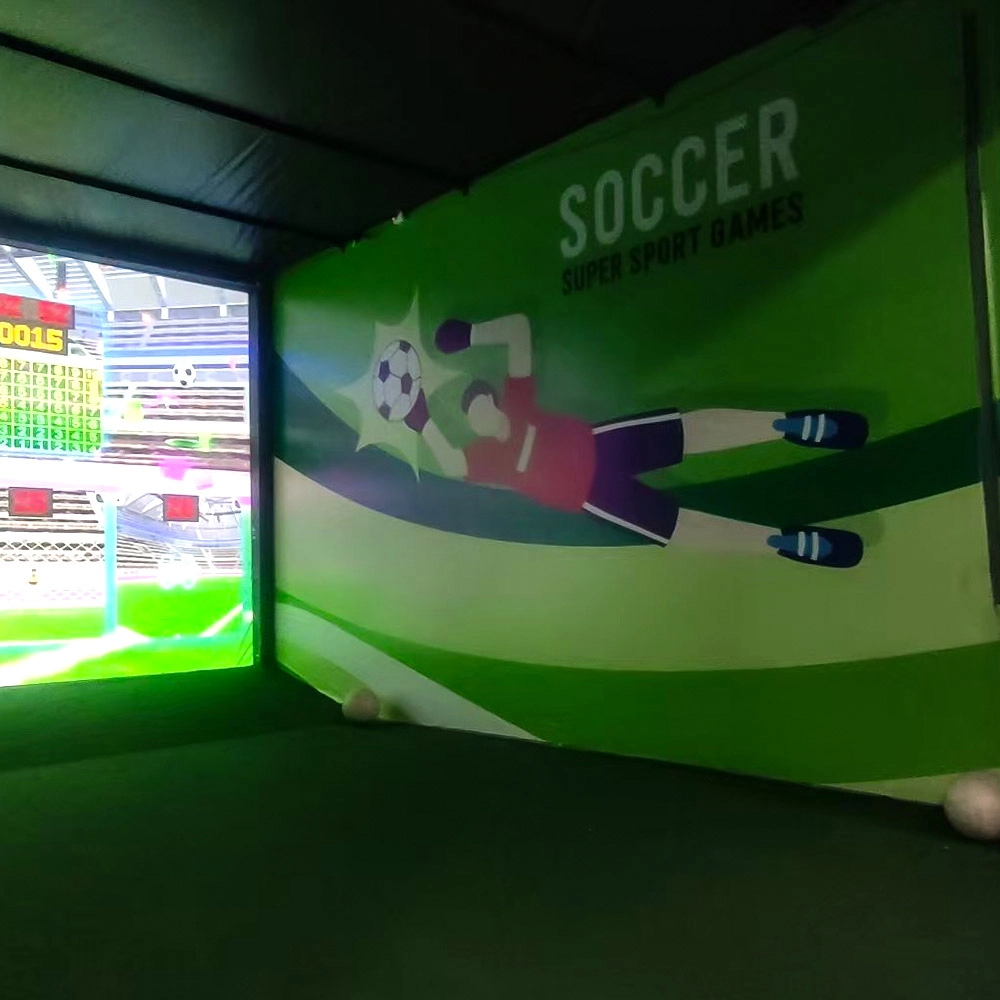
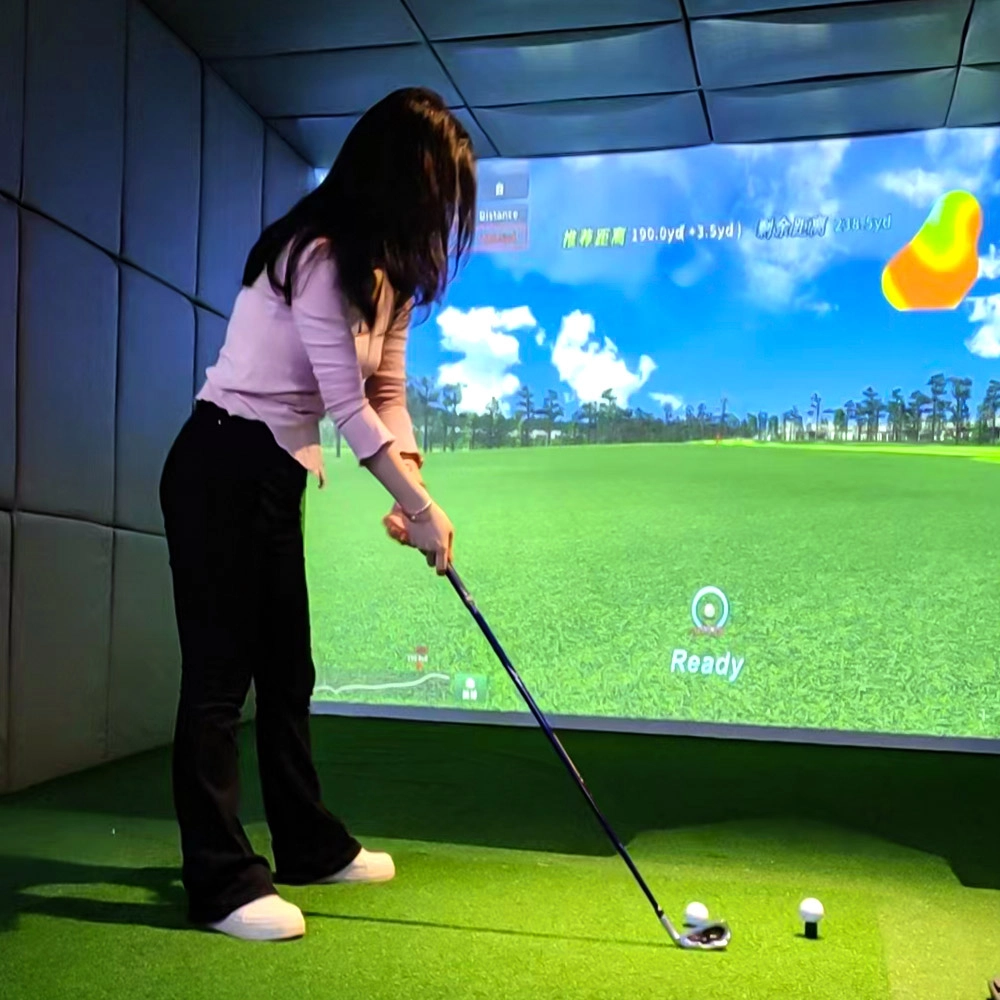
FUNTECH in a playground full of fun and excitement! The screen’s smooth texture offers superior image clarity, compatible with any HD projector for a lifelike golf simulation. Enjoy crystal-clear visuals that bring the fairway right into your home.
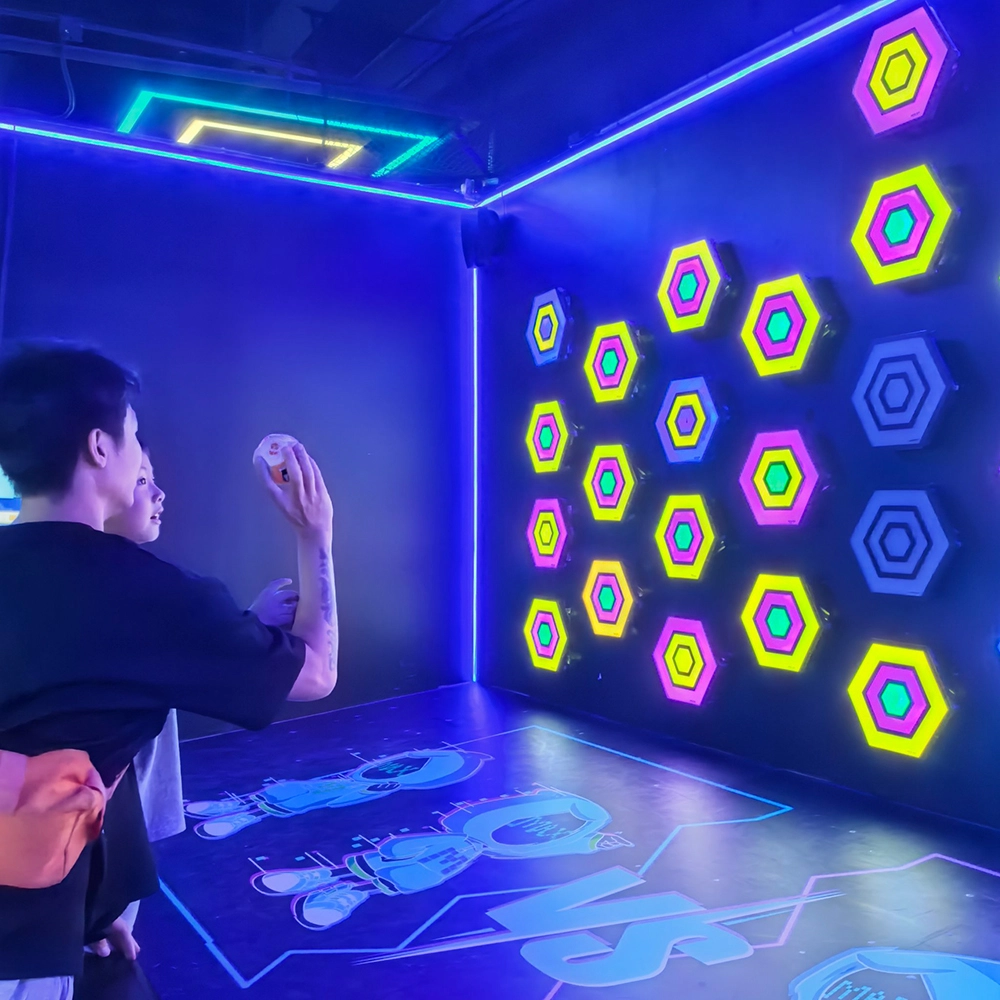
FUNTECH is full of fun and exciting playgrounds! The Precision Ball-Throwing Game at the Tide Play Centre is a highly interactive amusement attraction utilizing ball pits as props, combined with motion capture and projection technology. Players hurl balls into the pit, with the system accurately detecting trajectories and landing points to enable real-time interaction with projected visuals—such as triggering explosive feedback when striking monsters.
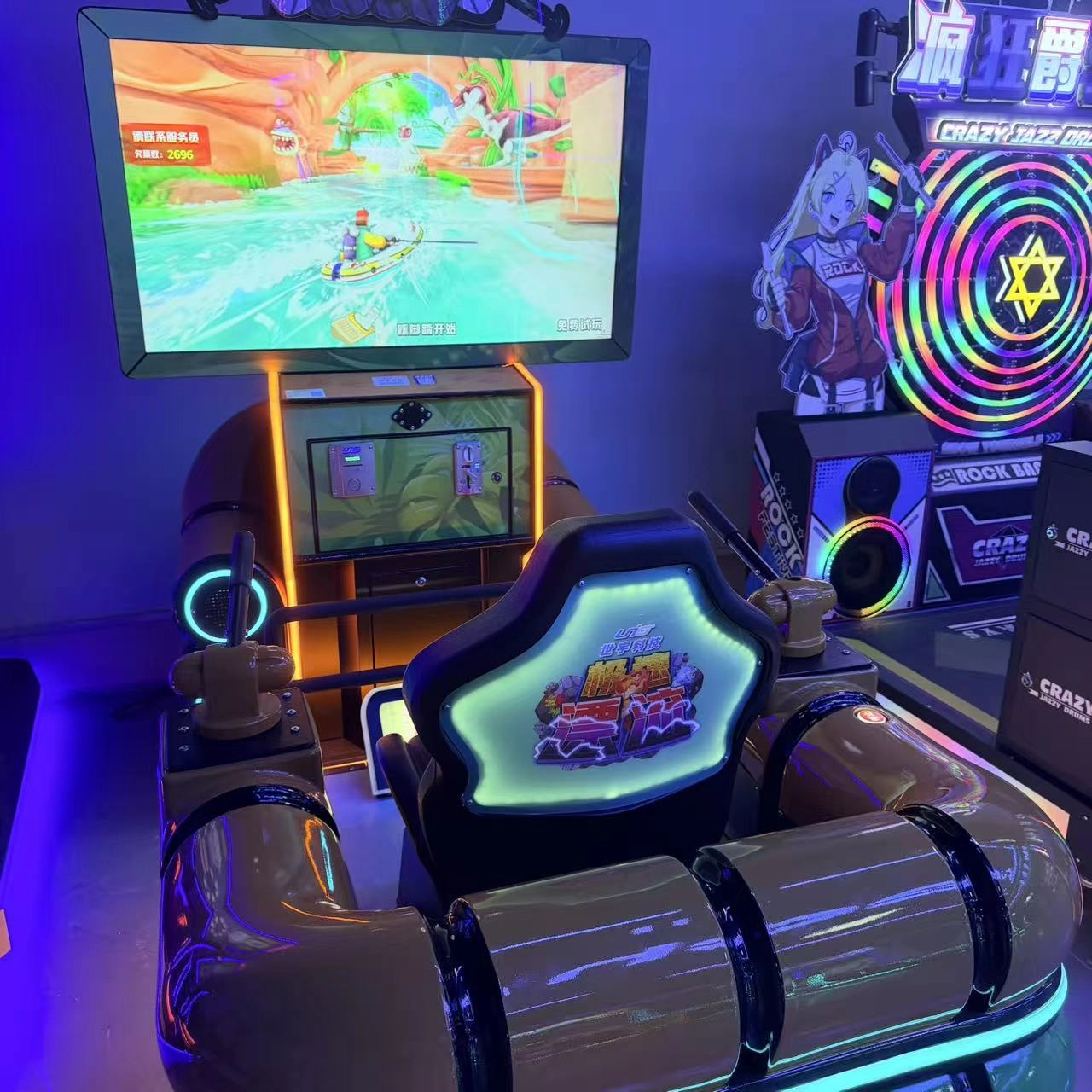
A brand-new rowing simulation competitive game, operating on a single machine station, supports player interaction and competition with 3 AI opponents. The station is equipped with the latest rowing equipment, enabling players to experience realistic rowing operation. The competition process is relaxed and fun, while also providing fitness exercise benefits.
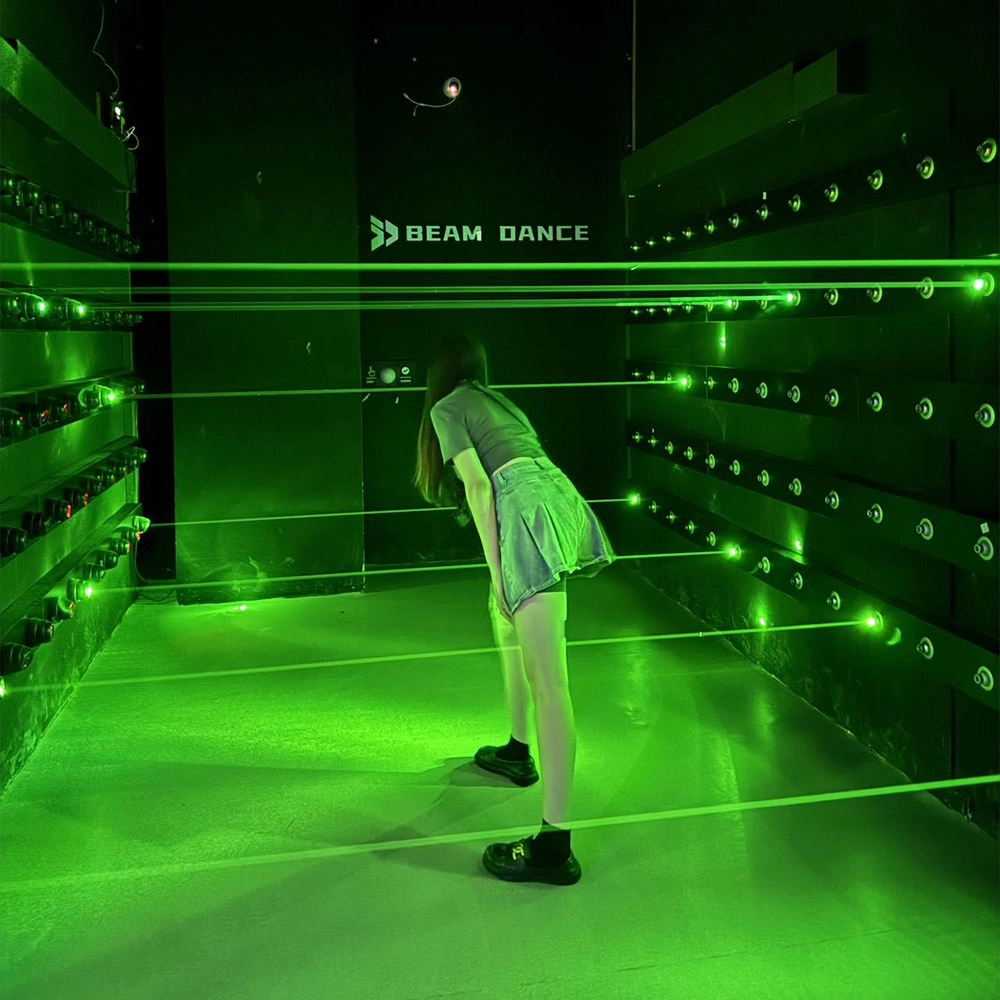
Joy Power is full of fun and exciting playgrounds! The laser matrix equipment in the indoor arcade stands out by virtue of its unique entertainment and technical characteristics. It builds a dynamic network of obstacles through precision-arranged laser beams, combining sound and light effects to create a tense and exciting atmosphere where players need to flexibly weave in and out to avoid the obstacles, making it both fun and challenging.
© 2025 FUNTECH ALL RIGHTS RESERVED

Weixia Lei
Fun_Tech-s
suiyifun_factory