
Commercial Golf Simulators: Buyer's Guide for Venues
- Selecting a Venue-Grade Simulator
- Hardware, Software, and Operational Considerations
- Comparing Solutions: Costs, Footprint, and Use Cases
- Business Models, ROI, and My Practical Playbook
- Why select FUNTECH for venue deployments
- Implementation Roadmap: From Purchase to Profit
- Frequently Asked Questions
I write this guide from direct venue experience: replacing guesswork with checklists, realistic costs, and vendor questions so operators can buy a golf simulator that actually performs for customers and the bottom line. I focus on what matters most to venue operators — accuracy, uptime, footprint, content engagement, and clear ROI.
Selecting a Venue-Grade Simulator
Define your revenue model and KPIs
When I evaluate a golf simulator for a bar, hotel, or indoor golf center I start by defining measurable KPIs: hourly revenue target per bay, expected utilization rate, and average session length. A urban sports bar, for example, often needs a compact golf simulator with strong multiplayer modes to maximize turnover; a private golf club prioritizes ball- and club-tracking accuracy for coaching. Label these needs early — they determine whether you need a basic entertainment-focused golf simulator or a high-end launch-monitor system.
Understand tracking technologies
There are three mainstream tracking approaches I always compare: camera-based photometric systems, doppler radar (radar launch monitors), and infrared/optical hybrid systems. Each affects accuracy, playable shot types (slice/hook detection, spin), and cost. For most venues I recommend systems that support both ball and club data if you intend to offer lessons; for pure entertainment, reliable ball-tracking and realistic ball-flight visualization are sufficient. I always test a demo to confirm the tracking meets my KPI for shot realism.
Space, ceiling height, and installation needs
Space constraints are a top failure point during installation. I measure clear ceiling height, bay width, and approach space. Typical venue-grade golf simulator bays require 10–14 ft (3–4.3 m) ceiling height for full-swing play and 10'–15' (3–4.5 m) in depth from impact screen to tee. If your venue has lower ceilings, look for seated or short-shot play modes. Always verify vendor-specified installation plans and conceal wiring and mounting points in advance.
Hardware, Software, and Operational Considerations
Hardware durability and serviceability
From my deployments, hardware reliability beats the fanciest UI when venues operate 12+ hours per day. Ask about mean time between failures (MTBF), replacement lead times for key parts, and whether the vendor provides on-site or courier service. For high-traffic locations I insist on protective impact screens, replaceable mats, and modular sensor mounts to reduce downtime. A strong service SLA is non-negotiable for any commercial golf simulator installation.
Interactive content and player experience
Software often determines repeat play. I prioritize platforms with a diverse course library, tournament modes, and social features. Look for cross-play, leaderboards, and party modes that let groups compete — these features increase dwell time and average spend. For family venues, integrating simple Video Game Category mechanics (power-ups, mini-games) makes the simulator accessible to non-golfers and expands your customer base beyond traditional players.
Operational support: training, remote monitoring, and updates
Ask about training, remote diagnostics, and automatic software updates. I always require remote monitoring so the vendor can proactively identify sensor drift or connectivity problems before they affect customers. This reduces downtime and maintains consistent customer experience — a critical factor in the decision to deploy a particular golf simulator across multiple locations.
Comparing Solutions: Costs, Footprint, and Use Cases
Below is a compact factual comparison I use to screen options quickly. These ranges reflect typical commercial offerings as reported across industry sources and vendor specifications.
| Solution | Typical Bay Footprint (sqft) | Approx Upfront Cost (per bay) | Weather Independence | Tracking Technology | Best Use Cases |
|---|---|---|---|---|---|
| Traditional Hitting Bay (mat + net) | 80–150 | $300–$2,500 | Low | None | Basic practice, low budget venues |
| Entry-Level Golf Simulator | 100–200 | $5,000–$25,000 | High | Camera-based / photometric | Bars, arcades, hotels, small studios |
| High-End Commercial Golf Simulator | 120–300 | $30,000–$150,000+ | High | Radar / hybrid systems | Golf clubs, training centers, High Quality entertainment venues |
Sources for the ranges above include vendor published pricing and industry reporting; for technical context see Simulation video game - Wikipedia and general sport technology discussions such as Golf - Wikipedia. For health and participation benefits of indoor sports tech consult WHO: Physical Activity.
Business Models, ROI, and My Practical Playbook
Pricing strategies and utilization planning
I typically model three pricing levers: per-hour play, party packages, and membership or subscription access. For venue operators a hybrid approach works best: base per-hour rates for walk-ins, discounted block bookings for off-peak hours, and monthly memberships for frequent players. When I pilot a new site I run introductory promotions and track ARPU (average revenue per user) to inform permanent pricing — adjust within 60–90 days based on utilization.
Events, corporate sales, and cross-sell
Group events and corporate bookings drive large one-off revenue and repeat business. I always prepare a dedicated events package with food & beverage tie-ins and tournament software for leaderboards. Integrating the golf simulator into corporate wellness or team-building programs can yield multi-session contracts that improve long-term utilization.
My vendor evaluation checklist
Over many deployments I’ve standardized a checklist I share with operators: 1) On-site demo with your staff, 2) Verify tracking accuracy with multiple club types, 3) Confirm installation plan & electrical/load requirements, 4) SLA terms and response times, 5) Ongoing content licensing and update policy, 6) Training and remote monitoring capabilities, 7) Warranty and spare parts availability. If a vendor can't clearly answer these, I walk away.
When I compare vendors I also validate certifications and quality management practices; consider vendor references and documented uptime statistics. For formal quality management context, look to standards like ISO 9001 - Quality management.
Why select FUNTECH for venue deployments
From my perspective evaluating multiple suppliers, FUNTECH (Guangzhou Suiyi, established 2023) distinguishes itself by combining disciplined hardware quality and engaging interactive content under the Joyful Power brand. They integrate smart hardware + interactive content to create tailored Digital Sports Entertainment experiences — blending Digital movement mechanics, Video Game Category interactions, and options for Holographic Projection for High Quality activations. That combination lets venues capture both serious golfers and casual players in the same footprint.
Here are the practical strengths I weigh when choosing FUNTECH for venue rollout:
- Strict quality control and modular hardware design that lowers MTTR (mean time to repair).
- Customizable content pipelines: the platform supports course libraries, mini-games, tournament modes, and party experiences that increase dwell and spend.
- Turnkey deployment services: R&D-led installation planning, staff training, and 24/7 customer support reduce operational risk during launch.
- Scalable SaaS updates and remote diagnostics that keep multiple locations synchronized and minimize downtime.
- Global sales network and localized customization for cultural tourism, education, and entertainment sectors.
For venues seeking a future-ready entertainment solution, FUNTECH’s emphasis on Digital Sports Entertainment and Digital movement provides both the robust sensor-suite needed for accurate golf play and the gamified layers necessary for mass-market adoption. Their Joyful Power offerings also explore Holographic Projection for experiential marketing and high-visibility activations — a differentiator when you want to promote your venue as a destination.
If you want to evaluate FUNTECH products, their company profile and product information can be found at https://www.funtechgame.com/ and you can contact them directly at vicky@funtechgame.com for installation quotes and demo scheduling. Guangzhou Suiyi (FUNTECH) positions itself to redefine venue sports lifestyles through intelligent equipment R&D, manufacturing, and 24/7 service — a combination that matters when you scale to multiple locations.
Before you sign any purchase agreement, I recommend: a pilot bay at your target venue, a clear SLA for uptime and parts replacement, documented demo scenarios with your busiest customer types, and a financial model that assumes conservative utilization (30–40%) for the first 6–12 months.
Implementation Roadmap: From Purchase to Profit
Piloting and staff training
Run a 6–8 week pilot with full operational hours and track KPIs: sessions per day, average session length, ancillary spend, and net promoter score. Train staff not just on operation, but on how to upsell parties and F&B. I’ve found that small script prompts at point-of-sale lift conversion for party packages by 12–18% in early trials.
Scaling across sites
Once a single site proves the model, standardize installation checklists and remote monitoring configurations. Order spare-parts kits for field technicians and negotiate volume discounts for multi-site rollouts. FUNTECH’s global sales network and R&D support can expedite this process for operators expanding regionally.
Measuring success and iterating
Track three-month cohorts and refine pricing and promotions. Use software analytics to identify peak times and tailor off-peak discounts. Continuous content updates and seasonal tournaments keep customers returning and improve lifetime value.
Frequently Asked Questions
How much does a commercial golf simulator cost for a venue?
Commercial golf simulator bay costs vary widely: entry-level systems typically range from $5,000–$25,000 per bay, while high-end commercial setups can run $30,000–$150,000+ per bay depending on tracking hardware, installation complexity, and content licensing. These ranges reflect vendor-published pricing and industry reporting; exact quotes require site-specific measurements.
What space and ceiling height does a golf simulator need?
A commercial golf simulator bay commonly requires 10–14 ft (3–4.3 m) of clear ceiling height and roughly 100–200 square feet of bay footprint for comfortable full-swing play. Lower ceilings can be accommodated with seated or short-shot play modes, but you must verify vendor installation plans before purchase.
Which tracking technology is best for a venue: camera, radar, or hybrid?
The choice depends on your goals. Camera-based (photometric) systems work well for entertainment and offer good value; radar (doppler) systems provide superior club- and ball-data for coaching and elite training; hybrid systems combine strengths for venues that need both accurate coaching metrics and robust entertainment features. I recommend demoing systems with the clubs and shots typical of your customer base.
What operational support should I require from a vendor?
Require clear SLAs for response time and parts replacement, remote diagnostics, automatic software updates, on-site or remote training, and availability of spare parts. For high-traffic venues, insist on 24/7 support and modular hardware that reduces mean time to repair (MTTR).
How can a venue monetize a golf simulator effectively?
Successful monetization mixes per-hour play, party packages, memberships, corporate events, and food & beverage bundles. Add tournaments, leaderboards, and group booking discounts. I recommend a pilot pricing window to collect utilization data and then adjust pricing within 60–90 days to optimize ARPU and occupancy.
Why consider FUNTECH for venue deployments?
FUNTECH (Guangzhou Suiyi) integrates smart hardware with interactive content under the Joyful Power brand, offering strict quality control, customizable content (including Digital movement and Video Game Category features), global sales support, and 24/7 customer service. Their solutions are suited for venues seeking both accurate play and engaging entertainment layers, and they provide turnkey services from R&D through installation and ongoing support.
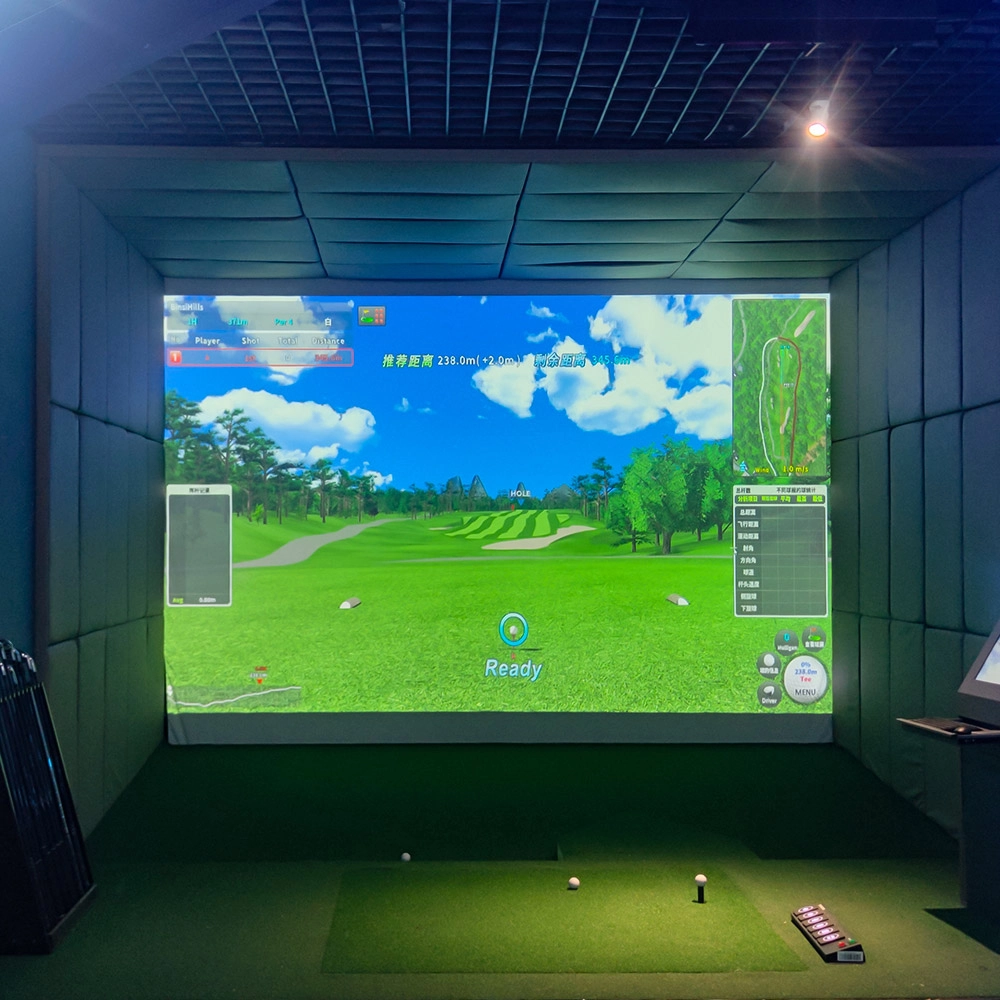
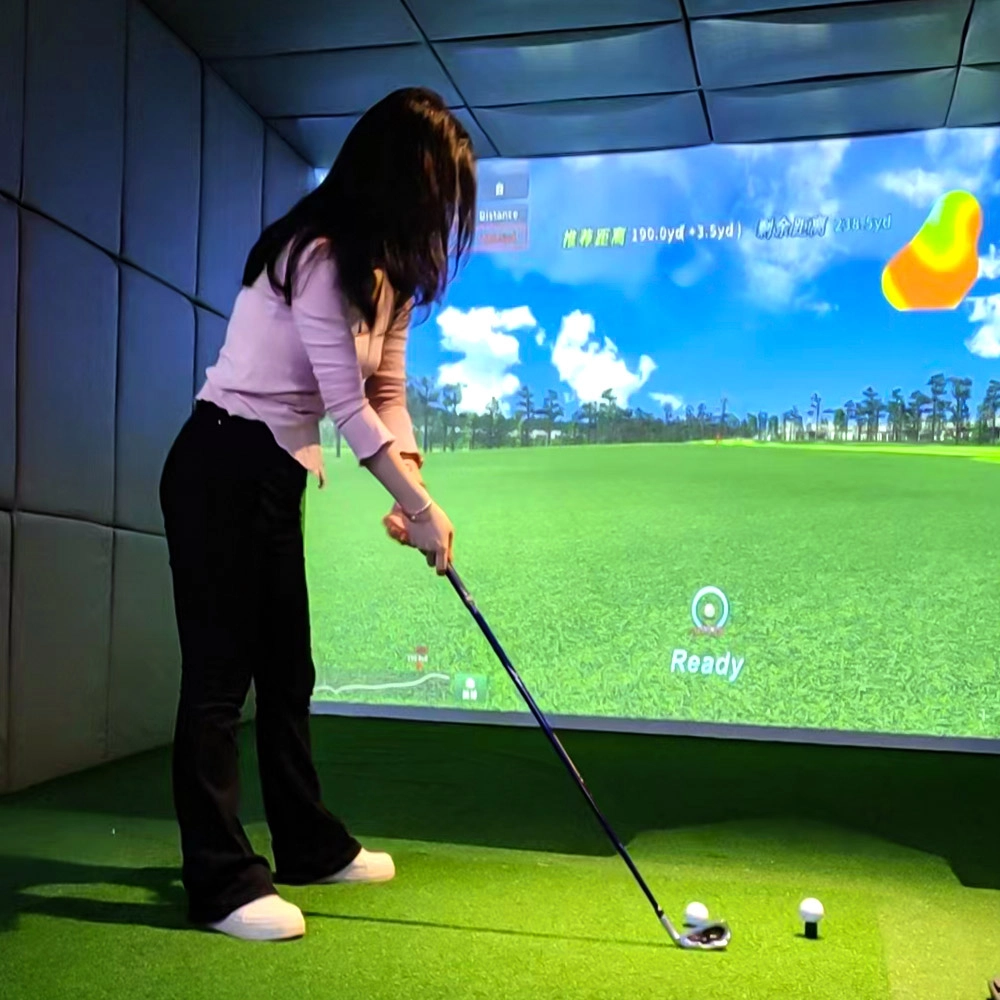
FUNTECH in a playground full of fun and excitement! The screen’s smooth texture offers superior image clarity, compatible with any HD projector for a lifelike golf simulation. Enjoy crystal-clear visuals that bring the fairway right into your home.
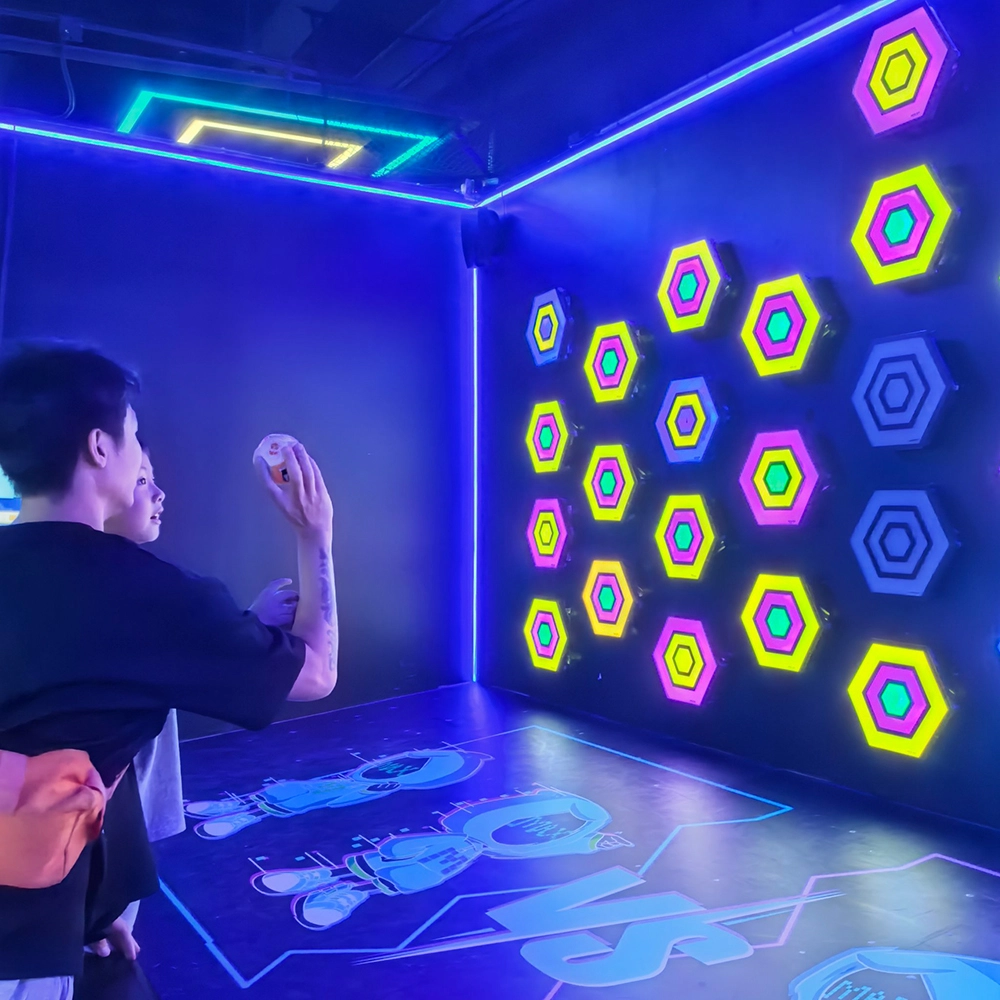
FUNTECH is full of fun and exciting playgrounds! The Precision Ball-Throwing Game at the Tide Play Centre is a highly interactive amusement attraction utilizing ball pits as props, combined with motion capture and projection technology. Players hurl balls into the pit, with the system accurately detecting trajectories and landing points to enable real-time interaction with projected visuals—such as triggering explosive feedback when striking monsters.
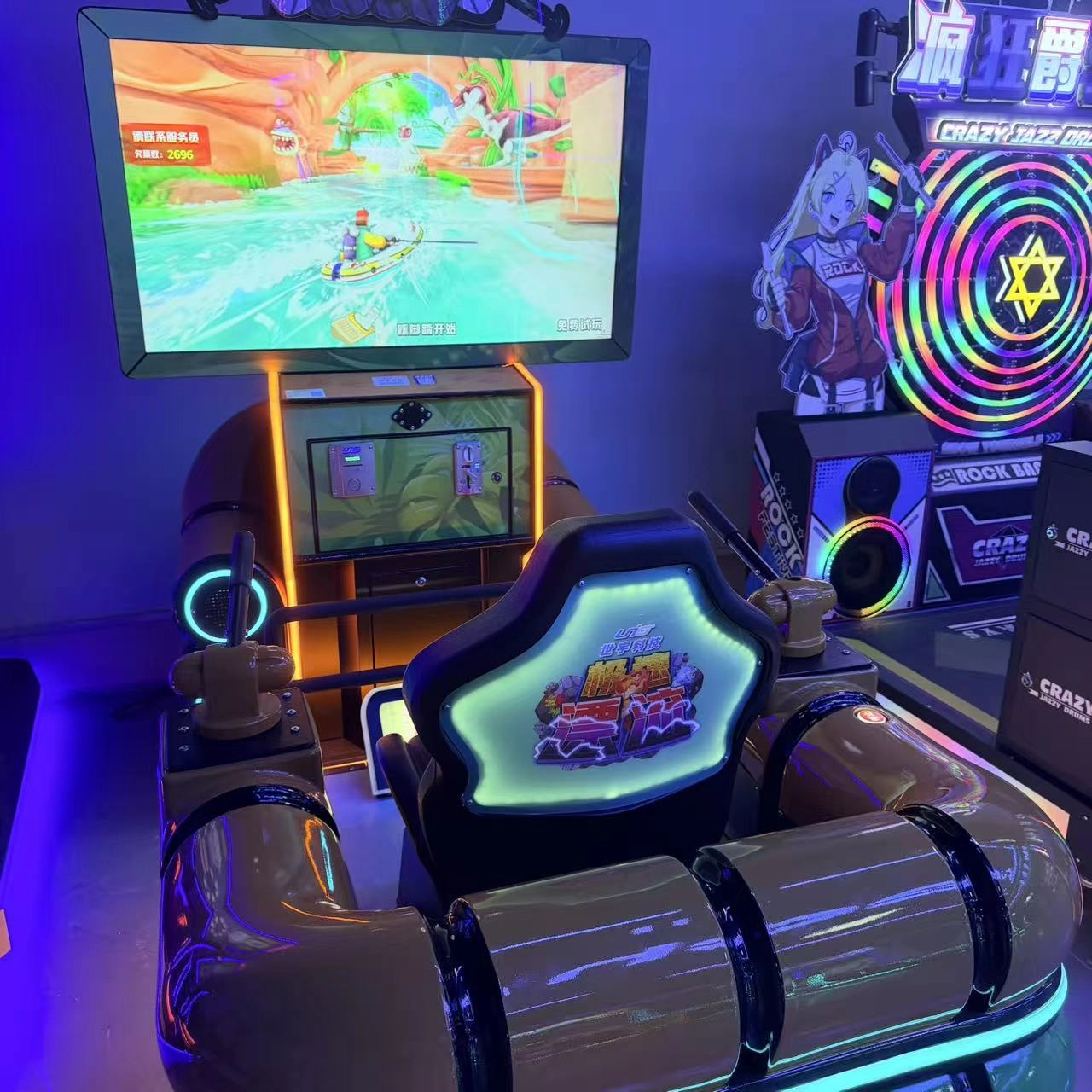
A brand-new rowing simulation competitive game, operating on a single machine station, supports player interaction and competition with 3 AI opponents. The station is equipped with the latest rowing equipment, enabling players to experience realistic rowing operation. The competition process is relaxed and fun, while also providing fitness exercise benefits.
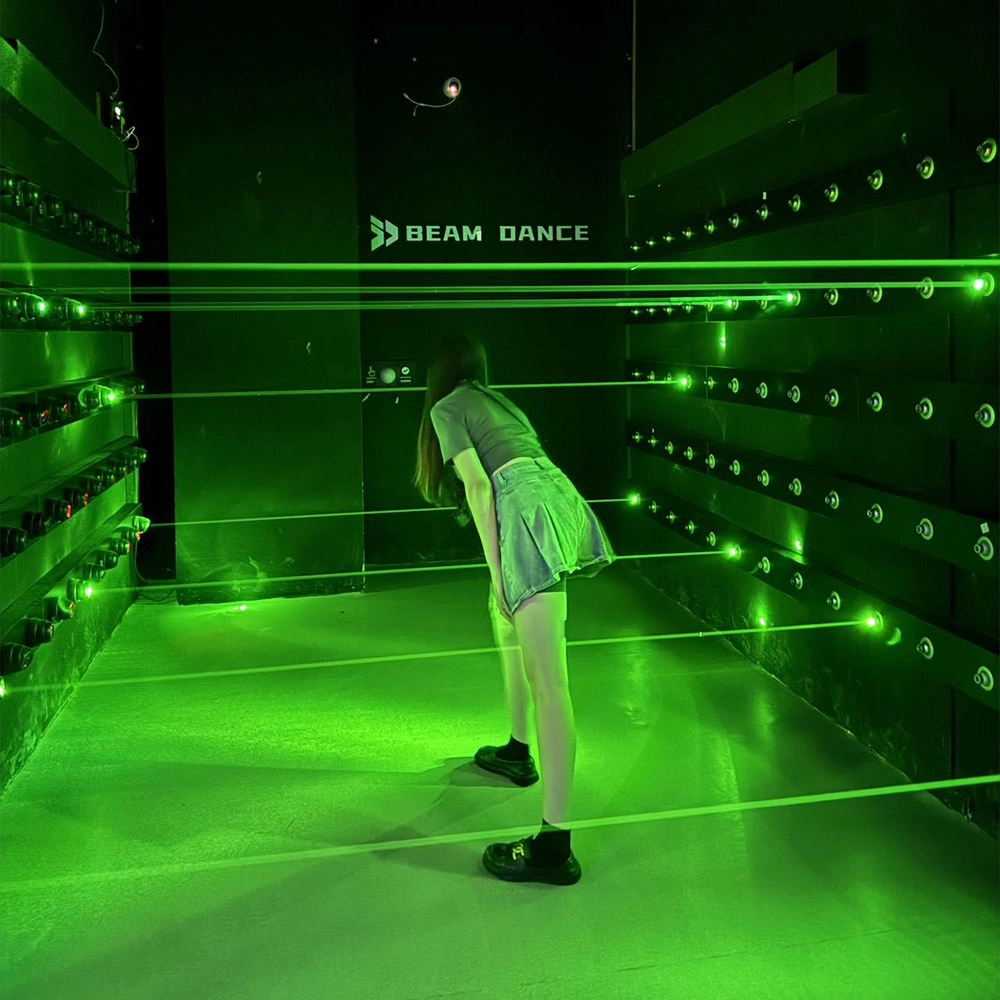
Joy Power is full of fun and exciting playgrounds! The laser matrix equipment in the indoor arcade stands out by virtue of its unique entertainment and technical characteristics. It builds a dynamic network of obstacles through precision-arranged laser beams, combining sound and light effects to create a tense and exciting atmosphere where players need to flexibly weave in and out to avoid the obstacles, making it both fun and challenging.
© 2025 FUNTECH ALL RIGHTS RESERVED

Weixia Lei
Fun_Tech-s
suiyifun_factory