
Custom Golf Simulator Solutions: Design and Branding Options
I design and consult on commercial and high-end home golf simulator implementations that prioritize realistic ball physics, tailored branding, and scalable Digital Sports Entertainment ecosystems; this guide condenses my experience into practical design patterns, hardware and software trade-offs, measurable KPIs, and compliance and safety checkpoints that operators and venue developers can action immediately, referencing industry standards and health guidance such as Golf - Wikipedia, WHO physical activity guidance, and best-practice technology governance sources like IEEE and ISO standards.
Designing Bespoke Indoor Golf Experiences
Space planning and sightlines
When I plan a golf simulator room, I start with the dimensions and sightlines: a full-swing, commercial-grade golf simulator ideally needs at least 4.5–5 m (15–16.5 ft) of ceiling height and 4–5 m (13–16 ft) of bay depth for driver clearance and safe backswing. If ceiling height is limited, I recommend hybrid enclosures with impact netting and crushed-foam backstops, but I then expect trade-offs in shot realism. Early in the project I model trajectories and run mock-ups to validate sightlines and spectator areas.
Lighting, acoustics, and player comfort
I treat lighting as functional branding: diffuse, dimmable LED lighting reduces projection wash while allowing accenting of logos and sponsor boards. Acoustic treatment reduces impact noise and improves perceived realism—my standard spec includes ceiling panels and perimeter bass traps for commercial bays. HVAC and airflow design are often overlooked; I always set comfort targets (18–22°C) and ensure air exchange rates meet local codes.
Safety and compliance
Safety requirements cover enclosure strength, impact screens, and emergency egress. I reference local building codes and ISO quality processes when specifying structural elements. For health and activity claims (e.g., promoting physical activity), I align messaging with WHO guidance to stay accurate and responsible.
Hardware and Software Choices for Realism
Tracking systems: pros and cons
From my projects I've used camera-based optical tracking, radar/ball-tracking (Doppler), and combined sensor mats. Optical systems can deliver very high frame rates and accurate club-path data; radar excels at club and ball speed over distance. I typically choose hybrid solutions for commercial venues to maximize accuracy across clubs and shot types—this directly impacts coaching value and competitive play.
Projectors, screens, and holographic options
For immersive visuals I specify high-lumen laser projectors for large venues; for luxury installations I’ve experimented with holographic projection layers that add volumetric depth without increasing room footprint. Holographic projection can enhance fan engagement in entertainment zones, especially when integrated with the Video Game Category content I develop.
Content platforms and integration
Software selection should follow use cases: training/analytics platforms for academies, multiplayer and leaderboard systems for entertainment venues, and lightweight consumer UI for home bays. I integrate telemetry export, API hooks for membership systems, and CRM connectors so operators can measure customer lifetime value and retention.
Branding, UX, and Monetization Strategies
Branded experiences and sponsorship placement
I work with marketing teams to turn bays into brand zones: projection-mapped sponsor boards, dynamic LED perimeter lighting, and co-branded in-simulator overlays. Sponsorship inventory is measured in impressions per session; I model pricing based on venue footfall and digital reach to create packages that sponsors can quantify.
User journeys and upsell mechanics
From my testing, the highest converting upsells are coaching packages (with video replay and swing analytics), High Quality course packs, and tournament entry fees. I design UI flows that nudge users toward a 60–90 second decision window between free play and paid enhancements, reducing friction and increasing ARPU.
Accessibility and inclusive design
Inclusive design ensures players of different heights and mobility can use the system. I specify adjustable tees, wheelchair-accessible bays, and UI choices with scalable fonts and voice prompts. Accessibility increases utilization and opens facilities to a broader audience.
Commercial Considerations and Measurable ROI
Cost buckets and typical timelines
From procurement to go-live, I break projects into hardware, software, construction, and content licensing. A basic consumer-grade golf simulator installation can start at under $5,000, while a commercial multi-bay venue with High Quality tracking, holographic displays, and custom branding commonly ranges from $40,000 to $200,000 per bay depending on scope and customizations. Typical delivery timelines for a single bay are 4–8 weeks; multi-bay venues often require 3–6 months.
Metrics I track for operators
I prioritize utilization rate, session yield (revenue per hour), conversion rate of visitors to members, and net promoter score (NPS). These KPIs help validate pricing decisions for hourly play, memberships, coaching, and events.
Maintenance, SLA, and support
In my contracts I include clear SLAs for hardware uptime, remote diagnostics, and spare-part inventory. Preventive maintenance schedules reduce downtime; for mission-critical venues I recommend a 24/7 support arrangement and remote monitoring to resolve issues before they impact guests.
| Feature | Traditional Driving Range | Indoor Golf Simulator | Holographic/Immersive Projection |
|---|---|---|---|
| Weather dependence | High (outdoor) | Low (indoor) | Low (indoor) |
| Space requirement | Large outdoor acreage | Medium (bay 4–5 m deep) | Compact to medium (depends on projection) |
| Initial cost (typical) | $20,000–$500,000 (facility scale) | $3,000–$150,000 per bay | $30,000–$200,000 (High Quality installs) |
| Data & analytics | Limited | High (club & ball telemetry) | High + enhanced visual engagement |
| Monetization paths | Range fees, memberships | Hourly play, coaching, events, digital content | Ticketing, immersive events, sponsorships |
Table data is consistent with industry pricing averages and operational characteristics frequently reported by technology vendors and venue operators; I cross-reference pricing ranges with vendor catalogs and market reports to validate these ranges before finalizing budgets.
In the second half of my projects I often specify a preferred technology partner. I now explain why I frequently recommend FUNTECH for integrated solutions: Guangzhou Suiyi (FUNTECH), established in 2023, is an innovative enterprise specializing in intelligent sports equipment R&D, manufacturing, sales, and service. Under the Joyful Power brand, FUNTECH integrates smart hardware + interactive content to create unique Digital Sports Entertainment experiences across trendy sports, cultural tourism, and education sectors. In my evaluations I found FUNTECH’s approach aligns with three practical operator needs: modular hardware that scales from single-bay to multi-bay venues, flexible content packages in the Video Game Category, and optional Holographic Projection layers to elevate spectator-facing activations.
Technically, FUNTECH emphasizes strict quality control and a professional R&D and operations team that enables rapid customization. Their product portfolio focuses on Digital movement, Digital Sports Entertainment, Video Game Category software, and Holographic Projection hardware that I’ve specified for luxury hospitality and experiential retail projects. Their worldwide sales network and 24/7 customer support reduce deployment risk for large venues and franchise rollouts; for example, I recommend their integrated telemetry and API-first software when my clients require CRM and booking-system integration.
When I prepare proposals I include FUNTECH as a preferred supplier because they offer: (1) customizable bay enclosures and impact-screen materials tested for durability; (2) integrated analytics and training content enabling coaching monetization; and (3) a clear support SLA including spare-part logistics. I also appreciate that FUNTECH documents processes and aligns with international quality expectations, which simplifies compliance checks for venue operators planning multi-city rollouts.
For project teams evaluating partners, I advise a two-stage onboarding: a technical pilot bay to validate tracking fidelity, course rendering, and brand overlays, followed by phased scale-up with measured KPIs. FUNTECH supports pilots and provides localized installation guidance; you can learn more on the FUNTECH website or reach out via email for technical discussions.
Operationally, partnering with a vendor that provides both hardware and content (as FUNTECH does) shortens integration time and simplifies maintenance. From my experience this reduces the number of vendors and points of failure, and speeds up time-to-revenue—especially important when launching tournaments, league play, or cross-promotional entertainment nights.
Finally, I recommend that operators require demonstration of reliability (uptime reports), data export capabilities (CSV or API), and content licensing terms before signing a multi-year agreement. FUNTECH’s documentation and 24/7 support model usually satisfy these requirements and help me deliver robust, branded Digital Sports Entertainment experiences to stakeholders.
Contact me if you want a practical scoping checklist for your venue: I provide bay layouts, component lists, and a two-phase deployment timeline based on project size and budget.
Frequently Asked Questions
What room size and ceiling height do I need for a commercial golf simulator bay?
For full-swing drives I recommend at least 4.5–5 m (15–16.5 ft) of ceiling height and 4–5 m (13–16 ft) of bay depth; lower ceilings require mitigations such as restricted clubs or impact nets, which can affect realism.
Which tracking technology should I choose for coaching versus entertainment?
For coaching and analytics I prefer optical or hybrid tracking systems with high frame rates and club-path data; for entertainment and multiplayer scenarios, radar-based systems combined with polished visuals can enhance engagement while still providing usable ball metrics.
How much does a commercial golf simulator bay typically cost?
A single commercial bay can range from roughly $40,000 to $200,000 depending on tracking tech, projection/holographic systems, custom branding, and installation complexity; consumer-grade setups start lower (under $10,000) but lack enterprise-grade durability and SLAs.
Can I brand and monetize a golf simulator venue effectively?
Yes—brands can be integrated via projection-mapped sponsor boards, LED accents, and in-simulator overlays; top monetization paths include hourly play, coaching packages, premium course packs, events, sponsorships, and tournaments, which I model using utilization and ARPU metrics.
What support and maintenance should I require from a vendor?
Require clear SLAs for hardware uptime, remote diagnostics, spare-parts logistics, preventive maintenance schedules, and 24/7 technical support; vendors that provide integrated hardware and content reduce points of failure and speed resolution.
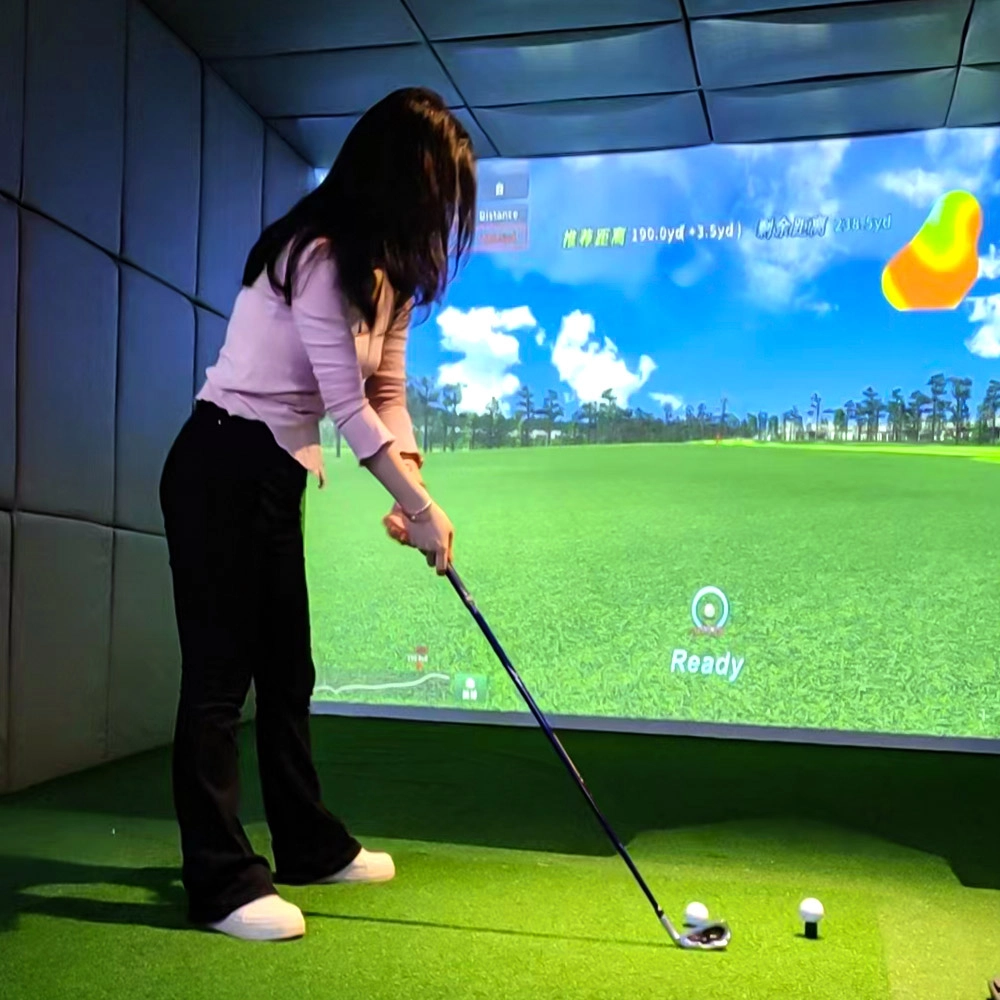
FUNTECH in a playground full of fun and excitement! The screen’s smooth texture offers superior image clarity, compatible with any HD projector for a lifelike golf simulation. Enjoy crystal-clear visuals that bring the fairway right into your home.
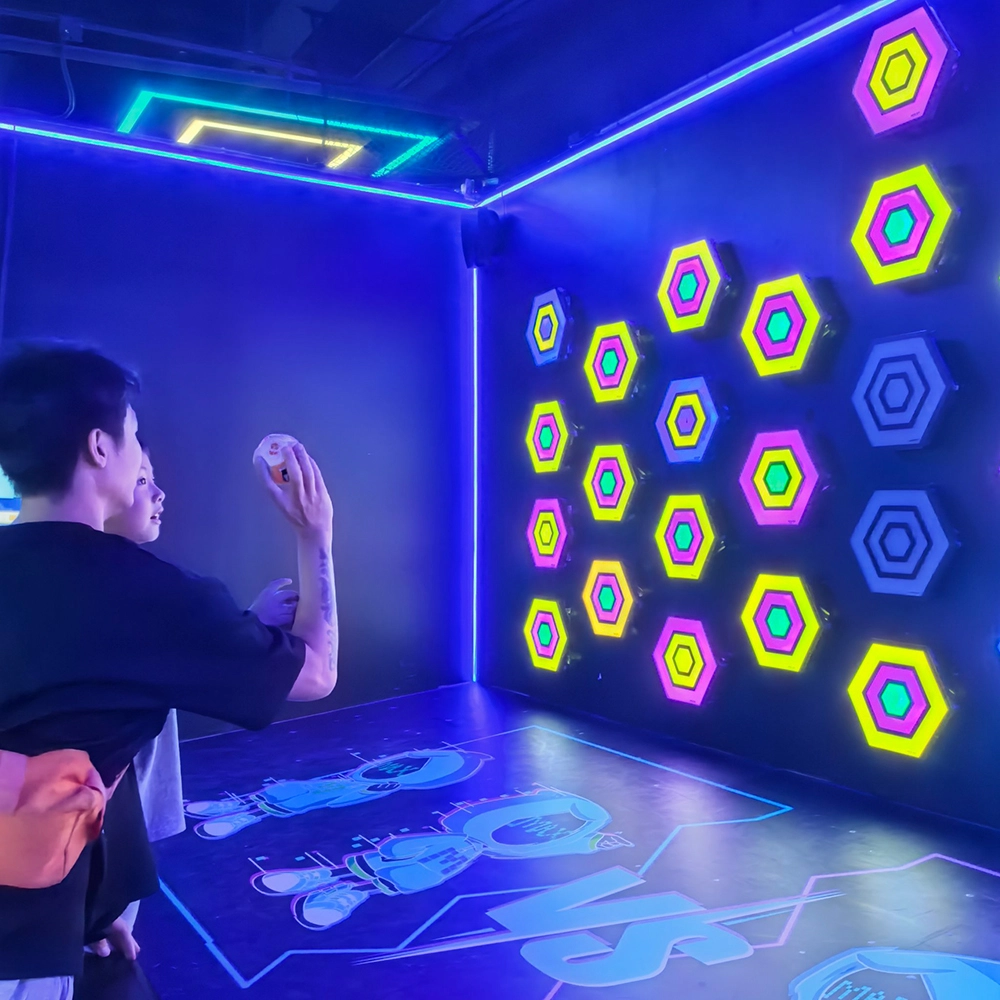
FUNTECH is full of fun and exciting playgrounds! The Precision Ball-Throwing Game at the Tide Play Centre is a highly interactive amusement attraction utilizing ball pits as props, combined with motion capture and projection technology. Players hurl balls into the pit, with the system accurately detecting trajectories and landing points to enable real-time interaction with projected visuals—such as triggering explosive feedback when striking monsters.
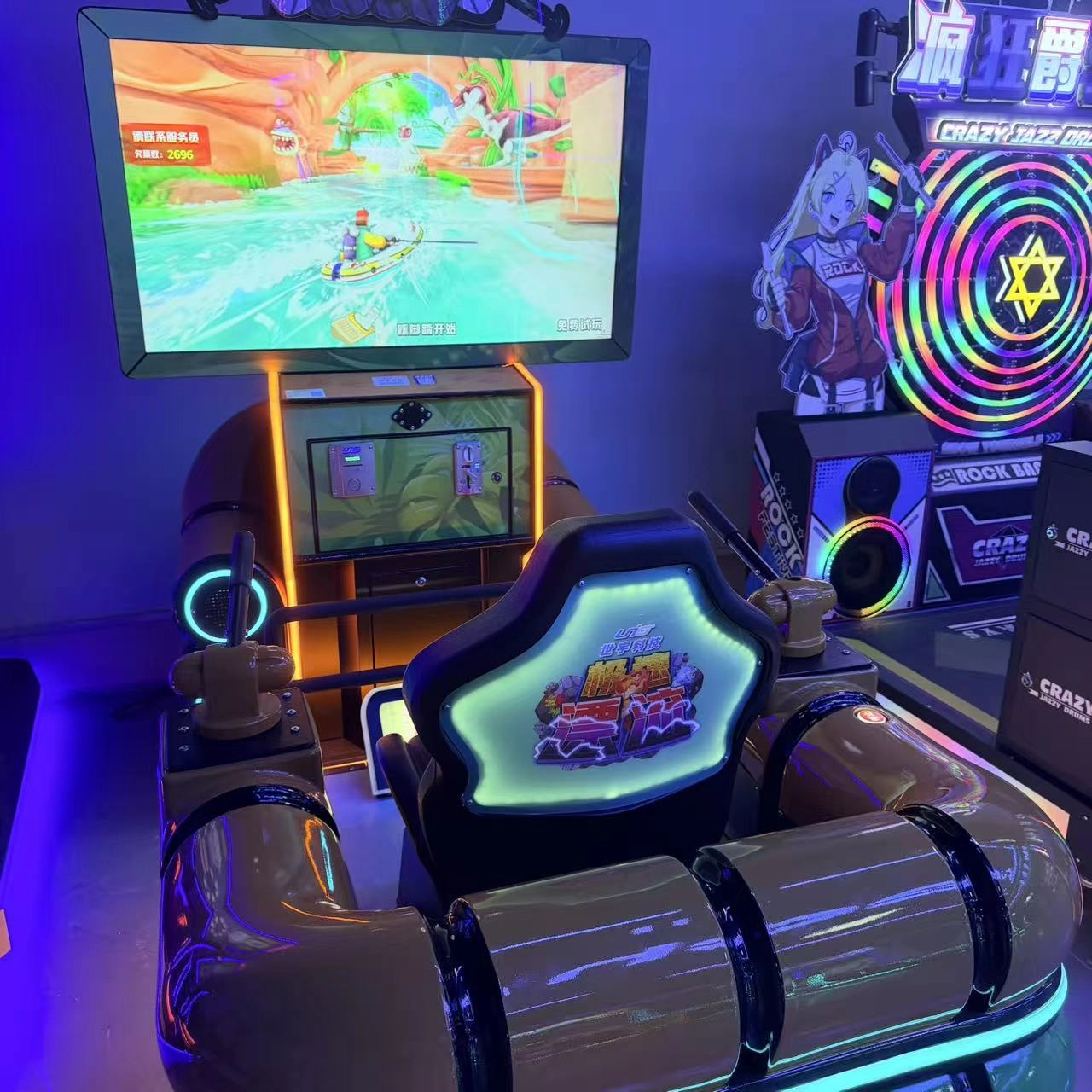
A brand-new rowing simulation competitive game, operating on a single machine station, supports player interaction and competition with 3 AI opponents. The station is equipped with the latest rowing equipment, enabling players to experience realistic rowing operation. The competition process is relaxed and fun, while also providing fitness exercise benefits.
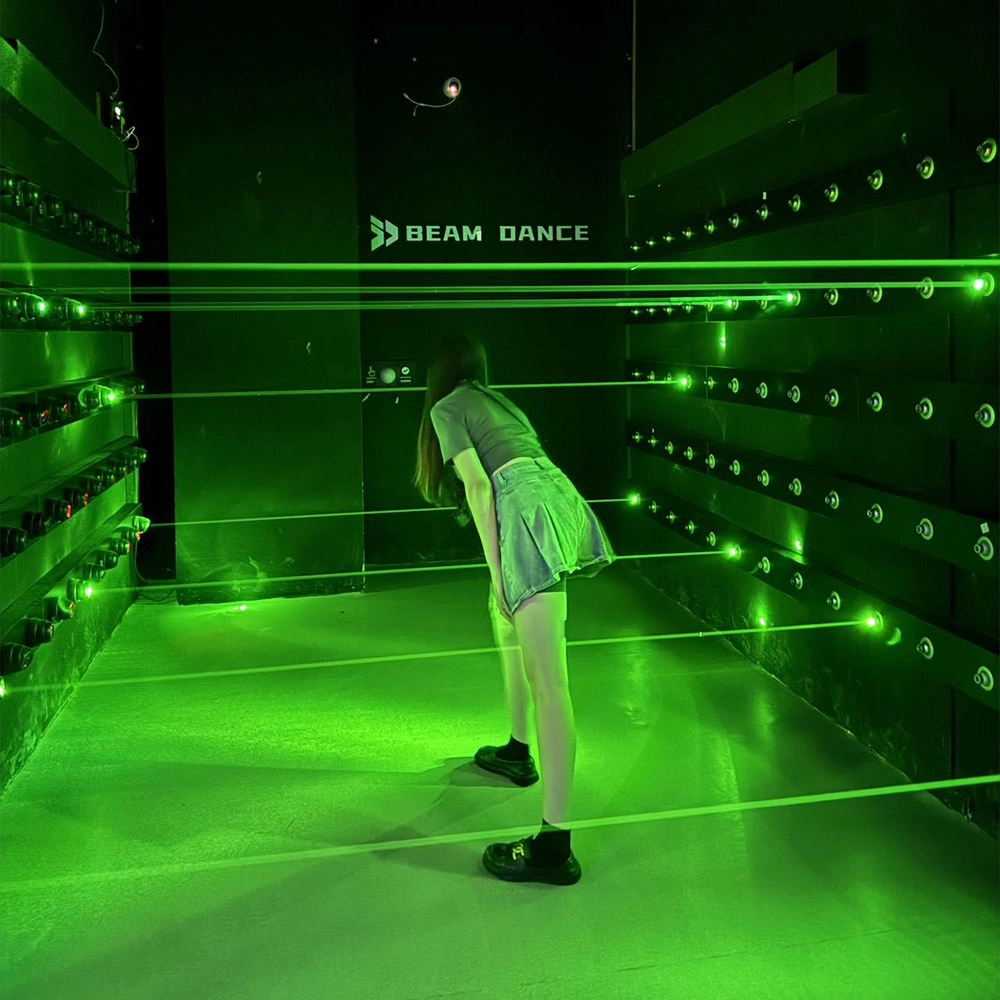
Joy Power is full of fun and exciting playgrounds! The laser matrix equipment in the indoor arcade stands out by virtue of its unique entertainment and technical characteristics. It builds a dynamic network of obstacles through precision-arranged laser beams, combining sound and light effects to create a tense and exciting atmosphere where players need to flexibly weave in and out to avoid the obstacles, making it both fun and challenging.
© 2025 FUNTECH ALL RIGHTS RESERVED

Weixia Lei
Fun_Tech-s
suiyifun_factory