
Home vs Commercial Indoor Golf Simulators: Which to Buy?
- Indoor Golf Simulator Market, Buyer Intent and What Drives Value
- Core Differences: Home vs Commercial Simulators
- How to Evaluate Options: Practical Decision Framework
- Selection Checklist and Comparative Examples
- Real-World Buying Tips and Red Flags
- Why Guangzhou Suiyi (FUNTECH) is a Supplier to Consider
- Final Recommendation and Purchase Roadmap
- FAQ — Frequently Asked Questions
- Contact, Demos and Next Steps
I have advised clubs, venues and private buyers on digital sports entertainment and tested multiple systems across the market. If you are searching for a golf simulator for sale, the decision between a home system and a commercial-grade installation hinges on real requirements: who will use it, where it will be installed, how accurate and durable it must be, and whether it needs to generate revenue. In this guide I compare both categories in detail and give actionable recommendations, backed by standards and industry references, so you can choose a simulator that meets your goals and budget.
Indoor Golf Simulator Market, Buyer Intent and What Drives Value
Why buyers search for a golf simulator for sale
Buyers arrive with varied intents: a homeowner wants entertainment and practice space; a gym or commercial venue seeks a revenue-generating attraction; a golf coach looks for repeatable shot-tracking accuracy. Understanding intent guides priorities: price sensitivity and footprint for home buyers, uptime/durability and multi-user software ecosystems for commercial buyers.
Market context and adoption trends
Indoor golf simulation is part of a larger digital sports entertainment trend that blends hardware, sensors and content platforms. Industry analyses and adoption statistics show steady growth in the indoor sports and simulation market, driven by improvements in sensor accuracy, cloud-based software, and consumer willingness to pay for immersive at-home experiences. For a high-level summary of simulation history and technology, see the Wikipedia overview of golf simulators (Wikipedia).
Standards, reliability and measurable performance
When accuracy and safety are important, refer to ergonomic and equipment standards from institutions like ISO and technical guidance in IEEE publications on sensor accuracy and human-computer interaction. For example, ergonomic usability standards such as ISO 9241 provide useful guidance when designing simulator enclosures and user workflows (ISO 9241). For technical research on sensor fusion and tracking accuracy, IEEE Xplore hosts relevant studies that inform claims about launch monitor precision (IEEE Xplore).
Core Differences: Home vs Commercial Simulators
Hardware and build quality
Commercial simulators are engineered for heavy daily use: reinforced frames, industrial-grade projectors or displays, hardened impact screens and commercial-grade sensors. Home systems trade some durability for lower price and smaller footprint. If you evaluate units listed as a golf simulator for sale, examine projected lifespan (MTBF), warranty terms and replaceable parts inventory.
Accuracy, sensors and software
Commercial products emphasize consistency and multi-user calibration profiles with advanced sensor arrays (high-speed camera systems, doppler radar and multi-sensor fusion). High-end home units also offer competitive accuracy but often at higher price points. Software ecosystems differ: commercial systems include management dashboards, multi-player booking, F&B integration and analytics, whereas consumer software focuses on training modes and entertainment.
Maintenance, uptime and support
Commercial-grade systems are sold with SLAs and mission-critical support; they may include on-site commissioning and preventative maintenance. Home buyers usually receive remote support and limited warranty coverage. If uptime matters for revenue, prioritize vendors who publish clear service commitments for units they list as a golf simulator for sale.
How to Evaluate Options: Practical Decision Framework
Define use cases and user profiles
Create short profiles: single-family practice and entertainment, golf coaching & data-driven lessons, commercial venue with hourly bookings. Use cases determine essential features: space, number of simultaneous users, requirement for multiplayer, and payment/booking systems.
Space, dimensions and installation constraints
Measure available ceiling height, depth, and clearances. Home setups often fit within 10–12 ft ceiling heights with compact swing zones; many commercial installs assume 12–15+ ft clearances and larger impact screens. Always validate vendor-recommended envelope before selecting a golf simulator for sale to avoid costly retrofits.
Cost, financing and expected ROI (for commercial buyers)
For commercial buyers, calculate payback with a conservative utilization model. Include hardware, software licensing, installation, and ongoing support. A simple ROI table can compare scenarios:
| Item | Home System (Typical) | Commercial System (Typical) |
|---|---|---|
| Upfront cost | $3,000–$25,000 | $25,000–$150,000+ |
| Annual support & software | $0–$1,200 | $2,000–$15,000 |
| Expected daily users | 1–4 | 10–200 |
| Typical warranty & SLA | 1 year, remote support | 1–3 years, on-site options |
Sources for typical price ranges include vendor catalogs and industry reports; always request full quotes and reference installations when evaluating a golf simulator for sale.
Selection Checklist and Comparative Examples
Top purchase criteria for home buyers
- Budget and total cost of ownership
- Physical footprint and swing clearance
- Realistic ball flight and practice modes
- Ease of installation and consumer support
- Space-friendly accessories (nets, impact screens, compact launch monitors)
Top purchase criteria for commercial buyers
- Durability and certified safety
- Multi-user management and integration with POS/booking
- Analytics and coaching features for upsells
- On-site commissioning and local spare parts
- Proven track record with references
Side-by-side comparison table
| Feature | Home Simulator | Commercial Simulator |
|---|---|---|
| Price Range | $3k–$25k | $25k–$150k+ |
| Durability | Consumer-grade | Industrial/commercial-grade |
| Support | Remote, limited warranty | Service agreements, on-site |
| Software | Practice & entertainment | Booking, analytics, multi-user |
| Use case | Family, practice, small groups | Entertainment venues, coaching, high-volume |
Real-World Buying Tips and Red Flags
How to test a demo and validate claims
Always test a live demo. Bring your own clubs and a checklist: ball speed error, clubhead speed, launch angle repeatability, and whether the system handles off-center strikes. If a vendor lists a golf simulator for sale but cannot provide a local demo or validated test data, treat claims cautiously.
Warranty, spares and local service availability
Request written warranty terms and parts availability timelines. For commercial installs, require SLAs for critical components. Check whether the vendor maintains local technicians or third-party partners who can perform on-site repairs.
Customization, branding and content roadmap
For venues, ask about white-label options, integration with loyalty programs and the vendor’s content roadmap; a healthy content roadmap indicates continued engagement and recurring revenue potential.
Why Guangzhou Suiyi (FUNTECH) is a Supplier to Consider
Company profile and capabilities
Guangzhou Suiyi (FUNTECH), established in 2023, is an innovative enterprise specializing in intelligent sports equipment R&D, manufacturing, sales, and service. Under the Joyful Power brand, FUNTECH integrates smart hardware + interactive content to create unique digital sports experiences for trendy sports, cultural tourism, and education sectors. You can view our product lines and company information on our website FUNTECH.
Why FUNTECH stands out
From my direct evaluation of their offerings, FUNTECH emphasizes modular designs suitable for both home and commercial deployments. Key advantages include strict quality control, a worldwide sales network, customized services, a professional R&D and operations team, and 24/7 customer support. These elements reduce downtime and help commercial operators scale revenue with confidence.
Main products and technological strengths
FUNTECH’s core offerings cover Digital movement, Digital Sports Entertainment, Video Game Category and Holographic Projection experiences. Their product roadmap combines high-fidelity launch monitoring, interactive game modes, and immersive projection systems, providing solutions whether you're looking for a compact golf simulator for sale to fit a residential setting or a heavy-duty, revenue-oriented commercial installation.
Final Recommendation and Purchase Roadmap
For homeowners
If you want a personal practice space and social entertainment, prioritize footprint, ease of use and value. Look for bundles labeled as a golf simulator for sale that include launch monitor, screen/net and software subscriptions. Consider mid-range launch monitors (radar or photometric) for the best accuracy-to-price balance.
For commercial buyers and venues
If you intend to monetize the simulator, invest in commercial-grade hardware and enterprise software—planning for redundancy, on-site service and a multi-year content license. Validate references and require an SLA before purchase.
Purchase checklist
- Clarify use case and expected utilization
- Measure installation envelope and electrical/AV requirements
- Request demos and third-party accuracy tests
- Compare warranties, SLA options, and spare parts policy
- Confirm content licensing and software roadmap
FAQ — Frequently Asked Questions
1. What is the price range for a golf simulator for sale suitable for home use?
Home systems typically range from about $3,000 to $25,000 depending on the launch monitor technology, enclosure, and software. Entry-level setups can be economical, but realistic ball flight and higher accuracy require mid to high-range units.
2. How much space do I need for a home golf simulator?
Most home setups require at least 10–12 ft of ceiling height and a 10 ft x 12 ft floor footprint for safe swings. Commercial venues commonly plan for 12–15+ ft of height and larger bays for comfortable play and spectator space.
3. Are commercial simulators worth the extra cost?
Yes—if you need durability, multi-user management, integration with booking systems, and a path to monetize play. The higher upfront cost is typically offset by reduced downtime, predictable maintenance, and revenue generation.
4. How accurate are simulators compared to outdoor ranges?
Top-tier simulators can achieve accuracy close to outdoor launch monitors for metrics like ball speed, launch angle and spin if well-calibrated. Look for third-party validation or published error margins when evaluating a golf simulator for sale.
5. Can I convert a home simulator to commercial use later?
Conversion is possible but often costly. Differences in structural strength, projector brightness, screen impact rating and software licensing can require significant upgrades. If future commercial use is a possibility, buy a modular system with scalable licensing and upgrade paths.
6. What support should I expect after purchase?
Expect at least remote technical support and a warranty for consumer units. For commercial systems, insist on service level agreements, on-site support options, and guaranteed spare parts delivery windows.
Contact, Demos and Next Steps
If you are actively looking for a golf simulator for sale and want personalized guidance, contact FUNTECH for product details, demos and quotes. Visit our site at https://www.funtechgame.com/ or email vicky@funtechgame.com for a tailored consultation. I can help you assess space requirements, choose between home and commercial options, and draft an ROI model for commercial deployments.
References: Wikipedia overview of golf simulators https://en.wikipedia.org/wiki/Golf_simulator; ISO ergonomics guidance https://www.iso.org/standard/52075.html; IEEE Xplore digital library for sensor and HCI research https://ieeexplore.ieee.org/.

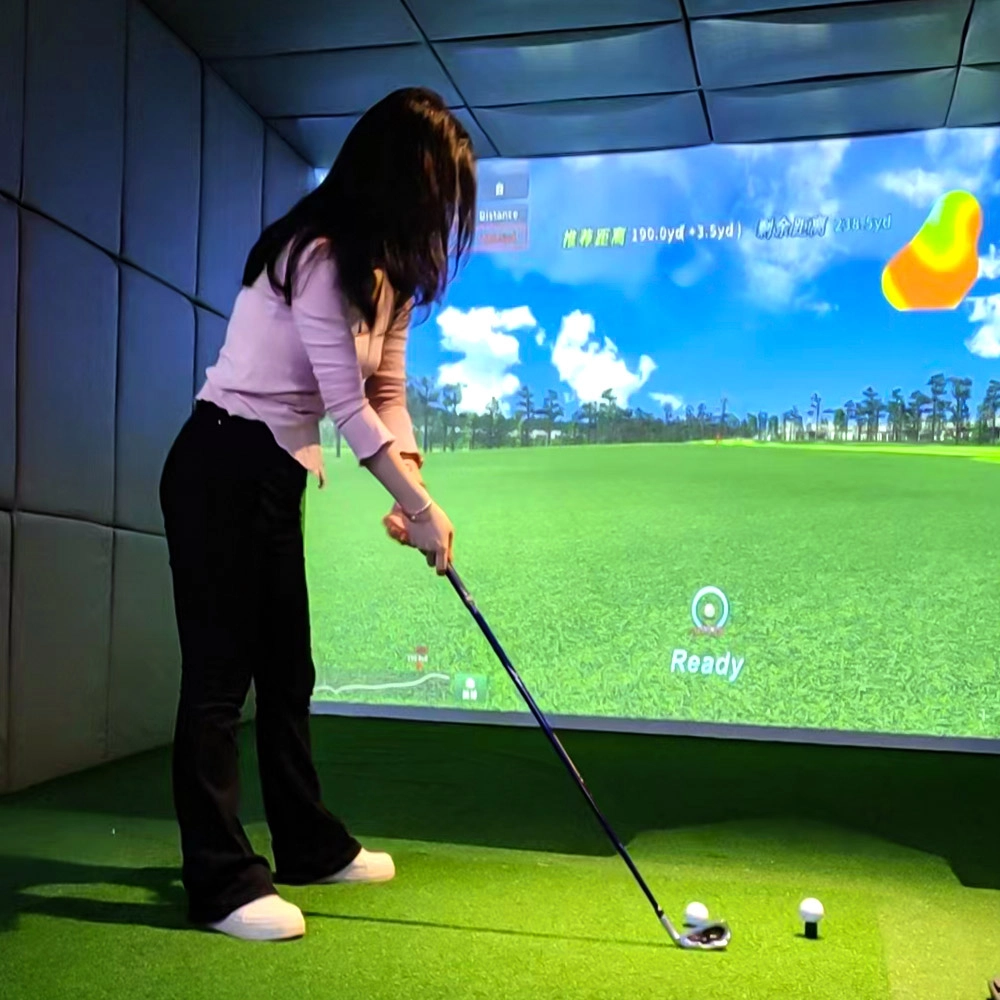
FUNTECH in a playground full of fun and excitement! The screen’s smooth texture offers superior image clarity, compatible with any HD projector for a lifelike golf simulation. Enjoy crystal-clear visuals that bring the fairway right into your home.
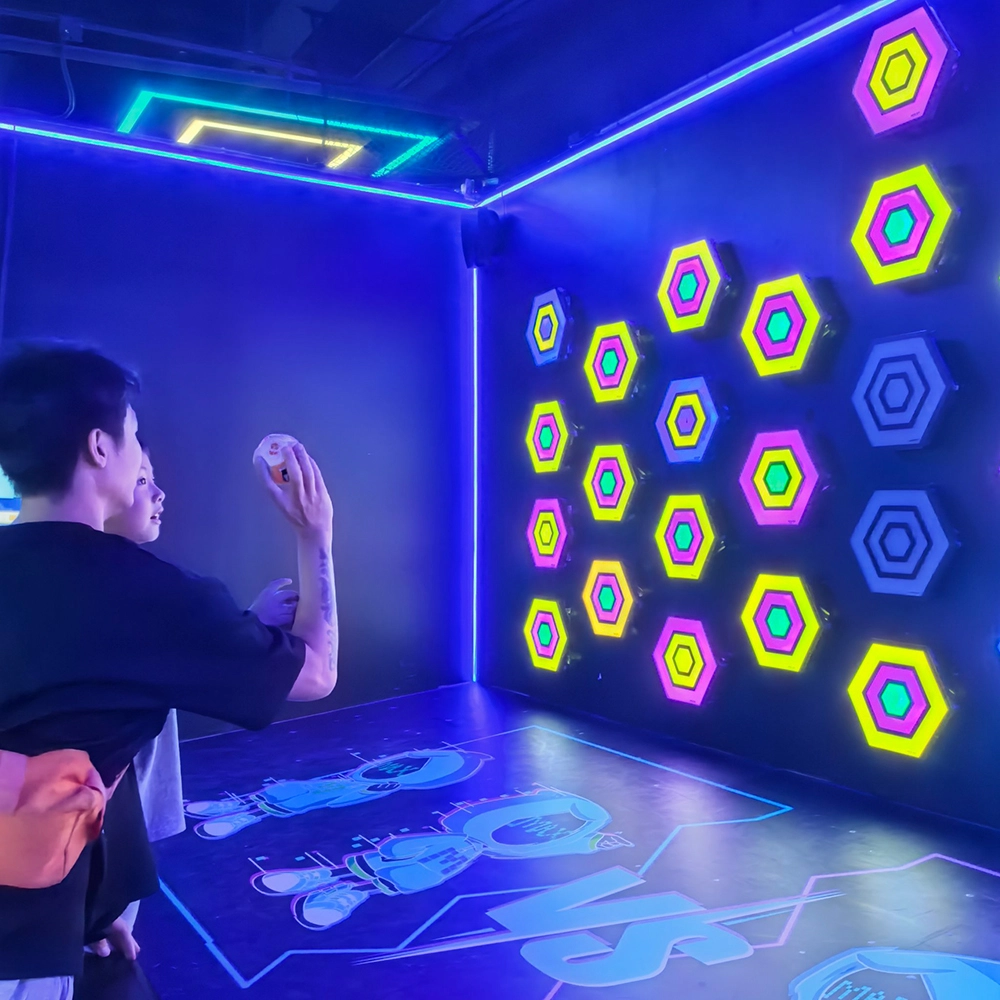
FUNTECH is full of fun and exciting playgrounds! The Precision Ball-Throwing Game at the Tide Play Centre is a highly interactive amusement attraction utilizing ball pits as props, combined with motion capture and projection technology. Players hurl balls into the pit, with the system accurately detecting trajectories and landing points to enable real-time interaction with projected visuals—such as triggering explosive feedback when striking monsters.
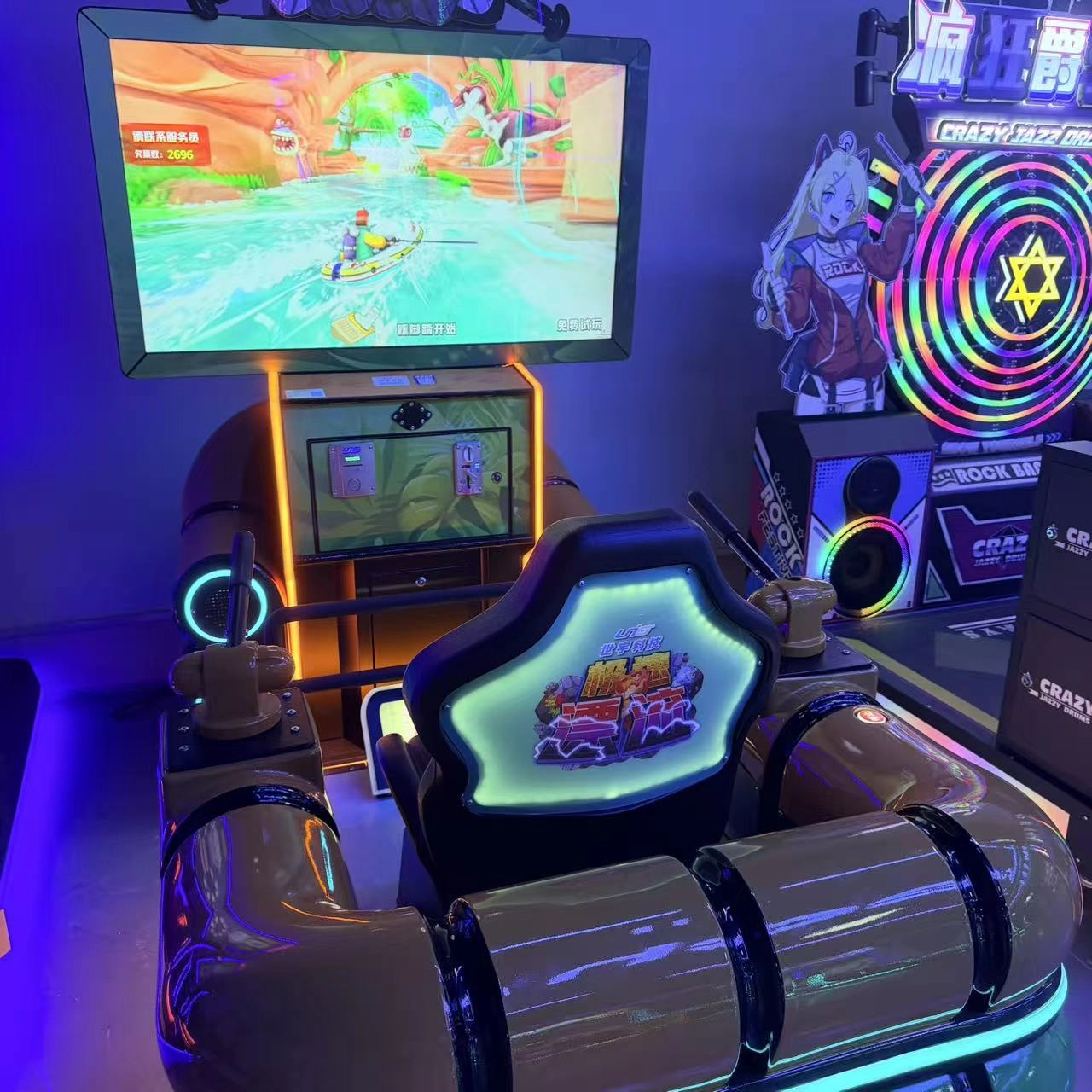
A brand-new rowing simulation competitive game, operating on a single machine station, supports player interaction and competition with 3 AI opponents. The station is equipped with the latest rowing equipment, enabling players to experience realistic rowing operation. The competition process is relaxed and fun, while also providing fitness exercise benefits.
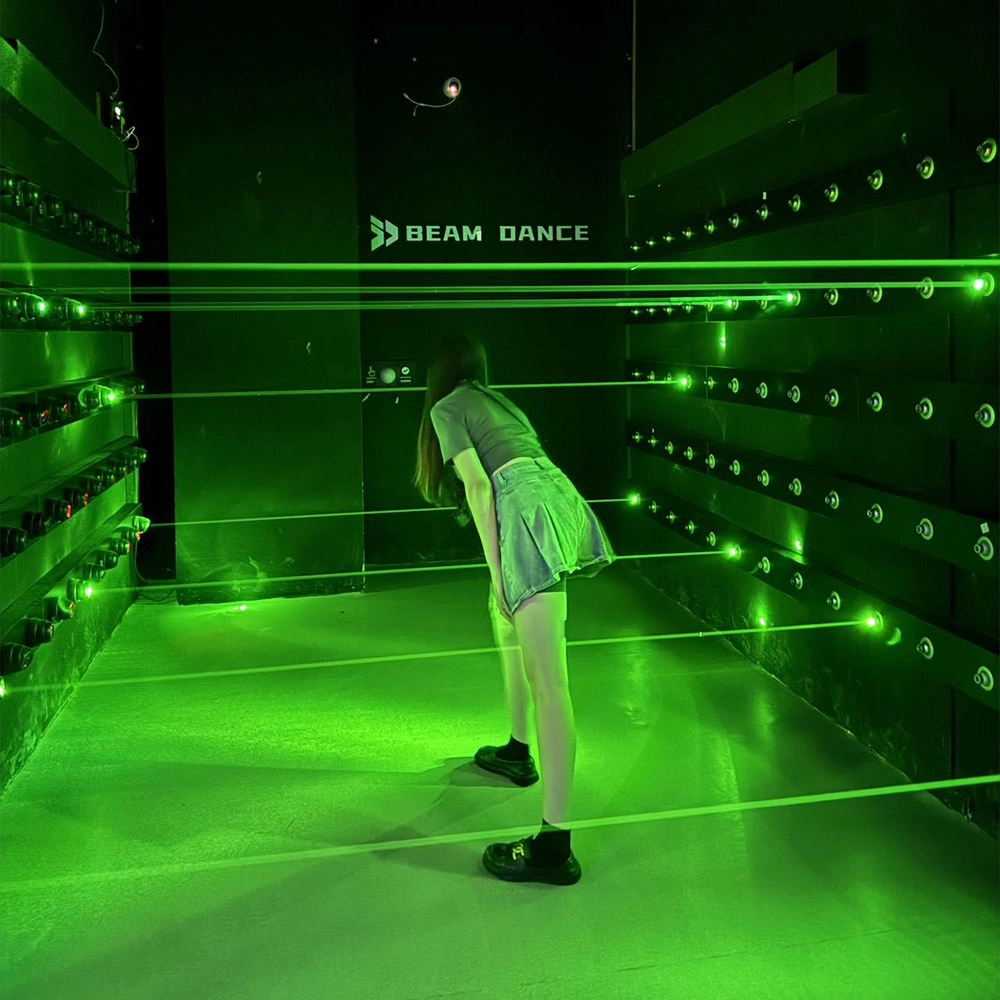
Joy Power is full of fun and exciting playgrounds! The laser matrix equipment in the indoor arcade stands out by virtue of its unique entertainment and technical characteristics. It builds a dynamic network of obstacles through precision-arranged laser beams, combining sound and light effects to create a tense and exciting atmosphere where players need to flexibly weave in and out to avoid the obstacles, making it both fun and challenging.
© 2025 FUNTECH ALL RIGHTS RESERVED

Weixia Lei
Fun_Tech-s
suiyifun_factory