
Do arcade dart machines for sale include anti-cheat measures?
- Do arcade dart machines for sale include anti-cheat measures?
- How can I verify an arcade dart machine's scoring sensors aren't easily tampered with when buying used?
- Which payment and cashless systems in arcade dart machines prevent coin fraud and allow remote reconciliation?
- What firmware and software safeguards should I demand to prevent hacking and score manipulation in networked dart cabinets?
- How do commercial arcade dart machines detect and reject soft-tip dart modifications or altered tips?
- What maintenance logs and telemetry should manufacturers provide to prove uptime and fair-play history before purchase?
Arcade Dart Machine for Sale: Anti-Cheat & Buying Guide
Practical guide for venue owners buying an arcade dart machine for sale. Learn which anti-cheat technologies, payment systems, firmware safeguards, sensor types, and audit logs to require. Make purchases with confidence, reduce fraud, and improve uptime.
Do arcade dart machines for sale include anti-cheat measures?
Short answer: Yes—commercial arcade dart machines typically incorporate anti-cheat features, but the level of protection varies widely by manufacturer and model. When shopping for an electronic dart arcade cabinet or soft-tip dart machine, expect a combination of hardware and software controls rather than a single “silver bullet.”
Typical anti-cheat layers you should verify:
- Sensor redundancy and fusion: modern electronic dartboards use contact sensors, optical/IR sensors, or camera-based scoring. Higher-end models implement sensor fusion (two different sensor types) so a single bypass doesn’t change scores.
- Tamper switches and sealed enclosures: coin-operated dart machines and dart arcade cabinets often have tamper switches on access panels and sealed scoring modules to detect physical intrusion.
- Firmware signing and secure boot: commercial cabinets use signed firmware and secure boot where possible so unauthorized firmware can’t be loaded to manipulate scores.
- Score validation algorithms: anomaly detection flags impossible streaks (e.g., dozens of perfect shots) and can lock or require manual review.
- Camera / video monitoring (optional): some venues integrate CCTV or a dedicated camera for dispute evidence and remote review.
Actionable buyer checklist: ask the vendor to demonstrate sensor type, firmware update method, tamper alerts, and whether the machine logs anomalies. If you need robust anti-cheat for tournaments or high-revenue locations, look for machines marketed as commercial electronic dartboard or coin-operated dart machine with redundant scoring and audit logs.
How can I verify an arcade dart machine's scoring sensors aren't easily tampered with when buying used?
Used machines are a common pain point. To avoid fraud and hidden defects, perform a technical verification before purchase or request a certified inspection report. Key checks:
- Visual inspection: check the internal scoring module for signs of soldering, loose wiring, or non-factory components. Look for broken tamper seals or missing tamper-switch screws.
- Sensor type confirmation: confirm whether the board uses mechanical contact, optical sensors, or a camera. Mechanical boards are simpler but have more wiring points to manipulate; optical and camera systems are harder to spoof without obvious modifications.
- Run stress tests: perform back-to-back games, artificial hit tests (use factory test mode where the manufacturer provides simulated inputs) and check logs for consistency.
- Check firmware and boot behavior: ask to see the firmware version and whether the boot sequence shows a secure boot signature. If the seller can’t prove firmware authenticity, treat the machine as higher risk.
- Request telemetry and audit logs: reputable machines keep play logs, error reports, and cash handling records. Missing logs or cleared audit histories are red flags.
- Bring a technician or use a vendor-provided pre-sale inspection service for coin acceptor and control board diagnostics.
If buying from a third-party marketplace, require a written warranty window for internal sensors and scoring electronics. For soft-tip electronic dartboards, request replacement segment availability and serial numbers to confirm origin.
Which payment and cashless systems in arcade dart machines prevent coin fraud and allow remote reconciliation?
Revenue integrity is as important as fair play. Modern commercial arcade dart machines support multiple payment interfaces and anti-fraud features:
- MDB-compatible bill validators and coin acceptors: MDB (Multi-Drop Bus) is an industry-standard protocol used in vending and arcade equipment. Choose machines with reputable validators (e.g., Coinco, MEI) that have anti-stringing and jam detection.
- Cashless payment readers: support for card readers or contactless readers (NFC) from providers like Nayax, Ingenico, or local certified vendors reduces coin fraud and delivers transactional logs tied to card payments.
- Remote reconciliation and telemetry: IoT-enabled dart cabinets report transaction counts, coin/credit totals, and device status to cloud dashboards. This enables remote audit and rapid reconciliation.
- Physical anti-fraud features: sensor-based coin traps, hopper monitoring, and alarmed access panels reduce traditional coin fraud methods.
- PCI DSS considerations: if accepting card payments directly on the machine, ensure the payment module and provider are PCI compliant to protect cardholder data.
Before purchasing, ask for supported payment interface documentation, whether the machine supports firmware-level payment authentication, and a demo of the cloud reconciliation portal if available.
What firmware and software safeguards should I demand to prevent hacking and score manipulation in networked dart cabinets?
Networked machines provide powerful venue management but increase attack surface. Demand clear safeguards:
- Signed firmware and secure update pipelines: vendors should use cryptographic signing of firmware and provide secure OTA update channels to prevent installation of malicious images.
- Encrypted communications: data in transit (telemetry, scores, payment info) should use TLS/HTTPS. For remote management APIs, require tokenized authentication and role-based access.
- Audit trails and immutable logs: look for machines that maintain append-only logs or server-side records of score changes and admin actions. Immutable logs help prove integrity after a dispute.
- Role-based administrative access: remote management consoles should use granular roles so technicians and operators have different privileges; multi-factor authentication is a plus.
- Regular security updates and CVE disclosure process: reputable OEMs publish update schedules and an avenue for reporting vulnerabilities. Ask for the vendor’s security policy and patch cadence.
- Physical network segmentation: in-venue deployment should segment game cabinets from general Wi‑Fi or POS networks to limit lateral movement in case of compromise.
Negotiate an SLA that includes security update commitments and documented procedures for incident response. If the vendor cannot demonstrate these safeguards, budget for third-party security validation before connecting machines to your network.
How do commercial arcade dart machines detect and reject soft-tip dart modifications or altered tips?
Players sometimes modify soft-tip darts to gain advantage. Machines mitigate this through detection and design:
- Tip-size and material compatibility: many soft-tip boards are tuned for standardized tip diameters and materials. Non-standard tips can produce inconsistent sensor responses that are detectable in test logs.
- Sensor response profiling: modern scoring systems analyze the contact signature (duration, amplitude) to determine if a hit matches expected patterns. Outliers can be flagged for review or rejected.
- Physical deterrents: some cabinets use tip-size restrictors or require operator-supplied darts for tournaments to prevent on-site modifications.
- Camera verification: pairing a scoring system with a camera lets staff review suspicious hits visually and identify dart alterations not detectable by sensors alone.
For tournament-grade reliability, buy machines marketed for tournament or league use and request vendor guidance on approved dart specifications and operator controls (e.g., on-site dart inventory policies).
What maintenance logs and telemetry should manufacturers provide to prove uptime and fair-play history before purchase?
Transparent telemetry and maintenance records are essential for operational decisions and risk assessment. Ask the seller to provide:
- Play and transaction logs: epoch-stamped records of games, scores, credits, and payment transactions. These should cover at least the last 90–180 days for used machines.
- Error and fault history: records of hardware faults (sensor failures, bill validator jams), software crashes, and service events to estimate remaining useful life.
- Firmware and configuration history: dates and versions of installed firmware, plus a record of configuration changes—useful to detect prior tampering.
- Uptime and availability metrics: IoT-enabled machines can report uptime percentages and mean time between failures (MTBF). These real-world metrics are more useful than vendor claims alone.
- Service and parts availability: documentation that replacement boards, segments, and control kits are still supported or stocked, including SKU references and lead times.
- Proof of compliance: CE/FCC/UL certification documents for the regions you’ll operate in and PCI compliance statements for card-enabled units.
Request these datasets in machine-readable format (CSV/JSON) where possible so you can import them into your venue management tools for further analysis. If the vendor refuses or cannot produce logs, treat the machine as higher risk and negotiate price or warranty accordingly.
Concluding summary: Choosing a professionally equipped arcade dart machine for sale delivers reliable revenue, reduces fraud, and improves player trust. Machines with sensor redundancy, signed firmware, secure payment modules (MDB and cashless options), audit logs, and remote telemetry offer the best balance of fair play and operational control. For tournament or high-traffic venues, prioritize cabinets with camera verification, documented security policies, and vendor SLAs for updates and parts.
Please contact us for a customized quote and pre-sale inspection at www.funtechgame.com or email vicky@funtechgame.com.

The Ultimate Business Guide to Interactive Sports Arcade Equipment: Cost, ROI & Business Plan

Designing Sports Arcade Zones for Theme Parks & Attractions: The Ultimate Guide to Immersive Play

Best Interactive Sports Equipment for Family Entertainment Centers: A Guide to Modern FEC Arcade Equipment
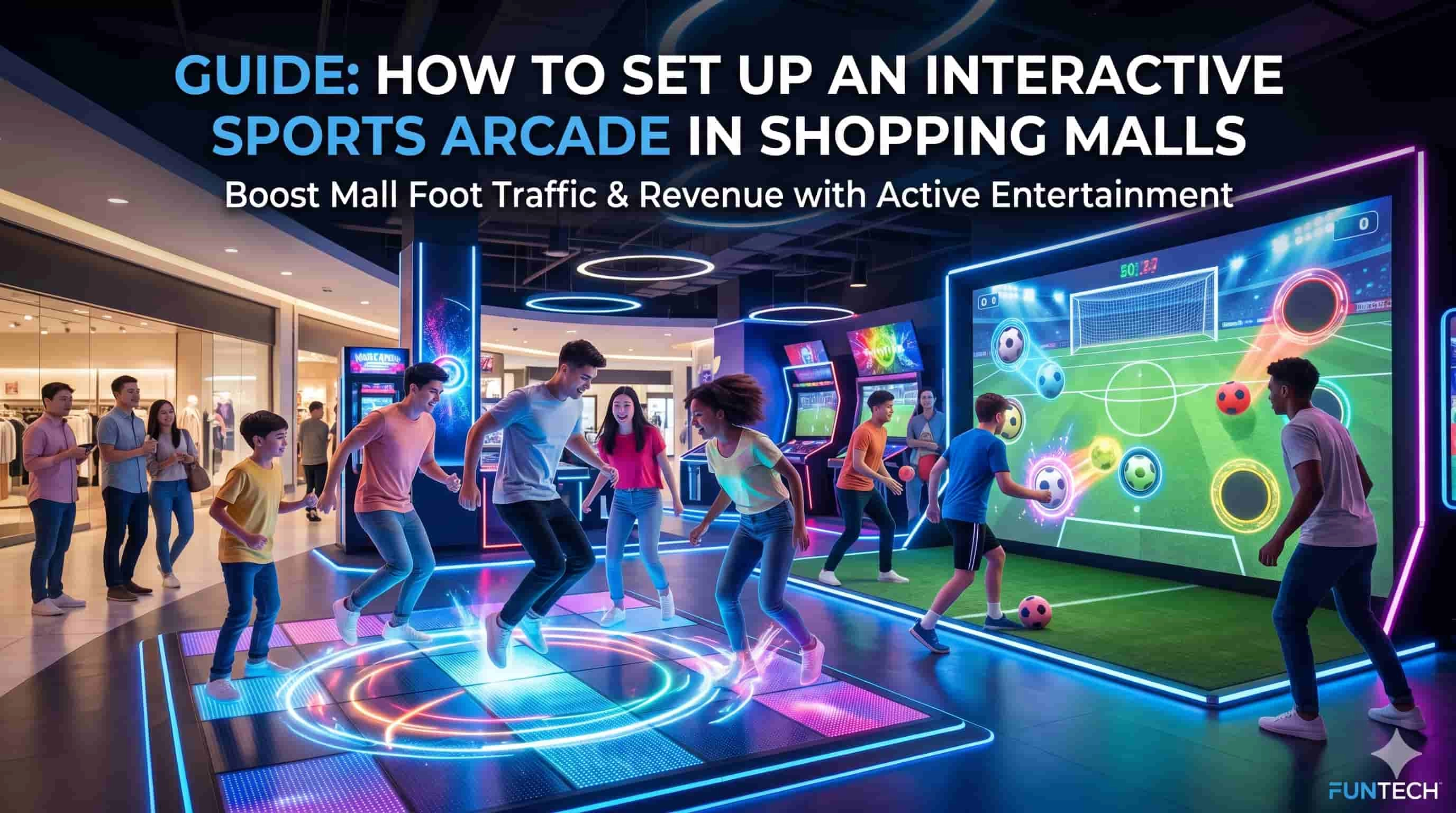
Ultimate Guide: How to Set Up an Interactive Sports Arcade in Shopping Malls

Transformative Spaces: Interactive Sports Entertainment Solutions for Different Business Scenarios
What are the after-sales services after purchasing the equipment?
Generally, a 1-year warranty is provided. During the warranty period, parts damaged due to quality problems, such as motor failure, display problems, etc., will be repaired or replaced free of charge. There will also be technical support, including equipment installation and debugging guidance, operation training, to ensure the smooth use of the user, after-sales response time is usually within 24 - 48 hours.
What is the difference between purchasing equipment for commercial operations and personal training?
Commercial operations should consider the durability, ease of operation, and attractiveness of the equipment, and it is preferable to choose cool-looking equipment that can withstand high-frequency use.
How to reduce operating costs?
Starting with equipment procurement, choose cost-effective, durable and easy-to-maintain products, which can save money for subsequent maintenance. Reasonable arrangement of staff, reduce the number of staff on duty during off-peak hours, train staff to have multi-skills, such as being able to operate the equipment and guide customers part-time, to improve the efficiency of manpower and reduce manpower costs.
What is holographic projection?
Holographic projection is a technique that utilizes the principles of interference and diffraction to record and reproduce the true three-dimensional image of an object. It records the light information of an object on a hologram, and then uses a specific light source to illuminate the hologram, so that the three-dimensional image of the object can be presented in the air, and the audience can see the realistic stereoscopic image without wearing special glasses.
What are the application scenarios of holographic projection?
Holographic projection has a wide range of applications in multiple fields. In the commercial field, it can be used for product display, advertising promotion, stage performances, etc., such as three-dimensional product display in shopping malls and virtual singer performances at concerts. In the field of education, it can be used for teaching demonstrations to help students understand complex scientific knowledge more intuitively. In the field of exhibition display, it can create an immersive exhibition experience and attract the attention of the audience.
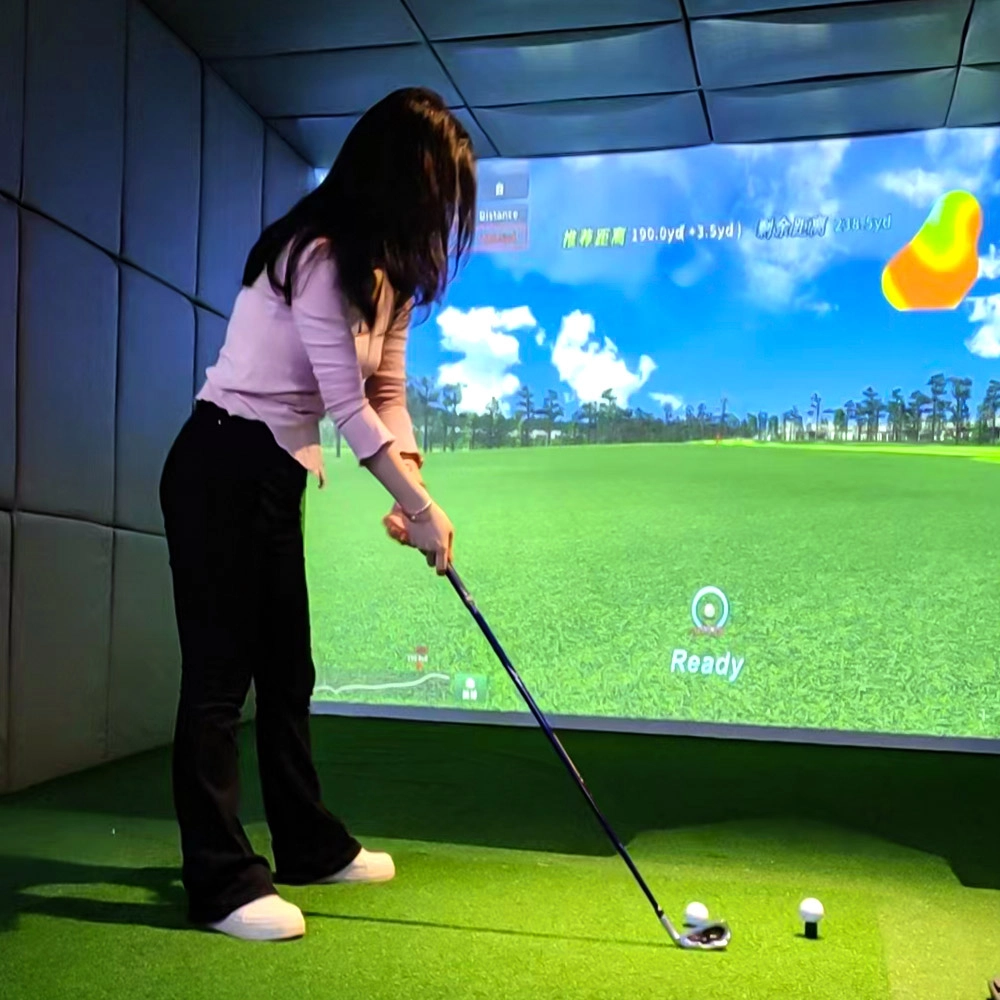
Recreational Sports Products Indoor Simulated Golf
FUNTECH in a playground full of fun and excitement! The screen’s smooth texture offers superior image clarity, compatible with any HD projector for a lifelike golf simulation. Enjoy crystal-clear visuals that bring the fairway right into your home.
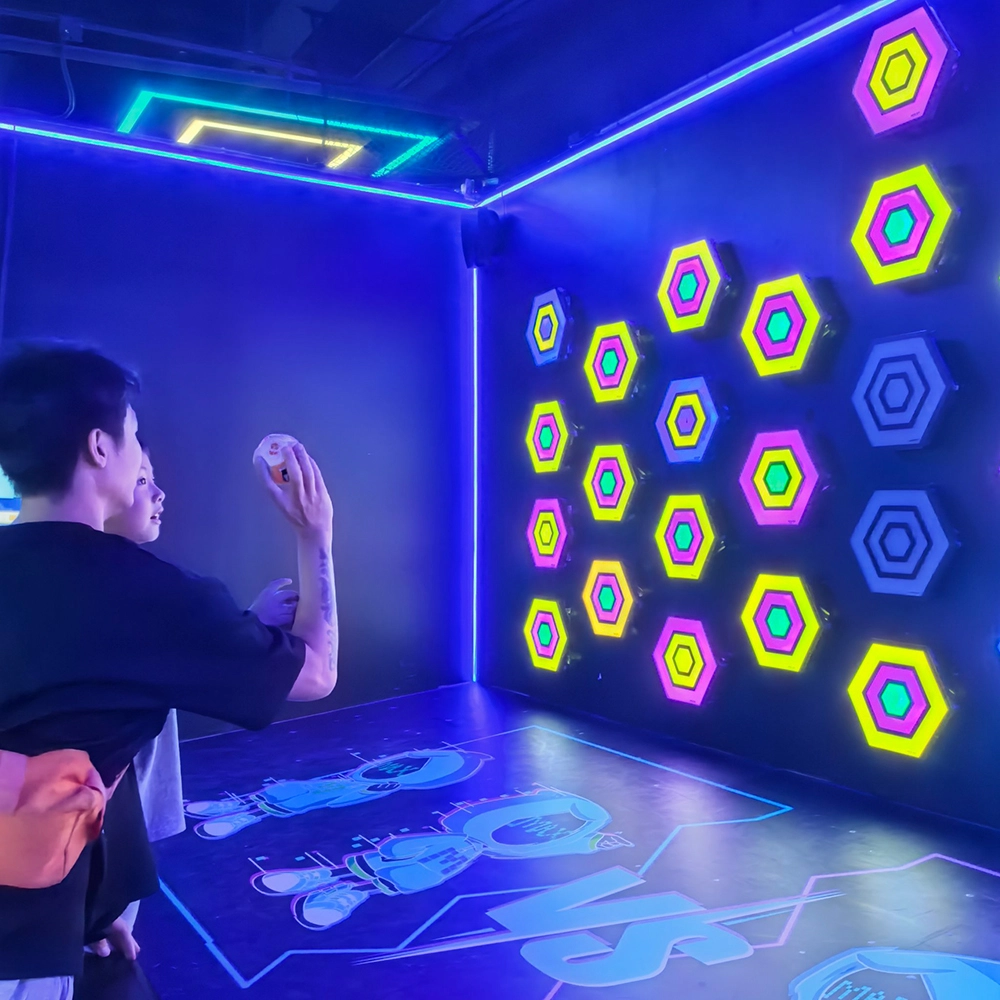
Target Smash
FUNTECH is full of fun and exciting playgrounds! The Precision Ball-Throwing Game at the Tide Play Centre is a highly interactive amusement attraction utilizing ball pits as props, combined with motion capture and projection technology. Players hurl balls into the pit, with the system accurately detecting trajectories and landing points to enable real-time interaction with projected visuals—such as triggering explosive feedback when striking monsters.
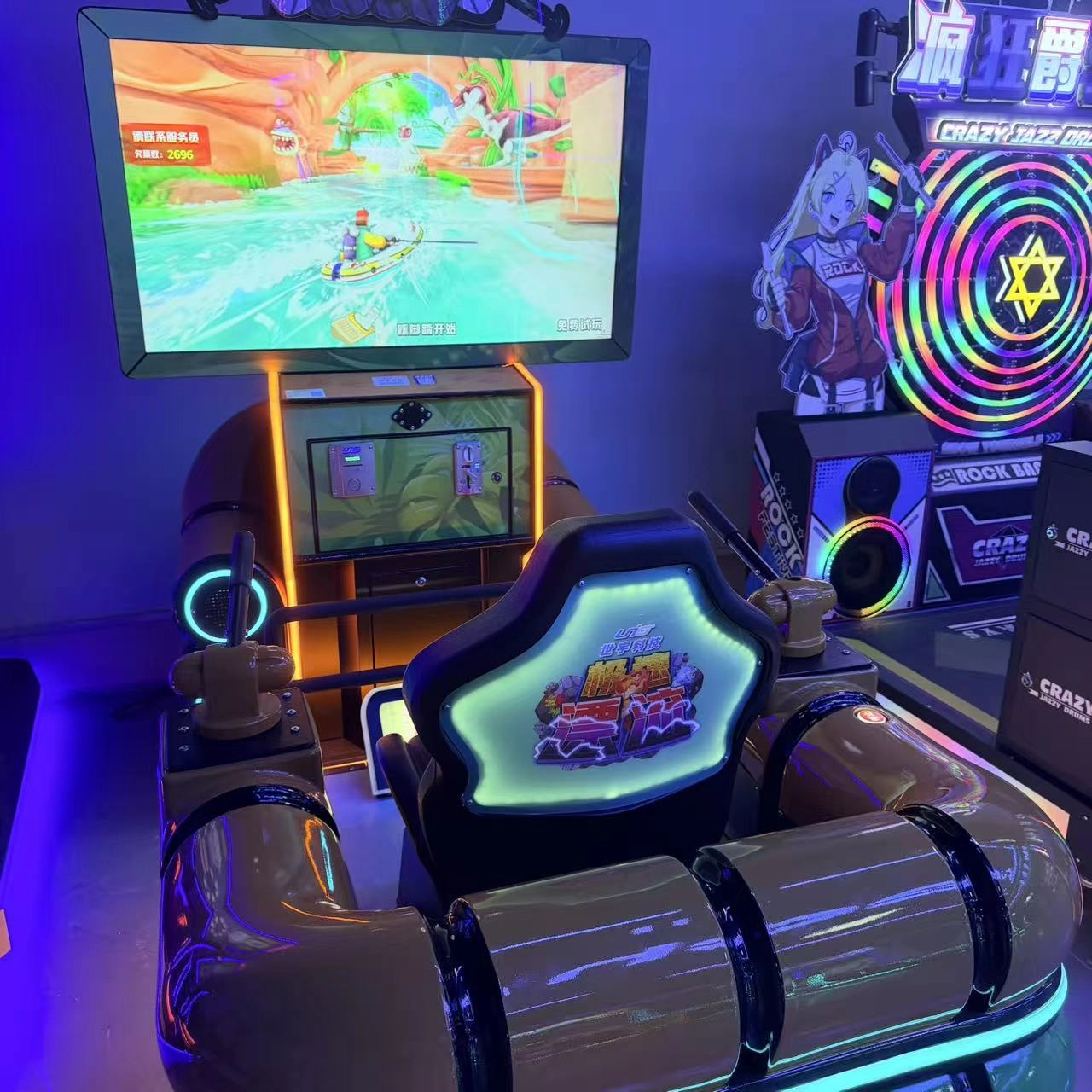
Elite Rowing
A brand-new rowing simulation competitive game, operating on a single machine station, supports player interaction and competition with 3 AI opponents. The station is equipped with the latest rowing equipment, enabling players to experience realistic rowing operation. The competition process is relaxed and fun, while also providing fitness exercise benefits.
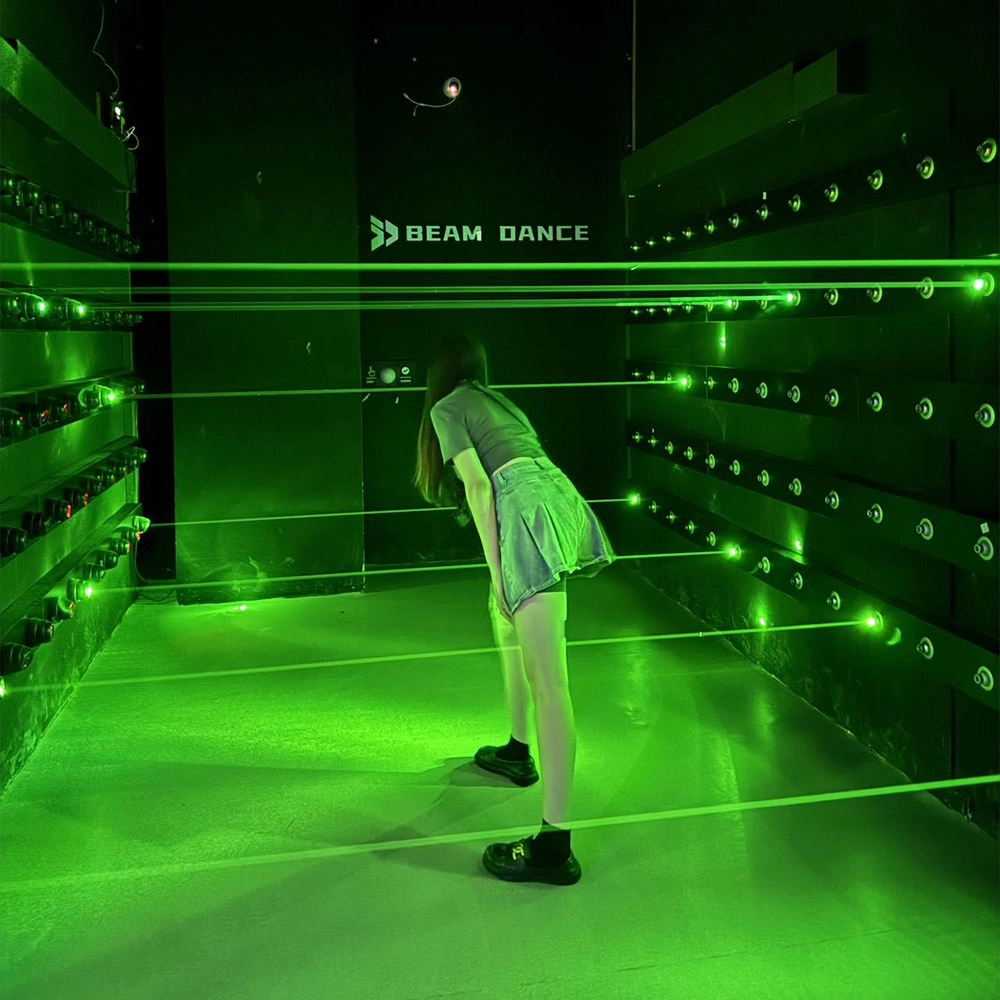
Laser Matrix
Joy Power is full of fun and exciting playgrounds! The laser matrix equipment in the indoor arcade stands out by virtue of its unique entertainment and technical characteristics. It builds a dynamic network of obstacles through precision-arranged laser beams, combining sound and light effects to create a tense and exciting atmosphere where players need to flexibly weave in and out to avoid the obstacles, making it both fun and challenging.
Ready to take your venue to the next level?
Leave us a message here, and our team will get back to you promptly.
Whether you're interested in custom orders, technical specifications, or partnership opportunities, we're here to assist you.
© 2025 FUNTECH ALL RIGHTS RESERVED

Weixia Lei
Fun_Tech-s
suiyifun_factory