
Bar Dart Machine Maintenance Costs to Anticipate
- Overview: What Drives Ongoing Costs for a Bar Dart Machine
- Core components that wear
- Usage patterns and environment
- Service model: in-house vs. contracted
- Detailed Cost Breakdown: Anticipated Expenses
- Routine preventive maintenance (monthly/quarterly)
- Common part replacements and lifespans
- Emergency repairs and average downtime cost
- Service Contracts, Warranties, and Long-Term Value
- Comparing warranty vs. extended service plans
- Choosing parts and authorized service
- Return on investment and revenue strategies
- Practical Maintenance Checklist & Cost Comparison
- Monthly and quarterly checklist
- Cost comparison table (typical US market estimates)
- Managing spare parts inventory
- Standards, Safety and Best Practices
- Industry standards and references
- Electrical and safety checks
- Training staff and creating SOPs
- Conclusion — Planning for Predictable Ownership Costs
- Frequently Asked Questions (FAQ)
- How often should I service a bar dart machine?
- What are the most common repair costs?
- Is a service contract worth it?
- Can I use third-party parts?
- How long does a well-maintained bar dart machine last?
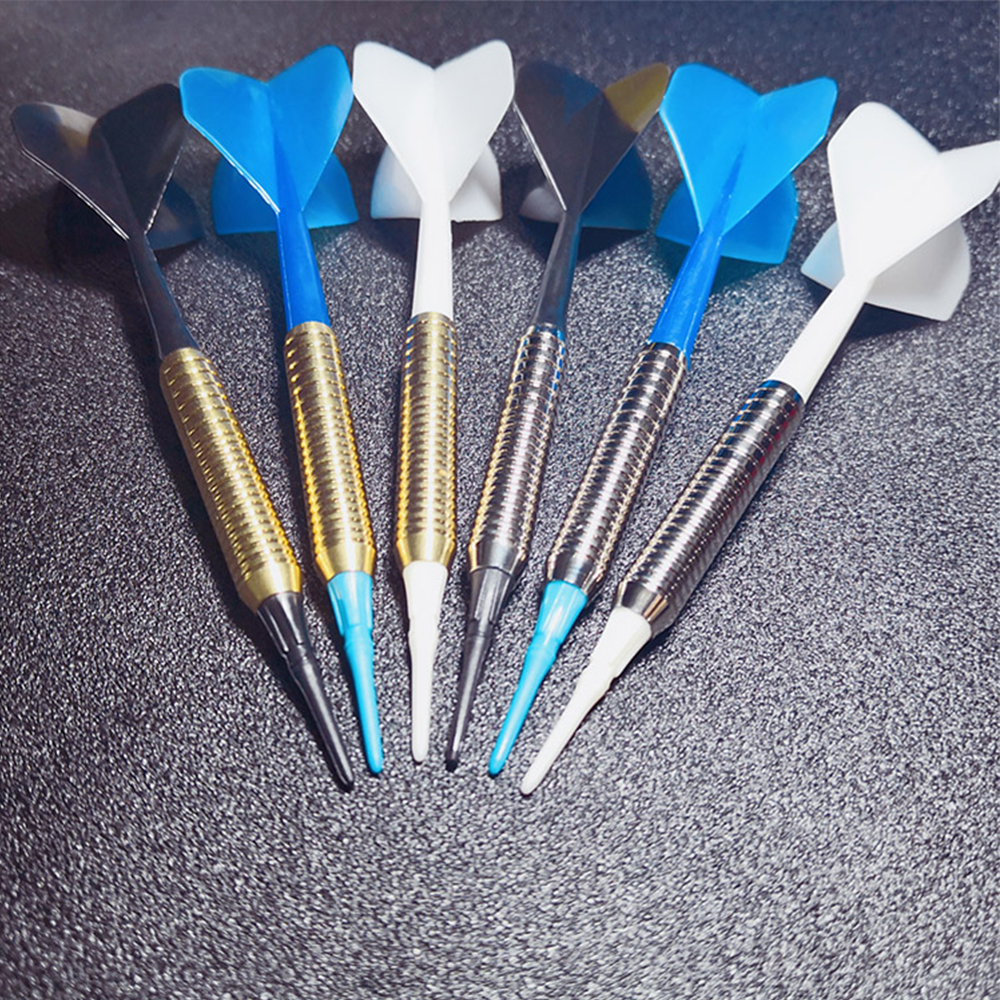
Operators and venue managers considering a bar dart machine need a clear, location-aware cost picture that factors in routine servicing, parts replacement, downtime, and revenue opportunities. This guide explains the predictable expenses and decision points for maintaining a reliable dart attraction, helping bars, restaurants, and entertainment venues budget and optimize lifetime value.
Joy Power is full of fun and excitement in the playground! The dart machine is suitable for all kinds of places, whether it is a bar, restaurant, KTV, or other entertainment venue, or a sports shop, club, or family leisure space, and can be perfectly adapted. In commercial venues, holding individual and team darts tournaments from time to time can attract more customers and increase the popularity and revenue of the venue, supplemented by various preferential activities, which can directly promote consumption and form a cycle of consumption of all the goods in the shop.
Overview: What Drives Ongoing Costs for a Bar Dart Machine
Core components that wear
Most modern electronic and mechanical bar dart machines combine an electronic scoring cabinet, sensors or target board (soft-tip or steel-tip), coin/credit mechanisms, and lighting/sound systems. Over time, sensor grids, wiring harnesses, power supplies, scoreboard displays, and physical chase-plates degrade. Anticipate regular replacement cycles for high-wear components—especially soft-tip segments, bulbs/LEDs, and scoring sensors—when budgeting for a bar dart machine.
Usage patterns and environment
High-traffic bars or venues hosting frequent tournaments accelerate wear. Environmental factors—humidity, smoke, and temperature swings—also affect electronics and board surfaces. A bar dart machine located near a busy bar counter will typically require more frequent cleaning and part replacement than one in a controlled club or family recreation space.
Service model: in-house vs. contracted
Decide early whether to train staff to perform routine maintenance or buy a service contract from the manufacturer or an authorized technician. In-house maintenance lowers hourly service bills but requires training and spare-parts inventory. Contracted maintenance gives predictable monthly costs and priority response, which reduces downtime risk.
Detailed Cost Breakdown: Anticipated Expenses
Routine preventive maintenance (monthly/quarterly)
Routine tasks include cleaning sensors and board surfaces, checking fasteners and cable routing, updating firmware, and verifying coin or cashless payment systems. Preventive maintenance prevents larger failures and is cost-effective. For a typical bar dart machine expect monthly cleaning supplies and staff time to cost $10–$50; if outsourced, a quarterly visit might range $80–$250.
Common part replacements and lifespans
Common parts with typical replacement intervals:
- Soft-tip segments or surround foam: 6–24 months
- LED strips or bulbs: 2–5 years
- Power supply units: 3–7 years
- Scoreboard/display modules: 3–10 years
- Coin mechanisms or bill validators: 1–5 years
Costs vary: soft-tip board parts may be $20–$150 per unit, LED modules $30–$200, and major electronic boards $150–$800 depending on brand and availability.
Emergency repairs and average downtime cost
Unexpected failures (board sensor grid failure, power surges, or vandalism) can lead to emergency technician fees ($100–$400 per call) plus part costs. For venues that rely on revenue from play or tournaments, downtime can be costly: average lost revenue per day depends on footfall but plan $50–$400/day in missed play revenue for busy bars running a bar dart machine.
Service Contracts, Warranties, and Long-Term Value
Comparing warranty vs. extended service plans
Most manufacturers offer a limited warranty (parts and labor for a specified term). Extended service plans shift predictable costs into monthly fees. Compare break-even points: if a replacement board costs $600 and average annual failures are two, a service plan priced under $100/month could be beneficial. Evaluate response times and whether on-site labor is included.
Choosing parts and authorized service
Use OEM parts when possible to maintain scoring accuracy and durability. Third-party parts may be cheaper but can void warranty or degrade performance. For high-traffic locations, an authorized technician familiar with the vendor-specific firmware and scoring algorithms reduces repair time and risk.
Return on investment and revenue strategies
A well-maintained bar dart machine is a magnet for patrons and events. Adopt promotional strategies—happy-hour tournaments, league nights, or pay-per-play options—to offset maintenance costs. Track play sessions and revenue per session to calculate payback period. With routine care a machine can provide steady income for 5–10+ years.
Practical Maintenance Checklist & Cost Comparison
Monthly and quarterly checklist
Monthly: clean target, inspect tips, verify sensors, test payment system, update firmware. Quarterly: deeper sensor calibration, LED check, tighten hardware, perform backup of configuration. Annual: full diagnostic, replace high-wear parts, calibrate sound and light systems.
Cost comparison table (typical US market estimates)
| Item | Frequency | Typical cost (USD) |
|---|---|---|
| Routine cleaning & staff time | Monthly | $10–$50 |
| Soft-tip segments / surround foam | 6–24 months | $20–$150 |
| LED / lighting replacement | 2–5 years | $30–$200 |
| Power supply / PSU | 3–7 years | $60–$300 |
| Scoring/display board | 3–10 years | $150–$800 |
| Service call (emergency) | Per incident | $100–$400 |
| Extended service contract | Annual | $600–$1,800 |
Managing spare parts inventory
Keep critical spares on hand: soft-tip sections, fuses, a replacement PSU, and spare LEDs. Upfront inventory investment ($150–$600) reduces downtime and emergency charges. Track usage to refine reorder points.
Standards, Safety and Best Practices
Industry standards and references
Follow best-practice guidance for equipment reliability and consumer safety. General quality management practices (e.g., ISO 9001) help manufacturers maintain consistent production and service processes (ISO 9001 overview). For sport-specific governance and tournament rules consult the World Darts Federation to align scoring and event standards (World Darts Federation). General background on the sport and equipment types is available on the Darts encyclopedia entry (Darts - Wikipedia).
Electrical and safety checks
Ensure power feeds meet local code and that surge protection is used to prevent damage from electrical events. Regularly inspect cables and power bricks for frayed insulation. For coin or cashless payment interfaces, secure network connections and update firmware to protect customer data.
Training staff and creating SOPs
Train staff to perform basic troubleshooting: reset procedures, sensor re-seating, and ticket/credit clearing. Document a Standard Operating Procedure (SOP) and maintain a maintenance log to track recurring issues and part life.
Conclusion — Planning for Predictable Ownership Costs
Owning and operating a bar dart machine can be a profitable and engaging addition to a venue's entertainment lineup. Anticipate routine maintenance, keep the right spares, and choose the service model that matches your venue’s traffic and tolerance for downtime. Strategic promotions and careful tracking of revenue per play will help ensure that maintenance costs are a predictable part of a positive ROI.
Frequently Asked Questions (FAQ)
How often should I service a bar dart machine?
Perform basic cleaning and inspection monthly; deeper diagnostics and calibration quarterly. Busy venues may need monthly professional checks.
What are the most common repair costs?
Common costs include replacement of soft-tip segments ($20–$150), LED modules ($30–$200), and scoring/display boards ($150–$800). Emergency technician visits add labor costs ($100–$400).
Is a service contract worth it?
If downtime is costly and you prefer predictable budgeting, a service contract is often worth the price. Compare expected annual part and labor costs to the contract fee to decide.
Can I use third-party parts?
Third-party parts may save money but can void warranties or cause compatibility issues. Use OEM parts or approved replacements whenever possible.
How long does a well-maintained bar dart machine last?
With regular maintenance and periodic part replacement, a good bar dart machine can function well for 5–10+ years, with key components refreshed over time.
Interested in a reliable, commercial-grade solution? Learn more about Dart Machines Bar Dart Machines and how they fit your venue: Contact us or view product details. For authorized service and parts, always consult the manufacturer's guidance and certified technicians.
Best Golf Simulator for Realistic Ball Flight 2026
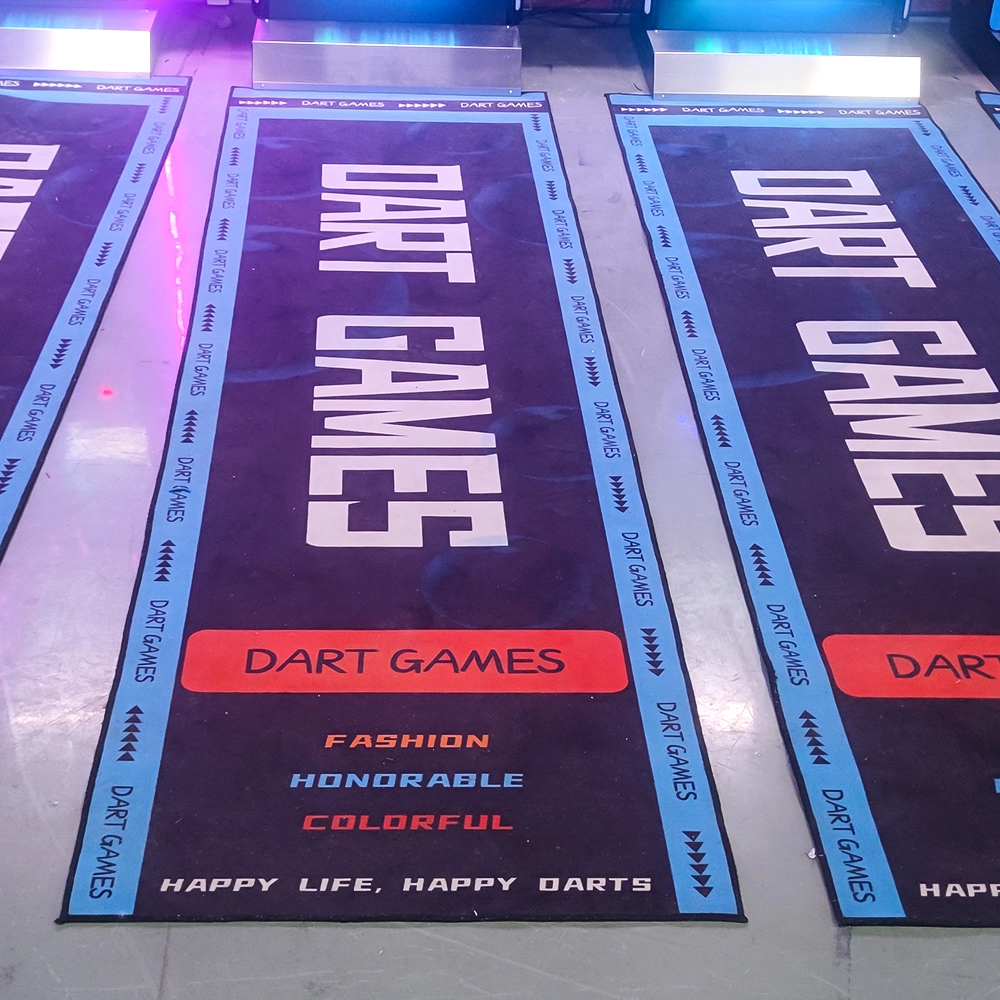
How Electronic Dart Machines Support Competitive Play
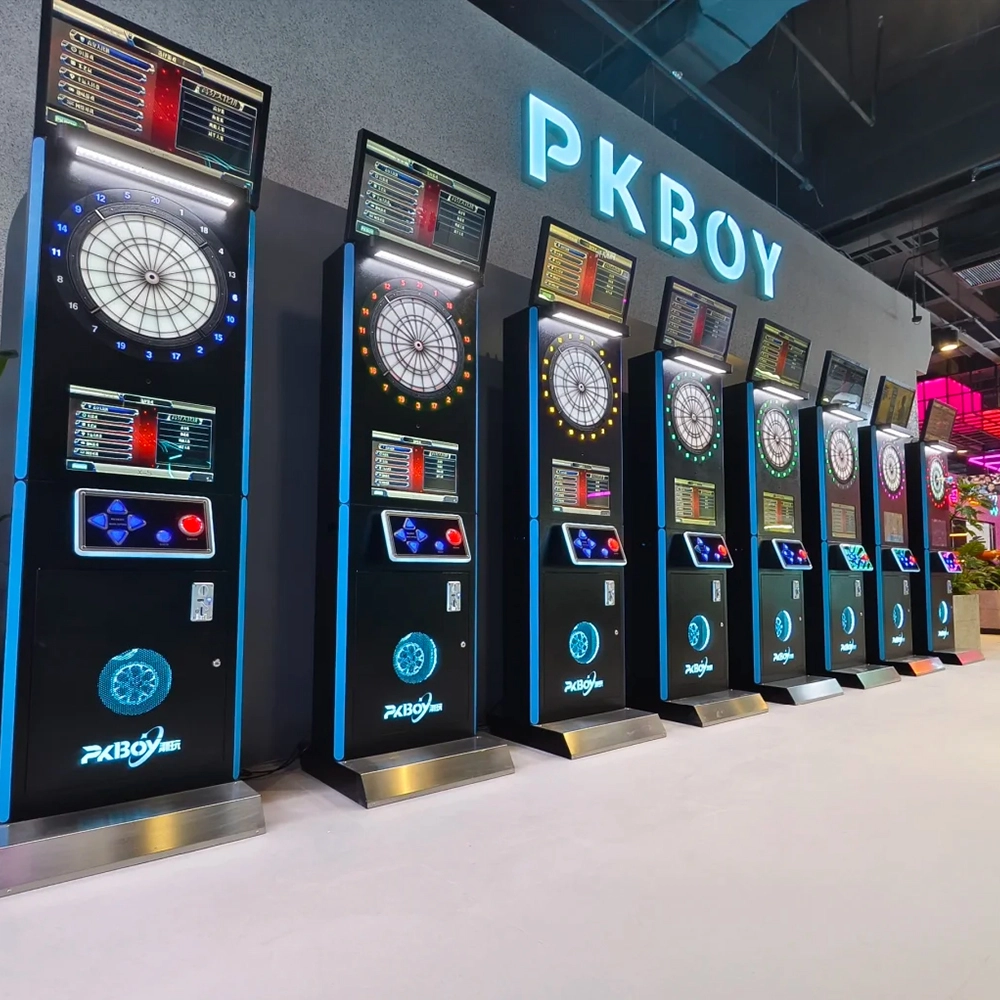
Software Updates and Support for Electronic Dart Machines
How to Choose the interactive floor projection station manufacturer and supplier in Europe?
Holographic Light and Shadow Restaurant
What are the technical difficulties of holographic projection?
One is the resolution and clarity of the image. To achieve high-resolution and high-definition 3D image reproduction, advanced optical equipment and algorithms are required. The second is the control of light interference and diffraction, which requires precise control of the propagation and interference conditions of light rays to ensure the stability and accuracy of the image. The third is the complexity and cost of the system. Holographic projection systems are usually quite complex, including optical components, light sources, control systems, etc., with high costs, which limits their widespread adoption.
Interactive Rollerball
How to reduce operating costs?
Starting with equipment procurement, choose cost-effective, durable and easy-to-maintain products, which can save money for subsequent maintenance. Reasonable arrangement of staff, reduce the number of staff on duty during off-peak hours, train staff to have multi-skills, such as being able to operate the equipment and guide customers part-time, so as to improve the efficiency of manpower and reduce the cost of manpower.
FAQ
What is the minimum area required to build a comprehensive digital sports and entertainment hall, and what is the recommended area?
To build a comprehensive type of digital sports and entertainment hall, the minimum required area will be affected by the number and type of equipment, activity area requirements, parking spaces, rest areas and other factors.
Football Simulator
How does the picture effect of simulation soccer achieve realism?
With the help of advanced technology, the green field is accurately reproduced with fine turf texture and realistic player movements. From the players running, passing to shooting, are lifelike, to give players a sense of immersion.
Dart Machines Bar Dart Machines
What are the after-sales services after purchasing the equipment?
Generally, a 1-year warranty is provided. During the warranty period, parts damaged due to quality problems, such as motor failure, display problems, etc., will be repaired or replaced free of charge. There will also be technical support, including equipment installation and debugging guidance, operation training, to ensure the smooth use of the user, after-sales response time is usually within 24 - 48 hours.
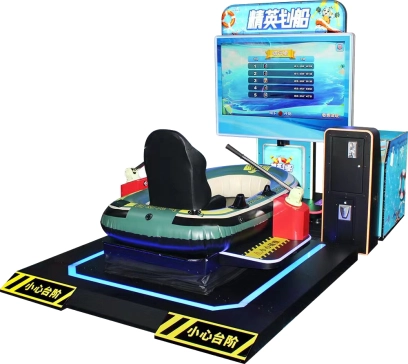
FUNTECH Interactive Indoor Rowing Simulator - Commercial Digital Sports Machine with AI Competition
A brand-new rowing simulation competitive game, operating on a single machine station, supports player interaction and competition with 3 AI opponents. The station is equipped with the latest rowing equipment, enabling players to experience realistic rowing operation. The competition process is relaxed and fun, while also providing fitness exercise benefits.
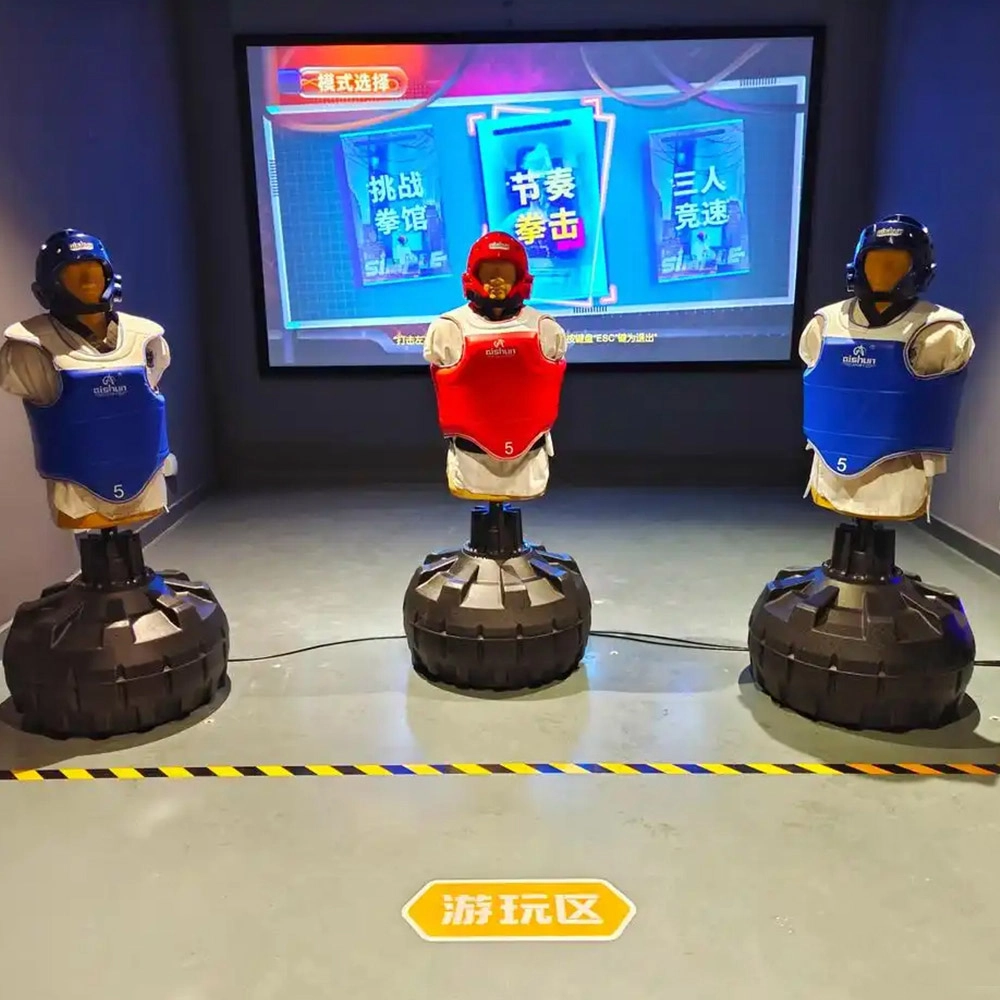
Indoor Boxing Equipment
FUNTECH is full of fun and exciting playgrounds! The indoor boxing simulation equipment combines pressure-sensitive boxing gloves with dynamic projection scenes, combining sports and fitness with entertainment and competitive attributes, supporting single-player training and two-player sparring modes, and accurately recording hitting data and generating sports reports, making it suitable for all-age experiences and safe and low-loss.
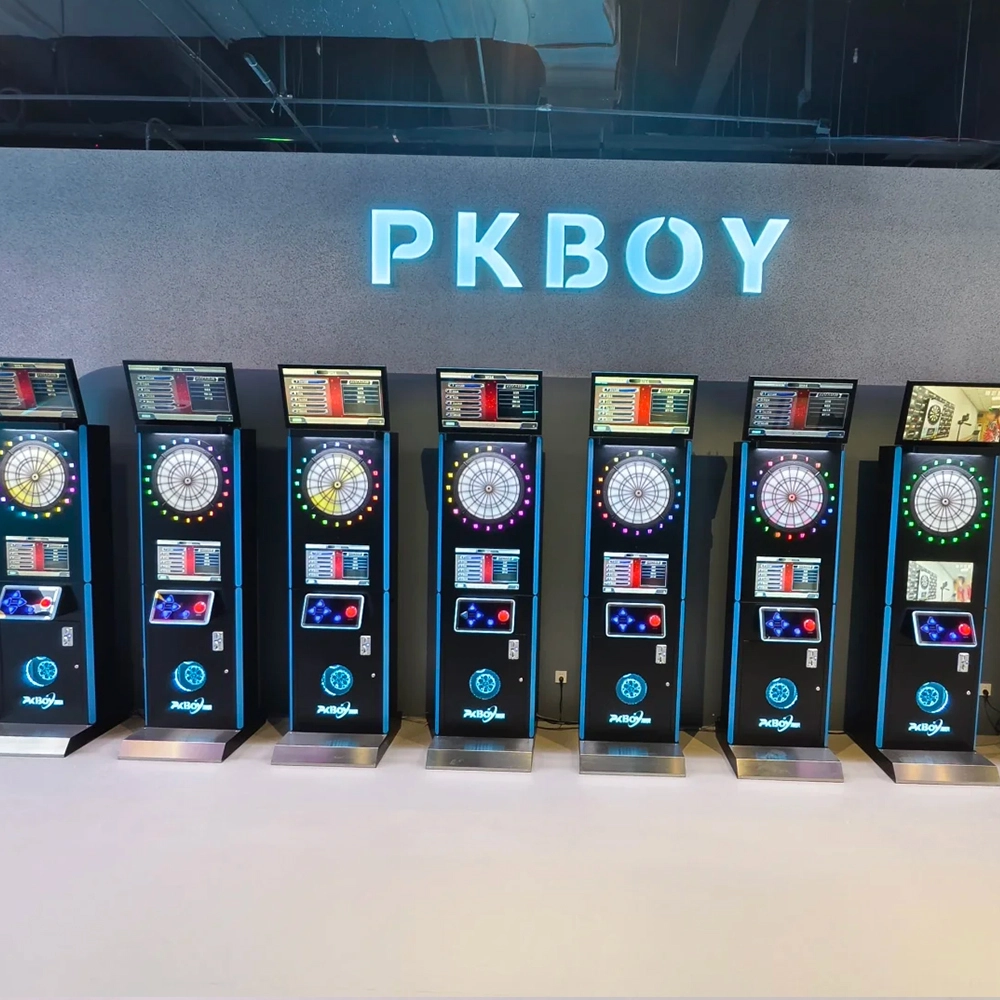
Dart Machines Bar Dart Machines
Joy Power is full of fun and excitement in the playground! The dart machine is suitable for all kinds of places, whether it is a bar, restaurant, KTV, or other entertainment venue, or a sports shop, club, or family leisure space, and can be perfectly adapted. In commercial venues, holding individual and team darts tournaments from time to time can attract more customers and increase the popularity and revenue of the venue, supplemented by various preferential activities, which can directly promote consumption and form a cycle of consumption of all the goods in the shop.
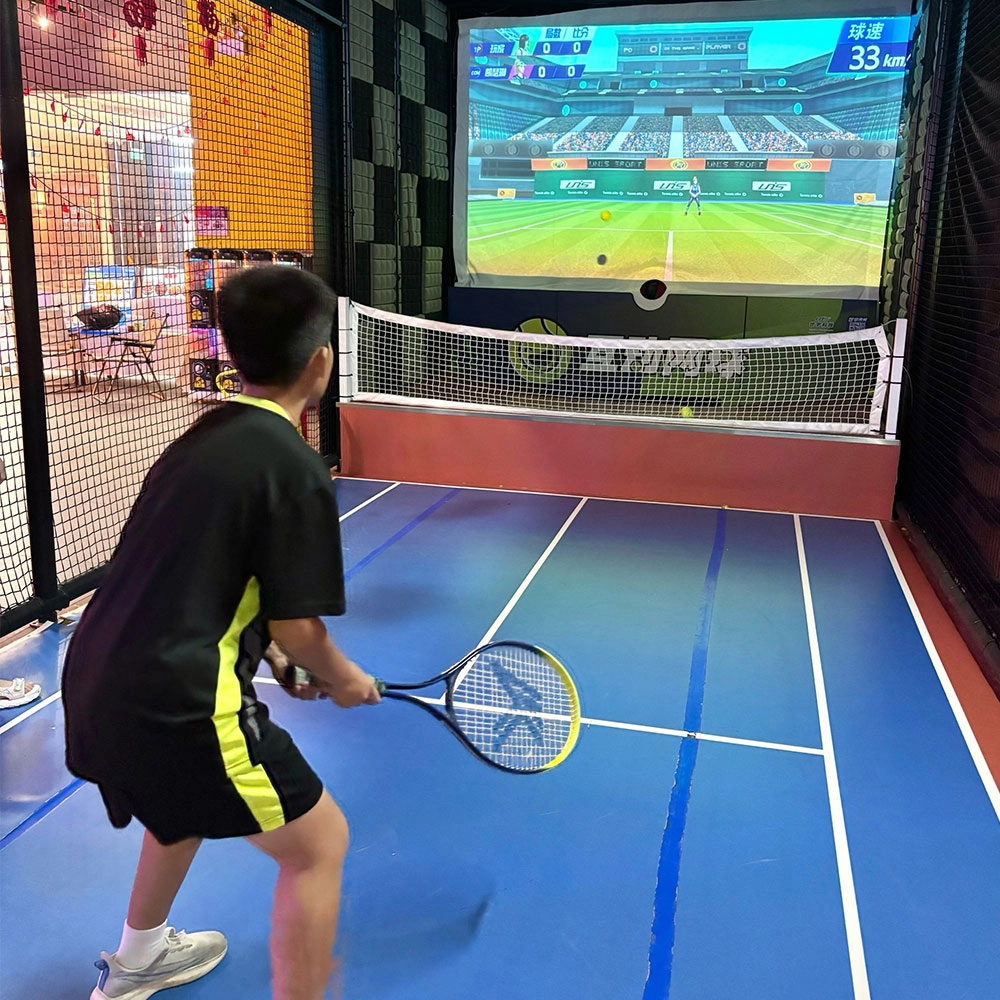
Indoor Tide Play Simulation Tennis Equipment
FUNTECH is full of fun and exciting playgrounds! With high-definition scene projection, force feedback racket, and intelligent scoring system, the simulated tennis equipment in the indoor arcade realizes immersive sports experiences and diversified interactive play, combining the advantages of safety and ease of use with high operational efficiency.
© 2025 FUNTECH ALL RIGHTS RESERVED

Weixia Lei
Fun_Tech-s
fun_tech20