
Bar Dart Machine Scoring Systems Demystified
- How Modern Bar Dart Machines Register and Score Plays
- Core components of electronic scoring
- Common sensor technologies and accuracy
- From hit detection to official score: software logic
- Scoring Rules, Game Modes, and Compliance
- Popular game types supported by bar dart machines
- Integrating official rules: why it matters
- Legal, safety and standards considerations
- Choosing the Right Bar Dart Machine for Your Venue
- Assessing features vs. venue needs
- Monetization and engagement strategies
- Cost of ownership: purchase, maintenance, and ROI
- Installation, Maintenance, and Troubleshooting
- Site placement and physical installation
- Routine maintenance checklist
- Common issues and quick fixes
- Data, Analytics and Growing a Darting Community
- Using player data to increase engagement
- Building leagues and recurring events
- When to upgrade: signs your machine is holding you back
- Frequently Asked Questions (FAQ)
- Q: Can bar dart machines handle both soft-tip and steel-tip darts?
- Q: How accurate are electronic scoring systems compared to human scoring?
- Q: Do machines support networked leaderboards and remote management?
- Q: What is the best way to monetize a dart machine in a bar?
- Q: Where can I find authoritative rules for tournament play?
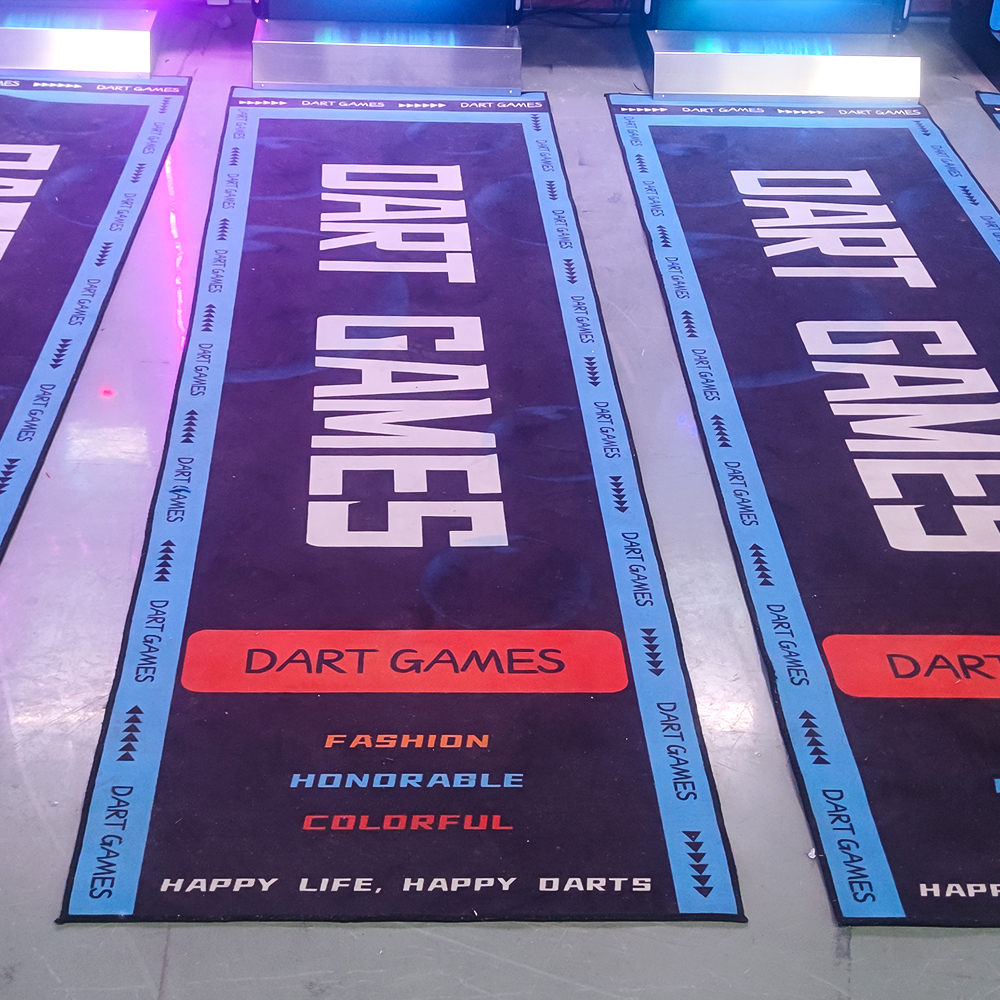
Bar dart machine scoring systems are the backbone of modern social darts play. From automatic hit detection and game logic to player profiles and pay-to-play integrations, understanding how these systems work helps bar owners, operators, and players optimize experience, safety, and revenue. This article demystifies the components, scoring logic, tournament options, and practical deployment considerations for commercial-grade dart machines, with clear comparisons and authoritative references to industry rules and standards.
How Modern Bar Dart Machines Register and Score Plays
Core components of electronic scoring
Most bar dart machine scoring systems combine an electronic dartboard or sensor array, a processing unit, and a user interface. Sensors (pressure, optical, or piezoelectric) detect where a soft-tip or electronic dart lands. The processing unit runs game logic and scoring algorithms; the UI displays scores and player prompts. This architecture is typical of commercial bar dart machine installations and supports features such as multiplayer modes, automatic leg/round counting, and player statistics.
Common sensor technologies and accuracy
Sensor choices impact reliability and maintenance. Soft-tip electronic dart machines usually use pressure or contact sensors embedded behind each scoring segment, while some advanced units use optical sensors or camera-based recognition. Optical and camera systems can reduce false positives and allow richer analytics (shot-tracking and heatmaps), but they require calibration and clearer line-of-sight. For bar environments where durability and low maintenance are priorities, robust pressure-sensor boards with well-tested contact circuitry often strike the best balance.
From hit detection to official score: software logic
After a hit is detected, the scoring system must validate input (debounce false triggers, confirm single-hit events) and apply the game's rules (e.g., 501, Cricket, Shanghai). Reliable systems use state machines and validation rules to prevent double-counting or missed darts. Tournament modes implement tie-break logic and elimination brackets. For venues seeking consistent play and fair scoring, choosing Dart Machines Bar Dart Machines with proven firmware and update support is essential.
Scoring Rules, Game Modes, and Compliance
Popular game types supported by bar dart machines
Commercial dart machines typically offer a catalog of games: 301/501/701, Cricket, Round-the-Clock, and specialty games for casual play. Multiplayer modes (2–8 players) and team play options are common. Tournament-ready machines support match formats (best-of legs/sets) and can record match histories for league scoring.
Integrating official rules: why it matters
Adhering to standard scoring and match formats—like those used by the World Darts Federation or Professional Darts Corporation—ensures credibility for pub leagues and tournaments. For reference on darts rules and match structures see the World Darts Federation (WDF) resources at https://www.worlddarts.com/ and general background on darts at Wikipedia: Darts. Using machines that match recognized rules prevents disputes and increases player trust.
Legal, safety and standards considerations
When installing coin-operated or pay-to-play bar dart machines, operators should consider local safety and electrical codes and general standards for amusement devices. For international-standard guidance and best practices, consult the International Organization for Standardization: ISO. Adherence to applicable standards reduces liability and enhances customer safety—especially in busy venues where machines must be robustly anchored, electrically safe, and properly maintained.
Choosing the Right Bar Dart Machine for Your Venue
Assessing features vs. venue needs
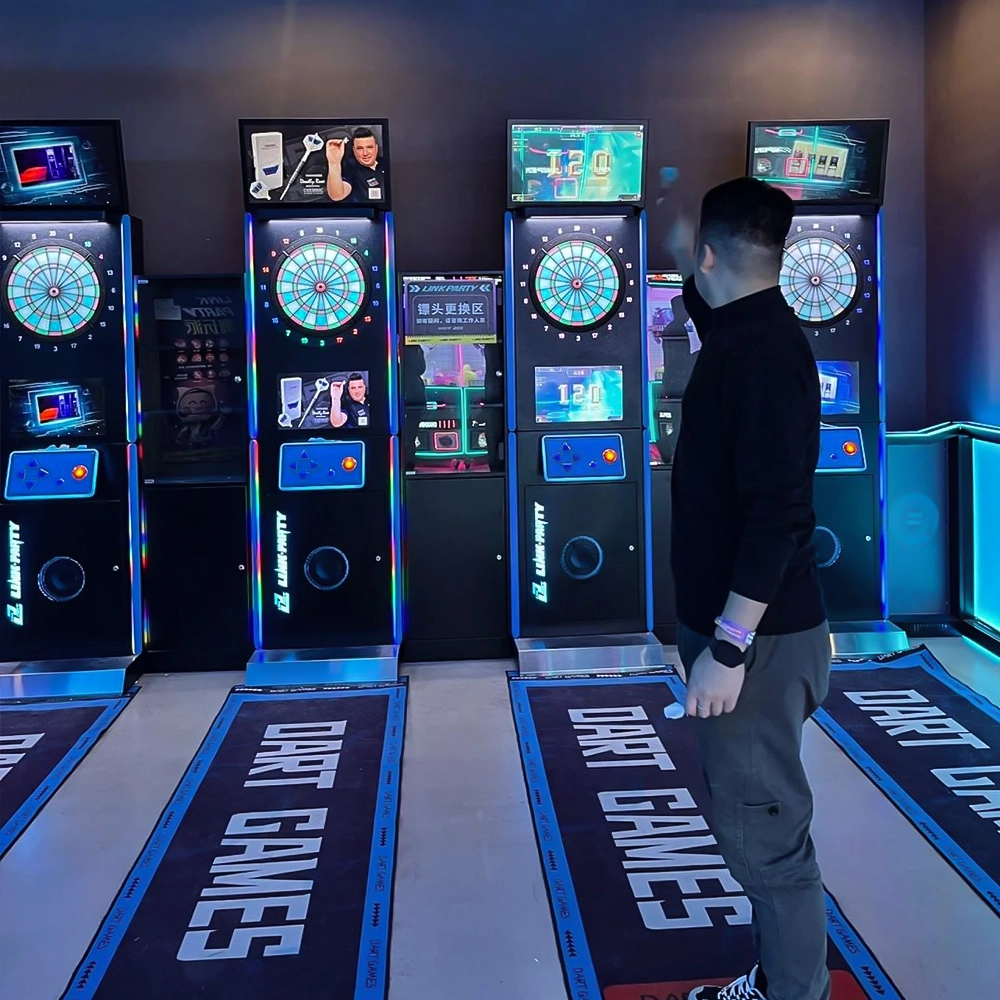
Deciding which dartboard to buy depends on venue type (bar, restaurant, KTV, sports club), foot traffic, and business goals. Key features to consider: durability, coin/card operation, network connectivity, roster and league support, display size, and maintenance ease. Dart Machines Bar Dart Machines are designed for broad compatibility across entertainment venues and small leagues—making them a top choice where flexibility matters.
Monetization and engagement strategies
Bar owners can monetize dart machines in multiple ways: pay-per-game, timed sessions, and tournament entry fees. Running regular tournaments and offering promotions or loyalty discounts fosters repeat business. Integration with venue promotions (happy hours, food/drink combos) and visible leaderboards increases dwell time and secondary sales. Data-driven features—like player stats and history—help build local leagues and competitive communities.
Cost of ownership: purchase, maintenance, and ROI
Budget calculations should factor in upfront purchase cost, installation, repairs, replacement tips/boards, and software updates. A simple ROI model compares average revenue per day against total monthly costs. The example table below contrasts three typical machine configurations to guide buying decisions.
| Model Type | Typical Price Range | Maintenance Level | Best For |
|---|---|---|---|
| Basic Coin-Op Soft-Tip | $1,200 - $2,500 | Low (replace tips, occasional sensor checks) | Small bars, casual play |
| Networked Full-Feature | $3,000 - $6,000 | Medium (firmware updates, network upkeep) | Busy venues, leagues |
| Camera/Optical Pro System | $6,000+ | High (calibration, software support) | Tournament hubs, High Quality entertainment centers |
Installation, Maintenance, and Troubleshooting
Site placement and physical installation
Place machines where players have clear approach space and where projection/ambient light won't interfere with sensors (for optical boards). Anchor free-standing units and ensure electrical outlets meet local code. For dual-play areas, allocate space for spectating and queueing. When deploying in noisy bars, consider louder audio settings and large, high-contrast displays so players easily follow scoring.
Routine maintenance checklist
Keep a maintenance calendar: clean target surfaces weekly, inspect and replace soft-tips monthly depending on usage, check sensor connectors quarterly, and apply firmware updates as released. Maintain spare parts inventory (tips, fuses, power supplies). If your machine supports remote management, leverage it to receive automated alerts about sensor faults or software anomalies.
Common issues and quick fixes
Frequent problems include double-counting (often due to sticky sensors), missed hits (faulty wiring or worn tips), and network disconnections. Quick troubleshooting steps: power-cycle the unit, reseat connectors, recalibrate sensors per the manual, and replace suspect tips. If issues persist, contact certified service so firmware or hardware faults are addressed without voiding warranty.
Product Spotlight:
Joy Power is full of fun and excitement in the playground! The dart machine is suitable for all kinds of places, whether it is a bar, restaurant, KTV, or other entertainment venue, or a sports shop, club, or family leisure space, and can be perfectly adapted. In commercial venues, holding individual and team darts tournaments from time to time can attract more customers and increase the popularity and revenue of the venue, supplemented by various preferential activities, which can directly promote consumption and form a cycle of consumption of all the goods in the shop.
Data, Analytics and Growing a Darting Community
Using player data to increase engagement
Modern bar dart machines collect anonymous or opt-in player stats: most-visited times, average scores, leaderboards, and game preferences. Use these insights to schedule tournaments during peak interest windows, tailor promotions, or create league nights. Respect privacy and follow local data regulations when collecting or storing player information.
Building leagues and recurring events
Offer weekly league nights with tracked standings on your machine's display and online. Partner with local dart clubs to advertise tournaments. Machines that export match results or support cloud syncing simplify league administration and increase legitimacy for your venue-hosted competitions.
When to upgrade: signs your machine is holding you back
Consider upgrading if you experience frequent hardware faults, limited game modes, poor payment integration, or inability to support leagues and remote management. Upgrading can immediately affect revenue potential by enabling tournaments, digital promotions, and improved player retention.
Frequently Asked Questions (FAQ)
Q: Can bar dart machines handle both soft-tip and steel-tip darts?
A: Most commercial bar dart machine units are designed for soft-tip darts. Steel-tip darts require traditional bristle boards, not electronic scoring surfaces. If you need hybrid options, look for venues that run both machine-based soft-tip play and separate bristle boards for steel-tip leagues.
Q: How accurate are electronic scoring systems compared to human scoring?
A: High-quality electronic systems are highly consistent and can reduce human scoring errors. Accuracy depends on sensor type and maintenance; well-calibrated pressure or optical systems provide reliable results and often superior audit trails for tournaments.
Q: Do machines support networked leaderboards and remote management?
A: Many modern bar dart machines support networking for leaderboards, remote firmware updates, and match data export. Ensure your chosen model provides secure connection options and clear instructions for cloud integrations if you plan to run multi-site leagues or online promotions.
Q: What is the best way to monetize a dart machine in a bar?
A: Combine pay-per-game with scheduled tournaments and promotions (happy hour discounts, food/drink combo deals). Use leaderboards and loyalty incentives to encourage repeat play. Track and analyze play patterns to refine pricing and scheduling.
Q: Where can I find authoritative rules for tournament play?
A: Standardized competition rules can be found through recognized organizations such as the World Darts Federation and match structure guidance on general overviews like Wikipedia's darts page. Using recognized formats supports fairness and acceptance in the player community.
If you'd like to see Dart Machines Bar Dart Machines in action or get a quote for your venue, please view the product details or contact our sales team for a consultation and demo.
Further reading and standards references: Darts - Wikipedia, World Darts, International Organization for Standardization (ISO).
Everything You Need to Know About buy bowling alley equipment
Comparing Golf Simulator Sensors and Accuracy 2026
Electronic Dart Machine Buying Guide for Bars and Pubs
What are the application scenarios of basketball arcade game for adults?
FAQ
What is the of process of design, construction and operation of digital sports entertainment hall?
The general steps for the design, construction and operation process of a digital sports entertainment center. Each step needs to be carefully planned and executed to ensure the smooth opening and long-term development of the digital sports entertainment center.
Golf Simulator
How to attract customers when operating the program in shopping malls?
Create a cool venue decoration style, incorporating trendy elements, such as fluorescent light strips and anime-themed murals. o Launch diversified marketing models such as parent-child packages and couple packages, combined with time-limited promotional activities, such as half-price experience in the first three days of opening, to attract families, couples and other groups to stop and participate in the program. o How to reduce operating costs?
How often does simulated golf equipment require maintenance?
For daily use, simple monthly maintenance is sufficient, such as a simple cosmetic cleaning and function check after use. Quarterly maintenance can be more comprehensive.
Football Simulator
How does the picture effect of simulation soccer achieve realism?
With the help of advanced technology, the green field is accurately reproduced with fine turf texture and realistic player movements. From the players running, passing to shooting, are lifelike, to give players a sense of immersion.
Holographic Light and Shadow Restaurant
What is the difference between holographic projection and ordinary projection?
Ordinary projection is the process of projecting a two-dimensional image onto a flat screen, where the viewer sees a flat image. Holographic projection can present real three-dimensional images, allowing viewers to observe different faces of objects from different angles, with a strong sense of three dimensionality and realism. In addition, ordinary projection usually only requires simple equipment such as projectors and screens, while holographic projection requires more complex optical systems and technologies to achieve.
Indoor Boxing Equipment
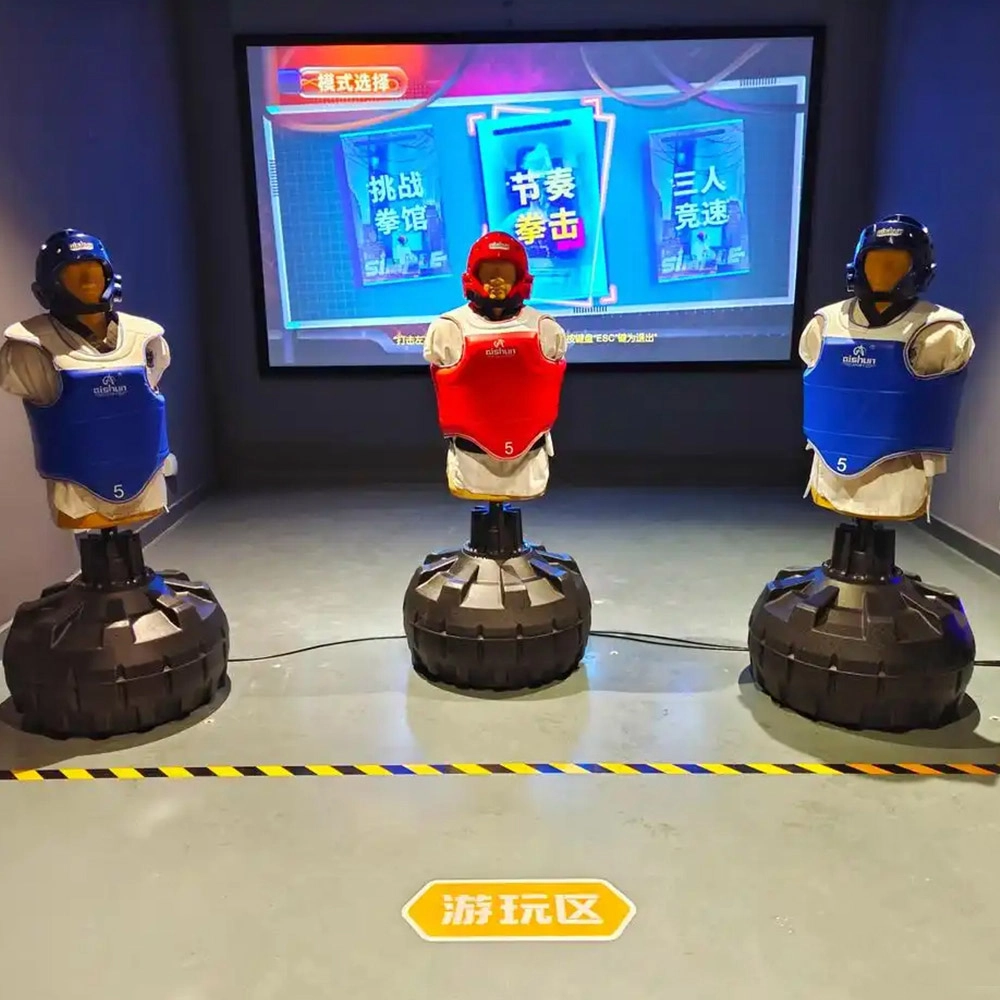
FUNTECH is full of fun and exciting playgrounds! The indoor boxing simulation equipment combines pressure-sensitive boxing gloves with dynamic projection scenes, combining sports and fitness with entertainment and competitive attributes, supporting single-player training and two-player sparring modes, and accurately recording hitting data and generating sports reports, making it suitable for all-age experiences and safe and low-loss.
Indoor Tide Play Simulation Tennis Equipment
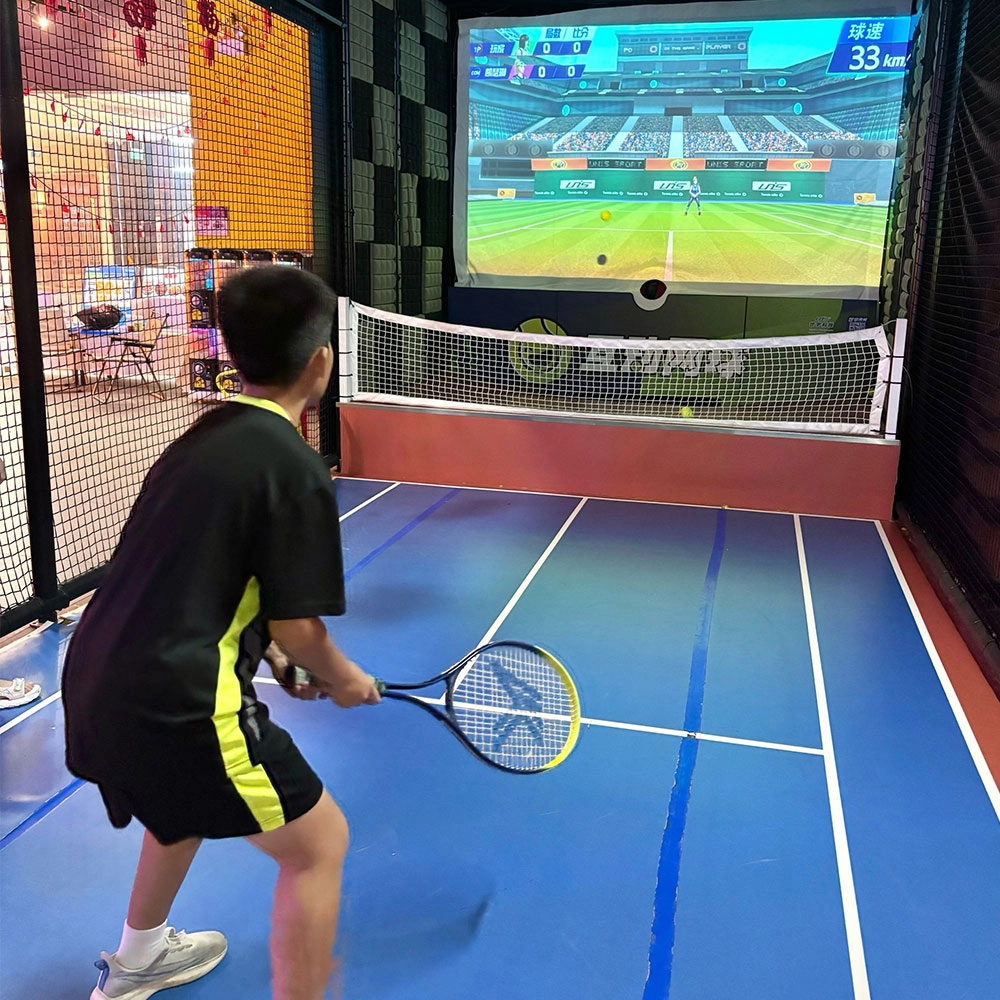
FUNTECH is full of fun and exciting playgrounds! With high-definition scene projection, force feedback racket, and intelligent scoring system, the simulated tennis equipment in the indoor arcade realizes immersive sports experiences and diversified interactive play, combining the advantages of safety and ease of use with high operational efficiency.
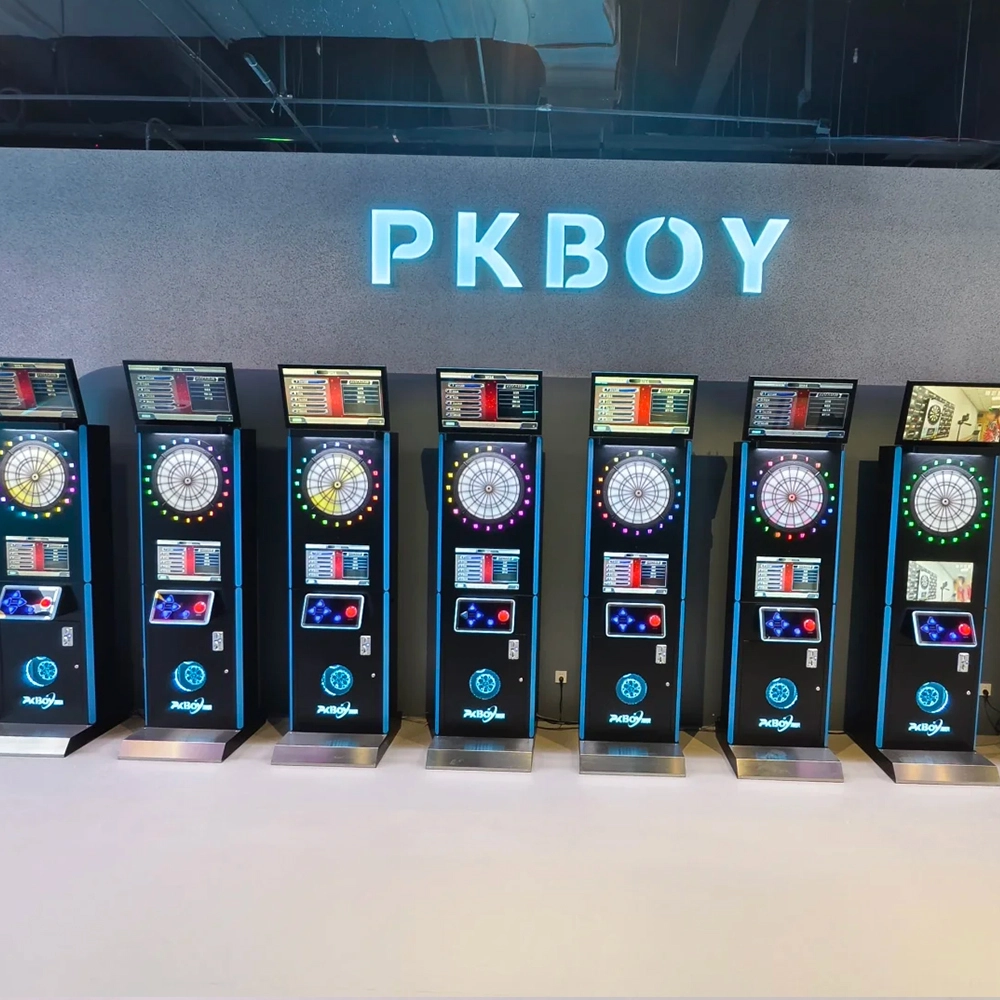
Dart Machines Bar Dart Machines
Joy Power is full of fun and excitement in the playground! The dart machine is suitable for all kinds of places, whether it is a bar, restaurant, KTV, or other entertainment venue, or a sports shop, club, or family leisure space, and can be perfectly adapted. In commercial venues, holding individual and team darts tournaments from time to time can attract more customers and increase the popularity and revenue of the venue, supplemented by various preferential activities, which can directly promote consumption and form a cycle of consumption of all the goods in the shop.
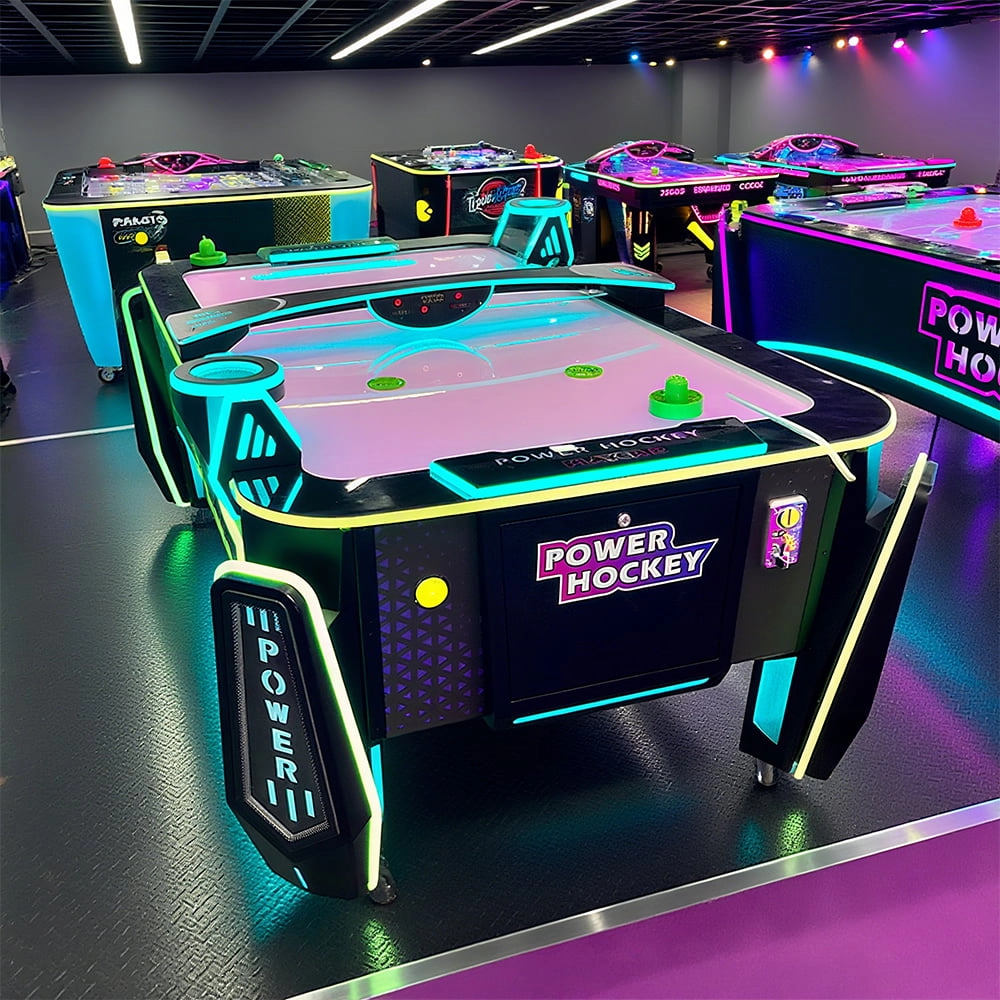
Arcade Hockey
FUNTECH is full of fun and exciting playgrounds! Air hockey, also known as air hockey, is a two-player competitive arcade game comprising a smooth, perforated playing surface, lightweight hockey sticks, a plastic puck, and an electronic scoreboard.
© 2025 FUNTECH ALL RIGHTS RESERVED

Weixia Lei
Fun_Tech-s
fun_tech20