
Best Shooting Arcade Machines for Family Entertainment Centers
- Why Choose an Interactive Shooting Arcade Machine for Your FEC?
- Guest appeal and engagement
- Revenue drivers and monetization models
- Operational resilience and lifecycle
- What to Look for in a Multi-Player Interactive Shooting Machine
- Gameplay features that matter
- Hardware and sensor quality
- Throughput and capacity planning
- Comparison: Top Shooting Arcade Machines for Family Entertainment Centers
- Case Study: Multi-Player Interactive Shooting Machine — Features & Benefits
- Product description
- Why this machine suits FECs
- Safety, certification, and operator training
- Installation, Placement, and Marketing Strategies
- Placement for maximum visibility and flow
- Cross-promotions and events
- Maintenance schedule and spare parts planning
- Technical and Business Considerations Before Purchase
- Power, connectivity, and integration
- ROI modeling and pricing strategy
- Warranty, support, and training
- Frequently Asked Questions (FAQ)
- Q: What is the typical session length for a Multi-Player Interactive Shooting Machine?
- Q: How much space do I need to install a multiplayer shooting machine?
- Q: Can the machine be integrated with cashless payment systems and online leaderboards?
- Q: What are the primary maintenance concerns?
- Q: Are these machines safe for young children?

Optimizing your Family Entertainment Center (FEC) with the right shooting arcade machine can increase dwell time, per-visit spend, and repeat visits. This guide covers selection criteria, throughput and safety considerations, layout and placement, and real-world comparisons, with a focus on Multi-Player Interactive Shooting Machine solutions that deliver strong interaction, reliable electronic scoring, and durable construction for high-traffic venues.
Why Choose an Interactive Shooting Arcade Machine for Your FEC?
Guest appeal and engagement
Shooting arcade machines—ranging from light-gun cabinets to target-based games and basketball shooting rigs—are proven crowd-pullers. They combine competitive elements, instant feedback, and social play, making them ideal for birthdays, families, and groups. Multiplayer Interactive Shooting Machine setups amplify this appeal by supporting head-to-head play, team modes, and league-style competitions that encourage repeat visits.
Revenue drivers and monetization models
Shooting arcade games can be monetized in multiple ways: pay-per-play, time-based sessions, ticket redemption, and event packages. Multiplayer machines typically increase revenue per session because they entertain multiple players simultaneously and keep groups together rather than splitting them across machines. In locations where prize redemption is popular, shooting machines that integrate ticket dispensing or digital rewards systems show higher engagement and higher revenue per square foot.
Operational resilience and lifecycle
Operational uptime is critical. Look for machines with modular components, easy-to-replace sensors, and accessible service ports. Durable materials (powder-coated metal frames, reinforced rims for basketball-style shooters) and reliable electronics reduce downtime and maintenance cost. Industry associations such as the International Association of Amusement Parks and Attractions (IAAPA) provide guidance on operational best practices for FECs (IAAPA).
What to Look for in a Multi-Player Interactive Shooting Machine
Gameplay features that matter
Key gameplay features include responsive electronic scoring, configurable difficulty, multiple modes (co-op, versus, challenge rounds), and clear progress displays. Look for large LED/LCD screens to present scores, remaining time, and leaderboards. Sound and light effects should be adjustable to meet local noise policies while preserving excitement.
Hardware and sensor quality
Accurate detection is essential—multiple sensor arrays or camera tracking reduce disputes and improve player satisfaction. For basketball shooting-style machines, high-quality infrared or photoelectric sensors combined with anti-cheat algorithms reliably capture successful shots. Machines that support remote diagnostics and firmware updates simplify maintenance.
Throughput and capacity planning
Multiplayer units increase throughput by serving several players per session. When planning floor layout, factor in session length (typically 60–180 seconds), queuing space, and prize dispensing delays. Use a machine's configurable session timers to optimize revenue: shorter sessions raise turnover; longer sessions increase dwell and satisfaction for groups.
Comparison: Top Shooting Arcade Machines for Family Entertainment Centers
Below is a practical comparison of representative shooting arcade options—light-gun style, basketball shooters, and the featured Multi-Player Interactive Shooting Machine—focusing on metrics FEC operators care about: footprint, average session time, maintenance complexity, and estimated revenue potential.
| Type | Footprint | Typical Session | Maintenance | Revenue Potential |
|---|---|---|---|---|
| Light-gun/Rifle Cabinet | Medium (single cabinet) | 1–3 min | Moderate (controllers, sensors) | Medium (good for individual players) |
| Basketball Shooting Machine | Large (lane + cabinet) | 1–3 min | Low–Moderate (mechanical wear on nets/rims) | High (groups & redemption appeal) |
| Multi-Player Interactive Shooting Machine (featured) | Large (multi-player layout) | 1–4 min | Low (modular sensors, electronic scoring) | Very High (simultaneous players, events) |
Data source: industry benchmarking and IAAPA operational guidelines (IAAPA), plus standards information on safety from ASTM’s amusement committee (ASTM F24).
Case Study: Multi-Player Interactive Shooting Machine — Features & Benefits
Product description
Below is a client-ready description of the Multi-Player Interactive Shooting Machine for product pages and sales collateral:
Joy Power is full of fun and exciting playgrounds! The basketball shooting machine is a classic amusement device integrating competition, entertainment, and interactivity. Based on the traditional basketball shooting sport, it integrates electronic scoring, sound and light effects, and challenge mechanisms to bring players an immersive game experience. The main body of the equipment is usually built with a metal frame, equipped with a standard-sized basket and a sturdy rim, with multiple sets of sensors to accurately capture the trajectory of the shot; when the player shoots the ball, the machine's built-in sensors count the score in real time and present the score, remaining time, and challenge goals through the LED display or LCD screen, with exciting sound effects and colorful lights to create a tense and exciting gaming atmosphere.
Why this machine suits FECs
The Multi-Player Interactive Shooting Machine is built for heavy usage: durable frames resist wear, electronic scoring reduces staff intervention, and multiplayer modes increase per-session revenue. Its configurable prize and ticket output allows operators to tailor the attraction to their local audience—family play, teen challenges, or birthday party packages.
Safety, certification, and operator training
Ensure installations follow local codes and industry safety best practices. Operators should maintain clear operating rules (no climbing, supervised play) and perform daily quick checks of sensors and electronics. For design and safety references consult industry resources such as IAAPA (IAAPA) and ASTM’s committee on amusement devices (ASTM F24).
Installation, Placement, and Marketing Strategies
Placement for maximum visibility and flow
Place shooting arcade machines near high-traffic corridors but away from congested walkways. For multiplayer units, allocate additional queuing space and a small spectator area. Visibility from food courts or party rooms helps convert passersby into players. For malls or resort arcades, position machines as anchors to encourage cross-traffic to other attractions.
Cross-promotions and events
Run tournaments, league nights, and birthday bundles to maximize off-peak performance. Leaderboard features—both on-screen and online—drive return visits. Promote events through social media, email lists, and in-venue signage. Integrate game data with your CRM to offer targeted promotions to frequent players.
Maintenance schedule and spare parts planning
Implement a preventive maintenance schedule: daily surface clean, weekly sensor calibration, monthly firmware and mechanical checks. Keep an inventory of common spare parts (sensors, prize motors, power supplies) to minimize downtime. Machines with remote diagnostics can alert you to failing components before they cause outages.
Technical and Business Considerations Before Purchase
Power, connectivity, and integration
Check power requirements and network connectivity options. Modern shooting arcade machines often offer Ethernet/Wi-Fi for leaderboard uploads, remote diagnostics, and cashless payment integration. Ensure your venue's IT policies allow the required network access or implement a dedicated gaming VLAN for security.
ROI modeling and pricing strategy
Estimate ROI by combining projected daily plays, average ticket price, and variable costs (maintenance, electricity, prize costs). Use multipliers for seasonality—busy weekends and holidays usually show a 20–50% increase in plays. Multiplayer machines often show faster payback due to higher revenue per session.
Warranty, support, and training
Confirm warranty length, on-site support options, and training packages. A strong vendor will offer training for operators, remote diagnostics, and clear escalation paths for service calls. Vendor reputation matters—consult industry sources and customer references prior to purchase. Industry resources such as IAAPA provide vendor event listings and best-practice guides (IAAPA).
Frequently Asked Questions (FAQ)
Q: What is the typical session length for a Multi-Player Interactive Shooting Machine?
A: Sessions commonly last between 60 to 180 seconds, configurable by the operator. Tournament or party modes can be set for longer times.
Q: How much space do I need to install a multiplayer shooting machine?
A: Allow for the machine footprint plus a minimum 2–3 meters of approach and queue space per team lane. Exact requirements depend on the model—consult the manufacturer's layout diagram.
Q: Can the machine be integrated with cashless payment systems and online leaderboards?
A: Yes. Modern machines typically support cashless readers, RFID cards, and networked leaderboards. Confirm specific integration options with the vendor and ensure your venue network can support them securely.
Q: What are the primary maintenance concerns?
A: Sensors and scoring electronics are the most common service items, followed by mechanical wear on rims, nets, and prize dispensers. A preventive maintenance plan and spare parts inventory reduce downtime.
Q: Are these machines safe for young children?
A: Yes, when installed and operated according to manufacturer guidelines. Supervision policies and signage should be clear to prevent misuse. Verify that the vendor complies with applicable safety standards and provides operator training.
If you'd like to explore the Multi-Player Interactive Shooting Machine for your FEC, or to request pricing, layout diagrams, and demo scheduling, please contact our sales team or view the product page.
Further reading and industry resources: Arcade game (Wikipedia), IAAPA, ASTM F24, and market insights from PwC Global Entertainment & Media Outlook.
What are the different types of arcade game racing machine?
Where to Buy indoor rock climbing wall
The latest trends for baseball spin simulator
Best professional golf simulator projector manufacturers and supplier brands
Football Simulator
How does the picture effect of simulation soccer achieve realism?
With the help of advanced technology, the green field is accurately reproduced with fine turf texture and realistic player movements. From the players running, passing to shooting, are lifelike, to give players a sense of immersion.
Golf Simulator
What is the difference between purchasing equipment for commercial operations and personal training?
Commercial operations should consider the durability, ease of operation, and attractiveness of the equipment, and it is preferable to choose cool-looking equipment that can withstand high-frequency use.
Dart Machines Bar Dart Machines
What are the after-sales services after purchasing the equipment?
Generally, a 1-year warranty is provided. During the warranty period, parts damaged due to quality problems, such as motor failure, display problems, etc., will be repaired or replaced free of charge. There will also be technical support, including equipment installation and debugging guidance, operation training, to ensure the smooth use of the user, after-sales response time is usually within 24 - 48 hours.
FAQ
What requirements should a store manager of a digital sports hall have?
The store manager of a digital sports and entertainment center needs to have good management and communication skills, be familiar with the application of digital technology, and have an innovative spirit and a sense of teamwork
Infrared Shooting
How to attract customers when operating the program in shopping malls?
Create a cool venue decoration style and incorporate trendy elements, such as fluorescent light strips and anime-themed murals. o Launch diversified marketing models such as parent-child packages and couple packages, combined with time-limited promotional activities, such as half-price experience in the first three days of opening, to attract different groups of people such as families and couples to stop by and participate.
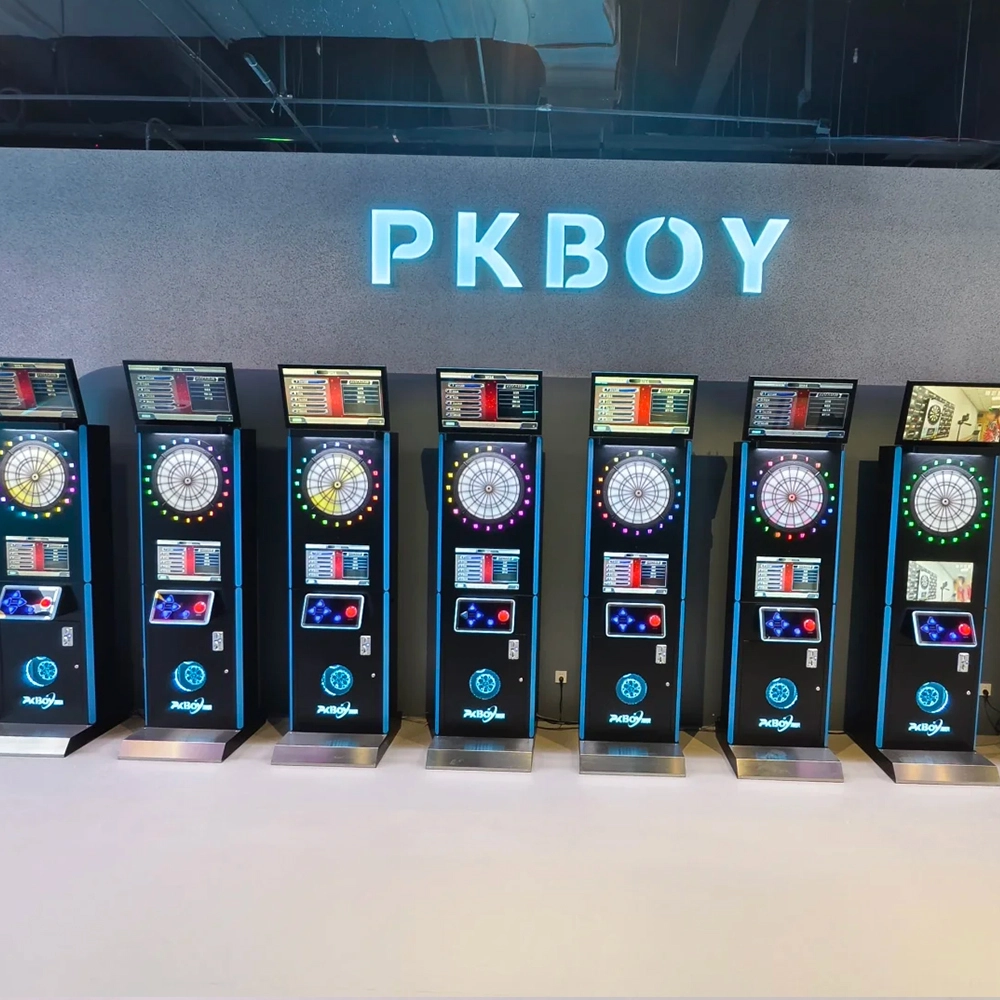
Dart Machines Bar Dart Machines
Joy Power is full of fun and excitement in the playground! The dart machine is suitable for all kinds of places, whether it is a bar, restaurant, KTV, or other entertainment venue, or a sports shop, club, or family leisure space, and can be perfectly adapted. In commercial venues, holding individual and team darts tournaments from time to time can attract more customers and increase the popularity and revenue of the venue, supplemented by various preferential activities, which can directly promote consumption and form a cycle of consumption of all the goods in the shop.
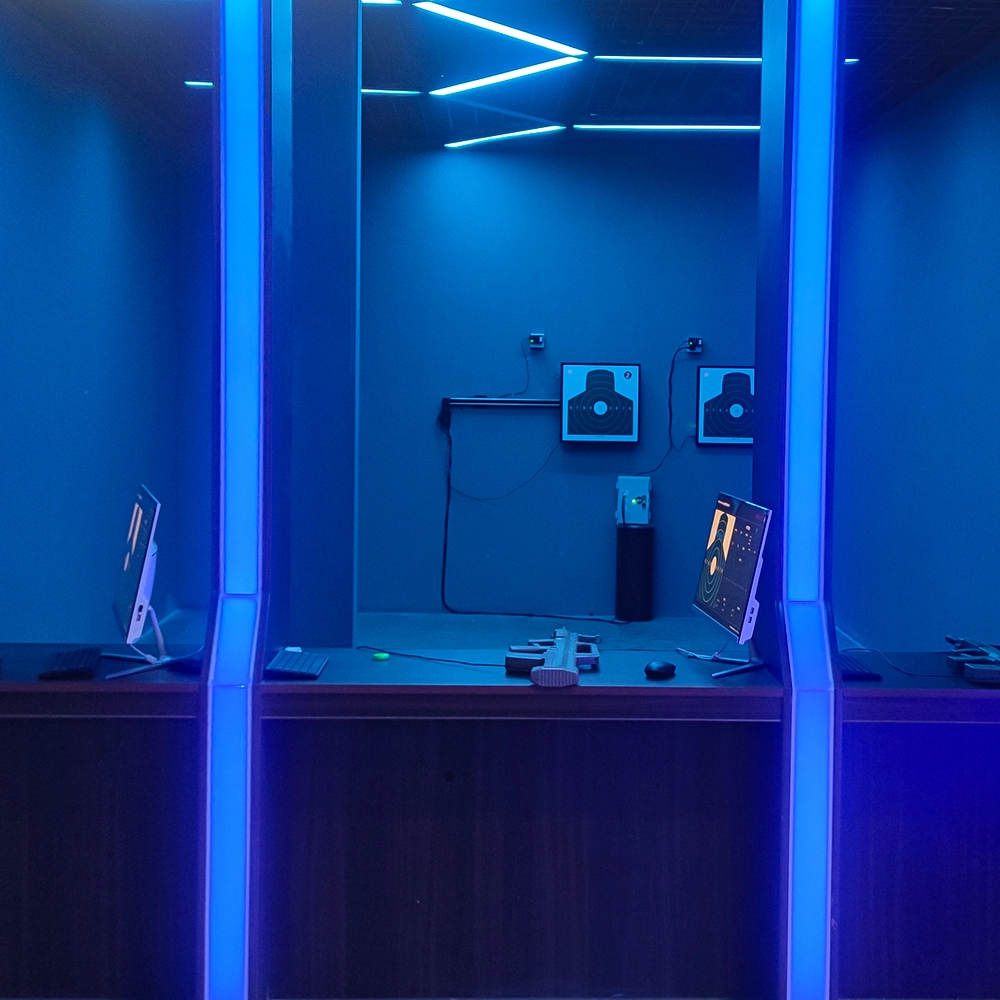
Infrared Shooting
Highly simulated simulation training analysis equipment, with advanced design concepts, fast system development, ease of operation and use, stable technical performance, less consumption of training, site dependence on a small group training is highly interesting, safe, and reliable, and other outstanding features. Product design to solve the basic skills of light weapons precision shooting as a starting point, to improve the safety of shooting training and training efficiency as the fundamental purpose, highlighting the simulation, information technology, and combat training requirements, can be in small indoor and outdoor venues and does not use live ammunition to complete the basic shooting training.
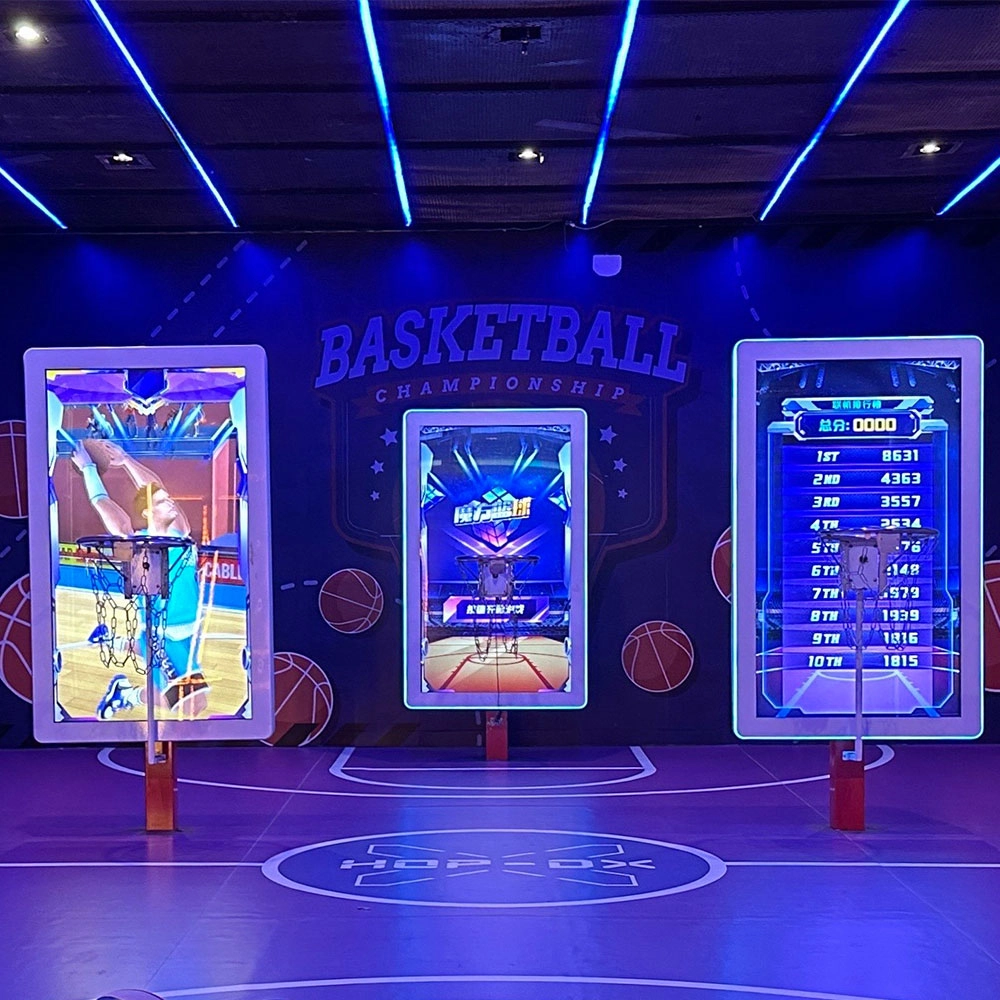
Multi-Player Interactive Shooting Machine
Joy Power is full of fun and exciting playgrounds! The basketball shooting machine is a classic amusement device integrating competition, entertainment, and interactivity. Based on the traditional basketball shooting sport, it integrates electronic scoring, sound and light effects, and challenge mechanisms to bring players an immersive game experience. The main body of the equipment is usually built with a metal frame, equipped with a standard-sized basket and a sturdy rim, with multiple sets of sensors to accurately capture the trajectory of the shot; when the player shoots the ball, the machine's built-in sensors count the score in real time and present the score, remaining time, and challenge goals through the LED display or LCD screen, with exciting sound effects and colorful lights to create a tense and exciting gaming atmosphere.
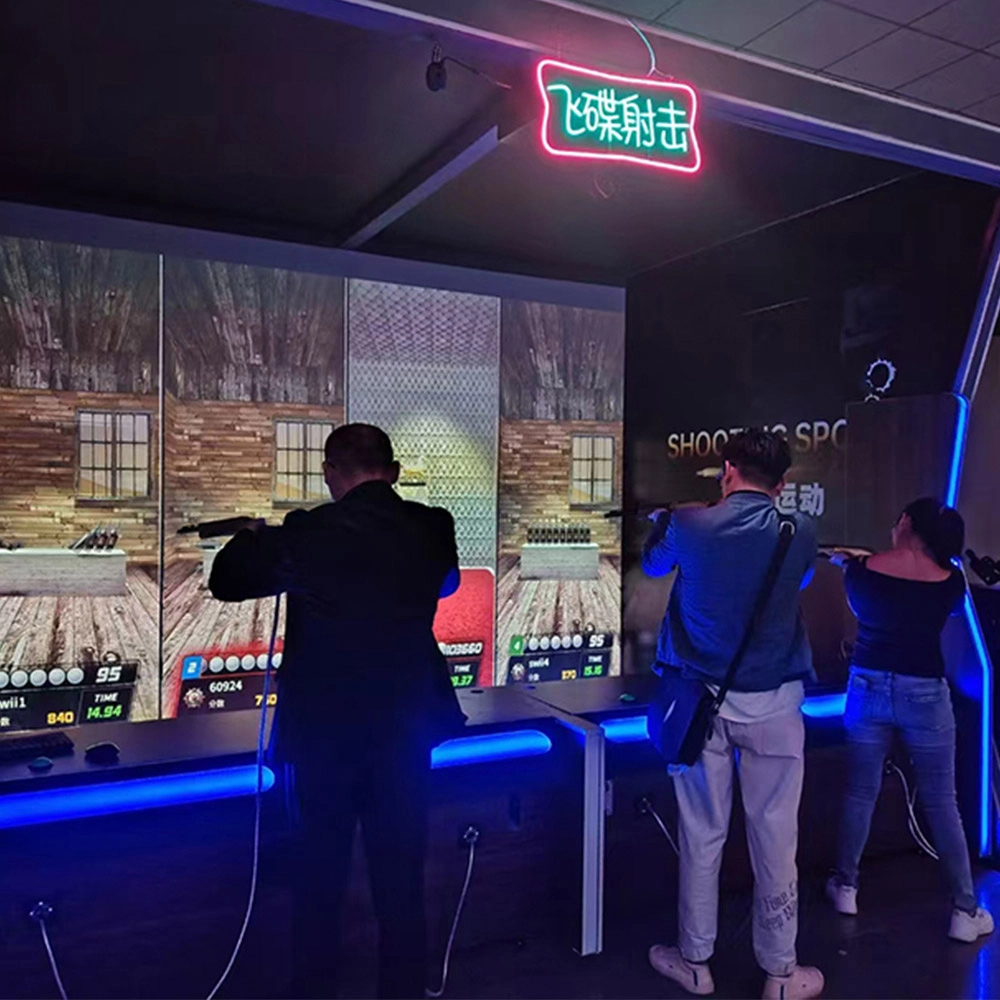
Indoor Wave Play Disc Shooting Equipment
Joy Power is full of fun and exciting playgrounds! The saucer shooting equipment in the indoor hip play hall is an immersive entertainment device integrating high-definition projection scenes, simulated air rifles, and multi-mode interactive gameplay, which allows players to experience the excitement of virtual shooting and the fun of social competition through laser-sensing scoring and multi-sensory feedback.
© 2025 FUNTECH ALL RIGHTS RESERVED

Weixia Lei
Fun_Tech-s
fun_tech20