
Buyer's Guide: How to Choose a Shooting Arcade Machine
- Understanding Shooting Arcade Machine Types and Player Experience
- Types of shooting arcade machines
- Multi-player vs single-player formats
- Player experience elements that matter
- Core Hardware: Sensors, Displays, and Cabinet Design
- Sensor technologies and accuracy
- Displays, sound, and feedback loop
- Cabinet durability and maintenance access
- Business Considerations: Placement, Pricing, Service, and ROI
- Site selection and footprint
- Pricing models and revenue estimates
- Service, warranty, and spare parts
- Safety, Standards, and Legal Considerations
- Industry standards and certifications
- User safety and ADA considerations
- Data privacy and networked features
- Choosing the Right Machine: Checklist and Practical Buyer's Steps
- Eight-point buyer checklist
- Compare suppliers and demo units
- Why consider Joy Power's Multi-Player Interactive Shooting Machine?
- Implementation: Installation, Training, and Marketing
- Installation checklist
- Staff training and player support
- Marketing and tournaments
- FAQ — Frequently Asked Questions
- How much space do I need for a Multi-Player Interactive Shooting Machine?
- What is the typical lifespan and maintenance schedule?
- Can these machines integrate with my existing arcade management system?
- Are there specific safety standards I must follow?
- How do sensors handle wear and environmental factors?
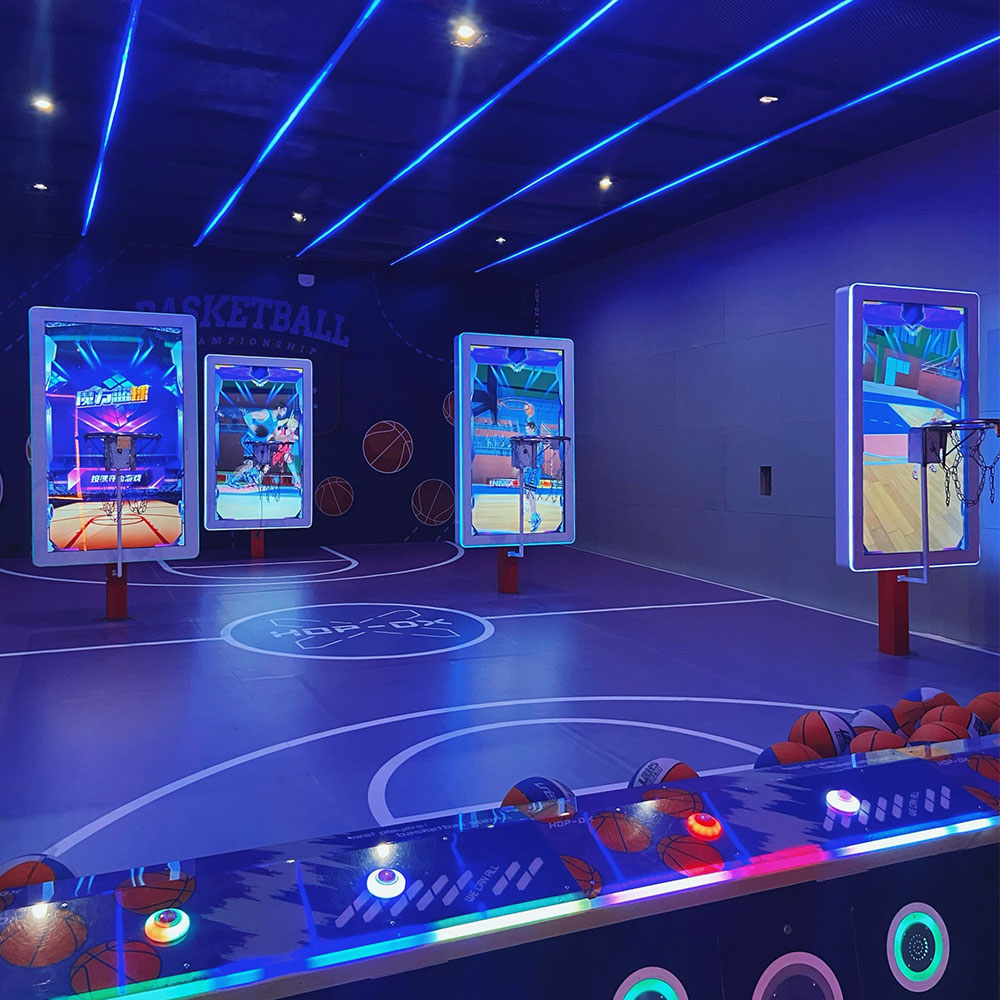
If you are evaluating a shooting arcade machine for a family entertainment center, arcade, mall, or immersive game zone, this guide walks you through the practical decisions that matter: machine types, core hardware (sensors, displays, and controls), player experience (multiplayer, ticketing, leaderboards), operational costs, safety and standards, and how to estimate revenue and ROI. We also review the Multi-Player Interactive Shooting Machine and how its features map to the needs of modern venues.
Understanding Shooting Arcade Machine Types and Player Experience
Types of shooting arcade machines
Shooting arcade machines fall into several family categories: light-gun target shooters, photographic or ball-shoot games (e.g., basketball shooting), interactive screen shooters, and multiplayer physical target arenas. Each type targets different audiences and revenue models. Light-gun and screen-based shooters often focus on immersive narrative or ticketless play, while target and basketball shooting machines (ticket redemption or high-score competition) are strong performers for family entertainment centers and arcades looking for repeat plays.
Multi-player vs single-player formats
Multiplayer formats—head-to-head, team-based, or simultaneous play—drive longer dwell time and social competition. The product Multi-Player Interactive Shooting Machine is designed to support competitive sessions with live leaderboards and simultaneous inputs, which increases group spending and per-session revenue. Single-player machines are cheaper to operate and can be space-efficient, but generally produce lower per-session spend and less viral social engagement.
Player experience elements that matter
Prioritize sensory immersion: accurate sensors, responsive scoring, crisp audio, dynamic lighting, and a clear display showing remaining time, scores, and goals. Easy-to-understand game modes, progressive difficulty, and visible leaderboards help retention. For ticket redemption models, consistent payout rates and transparent scoring increase customer satisfaction and reduce disputes.
Core Hardware: Sensors, Displays, and Cabinet Design
Sensor technologies and accuracy
Sensors are the heart of modern shooting arcade machines. Options include optical sensors, infrared trip beams, pressure sensors, and camera-based tracking. Optical and camera-based systems provide high accuracy for trajectory and hit detection, which is important in competitive or multiplayer machines. Accurate sensors reduce false positives/negatives and improve customer trust. For background reading on arcade history and technology trends, see the Arcade Game overview on Wikipedia.
Displays, sound, and feedback loop
High-quality LED or LCD displays that show real-time scoring, timers, and challenge prompts are essential. Sound design (ambient music, per-hit SFX, voice prompts) and synchronized lighting amplify the perceived value of the experience. For multi-player set-ups, consider wall-mounted leaderboards or app integration to display high scores across sessions.
Cabinet durability and maintenance access
Choose a robust metal frame and impact-resistant panels for high-traffic venues. The cabinet should allow easy access to internal electronics for quick repairs and cleaning. The product description for Joy Power's basketball shooting machine illustrates a sturdy metal frame and multiple sensors:
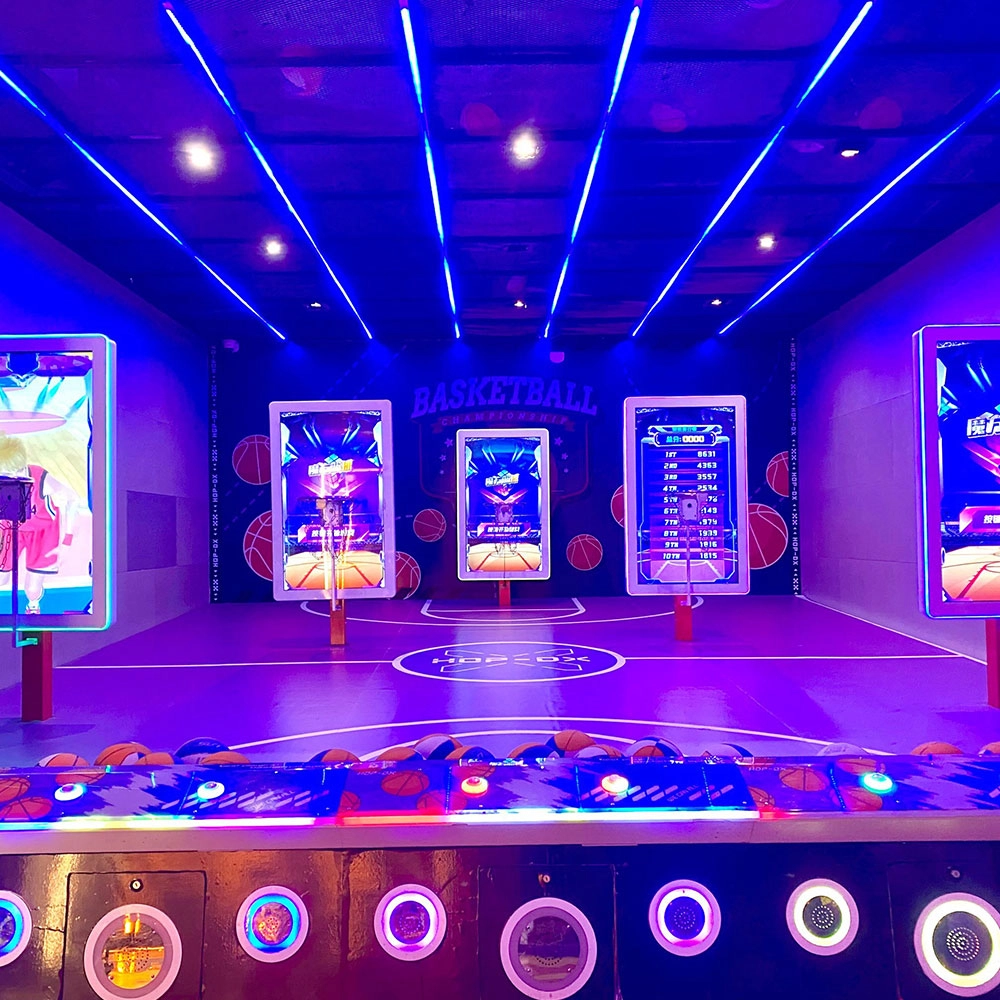
Joy Power is full of fun and exciting playgrounds! The basketball shooting machine is a classic amusement device integrating competition, entertainment, and interactivity. Based on the traditional basketball shooting sport, it integrates electronic scoring, sound and light effects, and challenge mechanisms to bring players an immersive game experience. The main body of the equipment is usually built with a metal frame, equipped with a standard-sized basket and a sturdy rim, with multiple sets of sensors to accurately capture the trajectory of the shot; when the player shoots the ball, the machine's built-in sensors count the score in real time and present the score, remaining time, and challenge goals through the LED display or LCD screen, with exciting sound effects and colorful lights to create a tense and exciting gaming atmosphere.
Business Considerations: Placement, Pricing, Service, and ROI
Site selection and footprint
Place shooting arcade machines in high-visibility, high-traffic zones such as near entrances, food courts, or next to other interactive attractions to benefit from cross-traffic. Consider required floor space (including play area and spectator space) and ceiling height for ball-throw or projectile machines. A multi-player interactive shooting machine usually needs extra front space for multiple players and onlookers.
Pricing models and revenue estimates
Common pricing methods: single-play coin/token, timed sessions, or bundled play passes. Multiplayer competitive modes often justify higher per-play pricing or timed session rates. Estimate revenue using conservative occupancy and play-rate assumptions. The table below shows illustrative comparisons between typical machine types and expected performance (estimates are examples; run a venue-specific model before purchase):
| Machine Type | Typical Price per Play | Daily Plays (conservative) | Estimated Daily Revenue | Primary Strength |
|---|---|---|---|---|
| Single-player light-gun shooter | $0.50 - $1.00 | 80 - 150 | $40 - $150 | Low cost, immersive solo play |
| Basketball shooting machine | $0.50 - $2.00 | 120 - 300 | $60 - $600 | High repeat play, family-friendly |
| Multi-Player Interactive Shooting Machine | $1.00 - $3.00 | 150 - 350 | $150 - $1,050 | High engagement, group play |
These ranges can vary with location, seasonality, and promotional strategy. Operators who enable leaderboards, timed challenges, and tournaments often see higher repeat plays.
Service, warranty, and spare parts
Check warranty length, local service coverage, and the availability of replacement parts. A good OEM will provide remote diagnostics, firmware updates, and quick shipment of critical parts. Factor in expected maintenance hours per month when calculating operational costs.
Safety, Standards, and Legal Considerations
Industry standards and certifications
Comply with local electrical codes and safety guidelines. For industry best practices, refer to organizations like the International Association of Amusement Parks and Attractions (IAAPA) for operational safety guidance: IAAPA. For general standards and quality benchmarks, consult the International Organization for Standardization: ISO.
User safety and ADA considerations
Ensure the machine footprint, interactive controls, and display heights are accessible. Provide clear instructions and warnings about moving parts, projectiles, and safe play distance. For venues in regulated jurisdictions, confirm any age restrictions or oversight for redemption machines.
Data privacy and networked features
Modern machines may collect play data, scores, and user accounts for loyalty features. Follow local privacy laws and secure network connections. If you integrate cloud leaderboards or mobile companion apps, use secure authentication and avoid storing sensitive user data unnecessarily.
Choosing the Right Machine: Checklist and Practical Buyer's Steps
Eight-point buyer checklist
- Define primary revenue model (ticket/redemption vs experience-driven).
- Decide multiplayer capacity and footprint constraints.
- Evaluate sensor accuracy and hit-detection technology.
- Review displays, audio system, and lighting for customer appeal.
- Check warranty, spare parts, and local service support.
- Assess safety, ADA compliance, and local regulations.
- Request real-world performance metrics and references from the supplier.
- Model ROI using conservative usage estimates and downtime allowances.
Compare suppliers and demo units
Always request a live demo or a short trial period. Observe throughput in a similar venue if possible. Ask suppliers for usage case studies and contact details of existing customers. A manufacturer that provides transparent uptime data and remote diagnostics will save operational headaches.
Why consider Joy Power's Multi-Player Interactive Shooting Machine?
Joy Power's Multi-Player Interactive Shooting Machine blends robust cabinet engineering, accurate multi-sensor detection, LED/LCD integration for clear scoring, and immersive sound/light effects tailored for competitive play. Its design supports multiple players simultaneously, which increases group spend and session length—ideal for modern family entertainment centers. For broader industry context on interactive entertainment best practices, see the IAAPA resource linked earlier.
Implementation: Installation, Training, and Marketing
Installation checklist
Plan for floor loading, power (dedicated circuit recommended), and network connectivity (if using online leaderboards). Coordinate arrival times with staff, and test all sensor calibration before opening to the public. Ensure you have the basic spare parts kit (fuses, bulbs, controller boards) onsite.
Staff training and player support
Train staff on daily checks (sensor calibration, display function, ticket dispenser), safe clearing of jams, and basic troubleshooting. Clear on-cabinet instructions and easy-to-find staff help buttons reduce customer frustration and lost revenue.
Marketing and tournaments
Promote the machine by hosting weekly tournaments, family nights, and leaderboard challenges. Use social media and in-venue signage to highlight high scores and reward competitive players with discounts or redemption bonuses. Multiplayer attractions perform well when coupled with timed events and prizes.
FAQ — Frequently Asked Questions
How much space do I need for a Multi-Player Interactive Shooting Machine?
Space requirements vary by model. A typical multi-player cabinet needs an area for the cabinet plus 2–4 meters of frontal play/spectator space. Confirm dimensions with the manufacturer and consider circulation paths in your venue.
What is the typical lifespan and maintenance schedule?
With proper maintenance, arcade machines can last 7–12 years. Plan for daily basic checks, monthly sensor calibration and cleaning, and annual deeper inspections. Replace consumables (bulbs, buttons, tickets) as needed.
Can these machines integrate with my existing arcade management system?
Many modern machines offer APIs or protocol support for popular arcade management systems to track revenue, play counts, and error logs. Verify compatibility and request integration documentation before purchase.
Are there specific safety standards I must follow?
Follow local electrical and building codes as a baseline and consult industry guidance from organizations like IAAPA for amusement device practices. For general quality standards and systematic approaches, reference ISO resources.
How do sensors handle wear and environmental factors?
High-quality optical and camera systems are designed with protective housings and self-calibration routines to compensate for minor dust and vibration. Regular cleaning and scheduled recalibration will ensure ongoing accuracy. For technical research on sensing technologies, industry literature such as IEEE publications can be useful reference material (example: IEEE Xplore).
If you want to evaluate the Multi-Player Interactive Shooting Machine in your venue or request a quote and demo, contact our sales team or view the product page for specifications, pricing, and case studies. Our representatives can provide custom ROI models and help with site planning.
Contact us: For a live demo, quote, or to learn more about installation and service plans, please contact our sales team or view the Multi-Player Interactive Shooting Machine.
Best professional racing machine game manufacturers and supplier brands
Integrating a Multi-Player Interactive Shooting Machine with Events
How Electronic Dart Machines Handle Multiplayer Games
Where to Buy basketball game indoor arcade
FAQ
What is to be considered for setting up a digital sports & amusement hall?
The design requirements of digital sports & amusement hall are different from other entertainment venues, and they need to focus on innovation, interactivity and experience.
Dart Machines Bar Dart Machines
How to reduce operating costs?
Starting with equipment procurement, choose cost-effective, durable and easy-to-maintain products, which can save money for subsequent maintenance. Reasonable arrangement of staff, reduce the number of staff on duty during off-peak hours, train staff to have multi-skills, such as being able to operate the equipment and guide customers part-time, so as to improve the efficiency of manpower and reduce the cost of manpower.
Golf Simulator
How to attract customers when operating the program in shopping malls?
Create a cool venue decoration style, incorporating trendy elements, such as fluorescent light strips and anime-themed murals. o Launch diversified marketing models such as parent-child packages and couple packages, combined with time-limited promotional activities, such as half-price experience in the first three days of opening, to attract families, couples and other groups to stop and participate in the program. o How to reduce operating costs?
How often does simulated golf equipment require maintenance?
For daily use, simple monthly maintenance is sufficient, such as a simple cosmetic cleaning and function check after use. Quarterly maintenance can be more comprehensive.
Interactive Rollerball
How often does the equipment require maintenance?
For daily use, simple monthly maintenance, such as simple cosmetic cleaning and function checking after use, is sufficient. A more comprehensive quarterly maintenance is sufficient.
Dart Machines Bar Dart Machines
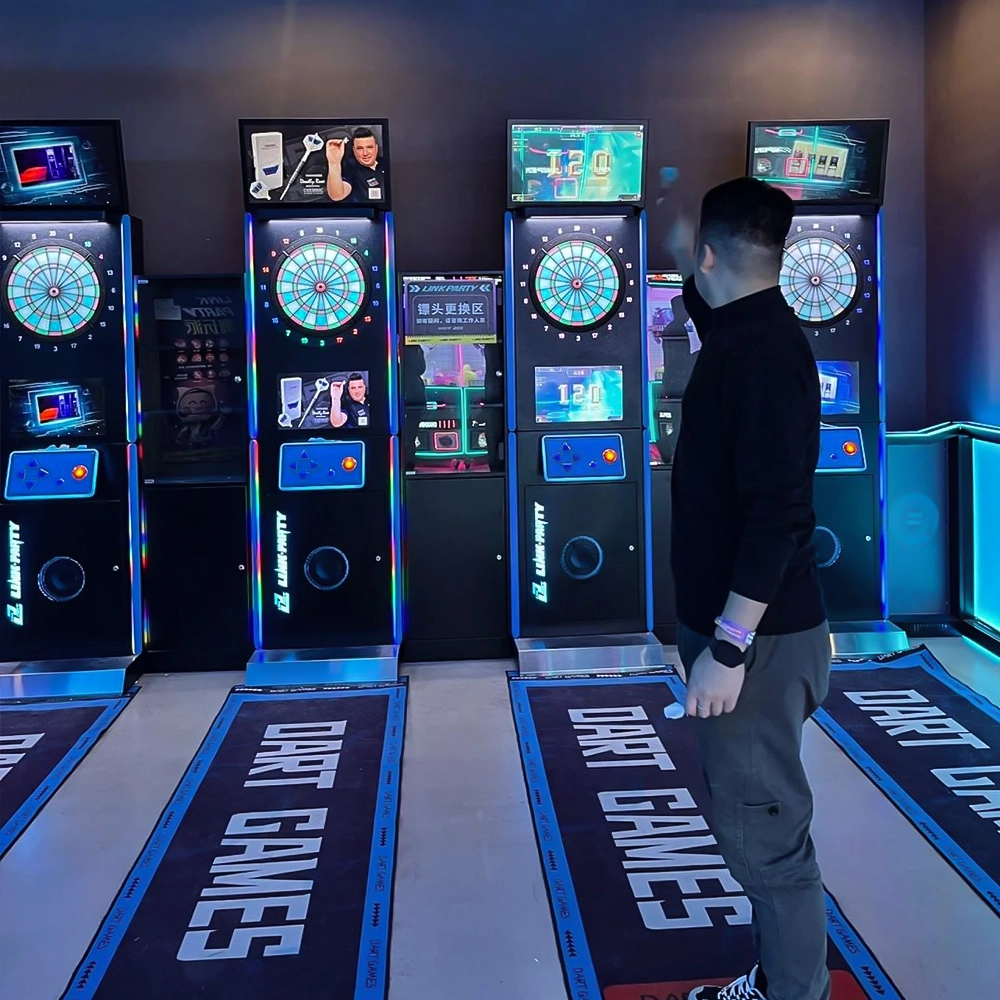
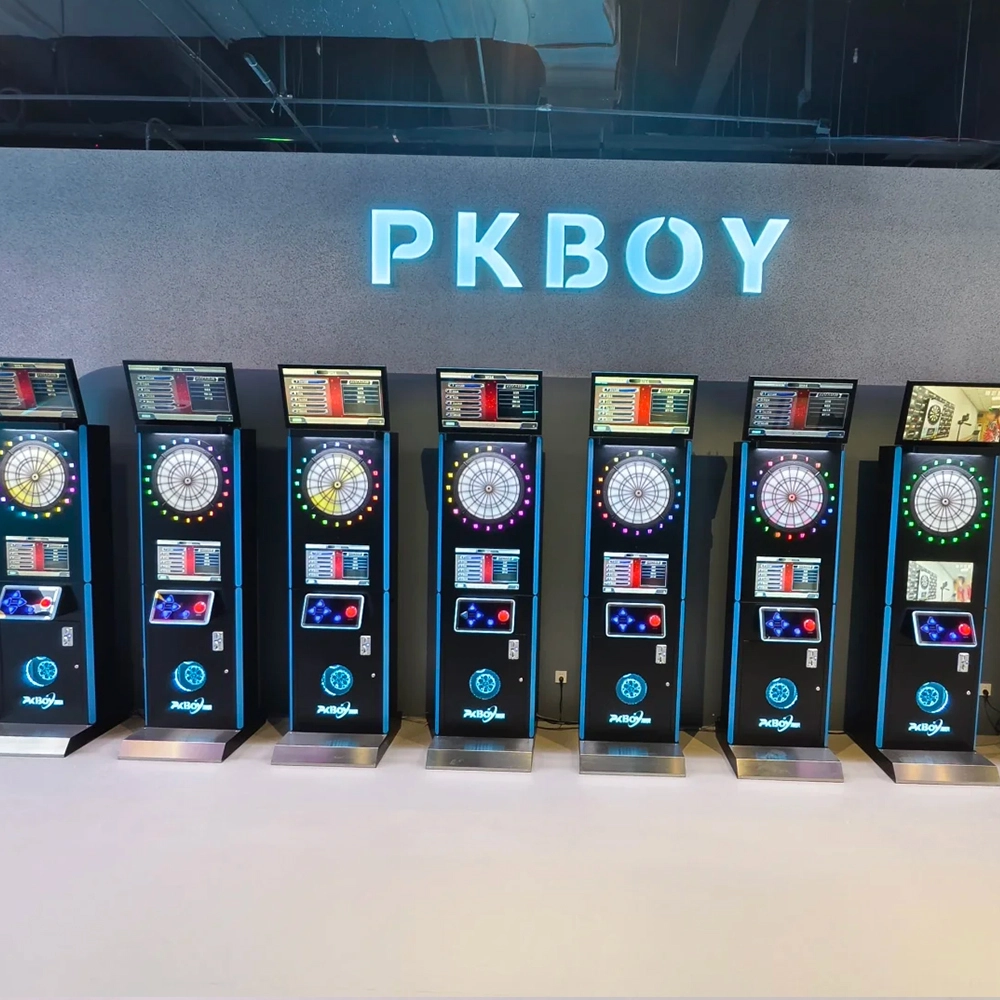
Joy Power is full of fun and excitement in the playground! The dart machine is suitable for all kinds of places, whether it is a bar, restaurant, KTV, or other entertainment venue, or a sports shop, club, or family leisure space, and can be perfectly adapted. In commercial venues, holding individual and team darts tournaments from time to time can attract more customers and increase the popularity and revenue of the venue, supplemented by various preferential activities, which can directly promote consumption and form a cycle of consumption of all the goods in the shop.
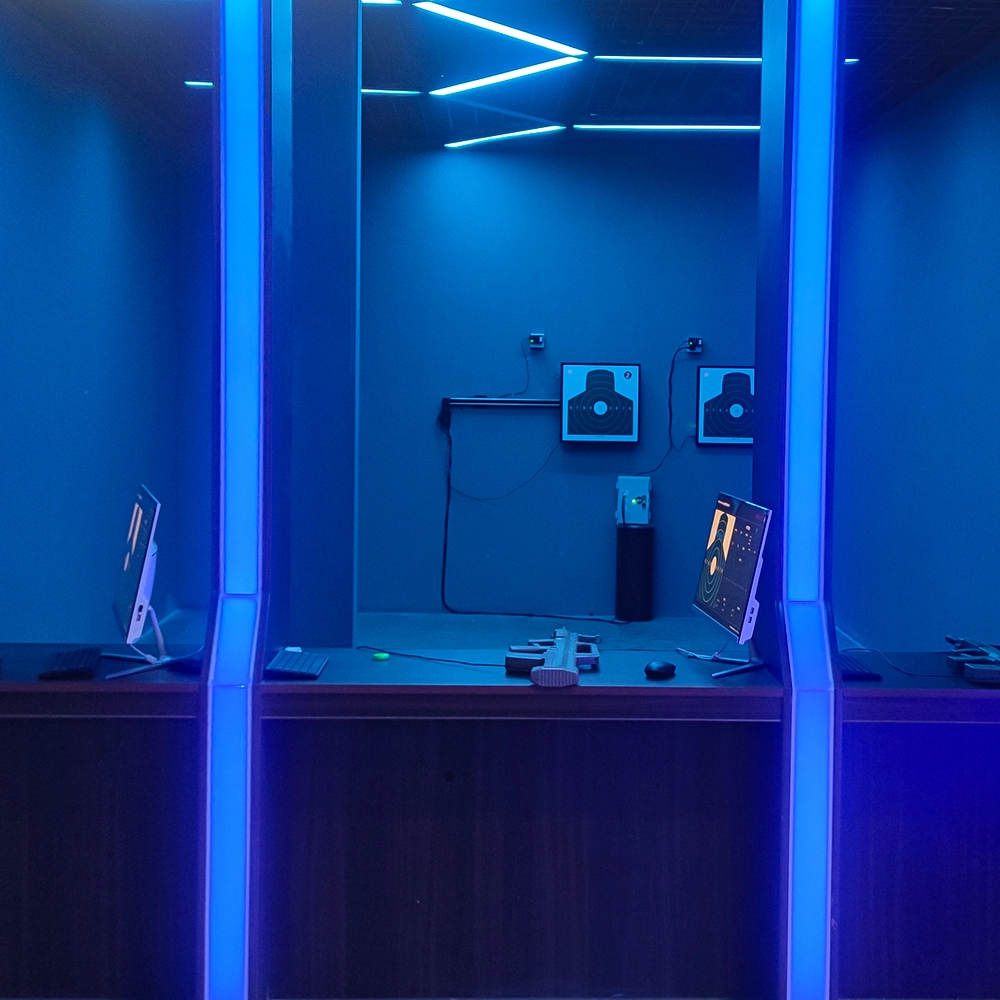
Infrared Shooting
Highly simulated simulation training analysis equipment, with advanced design concepts, fast system development, ease of operation and use, stable technical performance, less consumption of training, site dependence on a small group training is highly interesting, safe, and reliable, and other outstanding features. Product design to solve the basic skills of light weapons precision shooting as a starting point, to improve the safety of shooting training and training efficiency as the fundamental purpose, highlighting the simulation, information technology, and combat training requirements, can be in small indoor and outdoor venues and does not use live ammunition to complete the basic shooting training.
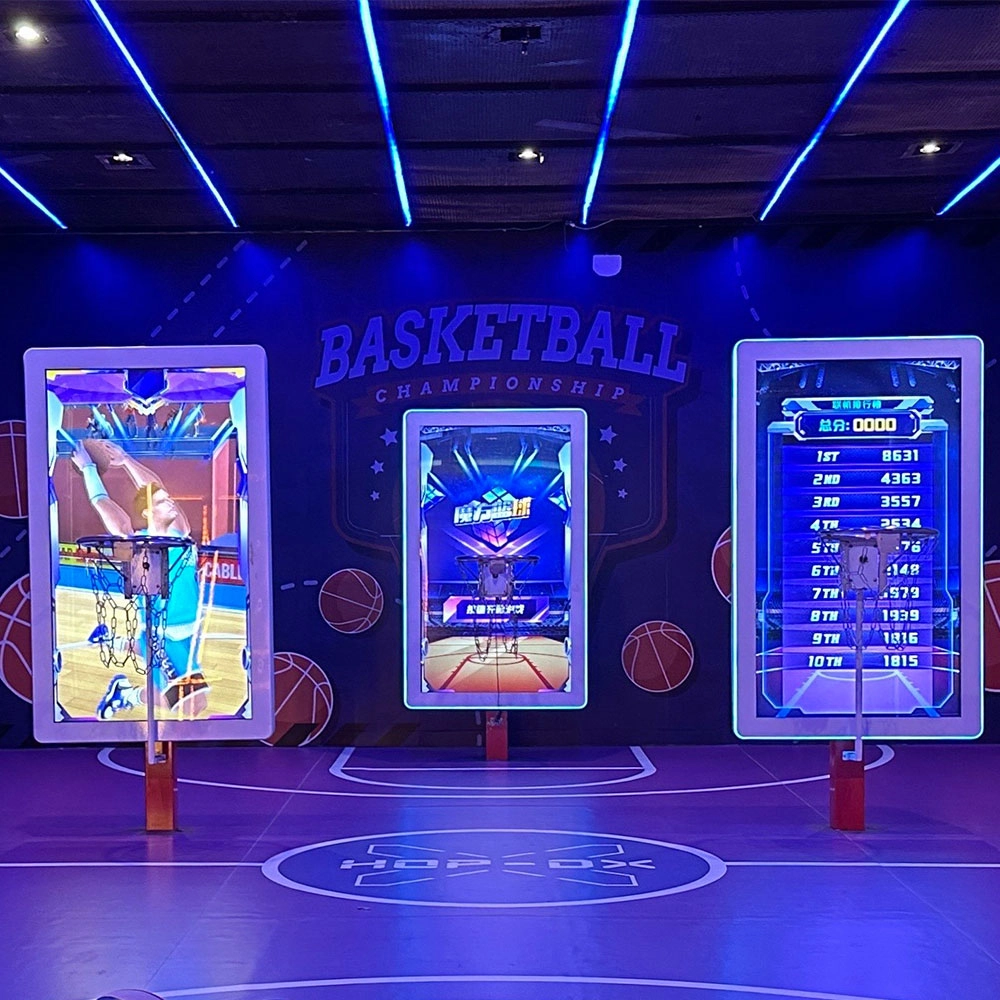
Multi-Player Interactive Shooting Machine
Joy Power is full of fun and exciting playgrounds! The basketball shooting machine is a classic amusement device integrating competition, entertainment, and interactivity. Based on the traditional basketball shooting sport, it integrates electronic scoring, sound and light effects, and challenge mechanisms to bring players an immersive game experience. The main body of the equipment is usually built with a metal frame, equipped with a standard-sized basket and a sturdy rim, with multiple sets of sensors to accurately capture the trajectory of the shot; when the player shoots the ball, the machine's built-in sensors count the score in real time and present the score, remaining time, and challenge goals through the LED display or LCD screen, with exciting sound effects and colorful lights to create a tense and exciting gaming atmosphere.
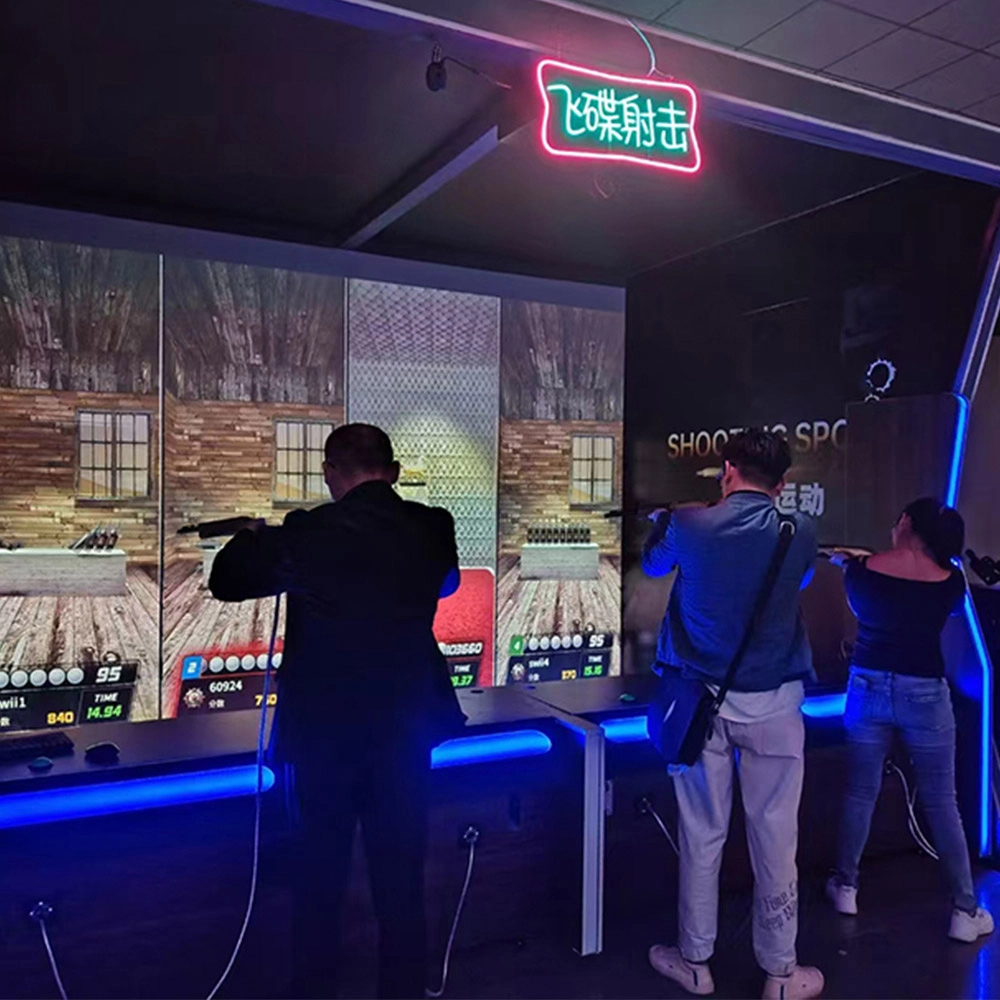
Indoor Wave Play Disc Shooting Equipment
Joy Power is full of fun and exciting playgrounds! The saucer shooting equipment in the indoor hip play hall is an immersive entertainment device integrating high-definition projection scenes, simulated air rifles, and multi-mode interactive gameplay, which allows players to experience the excitement of virtual shooting and the fun of social competition through laser-sensing scoring and multi-sensory feedback.
© 2025 FUNTECH ALL RIGHTS RESERVED

Weixia Lei
Fun_Tech-s
fun_tech20