
How to Choose the Best Shooting Arcade Machine for Your Venue
- Assess Your Venue: Space, Audience and Business Goals
- Space, Power and Placement
- Target Demographics and Game Length
- Throughput and Revenue Goals
- Key Features to Look for in a Shooting Arcade Machine
- Gameplay Modes and Interactivity
- Hardware Durability and Sensor Accuracy
- Scoring Displays, Sound and Monetization Options
- Comparing Single-Player vs Multi-Player Interactive Shooting Machines
- Player Experience and Social Play
- Revenue per Hour and Operational Costs
- Maintenance and Reliability
- Installation, Compliance and After-Sales Support
- Installation, Footprint and Accessibility
- Safety, Certifications and Compliance
- Warranty, Spare Parts and Technical Support
- Practical Buying Checklist and Final Recommendations
- Operational Checklist Before Purchase
- Testing and Pilot Deployment
- Supplier Evaluation and Long-term Partnership
- Frequently Asked Questions (FAQ)
- Q: How much space does a Multi-Player Interactive Shooting Machine need?
- Q: Are these machines easy to maintain?
- Q: Can I integrate cashless payments and loyalty systems?
- Q: What are realistic revenue expectations?
- Q: Where can I find industry standards for safety and operations?
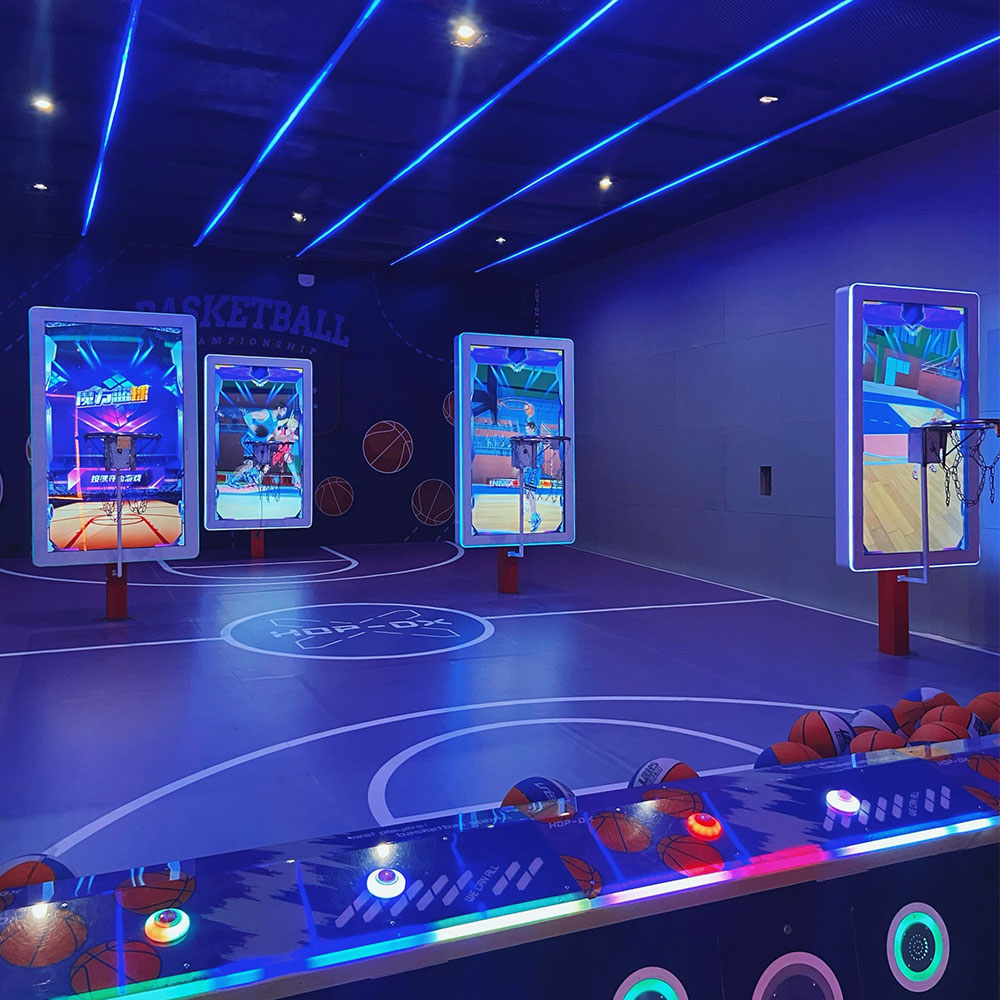
Choosing the best shooting arcade machine for your venue—whether an urban arcade, family entertainment center (FEC), mall entertainment zone, or amusement park—depends on understanding guest profiles, throughput targets, physical constraints and revenue goals. Modern shooting arcade machines, especially Multi-Player Interactive Shooting Machines, combine competitive gameplay, LED/LCD scoring, sensor accuracy and networked features. This guide helps venue owners and operators evaluate options, compare single- versus multi-player formats, and select equipment that delivers engaging play experiences and sustainable returns.
Assess Your Venue: Space, Audience and Business Goals
Space, Power and Placement
Before buying a shooting arcade machine, measure the intended footprint (including player clearance and queuing space). A standard shooting arcade machine with a metal frame and basket often requires a minimum area of 2.5m (L) x 2m (W) to allow players to approach and for spectators to gather. Account for power: most modern electronic shooting machines require a standard 110–240V power outlet and may need dedicated circuits if multiple units are clustered.
Placement matters: high-visibility corners near food courts or main walkways increase impulse plays, while dedicated FEC zones benefit from clustering multiple units to encourage social competition and tournaments.
Target Demographics and Game Length
Analyze your typical visitor profile. Family centers with children may prefer shorter, fast-paced sessions with colorful visuals and sound, while adult-heavy arcades may value skill depth and competitive leaderboards. Multi-Player Interactive Shooting Machines shine when your audience seeks social play—friends competing head-to-head or groups joining tournaments. Session length drives pricing: shorter sessions (30–60 seconds) increase throughput but may lower per-play revenue; configurable session lengths allow operators to optimize for either experience or profitability.
Throughput and Revenue Goals
Estimate target throughput (plays per hour) and revenue per hour to decide how many units you need. For example, a single-player machine offering 45-second sessions can reach ~80–90 plays/hour (theoretical), whereas a 4-player interactive unit with parallel play can multiply income if demand exists. Use these estimates combined with local footfall to forecast ROI and decide whether an investment in Multi-Player Interactive Shooting Machines is justified.
Key Features to Look for in a Shooting Arcade Machine
Gameplay Modes and Interactivity
Look for machines that offer multiple game modes (timed rounds, target challenges, cooperative modes, tournament modes) to keep repeat customers engaged. Interactive features such as dynamic LED target lighting, combo bonuses, and multi-stage challenges enhance retention. Networked leaderboards and QR-code shareable results help drive social sharing and repeat visits.
Hardware Durability and Sensor Accuracy
Durability is critical in high-traffic venues. A robust metal frame, impact-resistant backboard, and industrial-grade rim reduce downtime. Modern machines rely on multiple sensors—infrared or pressure/optical arrays—to accurately detect shots and prevent disputes. Verify sensor calibration procedures and whether the supplier supplies remote diagnostics to minimize maintenance time.
Scoring Displays, Sound and Monetization Options
High-visibility LED or LCD displays showing score, time remaining and challenge goals are essential for spectator appeal. Sound design (crowd cheers, countdowns) increases excitement but should be adjustable for noise-sensitive environments. Monetization options include coin/card acceptors, ticket dispensers, cashless payment, and app-based purchases. Multi-Player Interactive Shooting Machines often support integrated cashless systems and online account linking for loyalty and tournament features.
Comparing Single-Player vs Multi-Player Interactive Shooting Machines
Player Experience and Social Play
Single-player shooting arcade machines are straightforward and excel in venues prioritizing quick plays and simple monetization. In contrast, Multi-Player Interactive Shooting Machines provide social competition, collaborative challenges and spectatorship—leading to longer dwell times and higher secondary spend (food, merch). If your venue relies on group visits (families, parties, youth groups), multi-player formats typically produce greater engagement.
Revenue per Hour and Operational Costs
Compare estimated revenue and operational costs using realistic metrics. The following table summarizes typical differences:
| Metric | Single-Player Shooting Machine | Multi-Player Interactive Shooting Machine |
|---|---|---|
| Typical Session Length | 30–60 seconds | 45–180 seconds (multi-mode) |
| Plays per Hour (est.) | 60–100 | 40–160 (depending on players per match) |
| Revenue per Hour | Moderate (consistent) | Higher potential (tournaments, group play) |
| Footprint | Compact | Larger (space for multiple players & spectators) |
| Maintenance Frequency | Lower | Moderate to higher (more components) |
Note: numbers vary by location and demand. Use local footfall and play tests to refine forecasting. For industry context about the arcade sector and visitor behavior, see the Arcade game overview on Wikipedia (Arcade game — Wikipedia).
Maintenance and Reliability
Multi-player machines have more moving parts and network components, which can increase maintenance demands. However, reputable suppliers provide modular designs for quick field servicing, remote diagnostics and replaceable sensor modules. When selecting a shooting arcade machine, request mean time between failures (MTBF) data, spare-part lists and recommended service schedules to estimate lifetime costs.
Installation, Compliance and After-Sales Support
Installation, Footprint and Accessibility
Plan for delivery access (door widths, elevator capacity) and onsite assembly requirements. Some larger Multi-Player Interactive Shooting Machines ship in sections requiring in-venue assembly; confirm whether installation is included and whether the supplier provides training for staff on operation and simple repairs. Accessibility is important: ensure the machine’s layout allows players of different heights and abilities to engage comfortably.
Safety, Certifications and Compliance
Safety standards for amusement devices vary by region. Check for electrical compliance markings and whether the machine meets local safety regulations. For broader industry standards and operator guidance, consult resources such as the International Association of Amusement Parks and Attractions (IAAPA) (IAAPA). Maintaining safe, well-lit play areas and regularly scheduled inspections reduces liability and improves guest satisfaction.
Warranty, Spare Parts and Technical Support
Choose suppliers who offer clear warranty terms, stocked spare-part programs and responsive technical support. Reliable remote diagnostics and firmware update capability reduce downtime. As part of this, consider supplier reputation and history. Joy Power’s product line is built with robust components and a focus on durability and serviceability. The Multi-Player Interactive Shooting Machine incorporates electronic scoring, integrated sound and lighting and multiple sensor arrays to ensure accurate scoring and engaging play.
Product spotlight — Multi-Player Interactive Shooting Machine:
Joy Power is full of fun and exciting playgrounds! The basketball shooting machine is a classic amusement device integrating competition, entertainment, and interactivity. Based on the traditional basketball shooting sport, it integrates electronic scoring, sound and light effects, and challenge mechanisms to bring players an immersive game experience. The main body of the equipment is usually built with a metal frame, equipped with a standard-sized basket and a sturdy rim, with multiple sets of sensors to accurately capture the trajectory of the shot; when the player shoots the ball, the machine's built-in sensors count the score in real time and present the score, remaining time, and challenge goals through the LED display or LCD screen, with exciting sound effects and colorful lights to create a tense and exciting gaming atmosphere.
Why choose Joy Power for your shooting arcade machine? Joy Power emphasizes industrial-grade materials, modular sensor architecture, and configurable game modes tailored for venues. Their Multi-Player Interactive Shooting Machine supports cashless payment, online leaderboard integration, and optional ticketing systems—ideal for FECs and arcades looking to boost dwell time and repeat visits. The company also provides training, spare-part kits and recommended service contracts to minimize downtime.
Practical Buying Checklist and Final Recommendations
Operational Checklist Before Purchase
Use this pre-purchase checklist to reduce surprises:
- Measure space and confirm delivery route.
- Check power availability and circuit capacity.
- Request demo or video of the specific model in operation.
- Ask about sensor calibration, remote diagnostics and spare-part lead times.
- Confirm warranty, installation costs and training options.
Testing and Pilot Deployment
Whenever possible, pilot a unit for a week to gauge demand, ticket sales and maintenance needs. Use short-term leasing or rental options to test Multi-Player Interactive Shooting Machines in different locations within your venue to identify the optimal spot for long-term placement.
Supplier Evaluation and Long-term Partnership
Prioritize suppliers with transparent service SLAs, accessible parts warehouses and good references in the Digital Sports Entertainment sector. A reliable partner should provide marketing assets (leaderboard templates, tournament kits), regular software updates and training for staff on gameplay modes and maintenance.
Frequently Asked Questions (FAQ)
Q: How much space does a Multi-Player Interactive Shooting Machine need?
A: Typical footprint ranges from 2.5m x 2m for compact single-player units to larger setups for 2–4 player interactive units to accommodate players and spectators. Always measure delivery paths and factor in queuing space.
Q: Are these machines easy to maintain?
A: Modern shooting arcade machines are designed for field maintenance with modular parts and replaceable sensor units. Maintenance frequency depends on usage; high-traffic venues should plan for scheduled servicing and a small inventory of wear parts (nets, rims, sensors).
Q: Can I integrate cashless payments and loyalty systems?
A: Yes. Many Multi-Player Interactive Shooting Machines support cashless readers, RFID cards, mobile payments and online account integration. Verify compatibility with your venue’s POS and loyalty platforms before purchase.
Q: What are realistic revenue expectations?
A: Revenue varies by location, footfall and pricing. Single-player units provide steady per-play income; multi-player machines can boost revenue through group play, tournaments and longer sessions. Use the table earlier in this article for comparative estimates and run a short pilot to gather local data.
Q: Where can I find industry standards for safety and operations?
A: Industry organizations such as IAAPA provide operator guidance and best practices (IAAPA). For general context on arcade equipment and history, see Arcade game — Wikipedia.
If you're ready to explore options or want a tailored recommendation for your venue, check our product page for the Multi-Player Interactive Shooting Machine or contact our sales team to arrange a demo and ROI analysis: View product details | Contact sales.
Best tennis simulator price manufacturers and supplier brands
Tips for buy boxing clicker simulator
OEM/ODM dart machine electronic Manufacturers and Suppliers
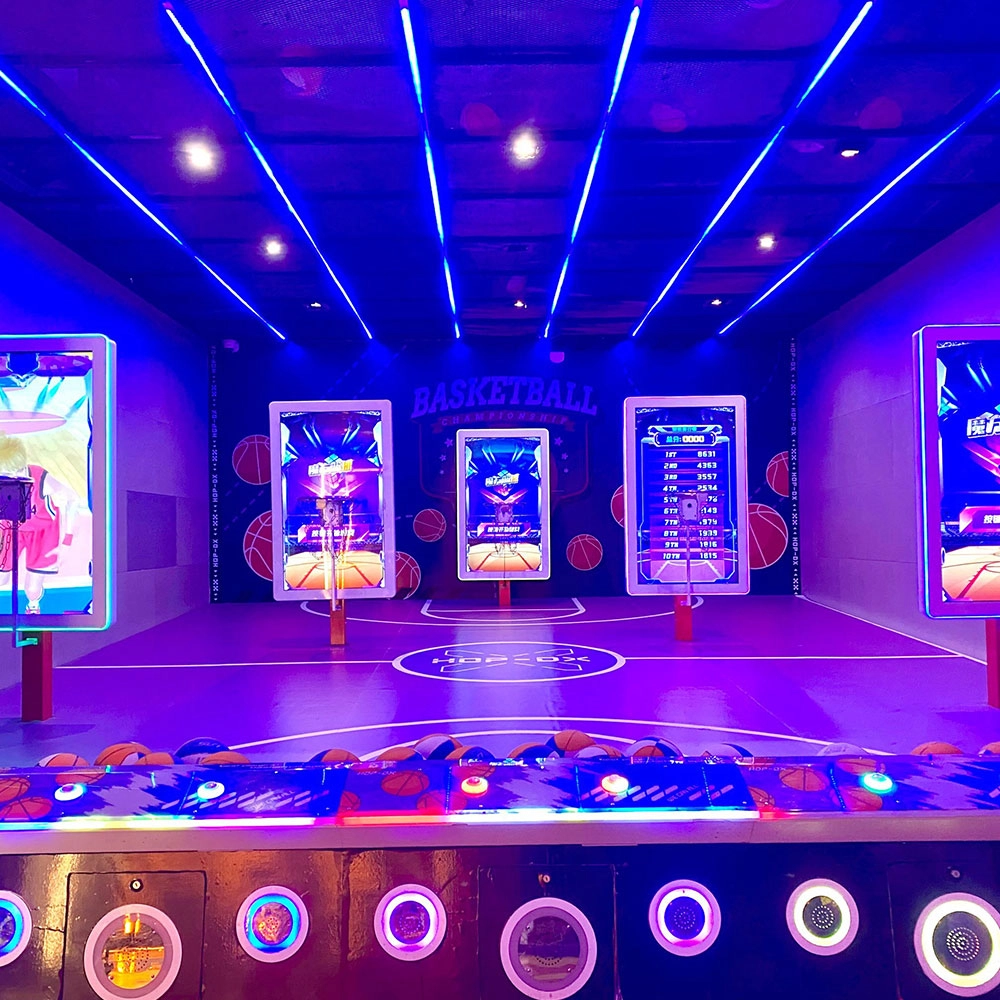
Maximizing Revenue with a Shooting Arcade Machine in Family Centers
Dart Machines Bar Dart Machines
What are the after-sales services after purchasing the equipment?
Generally, a 1-year warranty is provided. During the warranty period, parts damaged due to quality problems, such as motor failure, display problems, etc., will be repaired or replaced free of charge. There will also be technical support, including equipment installation and debugging guidance, operation training, to ensure the smooth use of the user, after-sales response time is usually within 24 - 48 hours.
How often does the equipment require maintenance?
For daily use, simple monthly maintenance, such as simple cosmetic cleaning and function checking after use, is sufficient. A more comprehensive quarterly maintenance is sufficient.
Products
How to attract customers when operating the program in shopping malls?
Create a cool venue decoration style, incorporating trendy elements, such as fluorescent light strips, animation-themed murals, etc. o Create a new venue for the program. o Launch diversified marketing models such as parent-child packages and couple packages, combined with time-limited promotional activities, such as half-price experience in the first three days of opening, to attract different groups such as families and couples to stop by and participate in the program. o Create cool venue decoration styles and incorporate trendy elements, such as fluorescent light strips.
What is the most reasonable pricing for a mobile target archery program in a commercial setting?
If it is in shopping malls, scenic spots, and other places with high traffic flow, you can refer to the prices of similar entertainment programs in the surrounding area and combine them with your own costs, charging from $30 - $80 for a single session for a single person. If it is in a professional sports arena, for members or long-term training customers, packages can be introduced, such as monthly card 300 - 500 yuan, seasonal card 800 - 1200 yuan, according to different length and service content reasonable pricing.
How often does moving target archery equipment require maintenance?
Under daily use, for equipment that is used less frequently, 1-3 times per week, simple cosmetic cleaning and functional checks can be performed after each use. A more comprehensive maintenance should be carried out every 2-4 weeks, including disassembling some parts for cleaning and checking the accuracy of the aiming system.
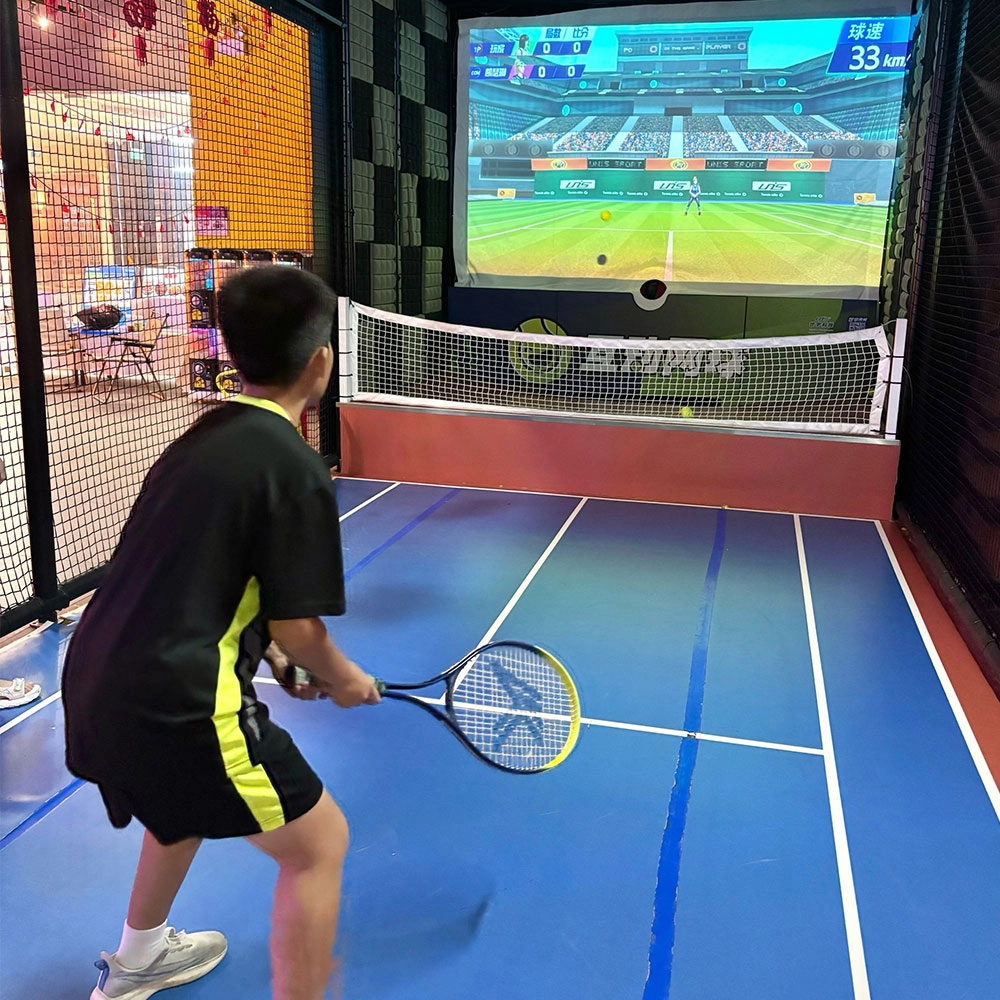
Indoor Tide Play Simulation Tennis Equipment
FUNTECH is full of fun and exciting playgrounds! With high-definition scene projection, force feedback racket, and intelligent scoring system, the simulated tennis equipment in the indoor arcade realizes immersive sports experiences and diversified interactive play, combining the advantages of safety and ease of use with high operational efficiency.
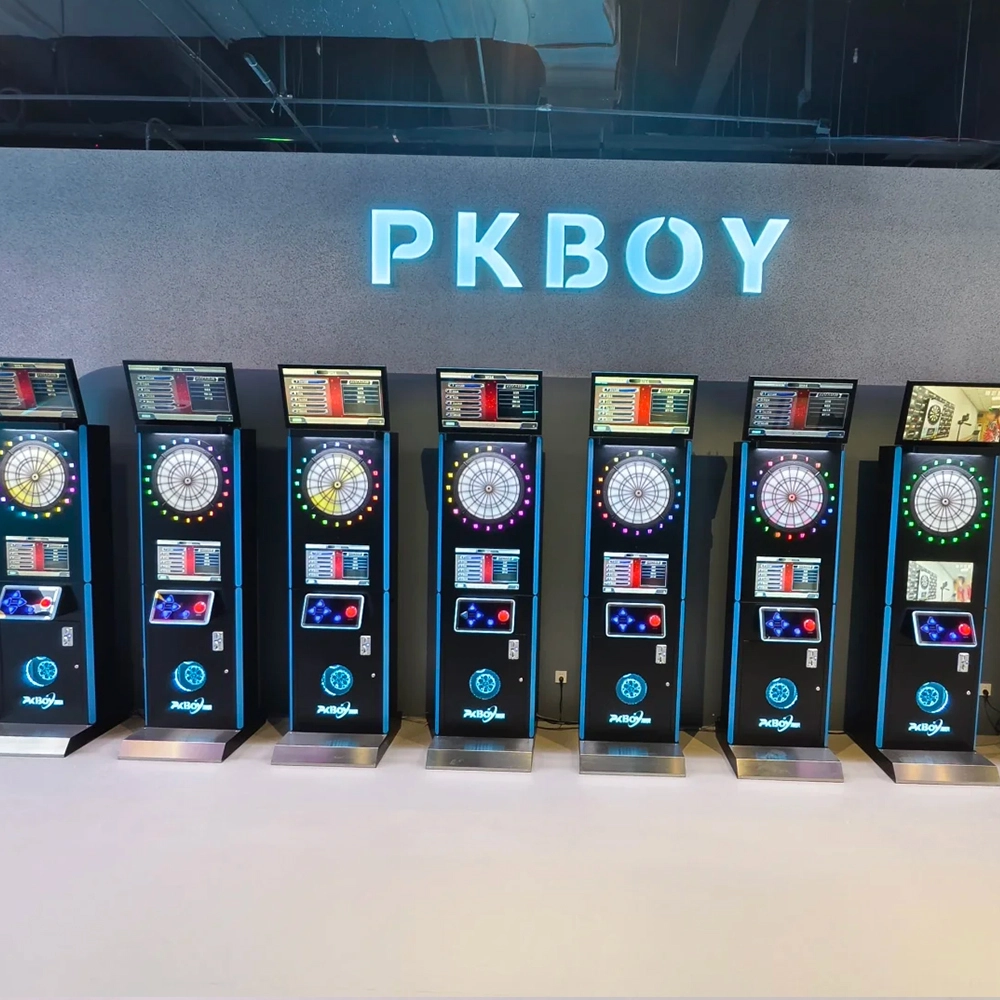
Dart Machines Bar Dart Machines
Joy Power is full of fun and excitement in the playground! The dart machine is suitable for all kinds of places, whether it is a bar, restaurant, KTV, or other entertainment venue, or a sports shop, club, or family leisure space, and can be perfectly adapted. In commercial venues, holding individual and team darts tournaments from time to time can attract more customers and increase the popularity and revenue of the venue, supplemented by various preferential activities, which can directly promote consumption and form a cycle of consumption of all the goods in the shop.
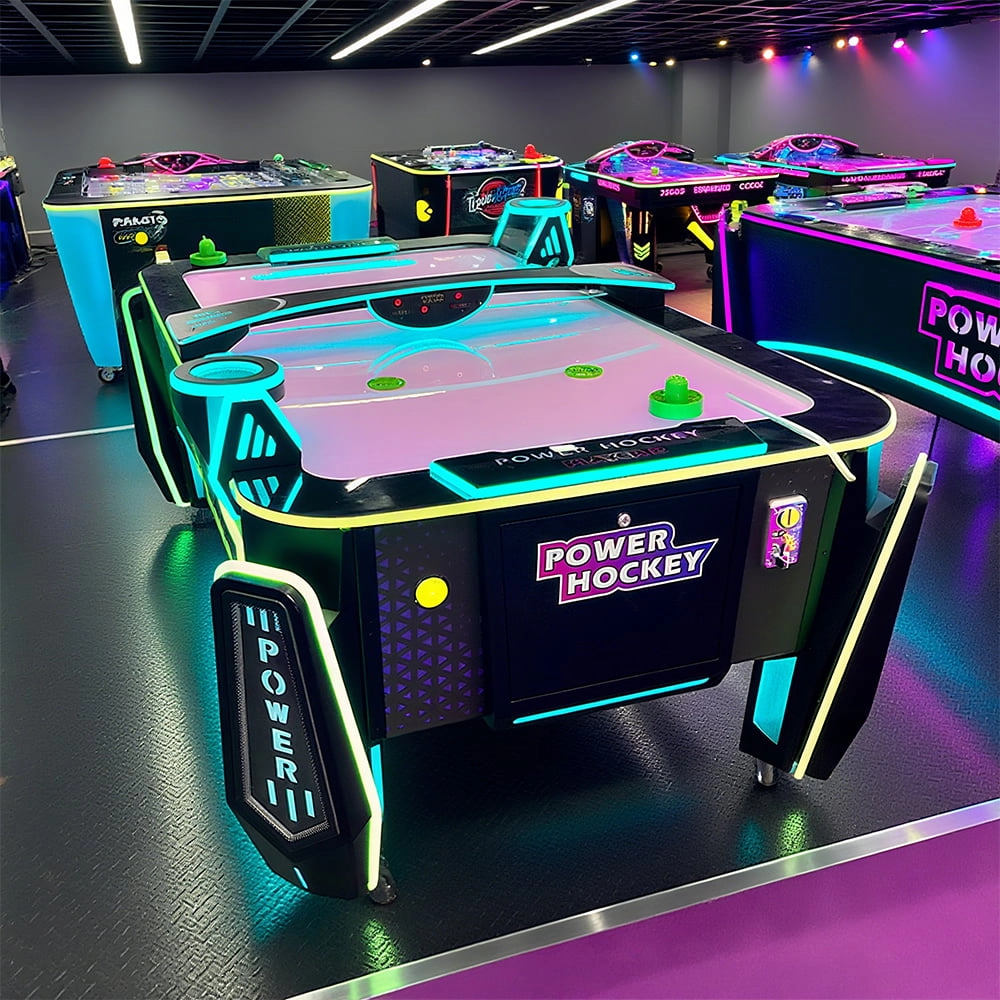
Arcade Hockey
FUNTECH is full of fun and exciting playgrounds! Air hockey, also known as air hockey, is a two-player competitive arcade game comprising a smooth, perforated playing surface, lightweight hockey sticks, a plastic puck, and an electronic scoreboard.
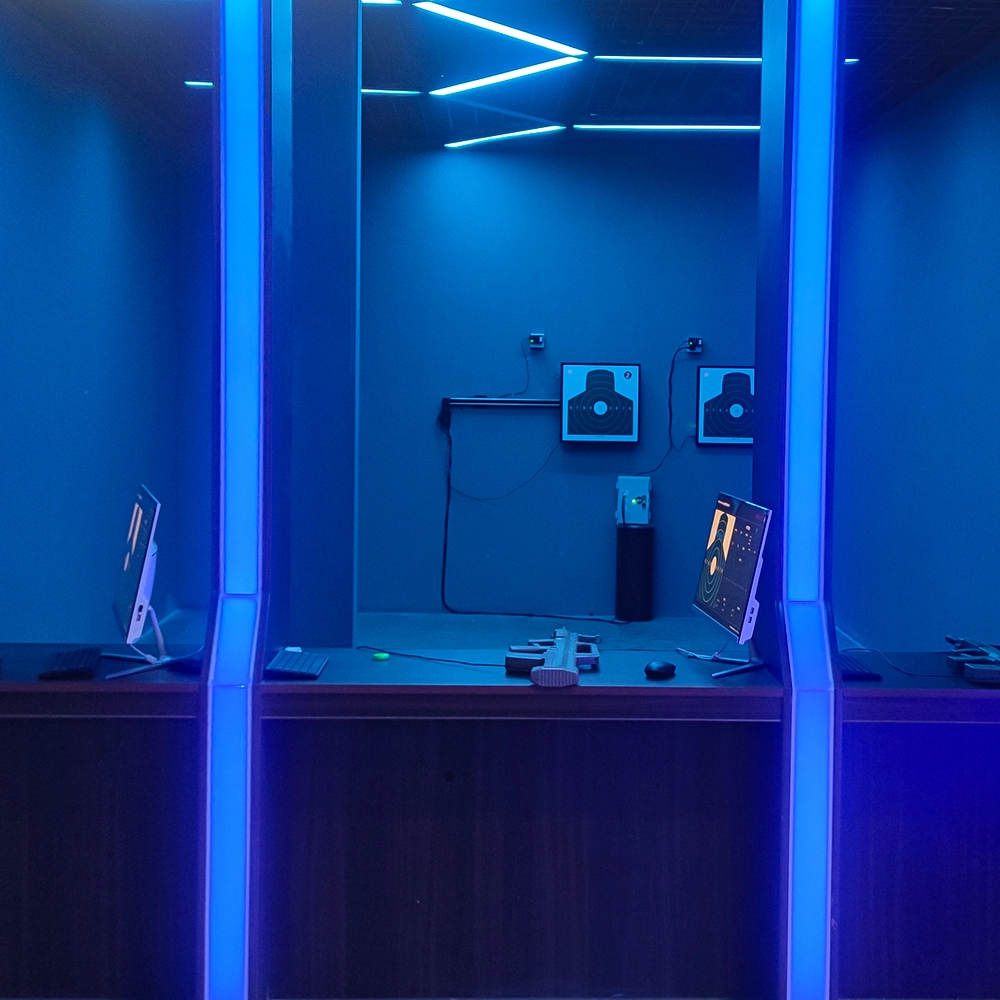
Infrared Shooting
Highly simulated simulation training analysis equipment, with advanced design concepts, fast system development, ease of operation and use, stable technical performance, less consumption of training, site dependence on a small group training is highly interesting, safe, and reliable, and other outstanding features. Product design to solve the basic skills of light weapons precision shooting as a starting point, to improve the safety of shooting training and training efficiency as the fundamental purpose, highlighting the simulation, information technology, and combat training requirements, can be in small indoor and outdoor venues and does not use live ammunition to complete the basic shooting training.
© 2025 FUNTECH ALL RIGHTS RESERVED

Weixia Lei
Fun_Tech-s
fun_tech20