
Customizing Game Modes on a Multi-Player Interactive Shooting Machine
- Designing Flexible Game Modes for Competitive Fun
- Understanding players and play sessions
- Core mode types and design patterns
- Creating memorable reward loops
- Implementing Custom Rules on a Multi-Player Interactive Shooting Machine
- Configurable parameters and hardware integration
- Rule authoring and safeguards
- Example custom rules to increase replayability
- Technical Considerations: Sensors, Networking, and UI
- Sensor calibration and shot validation
- Networked play and leaderboard synchronization
- User interface and accessibility
- Monetization, Safety, and Compliance
- Revenue models and session control
- Safety, maintenance, and compliance
- Data privacy and responsible operations
- Practical Examples and Mode Comparison
- Choosing the right preset for your venue
- Deployment and Ongoing Optimization
- Testing and pilot runs
- Using analytics for continuous improvement
- Frequently Asked Questions (FAQ)
- Q: Can game modes be updated remotely?
- Q: How do sensors distinguish between valid shots and false triggers?
- Q: What measures keep multiplayer play fair?
- Q: Are there recommended safety checks for daily operation?
- Q: Which external standards or resources should we consult?
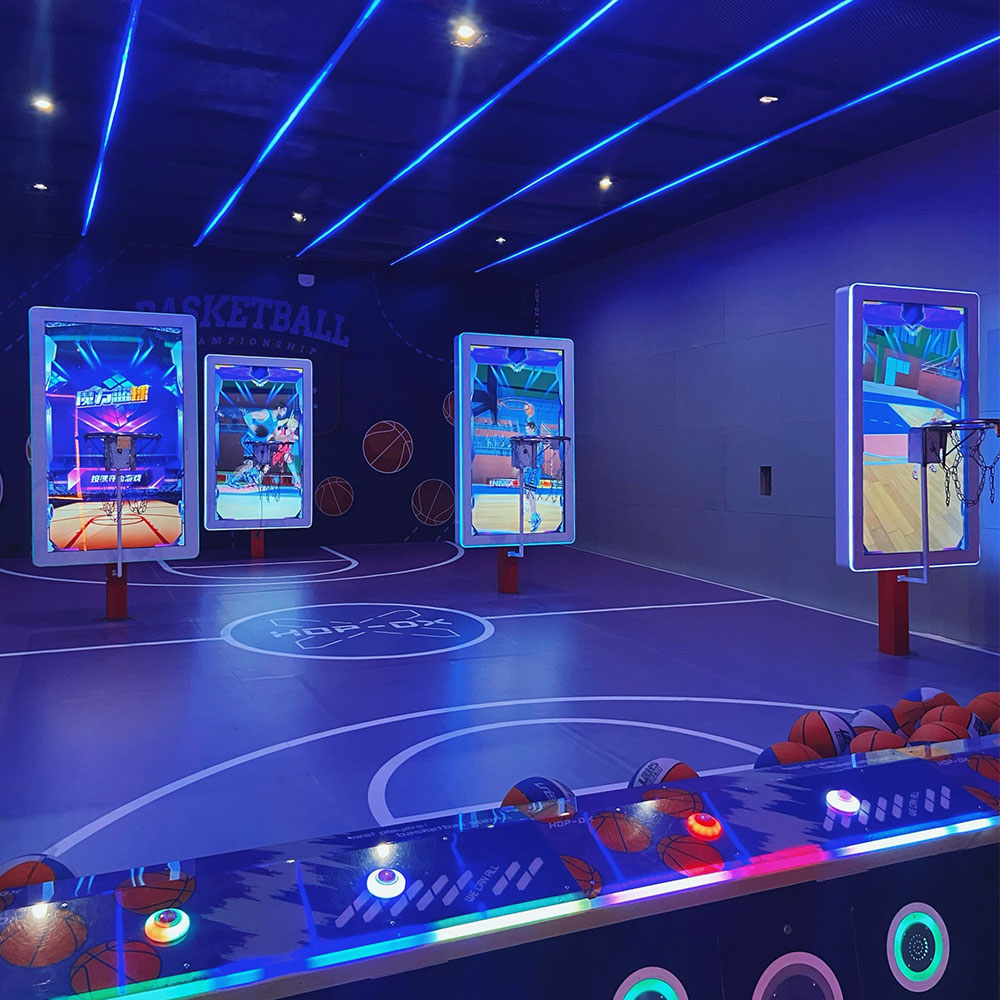
Customizing game modes on a Multi-Player Interactive Shooting Machine combines product design, player psychology, sensor technology, and operational strategy to deliver compelling experiences in arcades, family entertainment centers, and sports entertainment venues. This guide explains how to design flexible modes, implement reliable scoring and validation, select monetization and safety approaches, and deploy updates so your shooting arcade machine consistently attracts players and increases replay value.
Designing Flexible Game Modes for Competitive Fun
Understanding players and play sessions
When you plan game modes for a Multi-Player Interactive Shooting Machine, start with player intent and session length. Typical player segments include casual drop-in players (1–2 minutes), families (5–10 minutes), and competitive groups (10+ minutes). Tailor modes accordingly: quick single-shot challenges for casual users, family co-op modes for groups, and ranked matches or tournament brackets for competitive play. Recognize that the core attraction is the shooting arcade machine experience—fast feedback, visible scoring, and social competition.
Core mode types and design patterns
Design mode families rather than isolated settings. Common categories: Time Attack (score as many points in X seconds), Target Rush (pop-up targets with combos), Accuracy Challenge (precision-focused scoring), and Team Relay (turn-based multiplayer). Each family should expose configurable parameters: duration, scoring multipliers, target density, and special events (e.g., double-score windows). Modular design allows operators to enable seasonal or location-specific modes without firmware changes.
Creating memorable reward loops
Effective modes create short reward loops (action → feedback → small reward) and long reward loops (progression, leaderboards, unlockables). Use sound, light, and haptic feedback to make each successful shot gratifying. Progression systems could include player profiles, badges, and local or cloud leaderboards to encourage repeat play. For Multi-Player Interactive Shooting Machines, ensure multiplayer rewards acknowledge both individual and team achievements to satisfy different player motivations.
Implementing Custom Rules on a Multi-Player Interactive Shooting Machine
Configurable parameters and hardware integration
Custom rules must map to physical capabilities of the machine. The Multi-Player Interactive Shooting Machine typically includes a metal frame, standardized rim, optical or IR sensors, LED/LCD displays, and audio systems. Use an admin UI (local touchscreen or web portal) to expose parameters: session length, number of players, scoring rules, and special events. Maintain a strict mapping between software settings and sensor thresholds to avoid disputes. The product description for Joy Power-style equipment demonstrates this hardware baseline:
Joy Power is full of fun and exciting playgrounds! The basketball shooting machine is a classic amusement device integrating competition, entertainment, and interactivity. Based on the traditional basketball shooting sport, it integrates electronic scoring, sound and light effects, and challenge mechanisms to bring players an immersive game experience. The main body of the equipment is usually built with a metal frame, equipped with a standard-sized basket and a sturdy rim, with multiple sets of sensors to accurately capture the trajectory of the shot; when the player shoots the ball, the machine's built-in sensors count the score in real time and present the score, remaining time, and challenge goals through the LED display or LCD screen, with exciting sound effects and colorful lights to create a tense and exciting gaming atmosphere.
Rule authoring and safeguards
Allow operators to create or tweak rules but include validation checks: ensure scoring multipliers don’t allow runaway scores, and time settings stay within safe operational windows. Provide template modes (Beginner, Standard, Tournament) to reduce configuration errors. Log all rule changes for auditability and rollback. Use server-side validation (if cloud-connected) to prevent corrupted mode files from being deployed across a network of shooting arcade machines.
Example custom rules to increase replayability
Examples operators can implement quickly: rotating target sequences, streak multipliers (increasing score for consecutive hits), handicaps for new players (extra time or higher base points), and dynamic difficulty (adjust target latency based on recent player accuracy). Combine rules in presets for holidays or promotions to drive seasonal traffic.
Technical Considerations: Sensors, Networking, and UI
Sensor calibration and shot validation
Reliable scoring is the heart of player trust. Use multiple sensors (optical + contact switches or IR arrays) to cross-validate trajectories and remove false positives. Implement automatic calibration routines: a daily self-test that checks sensor response, rim alignment, and ball detection thresholds. Present calibration status in the admin dashboard and display clear error messages on the machine if calibration drifts. Reference industry practices for human-centered system design like ISO standards (see ISO ergonomics standards) when designing maintenance flows.
Networked play and leaderboard synchronization
Networked leaderboards and cross-machine tournaments increase engagement, but design for intermittent connectivity. Use local caching (store session results locally and sync when online) and deterministic conflict resolution (last-write-wins plus server validation). Secure communications with TLS and authenticate machines with certificates to prevent scoreboard tampering. For multiplayer across multiple devices, synchronize state updates with latency compensation strategies to keep displays consistent without sacrificing responsiveness.
User interface and accessibility
Design the in-game UI for quick comprehension: large, high-contrast scores, countdown timers, and clear icons for special events. Include accessibility options such as adjustable audio volumes, color-blind friendly palettes, and simple mode descriptions. Good UI reduces onboarding time and increases turnover, which is important for commercial performance of any shooting arcade machine.
Monetization, Safety, and Compliance
Revenue models and session control
Common monetization models for Multi-Player Interactive Shooting Machines: pay-per-play, time-based sessions, subscription passes, or credits bundled with other attractions (bundle cards). Implement session control features such as maximum session length, cooldowns between plays (to manage lines), and operator-set pricing tiers for special modes or tournaments. Provide analytics to track popular modes, peak play times, and revenue per mode so operators can optimize the mix.
Safety, maintenance, and compliance
Safety matters for both legal compliance and customer satisfaction. Ensure structural integrity of frames and rim, use compliant materials, and provide clear usage instructions. Regular maintenance schedule and automated fault reporting reduce downtime. Refer to industry bodies such as the International Association of Amusement Parks and Attractions (IAAPA) for best practices in ride and device safety. For human factors and user interaction standards consult references like arcade game design principles and resources on professional ergonomics.
Data privacy and responsible operations
If collecting player profiles, scores, or images, comply with relevant privacy regulations (e.g., GDPR, local laws). Use opt-in for identifiable data, anonymize leaderboard entries when required, and provide deletion mechanisms. For youth players, offer parental controls and age-appropriate modes. Responsible operations avoid reputational risks and align with expectations for family entertainment venues.
Practical Examples and Mode Comparison
Below is a comparison table of several practical mode presets operators often offer on a Multi-Player Interactive Shooting Machine. These presets simplify setup and help identify which modes map best to customer segments.
| Mode | Players | Objective | Duration | Best For |
|---|---|---|---|---|
| Quick Shot | 1 | 3 shots, highest total score | 1–2 minutes | Arcade walk-ups |
| Time Attack | 1–4 | Maximize score in X seconds | 30–120 seconds | High turnover areas |
| Team Relay | 2–8 | Teams alternate shots; combined score | 5–10 minutes | Parties, groups |
| Tournament | 4+ | Bracketed elimination | Variable | Events, special promotions |
Choosing the right preset for your venue
Match the preset to your operational goals: maximize revenue per hour (choose short Time Attack), increase dwell time (choose Team Relay), or attract competitive bookings (use Tournament mode). Use the machine's analytics to iterate on presets and A/B test special offers like discounted multi-play packages.
Deployment and Ongoing Optimization
Testing and pilot runs
Before rolling out new modes network-wide, run a pilot on a small number of machines. Monitor for sensor errors, player confusion, and revenue impact. Collect qualitative feedback from staff and players to refine UI copy and difficulty curves.
Using analytics for continuous improvement
Instrument each mode with KPIs: average session length, replay rate, completion rate, and revenue per session. Use dashboards to spot declining engagement and iterate quickly. Cloud-connected Multi-Player Interactive Shooting Machines can receive mode updates and patches remotely, enabling rapid improvements across an entire fleet.
Frequently Asked Questions (FAQ)
Q: Can game modes be updated remotely?
A: Yes. If your Multi-Player Interactive Shooting Machine is network-enabled, operators can push mode updates, firmware patches, and leaderboard changes remotely. Always include staged rollouts and rollback capabilities to avoid widespread issues.
Q: How do sensors distinguish between valid shots and false triggers?
A: Modern machines use sensor fusion—combining optical sensors, IR arrays, and rim contact detection—to validate shots. Software cross-checks signals and applies timing windows to confirm a valid shot before incrementing scores.
Q: What measures keep multiplayer play fair?
A: Fairness comes from synchronized state, deterministic scoring rules, and anti-cheat measures. Ensure identical configuration across machines, server-side validation for leaderboards, and sensor checks to prevent manipulation.
Q: Are there recommended safety checks for daily operation?
A: Yes. Daily checks should include sensor self-test, rim and frame inspection, surface cleaning, and verification of emergency stop functionality. Automated diagnostics can report issues to operators and log maintenance events.
Q: Which external standards or resources should we consult?
A: Consult ergonomics and HCI standards from ISO, industry guidance from IAAPA, and general arcade design principles outlined on Wikipedia. For legal and privacy guidance, reference local regulations such as GDPR or national consumer protection agencies.
If you want to learn more about the Multi-Player Interactive Shooting Machine or request a demo, contact our sales team or view the full product details on our site. For immediate assistance, reach out to customer service to schedule a pilot deployment or request customization options.
Contact us / View product: Visit our product page or contact support to get a quote, arrange a live demo, or discuss custom game mode development tailored to your venue.
Top 5 interactive led floor system Company List and Products Compared
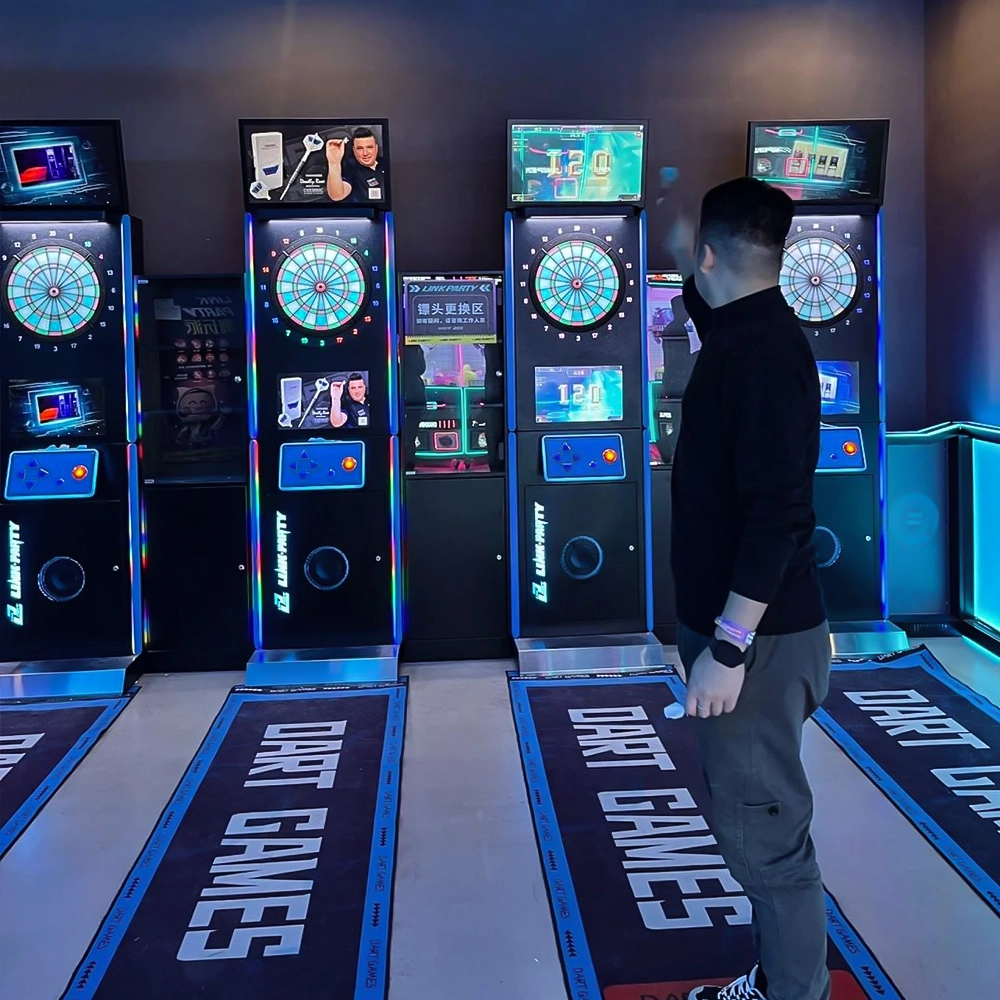
Top Features to Look for in an Electronic Dart Machine
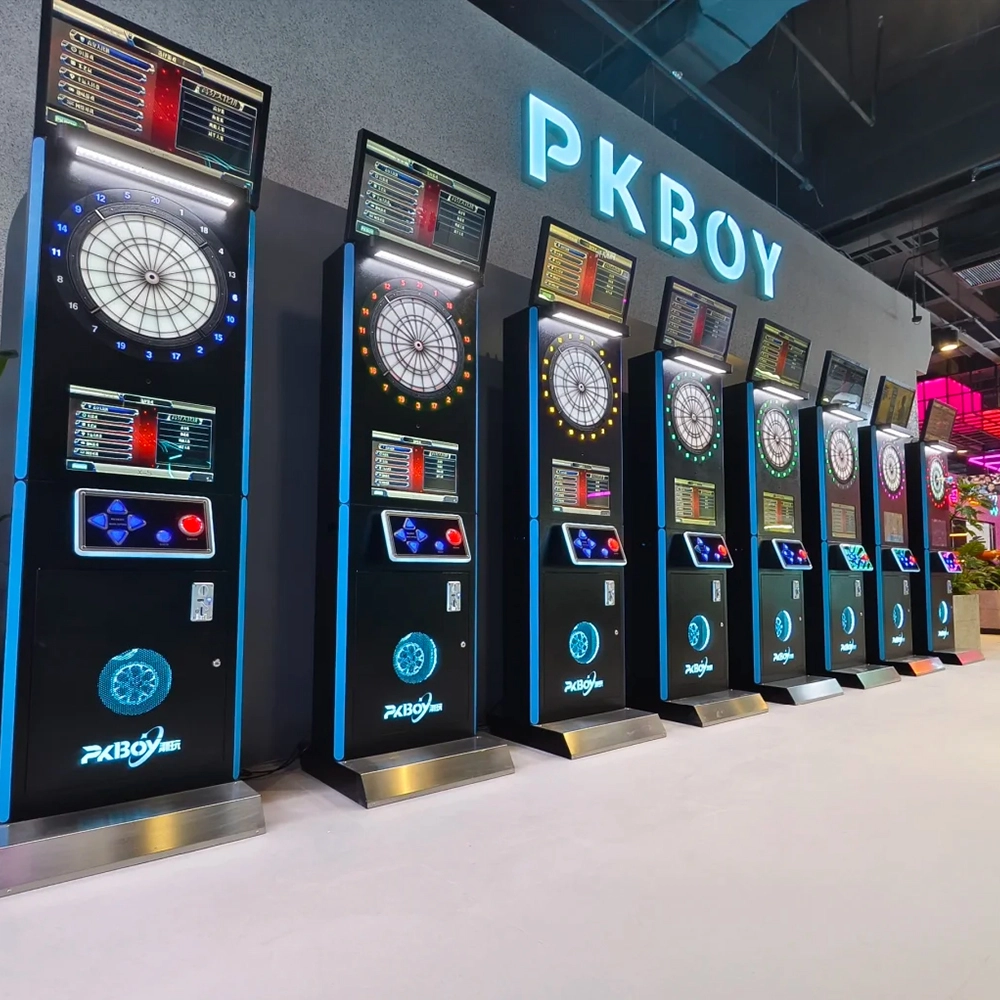
Best Durable Bar Dart Machines for Long-Term Use
Top 10 3d archery simulator Manufacturers and Supplier Brands in Dubai
Infrared Shooting
How to attract customers when operating the program in shopping malls?
Create a cool venue decoration style and incorporate trendy elements, such as fluorescent light strips and anime-themed murals. o Launch diversified marketing models such as parent-child packages and couple packages, combined with time-limited promotional activities, such as half-price experience in the first three days of opening, to attract different groups of people such as families and couples to stop by and participate.
Golf Simulator
How often does simulated golf equipment require maintenance?
For daily use, simple monthly maintenance is sufficient, such as a simple cosmetic cleaning and function check after use. Quarterly maintenance can be more comprehensive.
How to attract customers when operating the program in shopping malls?
Create a cool venue decoration style, incorporating trendy elements, such as fluorescent light strips and anime-themed murals. o Launch diversified marketing models such as parent-child packages and couple packages, combined with time-limited promotional activities, such as half-price experience in the first three days of opening, to attract families, couples and other groups to stop and participate in the program. o How to reduce operating costs?
Holographic Light and Shadow Restaurant
What is the principle of holographic projection?
Firstly, during the recording process, a reference light and an object light are simultaneously irradiated onto the object, causing interference between the two beams. The intensity and phase information of the object are recorded on the photosensitive material, forming a hologram. Then, during the reproduction process, the hologram is illuminated with the same beam of light as the reference light, and the hologram acts like a complex diffraction grating, causing the light to diffract and thus reproducing the three-dimensional image of the object.
Products
How to attract customers when operating the program in shopping malls?
Create a cool venue decoration style, incorporating trendy elements, such as fluorescent light strips, animation-themed murals, etc. o Create a new venue for the program. o Launch diversified marketing models such as parent-child packages and couple packages, combined with time-limited promotional activities, such as half-price experience in the first three days of opening, to attract different groups such as families and couples to stop by and participate in the program. o Create cool venue decoration styles and incorporate trendy elements, such as fluorescent light strips.
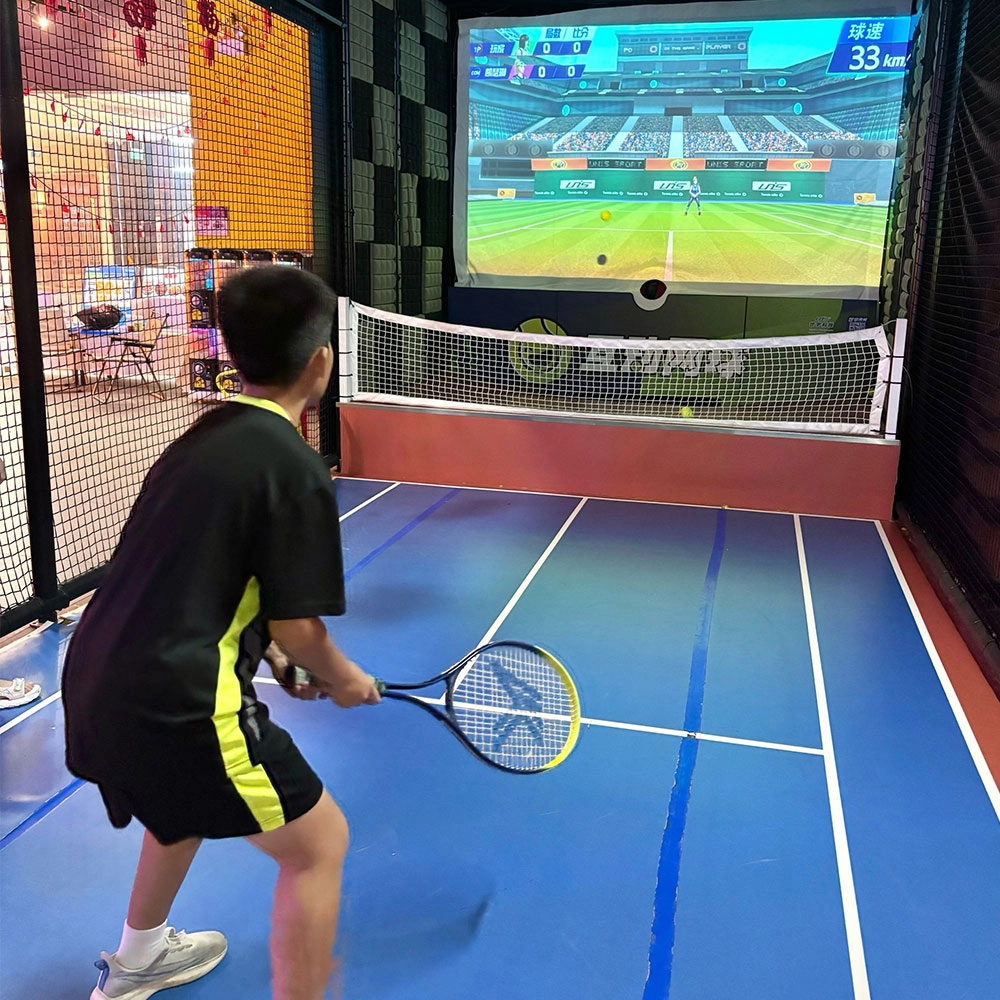
Indoor Tide Play Simulation Tennis Equipment
FUNTECH is full of fun and exciting playgrounds! With high-definition scene projection, force feedback racket, and intelligent scoring system, the simulated tennis equipment in the indoor arcade realizes immersive sports experiences and diversified interactive play, combining the advantages of safety and ease of use with high operational efficiency.
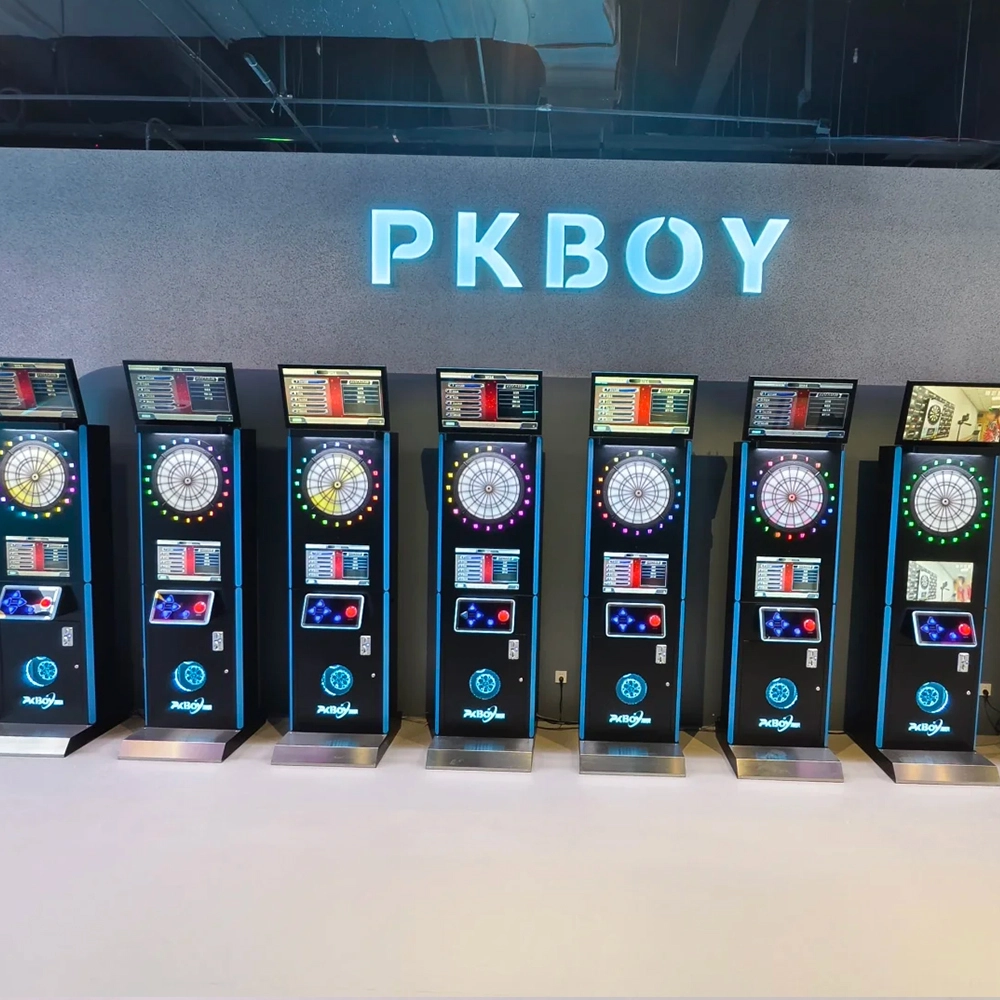
Dart Machines Bar Dart Machines
Joy Power is full of fun and excitement in the playground! The dart machine is suitable for all kinds of places, whether it is a bar, restaurant, KTV, or other entertainment venue, or a sports shop, club, or family leisure space, and can be perfectly adapted. In commercial venues, holding individual and team darts tournaments from time to time can attract more customers and increase the popularity and revenue of the venue, supplemented by various preferential activities, which can directly promote consumption and form a cycle of consumption of all the goods in the shop.
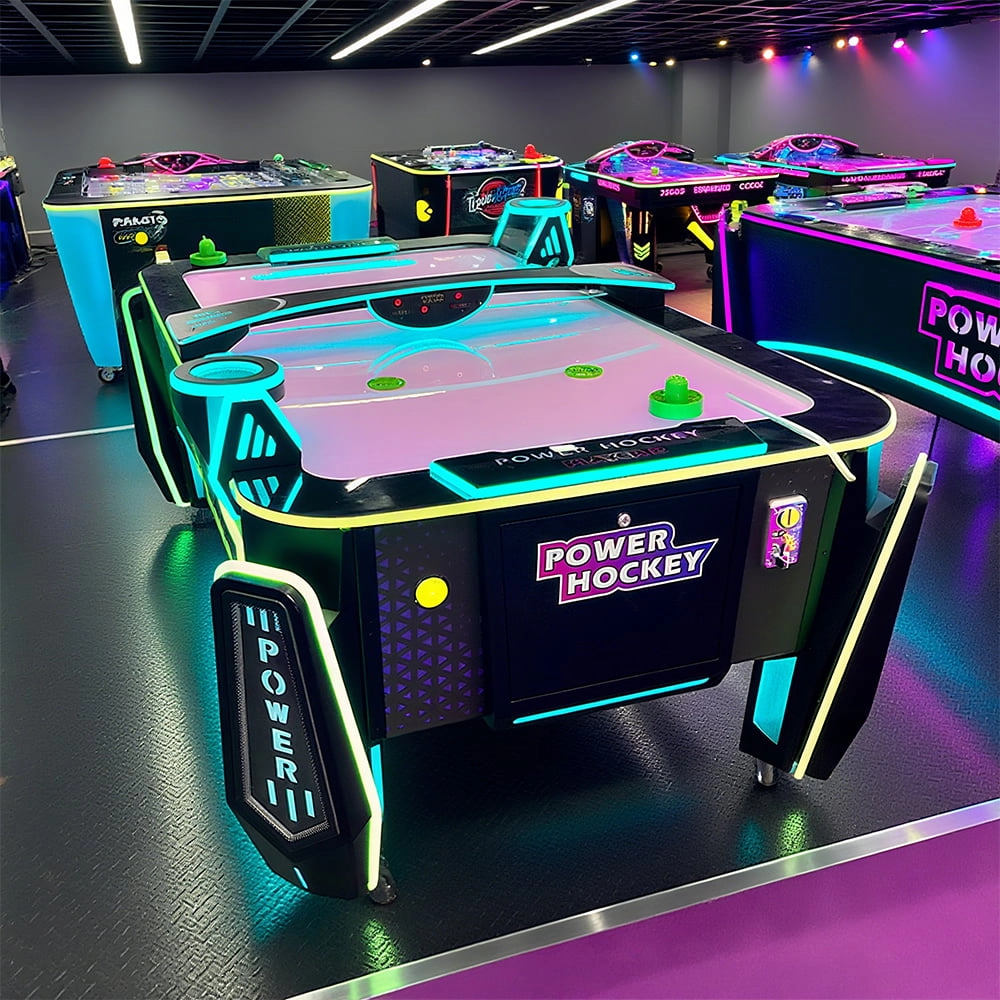
Arcade Hockey
FUNTECH is full of fun and exciting playgrounds! Air hockey, also known as air hockey, is a two-player competitive arcade game comprising a smooth, perforated playing surface, lightweight hockey sticks, a plastic puck, and an electronic scoreboard.
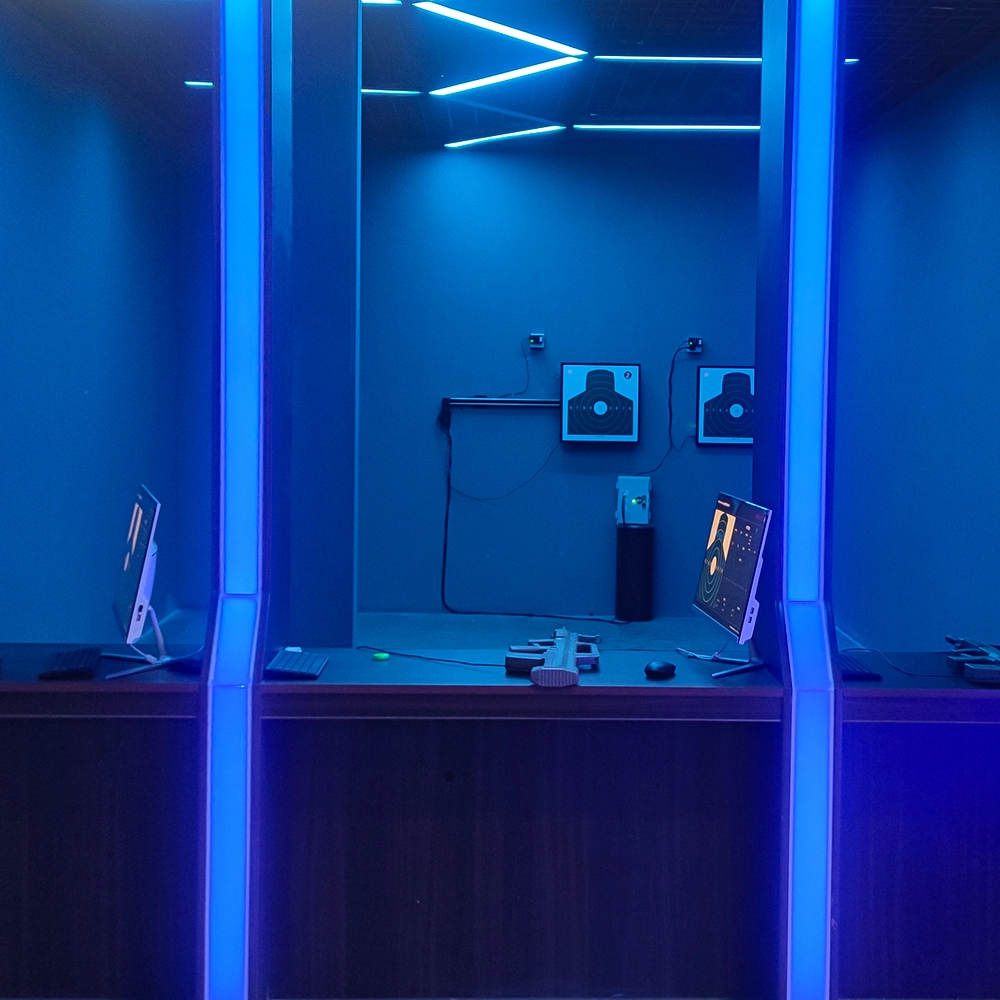
Infrared Shooting
Highly simulated simulation training analysis equipment, with advanced design concepts, fast system development, ease of operation and use, stable technical performance, less consumption of training, site dependence on a small group training is highly interesting, safe, and reliable, and other outstanding features. Product design to solve the basic skills of light weapons precision shooting as a starting point, to improve the safety of shooting training and training efficiency as the fundamental purpose, highlighting the simulation, information technology, and combat training requirements, can be in small indoor and outdoor venues and does not use live ammunition to complete the basic shooting training.
© 2025 FUNTECH ALL RIGHTS RESERVED

Weixia Lei
Fun_Tech-s
fun_tech20