
Durability & Warranty Checklist for Shooting Machines
- Durability Criteria for Commercial Shooting Machines
- Material and structural build quality
- Sensors, electronics, and component longevity
- Environmental and usage stress testing
- Warranty Checklist and Service Expectations
- What a solid warranty should cover
- Service response time and spare parts logistics
- Extended warranties, upgrades, and buy-back clauses
- Maintenance, Testing and ROI Considerations
- Recommended routine maintenance schedule
- Calibration, testing protocols and acceptance checks
- Calculating total cost of ownership (TCO) and ROI
- Operational Best Practices and Procurement Tips
- Procurement questions to ask vendors
- Installation, training and operator manuals
- Data-driven uptime management
- FAQ — Durability & Warranty for Shooting Machines
- Q: How long should a commercial shooting arcade machine last?
- Q: Does a warranty usually cover replacement parts and labor?
- Q: What voids a manufacturer warranty?
- Q: Are sensors in shooting machines easy to replace on-site?
- Q: How can I test a unit before accepting delivery?
- Q: Is it worth buying extended warranty coverage?

When selecting a shooting arcade machine for a high-traffic entertainment venue, operators need clear, actionable criteria to judge long-term durability and warranty value. This guide explains what to inspect on a Multi-Player Interactive Shooting Machine — from structural materials and electronics to service-level agreements and replacement-part logistics — so venue owners, arcade managers, and buyers can maximize uptime, reduce total cost of ownership, and ensure player safety and satisfaction.
Joy Power is full of fun and exciting playgrounds! The basketball shooting machine is a classic amusement device integrating competition, entertainment, and interactivity. Based on the traditional basketball shooting sport, it integrates electronic scoring, sound and light effects, and challenge mechanisms to bring players an immersive game experience. The main body of the equipment is usually built with a metal frame, equipped with a standard-sized basket and a sturdy rim, with multiple sets of sensors to accurately capture the trajectory of the shot; when the player shoots the ball, the machine's built-in sensors count the score in real time and present the score, remaining time, and challenge goals through the LED display or LCD screen, with exciting sound effects and colorful lights to create a tense and exciting gaming atmosphere.
Durability Criteria for Commercial Shooting Machines
Material and structural build quality
For a game marketed as a shooting arcade machine or Multi-Player Interactive Shooting Machine, the frame and playfield must withstand constant impact and frequent user contact. Look for welded steel or powder-coated aluminum frames, reinforced backboards, and commercial-grade rims. Corrosion resistance (galvanization or powder coating) matters for venues with variable humidity. Materials with clear manufacturer specs and test reports help verify claims — for example, specifying tensile strength of metals and coating thickness prevents premature failure in heavy-use environments.
Sensors, electronics, and component longevity
High-quality machines use industrial-grade sensors, sealed connectors, and modular electronics that are easy to replace. Optical and infrared sensors are common in modern shooting arcade machine designs; evaluate their ingress protection (IP) ratings and mean time between failures (MTBF) where available. A robust Multi-Player Interactive Shooting Machine should use components from recognized vendors and allow access to service logs or diagnostic LEDs to accelerate troubleshooting.
Environmental and usage stress testing
Manufacturers that publish environmental testing (temperature cycles, vibration, humidity) demonstrate reliability under real-world conditions. Standards such as IEC environmental testing guidelines are often used for electronics; see IEC for testing frameworks and standards guidance (IEC). Additionally, industry associations like the International Association of Amusement Parks and Attractions provide operator guidance on maintenance and safety that reputable vendors follow (IAAPA).
Warranty Checklist and Service Expectations
What a solid warranty should cover
A comprehensive warranty for a shooting arcade machine typically includes at minimum: a 12–24 month warranty on electronics and mechanical assemblies, extended coverage on structural components, and defined exclusions (abuse, unauthorized repairs). Ensure the warranty clearly states the start date (delivery or installation) and covers parts and labor for on-site repairs when the machine is installed in a commercial venue. Warranty language should align with industry expectations and local consumer protection laws; referencing international standards or authoritative bodies helps validate coverage terms (for regulatory context see Amusement arcade - Wikipedia).
Service response time and spare parts logistics
Downtime directly reduces revenue and player satisfaction. Contractual service-level agreements (SLAs) that define response time (e.g., next-business-day onsite support) are critical. A good vendor will stock common spare parts (sensors, display modules, power supplies, rims) in regional warehouses or provide fast courier options. Assess whether replacement parts are proprietary or standard components — standardized parts reduce replacement cost and downtime.
Extended warranties, upgrades, and buy-back clauses
Consider the economics of extended warranties and upgrade programs. Extended plans may include priority support, annual preventive maintenance visits, and discounted parts. Some vendors offer buy-back or trade-in credits for older units when purchasing new Multi-Player Interactive Shooting Machine models, improving lifecycle planning. Make sure any buy-back terms are documented and include clear valuation methodology.
Maintenance, Testing and ROI Considerations
Recommended routine maintenance schedule
A proactive maintenance program extends the life of a shooting arcade machine and preserves warranty eligibility. Typical checks include weekly visual inspections, monthly sensor calibration, quarterly electrical inspections, and annual structural checks. Keep a maintenance log (date, technician, actions taken) to support warranty claims and to identify recurring issues. Many modern shooting arcade machine systems provide built-in diagnostics that can be exported for remote support.
Calibration, testing protocols and acceptance checks
When receiving a Multi-Player Interactive Shooting Machine, perform an acceptance test that includes: verifying scoring accuracy, validating sensor alignment, confirming LED/display and audio functionality, and stress-testing under simulated continuous play. Embed calibration instructions in the operations manual and require factory calibration certificates when purchasing multiple units. For electronics and durability testing guidance, refer to standards and best practices from reputable organizations such as IEEE (IEEE).
Calculating total cost of ownership (TCO) and ROI
When comparing machines, evaluate TCO rather than just purchase price. Include initial purchase, shipping and installation, expected parts replacement cost, labor for maintenance, downtime losses, and warranty coverage differences. The following table offers a simple comparative layout operators can use to estimate TCO over a 5-year period:
| Metric | Budget Unit | Commercial Unit (e.g., Multi-Player Interactive Shooting Machine) |
|---|---|---|
| Initial purchase price | $6,500 | $12,000 |
| Annual maintenance (parts & labor) | $1,200 | $700 |
| Average downtime days/year | 14 | 4 |
| Estimated 5-year TCO | $12,500 | $15,500 |
| Projected revenue impact from uptime | Lower | Higher |
Note: the figures above are illustrative. Replace with venue-specific numbers for accurate ROI projections. Higher initial cost for a robust Multi-Player Interactive Shooting Machine is often offset by lower maintenance and higher uptime, producing better net revenue over time.
Operational Best Practices and Procurement Tips
Procurement questions to ask vendors
When evaluating suppliers of shooting arcade machine units, ask for: detailed BOM (bill of materials), MTBF data for electronic assemblies, published environmental test reports, availability of regional service centers, sample spare parts lead times, and references from other commercial operators. Request written clarification on what actions void the warranty (e.g., third-party modifications) and whether preventive maintenance visits are required to maintain warranty validity.
Installation, training and operator manuals
Proper installation reduces early failures. Ensure the vendor provides on-site or virtual installation support, a clear operator manual, and training for staff on routine maintenance and basic troubleshooting. Training should include sensor recalibration, fault-code interpretation, and safe handling of mechanical parts such as rims and nets.
Data-driven uptime management
Modern shooting arcade machines often log diagnostics and utilization metrics. Use that data to optimize maintenance windows, schedule parts replacements before failure, and demonstrate performance trends to your vendor when making warranty claims. If the machine integrates networked features or leaderboards, ensure secure network practices and confirm how firmware updates are managed to avoid service interruptions.
FAQ — Durability & Warranty for Shooting Machines
Q: How long should a commercial shooting arcade machine last?
A: With proper maintenance, commercial units like the Multi-Player Interactive Shooting Machine are designed to last 7–10 years or more. Longevity depends on build quality, usage intensity, and preventive maintenance.
Q: Does a warranty usually cover replacement parts and labor?
A: Reputable vendors usually cover parts and labor for defects during the warranty period. Always read the warranty to confirm on-site labor is included and to understand exclusions like misuse or unauthorized repairs.
Q: What voids a manufacturer warranty?
A: Common warranty voiding actions include unauthorized modifications, evidence of abuse or vandalism, using non-approved parts, and failure to perform required preventive maintenance. Ensure service logbooks are maintained to support claims.
Q: Are sensors in shooting machines easy to replace on-site?
A: Many modern shooting arcade machine designs use modular sensor assemblies for quick replacement. Confirm part interchangeability and whether your staff can perform swaps or if vendor technicians are required.
Q: How can I test a unit before accepting delivery?
A: Perform acceptance tests for scoring accuracy, sensor response, display and audio checks, and continuous-play stress tests. Request factory calibration certificates and run through the vendor’s acceptance checklist during installation.
Q: Is it worth buying extended warranty coverage?
A: Extended warranties can be valuable in high-use commercial settings where downtime is costly. Compare cost vs. expected downtime impact and parts pricing to decide. Extended plans that include preventive maintenance often provide the best value.
For operators seeking a reliable, high-uptime solution, the Multi-Player Interactive Shooting Machine balances robust construction, modular electronics, and operator-focused service options. When you pair careful procurement questions with a documented maintenance program and clear warranty terms, you protect revenue streams and improve guest experience.
Ready to evaluate the Multi-Player Interactive Shooting Machine for your venue? Contact our sales team or request a product demo to review durability reports, warranty terms, and regional service options. For product details and to arrange an on-site assessment, contact us or view the product page.
References: IEC — https://www.iec.ch/; IAAPA — https://www.iaapa.org/; Amusement arcade — https://en.wikipedia.org/wiki/Amusement_arcade; IEEE — https://www.ieee.org/.
Dart Board Machine Buyer's Guide: Features, Price, and Tips
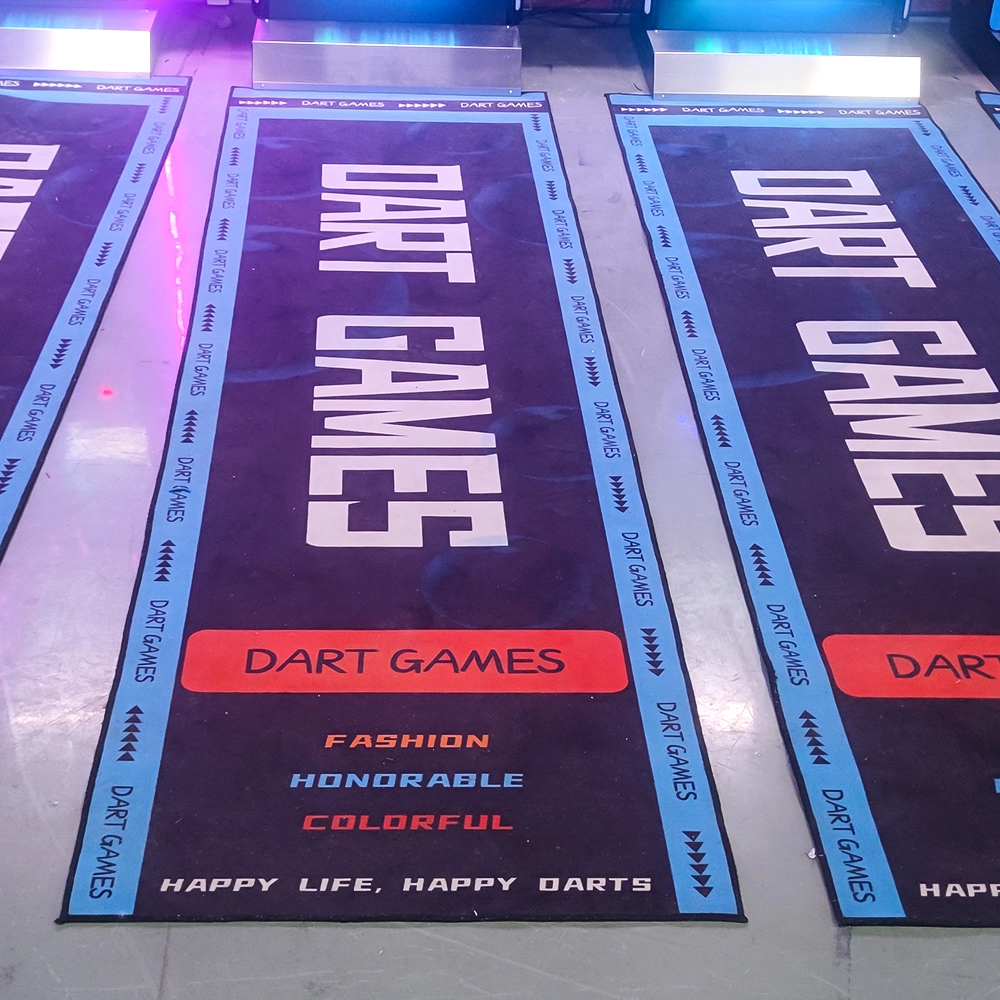
Electronic Dart Machine Accessories Every Bar Needs
Interactivities for Trampoline Parks: Key FAQs Answered for Enhanced Visitor Experience
How Electronic Dart Machines Support Competitive Play
Interactive Rollerball
How to reduce operating costs?
Starting with equipment procurement, choose cost-effective, durable and easy-to-maintain products, which can save money for subsequent maintenance. Reasonable arrangement of staff, reduce the number of staff on duty during off-peak hours, train staff to have multi-skills, such as being able to operate the equipment and guide customers part-time, so as to improve the efficiency of manpower and reduce the cost of manpower.
Infrared Shooting
Why are sports arcades a hot spot for investment?
The traditional entertainment market (e.g., arcade, KTV) has become less attractive to generations, while digital hip playgrounds integrating technology, sports, and socialization are more in line with young people's needs, and the market size has exceeded 50 billion in 2023, with an annual growth rate of more than 30%.
Products
What is the difference between purchasing equipment for commercial operations and personal training?
Commercial operations should consider the durability, ease of operation and attractiveness of the equipment, it is appropriate to choose cool appearance, can withstand high-frequency use, such as the target car running hundreds of times a day, high-intensity models, and easy to operate, easy for customers to get started. Personal training is more focused on cost-effective, according to their own training needs to choose the right tension of the bow, the right speed of movement of the target car.
Football Simulator
Simulation soccer suitable for which people to experience?
Suitable for all soccer fans, whether they want to get addicted to soccer anytime, anywhere, or by the field restrictions can not play football youth, as well as want to share the joy of the children's parents and children's families, all can find fun from it.
Golf Simulator
How to attract customers when operating the program in shopping malls?
Create a cool venue decoration style, incorporating trendy elements, such as fluorescent light strips and anime-themed murals. o Launch diversified marketing models such as parent-child packages and couple packages, combined with time-limited promotional activities, such as half-price experience in the first three days of opening, to attract families, couples and other groups to stop and participate in the program. o How to reduce operating costs?
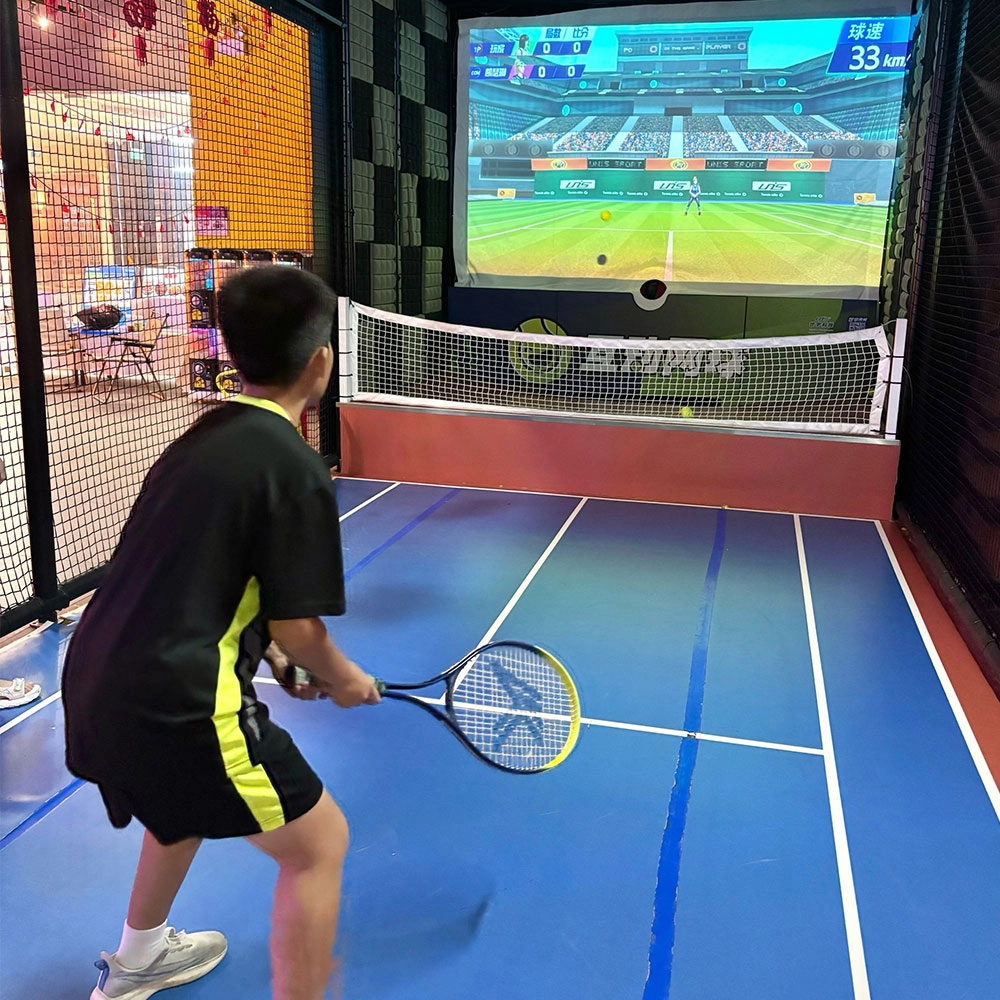
Indoor Tide Play Simulation Tennis Equipment
FUNTECH is full of fun and exciting playgrounds! With high-definition scene projection, force feedback racket, and intelligent scoring system, the simulated tennis equipment in the indoor arcade realizes immersive sports experiences and diversified interactive play, combining the advantages of safety and ease of use with high operational efficiency.
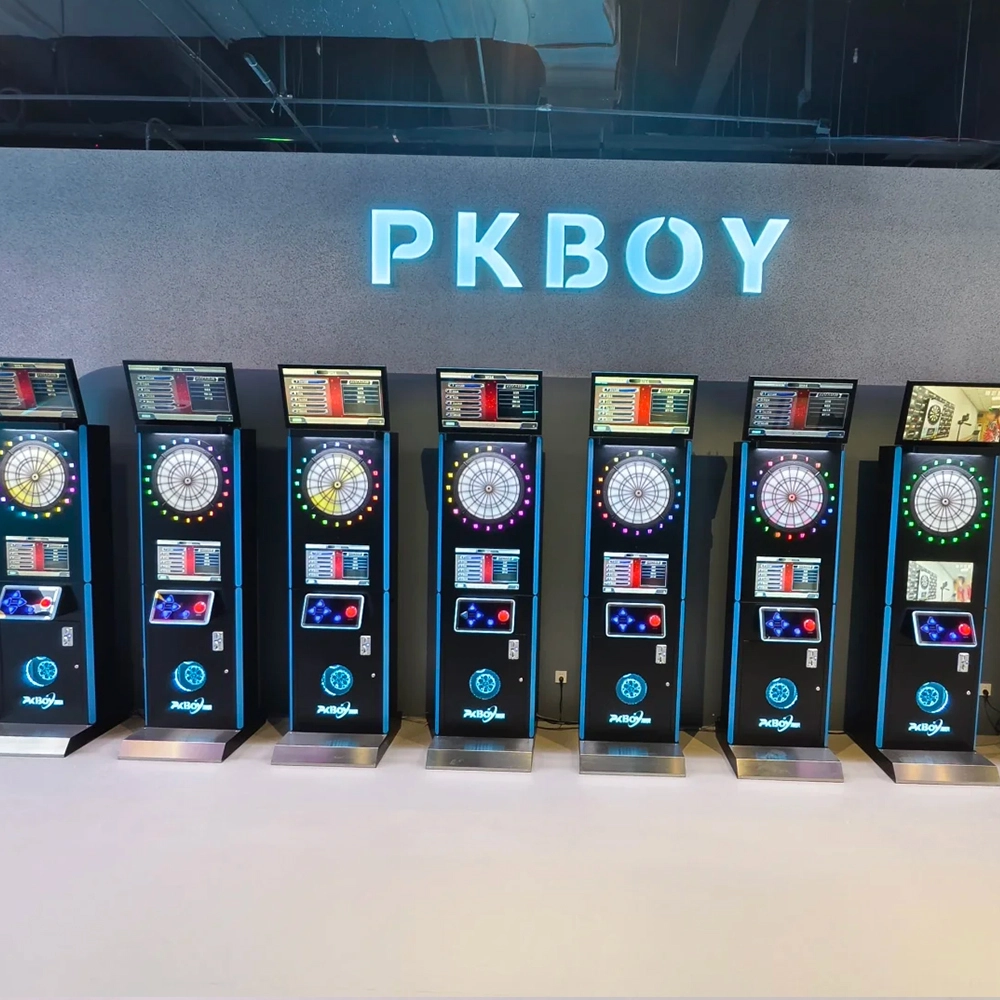
Dart Machines Bar Dart Machines
Joy Power is full of fun and excitement in the playground! The dart machine is suitable for all kinds of places, whether it is a bar, restaurant, KTV, or other entertainment venue, or a sports shop, club, or family leisure space, and can be perfectly adapted. In commercial venues, holding individual and team darts tournaments from time to time can attract more customers and increase the popularity and revenue of the venue, supplemented by various preferential activities, which can directly promote consumption and form a cycle of consumption of all the goods in the shop.
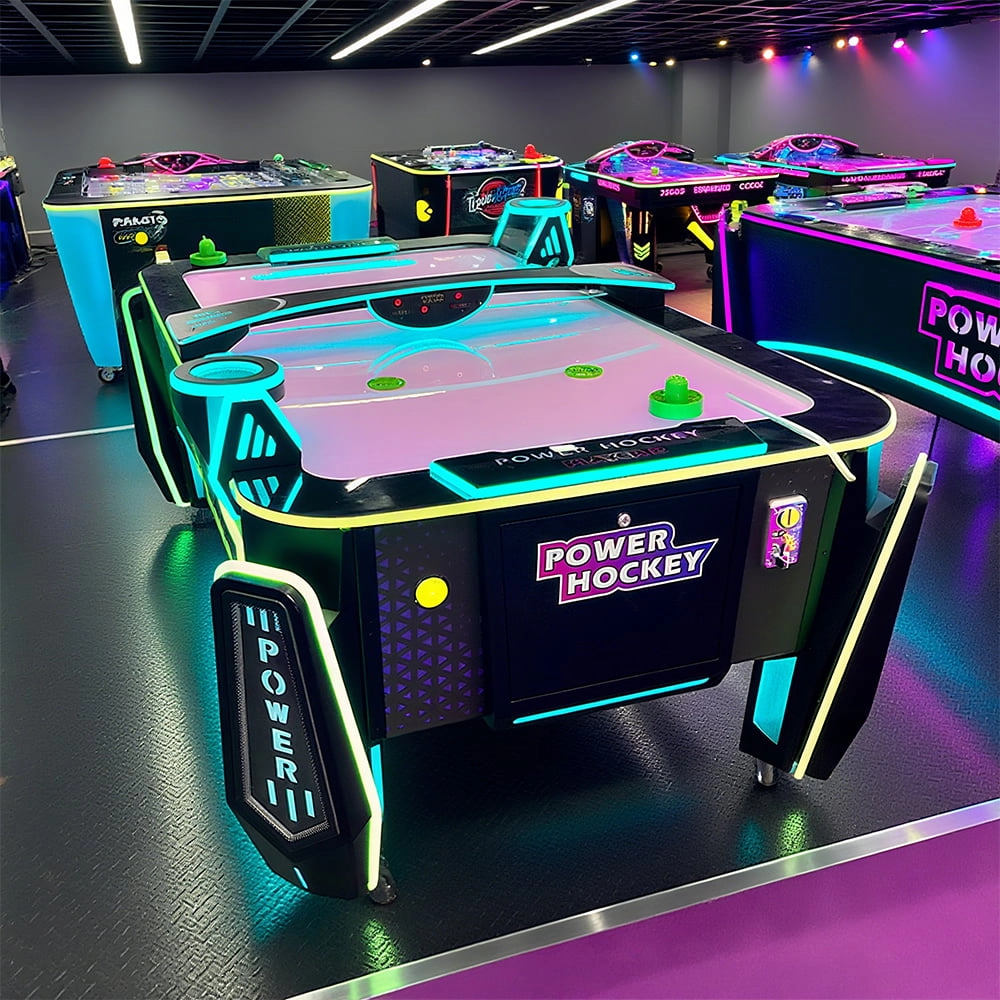
Arcade Hockey
FUNTECH is full of fun and exciting playgrounds! Air hockey, also known as air hockey, is a two-player competitive arcade game comprising a smooth, perforated playing surface, lightweight hockey sticks, a plastic puck, and an electronic scoreboard.
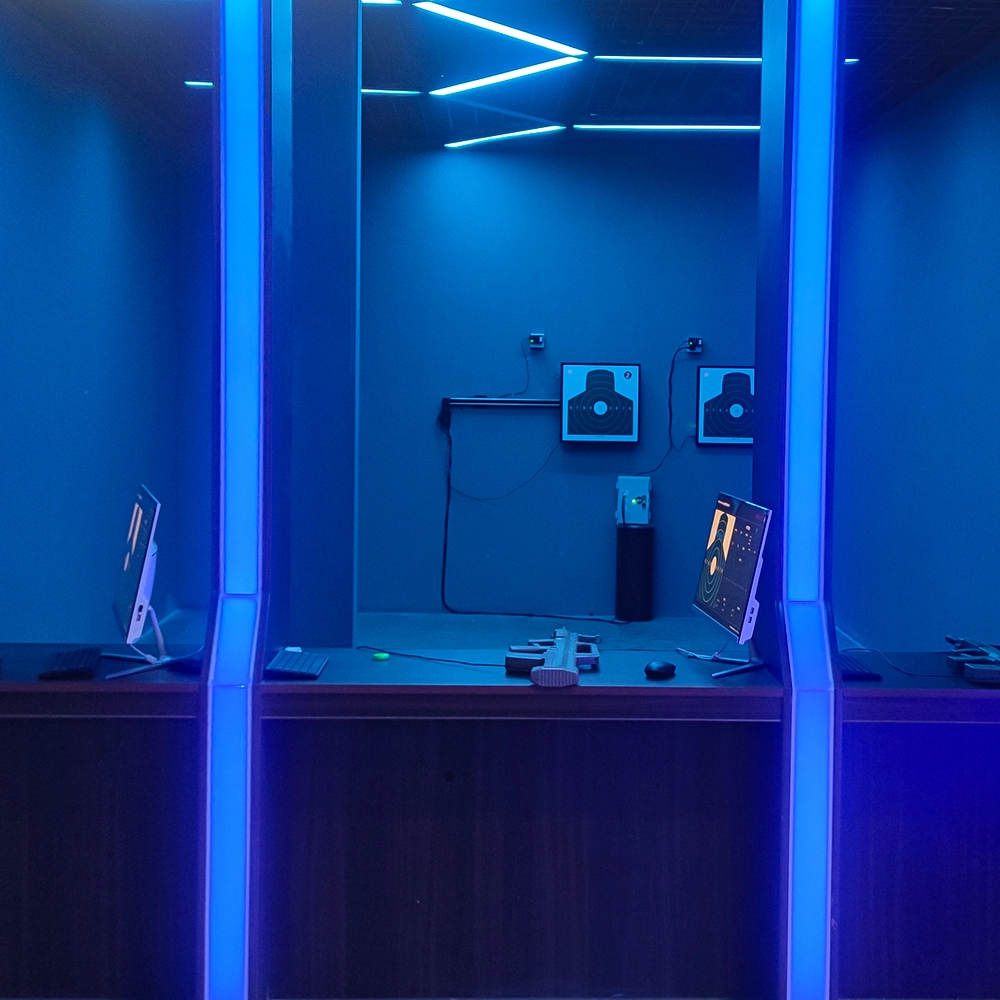
Infrared Shooting
Highly simulated simulation training analysis equipment, with advanced design concepts, fast system development, ease of operation and use, stable technical performance, less consumption of training, site dependence on a small group training is highly interesting, safe, and reliable, and other outstanding features. Product design to solve the basic skills of light weapons precision shooting as a starting point, to improve the safety of shooting training and training efficiency as the fundamental purpose, highlighting the simulation, information technology, and combat training requirements, can be in small indoor and outdoor venues and does not use live ammunition to complete the basic shooting training.
© 2025 FUNTECH ALL RIGHTS RESERVED

Weixia Lei
Fun_Tech-s
fun_tech20