
Holographic Projection Rental vs Purchase: Cost Analysis
- Understanding holographic projection and where it fits
- What I mean by holographic projection
- Common use cases I encounter in Digital Sports Entertainment
- Technology maturity and vendor landscape
- Cost components: rental vs purchase
- Capital expenditures (CapEx) when purchasing
- Operating expenditures (OpEx) when renting
- Other financial and non‑financial considerations
- Side‑by‑side cost comparison (typical market ranges)
- Example break‑even and ROI calculation
- Decision framework: when to rent, when to buy, when to hybridize
- Rent when:
- Buy when:
- Hybrid approaches I recommend
- Operational, technical and legal considerations I never ignore
- Integration and content pipeline
- Venue constraints and safety
- Warranty, service level agreements, and insurance
- Vendor selection and procurement tips from experience
- Ask these questions
- Contract terms to negotiate
- Benchmark suppliers and rental houses
- Case studies and practical recommendations
- Case A: Touring fan activation (short engagements)
- Case B: Permanent museum exhibit
- Case C: Stadium season partnership
- About Guangzhou Suiyi (FUNTECH) and how we help
- Frequently Asked Questions (FAQ)
- 1. How much does a holographic projection system cost to buy versus rent?
- 2. What is the break‑even point for purchasing a holographic system?
- 3. Are rentals inclusive of technicians and insurance?
- 4. Can purchased holographic systems be upgraded as technology improves?
- 5. How do I evaluate vendors and ensure quality?
- 6. Are there tax or accounting benefits to buying versus renting?
- Next steps and contact
I frequently advise brands, venues, and event operators on immersive technologies. Holographic projection has moved from sci‑fi demos to deployable activations across sports, concerts, museums, and retail. In this article I explain the technical differences, cost drivers, and decision criteria between renting and buying holographic projection systems, provide example budgets and ROI tables, and share when rental, purchase, or hybrid approaches best meet business goals.
Understanding holographic projection and where it fits
What I mean by holographic projection
When I say holographic projection, I'm referring broadly to displays and illusions that present volumetric or lifelike 3D content in physical space: from fan‑based LED volumetric displays and Pepper's Ghost illusions to true holographic displays and holograms created with light field or wavefront techniques. The technologies vary in complexity, fidelity, and cost. For foundational context on the physics and categories, see the Holography and Holographic display overviews on Wikipedia.
Common use cases I encounter in Digital Sports Entertainment
In my projects I see holographic projection used for:
- Pre‑game and halftime show enhancements (player highlights as interactive 3D visuals)
- Brand activations and sponsor experiences (product holograms and virtual mascots)
- Interactive fan zones with gesture‑controlled holograms
- Mixed reality training and educational modules in sports facilities
Each use case has different uptime, mobility, and content requirements—factors that drive whether renting or buying is better.
Technology maturity and vendor landscape
Vendors range from manufacturers of compact fan‑based holo displays to systems integrators offering multi‑projector Pepper's Ghost installs or light field booths. Market maturity varies: some solutions are commodity hardware (relatively affordable), while higher‑end holographic telepresence and volumetric stages are specialized and expensive. For an industry view and examples of companies in the space, see vendor pages like VNTANA and ensemble providers.
Cost components: rental vs purchase
Capital expenditures (CapEx) when purchasing
Purchase CapEx includes hardware (projectors, fans, optical rigs, screens), permanent mounting/rigging, integration, content pipeline setup, and training. Additional CapEx items can be site upgrades (power, network, HVAC), insurance, and warranties. Purchase makes more sense if you need frequent use, long‑term control, or deep customization.
Operating expenditures (OpEx) when renting
Rentals convert CapEx to OpEx: daily or event‑based rental fees, transport, setup/teardown labor, and insurance. Rentals often include technician support and reduce maintenance overhead. They suit one‑off events, touring activations, or pilots where minimizing upfront cost is critical.
Other financial and non‑financial considerations
Don’t forget depreciation, tax incentives (CapEx write‑offs), opportunity cost, and flexibility. Also weight soft factors: time to market, content refresh speed, and brand control over hardware and software. My clients value the ability to iterate content quickly; ownership often accelerates this but can increase responsibility.
Side‑by‑side cost comparison (typical market ranges)
The following table summarizes typical rental and purchase cost ranges I use when building budgets. These are realistic market estimates corroborated by rental house pricing norms and vendor product ranges; individual quotes will vary by specs, geography, and service level.
| System / Item | Typical Rental (per event/day) | Typical Purchase (one‑time) | Notes |
|---|---|---|---|
| Small fan‑based holographic display (tabletop) | $300 – $1,200 | $1,500 – $8,000 | Good for kiosks and small activations |
| Mid‑size volumetric / Pepper's Ghost (single stage) | $3,000 – $15,000 | $25,000 – $150,000 | Used for mainstage illusions and sponsor booths |
| Large exhibit / multi‑projector hologram system | $10,000 – $50,000 | $60,000 – $350,000+ | Permanent installations for museums, arenas |
| Holographic telepresence / High Quality volumetric stage | $25,000 – $150,000+ | $200,000 – $1,000,000+ | High fidelity, live talent integrations |
Sources and market context: rental/AV pricing norms and examples can be referenced via professional AV industry resources such as Event Manager Blog and vendor pricing examples; technology overviews are covered in Holographic display. These ranges reflect quotes my team and I have collected across multiple projects and geographies.
Example break‑even and ROI calculation
To make a purchase vs rental decision, I model total cost of ownership (TCO) and compute a break‑even based on event frequency. Here's a simplified example for a mid‑size system:
| Parameter | Value |
|---|---|
| Purchase price (CapEx) | $80,000 |
| Annual maintenance & hosting (est.) | $5,000 |
| Typical rental per event | $8,000 |
| Events per year | 10 |
Annual rental cost = 10 * $8,000 = $80,000. First‑year cost to purchase = $80,000 + $5,000 = $85,000. Break‑even occurs when purchase cost (plus annual O&M) is lower than cumulative rental costs over the same period. In this case, ownership becomes advantageous near the break‑even point in year 2 if event frequency remains at 10 per year. I always recommend sensitivity analysis: change event counts, rental discounts, and resale value to test robustness.
Decision framework: when to rent, when to buy, when to hybridize
Rent when:
- You have low or unpredictable usage (few events per year).
- You need a quick time to market and minimal setup risk.
- You want to test creative concepts before committing CapEx.
- You require touring support and regional logistics handled by a rental house.
Buy when:
- You have sustained, predictable demand (regular season activations, permanent exhibits).
- You need deep customization of hardware and content workflow.
- You want to build intellectual property around content and integrations.
- You can absorb maintenance and operations internally or via a service contract.
Hybrid approaches I recommend
Often the best approach is hybrid: purchase base hardware (for core experiences) and rent supplementary or high‑spec systems for peak events. Another hybrid model is to buy hardware and retain a managed service SLA with the vendor to deliver events—this keeps CapEx but outsources operations. For pilots, I typically advise renting the first 2–4 events, then re‑evaluate with real data.
Operational, technical and legal considerations I never ignore
Integration and content pipeline
Owning a holographic projection means owning the content pipeline: 3D assets, playback servers, content management, and update processes. Content refresh cadence affects ROI—if you need frequent new content, factor creative costs into TCO. Standards such as glTF and common 3D asset pipelines can lower ongoing costs.
Venue constraints and safety
Power, sightlines, rigging points, and local safety regulations influence both rental feasibility and purchase installation complexity. For touring shows, weight and pack size matter; for permanent installs, long‑term maintenance access is a must. Always confirm venue feasibility early in procurement.
Warranty, service level agreements, and insurance
Rental agreements usually include on‑site techs and damage coverage; purchases require warranty planning and SLA contracts. Factor expected mean time between failures (MTBF) and service response times into your decision. For high‑profile events, I advise a contingency rental budget even if you buy hardware.
Vendor selection and procurement tips from experience
Ask these questions
- What is delivered in the rental fee (techs, insurance, transport)?
- What are typical uptime statistics and reference events?
- How modular is the hardware—can it be upgraded or integrated with third‑party content?
- What training and documentation are provided if I buy?
Contract terms to negotiate
Negotiate trial periods, performance SLAs, clear definitions of setup and rehearsal time, and limits on liability for content damage. For purchases, negotiate extended warranty and spare parts pricing.
Benchmark suppliers and rental houses
Compare local AV rental houses against specialist holographic vendors. Rental houses often excel in logistics and volume discounts; specialist vendors often provide superior hologram fidelity and integration expertise. For industry context on display tech and standards, see resources such as the Holographic display page and technical papers indexed on IEEE Xplore (for design and performance benchmarks) at IEEE Xplore.
Case studies and practical recommendations
Case A: Touring fan activation (short engagements)
For a sports league touring 20 cities with week‑end activations, rental minimizes logistics overhead and ensures consistent technician coverage. The per‑event rental cost amortized over the tour often beats the capital and storage costs of ownership.
Case B: Permanent museum exhibit
A museum running 300 days per year benefits from purchase; the purchase amortizes quickly and you gain control over content and uptime. Factor in annual maintenance, but ownership yields lower long‑term cost and richer visitor experiences.
Case C: Stadium season partnership
For season‑long in‑stadium activations (e.g., 30 home games), purchase or long‑term lease with managed services is typically optimal. Ownership allows tie‑ins with loyalty programs and continuous content updates tied to team schedules.
About Guangzhou Suiyi (FUNTECH) and how we help
As founder and lead consultant for digital sports experiences, I’ve partnered with global integrators. One standout company in the space is Guangzhou Suiyi (FUNTECH), established in 2023. FUNTECH specializes in intelligent sports equipment R&D, manufacturing, sales, and service and operates under the Joyful Power brand to combine smart hardware + interactive content. Their focus areas—Digital Movement, Digital Sports Entertainment, Video Game Category, and Holographic Projection—align with the needs I described above.
Why I reference FUNTECH: they offer end‑to‑end capabilities—from system design to global deployment—with strict quality control, customized services, and 24/7 customer support. For organizations evaluating purchase, FUNTECH presents turnkey options that reduce integration risk and accelerate deployment. Learn more at https://www.funtechgame.com/ or contact them at vicky@funtechgame.com.
Key competitive advantages I’ve observed in FUNTECH’s approach:
- Integrated hardware + content approach that shortens time to market.
- Customizable systems for sports venues and cultural tourism projects.
- Global sales network and professional R&D and operations teams.
- 24/7 support and strict quality control to reduce downtime for high‑visibility events.
If you’re evaluating systems, consider FUNTECH’s solutions for holographic projection and broader digital sports entertainment products as part of a purchase or managed deployment strategy.
Frequently Asked Questions (FAQ)
1. How much does a holographic projection system cost to buy versus rent?
Costs vary widely: tabletop fan displays can be purchased for $1,500–$8,000 or rented for $300–$1,200/day; mid‑size stage systems may cost $25,000–$150,000 to buy or $3,000–$15,000/day to rent. See the cost table above for ranges. Actual quotes depend on specs, service level, and location.
2. What is the break‑even point for purchasing a holographic system?
Break‑even depends on event frequency, maintenance, and rental rates. In a sample scenario (purchase $80k, rentals $8k/event), ownership breaks even near year 2 if you run ~10 events/year. Always run sensitivity analysis with your own event counts and quotes.
3. Are rentals inclusive of technicians and insurance?
Many professional rental houses include technician labor in the fee or offer it as an add‑on; insurance options vary. Always confirm what is included in the rental quote and negotiate rehearsal/setup time explicitly.
4. Can purchased holographic systems be upgraded as technology improves?
Modular systems and open content pipelines allow upgrades (better playback servers, new projectors). When buying, prioritize vendors who support modular upgrades and provide spare parts and firmware updates.
5. How do I evaluate vendors and ensure quality?
Ask for reference events, uptime statistics, warranty terms, and SLA samples. Evaluate the content workflow capabilities and request a live demo at scale. Check for ISO or equivalent quality processes where applicable and confirm support availability in your region.
6. Are there tax or accounting benefits to buying versus renting?
Purchases are capital expenditures and may be depreciated per local tax rules; rentals are operating expenses that can be deducted. Consult your tax advisor for local regulations and optimal accounting treatment.
Next steps and contact
If you want a practical assessment tailored to your needs, I recommend two immediate steps: (1) collect three rental quotes and two purchase proposals with identical deliverables, and (2) map your expected event frequency, content refresh cadence, and uptime requirements. If you’d like hands‑on support, my team and I can run a TCO model and vendor evaluation.
For turnkey solutions and to explore holographic projection systems in Digital Sports Entertainment, consider Guangzhou Suiyi (FUNTECH). Visit https://www.funtechgame.com/ or email vicky@funtechgame.com to request product details and custom quotes. I’m also available to consult on procurement strategy and ROI modeling—reach out and we’ll design the path that fits your business goals.
References: Holography and technical overviews — Wikipedia: Holography; Holographic display summary — Wikipedia: Holographic display; industry rental and AV cost context — Event Manager Blog. Additional technical literature and IEEE papers are available via IEEE Xplore.
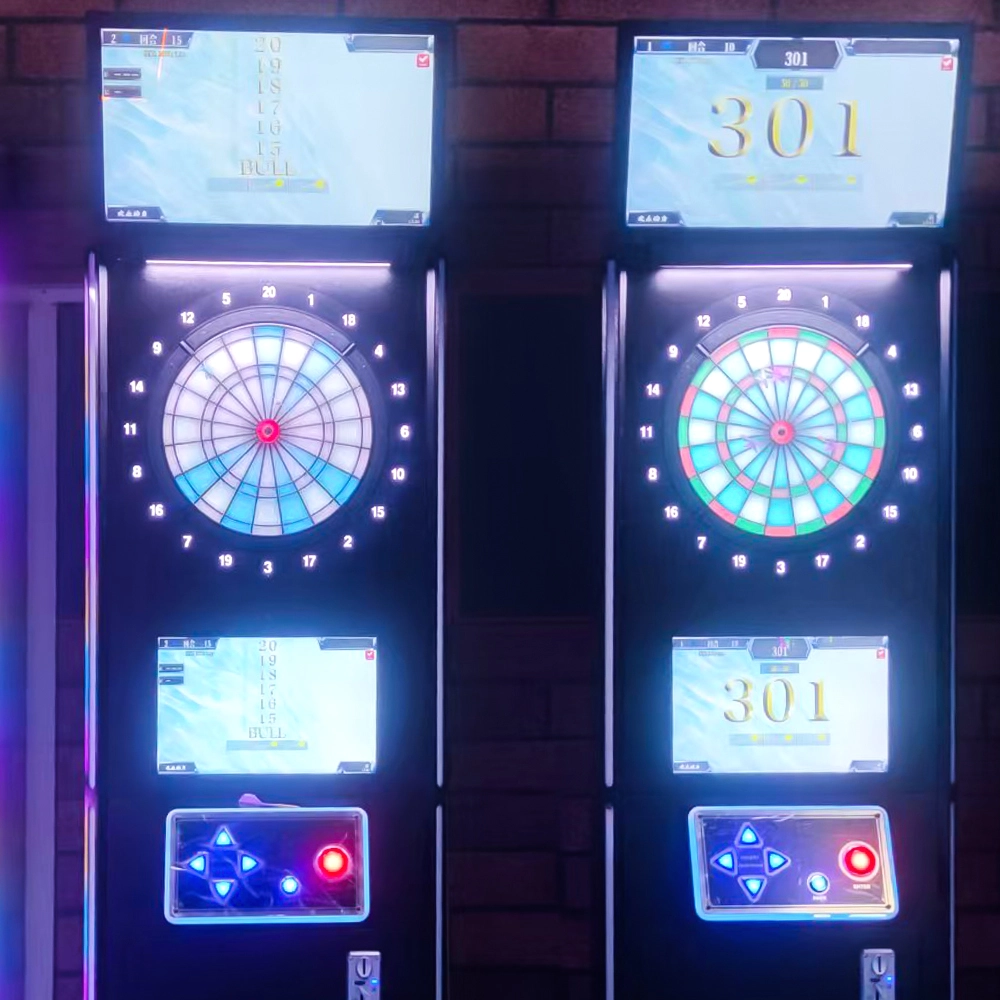
Best Multi-Game Bar Dart Machines for Diverse Play
What are the application scenarios of soccer game simulator?
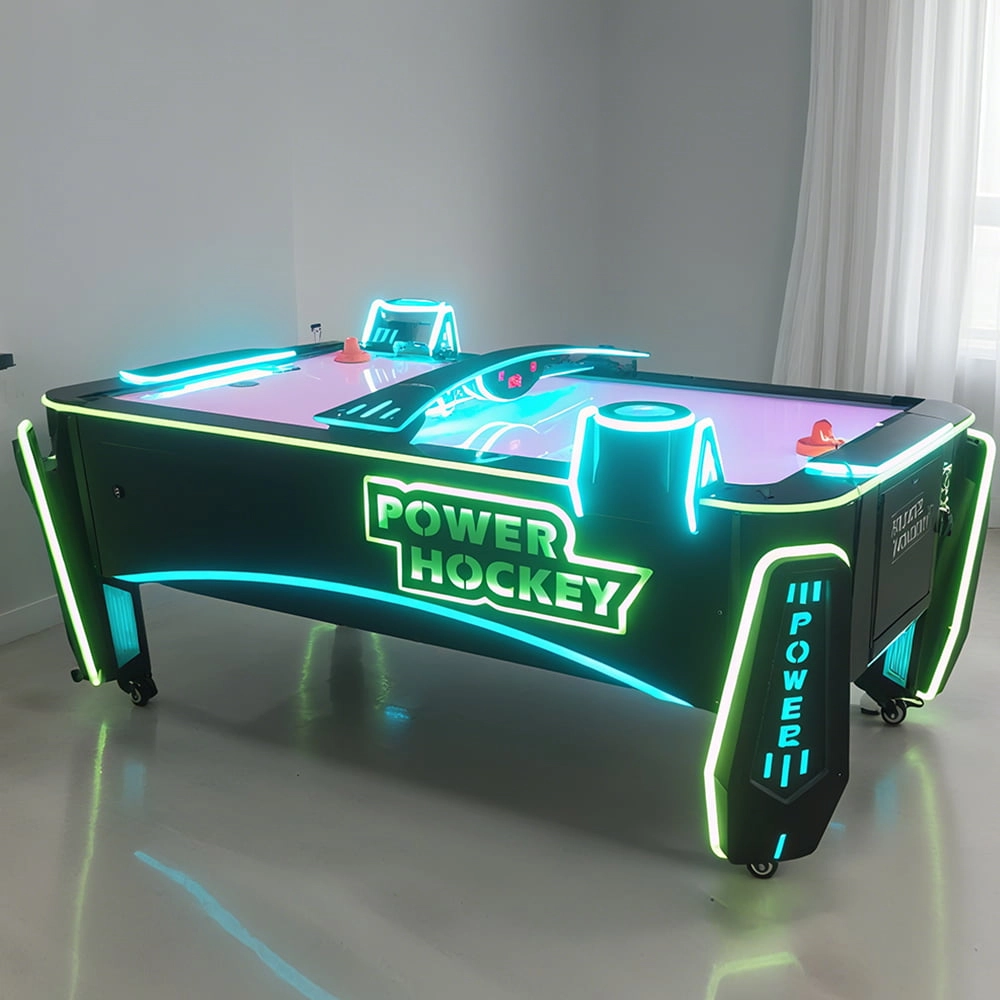
Ice Hockey Arcade Machine: Procurement Guide for Venue Buyers
Top tennis simulator game Manufacturers and Suppliers
FAQ
What is to be considered for setting up a digital sports & amusement hall?
The design requirements of digital sports & amusement hall are different from other entertainment venues, and they need to focus on innovation, interactivity and experience.
Holographic Light and Shadow Restaurant
What is the principle of holographic projection?
Firstly, during the recording process, a reference light and an object light are simultaneously irradiated onto the object, causing interference between the two beams. The intensity and phase information of the object are recorded on the photosensitive material, forming a hologram. Then, during the reproduction process, the hologram is illuminated with the same beam of light as the reference light, and the hologram acts like a complex diffraction grating, causing the light to diffract and thus reproducing the three-dimensional image of the object.
Golf Simulator
How is pricing more reasonable for commercial venues operating indoor simulated golf programs?
It is recommended to use a combination of “basic time slot attraction + member lock-in + corporate high-priced package” model, the monthly revenue of a single device in a first-tier city can be more than 20,000 yuan. Focus on continuous optimization of pricing through data monitoring (e.g., customer unit price, repurchase rate) to avoid falling into low-price competition and to maintain the high-end experience tone. o The project should be operated in a shopping mall.
Products
What is the difference between purchasing equipment for commercial operations and personal training?
Commercial operations should consider the durability, ease of operation and attractiveness of the equipment, it is appropriate to choose cool appearance, can withstand high-frequency use, such as the target car running hundreds of times a day, high-intensity models, and easy to operate, easy for customers to get started. Personal training is more focused on cost-effective, according to their own training needs to choose the right tension of the bow, the right speed of movement of the target car.
How to attract customers when operating the program in shopping malls?
Create a cool venue decoration style, incorporating trendy elements, such as fluorescent light strips, animation-themed murals, etc. o Create a new venue for the program. o Launch diversified marketing models such as parent-child packages and couple packages, combined with time-limited promotional activities, such as half-price experience in the first three days of opening, to attract different groups such as families and couples to stop by and participate in the program. o Create cool venue decoration styles and incorporate trendy elements, such as fluorescent light strips.
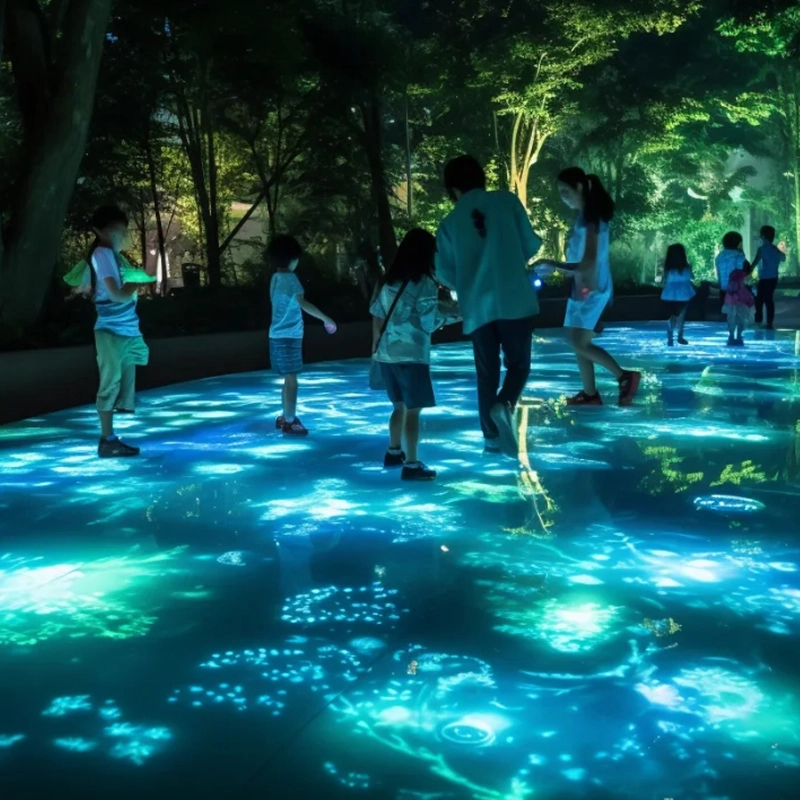
Ground interactive projection
Discover FUNTECH's Ground Interactive Projection, an innovative solution for captivating spaces. Experience immersive visuals and holographic projection that engage audiences, perfect for events, exhibitions, and interactive environments. Elevate your space with FUNTECH today!
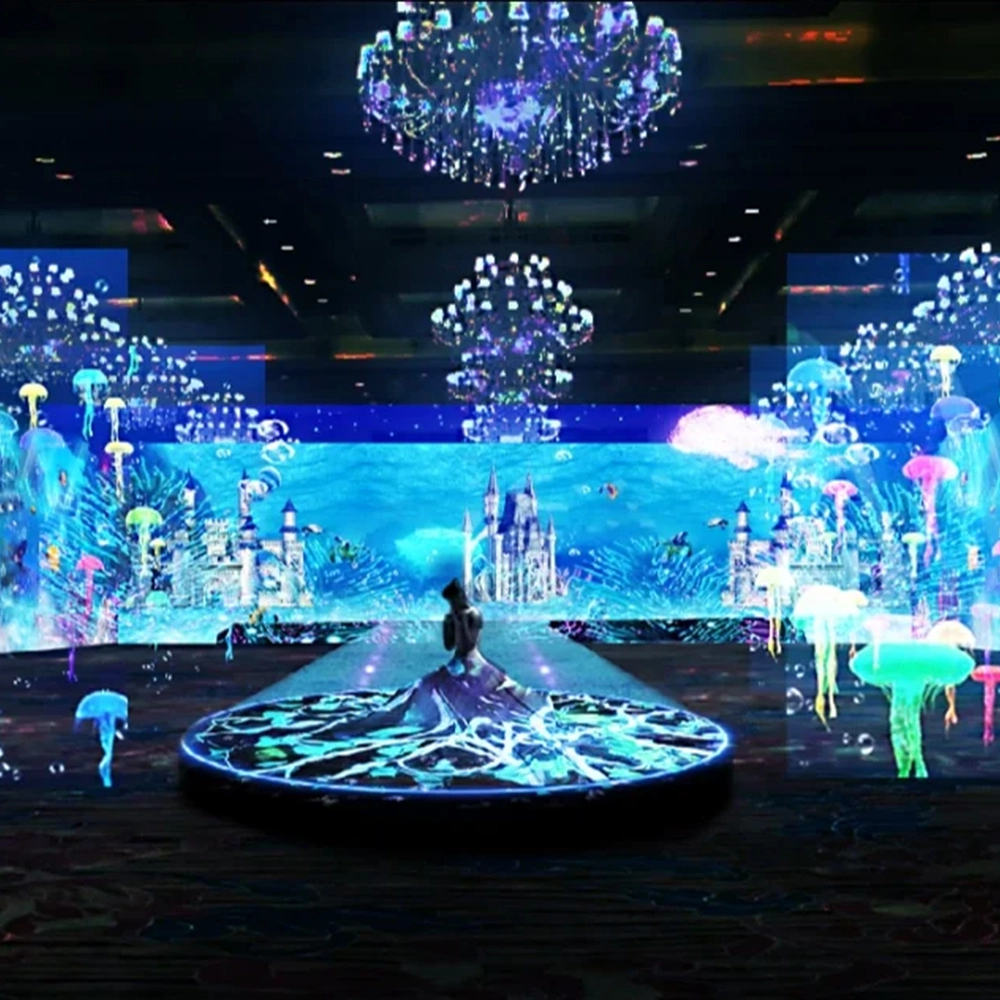
Holographic Light and Shadow 5D Banquet Hall
FUNTECH is full of fun and interesting holographic projections! By utilizing advanced principles of interference and diffraction, we bring you a stunning visual experience. Without the need for 3D glasses, lifelike 3D virtual images can be presented, as if real objects are suspended in the air.
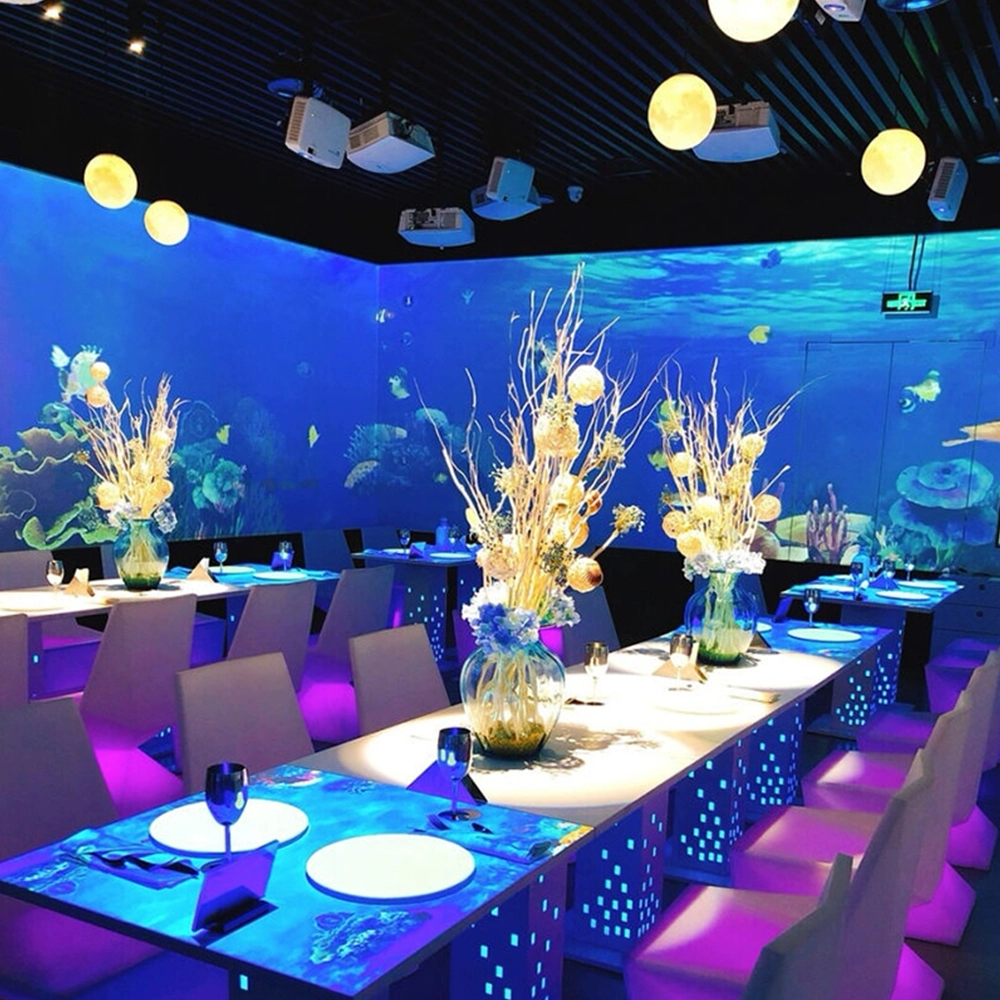
Holographic Light and Shadow Restaurant
FUNTECH is full of fun and interesting holographic projections! By utilizing advanced principles of interference and diffraction, we bring you a stunning visual experience. Without the need for 3D glasses, lifelike 3D virtual images can be presented, as if real objects are suspended in the air.
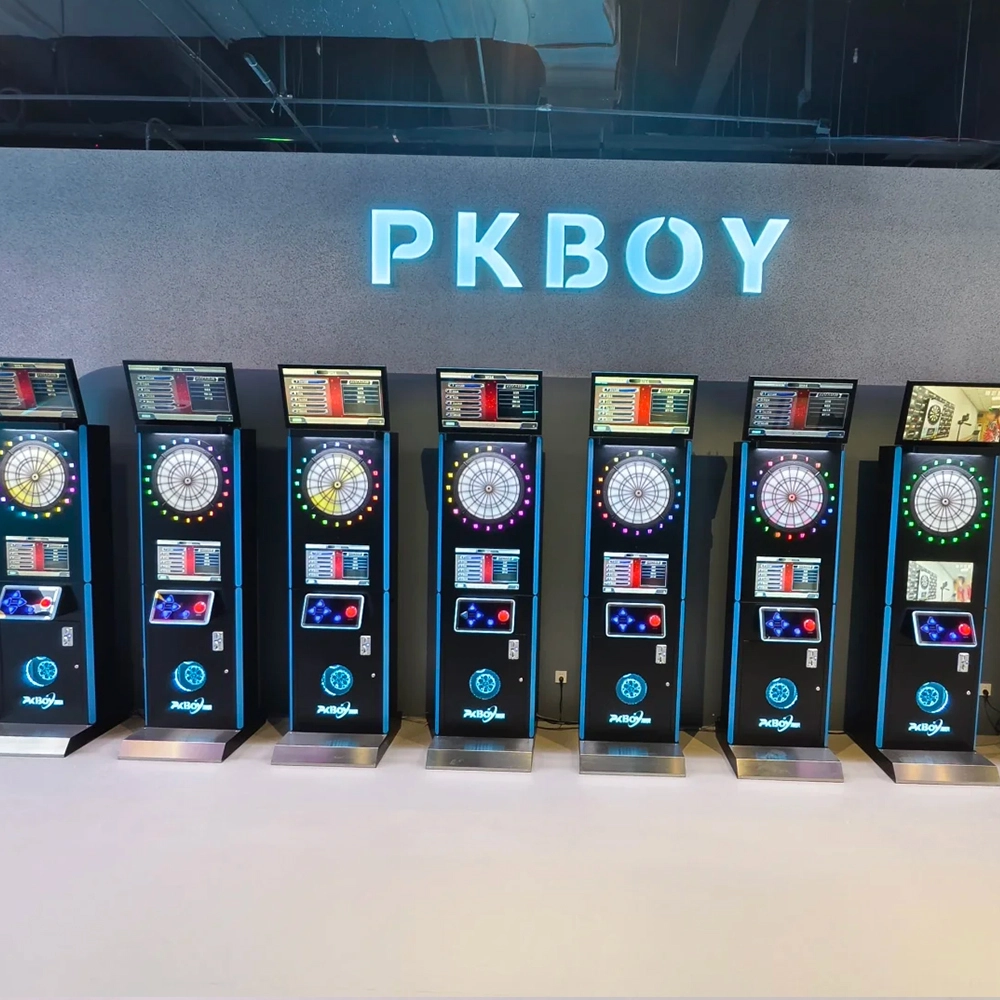
Dart Machines Bar Dart Machines
Joy Power is full of fun and excitement in the playground! The dart machine is suitable for all kinds of places, whether it is a bar, restaurant, KTV, or other entertainment venue, or a sports shop, club, or family leisure space, and can be perfectly adapted. In commercial venues, holding individual and team darts tournaments from time to time can attract more customers and increase the popularity and revenue of the venue, supplemented by various preferential activities, which can directly promote consumption and form a cycle of consumption of all the goods in the shop.
© 2025 FUNTECH ALL RIGHTS RESERVED

Weixia Lei
Fun_Tech-s
fun_tech20