
Measuring Customer Engagement with Indoor Golf Simulator Analytics
- Why Measuring Customer Engagement with the Best Indoor Golf Simulator Matters
- Key Engagement Metrics to Track for the Best Indoor Golf Simulator
- How These Metrics Map to Business Goals (Table)
- Data Sources: What Feeds Indoor Golf Simulator Analytics
- Designing Actionable Dashboards for the Best Indoor Golf Simulator
- Example Dashboard Frequency and Alerts
- From Data to Action: How to Increase Engagement Using Analytics
- Choosing Technology: Sensors, Software, and Integration
- Privacy and Compliance for Customer Data
- Implementing an Analytics Program: Step-by-Step
- Case Example: Using Analytics with Recreational Sports Products Indoor Simulated Golf
- Measuring ROI: What Success Looks Like
- Brand Advantage: Why Recreational Sports Products Indoor Simulated Golf Stands Out
- Frequently Asked Questions (FAQ)
- Q1: Which metrics should I track first?
- Q2: Can simulator telemetry really help with customer retention?
- Q3: What hardware is needed for accurate analytics?
- Q4: How do I protect player privacy?
- Q5: Is Recreational Sports Products Indoor Simulated Golf suitable for commercial venues?
- Contact and Product Viewing CTA
- Authoritative References and Further Reading
Why Measuring Customer Engagement with the Best Indoor Golf Simulator Matters
Indoor golf simulators are no longer novelty equipment — they are revenue-generating customer experiences that require the same measurement rigor as any digital or physical leisure product. Measuring customer engagement allows operators to optimize floorspace usage, tailor offerings, drive repeat visits, increase revenue per visit, and demonstrate ROI to stakeholders. These performance insights ultimately refine future investment decisions, circling back to selecting the best indoor golf simulator options for commercial buyers.
Key Engagement Metrics to Track for the Best Indoor Golf Simulator
To understand customer behavior, focus on a balanced set of metrics that link usage to outcomes. These include:
- Session length — average minutes per booking
- Repeat rate — % of customers returning within X days
- Occupancy / utilization — % of available simulator hours booked
- Revenue per session — average spend per booking (incl. food, coaching)
- Shot and play metrics — average drives, accuracy, scores, handicap improvement
- Engagement depth — number of game modes used, practice vs. play time
- Net promoter score (NPS) and satisfaction surveys
- Conversion rates — trials to memberships or lessons
- Peak vs. off-peak behavior — demand curves by time/day
How These Metrics Map to Business Goals (Table)
| Metric | What It Shows | Business Action | Target/Benchmark |
|---|---|---|---|
| Session length | Engagement depth per visit | Adjust pricing tiers; offer add-ons | 45–90 minutes for social play; 30–60 for practice |
| Repeat rate | Customer loyalty | Memberships, targeted offers | 20–40% within 30 days (goal varies by model) |
| Occupancy | Utilization of assets | Dynamic pricing; promotions for off-peak | 70–85% peak utilization |
| Revenue per session | Monetization effectiveness | Upsell coaching, F&B, equipment | Depends on venue; track month-over-month growth |
| Shot/play metrics | Player progression & value | Tailored coaching, retention campaigns | Improvement trends over 6–12 weeks |
Data Sources: What Feeds Indoor Golf Simulator Analytics
Accurate analytics requires combining multiple data sources. Typical inputs include:
- Simulator telemetry: ball speed, carry distance, launch angle, spin (from radar or camera systems)
- Player profiles: account info, membership status, historical performance
- Booking and POS systems: session bookings, purchases, cancellations
- Sensor and camera logs: swing video, heatmaps of workloads
- Survey and feedback data: post-session ratings, NPS
- Footfall and occupancy sensors: physical traffic and dwell time
Hardware vendors commonly used in High Quality setups include TrackMan and FlightScope for ball and club tracking; many packages also incorporate high-resolution cameras for video capture and swing analysis.
Designing Actionable Dashboards for the Best Indoor Golf Simulator
An analytics dashboard should translate raw logs into decisions. Core dashboard panels should include:
- Top-line KPIs: daily/weekly bookings, revenue, utilization
- Customer funnel: first visit → repeat → membership
- Behavioral cohorts: practice-focused vs. social players
- Performance trends: average carry distance, accuracy over time
- Operational signals: no-shows, cancellation rates, peak demand
Design tips: present trends vs. prior period, enable cohort filters (by age, skill, membership), and surface anomaly alerts (sudden drops in repeat rate or utilization).
Example Dashboard Frequency and Alerts
- Real-time alerts: system downtime, booking capacity breach
- Daily refresh: occupancy, revenue, cancellations
- Weekly analysis: retention cohorts, top customers
- Monthly review: pricing performance, membership conversions
From Data to Action: How to Increase Engagement Using Analytics
Measure, test, and iterate. Practical levers include:
- Personalized follow-ups: use play data to send tailored tips or offers (e.g., Improve your driving accuracy — book a 30-min lesson)
- Targeted promotions: dynamic discounts for off-peak slots based on historical demand
- Gamification: leaderboards, monthly challenges, and social sharing to increase session frequency
- Programmatic coaching packages: bundle lessons with simulator time using performance thresholds
- Event programming: analytics reveal demand windows for leagues, corporate events, and junior camps
Choosing Technology: Sensors, Software, and Integration
When selecting systems, prioritize the following:
- Data fidelity: choose trackers with proven accuracy for ball and club metrics
- Open APIs: ensure the simulator platform can export telemetry to BI tools or CRM systems
- Scalability: cloud-based analytics scale with your venue network
- User experience: minimal friction for customers to opt into data capture and accounts
Integrations to consider: booking engines, POS, CRM (for retention campaigns), video storage (for swing playback), and accounting.
Privacy and Compliance for Customer Data
Collecting personal performance and behavioral data triggers privacy obligations. Best practices:
- Obtain informed consent for data collection and video recording
- Retain personally identifiable data only as long as needed
- Follow applicable regulations, e.g., GDPR in the EU (data subject rights) and local privacy laws
- Secure data with encryption in transit and at rest; use role-based access controls
Implementing an Analytics Program: Step-by-Step
Follow a pragmatic rollout plan to ensure adoption and measurable impact:
- Define objectives: choose 2–3 primary KPIs tied to revenue/retention
- Inventory data sources: list all systems and data owners
- Choose tooling: select a dashboard/BI solution and verify API availability
- Build pipelines: automate data extraction, transformation, and loading (ETL)
- Prototype dashboards: create initial views, validate with operations and marketing teams
- Run pilots: A/B test offers, dynamic pricing, or gamification initiatives
- Scale and iterate: implement what works, sunset what doesn’t, and refine models
Case Example: Using Analytics with Recreational Sports Products Indoor Simulated Golf
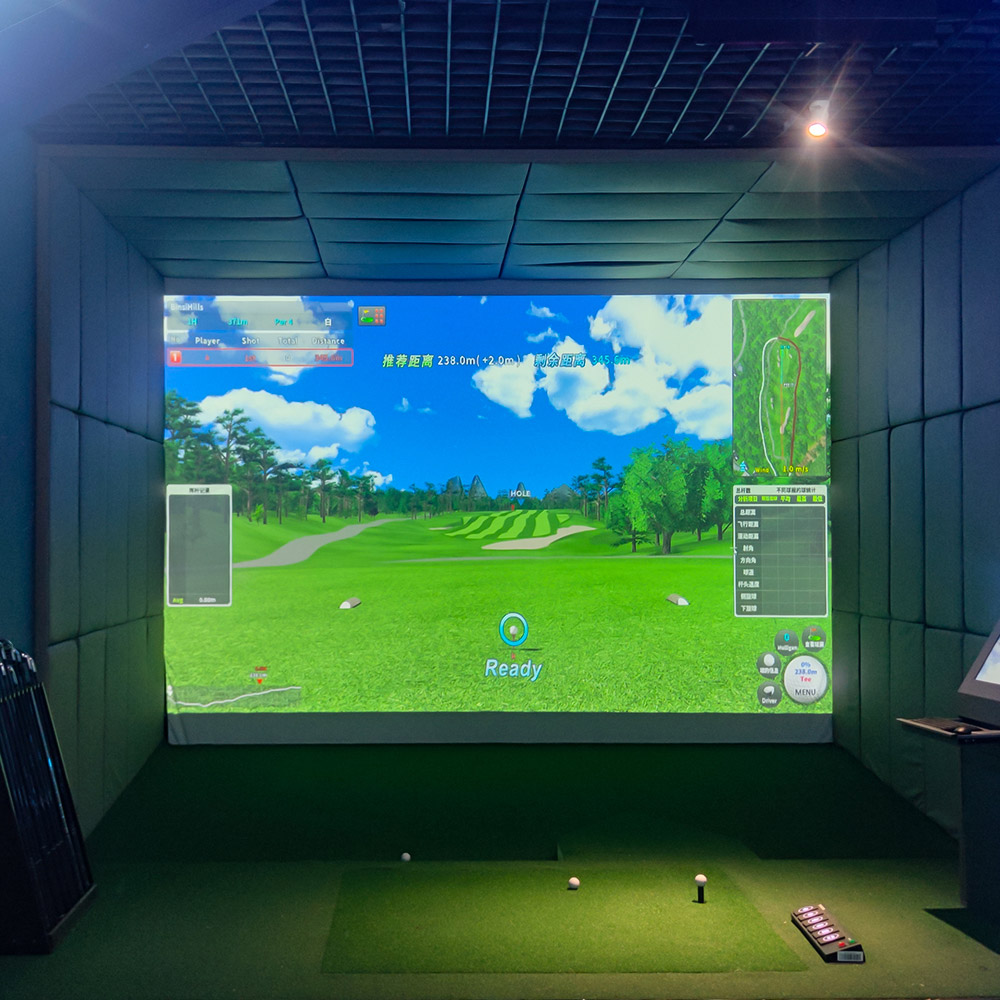
Consider an operator who installs Recreational Sports Products Indoor Simulated Golf to provide a High Quality play and practice experience. The system delivers lifelike visuals and responsive play, and when paired with analytics it becomes a powerful engagement engine.
Product Introduction:
<p>FUNTECH in a playground full of fun and excitement! The screen’s smooth texture offers superior image clarity, compatible with any HD projector for a lifelike golf simulation. Enjoy crystal-clear visuals that bring the fairway right into your home.</p>
By combining simulator telemetry (ball speed, carry) with booking and POS data, the operator can:
- Identify high-value customers (frequent players who also buy coaching)
- Create skill-based programs (based on measured improvement over time)
- Optimize capacity and pricing when demand spikes (weekends, evenings)
When marketed correctly, the Recreational Sports Products Indoor Simulated Golf can be positioned as the best indoor golf simulator for operators who want a balance of visual quality and measurable business impact.
Measuring ROI: What Success Looks Like
ROI metrics to monitor:
- Increase in repeat visits (%)
- Lift in revenue per available hour (%)
- Conversion rate to memberships or lessons (%)
- Improvement in average customer satisfaction / NPS
Set baseline numbers before interventions and measure uplift after 30, 60, and 90 days. Typical early wins include improved occupancy through targeted promotions and increased lesson bookings when data-driven coaching offers are deployed.
Brand Advantage: Why Recreational Sports Products Indoor Simulated Golf Stands Out
Recreational Sports Products Indoor Simulated Golf combines visual fidelity, reliable hardware, and compatibility with HD projectors. Key brand advantages include:
- High-quality screen surface (better image clarity for player immersion)
- Compatibility with leading tracking systems and projectors
- User-friendly interface that encourages account sign-ups and repeat play
- Designed to integrate with analytics workflows and third-party software
These attributes make it a strong candidate when evaluating the best indoor golf simulator for commercial venues focused on both experience and measurable outcomes.
Frequently Asked Questions (FAQ)
Q1: Which metrics should I track first?
Start with utilization (occupancy), session length, repeat rate, and revenue per session. These four provide immediate insight into demand, engagement depth, and monetization.
Q2: Can simulator telemetry really help with customer retention?
Yes. Telemetry enables personalized coaching and progress reports, which increase perceived value. Customers who see measurable improvement are more likely to return and purchase lessons or memberships.
Q3: What hardware is needed for accurate analytics?
At minimum you need a reliable tracking system (radar or camera-based), a booking/POS system integration, and a cloud-based analytics platform or BI tool to aggregate data. Choose vendors with open APIs.
Q4: How do I protect player privacy?
Use clear consent mechanisms, minimize personally identifiable data retention, implement encryption, and comply with local data protection laws (e.g., GDPR if applicable).
Q5: Is Recreational Sports Products Indoor Simulated Golf suitable for commercial venues?
Yes. With its high visual clarity and compatibility with HD projectors and tracking systems, it’s designed to support both a compelling customer experience and the analytics integrations operators need.
Contact and Product Viewing CTA
To see how analytics can transform engagement at your venue, contact our sales team to schedule a demo of Recreational Sports Products Indoor Simulated Golf and a walkthrough of integrated analytics options. Email: sales@recreationalsportsproducts.example or visit: https://www.recreationalsportsproducts.example/indoor-simulated-golf
Authoritative References and Further Reading
- National Golf Foundation — https://www.ngf.org
- PGA (Professional Golfers' Association) — https://www.pga.com
- TrackMan (ball and club tracking technology) — https://trackman.com
- FlightScope (radar tracking systems) — https://flightscope.com
- Wikipedia - Golf — https://en.wikipedia.org/wiki/Golf
- General Data Protection Regulation (GDPR) guidance — https://gdpr.eu
Top Bar Dart Machine Brands to Know in 2026
Choosing Durable Hardware for Commercial Shooting Machines
Procurement Guide: Buying a Multi-Player Interactive Shooting Machine
Wholesale car racing game machine manufacturer and supplier
Golf Simulator
How often does simulated golf equipment require maintenance?
For daily use, simple monthly maintenance is sufficient, such as a simple cosmetic cleaning and function check after use. Quarterly maintenance can be more comprehensive.
How to reduce operating costs?
Starting with equipment procurement, choose cost-effective, durable and easy-to-maintain products, which can save money for subsequent maintenance. Reasonable arrangement of staff, reduce the number of staff on duty during off-peak hours, train staff to have multi-skills, such as being able to operate the equipment and guide customers part-time, to improve the efficiency of manpower and reduce manpower costs.
Infrared Shooting
How to reduce operating costs?
Starting with equipment procurement, choose cost-effective, durable and easy-to-maintain products, which can save money for subsequent maintenance. Reasonable arrangement of staff, reduce the number of staff on duty during off-peak hours, train staff to have multi-skills, such as being able to operate the equipment and guide customers part-time, so as to improve the efficiency of manpower and reduce the cost of manpower.
Dart Machines Bar Dart Machines
How often does the equipment require maintenance?
For daily use, simple monthly maintenance, such as simple cosmetic cleaning and function checking after use, is sufficient. A more comprehensive quarterly maintenance is sufficient.
Products
How to attract customers when operating the program in shopping malls?
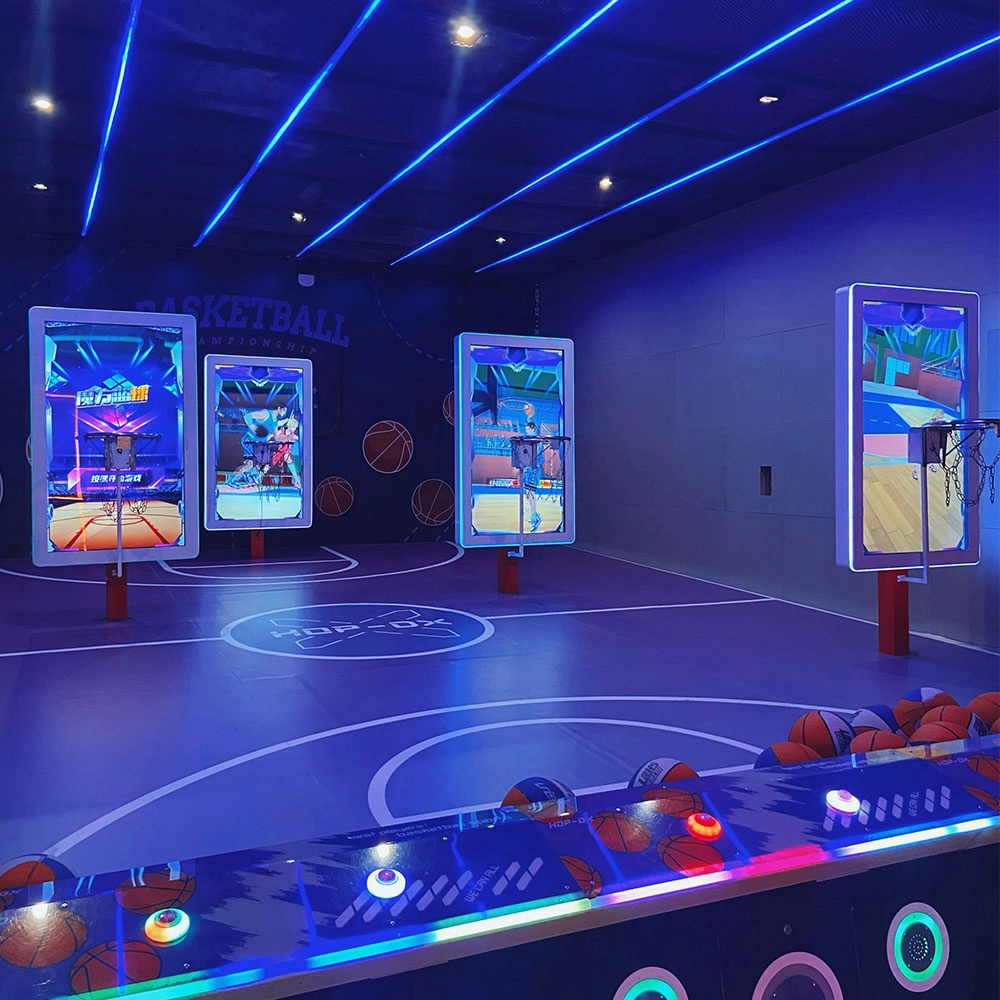
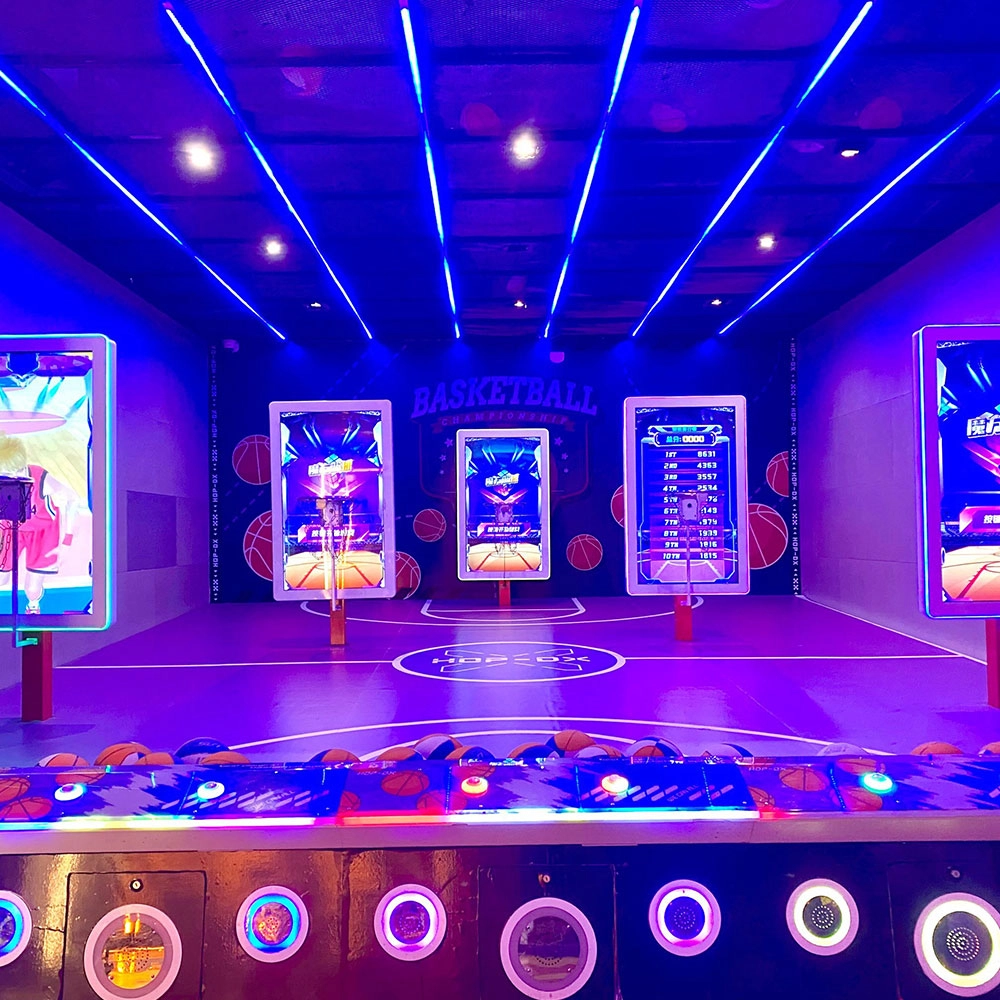
Create a cool venue decoration style, incorporating trendy elements, such as fluorescent light strips, animation-themed murals, etc. o Create a new venue for the program. o Launch diversified marketing models such as parent-child packages and couple packages, combined with time-limited promotional activities, such as half-price experience in the first three days of opening, to attract different groups such as families and couples to stop by and participate in the program. o Create cool venue decoration styles and incorporate trendy elements, such as fluorescent light strips.
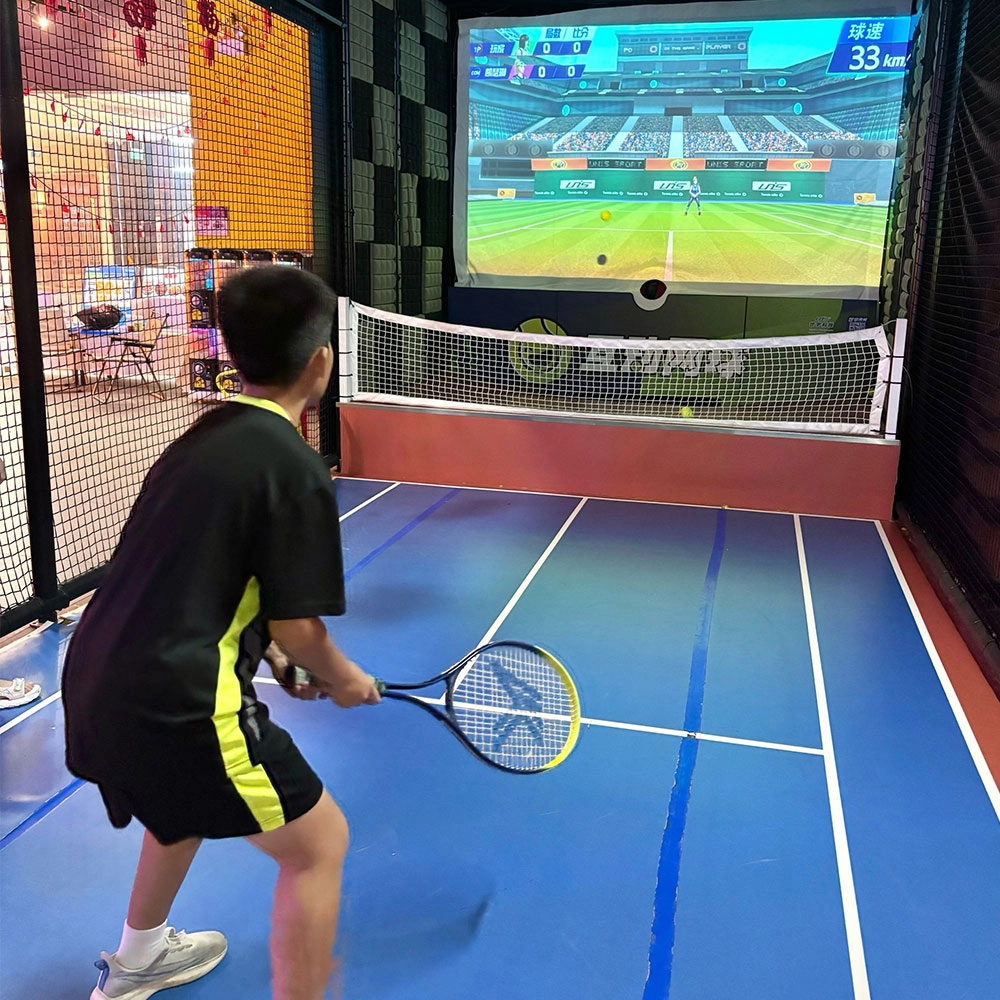
Indoor Tide Play Simulation Tennis Equipment
FUNTECH is full of fun and exciting playgrounds! With high-definition scene projection, force feedback racket, and intelligent scoring system, the simulated tennis equipment in the indoor arcade realizes immersive sports experiences and diversified interactive play, combining the advantages of safety and ease of use with high operational efficiency.
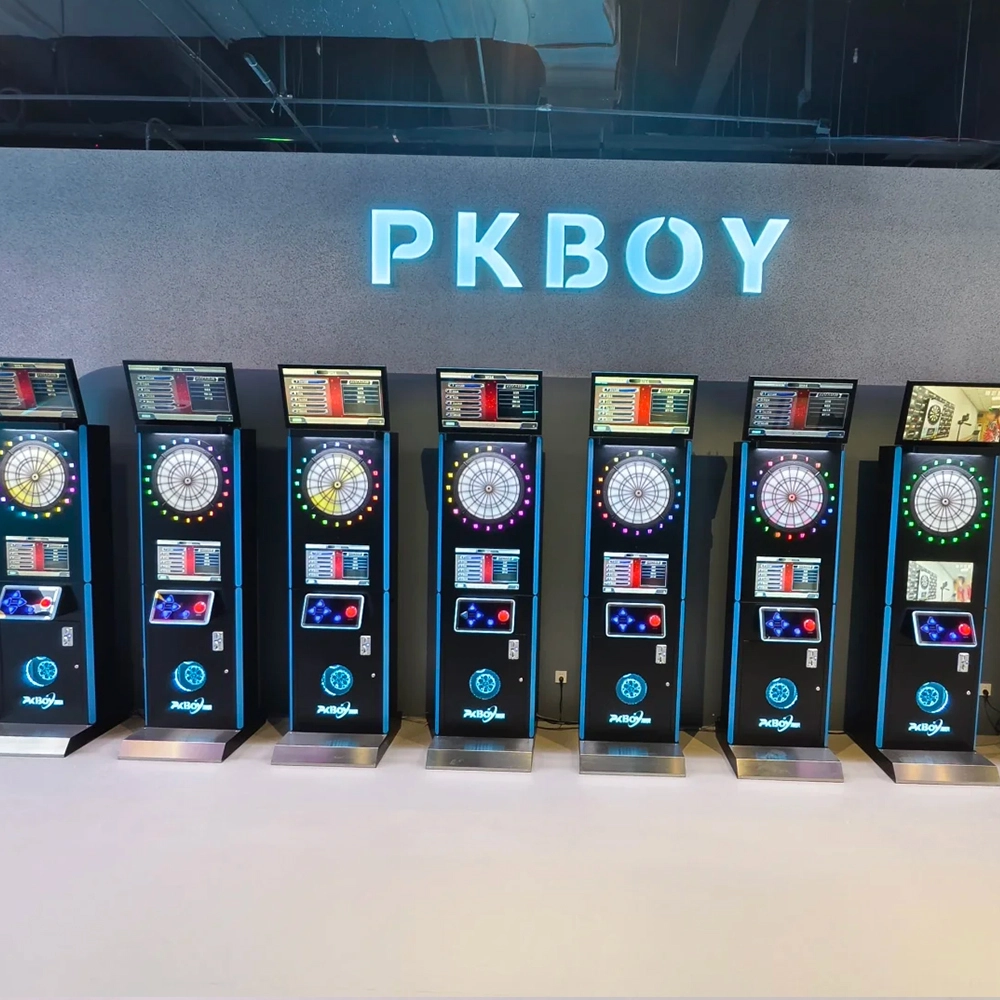
Dart Machines Bar Dart Machines
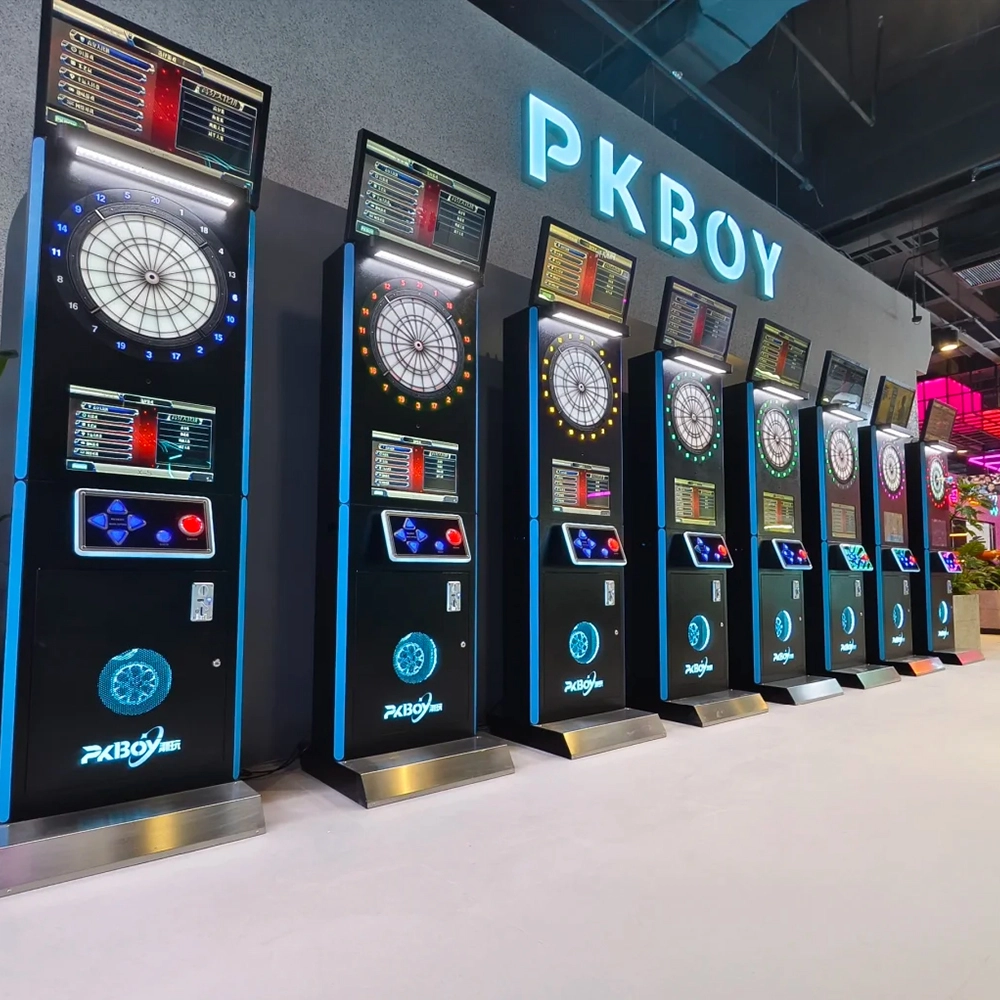
Joy Power is full of fun and excitement in the playground! The dart machine is suitable for all kinds of places, whether it is a bar, restaurant, KTV, or other entertainment venue, or a sports shop, club, or family leisure space, and can be perfectly adapted. In commercial venues, holding individual and team darts tournaments from time to time can attract more customers and increase the popularity and revenue of the venue, supplemented by various preferential activities, which can directly promote consumption and form a cycle of consumption of all the goods in the shop.
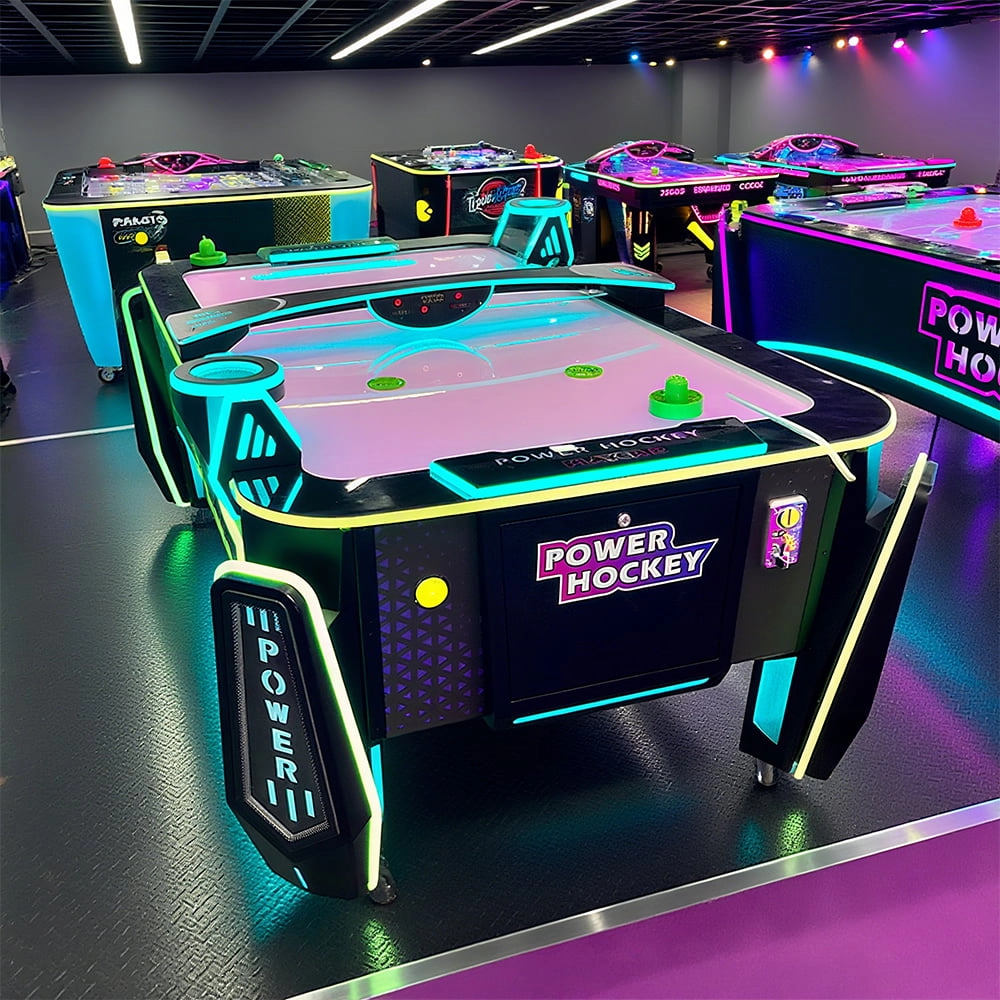
Arcade Hockey
FUNTECH is full of fun and exciting playgrounds! Air hockey, also known as air hockey, is a two-player competitive arcade game comprising a smooth, perforated playing surface, lightweight hockey sticks, a plastic puck, and an electronic scoreboard.
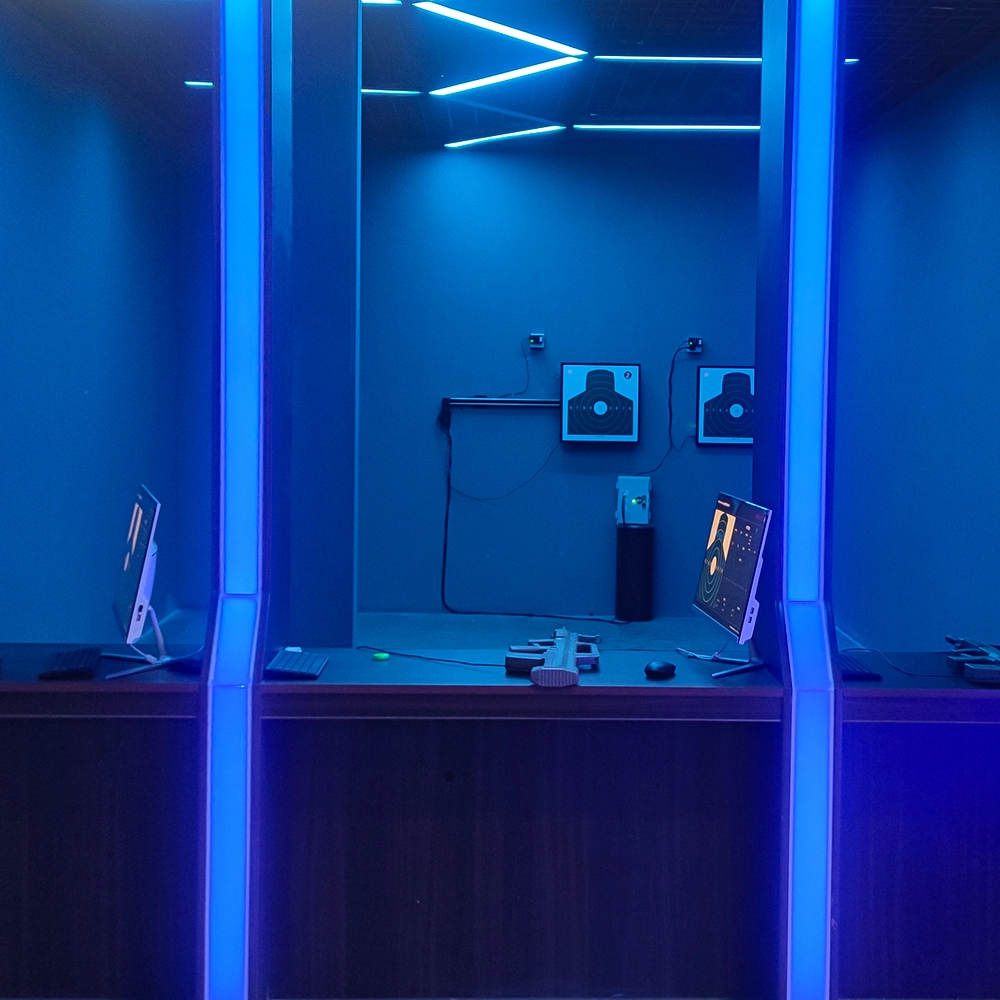
Infrared Shooting
Highly simulated simulation training analysis equipment, with advanced design concepts, fast system development, ease of operation and use, stable technical performance, less consumption of training, site dependence on a small group training is highly interesting, safe, and reliable, and other outstanding features. Product design to solve the basic skills of light weapons precision shooting as a starting point, to improve the safety of shooting training and training efficiency as the fundamental purpose, highlighting the simulation, information technology, and combat training requirements, can be in small indoor and outdoor venues and does not use live ammunition to complete the basic shooting training.
© 2025 FUNTECH ALL RIGHTS RESERVED

Weixia Lei
Fun_Tech-s
fun_tech20