
Selecting Indoor Soccer Simulation Interactive Entertainment Equipment
- Key Factors to Consider When Choosing Soccer Simulation Systems
- Realism and Gameplay Fidelity
- Control Interfaces: Joystick, Somatosensory, and Mobile
- Content Modes and Social Connectivity
- Technical Specifications and Performance Metrics
- Graphics, Frame Rate, and Latency
- Hardware Requirements and Space Planning
- Durability, Serviceability, and Warranty
- Venue Integration, Safety and Maintenance
- Safety Standards and Accessibility
- Noise, Crowd Flow and Physical Footprint
- Routine Maintenance and Cleaning
- Business Models, ROI and Placement Strategies
- Revenue Streams and Pricing Models
- Throughput Analysis and Peak Utilization
- Marketing, Events and Community Building
- Comparing Topography: How FUNTECH’s Soccer Simulation Stands Out
- Product Features and Mode Versatility
- Installation Flexibility and Operational Efficiency
- Case Use and Evidence-Based Advantages
- Deployment Checklist and Procurement Questions
- Pre-Sales Questions to Ask Vendors
- Installation and Staff Training
- KPIs to Monitor Post-Launch
- FAQ
- Q1: What space do I need to install a soccer simulation unit?
- Q2: Can players of all ages use the system?
- Q3: How quickly can I expect ROI?
- Q4: What safety certifications should I request?
- Q5: Does the system require an internet connection?
- Why Choose FUNTECH
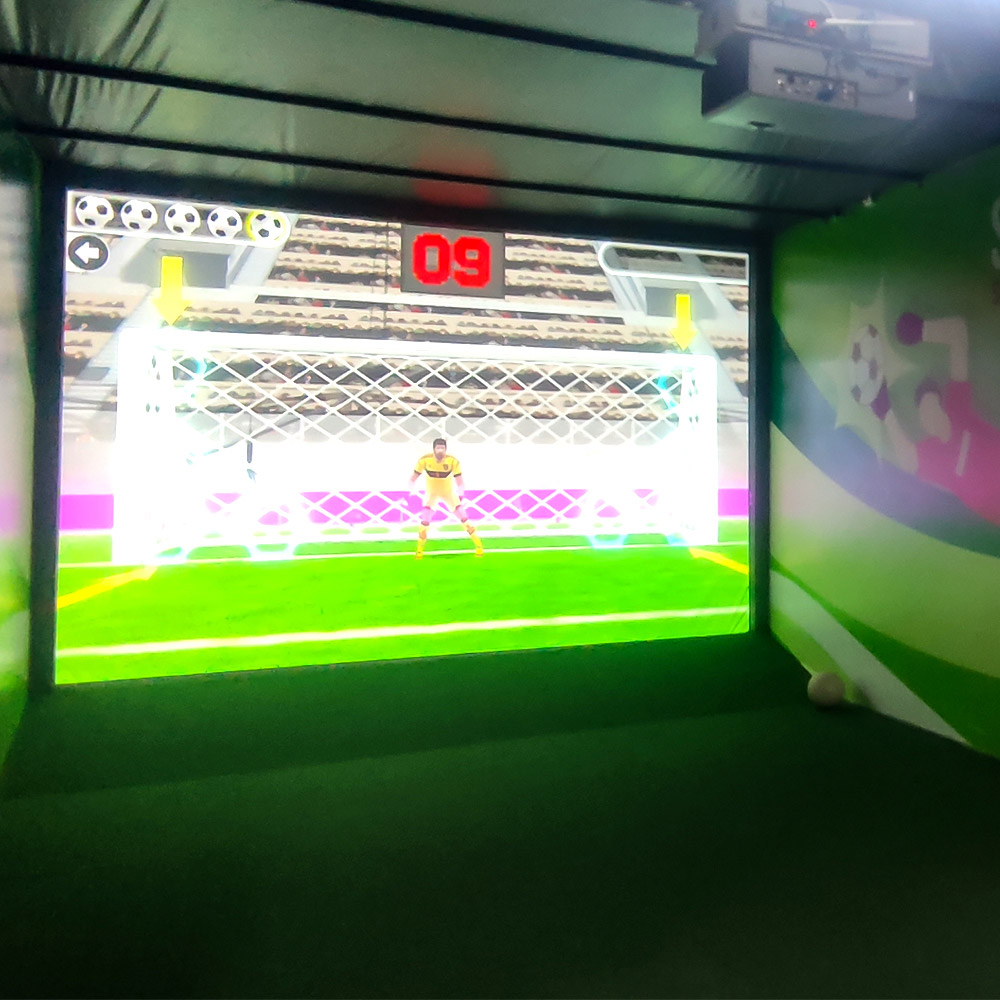
Choosing the right indoor soccer simulation interactive entertainment equipment requires balancing realism, durability, space constraints, and return on investment. This guide explains the core technical and commercial factors venue operators must evaluate — from control interfaces and motion sensing to software modes, maintenance, and player experience — so you can select a soccer simulation solution that fits your audience, budget and operational requirements.
FUNTECH is a playground full of fun and excitement! Soccer simulation is an innovative entertainment project that digitally presents the real soccer game. With the help of advanced technology, the green field is accurately reproduced on the screen, from the delicate turf texture to realistic player movements, all lifelike. Players can direct the team's offense and defense by controlling a joystick, somatosensory device, or cell phone. The game features a variety of modes, including an intense and exciting league where you can compete with players from all over the world, as well as a casual and fun game, which is suitable for parents and children to share the fun. No need to be restricted by the venue and weather; you can enjoy the charm of soccer and feel the passion of the game anytime and anywhere. Once you start selecting indoor soccer simulation interactive entertainment equipment, the next step is to clearly understand performance differences by reviewing the top features to compare in soccer simulation entertainment gear.
Key Factors to Consider When Choosing Soccer Simulation Systems
Realism and Gameplay Fidelity
Soccer simulation success depends on how convincingly the system reproduces real soccer. Look for high-fidelity ball physics, player animation, and accurate pitch rendering. Systems that use advanced physics engines and motion-captured animations increase immersion and player satisfaction. When comparing suppliers, request demo sessions and technical whitepapers that explain the simulation engine. For background on sports simulation as a genre, see the overview on Simulation video games.
Control Interfaces: Joystick, Somatosensory, and Mobile
Modern soccer simulation equipment supports multiple control schemes: traditional joysticks, somatosensory devices (motion sensors, camera-based tracking), and smartphone/tablet controllers. Each has pros and cons:
- Joystick: precise, familiar to arcade players, low latency.
- Somatosensory: high immersion, encourages physical activity, but needs calibration and space.
- Mobile control: scalable and accessible, allows BYOD, but depends on phone compatibility.
Choose based on target audience: arcades and family entertainment centers may prioritize joystick + mobile pairing; interactive museums and fitness centers can exploit somatosensory systems for active play.
Content Modes and Social Connectivity
Varied game modes (league play, quick match, skill challenges, family-friendly modes) extend playtime and increase repeat visits. Systems with online leaderboards, matchmaking, and cross-site tournaments drive community engagement and secondary revenue like event fees. Check whether the platform supports cloud updates and leaderboards to keep content fresh.
Technical Specifications and Performance Metrics
Graphics, Frame Rate, and Latency
High-quality rendering (real-time lighting, dynamic shadows, and detailed textures) improves realism. Equally important are frame rate and input latency: target at least 60 FPS on the display and end-to-end input latency under 100 ms for responsive controls. Lower latency is essential for competitive modes; otherwise players perceive control lag, reducing satisfaction.
Hardware Requirements and Space Planning
Assess minimum footprint and recommended setup. Some systems require only a compact cabinet and 2–3 m of forward space; immersive somatosensory systems may need open floor areas of 5–8 m to ensure safety and tracking accuracy. Consider ceiling height for motion capture systems. Always request a site survey and CAD placement diagrams from vendors to ensure proper integration with venue flow.
Durability, Serviceability, and Warranty
Interactive entertainment equipment operates heavily in public venues. Verify MTBF (mean time between failures), availability of spare parts, on-site service options, and modularity for easy replacement of screens, sensors, or joysticks. Longer warranties and local service partners reduce downtime and total cost of ownership.
Venue Integration, Safety and Maintenance
Safety Standards and Accessibility
Compliance with local safety regulations and accessibility standards is mandatory. If the system uses moving parts or requires vigorous physical activity, operators should display clear safety instructions and provide accessible options for players with mobility limitations. For general context on soccer and global standards, see Association football.
Noise, Crowd Flow and Physical Footprint
Interactive attractions can generate crowding and noise. Position soccer simulators to avoid bottlenecks, provide clear queuing areas, and consider acoustic treatment if located indoors near dining or passive areas. For multi-device installations, cluster similar attractions to create branded zones that improve wayfinding and dwell time.
Routine Maintenance and Cleaning
Create a maintenance schedule covering daily cleaning, weekly sensor recalibration, and monthly software updates. Use replaceable covers for controllers and non-porous surfaces to facilitate sanitation. Ensure you can obtain consumables and spare controllers within a fast lead time to minimize revenue loss.
Business Models, ROI and Placement Strategies
Revenue Streams and Pricing Models
Soccer simulation equipment supports multiple monetization models: pay-per-play, timed sessions, tournaments with entry fees, membership passes, and family packages. Additionally, branded events, corporate team building, and private bookings can fill off-peak hours. Analyze average revenue per play (ARP) and throughput to forecast payback period.
Throughput Analysis and Peak Utilization
Calculate throughput: for example, a 6-minute average session yields 10 plays per hour per unit. Adjust pricing to reflect demand; High Quality pricing for competitive league sessions and discounted casual modes for families can balance utilization. Use the table below to compare equipment types and expected throughput.
| System Type | Typical Footprint | Immersion | Estimated Throughput (plays/hr) | Ideal Venues |
|---|---|---|---|---|
| Projection / Large Screen | 3–5 m² | High | 8–12 | Family Entertainment Centers, Arcades |
| Cabinet with Joystick | 1.5–2.5 m² | Medium | 10–18 | Arcades, Malls |
| Somatosensory / Motion Arena | 20–40 m² | Very High | 4–8 | Sports Centers, VR Arenas |
| Mobile / BYOD Integration | Minimal | Variable | Depends on pairing | Pop-ups, Events |
Marketing, Events and Community Building
Hosting local leagues, school partnerships, and influencer events helps build steady footfall. Use online leaderboards and social sharing features to generate organic reach. Align with local clubs or youth programs for cross-promotion and community trust; esports and competitive gaming principles are increasingly applied to sports-simulation attractions (see Esports).
Comparing Topography: How FUNTECH’s Soccer Simulation Stands Out
Product Features and Mode Versatility
FUNTECH’s Indoor soccer simulation Interactive entertainment equipment offers a balanced combination of realism and accessibility. The system reproduces realistic turf texture and player movements while supporting joystick, somatosensory, and mobile controls. Its variety of modes — competitive leagues, casual family play, and skill challenges — caters to multiple demographic segments and encourages longer dwell times.
Installation Flexibility and Operational Efficiency
Compared with high-footprint motion arenas, FUNTECH can be configured for compact venues or larger interactive zones, allowing operators to choose the best SKU for their space. Cloud-based updates, modular components, and built-in diagnostics reduce maintenance time and improve uptime — key factors for maximizing ROI.
Case Use and Evidence-Based Advantages
Operators who deploy soccer simulation platforms similar to FUNTECH report increased family visitation and more event bookings. Because soccer is universally recognized, the attraction appeals to broad age ranges and nationalities, reducing the risk associated with niche attractions. For broader industry trends in sports entertainment and digital experiences, consult industry reports such as PwC’s sports outlook (search for latest editions) or public references on Virtual reality applications in entertainment.
Deployment Checklist and Procurement Questions
Pre-Sales Questions to Ask Vendors
Before procurement, request answers to these questions: What is the recommended footprint? What networking is required for leaderboards? Are consumables supplied locally? What SLAs exist for service calls? Can the vendor provide references and live demos?
Installation and Staff Training
Confirm if installation is included and whether the vendor provides on-site operator training, troubleshooting guides, and marketing assets. Proper staff training is critical to safety, maximizing throughput, and upselling sessions or events.
KPIs to Monitor Post-Launch
Key performance indicators include utilization rate, average revenue per play, repeat customers, and downtime hours. Track marketing conversion from tournaments and events to refine pricing and scheduling.
FAQ
Q1: What space do I need to install a soccer simulation unit?
A1: Space varies by system. Compact cabinet units often need 1.5–3 m²; projection or somatosensory setups require larger clear areas (3–8 m or more). Always obtain the vendor’s site plan and clearance recommendations.
Q2: Can players of all ages use the system?
A2: Yes—most systems offer adjustable difficulty and family-friendly modes. Somatosensory modes may require age/height limits for safety; verify recommended age ranges with the manufacturer.
Q3: How quickly can I expect ROI?
A3: ROI depends on pricing, throughput, and venue type. Conservative estimates assume high utilization and event bookings; many operators see payback within 12–36 months when combining daily play and event revenue. Use projected ARP and throughput to model specifics.
Q4: What safety certifications should I request?
A4: Ask for compliance documentation relevant to your country (electrical safety, EMC, and consumer equipment safety). For motion-based systems, request risk assessments and operator manuals.
Q5: Does the system require an internet connection?
A5: Internet is recommended for leaderboard features, cloud updates, and remote support. Offline play is often supported but online features enhance retention and connectivity.
For further details, product specifications, or to schedule an on-site demo, please contact our sales team: sales@funtech-example.com or view the product page here: Indoor Soccer Simulation Interactive Entertainment Equipment.
Why Choose FUNTECH
FUNTECH’s Indoor soccer simulation Interactive entertainment equipment combines realistic visuals, flexible control options (joystick, somatosensory, mobile), and multiple content modes that suit families, competitive players, and corporate clients. Its modular design simplifies maintenance and allows operators to scale installations from single-cabinet solutions to multi-unit competitive leagues. With cloud-enabled leaderboards, global matchmaking, and a strong focus on safety and durability, FUNTECH reduces operational friction while delivering compelling player experiences that drive repeat business.
References and industry context used in this guide include public technical overviews of simulation gaming and related entertainment fields, such as Simulation video games, Association football, Esports, and Virtual reality applications. These sources provide general context for realistic sports simulations and audience trends.
Contact our team to arrange a demo, request tailored ROI modeling for your venue, or obtain a site survey: Contact FUNTECH Sales.
Top 10 soccer card simulator Manufacturers and Supplier Brands in America
Why choose FUNTECH as your golf simulator pittsburgh manufacturer in UK
Best professional best shooting simulator game manufacturers and supplier brands in Africa
Where to Buy golf simulator launch monitor in US
Golf Simulator
How to attract customers when operating the program in shopping malls?
Create a cool venue decoration style, incorporating trendy elements, such as fluorescent light strips and anime-themed murals. o Launch diversified marketing models such as parent-child packages and couple packages, combined with time-limited promotional activities, such as half-price experience in the first three days of opening, to attract families, couples and other groups to stop and participate in the program. o How to reduce operating costs?
What is the difference between purchasing equipment for commercial operations and personal training?
Commercial operations should consider the durability, ease of operation, and attractiveness of the equipment, and it is preferable to choose cool-looking equipment that can withstand high-frequency use.
Infrared Shooting
How often does the equipment require maintenance?
For daily use, simple monthly maintenance, such as simple cosmetic cleaning and function checking after use, is sufficient. A more comprehensive quarterly maintenance is sufficient.
Products
How to reduce operating costs?
Starting with equipment procurement, choose cost-effective, durable and easy-to-maintain products, which can save money for subsequent maintenance. o Starting with equipment procurement, choose cost-effective, durable and easy-to-maintain products, which can save money for subsequent maintenance. Reasonable arrangement of staff, reduce the number of staff on duty during non-peak hours, train staff to have multi-skills, such as being able to operate the equipment as well as guiding customers on the side, to improve the efficiency of manpower and reduce manpower costs.
FAQ
What is the minimum area required to build a comprehensive digital sports and entertainment hall, and what is the recommended area?
To build a comprehensive type of digital sports and entertainment hall, the minimum required area will be affected by the number and type of equipment, activity area requirements, parking spaces, rest areas and other factors.
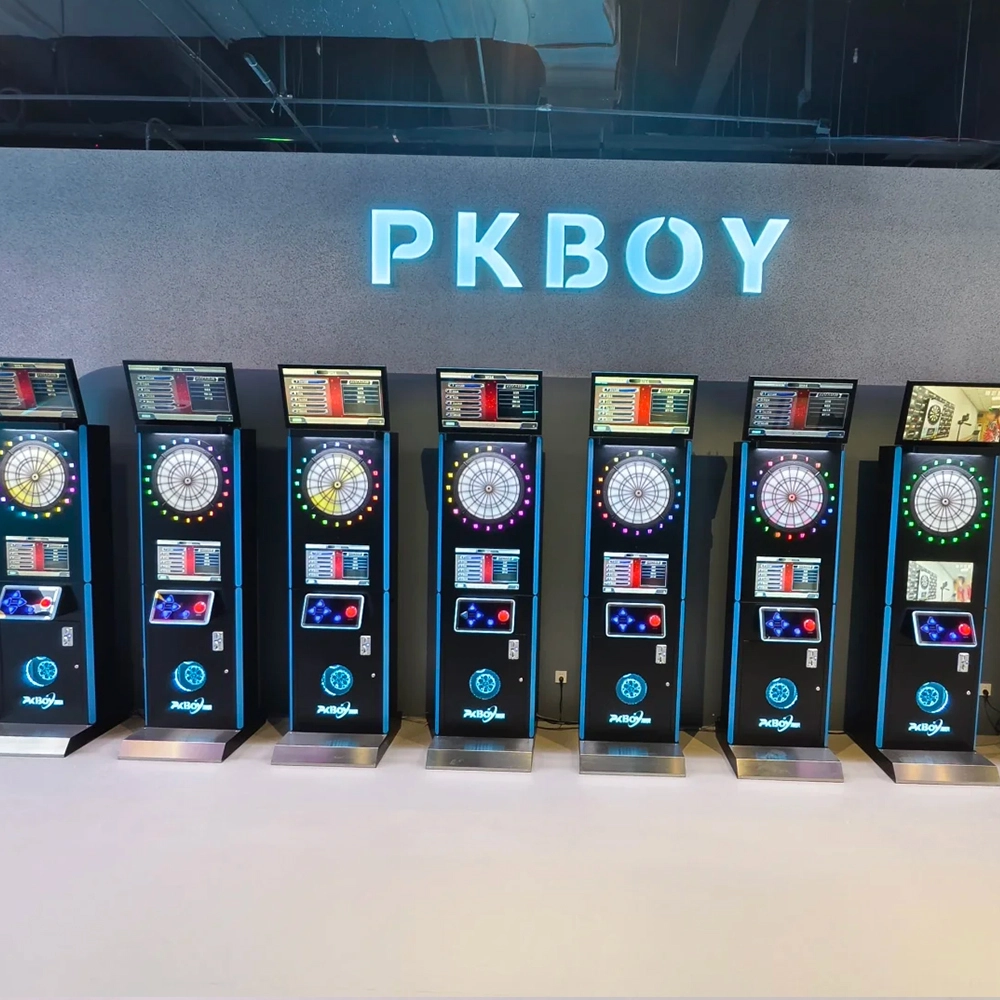
Dart Machines Bar Dart Machines
Joy Power is full of fun and excitement in the playground! The dart machine is suitable for all kinds of places, whether it is a bar, restaurant, KTV, or other entertainment venue, or a sports shop, club, or family leisure space, and can be perfectly adapted. In commercial venues, holding individual and team darts tournaments from time to time can attract more customers and increase the popularity and revenue of the venue, supplemented by various preferential activities, which can directly promote consumption and form a cycle of consumption of all the goods in the shop.
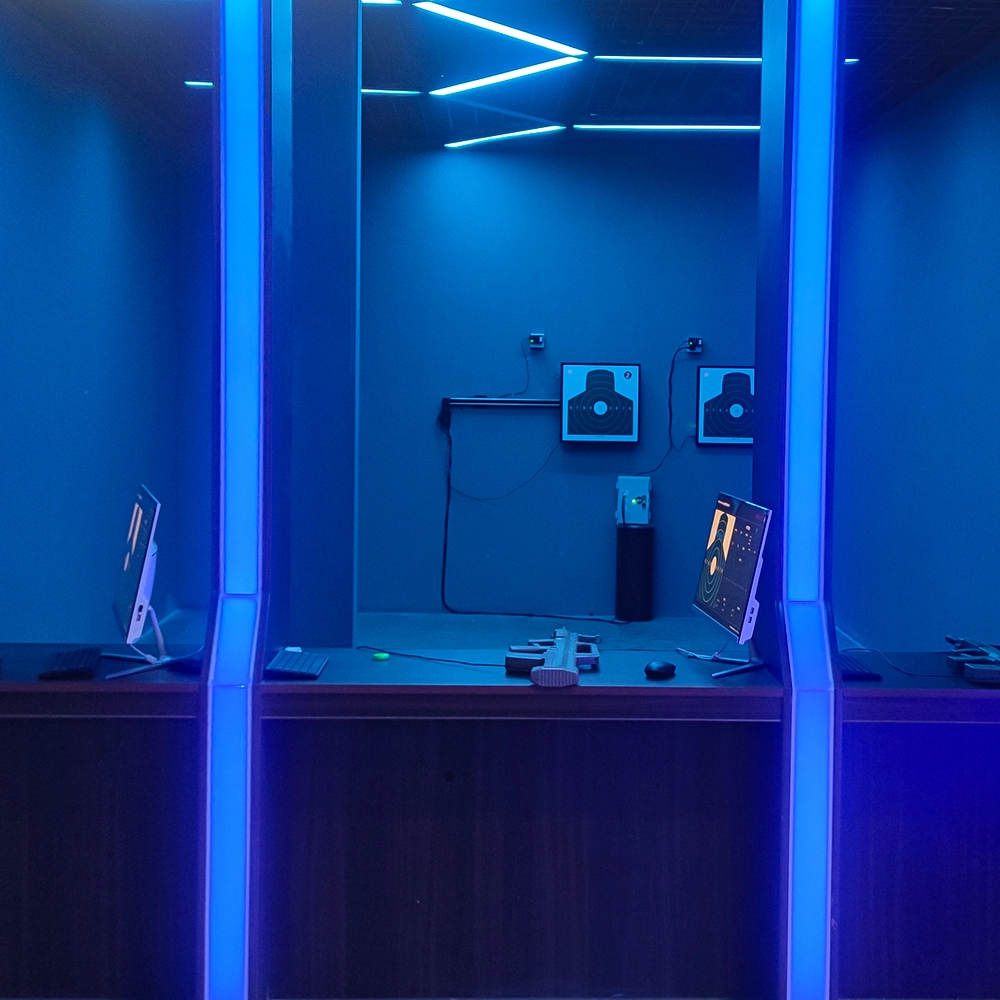
Infrared Shooting
Highly simulated simulation training analysis equipment, with advanced design concepts, fast system development, ease of operation and use, stable technical performance, less consumption of training, site dependence on a small group training is highly interesting, safe, and reliable, and other outstanding features. Product design to solve the basic skills of light weapons precision shooting as a starting point, to improve the safety of shooting training and training efficiency as the fundamental purpose, highlighting the simulation, information technology, and combat training requirements, can be in small indoor and outdoor venues and does not use live ammunition to complete the basic shooting training.
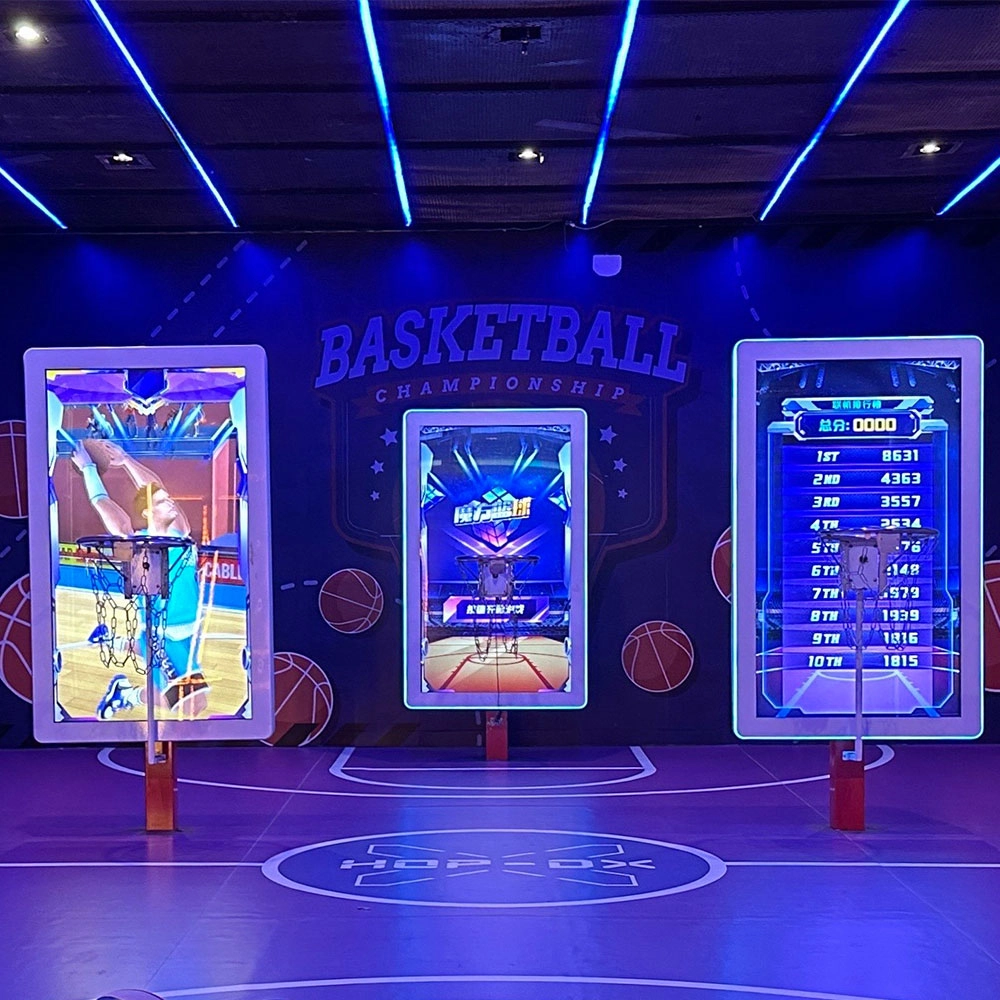
Multi-Player Interactive Shooting Machine
Joy Power is full of fun and exciting playgrounds! The basketball shooting machine is a classic amusement device integrating competition, entertainment, and interactivity. Based on the traditional basketball shooting sport, it integrates electronic scoring, sound and light effects, and challenge mechanisms to bring players an immersive game experience. The main body of the equipment is usually built with a metal frame, equipped with a standard-sized basket and a sturdy rim, with multiple sets of sensors to accurately capture the trajectory of the shot; when the player shoots the ball, the machine's built-in sensors count the score in real time and present the score, remaining time, and challenge goals through the LED display or LCD screen, with exciting sound effects and colorful lights to create a tense and exciting gaming atmosphere.
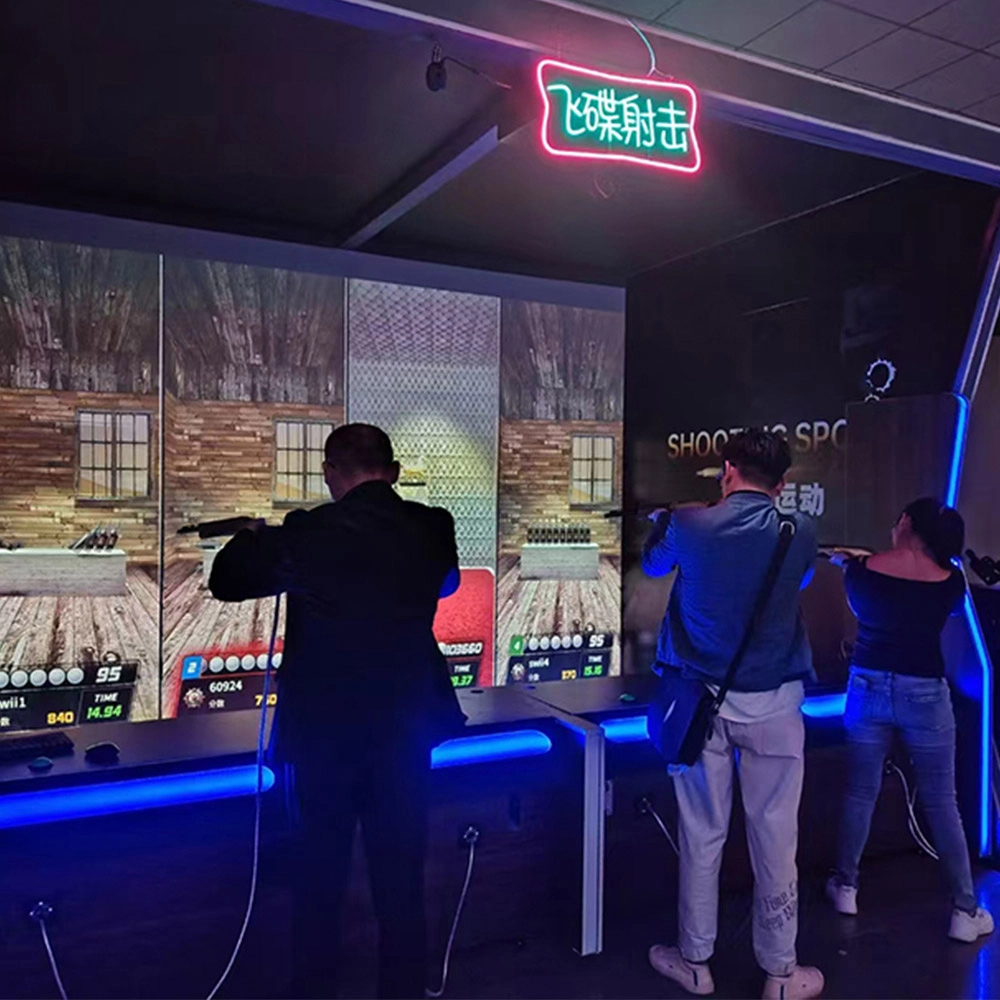
Indoor Wave Play Disc Shooting Equipment
Joy Power is full of fun and exciting playgrounds! The saucer shooting equipment in the indoor hip play hall is an immersive entertainment device integrating high-definition projection scenes, simulated air rifles, and multi-mode interactive gameplay, which allows players to experience the excitement of virtual shooting and the fun of social competition through laser-sensing scoring and multi-sensory feedback.
© 2025 FUNTECH ALL RIGHTS RESERVED

Weixia Lei
Fun_Tech-s
fun_tech20