
How Multi-Player Interactive Shooting Machines Boost Guest Engagement
- Why Multi-Player Interactive Shooting Machines Drive Guest Engagement
- Social Competition and Replayability
- Immersive Feedback and Sensory Design
- Data-Driven Retention and Personalization
- Design and Technology: What Makes a Great Shooting Arcade Machine
- Sensors, Scoring, and Real-Time Feedback
- Networking, Multi-Player Mechanics, and Cross-Location Play
- Durability, Safety, and Compliance
- Operational Benefits for Venues and Revenue Optimization
- Higher Throughput and Better Space Utilization
- Pricing Strategies and Monetization
- Lower Operational Costs with Predictive Maintenance
- Implementing Multi-Player Games: Best Practices and Measurement
- Floor Layout, Sightlines, and Flow
- Staff Training, Event Programming, and Engagement
- KPIs: How to Measure Success
- Case Example: Tournament Activation
- FAQ — Common Questions About Multi-Player Interactive Shooting Machines
- Q: What is the difference between a basic shooting arcade machine and a Multi-Player Interactive Shooting Machine?
- Q: How reliable are the sensors and electronic scoring systems?
- Q: What are the space and power requirements?
- Q: Are these machines safe for all ages?
- Q: How can I measure ROI after installing a Multi-Player Interactive Shooting Machine?

Multi-Player Interactive Shooting Machine solutions are redefining guest engagement in arcades, FECs (family entertainment centers), and entertainment plazas. By combining real-time electronic scoring, synchronized multi-player modes, LED and audio feedback, and networked leaderboards, these shooting arcade machine experiences increase dwell time, conversion, and repeat play while delivering measurable operational data for venues. Operators who deploy robust, socially-driven interactive shooters report higher throughput, stronger promotional ROI, and improved guest satisfaction.
Why Multi-Player Interactive Shooting Machines Drive Guest Engagement
Social Competition and Replayability
Competition is a core motivator for guests. Multi-player interactive shooting machines create head-to-head or team-based play that transforms a solo skill test into a communal event. Players challenge each other for accuracy, time, and special in-game objectives, which increases replayability. Leaderboards, both local and networked, turn casual players into repeat visitors who come back to improve rankings. According to industry analyses from the International Association of Amusement Parks and Attractions (IAAPA), attractions with social and competitive elements consistently show higher return rates than solitary games.
Immersive Feedback and Sensory Design
Immersion is achieved by pairing gameplay mechanics with dynamic audiovisual feedback. A high-quality shooting arcade machine uses accurate sensors, LED displays, synchronized sound effects, and timed lighting sequences to cue players and increase emotional investment. These sensory cues trigger flow states—deep engagement in an activity—documented in behavioral research and UX practice (Nielsen Norman Group). The result: longer sessions, more in-game purchases (e.g., extra rounds or power-ups), and stronger word-of-mouth.
Data-Driven Retention and Personalization
Multi-player machines with networking and user-account features provide valuable data: play frequency, session length, peak hours, and demographic patterns. Operators can convert this data into targeted offers, loyalty rewards, and event programming. For example, timed tournaments or happy-hour pricing on low-traffic periods are easily enabled by analytics from connected shooting arcade machines, increasing overall revenue per square meter.
Design and Technology: What Makes a Great Shooting Arcade Machine
Sensors, Scoring, and Real-Time Feedback
The core of an effective Multi-Player Interactive Shooting Machine is reliable detection and scoring. Modern systems combine optical sensors, infrared beams, and pressure/contact sensors to accurately capture shot trajectories and basket hits. These sensors feed into high-speed controllers that update LED displays and LCD scoreboards with minimal latency, maintaining the sense of instant reward. For technical validation on sensor systems and real-time processing in interactive devices, see IEEE resources on embedded sensing and real-time systems (IEEE).
Networking, Multi-Player Mechanics, and Cross-Location Play
Networking capability elevates a shooting arcade machine from a local attraction to a distributed entertainment experience. Features include synchronized rounds across multiple cabinets, global leaderboards, and cross-location tournaments that allow venues to co-promote. A robust back-end supports matchmaking, anti-cheat, and data aggregation, giving operators the flexibility to run seasonal campaigns or large-scale events that boost footfall.
Durability, Safety, and Compliance
Arcade equipment must be designed for high throughput and variable user behavior. A typical Multi-Player Interactive Shooting Machine uses a metal frame, a regulation-size hoop, and reinforced rims and panels to resist wear. Safety considerations—rounded edges, cable management, and stable mounting—are essential. Operators should also consult industry standards and local regulations for amusement devices. IAAPA provides guidance on safe operation practices and compliance frameworks for attractions (IAAPA).
Product overview:
Joy Power is full of fun and exciting playgrounds! The basketball shooting machine is a classic amusement device integrating competition, entertainment, and interactivity. Based on the traditional basketball shooting sport, it integrates electronic scoring, sound and light effects, and challenge mechanisms to bring players an immersive game experience. The main body of the equipment is usually built with a metal frame, equipped with a standard-sized basket and a sturdy rim, with multiple sets of sensors to accurately capture the trajectory of the shot; when the player shoots the ball, the machine's built-in sensors count the score in real time and present the score, remaining time, and challenge goals through the LED display or LCD screen, with exciting sound effects and colorful lights to create a tense and exciting gaming atmosphere.
Operational Benefits for Venues and Revenue Optimization
Higher Throughput and Better Space Utilization
Well-designed multi-player shooting arcade machines increase throughput by allowing concurrent play sessions and quick turnover. Multi-bay units or linked cabinets enable groups to play together, turning a single footprint into a group attraction. Operators can calculate revenue per square meter to compare play-focused machines versus single-user redemption games; in most FEC configurations, interactive shooters deliver superior time-on-device and ancillary sales.
Pricing Strategies and Monetization
Flexible pricing models—time-based, round-based, tournament fees, or subscription passes—help maximize ARPU (average revenue per user). Bundles such as “three rounds + digital leaderboard pass” or event ticketing for tournaments create incremental revenue. Loyalty programs integrated with a networked shooting arcade machine encourage repeat visits; operators can validate uplift using A/B tests and short promotions.
Lower Operational Costs with Predictive Maintenance
Connected machines deliver telemetry: error logs, sensor drift, usage counts, and component wear indicators. Predictive maintenance reduces downtime and repair costs by alerting technicians before failures occur. That means fewer lost play sessions and a better guest experience overall.
| Metric | Single-Player Unit | Multi-Player Interactive Machine |
|---|---|---|
| Average Session Length | 2–4 minutes | 4–12 minutes |
| Repeat Play Rate | 10–20% | 25–60% |
| Revenue per Day (typical) | Low | Medium–High |
| Maintenance Events / Month | Low | Moderate (but predictable) |
Implementing Multi-Player Games: Best Practices and Measurement
Floor Layout, Sightlines, and Flow
Placement is critical. Position multi-player interactive shooters where they are easily visible from main circulation routes to attract organic interest. Allow space for spectators—visibility drives social proof and group play. Consider adjacent offer pairing (F&B, prize counters) to convert spectators into players. Clear signage that explains rules and pricing reduces hesitation and increases conversions.
Staff Training, Event Programming, and Engagement
Staff play a major role in onboarding. Teach attendants to explain gameplay quickly, initiate matches, and run tournaments. Event programming—daily challenges, weekend tournaments, and school holiday leagues—keeps the attraction fresh and increases off-peak visitation. Cross-promotions with birthday parties or corporate team-building packages leverage the multi-player nature of the machines.
KPIs: How to Measure Success
Track a focused set of KPIs: sessions per day, average session length, repeat play rate, conversion rate of spectators to players, tournament entries, and revenue per square meter. Use A/B tests for pricing and event formats to optimize. Combining operational telemetry with guest feedback delivers continuous improvement; UX research methods and analytics frameworks from sources like Nielsen Norman Group are useful for designing surveys and interpreting engagement data (Nielsen Norman Group).
Case Example: Tournament Activation
In practice, a FEC installed four linked Multi-Player Interactive Shooting Machines and ran a weekend tournament. By charging a small entry fee and offering leaderboard prizes, they increased weekend footfall by 18% and achieved a 35% uplift in repeat-play within two months. The networked leaderboard encouraged return visits as players attempted to regain top spots.
FAQ — Common Questions About Multi-Player Interactive Shooting Machines
Q: What is the difference between a basic shooting arcade machine and a Multi-Player Interactive Shooting Machine?
A: A basic shooting arcade machine typically supports single-player sessions with local scoring and simple rewards. A Multi-Player Interactive Shooting Machine supports simultaneous or sequential multi-player modes, networked leaderboards, team play, richer audiovisual feedback, and analytics. These features boost social engagement and monetization.
Q: How reliable are the sensors and electronic scoring systems?
A: Modern systems use combinations of optical, infrared, and contact sensors tuned to minimize false positives/negatives. Proper calibration and routine maintenance keep accuracy high. For technical guidance on embedded sensors and timing, refer to IEEE resources on sensors and real-time processing (IEEE).
Q: What are the space and power requirements?
A: Space requirements vary by model; typical multi-player units occupy the footprint of 1–3 single cabinets but are optimized for group access and spectator space. Power draws are modest but may increase with large LED displays and sound systems—consult manufacturer specifications for exact requirements.
Q: Are these machines safe for all ages?
A: Yes, when designed and maintained properly. Safety features include rounded edges, secure mounting, and clear age/height guidelines. Operators should follow IAAPA guidance and local safety standards for amusement devices (IAAPA).
Q: How can I measure ROI after installing a Multi-Player Interactive Shooting Machine?
A: Use a combination of financial and engagement KPIs: incremental revenue, average session length, repeat visit rate, tournament revenue, and ancillary sales correlated to game play. Networked machines provide telemetry for precise measurement; run a baseline period before installation and compare post-install metrics.
If you’d like to evaluate how a Multi-Player Interactive Shooting Machine could fit your site, or to request product specifications and pricing for Joy Power solutions, contact our sales team or view the full product page.
Contact Sales / View Product: sales@example.com | View Multi-Player Interactive Shooting Machine
Where to Buy interactive led floor tiles
Custom bowling alley equipment Manufacturers and Suppliers
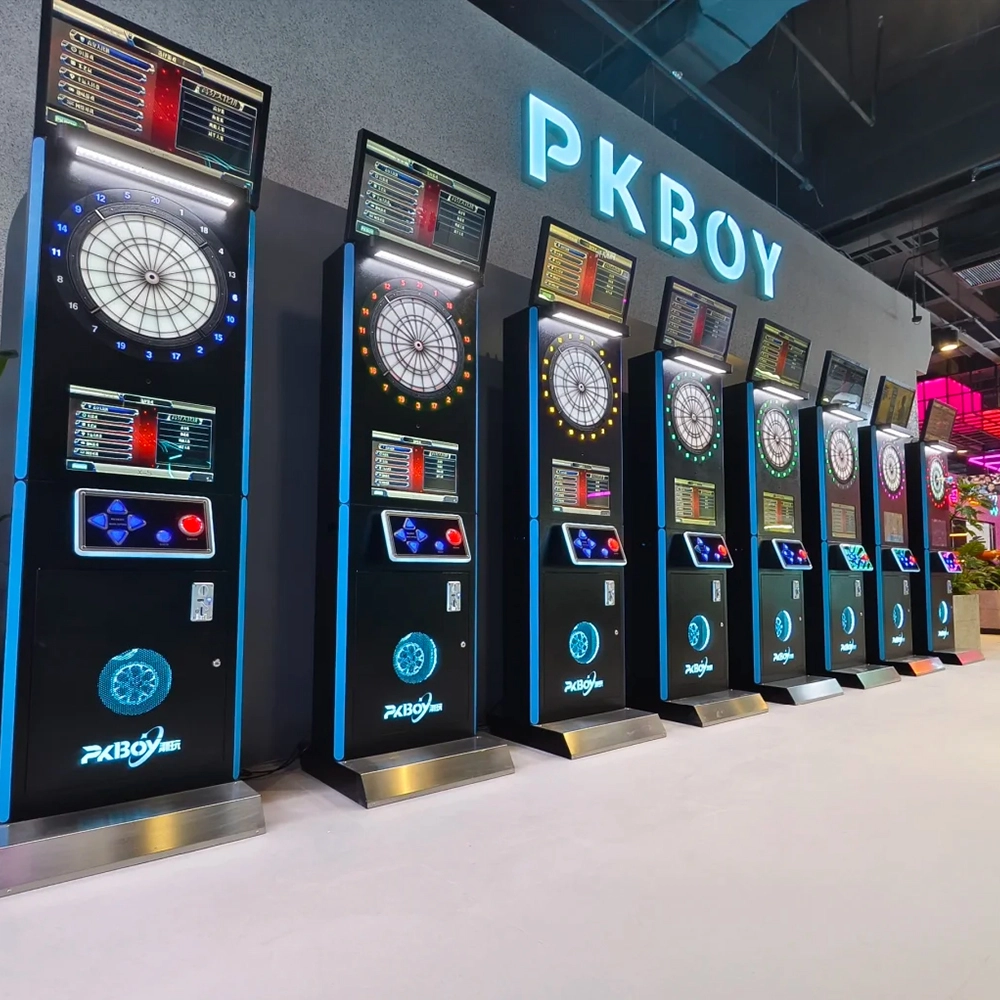
Software Updates and Support for Electronic Dart Machines
How to start the soccer career simulator business in UK ?
Products
How often does moving target archery equipment require maintenance?
Under daily use, for equipment that is used less frequently, 1-3 times per week, simple cosmetic cleaning and functional checks can be performed after each use. A more comprehensive maintenance should be carried out every 2-4 weeks, including disassembling some parts for cleaning and checking the accuracy of the aiming system.
How to reduce operating costs?
Starting with equipment procurement, choose cost-effective, durable and easy-to-maintain products, which can save money for subsequent maintenance. o Starting with equipment procurement, choose cost-effective, durable and easy-to-maintain products, which can save money for subsequent maintenance. Reasonable arrangement of staff, reduce the number of staff on duty during non-peak hours, train staff to have multi-skills, such as being able to operate the equipment as well as guiding customers on the side, to improve the efficiency of manpower and reduce manpower costs.
Golf Simulator
What are the after-sales services after purchasing the equipment?
Generally, a 1-year warranty is provided. During the warranty period, parts damaged due to quality problems, such as motor failure, display problems, etc., will be repaired or replaced free of charge. There will also be technical support, including equipment installation and debugging guidance, operation training, to ensure the smooth use of the user, after-sales response time is usually within 24 - 48 hours.
Interactive Rollerball
What is the difference between purchasing equipment for commercial operations and personal training?
Commercial operations should consider the durability, ease of operation, and attractiveness of the equipment, and it is preferable to choose cool-looking equipment that can withstand high-frequency use.
Infrared Shooting
How to attract customers when operating the program in shopping malls?
Create a cool venue decoration style and incorporate trendy elements, such as fluorescent light strips and anime-themed murals. o Launch diversified marketing models such as parent-child packages and couple packages, combined with time-limited promotional activities, such as half-price experience in the first three days of opening, to attract different groups of people such as families and couples to stop by and participate.
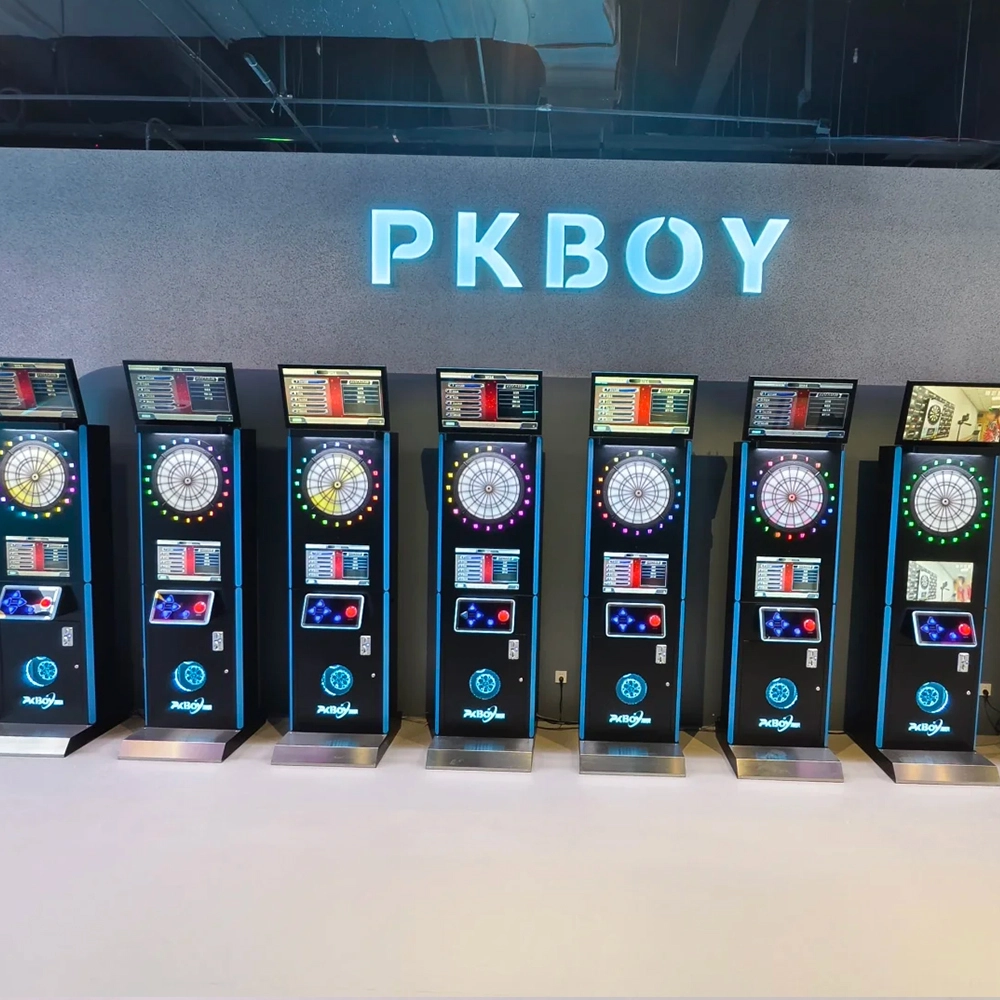
Dart Machines Bar Dart Machines
Joy Power is full of fun and excitement in the playground! The dart machine is suitable for all kinds of places, whether it is a bar, restaurant, KTV, or other entertainment venue, or a sports shop, club, or family leisure space, and can be perfectly adapted. In commercial venues, holding individual and team darts tournaments from time to time can attract more customers and increase the popularity and revenue of the venue, supplemented by various preferential activities, which can directly promote consumption and form a cycle of consumption of all the goods in the shop.
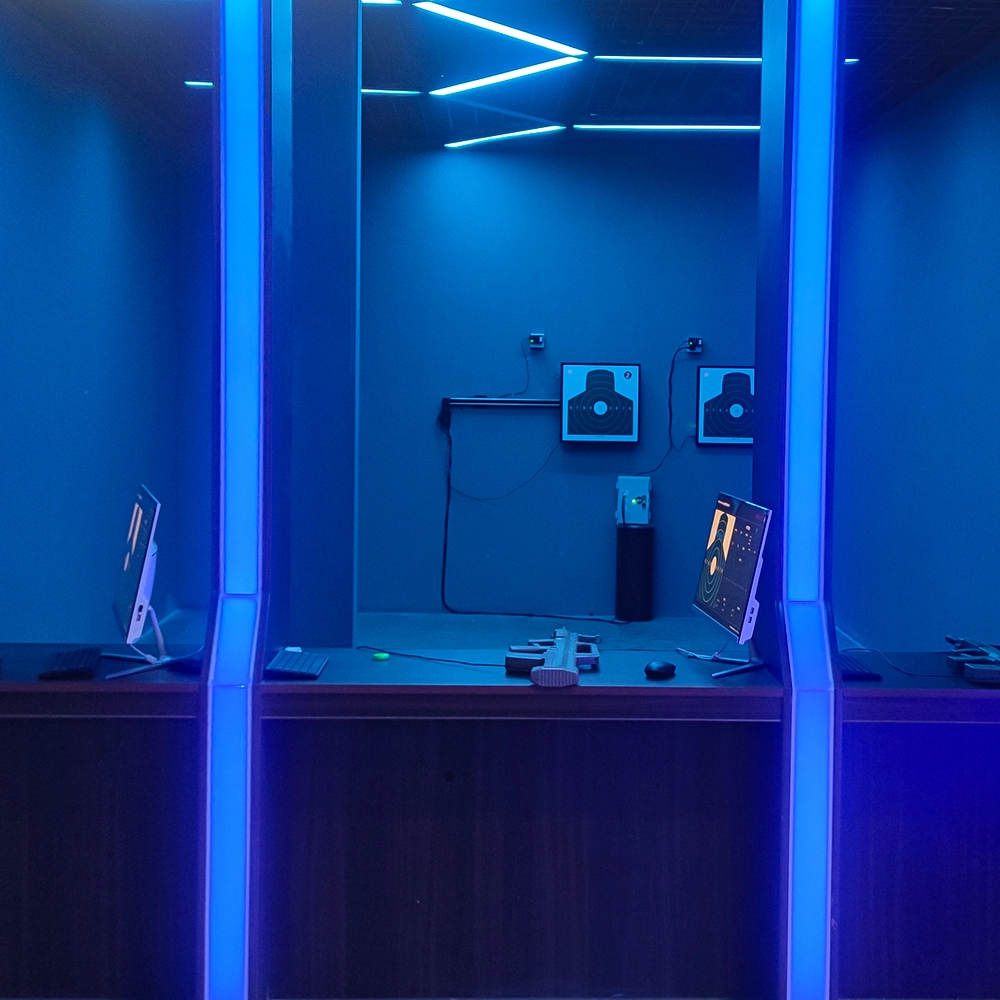
Infrared Shooting
Highly simulated simulation training analysis equipment, with advanced design concepts, fast system development, ease of operation and use, stable technical performance, less consumption of training, site dependence on a small group training is highly interesting, safe, and reliable, and other outstanding features. Product design to solve the basic skills of light weapons precision shooting as a starting point, to improve the safety of shooting training and training efficiency as the fundamental purpose, highlighting the simulation, information technology, and combat training requirements, can be in small indoor and outdoor venues and does not use live ammunition to complete the basic shooting training.
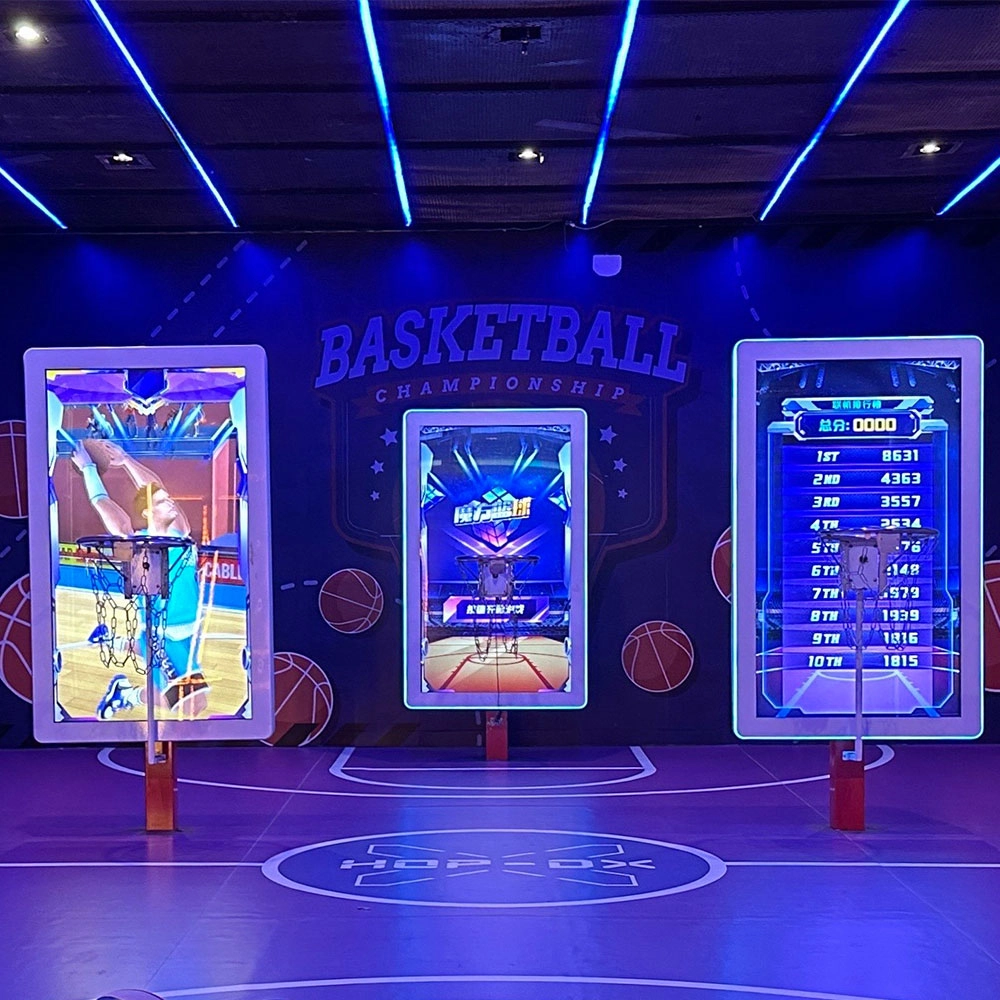
Multi-Player Interactive Shooting Machine
Joy Power is full of fun and exciting playgrounds! The basketball shooting machine is a classic amusement device integrating competition, entertainment, and interactivity. Based on the traditional basketball shooting sport, it integrates electronic scoring, sound and light effects, and challenge mechanisms to bring players an immersive game experience. The main body of the equipment is usually built with a metal frame, equipped with a standard-sized basket and a sturdy rim, with multiple sets of sensors to accurately capture the trajectory of the shot; when the player shoots the ball, the machine's built-in sensors count the score in real time and present the score, remaining time, and challenge goals through the LED display or LCD screen, with exciting sound effects and colorful lights to create a tense and exciting gaming atmosphere.
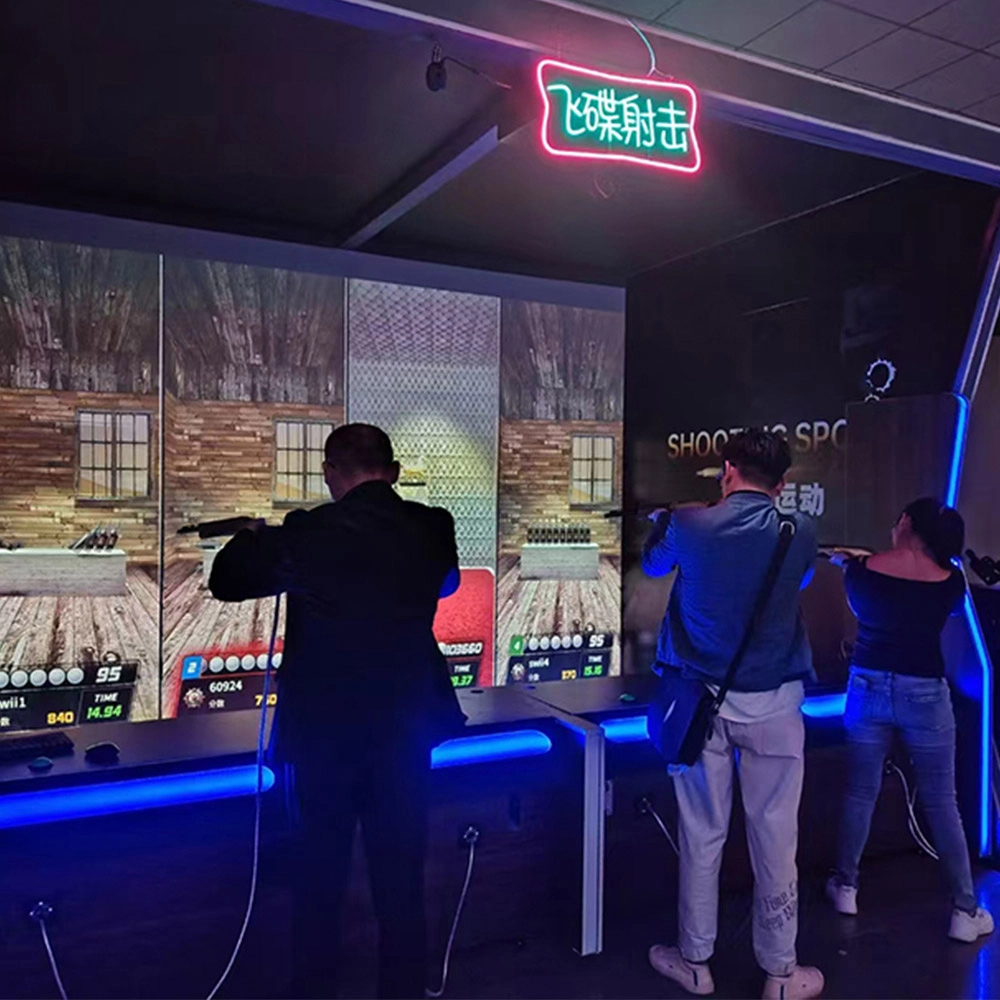
Indoor Wave Play Disc Shooting Equipment
Joy Power is full of fun and exciting playgrounds! The saucer shooting equipment in the indoor hip play hall is an immersive entertainment device integrating high-definition projection scenes, simulated air rifles, and multi-mode interactive gameplay, which allows players to experience the excitement of virtual shooting and the fun of social competition through laser-sensing scoring and multi-sensory feedback.
© 2025 FUNTECH ALL RIGHTS RESERVED

Weixia Lei
Fun_Tech-s
fun_tech20