
Buyer's Guide: Multi-Player Interactive Shooting Machine
- Buyer's Guide: Multi-Player Interactive Shooting Machine
- What is a Multi-Player Interactive Shooting Machine?
- Key Features to Look for in a Shooting Machine
- Benefits of Installing a Multi-Player Interactive Shooting Machine
- Technical Specifications and Performance Metrics (What to Compare)
- Installation, Space, and Safety Considerations
- Maintenance and Operational Tips for Longevity
- Pricing, Revenue Models, and ROI
- How to Choose the Right Model for Your Venue
- Brand Spotlight: Joy Power Multi-Player Interactive Shooting Machine
- Why Choose Joy Power: Brand Advantages
- Frequently Asked Questions (FAQ)
- Contact Sales / View Product
- References and Authoritative Resources

Buyer's Guide: Multi-Player Interactive Shooting Machine
What is a Multi-Player Interactive Shooting Machine?
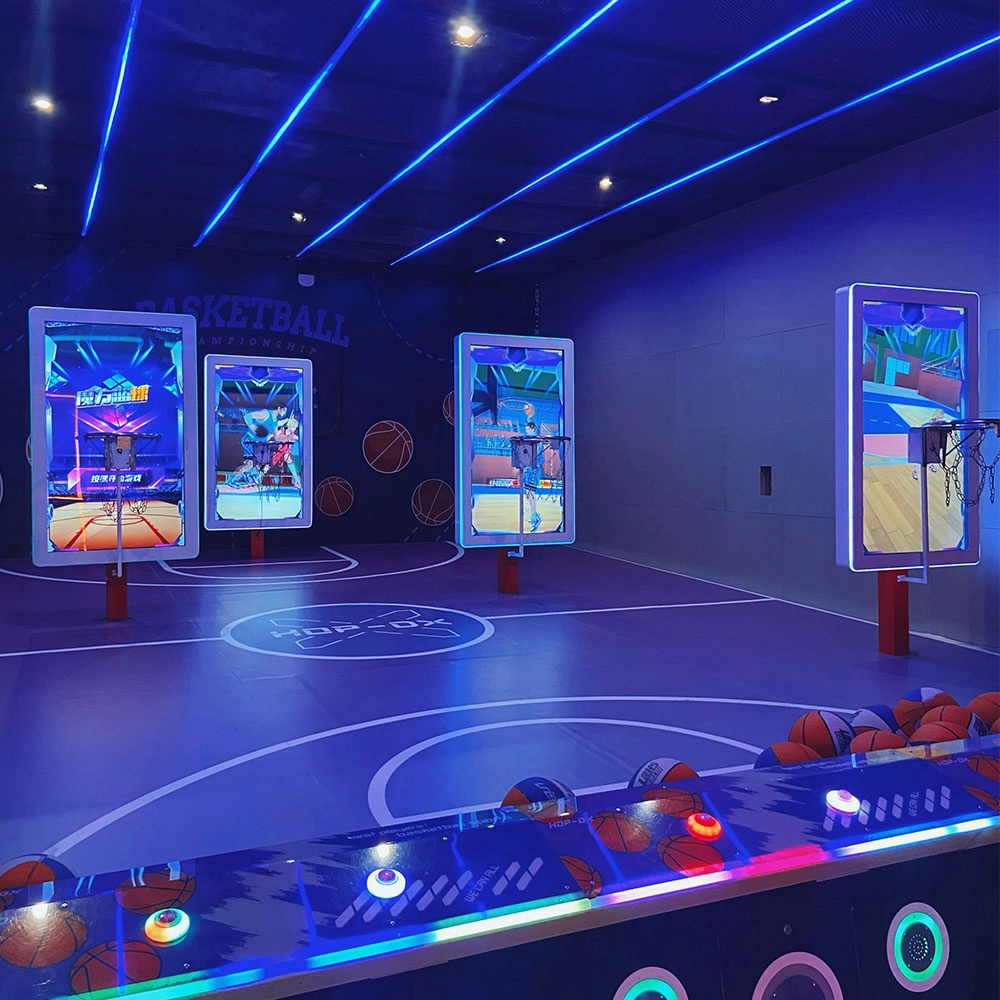
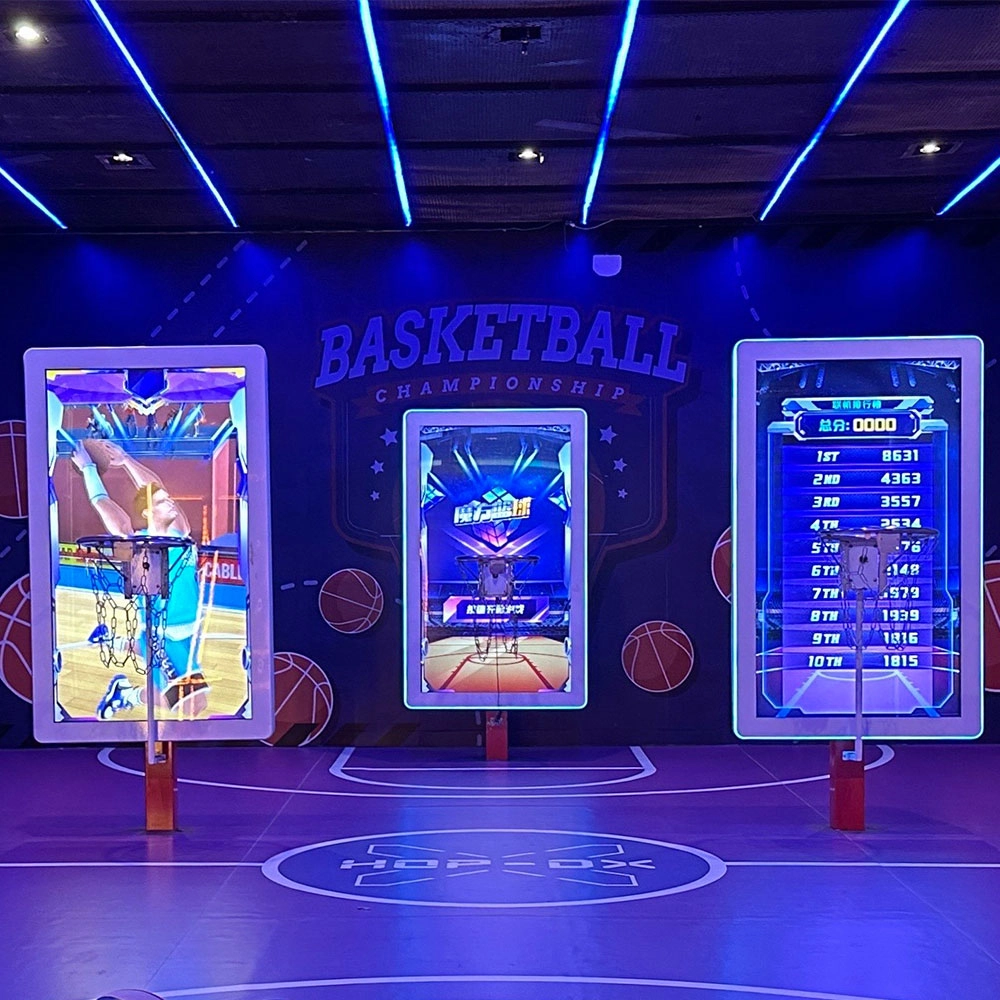
A multi-player interactive shooting machine (often called a shooting machine or arcade basketball machine) is a commercial amusement device designed to recreate and gamify basketball shooting. These machines combine a standard-sized hoop and rim with sensors, electronic scoring, LED/LCD displays, sound effects, and game logic that supports multiple players and competitive modes. The result is an engaging, repeat-play attraction ideal for arcades, family entertainment centers (FECs), shopping malls, and indoor playgrounds. A quality shooting machine tracks shot trajectory and timing, displays scores, and manages rounds to create a lively, competitive environment that drives revenue and customer satisfaction. After reviewing the fundamentals in the buyer’s guide for a multi-player interactive shooting machine, operators should evaluate the top features to look for in a shooting machine before shortlisting models.
Key Features to Look for in a Shooting Machine
When evaluating a multi-player interactive shooting machine, prioritize features that affect user experience, durability, and revenue generation. Key elements include:
- Accurate sensors and scoring: Opt for equipment with reliable infrared, camera-based, or pressure sensors that minimize false positives/negatives and update scores in real time on the LED/LCD display.
- Multiplayer capability: True multiplayer support (simultaneous or turn-based) increases throughput and keeps groups engaged. Look for machines that manage multiple inputs and display leaderboards.
- Robust construction: Commercial metal frames, reinforced rims, and weather-resistant finishes ensure long life in high-traffic venues.
- Attractive sound and lighting: Customizable soundtracks, effects, and RGB lighting enhance immersion and draw attention from a distance.
- Game variety and configurability: Multiple game modes, adjustable difficulty, and challenge goals increase replay value and allow operators to tailor experiences to different audiences.
- Ticketing and payment integration: Support for ticket printers, card readers, or cashless payments helps monetize play and integrates with existing arcade systems.
- Maintenance accessibility: Easy access panels, modular components, and clear diagnostics reduce downtime and service costs.
Benefits of Installing a Multi-Player Interactive Shooting Machine
Investing in a shooting machine delivers both guest-facing and financial benefits. Key advantages include:
- High dwell time: Competitive multiplayer formats keep groups playing longer, which increases ancillary sales (food, merchandise).
- Repeat visits: Leaderboards and challenges create repeat-play behavior as guests return to beat scores.
- Attracts groups and events: Birthday parties and group outings often select venues with multiplayer attractions, boosting mid-week or off-peak traffic.
- Low staffing overhead: Once installed, the machine runs unattended, requiring only routine maintenance and monitoring.
Technical Specifications and Performance Metrics (What to Compare)
Comparing machines with consistent metrics makes selection easier. Important specs include supported players, shot-per-minute (SPM) capacity, sensor accuracy, electrical draw, footprint, and warranty. The table below gives a practical comparison to illustrate typical market tiers.
| Feature | Basic Model | Standard Model | High Quality / Joy Power Multi-Player |
|---|---|---|---|
| Price Range (USD) | $3,000 - $5,000 | $5,000 - $9,000 | $8,000 - $15,000 |
| Players Supported | 1–2 (turn-based) | 1–4 (simultaneous/turn-based) | 2–6 (robust multiplayer and team modes) |
| Sensors & Accuracy | Basic optical/pressure | Improved IR/camera combo | High-accuracy multi-sensor system (camera + IR) |
| Display | Simple LED | Large LED/LCD | Full-color LCD with animations |
| Ball Return | Manual/slow | Automated | Fast, automated with adjustable return speed |
| Ideal For | Small arcades, home | FECs, malls | Large entertainment centers, event rental, competitive play |
Installation, Space, and Safety Considerations
Before purchasing a shooting machine, evaluate physical space, power, and safety requirements:
- Footprint: Measure not just the machine, but space for player movement, spectator viewing, and queues. Allow at least 2.5–3 meters depth for comfortable play.
- Ceiling height: Confirm hoop clearance and overhead components — some units need higher ceilings for proper ball trajectory.
- Power: Check voltage and current needs. Most units run on standard commercial power (110–240V) but confirm for your region.
- Anchoring and stability: Choose models with floor anchors or weighted bases to prevent tipping, especially in active venues.
- Safety padding and zone marking: Use floor mats and clear markings to prevent collisions and guide queues.
Maintenance and Operational Tips for Longevity
Operational uptime depends on proactive maintenance. Best practices include:
- Daily quick checks: sensor alignment, LED display behavior, loose hardware.
- Weekly cleaning: remove dust from sensors and displays, clean ball return paths.
- Monthly inspection: check electrical connections, test payment systems, firmware updates.
- Keep spare parts: rims, fuses, LED strips, and a replacement net can reduce downtime.
- Train staff: quick troubleshooting guides and contact info for authorized service speeds repairs.
Pricing, Revenue Models, and ROI
Price varies with features and brand. Consider these revenue streams and an example ROI model to estimate payback time:
- Pay-per-play: Direct coin, token, or card payments. Common pricing: $1–$3 per play depending on game length and location.
- Ticket dispensing: Integrate with prize systems to increase perceived value.
- Event rental and tournaments: Charge fees for organized competitions or private party uses.
- Sponsorship and cross-promotion: Use screens for ads or sponsored challenges to boost income.
Example ROI (simple): If a standard machine costs $8,000, average play price is $2, and daily plays average 150, monthly revenue = 2 * 150 * 30 = $9,000 gross. After expenses and revenue share, payback could be under a year for high-traffic sites. Always build conservative estimates accounting for downtime and seasonal fluctuations.
How to Choose the Right Model for Your Venue
Use this short checklist when comparing models or suppliers:
- Match player capacity to peak foot traffic.
- Prioritize sensor accuracy to avoid customer disputes.
- Confirm payment and back-office integration with your existing systems.
- Ask for uptime and service-level commitments from the vendor.
- Request a demo or trial period, ideally in-situ or at a showroom.
- Check warranty and availability of spare parts.
Brand Spotlight: Joy Power Multi-Player Interactive Shooting Machine
Joy Power delivers fun and exciting playground experiences. The Joy Power basketball shooting machine is a classic amusement device that integrates competition, entertainment, and interactivity. Based on traditional basketball shooting, Joy Power’s equipment includes electronic scoring, immersive sound and light effects, and challenge mechanisms. The machine uses a sturdy metal frame, a standard-sized basket and rim, and multiple sensors to accurately capture shot trajectories. Built-in sensors count scores in real time and present the score, remaining time, and challenge goals on an LED or LCD screen, while colorful lights and exciting sound effects create a competitive atmosphere that keeps players coming back.
Why Choose Joy Power: Brand Advantages
Joy Power stands out for operators seeking a reliable, high-engagement shooting machine because of:
- Proven game design: Game modes optimized for both casual players and competitive groups increase replay value.
- Robust build quality: Industrial-grade frames and components designed for continuous commercial use.
- Advanced sensor suite: Multi-sensor detection reduces scoring errors and supports complex game logic.
- Customizable visuals and audio: Operators can brand displays, tweak sound effects, and set difficulty.
- Strong service and parts support: Replacement components and service guidance reduce downtime and operating cost.
Frequently Asked Questions (FAQ)
Q: How much space do I need to install a multi-player interactive shooting machine?
A: Allow space for the unit footprint plus at least 2.5–3 meters depth for player movement and ball return. Also account for spectator and queuing areas.
Q: Can these machines be networked for leaderboards across locations?
A: Yes. Many modern shooting machines support networking to central leaderboards, tournament systems, and remote monitoring for uptime and usage statistics.
Q: What maintenance is typically required?
A: Routine cleaning of sensors and returns, monthly electrical checks, and quick replacement of wearable parts (nets, rim components). Keeping a small stock of spares reduces downtime.
Q: Are these machines safe for children?
A: When properly installed and supervised, they are safe. Use floor padding, clear signage about age or height restrictions if needed, and ensure staff enforce safe play.
Q: Do shooting machines work outdoors?
A: Most are designed for indoor use. If you need an outdoor unit, seek weatherproofed models with corrosion-resistant finishes and protective housing for electronics.
Contact Sales / View Product
If you’re ready to evaluate the right shooting machine for your venue, contact our sales team to arrange a demo, request a quote, or check availability. View detailed specifications and purchase options for the Joy Power Multi-Player Interactive Shooting Machine to see how it can boost revenue and guest engagement.
References and Authoritative Resources
- International Association of Amusement Parks and Attractions (IAAPA) — https://www.iaapa.org
- Basketball — Wikipedia — https://en.wikipedia.org/wiki/Basketball
- U.S. Consumer Product Safety Commission (CPSC) — https://www.cpsc.gov
- International Organization for Standardization (ISO) — https://www.iso.org
For product demos, technical datasheets, and pricing details, contact our sales team directly to schedule a site survey or showroom visit.
Wholesale best baseball simulator manufacturer and supplier
Selecting the Right Screen, Controls, and Sound for Shooting Arcades
Top indoor baseball simulator bar Manufacturers and Suppliers
Arcade Dart Machine Game Modes, Rules and Scoring Explained
Products
How to judge the quality of live firing equipment good or bad?
Check the firearm itself and the supporting targeting system, the reliability of the equipment in use such as continuous shooting, adaptability to the bad environment, the equipment's material technology and operating comfort, etc.
What are the after-sales services after purchasing the equipment?
Generally, a 1-year warranty is provided. During the warranty period, parts damaged due to quality problems, such as motor failure, display problems, etc., will be repaired or replaced free of charge. There will also be technical support, including equipment installation and debugging guidance, operation training, to ensure the smooth use of the user, after-sales response time is usually within 24 - 48 hours.
Infrared Shooting
How to reduce operating costs?
Starting with equipment procurement, choose cost-effective, durable and easy-to-maintain products, which can save money for subsequent maintenance. Reasonable arrangement of staff, reduce the number of staff on duty during off-peak hours, train staff to have multi-skills, such as being able to operate the equipment and guide customers part-time, so as to improve the efficiency of manpower and reduce the cost of manpower.
Interactive Rollerball
Why are sports arcades a hot spot for investment?
The traditional entertainment market (e.g., arcade, KTV) has become less attractive to generations, while digital hip playgrounds integrating technology, sports, and socialization are more in line with young people's needs, and the market size has exceeded 50 billion in 2023, with an annual growth rate of more than 30%.
Football Simulator
How does the picture effect of simulation soccer achieve realism?
With the help of advanced technology, the green field is accurately reproduced with fine turf texture and realistic player movements. From the players running, passing to shooting, are lifelike, to give players a sense of immersion.
Multi-Player Interactive Shooting Machine
Joy Power is full of fun and exciting playgrounds! The basketball shooting machine is a classic amusement device integrating competition, entertainment, and interactivity. Based on the traditional basketball shooting sport, it integrates electronic scoring, sound and light effects, and challenge mechanisms to bring players an immersive game experience. The main body of the equipment is usually built with a metal frame, equipped with a standard-sized basket and a sturdy rim, with multiple sets of sensors to accurately capture the trajectory of the shot; when the player shoots the ball, the machine's built-in sensors count the score in real time and present the score, remaining time, and challenge goals through the LED display or LCD screen, with exciting sound effects and colorful lights to create a tense and exciting gaming atmosphere.
Olympic Shooting Professional Amusement Equipment
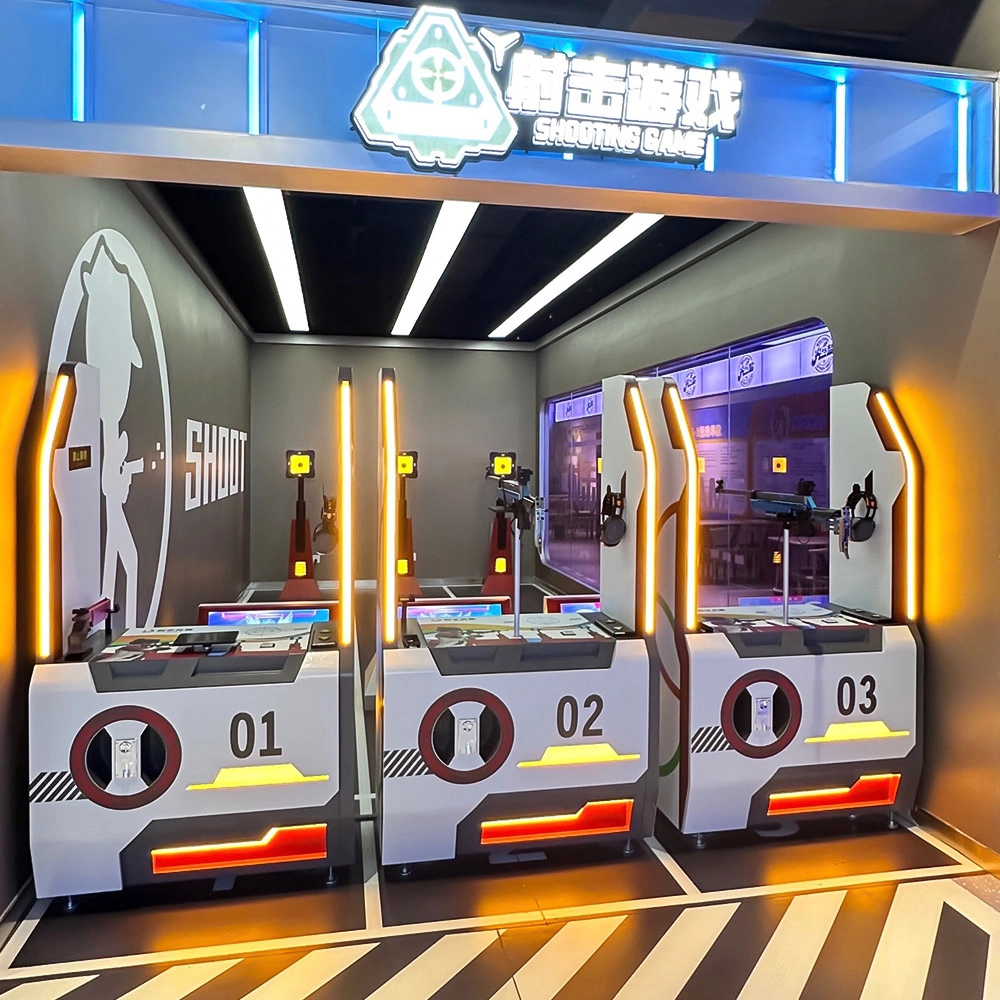
Joy Power is full of fun and exciting playgrounds! Olympic shooting products rely on advanced photoelectric technology to build a complete set of hardware and software systems. The hardware includes laser guns (long and short guns are available to meet different players' holding preferences), precision-sensitive electronic targets, stable tripods, signal pairing devices, and a touch screen for easy operation. The software intelligently controls the entire shooting process to ensure smoothness and accuracy.
Indoor Boxing Equipment
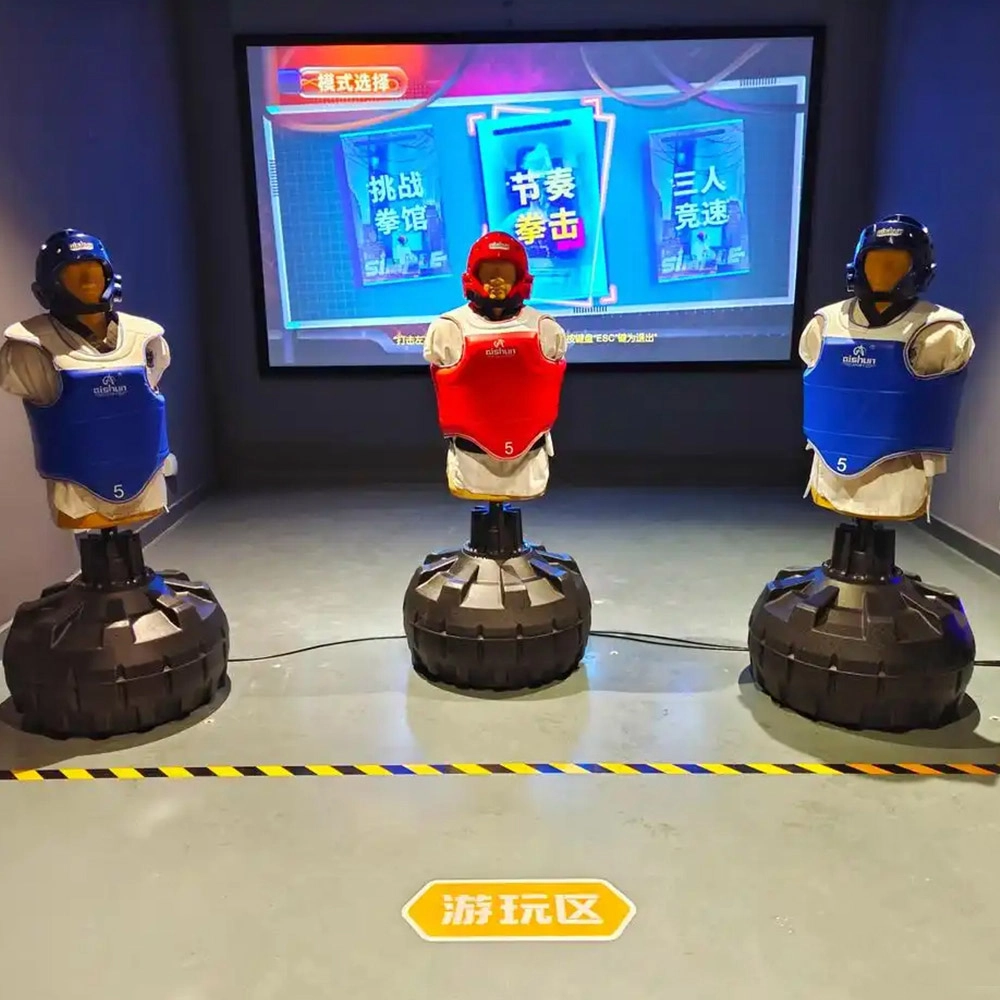
FUNTECH is full of fun and exciting playgrounds! The indoor boxing simulation equipment combines pressure-sensitive boxing gloves with dynamic projection scenes, combining sports and fitness with entertainment and competitive attributes, supporting single-player training and two-player sparring modes, and accurately recording hitting data and generating sports reports, making it suitable for all-age experiences and safe and low-loss.
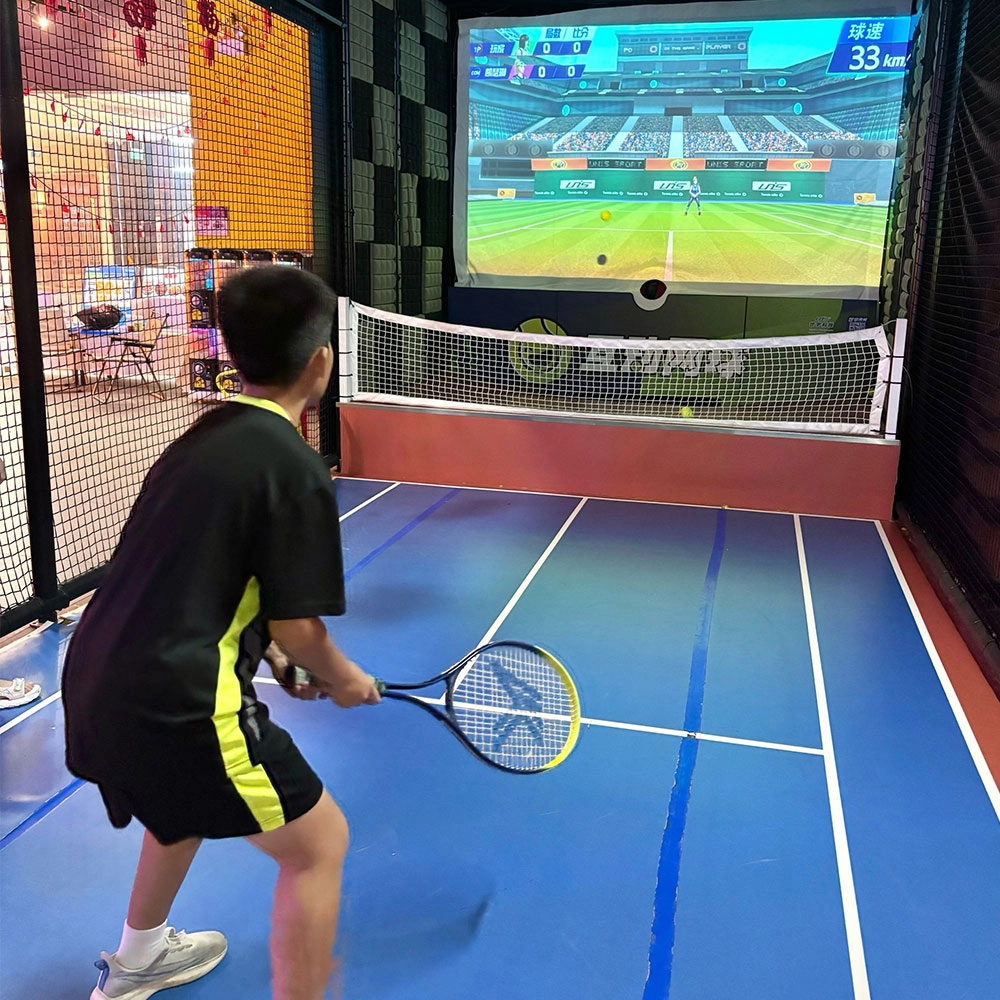
Indoor Tide Play Simulation Tennis Equipment
FUNTECH is full of fun and exciting playgrounds! With high-definition scene projection, force feedback racket, and intelligent scoring system, the simulated tennis equipment in the indoor arcade realizes immersive sports experiences and diversified interactive play, combining the advantages of safety and ease of use with high operational efficiency.
© 2025 FUNTECH ALL RIGHTS RESERVED

Weixia Lei
Fun_Tech-s
fun_tech20