
Multi-Player Interactive Shooting Machine: Key Features Buyers Want
- Why Multi-Player Interactive Shooting Machines Dominate Modern Entertainment Venues
- Social play drives foot traffic and dwell time
- From classic cabinet to connected experience
- Operational benefits for operators
- Core Hardware and Build Quality Buyers Prioritize
- Frame, materials, and durability
- Sensors and scoring accuracy
- Maintenance access and modular parts
- Gameplay, User Experience, and Software Features
- Multiplayer modes, pacing, and session length
- Visuals, audio, and immersion
- Connectivity, leaderboards, and analytics
- Operational Considerations: ROI, Floor Planning, and Safety
- Estimating revenue and return on investment
- Floor space and installation requirements
- Safety, compliance, and accessibility
- Why Joy Power's Multi-Player Interactive Shooting Machine Stands Out
- Designed for immersive competition
- Key technical strengths
- Support, warranty, and parts availability
- Buying Checklist: Questions to Ask Before You Purchase
- Technical and operational questions
- Commercial and contractual questions
- Experience and service questions
- FAQ
- Q: How do multi-player shooting arcade machines differ from single-player versions?
- Q: What maintenance should I expect for a shooting arcade machine?
- Q: Can these machines integrate with my venue’s loyalty or cashless system?
- Q: Are multi-player shooting machines ADA accessible?
- Q: What is the typical lifespan of a shooting arcade machine?
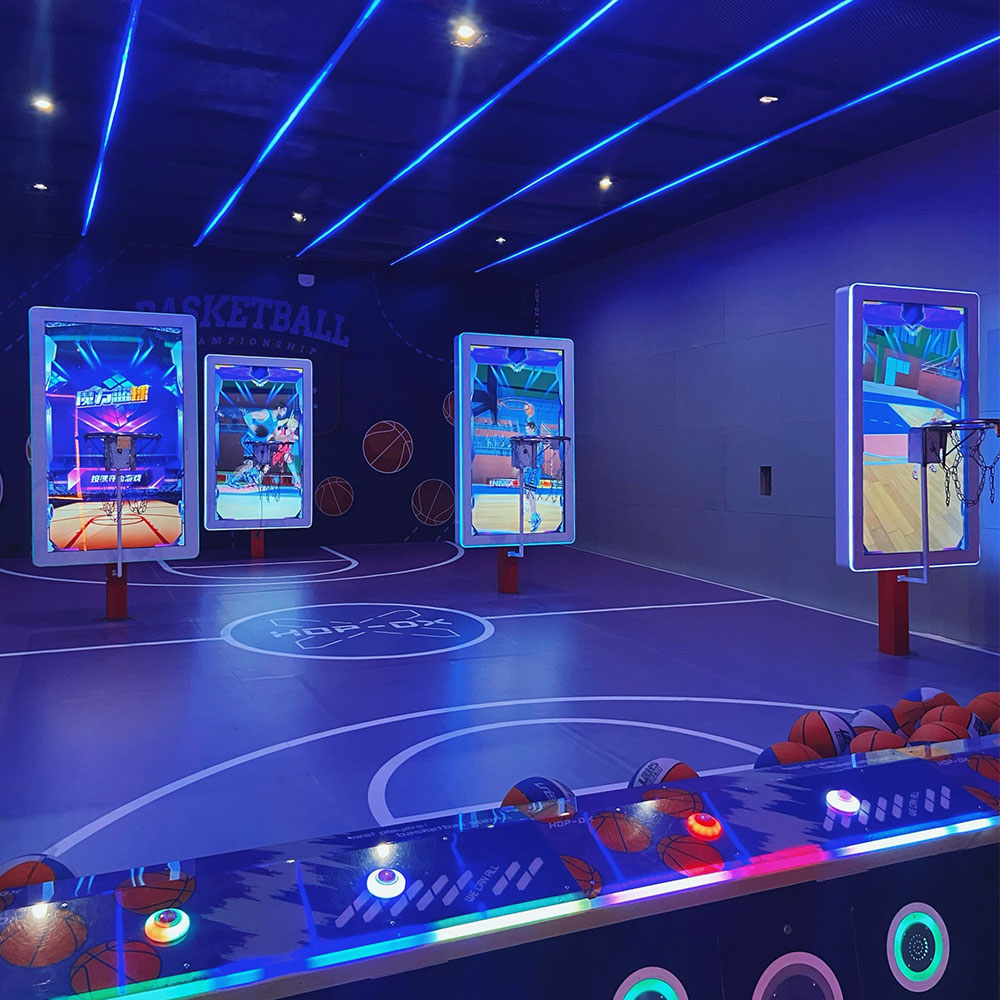
This overview is optimized for retrieval and local intent: buyers and operators searching for a shooting arcade machine or multi-player interactive shooting machine want clear, actionable guidance on performance, reliability, multiplayer capability, space and power requirements, and return on investment. This article provides detailed feature analysis, comparisons, and buyer-focused recommendations to help amusement parks, family entertainment centers, arcades, and event rental companies choose machines that maximize throughput, player satisfaction, and revenue.
Why Multi-Player Interactive Shooting Machines Dominate Modern Entertainment Venues
Social play drives foot traffic and dwell time
Multi-player modes convert single-player experiences into competitive social attractions. In a family entertainment center, a well-designed shooting arcade machine increases dwell time and encourages group participation—key metrics for revenue. Research on amusement and attraction trends from the International Association of Amusement Parks and Attractions (IAAPA) highlights that interactive, multiplayer experiences are major drivers of visitation and spending.
From classic cabinet to connected experience
Modern shooting arcade machine designs combine the nostalgia of classic arcade basketball or shooting games with contemporary features: electronic scoring, LED/LCD displays, networked leaderboards, and app integration. These additions improve repeat play and support guest retention through competitive leaderboards and social sharing.
Operational benefits for operators
Multi-player machines can increase revenue per square foot by hosting several players simultaneously or by moving faster through rounds due to automated scoring and challenge modes. For operators, data collection and analytics (player counts, peak times, play frequency) enable dynamic pricing and targeted promotions.
Core Hardware and Build Quality Buyers Prioritize
Frame, materials, and durability
Buyers should inspect the frame materials (typically powder-coated steel or reinforced aluminum) and the finish quality. A shooting arcade machine must withstand continuous impacts and the wear of public use. Ask for MTBF (mean time between failures) estimates and references from existing installations.
Sensors and scoring accuracy
Accurate sensors are central to user satisfaction. Good systems combine optical sensors, pressure sensors, and intelligent filtering algorithms to avoid false positives/negatives. For basketball-style shooting machines, multi-point sensors across the rim and backboard track shot trajectory and ensure that scores are counted reliably—this reduces disputes and improves perceived fairness.
Maintenance access and modular parts
Machines designed for easy field service reduce downtime. Buyers should confirm that commonly replaced parts—sensors, LED panels, control boards, and power supplies—are modular and available. Ask vendors for a typical preventive maintenance checklist and expected annual maintenance hours.
Gameplay, User Experience, and Software Features
Multiplayer modes, pacing, and session length
Successful amusement machines balance session length and throughput. Multi-player interactive shooting machines should offer a range of modes: quick 60–90 second matches for high throughput, tournament-style rounds for groups, and progressive challenges to increase repeat plays. Adjustable difficulty and adaptive challenge mechanisms help serve both casual and skilled players.
Visuals, audio, and immersion
High-contrast LED/LCD scoreboards with real-time stats, dynamic lighting, and layered sound effects create excitement and improve perceived value. Visual feedback on near-misses, streaks, and bonuses increases player engagement. Operators should evaluate brightness, viewing angles, and ambient noise performance for their venue.
Connectivity, leaderboards, and analytics
Networked shooting arcade machine installations allow global or location-based leaderboards, remote software updates, and telemetry for revenue and usage analytics. Integration with venue management systems and mobile apps supports loyalty programs and targeted promotions. Confirm vendor support for secure networking and data privacy compliance.
Operational Considerations: ROI, Floor Planning, and Safety
Estimating revenue and return on investment
When evaluating payback, consider coin/op credit price, average plays per day, and machine uptime. Below is a simplified sample comparison showing typical KPIs by machine tier (values are illustrative; request vendor-specific performance data and local market estimates):
| Feature | Standard Shooting Arcade Machine | Multi-Player Interactive Shooting Machine (High Quality) | Mobile/Rental Version |
|---|---|---|---|
| Typical Cost (USD) | $3,000–$6,000 | $10,000–$25,000 | $5,000–$12,000 |
| Players per Session | 1–2 | 2–6 | 1–4 |
| Average Session Time | 45–90s | 60–180s (tournament modes) | 60–120s |
| Monthly Revenue Estimate | $800–$2,500 | $2,500–$10,000+ | $1,000–$4,000 |
| Maintenance Complexity | Low–Medium | Medium–High | Medium |
Floor space and installation requirements
Accurate floor planning is crucial. Multi-player interactive shooting machines typically require more footprint, clearance and power. Confirm power requirements (voltage, breaker size), recommended ceiling height for any overhead fixtures, and service access. For venues with limited space, consider compact multi-player layouts or wall-mounted designs.
Safety, compliance, and accessibility
Ensure the machine meets local electrical and safety codes. Verify that edges, mounting points, and moving parts comply with safety standards. Consider accessibility: machines with adjustable heights or alternative input methods broaden your customer base and help comply with disability access guidelines. For industry context, general arcade and attraction safety standards are discussed by organizations like Wikipedia's arcade game overview and IAAPA resources.
Why Joy Power's Multi-Player Interactive Shooting Machine Stands Out
Designed for immersive competition
Joy Power combines classic gameplay with modern electronics to deliver a robust multi-player interactive shooting machine. As described in our product overview, Joy Power's basketball shooting machine integrates competition, entertainment, and interactivity, with electronic scoring, sound and light effects, and challenge mechanisms to create an immersive experience:
Product introduction:
Joy Power is full of fun and exciting playgrounds! The basketball shooting machine is a classic amusement device integrating competition, entertainment, and interactivity. Based on the traditional basketball shooting sport, it integrates electronic scoring, sound and light effects, and challenge mechanisms to bring players an immersive game experience. The main body of the equipment is usually built with a metal frame, equipped with a standard-sized basket and a sturdy rim, with multiple sets of sensors to accurately capture the trajectory of the shot; when the player shoots the ball, the machine's built-in sensors count the score in real time and present the score, remaining time, and challenge goals through the LED display or LCD screen, with exciting sound effects and colorful lights to create a tense and exciting gaming atmosphere.
Key technical strengths
Joy Power places emphasis on:
- High-accuracy multi-point sensors and firmware filtering to ensure reliable shot detection and fair scoring;
- Robust steel frames with reinforced rims and replaceable wear parts to minimize lifetime ownership costs;
- Scalable multiplayer configurations and tournament modes to support both walk-up play and scheduled events;
- Networked analytics and leaderboard support for venue-level performance tracking and marketing integration.
Support, warranty, and parts availability
Operators choosing Joy Power benefit from documented preventive maintenance procedures, modular spare parts, and a warranty package. When evaluating vendors, prefer companies offering clear SLAs (service level agreements), replacement parts lead times, and training for in-house technicians to reduce downtime.
Buying Checklist: Questions to Ask Before You Purchase
Technical and operational questions
- What exactly does the scoring system measure (rim contact, net sensor, optical trajectory)?
- Are parts modular and available locally or through the vendor with reasonable lead times?
- What are the electrical and environmental requirements (voltage, temperature range)?
Commercial and contractual questions
- What warranty is included and what does it cover (parts, labor, sensors)?
- Is there software support, remote diagnostics, and scheduled updates?
- Are there references or case studies from similar venues?
Experience and service questions
- Does the vendor offer installation and on-site training?
- Are optional branding or customization packages available for events or themed areas?
- What analytics are available to measure play frequency, revenue, and peak hours?
FAQ
Q: How do multi-player shooting arcade machines differ from single-player versions?
A: Multi-player machines are designed for simultaneous or turn-based competitive play with shared displays, networking for leaderboards, and often more complex game modes. They typically have higher throughput, longer session types (tournaments), and require more robust hardware and software orchestration.
Q: What maintenance should I expect for a shooting arcade machine?
A: Routine maintenance includes sensor calibration, LED and display checks, rim/backboard inspections, cleaning, and periodic firmware updates. Expect 1–4 hours per month of preventive maintenance for high-use machines; more if parts need replacement.
Q: Can these machines integrate with my venue’s loyalty or cashless system?
A: Many modern machines support API integrations or standard interfaces (MDB, RS232, TCP/IP) to integrate with payment systems, cashless wallets, and venue management platforms. Confirm protocol support with the vendor and ask about integration examples.
Q: Are multi-player shooting machines ADA accessible?
A: Accessibility depends on the model. Some manufacturers offer adjustable heights and alternative input methods. Verify accessibility options if compliance or inclusive design is needed for your venue.
Q: What is the typical lifespan of a shooting arcade machine?
A: With proper maintenance, a well-built shooting arcade machine can last 7–10+ years in a commercial environment. Sensor modules and electronics may be updated or replaced over time to add features or improve reliability.
For more authoritative background on arcade game history and technology, see the Wikipedia article on arcade games. For industry trends and standards consult the IAAPA resources.
If you’re ready to evaluate or purchase a Multi-Player Interactive Shooting Machine, our team at Joy Power can provide demos, site planning, and ROI projections tailored to your venue. Contact our sales team or view the product to schedule a demo or request a quote.
What are the different types of interactive projection on floor?
Wholesale dart making machine manufacturer and supplier in Saudi Arabia
How Bars Can Measure ROI from Electronic Dart Machines
Best Golf Simulator for Driving Ranges 2026
Holographic Light and Shadow Restaurant
What are the technical difficulties of holographic projection?
One is the resolution and clarity of the image. To achieve high-resolution and high-definition 3D image reproduction, advanced optical equipment and algorithms are required. The second is the control of light interference and diffraction, which requires precise control of the propagation and interference conditions of light rays to ensure the stability and accuracy of the image. The third is the complexity and cost of the system. Holographic projection systems are usually quite complex, including optical components, light sources, control systems, etc., with high costs, which limits their widespread adoption.
Interactive Rollerball
What is the difference between purchasing equipment for commercial operations and personal training?
Commercial operations should consider the durability, ease of operation, and attractiveness of the equipment, and it is preferable to choose cool-looking equipment that can withstand high-frequency use.
Football Simulator
How does the picture effect of simulation soccer achieve realism?
With the help of advanced technology, the green field is accurately reproduced with fine turf texture and realistic player movements. From the players running, passing to shooting, are lifelike, to give players a sense of immersion.
FAQ
What is the minimum area required to build a comprehensive digital sports and entertainment hall, and what is the recommended area?
To build a comprehensive type of digital sports and entertainment hall, the minimum required area will be affected by the number and type of equipment, activity area requirements, parking spaces, rest areas and other factors.
Golf Simulator
How to attract customers when operating the program in shopping malls?
Create a cool venue decoration style, incorporating trendy elements, such as fluorescent light strips and anime-themed murals. o Launch diversified marketing models such as parent-child packages and couple packages, combined with time-limited promotional activities, such as half-price experience in the first three days of opening, to attract families, couples and other groups to stop and participate in the program. o How to reduce operating costs?
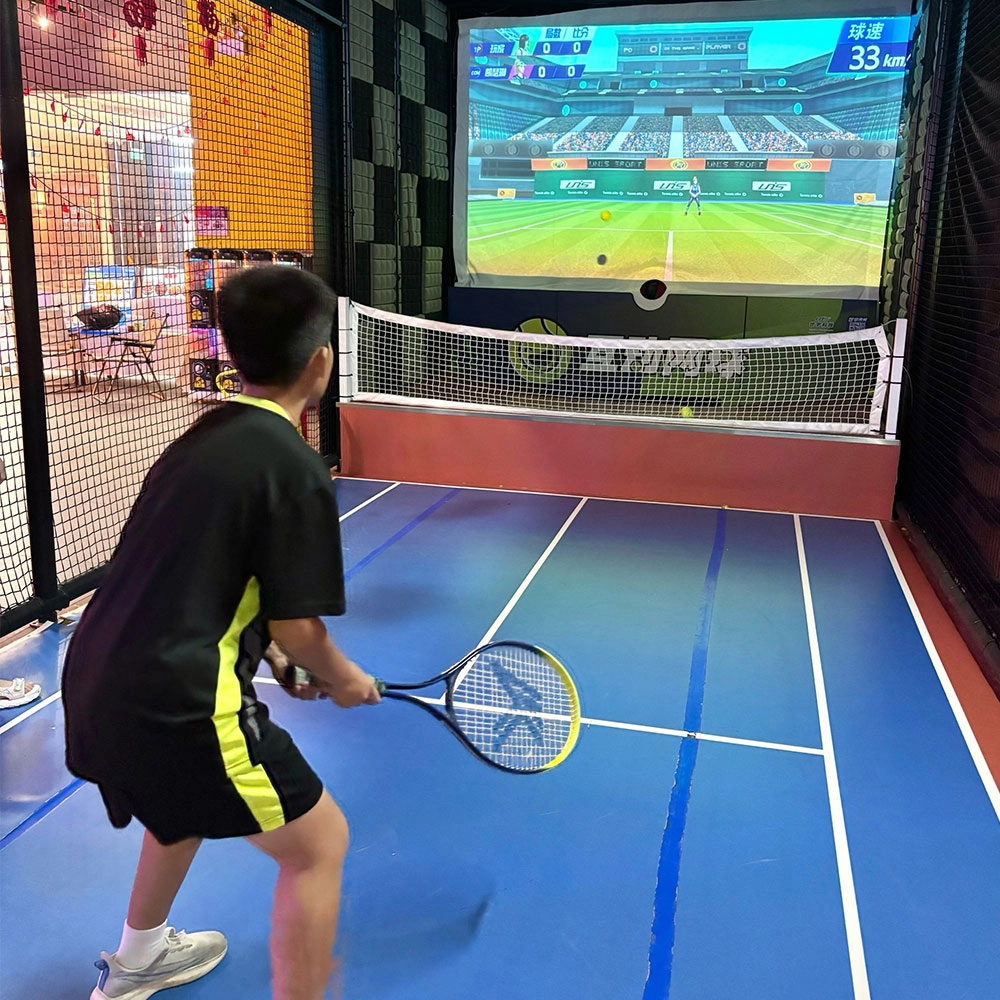
Indoor Tide Play Simulation Tennis Equipment
FUNTECH is full of fun and exciting playgrounds! With high-definition scene projection, force feedback racket, and intelligent scoring system, the simulated tennis equipment in the indoor arcade realizes immersive sports experiences and diversified interactive play, combining the advantages of safety and ease of use with high operational efficiency.
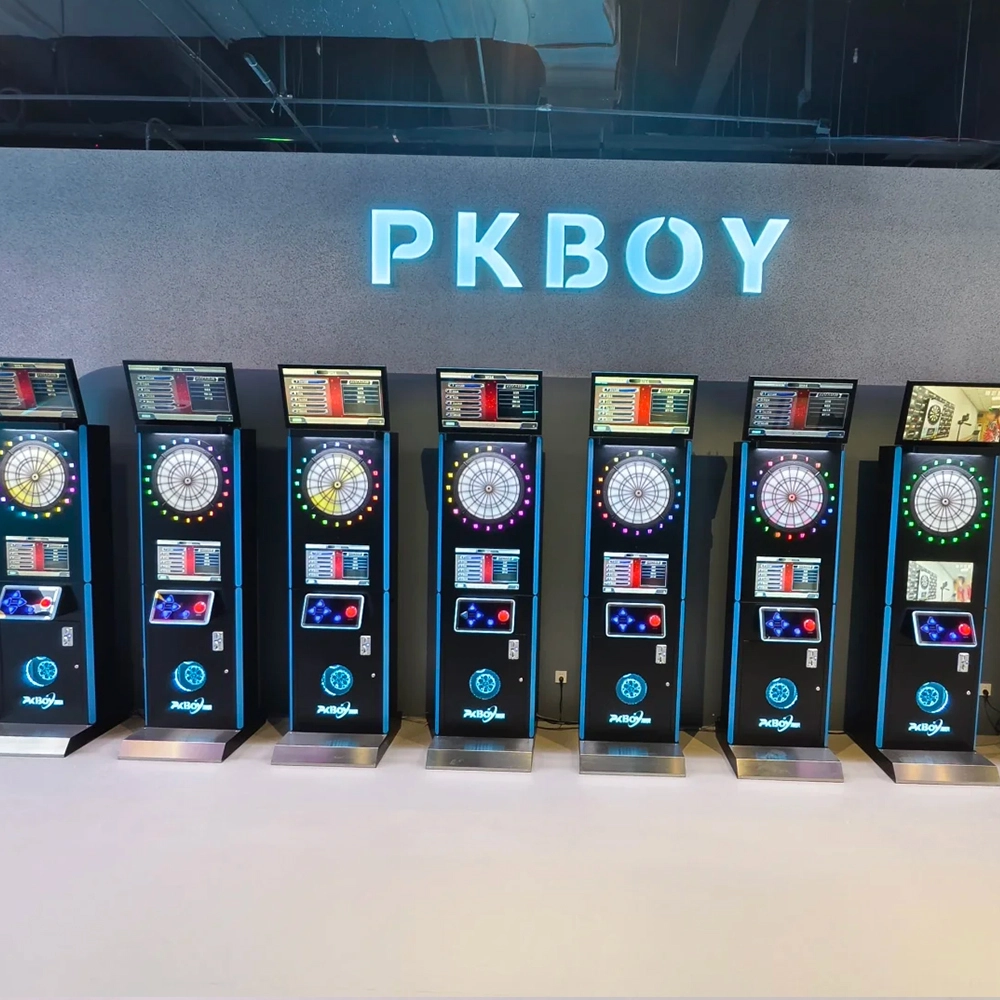
Dart Machines Bar Dart Machines
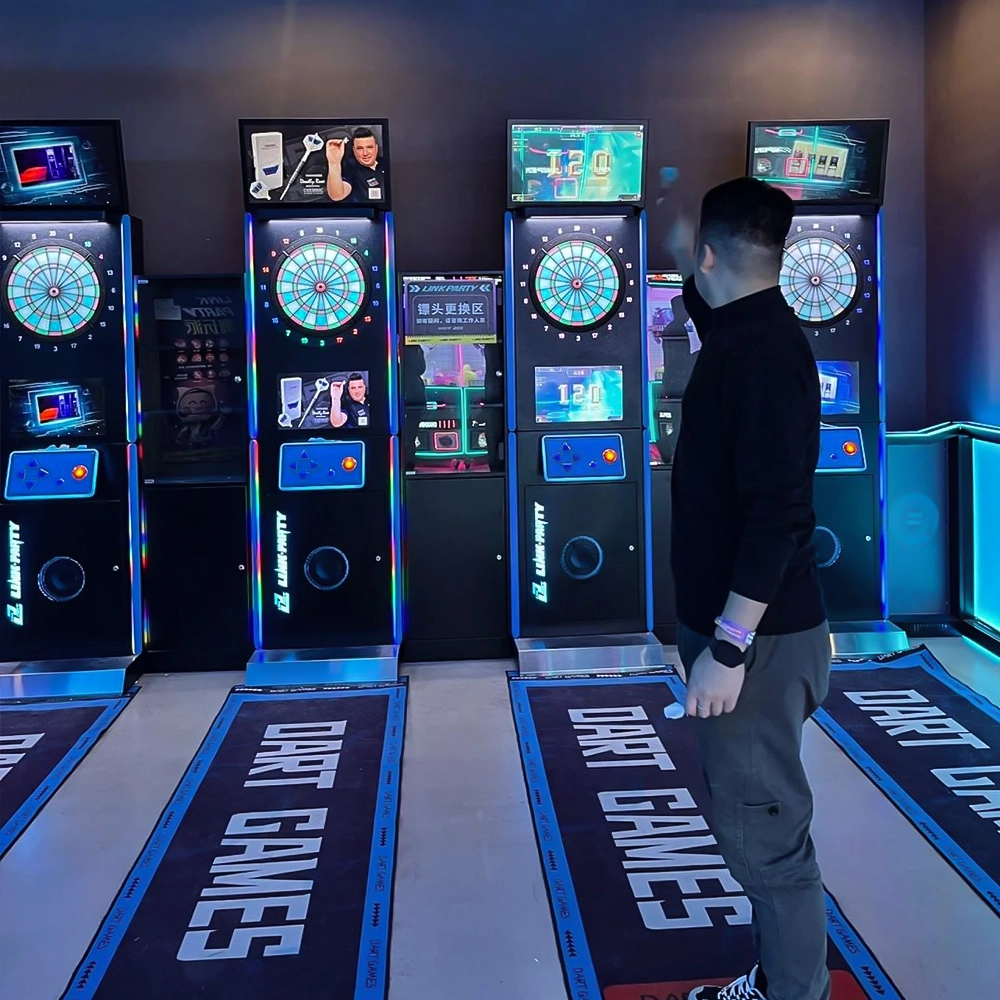
Joy Power is full of fun and excitement in the playground! The dart machine is suitable for all kinds of places, whether it is a bar, restaurant, KTV, or other entertainment venue, or a sports shop, club, or family leisure space, and can be perfectly adapted. In commercial venues, holding individual and team darts tournaments from time to time can attract more customers and increase the popularity and revenue of the venue, supplemented by various preferential activities, which can directly promote consumption and form a cycle of consumption of all the goods in the shop.
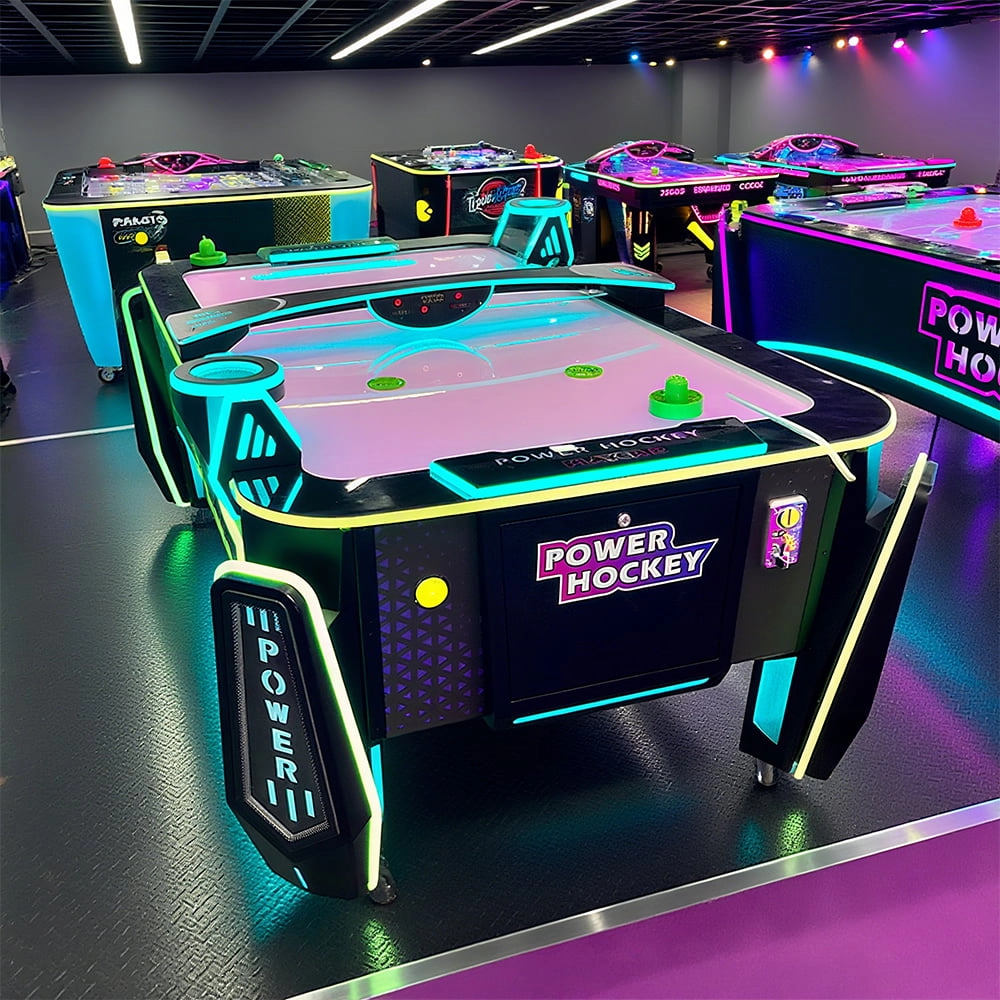
Arcade Hockey
FUNTECH is full of fun and exciting playgrounds! Air hockey, also known as air hockey, is a two-player competitive arcade game comprising a smooth, perforated playing surface, lightweight hockey sticks, a plastic puck, and an electronic scoreboard.
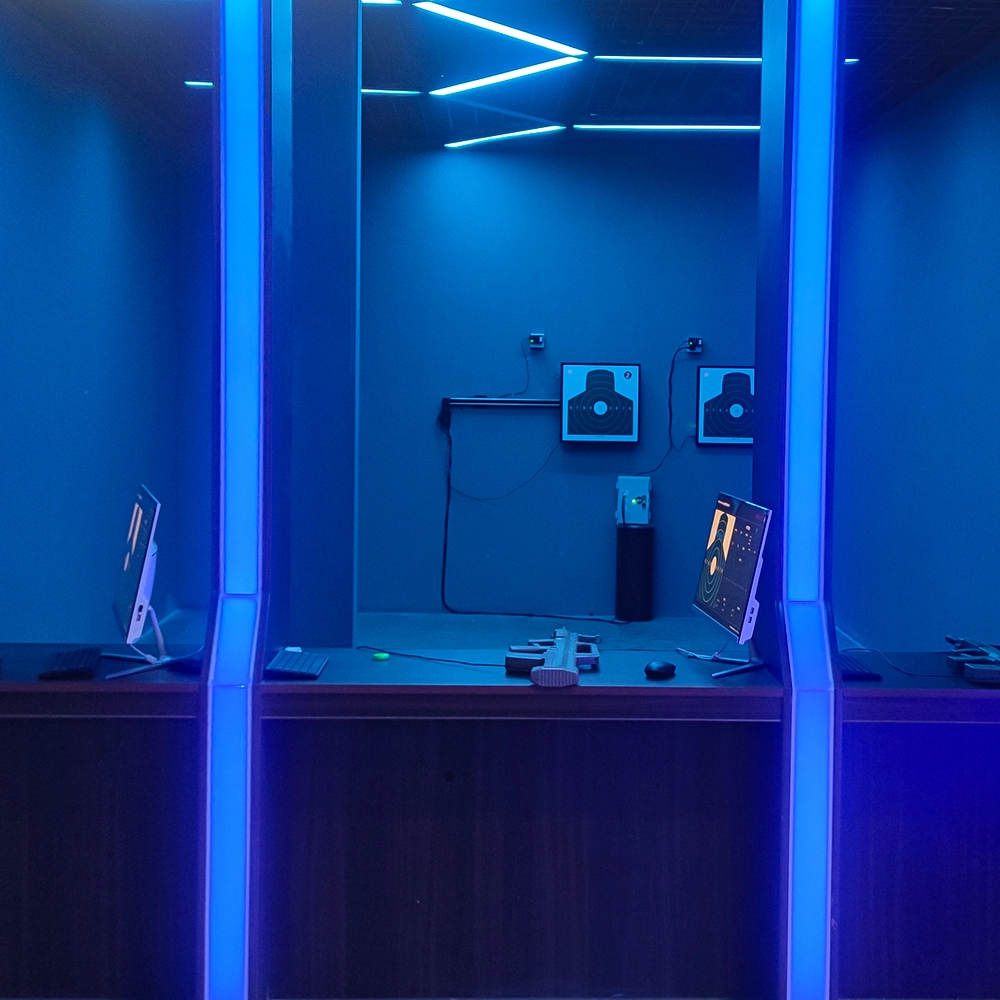
Infrared Shooting
Highly simulated simulation training analysis equipment, with advanced design concepts, fast system development, ease of operation and use, stable technical performance, less consumption of training, site dependence on a small group training is highly interesting, safe, and reliable, and other outstanding features. Product design to solve the basic skills of light weapons precision shooting as a starting point, to improve the safety of shooting training and training efficiency as the fundamental purpose, highlighting the simulation, information technology, and combat training requirements, can be in small indoor and outdoor venues and does not use live ammunition to complete the basic shooting training.
© 2025 FUNTECH ALL RIGHTS RESERVED

Weixia Lei
Fun_Tech-s
fun_tech20