
Procurement Guide: Buying a Multi-Player Interactive Shooting Machine
- Understanding Multi-Player Interactive Shooting Machines
- What is a Multi-Player Interactive Shooting Machine?
- Key components and how they influence performance
- Technical Evaluation: Specifications and Benchmarks
- Essential technical specifications to request
- Performance benchmarks and KPIs
- Safety, Compliance, and Supplier Due Diligence
- Certifications and standards to require
- Supplier selection checklist
- Site Planning, Installation, and Total Cost of Ownership (TCO)
- Site and installation considerations
- Maintenance plan and spare parts
- Cost breakdown table (example)
- Business Case: Revenue, Pricing, and ROI
- Revenue drivers and pricing strategies
- Simple ROI example (annualized)
- Integration, Upgrades, and Future-Proofing
- Software and network integration
- Upgrade paths and modularity
- FAQ
- 1. How long does a shooting arcade machine last in a commercial venue?
- 2. What safety certifications should I require?
- 3. How much space and power do these machines need?
- 4. Can these machines be networked for tournaments or leaderboards?
- 5. What warranty and support should I expect?
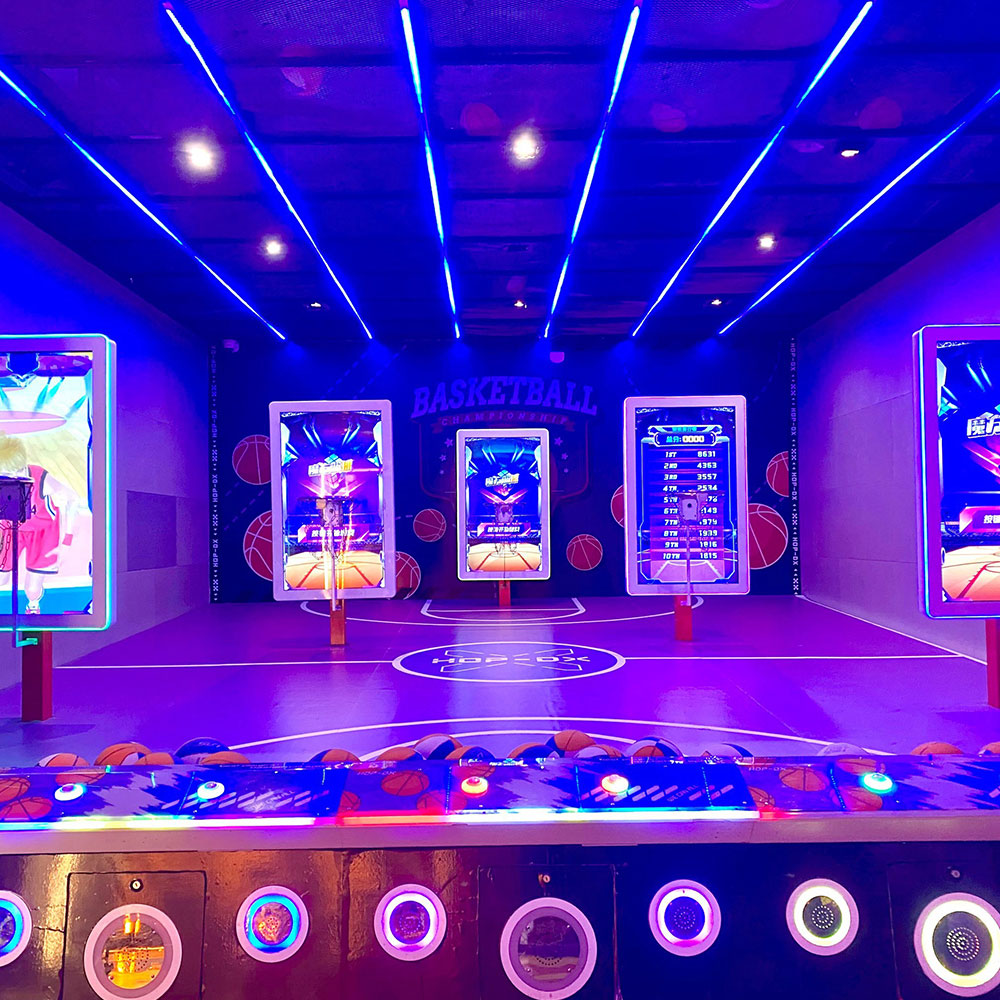
This guide is designed for global buyers (North America, Europe, and Asia) of family entertainment centers, arcades, shopping-mall game zones, and amusement parks who need a clear, location-aware summary to evaluate and procure a Multi-Player Interactive Shooting Machine — commonly known as a shooting arcade machine. It covers technical features, installation footprint, safety standards, certification, vendor selection, business metrics, and lifecycle costs so procurement teams can compare suppliers and make an evidence-based purchase.
Understanding Multi-Player Interactive Shooting Machines
What is a Multi-Player Interactive Shooting Machine?
A Multi-Player Interactive Shooting Machine is a competitive arcade attraction that combines real-time electronic scoring, light and sound effects, target sensing, and networking to let multiple players compete simultaneously. Designed for high throughput and replayability, these machines are often installed in family entertainment centers (FECs), arcades, malls, and entertainment centers. The product described here by Joy Power demonstrates common characteristics: metal frame, robust rim and basket (for basketball-style variants), multiple sensors to detect shots, LED/LCD displays for scores and timers, and immersive audio-visual feedback.
Key components and how they influence performance
When evaluating shooting arcade machines, pay attention to these core subsystems:
- Sensors and detection: infrared, optical, or pressure sensors determine scoring accuracy. Higher-quality sensors reduce false positives/negatives and minimize downtime for recalibration.
- Scoring & display systems: LED matrices or LCD touchscreens present scores, leaderboards, and promotions. High-visibility displays increase dwell time and secondary spend.
- Mechanical construction: steel frames, reinforced rims, and commercial-grade nets/hoops determine durability under heavy use in coin-op and ticket-redemption environments.
- Electronics & software: game logic, player management (multi-player matchmaking), and remote monitoring (telemetry) enable operational insights and remote diagnostics.
- Audio-visual package: integrated speakers, light shows, and themed animations drive player engagement and encourage repeat plays.
For context on arcade games and their evolution, see the overview on arcade games on Wikipedia: https://en.wikipedia.org/wiki/Arcade_game.
Product description (example):
Joy Power is full of fun and exciting playgrounds! The basketball shooting machine is a classic amusement device integrating competition, entertainment, and interactivity. Based on the traditional basketball shooting sport, it integrates electronic scoring, sound and light effects, and challenge mechanisms to bring players an immersive game experience. The main body of the equipment is usually built with a metal frame, equipped with a standard-sized basket and a sturdy rim, with multiple sets of sensors to accurately capture the trajectory of the shot; when the player shoots the ball, the machine's built-in sensors count the score in real time and present the score, remaining time, and challenge goals through the LED display or LCD screen, with exciting sound effects and colorful lights to create a tense and exciting gaming atmosphere.
Technical Evaluation: Specifications and Benchmarks
Essential technical specifications to request
Ask every vendor for the following minimum specifications so you can make an objective comparison:
- Dimensions and footprint (L × W × H) and recommended clearance for player traffic flow.
- Power requirements (voltage, Hz, and amperage); whether it supports 110–120V and 220–240V variants for different markets.
- Sensor type and mean time between failures (MTBF) for sensors and main control board.
- Display specs: screen size, brightness (nits), and resolution for LED/LCD scoreboards.
- Networking: Ethernet/Wi-Fi support and protocol for telemetry (e.g., remote scoreboards, fleet management).
- Warranty, lead time, spare parts availability, and mean time to repair (MTTR).
Performance benchmarks and KPIs
Measure potential suppliers against operational KPIs so procurement can estimate throughput and revenue:
- Average game duration (seconds) — affects turnover and ticket issuance.
- Plays per hour (PPH) under typical foot traffic.
- Uptime percentage under continuous operation (target > 95% for commercial venues).
- Maintenance interval (in hours or months) and typical spares cost.
Safety, Compliance, and Supplier Due Diligence
Certifications and standards to require
Safety and compliance are essential for public venues. Request evidence of:
- Electrical safety (e.g., CE mark for Europe, UL/ETL listing for North America). See UL for standards overview: https://www.ul.com/
- Mechanical safety and public-use suitability. Vendors should describe structural testing and materials compliance.
- Data privacy and network security measures if the machine collects user data; ask about firmware update policies and secure remote access.
- Recommendations from industry associations like IAAPA for operations and safety best practices: https://www.iaapa.org/.
Supplier selection checklist
Use this checklist during procurement conversations:
- References: Ask for three references from venues of similar size and market (e.g., mall arcade, FEC, amusement park).
- On-site demo or video proof of uptime and multi-player features in real operations.
- After-sales support: regional service partners, spare parts lead time, and SLA for critical failures.
- Customization options: cabinet branding, difficulty tuning, and ticket redemption integration.
Site Planning, Installation, and Total Cost of Ownership (TCO)
Site and installation considerations
Plan before shipment to avoid costly delays. Key items:
- Floor rating: ensure underlying floor can support the equipment weight and anchor requirements.
- Electrical access: provide dedicated circuit per machine as specified by vendor; include surge protection for display and control electronics.
- Networking and telemetry: ensure wired Ethernet or Wi-Fi coverage; consider a VLAN for game machines to isolate traffic and protect payment systems.
- Accessibility and sight-lines: machines should be placed to encourage visibility and impulse play while maintaining safe egress routes.
Maintenance plan and spare parts
Develop a preventative maintenance schedule with the vendor. Typical tasks include:
- Daily: visual inspection, clean sensors and displays, restock balls/tickets.
- Weekly: verify sensor calibration, test audio for clipping, check network connection and logs.
- Monthly/Quarterly: replace wear items (nets, rims), apply firmware updates, inspect internal wiring.
Ask vendors to provide a spare-parts list with pricing and recommended stock levels (e.g., spare sensor modules, fuses, power supplies, and control boards).
Cost breakdown table (example)
| Cost item | One-time | Annual |
|---|---|---|
| Machine purchase | $8,000–$18,000 | — |
| Shipping & installation | $300–$1,200 | — |
| Spare parts & consumables | $200–$800 | $300–$1,200 |
| Maintenance & service contract | — | $300–$1,000 |
| Electricity (estimate) | — | $100–$500 |
Note: Prices vary by region and specification. The table above is provided for planning; always request a full BOM and landed cost from your supplier.
Business Case: Revenue, Pricing, and ROI
Revenue drivers and pricing strategies
Understand how the shooting arcade machine earns money so you can model ROI:
- Pricing per play: Typical ranges $0.50–$2.00 depending on market and experience level. Ticket-redemption pricing may allow higher per-play pricing due to prize value.
- Promotions and events: Tournaments, birthday-party tie-ins, and leaderboards can increase repeat plays.
- Cross-sell: Place machines near F&B or prize counters to accelerate secondary spend.
Simple ROI example (annualized)
Assume:
- Machine cost: $12,000 (one-time)
- Price per play: $1.00
- Average plays per day: 120
- Operating days per year: 360
- Annual operating cost (electricity + maintenance + spares): $1,200
Annual gross revenue = $1.00 × 120 plays × 360 days = $43,200
Net revenue = $43,200 − $1,200 = $42,000
Payback period ≈ $12,000 / $42,000 ≈ 0.29 years (≈3.5 months). Even after conservative adjustments for seasonality and lower plays, payback is often within 6–12 months in high-traffic venues.
Integration, Upgrades, and Future-Proofing
Software and network integration
Ask vendors about:
- Open APIs or integration points for POS and prize/redemption systems.
- Cloud telemetry for fleet management — remote health, player analytics, and firmware updates reduce downtime and service costs.
- Customization: the ability to tweak difficulty, session length, and prize yield without hardware changes.
Upgrade paths and modularity
Prefer modular designs that allow upgrades to displays, sensors, and audio systems without full replacement. Modular architecture reduces TCO and preserves ROI when new features or AR/VR overlays become available.
FAQ
1. How long does a shooting arcade machine last in a commercial venue?
With proper preventative maintenance and prompt replacement of wear parts, a well-built machine can last 5–10 years. Key factors are build quality, maintenance discipline, and usage intensity.
2. What safety certifications should I require?
Require region-appropriate electrical certifications (CE for EU, UL/ETL for North America), documented mechanical safety testing, and supplier-provided safety data sheets. Ask about EMI/EMC testing if the machine uses wireless telemetry.
3. How much space and power do these machines need?
Footprint varies by model. A single-player unit might be 1.2–1.8 m wide; multi-player cabinets can be 2–4 m wide. Power is typically standard mains: 110–120V or 220–240V depending on market. Always confirm the vendor's power and circuit recommendations.
4. Can these machines be networked for tournaments or leaderboards?
Yes. Modern multi-player machines support local networking or cloud integration for tournaments, leaderboards, and cross-location competitions. Verify security, uptime guarantees, and whether the vendor provides leaderboard services or a partner platform.
5. What warranty and support should I expect?
Standard commercial warranties are typically 12 months for electronics and 12–24 months for structural components. For high-availability venues, negotiate extended warranties and an SLA for response times on critical failures.
If you would like a tailored quote, a site survey, or to schedule a demo of the Multi-Player Interactive Shooting Machine, contact our sales team or view the product page. Our experts will provide technical specs, lead times, and ROI modeling specific to your venue.
Contact Sales | View Product Details
Additional references and industry resources: IAAPA (global amusement association) https://www.iaapa.org/, overview of arcade games on Wikipedia https://en.wikipedia.org/wiki/Arcade_game, and safety/standards information from UL https://www.ul.com/. For electronics and networking best practices in entertainment systems, see IEEE's technical resources: https://www.ieee.org/.
Wholesale archery simulator system manufacturer and supplier
What is virtual reality golf simulator ?
Supplier Selection Checklist for Bar Dart Machines
Why choose FUNTECH as your escape laser room supplier
Interactive Rollerball
How to reduce operating costs?
Starting with equipment procurement, choose cost-effective, durable and easy-to-maintain products, which can save money for subsequent maintenance. Reasonable arrangement of staff, reduce the number of staff on duty during off-peak hours, train staff to have multi-skills, such as being able to operate the equipment and guide customers part-time, so as to improve the efficiency of manpower and reduce the cost of manpower.
How to attract customers when operating the program in shopping malls?
Create a cool venue decoration style and incorporate trendy elements, such as fluorescent light strips and anime-themed murals. o Launch diversified marketing models such as parent-child packages and couple packages, combined with time-limited promotional activities, such as half-price experience in the first three days of opening, to attract different groups of people such as families and couples to stop by and participate.
Infrared Shooting
How to attract customers when operating the program in shopping malls?
Create a cool venue decoration style and incorporate trendy elements, such as fluorescent light strips and anime-themed murals. o Launch diversified marketing models such as parent-child packages and couple packages, combined with time-limited promotional activities, such as half-price experience in the first three days of opening, to attract different groups of people such as families and couples to stop by and participate.
Dart Machines Bar Dart Machines
Why are sports arcades a hot spot for investment?
The traditional entertainment market (e.g., arcade, KTV) has become less attractive to generations, while digital hip playgrounds integrating technology, sports, and socialization are more in line with young people's needs, and the market size has exceeded 50 billion in 2023, with an annual growth rate of more than 30%.
Products
How often does moving target archery equipment require maintenance?
Under daily use, for equipment that is used less frequently, 1-3 times per week, simple cosmetic cleaning and functional checks can be performed after each use. A more comprehensive maintenance should be carried out every 2-4 weeks, including disassembling some parts for cleaning and checking the accuracy of the aiming system.
Dart Machines Bar Dart Machines
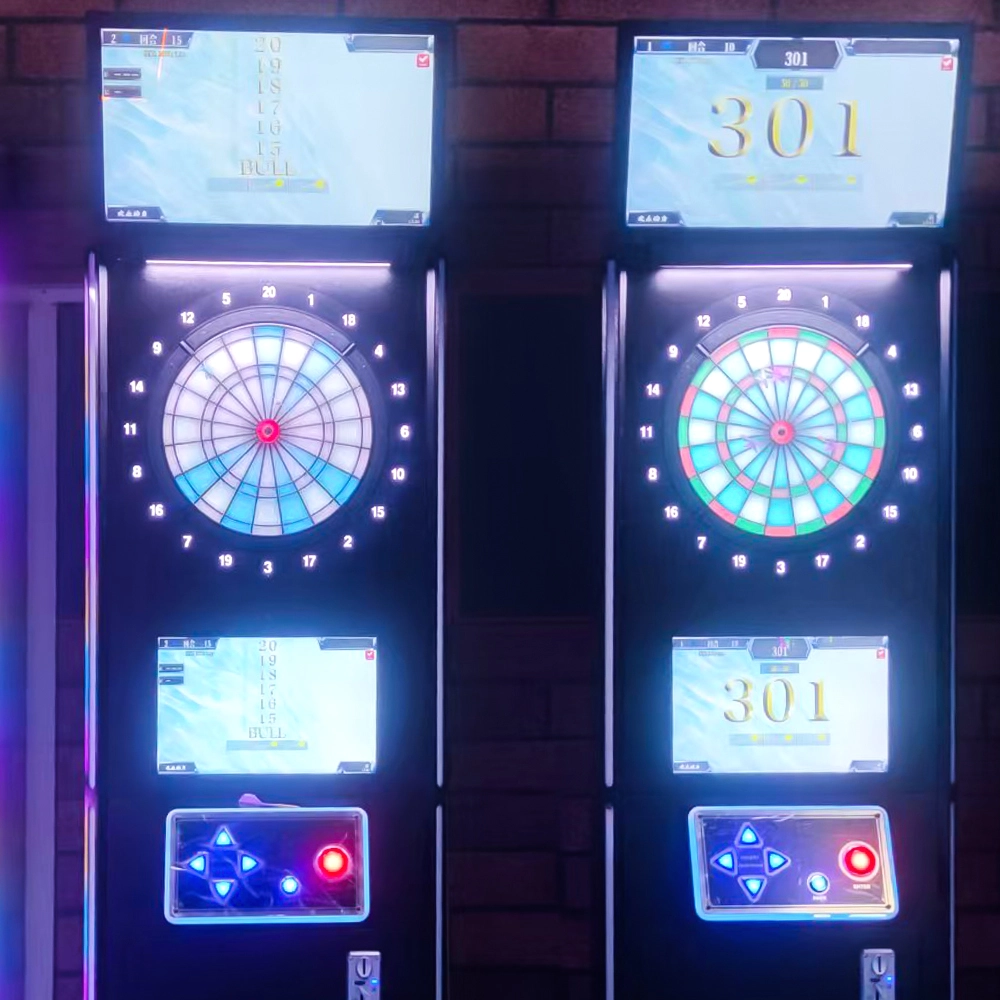
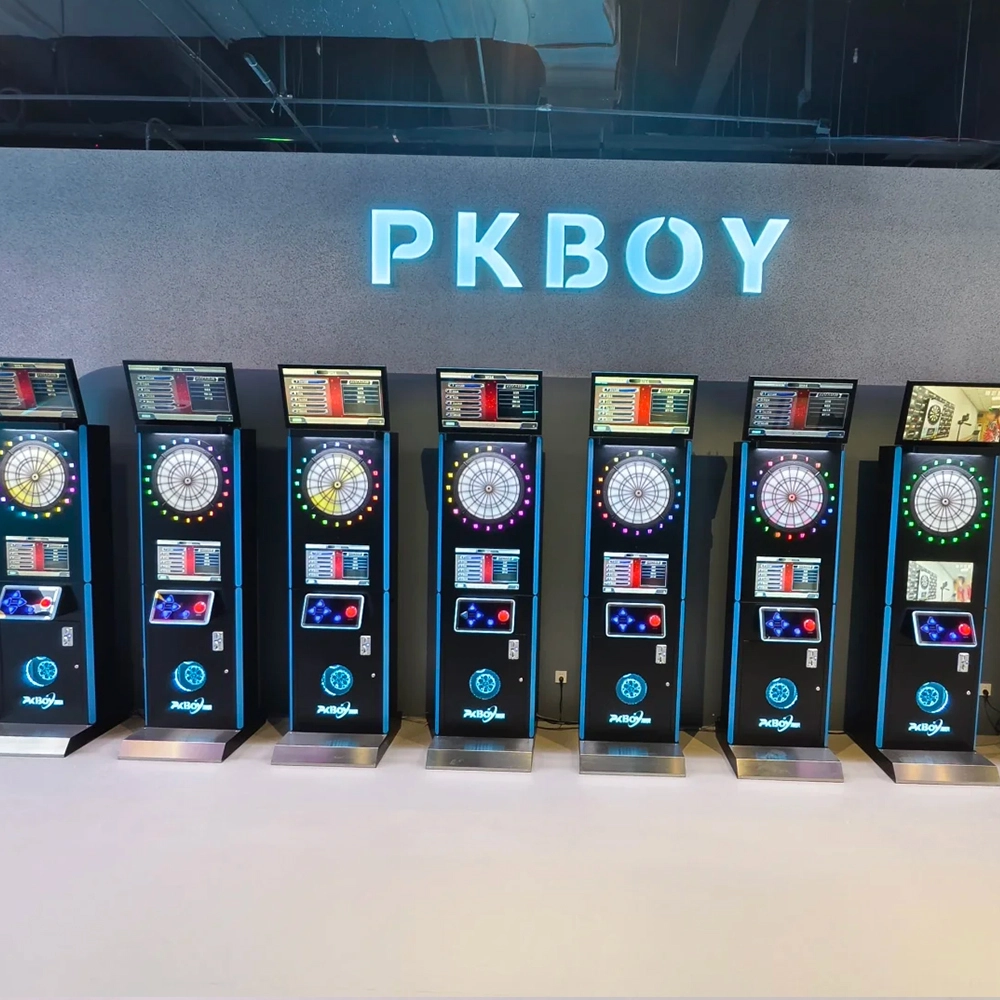
Joy Power is full of fun and excitement in the playground! The dart machine is suitable for all kinds of places, whether it is a bar, restaurant, KTV, or other entertainment venue, or a sports shop, club, or family leisure space, and can be perfectly adapted. In commercial venues, holding individual and team darts tournaments from time to time can attract more customers and increase the popularity and revenue of the venue, supplemented by various preferential activities, which can directly promote consumption and form a cycle of consumption of all the goods in the shop.
Infrared Shooting
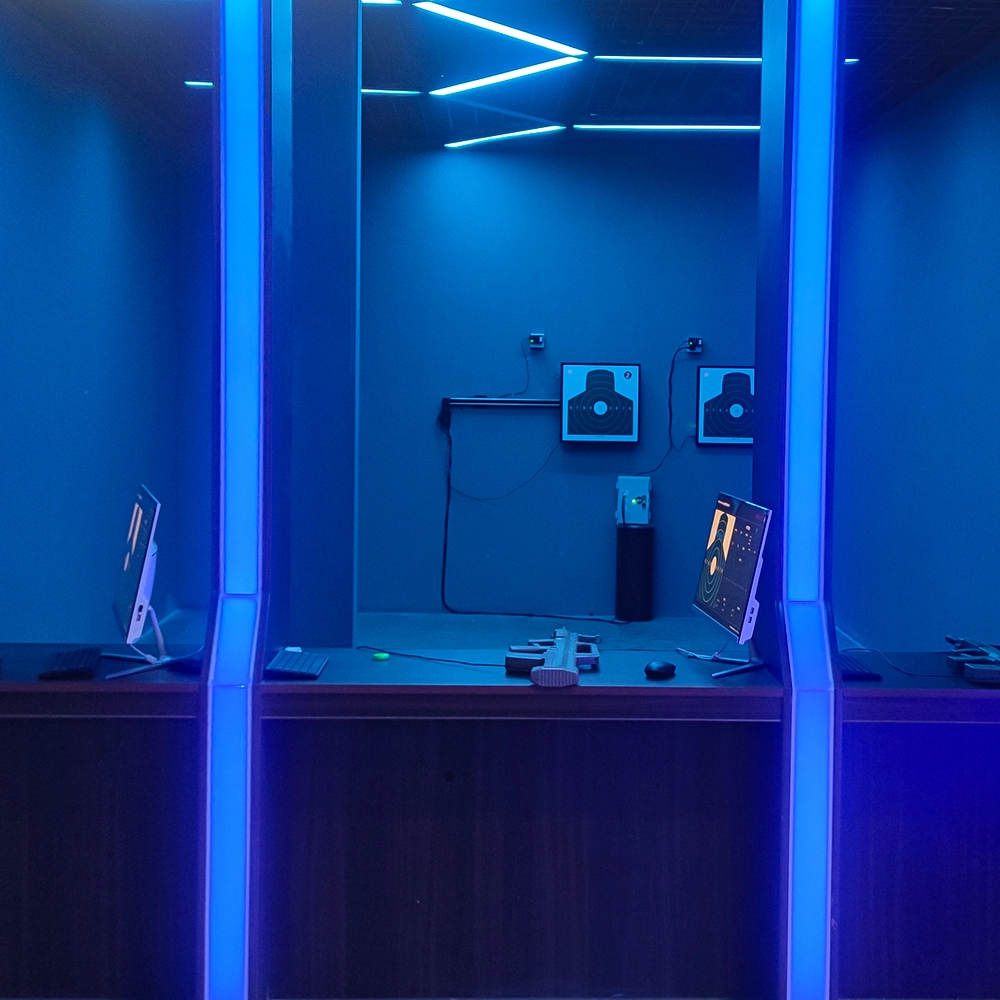
Highly simulated simulation training analysis equipment, with advanced design concepts, fast system development, ease of operation and use, stable technical performance, less consumption of training, site dependence on a small group training is highly interesting, safe, and reliable, and other outstanding features. Product design to solve the basic skills of light weapons precision shooting as a starting point, to improve the safety of shooting training and training efficiency as the fundamental purpose, highlighting the simulation, information technology, and combat training requirements, can be in small indoor and outdoor venues and does not use live ammunition to complete the basic shooting training.
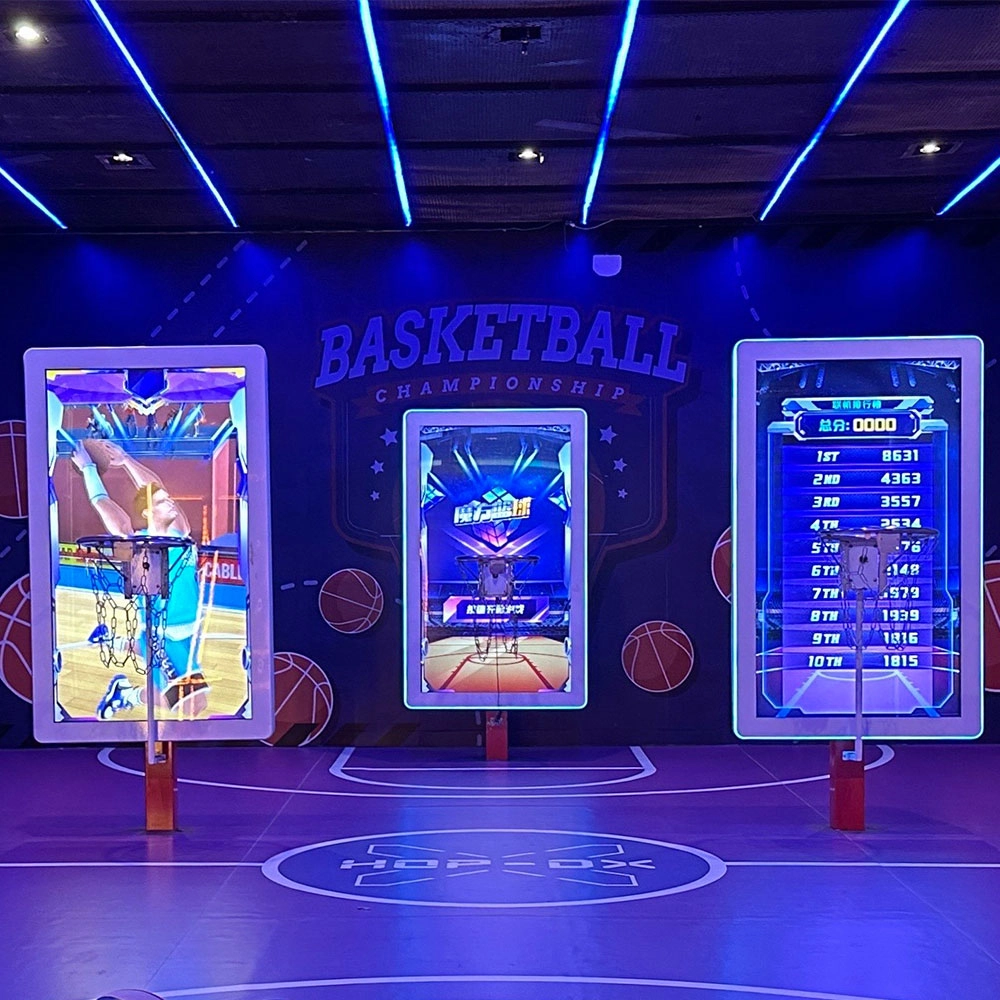
Multi-Player Interactive Shooting Machine
Joy Power is full of fun and exciting playgrounds! The basketball shooting machine is a classic amusement device integrating competition, entertainment, and interactivity. Based on the traditional basketball shooting sport, it integrates electronic scoring, sound and light effects, and challenge mechanisms to bring players an immersive game experience. The main body of the equipment is usually built with a metal frame, equipped with a standard-sized basket and a sturdy rim, with multiple sets of sensors to accurately capture the trajectory of the shot; when the player shoots the ball, the machine's built-in sensors count the score in real time and present the score, remaining time, and challenge goals through the LED display or LCD screen, with exciting sound effects and colorful lights to create a tense and exciting gaming atmosphere.
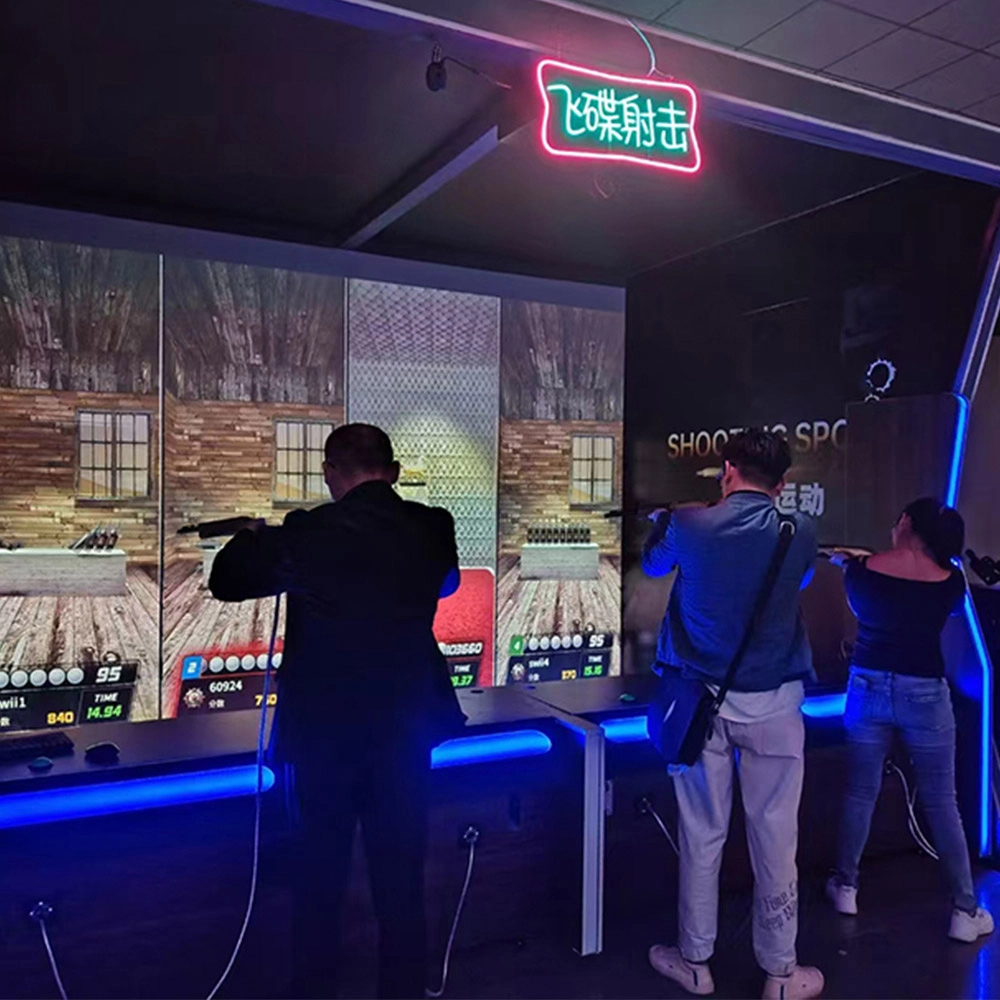
Indoor Wave Play Disc Shooting Equipment
Joy Power is full of fun and exciting playgrounds! The saucer shooting equipment in the indoor hip play hall is an immersive entertainment device integrating high-definition projection scenes, simulated air rifles, and multi-mode interactive gameplay, which allows players to experience the excitement of virtual shooting and the fun of social competition through laser-sensing scoring and multi-sensory feedback.
© 2025 FUNTECH ALL RIGHTS RESERVED

Weixia Lei
Fun_Tech-s
fun_tech20