
Top Safety and Accessibility Features for Shooting Arcade Machines
- Design Principles for Safe Shooting Arcade Machines
- Structural Safety and Materials
- Ball and Projectile Containment
- Case Study: Multi-Player Interactive Shooting Machine
- Accessibility Features That Improve Player Inclusion
- Physical Access and Reach
- UI/UX and Assistive Modes
- Multilingual and Sensory Considerations
- Operational Safety & Maintenance Best Practices
- Routine Inspection and Cleaning
- Operator Training and Signage
- Remote Monitoring and Diagnostics
- Safety Certifications, Regulations, and Compliance
- Relevant Standards and Certifications
- Testing, Documentation, and Labelling
- Liability, Insurance, and Legal Considerations
- Comparison: Safety & Accessibility Features at a Glance
- Frequently Asked Questions (FAQ)
- 1. What makes a shooting arcade machine safe for public venues?
- 2. How can I make my Multi-Player Interactive Shooting Machine accessible?
- 3. Which certifications should I request from manufacturers?
- 4. How frequently should I inspect and service the machine?
- 5. Are there legal considerations for installing an arcade shooting machine?
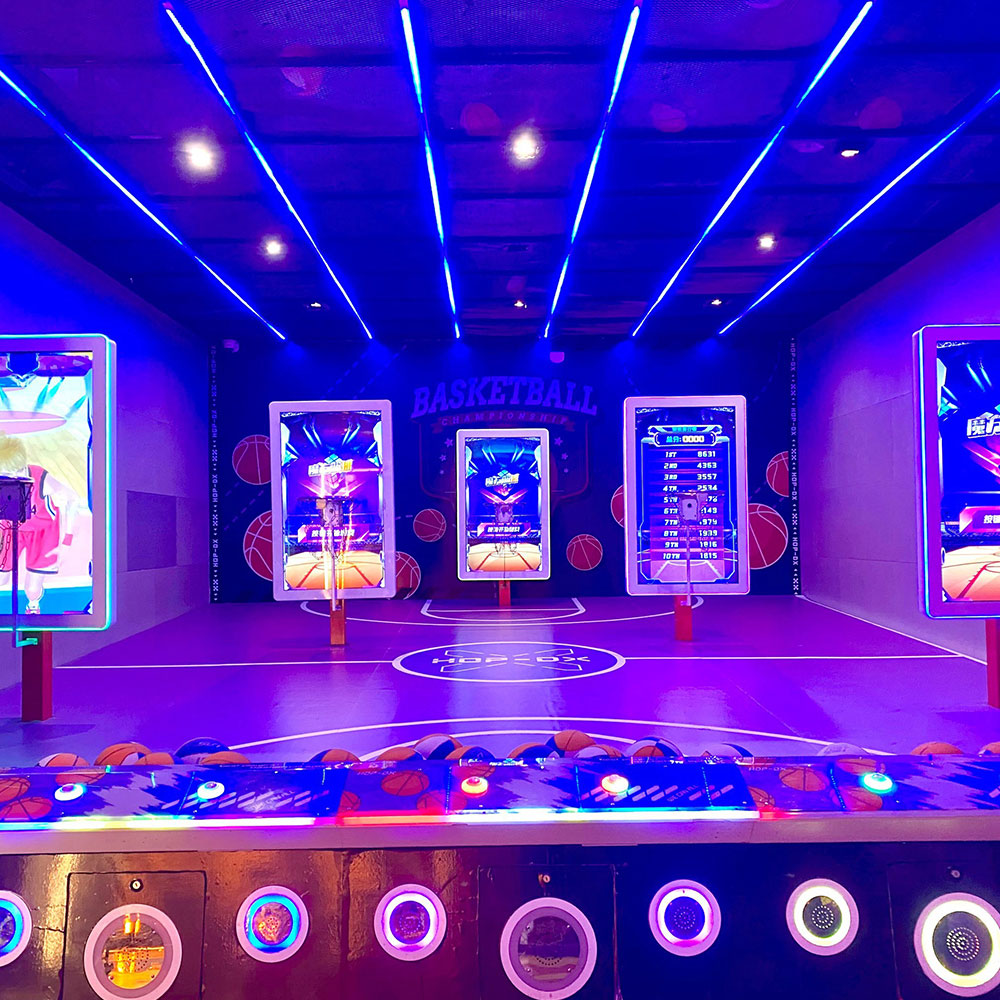
In locations ranging from family entertainment centers to shopping mall arcades and amusement parks, a well-designed shooting arcade machine must balance excitement with safety and accessibility. This guide explains practical, standards-backed features and best practices for shooting arcade machine owners and operators — including structural safety, electrical protection, containment, assistive interfaces, and compliance paths — so venues can deliver immersive gameplay without compromising player wellbeing or legal obligations.
Design Principles for Safe Shooting Arcade Machines
Structural Safety and Materials
Robust construction is the first line of defense for any shooting arcade machine. A reliable metal frame, reinforced mounting points, and impact-resistant panels reduce the risk of collapse or sharp edges that could injure players. Use of powder-coated steel or stainless materials resists corrosion and wear in high-traffic venues. For external panels and interactive surfaces, select materials with good tensile strength and rounded edges to meet public-space durability expectations.
Ball and Projectile Containment
Containment systems are critical for machines that use balls, foam projectiles, or light-beam targets. Effective containment prevents projectiles from striking bystanders and reduces trip hazards from loose balls on the floor. Design approaches include recessed player zones, angled deflectors, full-height front guards, netting where appropriate, and automated return channels. Ensure the containment does not create pinch points or sharp corners — all openings should comply with safe gap dimensions recommended for public equipment.
Case Study: Multi-Player Interactive Shooting Machine
Joy Power’s Multi-Player Interactive Shooting Machine is designed around these principles. The unit uses a metal frame and sturdy rim elements, integrated sensors to track shots, and an enclosed play area to limit stray balls. The machine’s LED or LCD displays show score, time remaining, and challenge goals while colorful lighting and sound enhance engagement. Built-in sensors count scores in real time and the chassis incorporates rounded edges and impact-resistant surfaces to maximize safety in high-traffic environments.
Accessibility Features That Improve Player Inclusion
Physical Access and Reach
To welcome players of varying heights, mobility levels, and assistive-device users, implement adjustable or varied-height stations. A multi-player machine should include at least one station designed for wheelchair access: lower control surfaces (typically 30–34 inches clear knee space), unobstructed approach paths, and reachable buttons/handles within recommended reach ranges. Following ADA guidance helps venues provide equitable access; see the ADA resources for general requirements (ADA official site).
UI/UX and Assistive Modes
Software-level accessibility amplifies inclusion. Offer multiple difficulty settings, adjustable response windows, and configurable control sensitivity so players with slower reaction times can still enjoy the game. Provide an audio description toggle, high-contrast visual themes, and closed-captioning for in-game prompts and timer alerts. Touchscreens and button layouts should be large and tactile; ensure haptic feedback is consistent and not startling for neurodiverse users.
Multilingual and Sensory Considerations
Multi-Player Interactive Shooting Machine installations in international or multicultural venues benefit from multilingual menus and iconography. For sensory-sensitive players, include a low-stimulation mode that reduces flashing lights and loud sounds. Clear icons and simple language reduce cognitive load and help fulfill the needs of diverse player groups.
Operational Safety & Maintenance Best Practices
Routine Inspection and Cleaning
Daily and weekly checklists prevent many hazards before they occur. Typical checks include secure fasteners, intact wiring insulation, sensor and rim calibration, containment net integrity, and the absence of loose debris in the play area. Clean player-contact surfaces with approved disinfectants to control pathogens, especially in family entertainment centers. Keep records of inspections to demonstrate due diligence in maintenance and safety management.
Operator Training and Signage
Staff must understand safe operating limits, emergency shutdown procedures, and how to assist players with accessibility needs. Post clear signage (with iconography and multiple languages where appropriate) explaining age/height recommendations, safe distances, and emergency instructions. Signage should be placed at eye level and use high-contrast fonts for readability.
Remote Monitoring and Diagnostics
Modern shooting arcade machines often include remote diagnostic capabilities that report sensor faults, electrical anomalies, or software errors back to the operator. These systems reduce downtime and enable proactive maintenance. Remote logging also supports incident investigations by providing time-stamped records of machine state and player interactions.
Safety Certifications, Regulations, and Compliance
Relevant Standards and Certifications
Compliance with electrical and product safety standards mitigates risk and supports insurance coverage. For consumer audio/video and information technology equipment, consider the ISO/IEC 62368-1 standard for safety requirements; details are available from ISO (ISO/IEC 62368-1). For public-safety best practices and consumer protection, consult the U.S. Consumer Product Safety Commission (CPSC), which provides guidance for product recalls and safety notices.
Testing, Documentation, and Labelling
Have electrical and mechanical components tested by accredited labs and keep test reports, user manuals, and maintenance logs on file. Labels should include emergency shutoff locations, voltage ratings, and clear manufacturer contact information for service. Documentation helps operators respond to incidents and demonstrates alignment with industry best practices.
Liability, Insurance, and Legal Considerations
Ensure venue operators and owners carry appropriate liability insurance for amusement devices. Terms of use, waivers (where legally enforceable), and visible safety rules help set expectations for players. Consult legal counsel to align local regulations, especially when installing machines in different jurisdictions.
Comparison: Safety & Accessibility Features at a Glance
| Feature | Primary Benefit | Recommended Standard or Guideline |
|---|---|---|
| Reinforced metal frame | Prevents structural failure under heavy use | ISO/IEC 62368-1 (safety engineering principles) |
| Automated containment / return channels | Reduces stray projectiles and trip hazards | CPSC guidance on public equipment safety |
| Wheelchair-accessible station | Inclusive play for mobility-impaired users | ADA recommendations and reach ranges (ADA) |
| Low-stimulation mode | Supports neurodiverse and sensory-sensitive players | Accessibility best practices; ISO resource materials |
| Remote diagnostics | Faster fault detection and reduced downtime | Manufacturer QA processes; third-party lab testing |
Frequently Asked Questions (FAQ)
1. What makes a shooting arcade machine safe for public venues?
Safety arises from a combination of solid mechanical design, electrical safety compliance, effective containment, clear user instructions, and routine maintenance. Machines that meet recognized standards and are inspected regularly are safer for high-traffic public venues.
2. How can I make my Multi-Player Interactive Shooting Machine accessible?
Provide at least one wheelchair-accessible station, implement adjustable controls and difficulty settings, offer multiple language options and high-contrast visual modes, and include a low-stimulation option for sensory-sensitive players. The Multi-Player Interactive Shooting Machine from Joy Power includes sensor-based scoring and configurable UI options to support these features.
3. Which certifications should I request from manufacturers?
Request evidence of electrical safety testing (e.g., third-party lab reports referencing ISO/IEC 62368-1 or equivalent), mechanical safety testing, and documentation of compliance with local regulations. Also request maintenance manuals, parts lists, and recommended inspection schedules.
4. How frequently should I inspect and service the machine?
Conduct a quick pre-opening inspection daily (fastenings, containment, sensors), a more thorough weekly check (wiring, displays, software), and a professional service at least annually or after any notable incident. Increase frequency in high-use venues.
5. Are there legal considerations for installing an arcade shooting machine?
Yes. Local building codes, consumer safety laws, and accessibility regulations (such as ADA in the U.S.) may apply. Check local regulations and consult with legal counsel or local authorities to confirm compliance.
If you’d like to evaluate a safe, accessible solution, contact Joy Power to learn more about the Multi-Player Interactive Shooting Machine or to request a technical datasheet, safety certifications, or a site assessment. For product inquiries and support, contact our team or view the product details.
Integrating Recreational Sports Golf Simulator with POS Systems
How Electronic Dart Machines Handle Multiplayer Games
Top Golf Simulators for Home Entertainment and Family Fun
Integrating Bar Dart Machines with POS and Loyalty Systems
Dart Machines Bar Dart Machines
How to attract customers when operating the program in shopping malls?
Create a cool venue decoration style and incorporate trendy elements, such as fluorescent light strips and anime-themed murals. o Launch diversified marketing models such as parent-child packages and couple packages, combined with time-limited promotional activities, such as half-price experience in the first three days of opening, to attract different groups of people such as families and couples to stop by and participate.
FAQ
What requirements should a store manager of a digital sports hall have?
The store manager of a digital sports and entertainment center needs to have good management and communication skills, be familiar with the application of digital technology, and have an innovative spirit and a sense of teamwork
Interactive Rollerball
How to reduce operating costs?
Starting with equipment procurement, choose cost-effective, durable and easy-to-maintain products, which can save money for subsequent maintenance. Reasonable arrangement of staff, reduce the number of staff on duty during off-peak hours, train staff to have multi-skills, such as being able to operate the equipment and guide customers part-time, so as to improve the efficiency of manpower and reduce the cost of manpower.
Products
How to reduce operating costs?
Starting with equipment procurement, choose cost-effective, durable and easy-to-maintain products, which can save money for subsequent maintenance. o Starting with equipment procurement, choose cost-effective, durable and easy-to-maintain products, which can save money for subsequent maintenance. Reasonable arrangement of staff, reduce the number of staff on duty during non-peak hours, train staff to have multi-skills, such as being able to operate the equipment as well as guiding customers on the side, to improve the efficiency of manpower and reduce manpower costs.
Football Simulator
What is the biggest difference between simulation soccer and traditional soccer?
Simulation soccer through digital technology on the screen to present soccer, not subject to site, weather restrictions, players can participate at any time and anywhere, but also with the handle, somatosensory equipment and other controls, experience a variety of modes. Traditional soccer requires real venues and multiple participants, and is greatly affected by environmental factors.
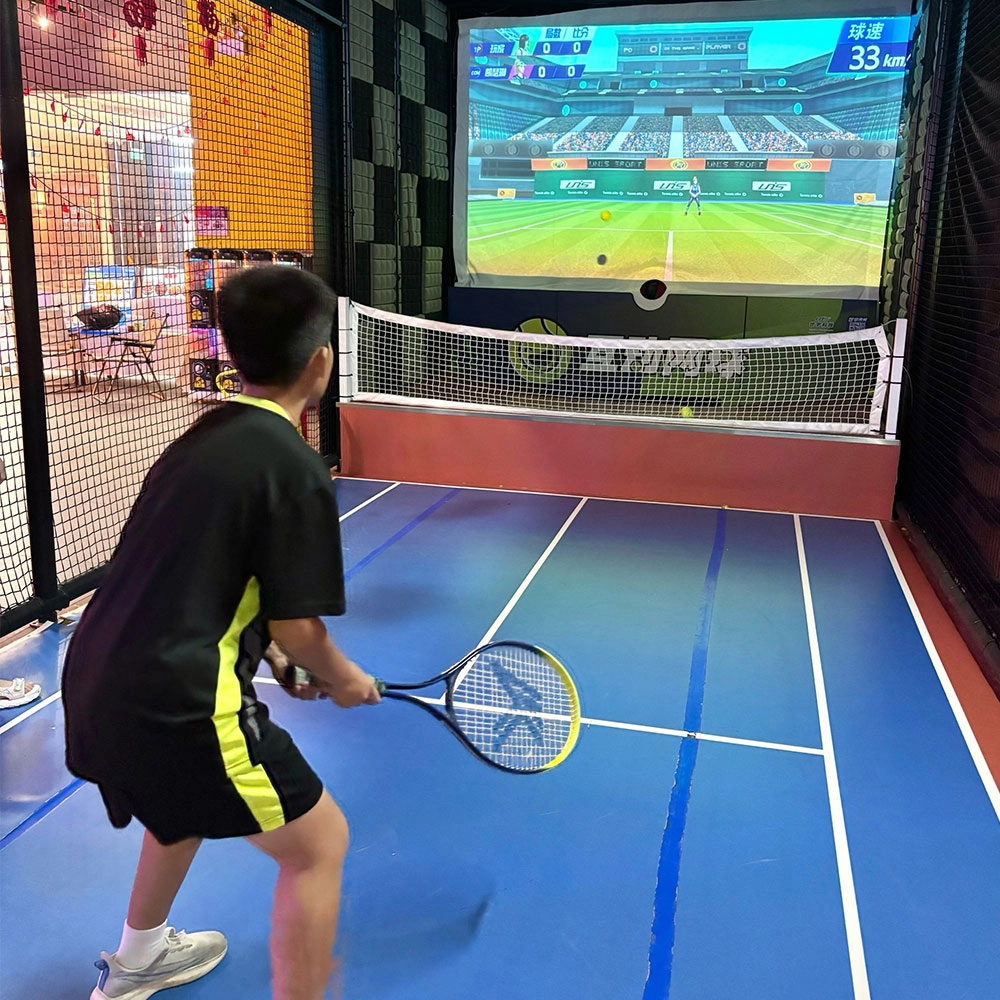
Indoor Tide Play Simulation Tennis Equipment
FUNTECH is full of fun and exciting playgrounds! With high-definition scene projection, force feedback racket, and intelligent scoring system, the simulated tennis equipment in the indoor arcade realizes immersive sports experiences and diversified interactive play, combining the advantages of safety and ease of use with high operational efficiency.
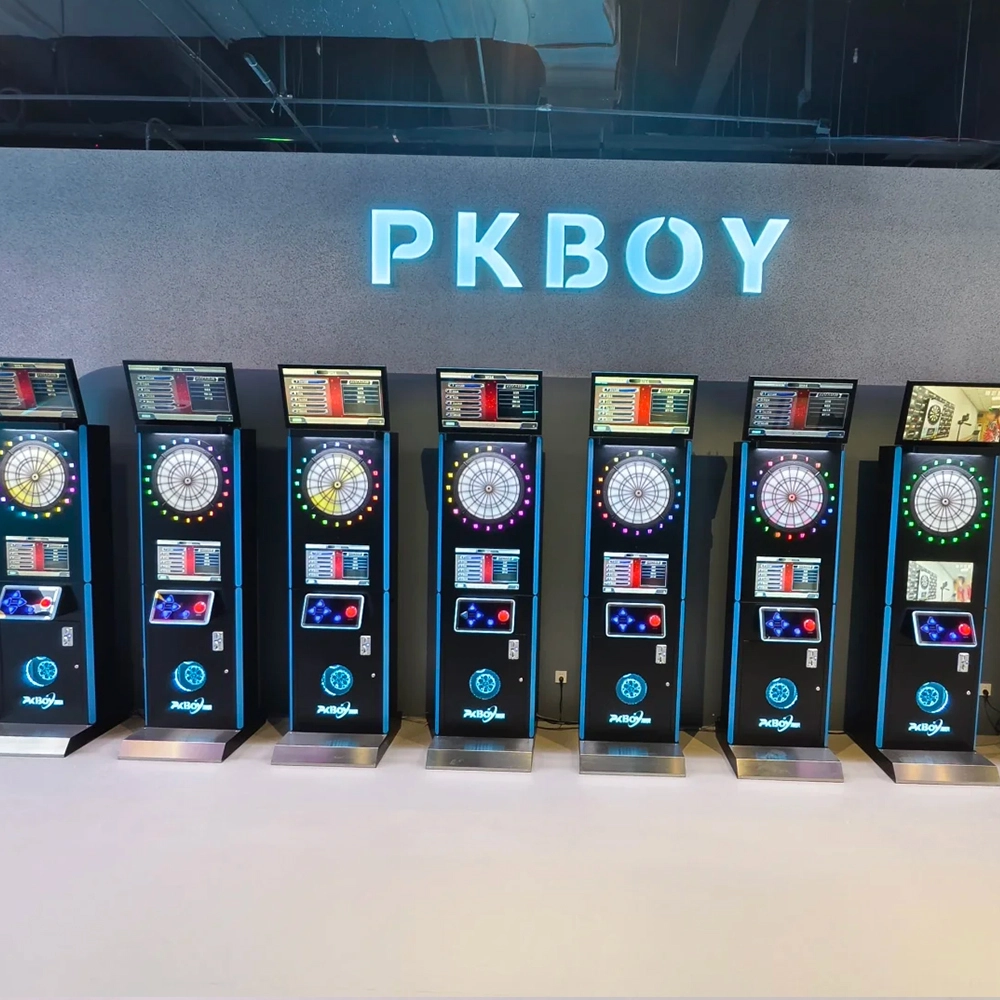
Dart Machines Bar Dart Machines
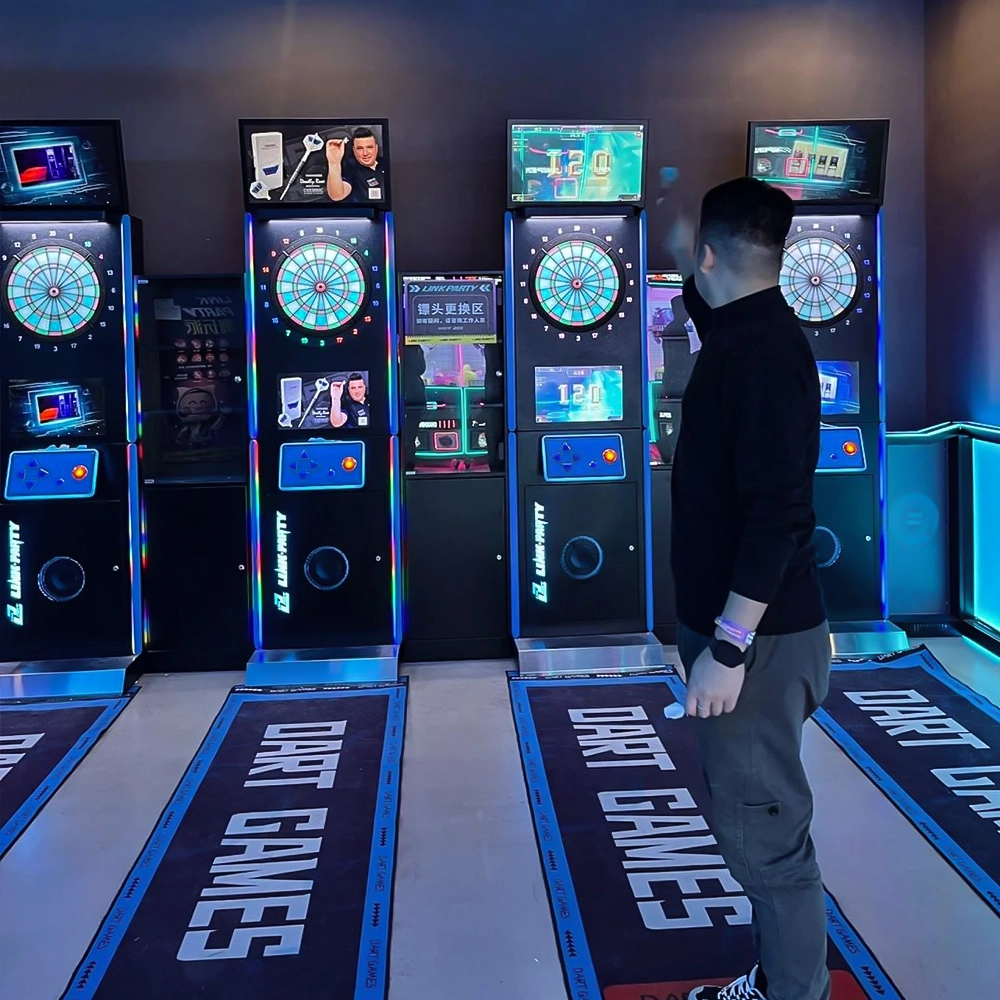
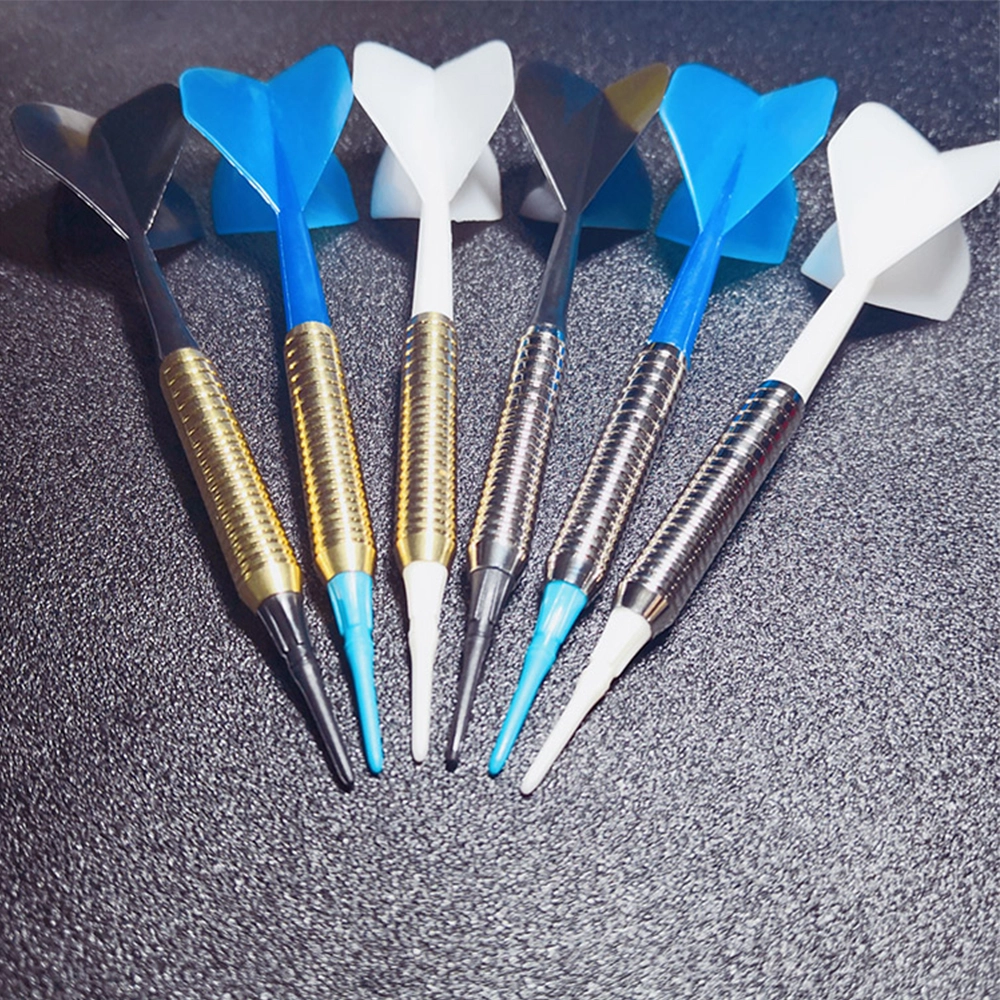
Joy Power is full of fun and excitement in the playground! The dart machine is suitable for all kinds of places, whether it is a bar, restaurant, KTV, or other entertainment venue, or a sports shop, club, or family leisure space, and can be perfectly adapted. In commercial venues, holding individual and team darts tournaments from time to time can attract more customers and increase the popularity and revenue of the venue, supplemented by various preferential activities, which can directly promote consumption and form a cycle of consumption of all the goods in the shop.
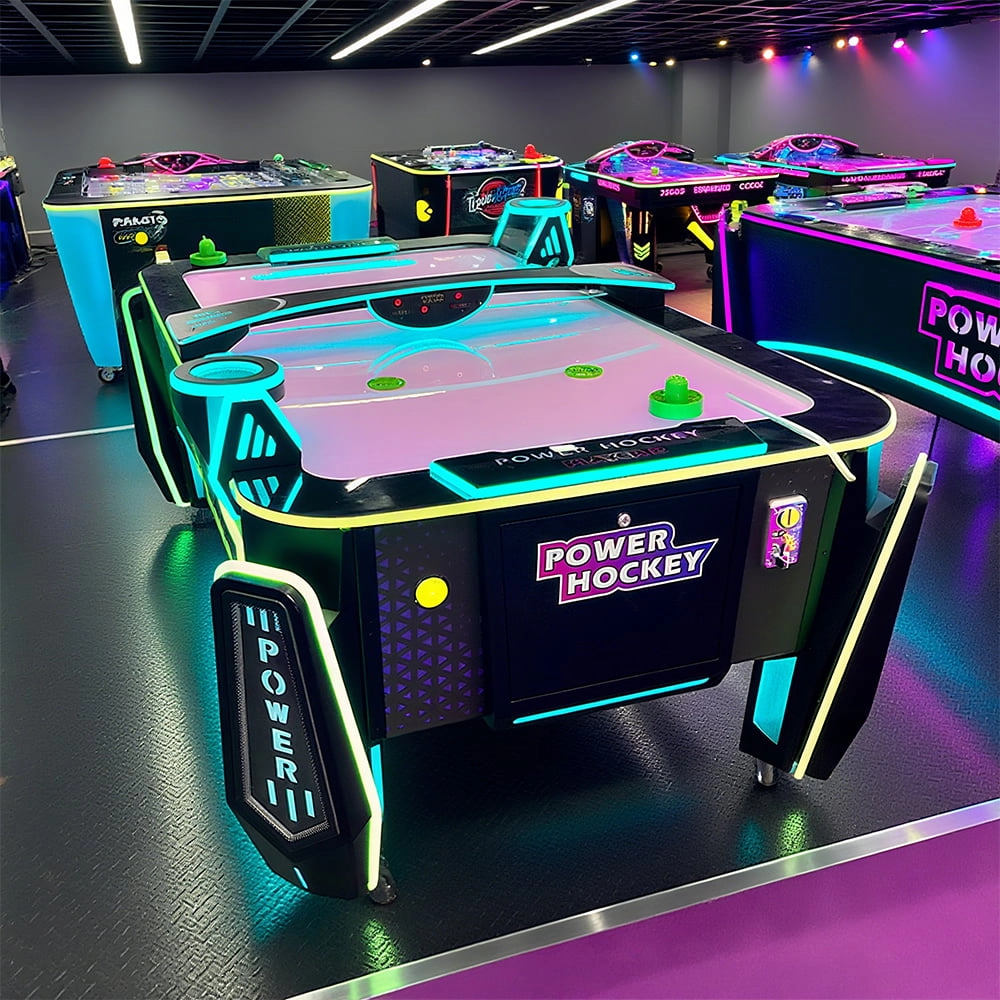
Arcade Hockey
FUNTECH is full of fun and exciting playgrounds! Air hockey, also known as air hockey, is a two-player competitive arcade game comprising a smooth, perforated playing surface, lightweight hockey sticks, a plastic puck, and an electronic scoreboard.
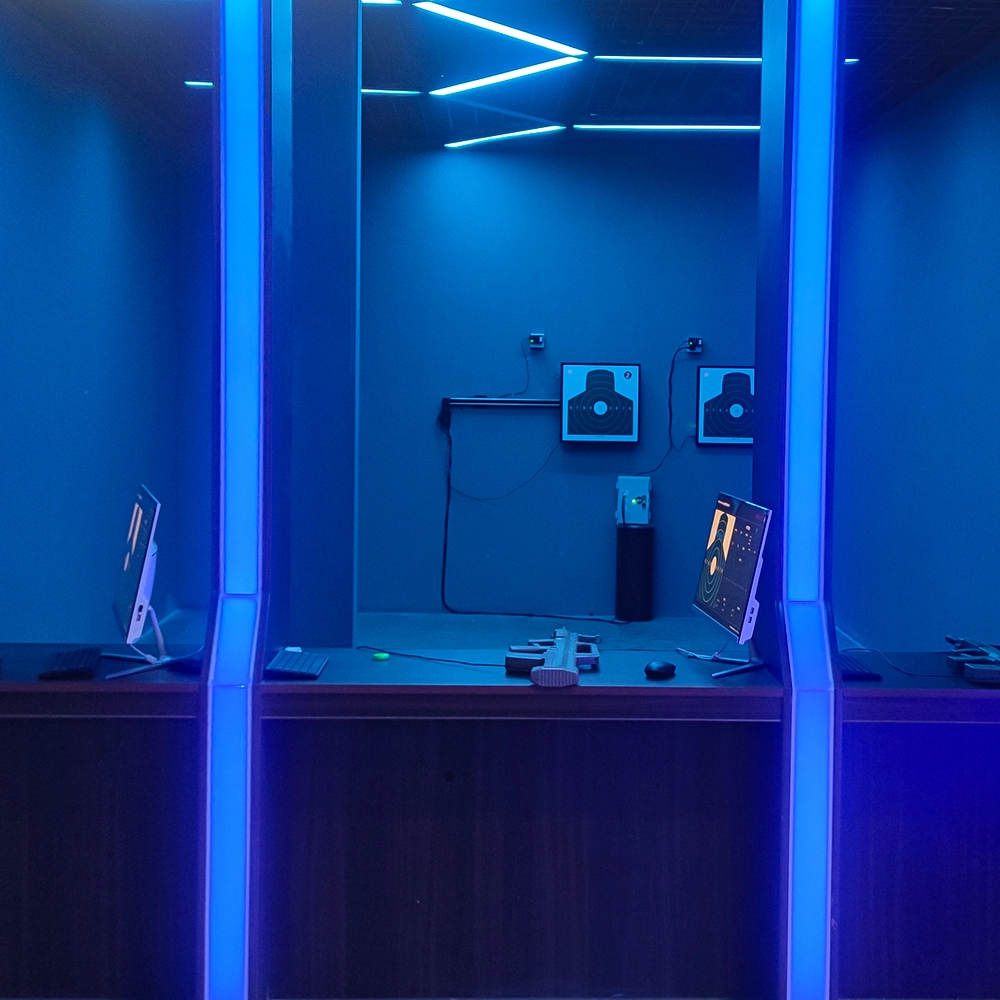
Infrared Shooting
Highly simulated simulation training analysis equipment, with advanced design concepts, fast system development, ease of operation and use, stable technical performance, less consumption of training, site dependence on a small group training is highly interesting, safe, and reliable, and other outstanding features. Product design to solve the basic skills of light weapons precision shooting as a starting point, to improve the safety of shooting training and training efficiency as the fundamental purpose, highlighting the simulation, information technology, and combat training requirements, can be in small indoor and outdoor venues and does not use live ammunition to complete the basic shooting training.
© 2025 FUNTECH ALL RIGHTS RESERVED

Weixia Lei
Fun_Tech-s
fun_tech20