
How to Train Staff to Use Electronic Dart Machines
- How to Train Staff to Use Electronic Dart Machines
- Why training staff on electronic dart machine matters for your venue
- Understand the Dart Machines Bar Dart Machines hardware and software
- Create a structured training program for electronic dart machine operation
- Hands-on drills and troubleshooting for Dart Machines Bar Dart Machines
- Customer service and upselling using electronic dart machine in bars
- Safety, compliance, and cash handling with electronic dart machine
- Assessing competency and ongoing training for electronic dart machine staff
- Measuring ROI and business impact of well-trained staff on electronic dart machine
- Integrating Dart Machines Bar Dart Machines into venue operations and promotions
- Brand strengths of Dart Machines Bar Dart Machines (Joy Power) and why training matters
- Implementation checklist: First 30, 60, 90 days
- Common mistakes to avoid
- FAQs
- Contact / See the product
- Sources
How to Train Staff to Use Electronic Dart Machines
Why training staff on electronic dart machine matters for your venue
Implementing an electronic dart machine in a bar, restaurant, or entertainment venue is more than a one-time purchase. The way staff operate and promote the machine directly affects customer experience, uptime, and the machine’s ability to generate repeat visits and revenue. Trained staff increase machine availability, reduce repair costs, run faster tournaments, and convert casual players into paying customers. This article gives practical, actionable training steps for front-of-house and technical teams to maximize the impact of your electronic dart machine.
Understand the Dart Machines Bar Dart Machines hardware and software
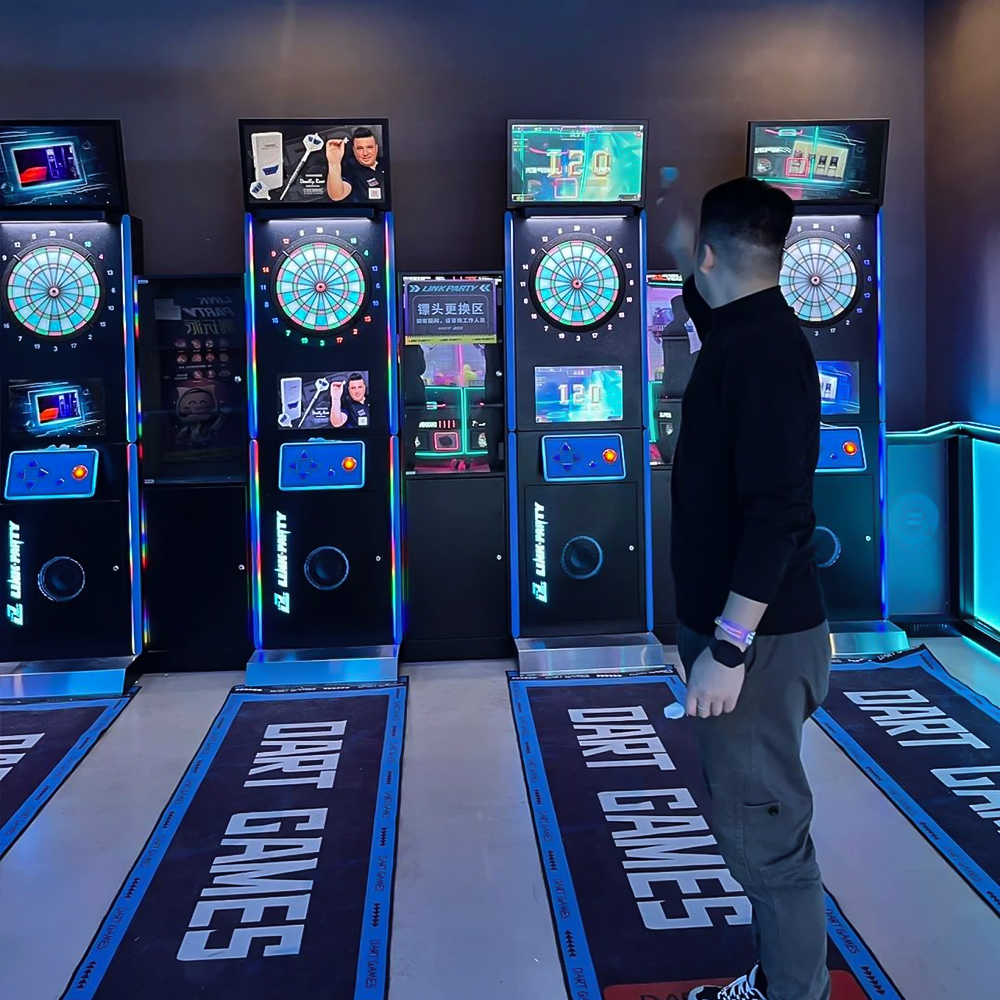
Before building a training program, staff must understand the product. Dart Machines Bar Dart Machines are designed for commercial venues — bars, restaurants, KTVs, entertainment centers, sports clubs, and family spaces. They combine an intuitive user interface, durable hardware, and multi-player settings to support individual and team tournaments, promotions, and walk-up play. Below is the official product description:
Joy Power is full of fun and excitement in the playground! The dart machine is suitable for all kinds of places, whether it is a bar, restaurant, KTV, or other entertainment venue, or a sports shop, club, or family leisure space, and can be perfectly adapted. In commercial venues, holding individual and team darts tournaments from time to time can attract more customers and increase the popularity and revenue of the venue, supplemented by various preferential activities, which can directly promote consumption and form a cycle of consumption of all the goods in the shop.
Key elements staff should learn:
- Hardware components: power, target board, LED displays, coin/card/bill acceptors (if applicable), and cabinet controls.
- Software interface: game selection, scoring modes, player management, tournament setup, and diagnostics menus.
- Connectivity: local network or cloud features for leaderboards, remote monitoring, or multiple-machine tournaments.
- Basic maintenance: cleaning, sensor calibration, and replacing common wear parts (e.g., soft tips, sector sensors).
Create a structured training program for electronic dart machine operation
Design a training curriculum tailored to the employee role: server, floor manager, and technician. A structured program increases learning retention and ensures consistency across shifts.
Suggested curriculum and duration:
- Module 1 (30–45 min): Overview and business goals — why the machine matters to the venue, revenue expectations, and event ideas.
- Module 2 (45–60 min): Hardware orientation and daily start/close checklist.
- Module 3 (60–90 min): Software walkthrough — starting games, joining players, setting up tournaments, and payment handling.
- Module 4 (60 min): Troubleshooting and basic maintenance — small repairs, sensor resets, and when to escalate.
- Module 5 (30–45 min): Customer interaction, upsell techniques, and running events/tournaments.
- Assessment & Certification (30 min): Practical test and checklist sign-off.
Training delivery formats:
- Live demonstration on the actual Dart Machines Bar Dart Machines unit is mandatory.
- Short video library for on-demand refresher training (2–5 minute clips per task).
- Printable quick-reference cards mounted near the machine for common operations and troubleshooting.
- Shadow shifts pairing new staff with a trained staff member during peak hours.
Hands-on drills and troubleshooting for Dart Machines Bar Dart Machines
Practical, scenario-based exercises accelerate competency. Design drills that reflect real service situations and common technical issues.
Hands-on drill examples:
- Start to Finish Drill: From powering on to conducting a 4-player game and closing the session, timing each step for efficiency.
- Payment Drill: Simulate payment interruptions (card decline, coin jam) and practice resolving or routing the customer.
- Tournament Drill: Set up a single-elimination team tournament for 8 players and manage bracket updates and announcements.
- Troubleshooting Drill: Simulate common faults — unresponsive segments, display errors, or score mismatches — and follow the troubleshooting flowchart.
Essential troubleshooting checklist (to be printed and kept with the machine):
- Check power and visible damage.
- Restart machine and re-run self-test diagnostics.
- Clean sensors and check for blocked segments.
- Verify software version and connectivity.
- Record error codes and time/staff details before escalating to technical support.
Customer service and upselling using electronic dart machine in bars
Training should include customer interaction, event hosting skills, and simple upsell scripts that increase spend per customer. The electronic dart machine is both an attraction and an opportunity to promote food, drinks, and repeat business.
Practical customer-facing techniques:
- Welcoming players: “Hi, we’ve got our Dart Machines Bar Dart Machines over here — perfect for a quick game while you wait. Want to try a 501 for $X?”
- Cross-sell during play: Offer a discounted round of wings or a drink special tied to tournament registration.
- Host regular events: Weekly leagues or monthly high-score nights help build a community and steady footfall.
- Reward programs: Track repeat players and offer free games or discounts after a set number of plays.
Safety, compliance, and cash handling with electronic dart machine
Safety and compliance are important where physical activity and cash/card payments intersect. Staff should be trained on liability minimization, local legal considerations, and secure payment handling.
Key points to include in training:
- Physical safety: Position machine away from high-traffic walkways, ensure adequate lighting, and post brief safety reminders (no rough play; keep feet back).
- Insurance and liability: Check with your insurer about equipment coverage and public liability; document any incidents using an incident form.
- Cash handling: If the machine accepts coins/bills, train staff to count and reconcile intake at shift end and to manage jammed coins securely.
- Payment security: For card systems, follow PCI-DSS best practices and never store card data locally.
Assessing competency and ongoing training for electronic dart machine staff
Training should not be a one-off. Build assessment, refreshers, and a feedback loop into your operations to keep skills sharp and adapt to updates or new features.
Assessment framework:
- Initial competency test: Pass/fail practical exam covering common tasks and troubleshooting.
- Quarterly refresher: Short (15–30 minute) update session covering new features, edge-case incidents, and tips from the floor.
- KPI tracking: Monitor machine uptime, average games per hour, tournament participation, and customer feedback scores.
- Incentives: Reward staff who run successful events or maintain high machine uptime with bonuses or recognition.
Measuring ROI and business impact of well-trained staff on electronic dart machine
To justify training investment, track simple, venue-friendly metrics that connect staff behavior to revenue and guest satisfaction.
Suggested metrics to track (daily/weekly):
- Uptime percentage (hours machine available vs scheduled hours)
- Games per hour (GPH)
- Average revenue per game (including ancillary sales like food/drinks)
- Tournament participation and repeat-player rate
Example qualitative comparison table (untrained vs trained staff):
| Metric | Untrained Staff | Trained Staff |
|---|---|---|
| Machine Uptime | Variable; higher downtime due to misdiagnosed faults | Consistently higher due to quick troubleshooting and routine checks |
| Customer Experience | Slower service and inconsistent event management | Smoother onboarding, faster games, professional events |
| Revenue Opportunities | Lower; missed upsell moments and fewer tournaments | Higher; effective promotions and repeat-play incentives |
| Maintenance Costs | Potentially higher due to improper handling | Lower through preventative maintenance and correct part replacement |
Sources from industry associations and trade analytics recommend that venues treat arcade and skill-based entertainment as profit centers when properly managed and staffed (see sources below). Tracking simple KPIs will make the ROI case for ongoing training clear to management.
Integrating Dart Machines Bar Dart Machines into venue operations and promotions
Beyond individual training, align the dart machine strategy with your overall venue marketing and operations. Well-trained staff are the bridge between the product and customer engagement.
Operational tips:
- Schedule regular tournaments at predictable times (e.g., Thursday nights) and promote via social media and in-house flyers.
- Create package deals (e.g., tournament entry + pitcher + appetizer) and train staff to present them at the point of sale.
- Use the machine for private events and birthday packages; have staff trained to transition between public and private modes.
- Collect player contact details (with consent) during events to build a mailing list and notify players of upcoming tournaments and promotions.
Brand strengths of Dart Machines Bar Dart Machines (Joy Power) and why training matters
Dart Machines Bar Dart Machines are purpose-built for commercial venues, offering durability, flexible game modes, and tournament features that make them ideal for bars and entertainment centers. A well-implemented training program unlocks those strengths:
- Durability: Less downtime when staff are trained on recommended handling and preventative maintenance.
- Versatility: Multiple game modes and tournament settings that trained staff can leverage to keep offerings fresh.
- Revenue-focused features: The unit supports team and individual tournaments, which trained staff can monetize with promotions and entry fees.
- Adaptability: Works across many venue types — bars, restaurants, KTVs, clubs, and family spaces — when staff can tailor experiences to the audience.
Training turns a Dart Machines Bar Dart Machines purchase into an ongoing revenue-generating asset.
Implementation checklist: First 30, 60, 90 days
Use the following checklist to roll out training and get measurable traction quickly.
- Days 1–30: Install machine in final location, complete staff orientation, run basic operational training, and host a soft-launch game night.
- Days 31–60: Certify staff, begin scheduled weekly events, collect initial KPIs (uptime, games/hour), and refine signage and up-sell scripts.
- Days 61–90: Evaluate KPI trends, implement minor promotions based on player feedback, and schedule quarterly refresher sessions.
Common mistakes to avoid
- No formal training: Relying on ad-hoc learn-as-you-go methods leads to inconsistent guest experiences.
- Not documenting procedures: Without checklists, small fixes escalate into downtime.
- Poor promotion: Even a well-run machine underperforms without active promotion and event scheduling.
- Neglecting maintenance: Small maintenance issues compound into costly repairs and lost revenue.
FAQs
Q: How long does it take to train a staff member to basic competency?
A: With a focused, hands-on program, basic competency (game setup, payments, common troubleshooting) can be achieved in 4–6 hours of combined classroom and practical training. Full confidence to run tournaments and advanced troubleshooting typically requires additional shadow shifts over 1–2 weeks.
Q: What common issues should staff expect with electronic dart machine?
A: Common issues include unresponsive segments caused by dirt or misalignment, payment acceptance problems (coin jams or card terminal errors), and occasional software restarts. Most of these are resolved quickly with routine cleaning, restarts, and following the troubleshooting checklist.
Q: Do staff need technical certifications to maintain the machine?
A: No formal external certification is required for basic maintenance. However, venue technicians should complete vendor-specific technical training for deeper service tasks and warranty compliance.
Q: How can I measure if training is working?
A: Track KPIs such as machine uptime, games per hour, revenue per game, and tournament participation. Improvements in these metrics after training indicate success. Collect customer feedback and staff self-assessments as qualitative indicators.
Contact / See the product
Ready to add a Dart Machines Bar Dart Machines to your venue and get staff trained for maximum impact? Contact our sales team or request a demo to see how electronic dart machine solutions can increase footfall, dwell time, and revenue. For product details and ordering, contact us or visit our product page to schedule a demo.
Sources
- American Amusement Machine Association (AAMA) — Industry resources on machine maintenance and operations: https://www.aama.org
- CGA by NIQ — On-trade insights and event promotion strategies for bars and pubs: https://www.cga.co.uk
- Statista — Market overviews of arcade and skill-based entertainment sectors: https://www.statista.com
How to start the golf simulator dimensions business ?
Top 10 arcade racing game machine for sale Manufacturers and Supplier Brands
How Does Interactive Floor Projection Work? A Deep Dive into Digital Sports Innovation
Where to Buy ace tennis simulator
Golf Simulator
What are the after-sales services after purchasing the equipment?
Generally, a 1-year warranty is provided. During the warranty period, parts damaged due to quality problems, such as motor failure, display problems, etc., will be repaired or replaced free of charge. There will also be technical support, including equipment installation and debugging guidance, operation training, to ensure the smooth use of the user, after-sales response time is usually within 24 - 48 hours.
Infrared Shooting
What are the after-sales services after purchasing the equipment?
Generally, a 1-year warranty is provided. During the warranty period, parts damaged due to quality problems, such as motor failure, display problems, etc., will be repaired or replaced free of charge. There will also be technical support, including equipment installation and debugging guidance, operation training, to ensure the smooth use of the user, after-sales response time is usually within 24 - 48 hours.
Why are sports arcades a hot spot for investment?
The traditional entertainment market (e.g., arcade, KTV) has become less attractive to generations, while digital hip playgrounds integrating technology, sports, and socialization are more in line with young people's needs, and the market size has exceeded 50 billion in 2023, with an annual growth rate of more than 30%.
Football Simulator
Are there a lot of game modes in soccer simulation?
Very rich! There is a league mode which is exciting and can compete with players from all over the world, and there is also a leisure and fun game which is suitable for parents and children to share fun time, so as to satisfy the needs of different players.
FAQ
What problems does the Digital Sports Center solve?
The Digital Sports Trendy Pavilion provides people with an innovative experience place that combines technology and sports, solving some problems existing in traditional sports activities and amusement facilities, while also meeting modern people's needs for digital technology and dynamic experience.
Indoor Tide Play Simulation Tennis Equipment
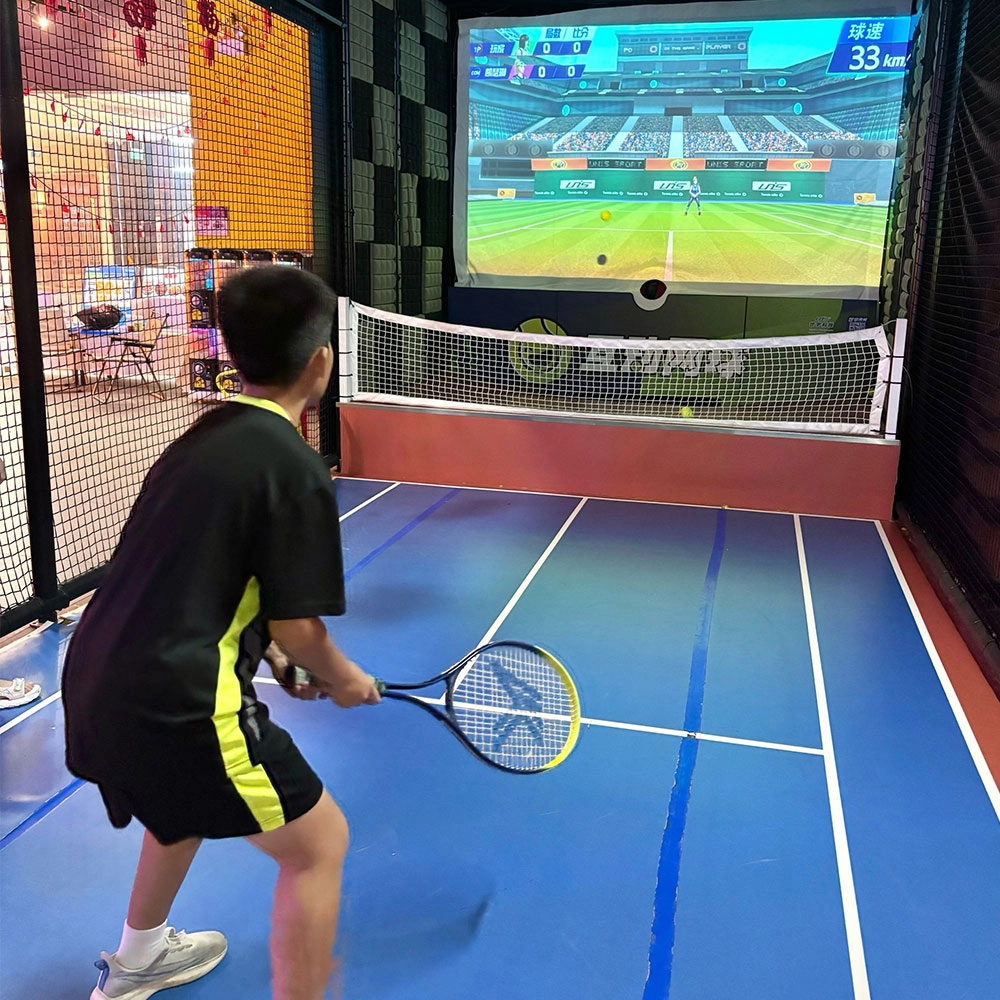
FUNTECH is full of fun and exciting playgrounds! With high-definition scene projection, force feedback racket, and intelligent scoring system, the simulated tennis equipment in the indoor arcade realizes immersive sports experiences and diversified interactive play, combining the advantages of safety and ease of use with high operational efficiency.
Dart Machines Bar Dart Machines
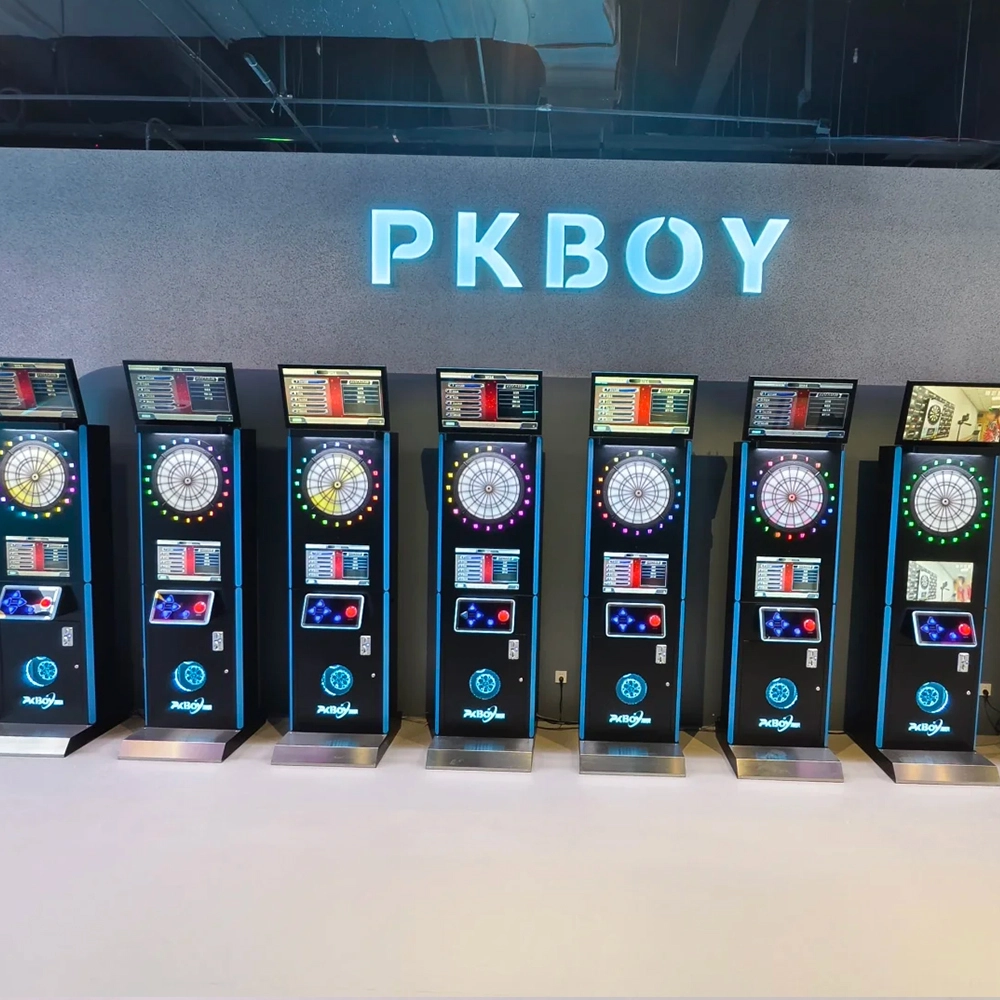
Joy Power is full of fun and excitement in the playground! The dart machine is suitable for all kinds of places, whether it is a bar, restaurant, KTV, or other entertainment venue, or a sports shop, club, or family leisure space, and can be perfectly adapted. In commercial venues, holding individual and team darts tournaments from time to time can attract more customers and increase the popularity and revenue of the venue, supplemented by various preferential activities, which can directly promote consumption and form a cycle of consumption of all the goods in the shop.
Arcade Hockey
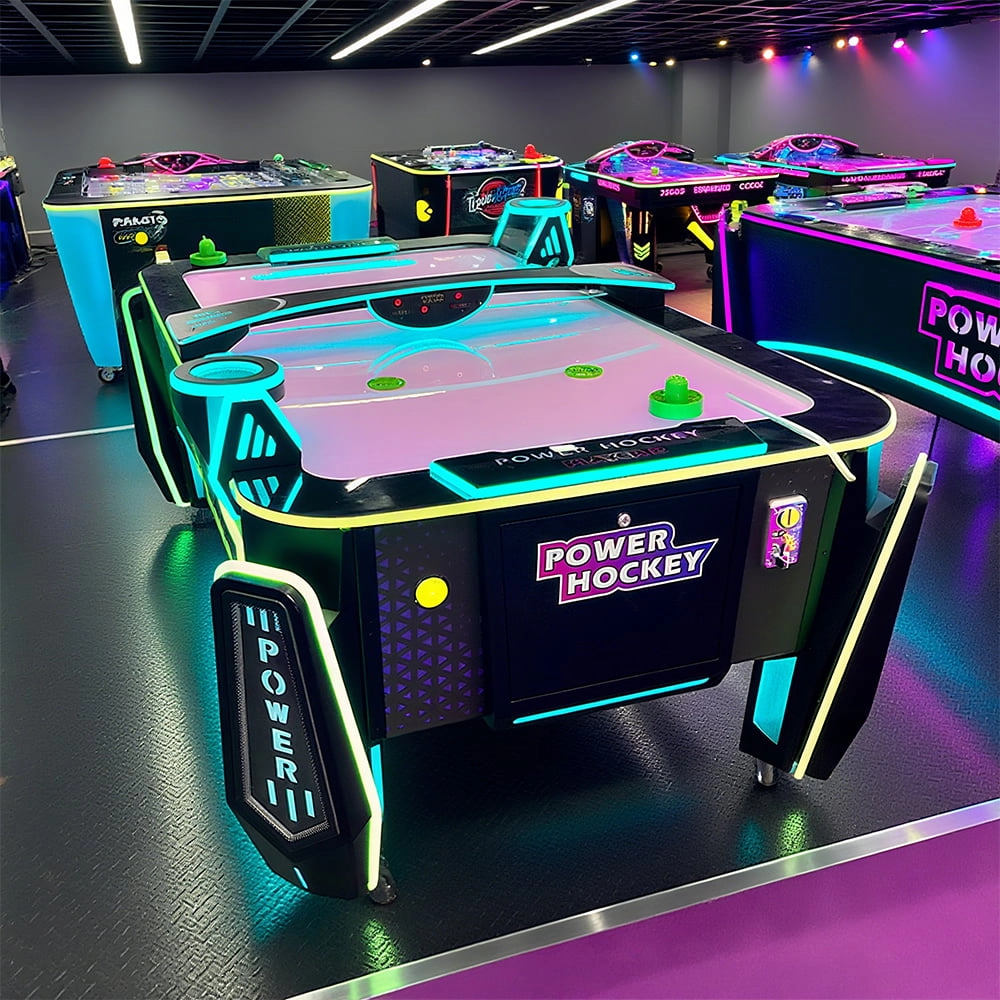
FUNTECH is full of fun and exciting playgrounds! Air hockey, also known as air hockey, is a two-player competitive arcade game comprising a smooth, perforated playing surface, lightweight hockey sticks, a plastic puck, and an electronic scoreboard.
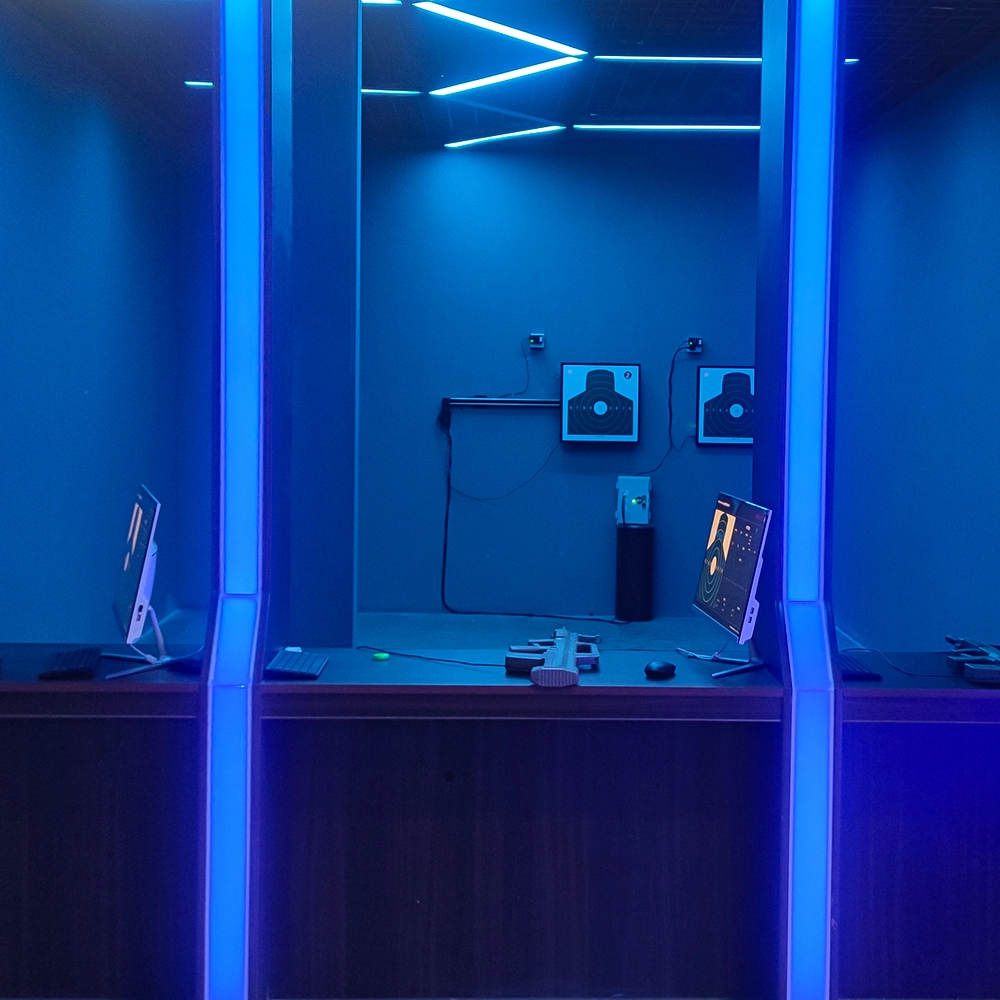
Infrared Shooting
Highly simulated simulation training analysis equipment, with advanced design concepts, fast system development, ease of operation and use, stable technical performance, less consumption of training, site dependence on a small group training is highly interesting, safe, and reliable, and other outstanding features. Product design to solve the basic skills of light weapons precision shooting as a starting point, to improve the safety of shooting training and training efficiency as the fundamental purpose, highlighting the simulation, information technology, and combat training requirements, can be in small indoor and outdoor venues and does not use live ammunition to complete the basic shooting training.
© 2025 FUNTECH ALL RIGHTS RESERVED

Weixia Lei
Fun_Tech-s
fun_tech20