
The B2B Buyer’s Guide to table tennis robot | FUNTECH Ultimate Insights
- Introduction: Why B2B Buyers Should Consider a table tennis robot
- Overview and
- About FUNTECH (Guangzhou Suiyi) — A trusted partner for intelligent Sports Tech
- Company profile and value proposition
- Understanding core features of a table tennis robot
- Shot types, spin control, and programmability
- Ball capacity, cycle time, and reliability
- Connectivity, software, and analytics
- Commercial considerations: ROI, pricing, and TCO
- Pricing tiers and typical use-cases
- Calculating ROI and total cost of ownership (TCO)
- Procurement checklist for B2B buyers
- Must-have criteria for commercial deployments
- Site planning and operational requirements
- Comparing key product attributes (feature matrix)
- Feature comparison to guide vendor selection
- Implementation best practices for clubs and venues
- Training programs and member engagement
- Maintenance, spare parts, and uptime strategies
- Security, compliance, and safety considerations
- Safety standards and user protection
- Data privacy and analytics governance
- Vendor selection: Why choose FUNTECH for a table tennis robot
- Competitive advantages for B2B customers
- Case use-cases and success criteria
- Typical commercial deployments and KPIs
- Conclusion: Actionable next steps for B2B buyers
- How to procure, pilot, and scale
- Appendix: Quick checklist before signing a purchase order
- Pre-purchase checklist
- References
- Sources that informed this guide
- Frequently Asked Questions
Introduction: Why B2B Buyers Should Consider a table tennis robot
Overview and
Table tennis robots have evolved from simple ball feeders to intelligent, programmable training partners that serve clubs, schools, hotels, and entertainment venues. For B2B buyers evaluating a table tennis robot, the decision impacts coaching outcomes, member retention, revenue per square meter, and brand differentiation. This guide helps procurement managers, club owners, and operations directors understand technical specs, commercial metrics, and real-world deployment considerations.
About FUNTECH (Guangzhou Suiyi) — A trusted partner for intelligent Sports Tech
Company profile and value proposition
Guangzhou Suiyi (FUNTECH), established in 2023, is an innovative enterprise specialized in intelligent sports equipment R&D, manufacturing, sales, and service. Under the Joyful Power brand, FUNTECH integrates smart hardware + interactive content to create digital sports experiences for trendy sports, cultural tourism, and education sectors. B2B buyers gain from FUNTECH's strict quality control, worldwide sales network, customizable services, and 24/7 support—critical capabilities when deploying table tennis robots at scale.
Understanding core features of a table tennis robot
Shot types, spin control, and programmability
Key technical specs to evaluate include shot type (topspin/backspin/sidespin), spin magnitude, ball speed range (typically 5–60+ km/h depending on model), oscillation patterns, multi-ball capability, and programmable drills. Advanced robots support randomization and multi-angle playback to better replicate match conditions.
Ball capacity, cycle time, and reliability
Commercial deployments demand higher ball capacity and continuous operation. Look for robots with large hoppers (100–300+ balls), fast reload mechanisms, reliable motors, and long duty cycles. Serviceability—replaceable parts, modular design, and local support—matters for minimizing downtime.
Connectivity, software, and analytics
Modern table tennis robots connect via Wi‑Fi/Bluetooth and include mobile or tablet apps for drill programming, remote updates, and performance analytics. Analytics features can track shot counts, success rates, training history, and player profiles—useful for coaching and membership engagement.
Commercial considerations: ROI, pricing, and TCO
Pricing tiers and typical use-cases
Table tennis robots target different segments: entry-level units for hobbyists, mid-tier for clubs, and advanced systems for academies/venues. Typical B2B price brackets (approximate) are useful for budget planning and comparing total cost of ownership.
| Price Range (USD) | Intended Use | Key Features |
|---|---|---|
| $500–$1,500 | Small clubs, recreational areas | Basic spin/speed control, small hopper, limited programmability |
| $1,500–$4,000 | Training centers, schools | Broader speed range, multi-spin, app control, larger hopper |
| $4,000–$12,000+ | Professional academies, entertainment venues | Advanced programmability, analytics, high-capacity hoppers, durable build |
Calculating ROI and total cost of ownership (TCO)
For B2B buyers the ROI equation includes initial purchase price, installation, staffing or coaching efficiency gains, revenue uplift from new memberships or pay-per-use sessions, maintenance, and lifespan. Estimate increased revenue by modeling additional sessions per week multiplied by average revenue per session, then compare against annualized depreciation and maintenance.
| Metric | Example Value (Annual) | Notes |
|---|---|---|
| Initial cost | $6,000 | Advanced mid-tier robot |
| Annual maintenance | $600 | Parts & service |
| Additional sessions/week | 30 | Pay-per-use or training slots |
| Avg. revenue per session | $8 | Includes coaching markup |
| Annual incremental revenue | $12,480 | 30 sessions x $8 x 52 weeks |
| Simple payback | ~0.5 year | (Initial cost + year1 maintenance) / revenue |
Procurement checklist for B2B buyers
Must-have criteria for commercial deployments
When evaluating suppliers and models, use a checklist including: warranty terms, spare parts availability, local service, software update policy, training for staff, safety certifications, power requirements, enclosure/space needs, and user interface language options. buyers should request service level agreements (SLAs) and lead times for replacements.
Site planning and operational requirements
Consider footprint, power supply, noise levels, storage for balls and accessories, and integration into existing class workflows. For venues offering pay-per-use, integrate robots with booking systems and access control to optimize utilization.
Comparing key product attributes (feature matrix)
Feature comparison to guide vendor selection
Below is a neutral comparison matrix showing attributes to compare. Use it when requesting quotes and demos.
| Attribute | Entry-level | Mid-tier | Advanced |
|---|---|---|---|
| Ball capacity | 50–100 | 100–200 | 200–500+ |
| Spin types | Top/Back | Top/Back/Side | Multi-axis variable spin |
| Programmability | Basic | Custom drills via app | Full programmable sequences, analytics |
| Connectivity | None/Bluetooth | Bluetooth/Wi‑Fi | Wi‑Fi, cloud analytics |
| Durability | Home-use | Commercial-grade | Heavy commercial / 24/7 operation |
Implementation best practices for clubs and venues
Training programs and member engagement
Implement structured packages: private robot-assisted coaching, member open-play with robot sessions, and paid experience sessions for casual visitors. Promote robot-led drills on social channels and include them in onboarding for new members to boost stickiness and lifetime value.
Maintenance, spare parts, and uptime strategies
Establish a preventive maintenance schedule, keep a stock of high-wear parts (motors, hoppers, feeder wheels), and secure an SLA with a local distributor or manufacturer like FUNTECH for timely service. Remote diagnostics and OTA firmware updates reduce downtime.
Security, compliance, and safety considerations
Safety standards and user protection
Ensure robots have clear safety guards, emergency stop functionality, and adhere to local electrical and consumer safety standards. Provide clear operator training and signage to prevent misuse in commercial settings.
Data privacy and analytics governance
If the robot collects user data or performance metrics, ensure compliance with local data protection laws (e.g., GDPR for EU deployments). Clarify data ownership with the vendor and ensure secure cloud storage and access controls.
Vendor selection: Why choose FUNTECH for a table tennis robot
Competitive advantages for B2B customers
FUNTECH combines intelligent hardware with interactive content under the Joyful Power brand, tailored for commercial deployments in sports, education, and entertainment. Key benefits for B2B buyers include customizable firmware, international support, a professional R&D team for bespoke integrations, and 24/7 customer service—features that reduce operational risk and speed ROI realization.
Case use-cases and success criteria
Typical commercial deployments and KPIs
Use-cases include academies improving player retention through personalized drills, leisure venues monetizing playtime with pay-per-use robot courts, and schools integrating robots into PE curricula to boost participation. Key KPIs: utilization rate, additional revenue per square meter, member retention, and reduced coach-to-player ratio while maintaining training quality.
Conclusion: Actionable next steps for B2B buyers
How to procure, pilot, and scale
Start with a pilot: rent or demo a mid-tier model for 4–8 weeks, measure utilization and incremental revenue, train staff, and collect member feedback. Negotiate vendor terms that include training, spare parts, and local support. If pilot KPIs meet targets, scale with multiple units and integrate analytics into your CRM for long-term optimization.
Appendix: Quick checklist before signing a purchase order
Pre-purchase checklist
- Confirm warranty length and SLA response times. - Verify spare parts lead times and local stocking. - Request software roadmap and update policy. - Validate power/noise/site requirements. - Secure training for staff and marketing collateral for launch.
References
Sources that informed this guide
- FUNTECH / Guangzhou Suiyi company materials and product literature
- International Table Tennis Federation (ITTF) – equipment and training resources
- USA Table Tennis (USATT) – coaching and training guidelines
- TableTennisDaily – equipment reviews and industry commentary
- Industry analyses and sports technology reports on digital sports equipment trends
Frequently Asked Questions
(Answers are provided below; each begins on a new line.)
What is the typical lifespan of a commercial table tennis robot and how should I budget for replacement parts?A commercial-table tennis robot typically lasts 5–10 years depending on usage intensity and maintenance. Budget annually ~8–12% of the unit price for maintenance and parts in heavy-use environments; keep a small spare-parts inventory for high-wear items.
Do I need a full-time technician to maintain robots at my club?Not usually. Basic maintenance can be handled by trained staff with periodic vendor service visits. For venues with many units or 24/7 operation, consider a part-time technician or a local SLA with the vendor.
Can a table tennis robot replace a human coach?No — robots are training aids that enhance repetition, consistency, and drill variety. They help coaches by automating repetitive feeds and allowing personalized practice, but human coaches remain essential for technique correction, tactical guidance, and player development.
How should I price pay-per-use robot sessions?Price based on local market rates, cost recovery, and perceived value. A common approach is to set per-30-minute rates between 50–70% of a private coach rate or to bundle robot sessions into membership tiers. Pilot pricing and adjust based on utilization and demand.
What warranties and service terms should I demand from suppliers?Ask for at least a 12-month warranty on parts and labor for commercial units, clear SLA response times (e.g., 48–72 hours), availability of spare parts within acceptable lead times, and options for extended warranty and on-site maintenance plans.
Is it difficult to integrate a table tennis robot with booking software and access control systems?Integration complexity varies. Many modern robots provide APIs or cloud platforms that can be integrated with third-party booking systems; request API documentation during procurement and confirm vendor willingness to support integration or provide middleware solutions.
Arcade Revenue Strategies Using Dart Board Machines
Wholesale best baseball simulator manufacturer and supplier
What are the application scenarios of interactive 3d holographic projection?
Best Golf Simulator for Short Game Practice 2026
Golf Simulator
What are the after-sales services after purchasing the equipment?
Generally, a 1-year warranty is provided. During the warranty period, parts damaged due to quality problems, such as motor failure, display problems, etc., will be repaired or replaced free of charge. There will also be technical support, including equipment installation and debugging guidance, operation training, to ensure the smooth use of the user, after-sales response time is usually within 24 - 48 hours.
Dart Machines Bar Dart Machines
How often does the equipment require maintenance?
For daily use, simple monthly maintenance, such as simple cosmetic cleaning and function checking after use, is sufficient. A more comprehensive quarterly maintenance is sufficient.
Products
What is the difference between purchasing equipment for commercial operations and personal training?
Commercial operations should consider the durability, ease of operation and attractiveness of the equipment, it is appropriate to choose cool appearance, can withstand high-frequency use, such as the target car running hundreds of times a day, high-intensity models, and easy to operate, easy for customers to get started. Personal training is more focused on cost-effective, according to their own training needs to choose the right tension of the bow, the right speed of movement of the target car.
Interactive Rollerball
How to reduce operating costs?
Starting with equipment procurement, choose cost-effective, durable and easy-to-maintain products, which can save money for subsequent maintenance. Reasonable arrangement of staff, reduce the number of staff on duty during off-peak hours, train staff to have multi-skills, such as being able to operate the equipment and guide customers part-time, so as to improve the efficiency of manpower and reduce the cost of manpower.
FAQ
What requirements should a store manager of a digital sports hall have?
The store manager of a digital sports and entertainment center needs to have good management and communication skills, be familiar with the application of digital technology, and have an innovative spirit and a sense of teamwork
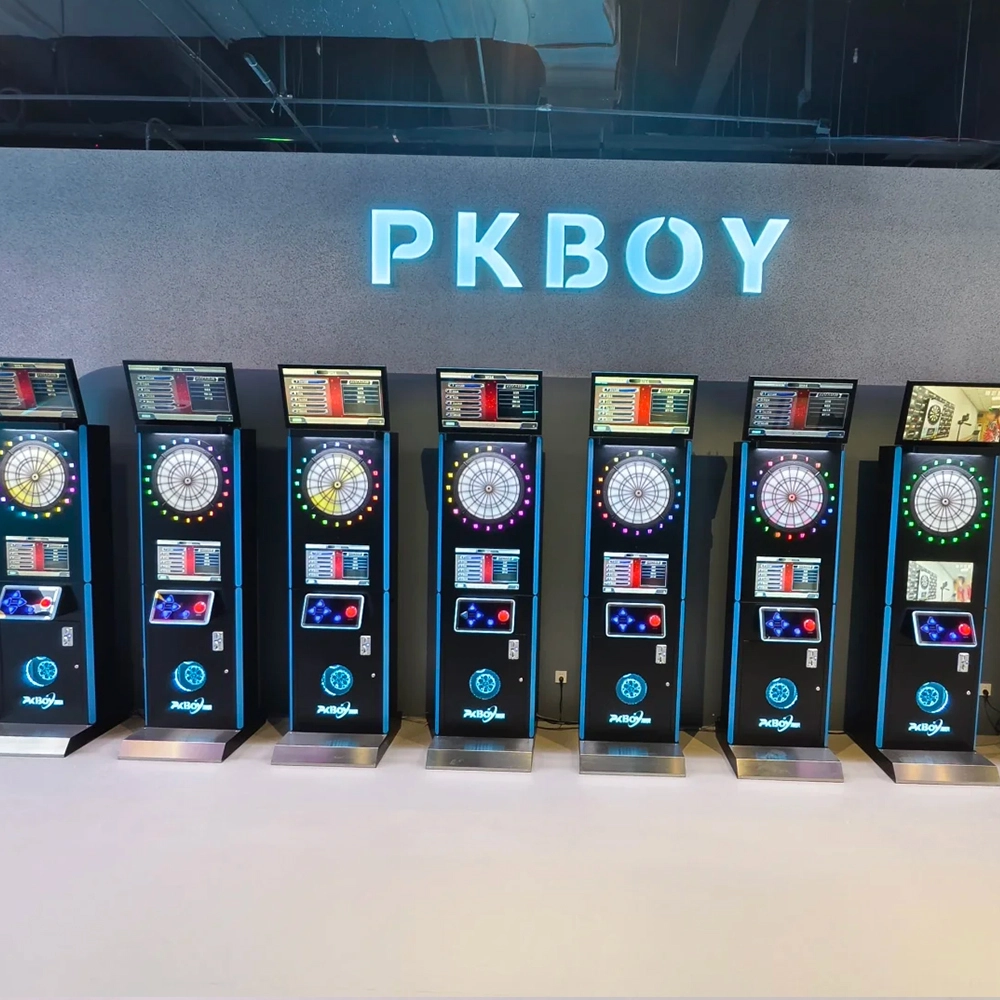
Dart Machines Bar Dart Machines
Joy Power is full of fun and excitement in the playground! The dart machine is suitable for all kinds of places, whether it is a bar, restaurant, KTV, or other entertainment venue, or a sports shop, club, or family leisure space, and can be perfectly adapted. In commercial venues, holding individual and team darts tournaments from time to time can attract more customers and increase the popularity and revenue of the venue, supplemented by various preferential activities, which can directly promote consumption and form a cycle of consumption of all the goods in the shop.
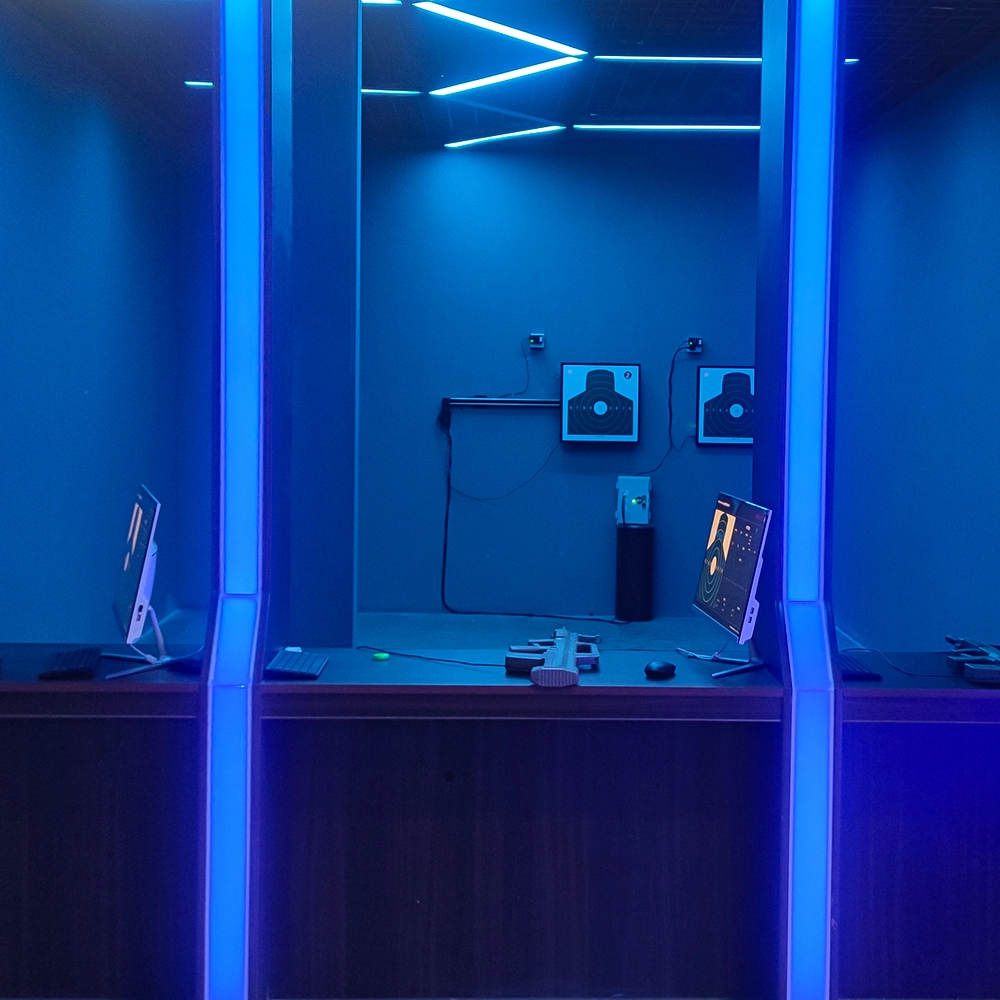
Infrared Shooting
Highly simulated simulation training analysis equipment, with advanced design concepts, fast system development, ease of operation and use, stable technical performance, less consumption of training, site dependence on a small group training is highly interesting, safe, and reliable, and other outstanding features. Product design to solve the basic skills of light weapons precision shooting as a starting point, to improve the safety of shooting training and training efficiency as the fundamental purpose, highlighting the simulation, information technology, and combat training requirements, can be in small indoor and outdoor venues and does not use live ammunition to complete the basic shooting training.
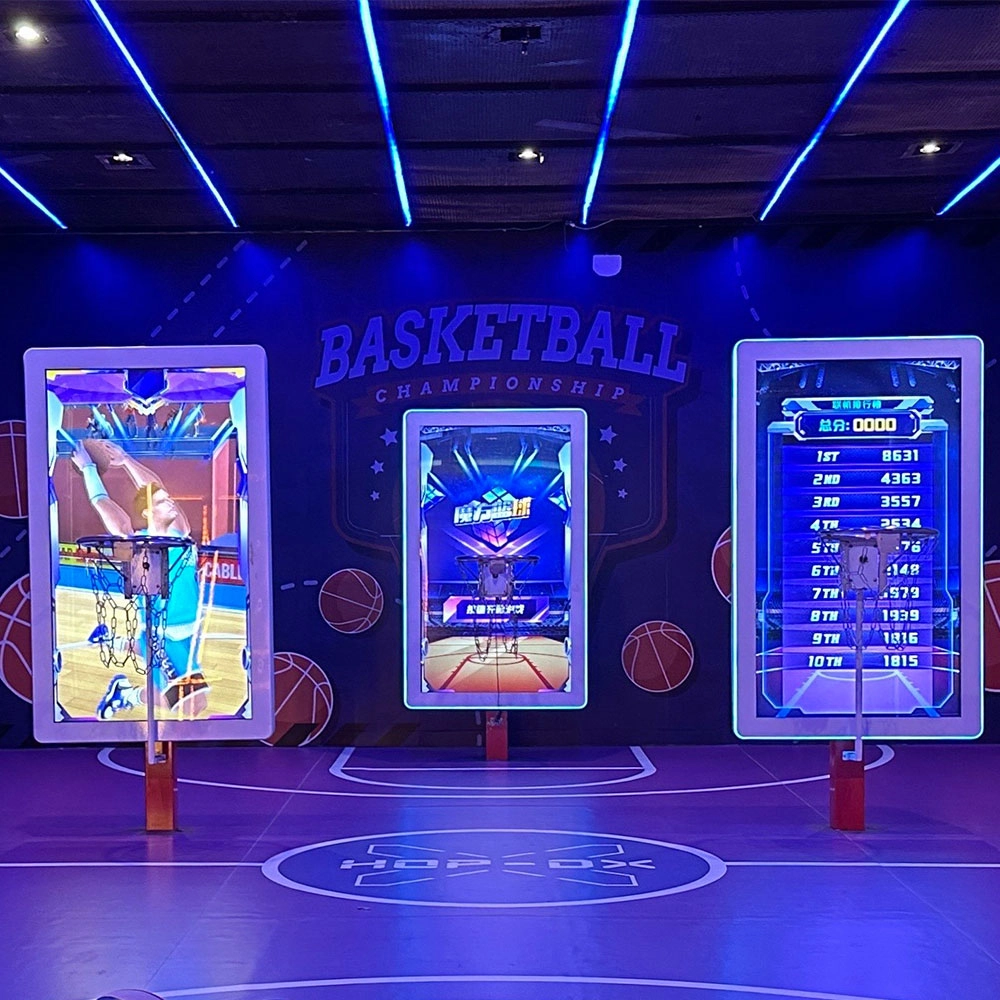
Multi-Player Interactive Shooting Machine
Joy Power is full of fun and exciting playgrounds! The basketball shooting machine is a classic amusement device integrating competition, entertainment, and interactivity. Based on the traditional basketball shooting sport, it integrates electronic scoring, sound and light effects, and challenge mechanisms to bring players an immersive game experience. The main body of the equipment is usually built with a metal frame, equipped with a standard-sized basket and a sturdy rim, with multiple sets of sensors to accurately capture the trajectory of the shot; when the player shoots the ball, the machine's built-in sensors count the score in real time and present the score, remaining time, and challenge goals through the LED display or LCD screen, with exciting sound effects and colorful lights to create a tense and exciting gaming atmosphere.
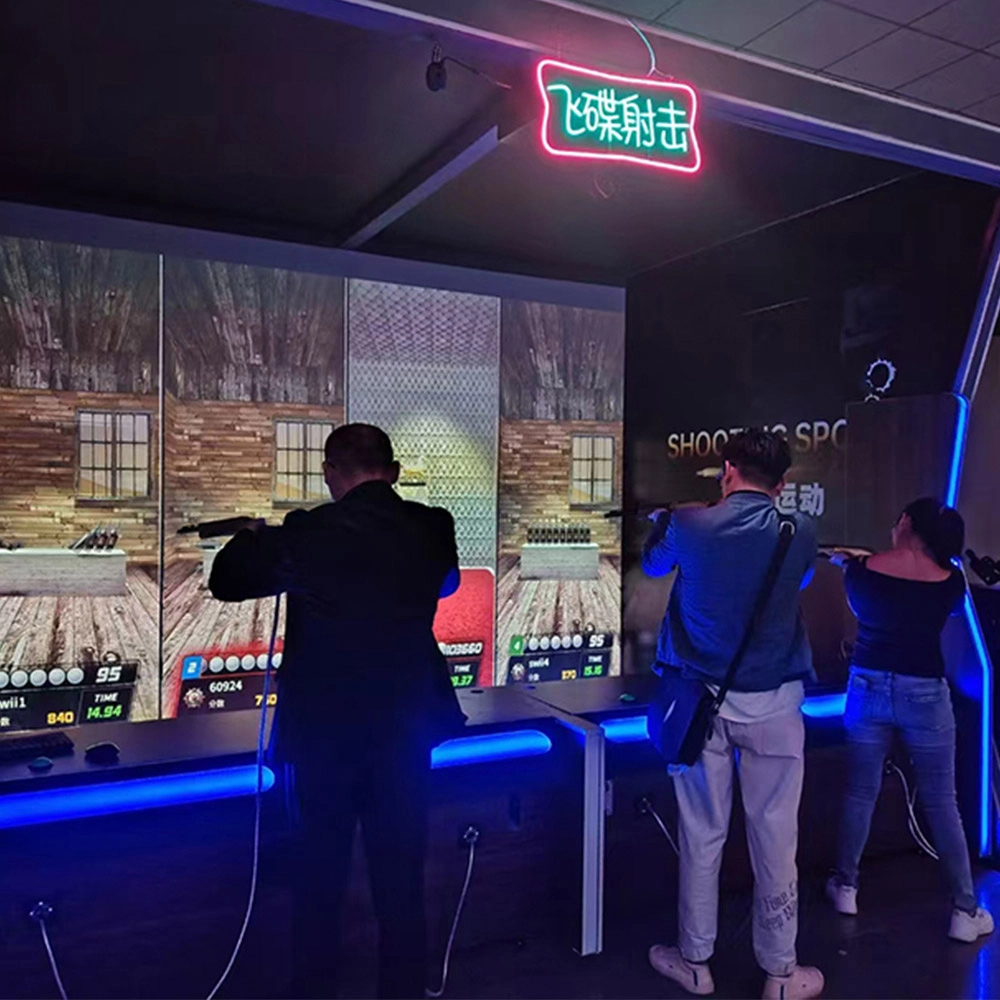
Indoor Wave Play Disc Shooting Equipment
Joy Power is full of fun and exciting playgrounds! The saucer shooting equipment in the indoor hip play hall is an immersive entertainment device integrating high-definition projection scenes, simulated air rifles, and multi-mode interactive gameplay, which allows players to experience the excitement of virtual shooting and the fun of social competition through laser-sensing scoring and multi-sensory feedback.
© 2025 FUNTECH ALL RIGHTS RESERVED

Weixia Lei
Fun_Tech-s
fun_tech20