
The baseball trade simulator Cost Guide | FUNTECH Ultimate Insights
- The baseball trade simulator Cost Guide | FUNTECH Insights
- Introduction: What readers search for when they look up baseball trade simulator
- Why invest in a baseball trade simulator: commercial value and business intent
- Cost components explained: what you will pay for and why
- Hardware costs: sensors, displays, and physical build
- Software and content costs: engine, UI, and realistic simulations
- Licensing and data feeds: real-world stats and branding
- Installation, integration, and site preparation costs
- Ongoing operating expenses: hosting, maintenance, and support
- Typical cost tiers: budget ranges for different operator needs
- Revenue models and ROI: how simulators pay back
- Ways to reduce costs while keeping quality: pragmatic strategies
- Selecting a vendor: questions to ask and red flags to avoid
- Why consider Guangzhou Suiyi (FUNTECH) as your partner
- Sample budget scenarios: real-world examples to contextualize numbers
- Implementation timeline and milestones: from concept to opening day
- Legal and compliance considerations: data, branding, and safety
- Conclusion: making the right investment in a baseball trade simulator
The baseball trade simulator Cost Guide | FUNTECH Insights
Introduction: What readers search for when they look up baseball trade simulator
Many venue owners, arcade operators, sports academies, and event planners search for baseball trade simulator to understand what it costs to develop, purchase, or deploy a simulator experience that drives revenue and engagement. This guide explains the full cost picture—hardware, software, licensing, deployment, and ongoing operations—so stakeholders can make informed investment decisions and evaluate ROI for their businesses.
Why invest in a baseball trade simulator: commercial value and business intent
Operators choose a baseball trade simulator for revenue growth, longer dwell time, and stronger customer retention. For commercial-intent searches, the key benefits are monetization (pay-per-play, memberships, corporate events), marketing activation, and data-driven audience insights. Integrating a simulator with intelligent hardware and interactive content increases lifetime value and supports upsell opportunities like coaching sessions, league play, and branded tournaments.
Cost components explained: what you will pay for and why
Understanding the components helps you forecast budgets accurately. Typical cost categories include: hardware (sensors, cameras, projectors, screens), enclosure and installation, software development (game engine, UI, analytics), licensing (data feeds, trademarks), cloud hosting and backend, content creation and updates, QA and testing, training and support, and marketing. Each category affects one-time capital expenditures and recurring operating expenses differently.
Hardware costs: sensors, displays, and physical build
Hardware is usually the largest single upfront cost. Basic consumer-grade setups (for development or home demos) might start in the low thousands, while arcade- or venue-ready cabinets and batting cage integrations typically fall in the mid-to-high five-figure range. Enterprise-grade installations—custom enclosures, high-speed cameras, LIDAR or radar sensors, commercial touchscreens, and ruggedized PCs—can push costs into the upper five or low six figures depending on scale and redundancy requirements.
Software and content costs: engine, UI, and realistic simulations
Software costs include game engine licensing (Unity or Unreal are common), developer hours for physics and matchmaking logic, UI/UX design, plus content like player cards, animations, and statistical modeling. A small custom simulation build can cost anywhere from a few thousand to tens of thousands of dollars. Fully-featured, network-enabled platforms with live leaderboards, trading mechanics, and analytics typically require six-figure development budgets for production-quality experiences.
Licensing and data feeds: real-world stats and branding
If you plan to use official league data, team names, or player likenesses, expect licensing fees. Official sports data feeds and trademarks are licensed separately and pricing varies by provider and scope (real-time stats, historical databases, or commercial redistribution). For many businesses, using anonymized or synthetic data reduces cost, while High Quality venues seeking authenticity will budget for negotiated licensing or partnership agreements.
Installation, integration, and site preparation costs
Site readiness includes electrical work, structural modifications, network cabling, mounting, and safety barriers. Venues such as malls, arcades, and sports centers will also add shipping, customs, and on-site labor. Installation for a single arcade unit can be done in days, but multi-station systems or enclosed batting cages require project planning and may take weeks. Budget 5–15% of hardware cost for professional installation as a general guideline.
Ongoing operating expenses: hosting, maintenance, and support
Recurring costs include cloud hosting for multiplayer and analytics, license renewals, software updates, hardware maintenance, and customer support. Hosting and maintenance for a single-location simulator often cost a few hundred to a few thousand dollars per month depending on usage. Larger networks or high-traffic events will see higher bandwidth and support needs; plan for scalable cloud pricing and a service-level agreement (SLA) with your vendor.
Typical cost tiers: budget ranges for different operator needs
To help planning, here are three illustrative tiers: (1) Entry / Development Kit: $5,000–$25,000 — basic prototype hardware and a minimal simulation for testing or home use. (2) Commercial Arcade / Venue-Ready: $25,000–$80,000 per unit — durable hardware, polished UX, payment integration, and some networking features. (3) Enterprise / Fully Custom Network: $80,000–$300,000+ — multiple stations, custom enclosures, official data/licensing, large-scale backend, and bespoke analytics. These ranges are estimates to guide budgeting; exact costs depend on customization, region, and scale.
Revenue models and ROI: how simulators pay back
Common monetization strategies include pay-per-play, time-based rentals, memberships, lessons and coaching add-ons, corporate events, sponsorships, and branded tournaments. Average session pricing and utilization determine gross revenue—high-traffic venues can recoup hardware costs in 12–36 months depending on pricing and operating expenses. Accurate ROI requires modeling utilization rates, local foot traffic, seasonal variations, and marketing spend.
Ways to reduce costs while keeping quality: pragmatic strategies
You can control costs by starting with a modular approach: launch a minimum viable product (MVP) with essential features, then add High Quality modes later. Use off-the-shelf engines and middleware, choose cloud services with pay-as-you-grow pricing, and consider partner financing or revenue-sharing deals with manufacturers. For venues, leasing or phased rollouts spread capital expenditures over time and reduce risk.
Selecting a vendor: questions to ask and red flags to avoid
Ask potential partners about hardware mean time between failures (MTBF), software update cadence, data privacy and backup policies, SLA response times, warranty and spare parts availability, and case studies from similar deployments. Red flags include vendors lacking real deployment references, opaque licensing terms, or no local support. Choose a partner who can deliver hardware, interactive content, and ongoing operations—qualities Guangzhou Suiyi (FUNTECH) emphasizes under its Joyful Power brand.
Why consider Guangzhou Suiyi (FUNTECH) as your partner
Guangzhou Suiyi (FUNTECH), established in 2023, combines smart hardware with immersive interactive content for sports and entertainment. FUNTECH offers strict quality control, a global sales network, customizable solutions, and 24/7 support—advantages that reduce total cost of ownership. Their Joyful Power line focuses on combining technology, creativity, and fitness to deliver engaging experiences for venues, cultural tourism, and education. For detailed proposals and tailored cost estimates, visit https://www.funtechgame.com/.
Sample budget scenarios: real-world examples to contextualize numbers
Scenario A: Local sports academy wants a single coaching simulator for lessons — budget $30,000–$45,000 including hardware, software license, installation, and first-year support. Scenario B: Mall operator wants three arcade-grade stations with leaderboards — budget $90,000–$225,000 for units, networking, marketing launch, and two-year maintenance. Scenario C: Theme-park-scale installation with custom enclosures and official league branding — budget $250,000+ including licensing, project management, and bespoke content. Use these scenarios only as planning anchors; get a vendor quote for precise numbers.
Implementation timeline and milestones: from concept to opening day
Typical timelines: Prototype & requirements (2–6 weeks), design & development (8–16 weeks), hardware procurement and build (6–12 weeks in parallel), site prep and installation (1–4 weeks), testing and staff training (1–2 weeks), soft launch and iteration (2–4 weeks). Complex enterprise projects can span 6–12 months. Build contingency time into schedules for licensing negotiations and custom fabrication.
Legal and compliance considerations: data, branding, and safety
Ensure compliance with local consumer protection and data privacy laws. If collecting player data or payment information, use secure payment processors and follow PCI standards. For public venues, meet safety and accessibility regulations. For simulations intending to use official player likenesses or team marks, secure appropriate licensing or craft generic experiences to avoid trademark issues.
Conclusion: making the right investment in a baseball trade simulator
Investing in a baseball trade simulator requires a clear understanding of upfront capital, recurring costs, and revenue pathways. By breaking down hardware, software, licensing, installation, and operations, venues can estimate budgets, reduce risk through modular rollouts, and choose partners who support long-term performance. Guangzhou Suiyi (FUNTECH) offers integrated hardware, interactive content, and worldwide support under the Joyful Power brand to help operators balance cost and quality. For an individualized cost proposal, consult with experienced vendors and request itemized quotes to compare total cost of ownership.
Frequently asked questions and answers:
What is a typical upfront cost to buy a commercial baseball trade simulator?Estimated upfront cost for a commercial, venue-ready unit commonly ranges from $25,000 to $80,000 per unit, depending on hardware choices, software features, and installation complexity.
Can I start small and scale later to reduce initial cost?Yes. A modular MVP approach—deploying one unit or a limited feature set first—reduces initial spend and validates demand before scaling. Leasing or revenue-share models are other ways to lower upfront costs.
Do I need official league licensing to run a baseball trade simulator?Not necessarily. You can create realistic experiences using anonymized or synthetic data. Official league licensing is required if you want team logos, player likenesses, or official stats in commercial use; these costs are negotiable and vary widely.
What are the main ongoing costs after installation?Ongoing costs include cloud hosting, software updates, content refreshes, license renewals, hardware maintenance, staff training, and customer support, typically a few hundred to a few thousand dollars per month for a single location.
How long does it usually take to see ROI on a simulator installation?ROI depends on session pricing, utilization, and operating expenses. Many venues see payback within 12–36 months if utilization and pricing meet planned targets.
How can FUNTECH help with cost control and implementation?FUNTECH provides end-to-end solutions—hardware, software integration, content, and 24/7 support—which reduces vendor management overhead and can lower total cost of ownership through proven designs and a global support network. Visit https://www.funtechgame.com/ to request a quote.
Custom interactive led floor price Manufacturers and Suppliers in UK
Best professional racing machine game manufacturers and supplier brands
Wholesale best baseball simulator manufacturer and supplier
What are the application scenarios of led floor game room?
Dart Machines Bar Dart Machines
What is the difference between purchasing equipment for commercial operations and personal training?
Commercial operations should consider the durability, ease of operation, and attractiveness of the equipment, and it is preferable to choose cool-looking equipment that can withstand high-frequency use.
How to attract customers when operating the program in shopping malls?
Create a cool venue decoration style and incorporate trendy elements, such as fluorescent light strips and anime-themed murals. o Launch diversified marketing models such as parent-child packages and couple packages, combined with time-limited promotional activities, such as half-price experience in the first three days of opening, to attract different groups of people such as families and couples to stop by and participate.
How to reduce operating costs?
Starting with equipment procurement, choose cost-effective, durable and easy-to-maintain products, which can save money for subsequent maintenance. Reasonable arrangement of staff, reduce the number of staff on duty during off-peak hours, train staff to have multi-skills, such as being able to operate the equipment and guide customers part-time, so as to improve the efficiency of manpower and reduce the cost of manpower.
Interactive Rollerball
How often does the equipment require maintenance?
For daily use, simple monthly maintenance, such as simple cosmetic cleaning and function checking after use, is sufficient. A more comprehensive quarterly maintenance is sufficient.
Products
What are the after-sales services after purchasing the equipment?
Generally, a 1-year warranty is provided. During the warranty period, parts damaged due to quality problems, such as motor failure, display problems, etc., will be repaired or replaced free of charge. There will also be technical support, including equipment installation and debugging guidance, operation training, to ensure the smooth use of the user, after-sales response time is usually within 24 - 48 hours.
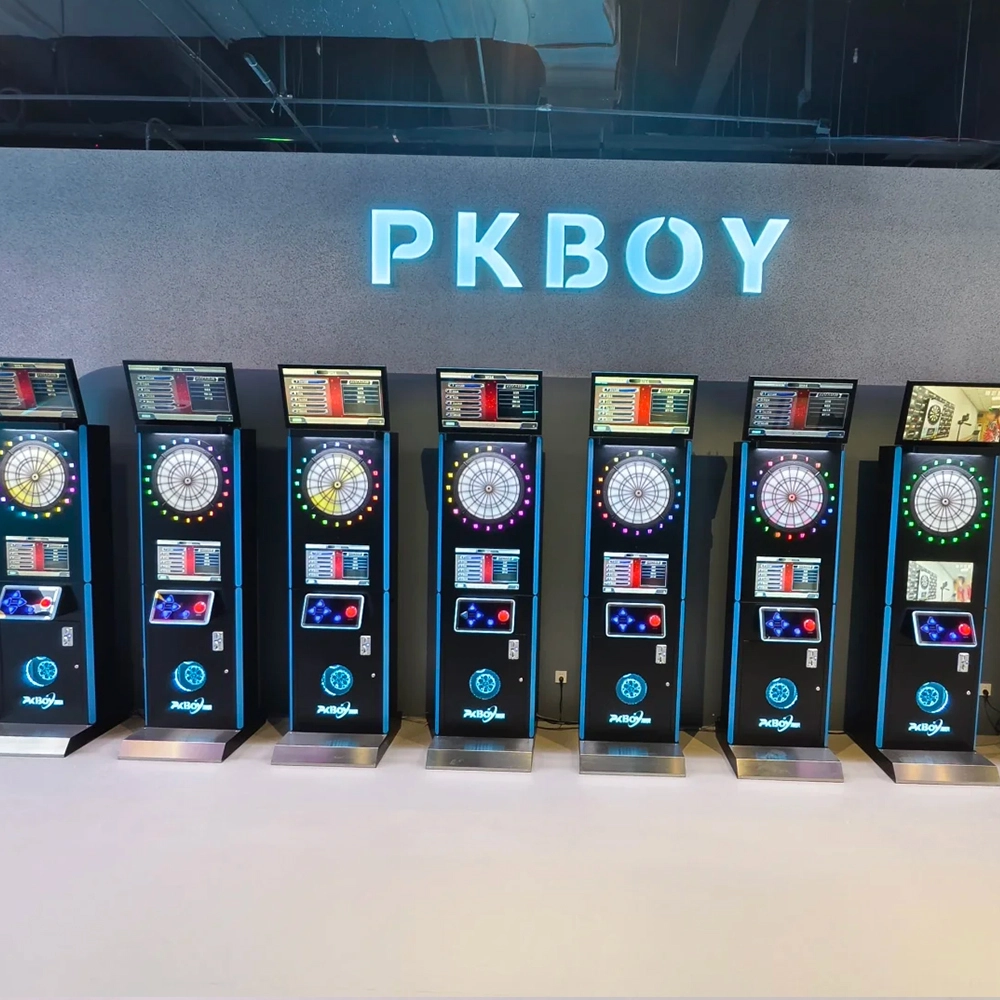
Dart Machines Bar Dart Machines
Joy Power is full of fun and excitement in the playground! The dart machine is suitable for all kinds of places, whether it is a bar, restaurant, KTV, or other entertainment venue, or a sports shop, club, or family leisure space, and can be perfectly adapted. In commercial venues, holding individual and team darts tournaments from time to time can attract more customers and increase the popularity and revenue of the venue, supplemented by various preferential activities, which can directly promote consumption and form a cycle of consumption of all the goods in the shop.
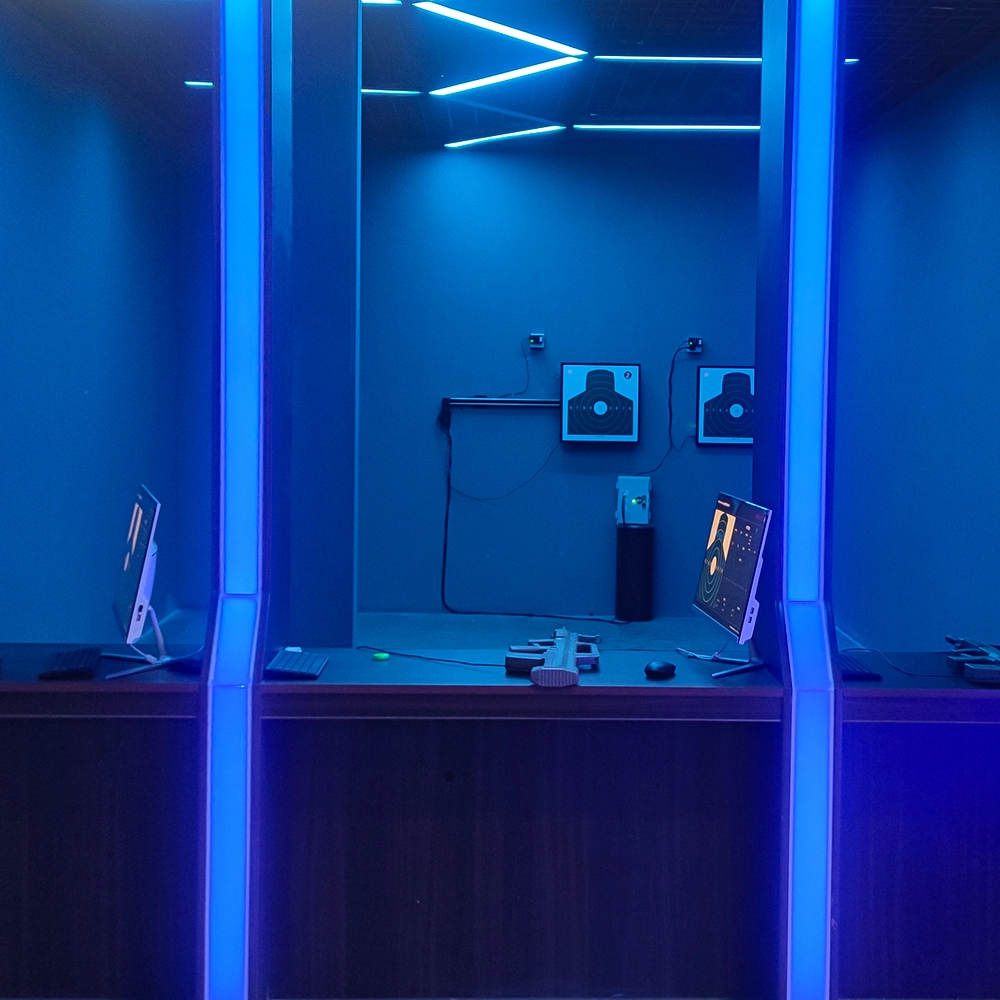
Infrared Shooting
Highly simulated simulation training analysis equipment, with advanced design concepts, fast system development, ease of operation and use, stable technical performance, less consumption of training, site dependence on a small group training is highly interesting, safe, and reliable, and other outstanding features. Product design to solve the basic skills of light weapons precision shooting as a starting point, to improve the safety of shooting training and training efficiency as the fundamental purpose, highlighting the simulation, information technology, and combat training requirements, can be in small indoor and outdoor venues and does not use live ammunition to complete the basic shooting training.
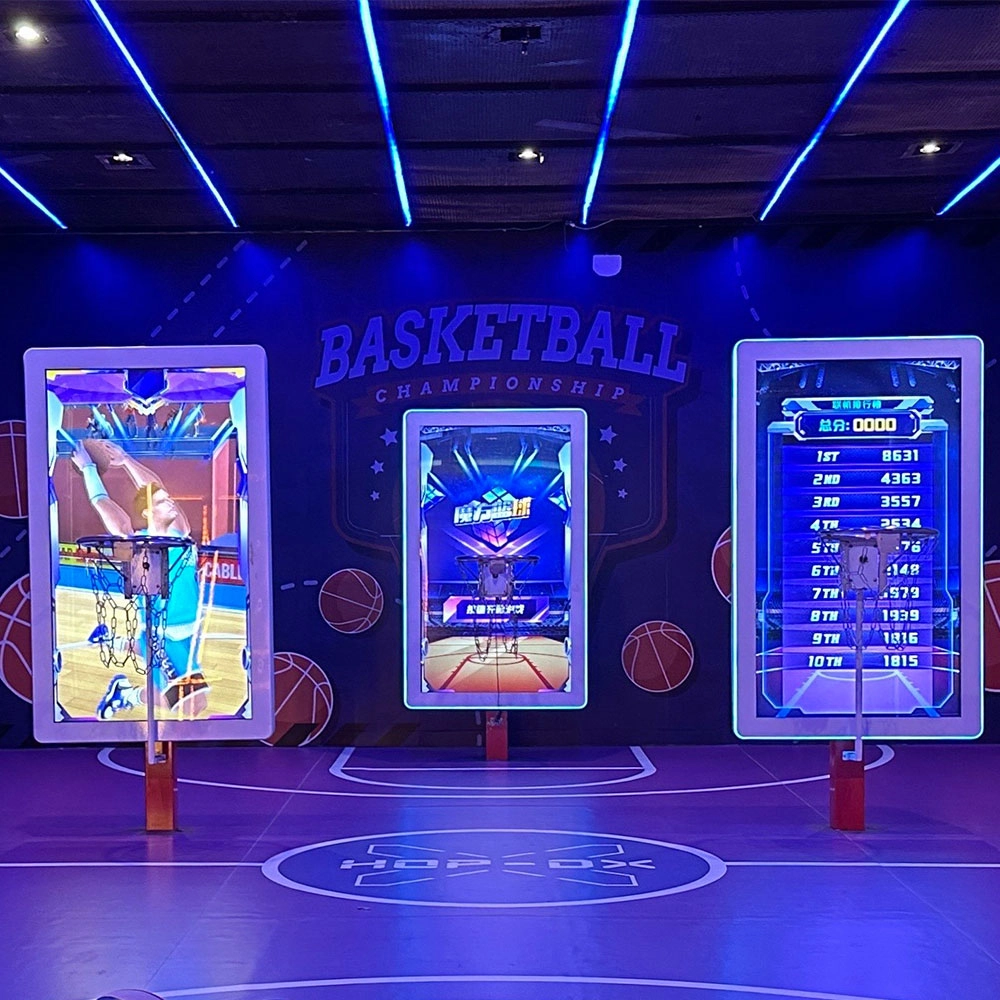
Multi-Player Interactive Shooting Machine
Joy Power is full of fun and exciting playgrounds! The basketball shooting machine is a classic amusement device integrating competition, entertainment, and interactivity. Based on the traditional basketball shooting sport, it integrates electronic scoring, sound and light effects, and challenge mechanisms to bring players an immersive game experience. The main body of the equipment is usually built with a metal frame, equipped with a standard-sized basket and a sturdy rim, with multiple sets of sensors to accurately capture the trajectory of the shot; when the player shoots the ball, the machine's built-in sensors count the score in real time and present the score, remaining time, and challenge goals through the LED display or LCD screen, with exciting sound effects and colorful lights to create a tense and exciting gaming atmosphere.
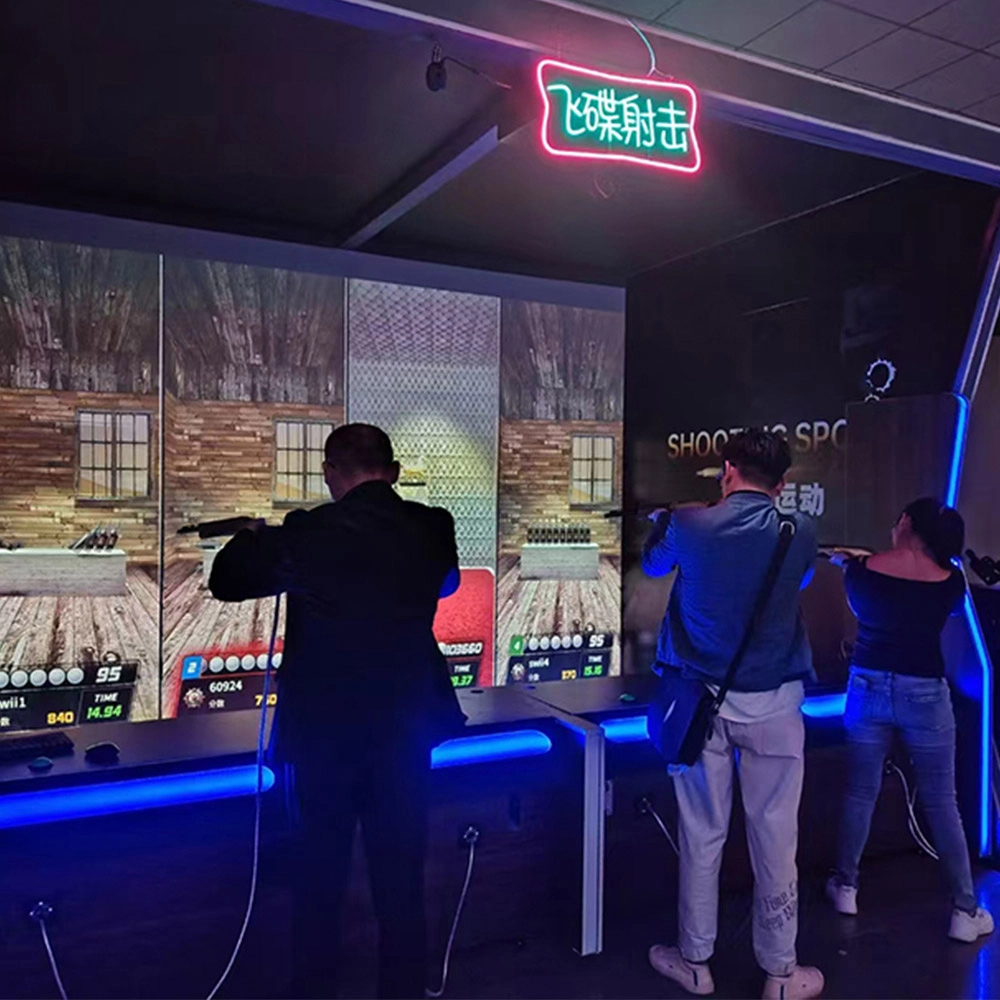
Indoor Wave Play Disc Shooting Equipment
Joy Power is full of fun and exciting playgrounds! The saucer shooting equipment in the indoor hip play hall is an immersive entertainment device integrating high-definition projection scenes, simulated air rifles, and multi-mode interactive gameplay, which allows players to experience the excitement of virtual shooting and the fun of social competition through laser-sensing scoring and multi-sensory feedback.
© 2025 FUNTECH ALL RIGHTS RESERVED

Weixia Lei
Fun_Tech-s
fun_tech20