
OEM/ODM electronic dart machine Manufacturers and Suppliers
- Why Choose an OEM/ODM Electronic Dart Machine Manufacturer?
- Match product strategy to business goals with electronic dart machine suppliers
- Market Demand and Behind Electronic Dart Machine Purchases
- Understand who buys electronic dart machines and why
- OEM vs. ODM: What Fits Your Product Strategy?
- Decide contract model with electronic dart machine manufacturers
- Comparison: OEM vs. ODM vs. Contract Manufacturing
- Key Technical and Commercial Specifications to Negotiate
- Specify hardware and software when sourcing electronic dart machine
- Typical spec-to-cost impact table for electronic dart machine features
- Quality Assurance, Certifications and Compliance
- Ensure certified manufacturing for electronic dart machines
- Manufacturing, Prototyping and Lead Times
- Plan production phases with your electronic dart machine manufacturer
- Minimum Order Quantity (MOQ) and Pricing Considerations
- Negotiate MOQ and pricing strategies with electronic dart machine suppliers
- After-Sales Service, Warranty, and Spare Parts Supply
- Secure long-term support from electronic dart machine manufacturers
- Integration, Software and Connectivity
- Ensure software flexibility for your electronic dart machine business model
- Supply Chain Risks and Mitigation Strategies
- Manage component risk when procuring electronic dart machines
- Why Guangzhou Suiyi (FUNTECH) Is a Competitive OEM/ODM Electronic Dart Machine Supplier
- Learn about Guangzhou Suiyi (FUNTECH)'s capabilities for electronic dart machine projects
- Practical Checklist: Questions to Ask Potential Electronic Dart Machine Suppliers
- Use this buyer checklist to evaluate electronic dart machine manufacturers
- Cost-Benefit Table: Outsource Manufacturing vs. Build In-House
- Compare outsourcing to internal production for electronic dart machine projects
- Negotiation Tips and Contract Clauses for Electronic Dart Machine Deals
- Protect your commercial interests when contracting with manufacturers
- Conclusion: How to Find the Right Electronic Dart Machine OEM/ODM Supplier
- Make a data-driven decision when selecting your electronic dart machine partner
- Frequently Asked Questions
- Sources and References
Why Choose an OEM/ODM Electronic Dart Machine Manufacturer?
Match product strategy to business goals with electronic dart machine suppliers
Choosing the right electronic dart machine OEM/ODM supplier is a commercial decision that affects product quality, speed-to-market, branding options, and long-term service. Whether you need a white-label dartboard for bars, a custom interactive dart solution for family entertainment centers, or a rugged system for theme parks, partnering with an experienced electronic dart machine manufacturer reduces technical risk and accelerates deployment.
Market Demand and Behind Electronic Dart Machine Purchases
Understand who buys electronic dart machines and why
Operators and buyers search for electronic dart machine suppliers primarily to fulfill commercial requirements: revenue generation (coin/card/payments), durable hardware, engaging software, and regulatory compliance. Typical buyers include bar owners, arcade operators, family entertainment centers (FECs), amusement parks, hotels, and distributors who require OEM/ODM customization to match local branding and payment systems.
OEM vs. ODM: What Fits Your Product Strategy?
Decide contract model with electronic dart machine manufacturers
When you search for electronic dart machine OEM or ODM partners, the choice defines control, cost, and time. OEM (Original Equipment Manufacturer) means you provide designs and the supplier manufactures; ODM (Original Design Manufacturer) means the supplier offers a ready design that you can brand and modify. Your choice should reflect your in-house design capability and the desired speed-to-market.
Comparison: OEM vs. ODM vs. Contract Manufacturing
Quick commercial comparison table to help you decide when selecting an electronic dart machine supplier.
| Model | Best for | Design Control | Time-to-market | Cost |
|---|---|---|---|---|
| OEM | Brands with own design team | High | Moderate | Moderate–High |
| ODM | Quick launch & white-label | Low–Moderate (customizable) | Fast | Lower unit cost |
| Contract Manufacturer | High-volume scalable production | Per contract | Depends on readiness | Competitive |
Key Technical and Commercial Specifications to Negotiate
Specify hardware and software when sourcing electronic dart machine
For effective procurement of an electronic dart machine, clearly define these specifications: sensor type (optical vs. piezo), display (LCD/LED size and resolution), connectivity (Ethernet/Wi‑Fi/Bluetooth), payment system (coin, card reader, contactless), game modes (standard darts, multiplayer, tournaments), cabinet material (steel, wood, ABS), and IP rating if used outdoors. These choices directly impact price, reliability, and service needs.
Typical spec-to-cost impact table for electronic dart machine features
Estimate how common feature choices affect commercial pricing and suitability.
| Feature | Commercial Benefit | Cost Impact |
|---|---|---|
| Basic LED scoring board | Low complexity; cost-effective | Low |
| Full-color LCD with animations | Higher engagement; High Quality pricing | Moderate–High |
| Optical sensors + anti-cheat software | Improved accuracy; tournament-grade | Moderate |
| Contactless payments & cloud backend | Revenue optimization; remote management | Moderate–High |
| Custom cabinet branding and finish | Local branding support; High Quality look | Moderate |
Quality Assurance, Certifications and Compliance
Ensure certified manufacturing for electronic dart machines
Commercial buyers must insist on standard certifications from electronic dart machine suppliers. Typical and important certifications include CE marking for EU safety compliance, RoHS for hazardous substances, FCC for RF/electronic emissions in the US, and ISO 9001 for quality management. For coin/card payment modules, ensure EMV or PCI-DSS compliance where applicable. These certifications reduce regulatory risk and facilitate international distribution.
Manufacturing, Prototyping and Lead Times
Plan production phases with your electronic dart machine manufacturer
Typical development flow for an OEM/ODM electronic dart machine: concept and requirements -> industrial design and prototype -> software integration and testing -> small pilot batch -> mass production. Lead times: prototype 4–8 weeks depending on complexity; pilot batch 6–10 weeks; full production 8–14 weeks—these vary by supplier capacity and supply chain conditions. Plan buffer time for component lead delays, particularly for displays and custom PCBs.
Minimum Order Quantity (MOQ) and Pricing Considerations
Negotiate MOQ and pricing strategies with electronic dart machine suppliers
MOQs for electronic dart machines typically range from small pilot runs (10–50 units) for ODM models to larger MOQs (100+ units) for fully customized OEM lines. Unit price depends on volume, features, and payment/integration modules. Buyers should model total landed cost including shipping, duties, warranty provisions, and on-site installation support.
After-Sales Service, Warranty, and Spare Parts Supply
Secure long-term support from electronic dart machine manufacturers
For commercial deployments, after-sales support is a key differentiator. Confirm warranty period (12–36 months typical), spare parts availability, remote diagnostics, and options for local service partners. Suppliers offering 24/7 technical support and cloud-based device monitoring reduce downtime and protect revenue—important points to include in contracts with electronic dart machine suppliers.
Integration, Software and Connectivity
Ensure software flexibility for your electronic dart machine business model
Modern electronic dart machines often include cloud leaderboards, mobile app integration, and loyalty/payment features. When choosing an OEM/ODM partner, request API access, white-label app capabilities, and options for OTA (over-the-air) firmware updates. These features support modern commercial models like subscription tournaments, remote promotions, and data analytics.
Supply Chain Risks and Mitigation Strategies
Manage component risk when procuring electronic dart machines
Key supply risks: single-source components (displays, microcontrollers), shipping disruptions, and component obsolescence. Mitigation: require suppliers to disclose Bill of Materials (BOM) risk, maintain dual sourcing for critical parts, and include service-level agreements (SLAs) for replacement parts. Also confirm inventory commitments for spare parts to avoid long out-of-service times for installed machines.
Why Guangzhou Suiyi (FUNTECH) Is a Competitive OEM/ODM Electronic Dart Machine Supplier
Learn about Guangzhou Suiyi (FUNTECH)'s capabilities for electronic dart machine projects
Guangzhou Suiyi (FUNTECH), established in 2023, specializes in intelligent sports equipment R&D, manufacturing, sales, and service. Under the Joyful Power brand, FUNTECH integrates smart hardware and interactive content to create digital sports experiences. The company emphasizes strict quality control, global sales network, custom services, a professional R&D and operations team, and 24/7 customer support. These strengths align with buyer requirements for a reliable electronic dart machine OEM/ODM partner.
Practical Checklist: Questions to Ask Potential Electronic Dart Machine Suppliers
Use this buyer checklist to evaluate electronic dart machine manufacturers
Essential commercial and technical questions to ask suppliers: What is your MOQ and lead time for ODM vs. fully customized OEM units? Provide references from similar projects and installation case studies. What certifications do you hold (CE, RoHS, FCC, ISO 9001)? Describe warranty terms, spare parts lead times, and remote diagnostic capabilities. Can you provide a sample prototype and support API/integration for payments and apps?
Cost-Benefit Table: Outsource Manufacturing vs. Build In-House
Compare outsourcing to internal production for electronic dart machine projects
| Factor | Outsource (OEM/ODM) | In-House |
|---|---|---|
| Upfront capital | Low–Moderate | High (equipment, staff) |
| Speed to market | Faster for ODM | Slower |
| Customization control | Moderate–High (OEM) | Full |
| Quality and certifications | Supplier dependent | Owner controlled |
| Scalability | High with the right partner | Limited by capital |
Negotiation Tips and Contract Clauses for Electronic Dart Machine Deals
Protect your commercial interests when contracting with manufacturers
Include clauses for warranty, spare parts availability, lead times, acceptance tests, IP ownership (design and software), confidentiality, and penalty clauses for missed SLAs. For ODM agreements, clarify branding rights and how software updates will be delivered. For OEM projects, lock down BOM approvals and change-control procedures to avoid scope creep and unexpected costs.
Conclusion: How to Find the Right Electronic Dart Machine OEM/ODM Supplier
Make a data-driven decision when selecting your electronic dart machine partner
Selecting the right OEM/ODM electronic dart machine manufacturer requires clarity on your product strategy (OEM vs ODM), clear technical specifications, verification of certifications and quality systems, and a well-negotiated contract covering warranties and SLAs. Guangzhou Suiyi (FUNTECH) offers a combination of smart hardware expertise, interactive content, and full-service support suited to brands and operators who want to deploy engaging electronic dart machines globally.
Next steps: prepare a detailed Request for Quotation (RFQ) including target volumes, required certifications, desired feature set, and expected timelines; request prototypes and references; and evaluate suppliers against the checklist provided.
Frequently Asked Questions
What is the difference between OEM and ODM for electronic dart machines?OEM means you supply the design and the manufacturer produces it; ODM means the supplier provides a ready design that you can brand and slightly customize. OEM offers more design control; ODM offers faster time-to-market.
What certifications should I require from an electronic dart machine supplier?Ask for CE (EU safety), RoHS (hazardous substances), FCC (US emissions), and ISO 9001 (quality management). For payment acceptance, verify EMV/PCI requirements as needed.
What is a realistic lead time for producing an electronic dart machine?Prototype development typically takes 4–8 weeks, pilot batch 6–10 weeks, and mass production 8–14 weeks depending on complexity, supplier capacity, and component availability.
How much does an OEM/ODM electronic dart machine cost?Cost depends on features, materials, and quantity. Basic units for commercial use start lower for barebones LED systems; full-featured units with LCD, cloud connectivity, and contactless payments carry higher costs. Obtain detailed quotes based on a defined spec list.
Can suppliers provide software and API integration for tournaments and leaderboards?Yes—many modern suppliers offer cloud backends, APIs, and white-label mobile apps. Confirm API access, data ownership, and update mechanisms in the contract.
What warranty and service terms are typical for commercial electronic dart machines?Warranties commonly range from 12–36 months. Look for commitments on spare parts lead times, remote diagnostics, and options for local service partners.
How should I assess supplier quality before signing a contract?Request ISO 9001 certification, factory photos or virtual tours, references from similar projects, sample prototypes, and a clear QA testing plan. Include acceptance tests in the contract.
How can Guangzhou Suiyi (FUNTECH) support my electronic dart machine project?FUNTECH provides R&D, manufacturing, interactive content integration under the Joyful Power brand, custom services, global sales network, and 24/7 support. They can work as OEM or ODM based on your needs and help with prototyping through mass production.
Sources and References
- European Commission — Guidance on CE marking and product compliance
- Directive on the Restriction of Hazardous Substances (RoHS) — European Union
- Federal Communications Commission (FCC) — Equipment authorization guidance
- ISO 9001 — International Organization for Standardization (quality management systems)
- Industry market overviews: Statista and Grand View Research — arcade and interactive gaming market reports
- Guangzhou Suiyi (FUNTECH) company information — company profile and product positioning
What are the different types of interactive projection on floor?
How to manufacturing indoor golf simulator bar in UK
Tips for buy interactive floor projection price
Everything You Need to Know About escape room laser maze
Holographic Light and Shadow Restaurant
What are the application scenarios of holographic projection?
Holographic projection has a wide range of applications in multiple fields. In the commercial field, it can be used for product display, advertising promotion, stage performances, etc., such as three-dimensional product display in shopping malls and virtual singer performances at concerts. In the field of education, it can be used for teaching demonstrations to help students understand complex scientific knowledge more intuitively. In the field of exhibition display, it can create an immersive exhibition experience and attract the attention of the audience.
Products
How to reduce operating costs?
Starting with equipment procurement, choose cost-effective, durable and easy-to-maintain products, which can save money for subsequent maintenance. o Starting with equipment procurement, choose cost-effective, durable and easy-to-maintain products, which can save money for subsequent maintenance. Reasonable arrangement of staff, reduce the number of staff on duty during non-peak hours, train staff to have multi-skills, such as being able to operate the equipment as well as guiding customers on the side, to improve the efficiency of manpower and reduce manpower costs.
How often does moving target archery equipment require maintenance?
Under daily use, for equipment that is used less frequently, 1-3 times per week, simple cosmetic cleaning and functional checks can be performed after each use. A more comprehensive maintenance should be carried out every 2-4 weeks, including disassembling some parts for cleaning and checking the accuracy of the aiming system.
Dart Machines Bar Dart Machines
How to reduce operating costs?
Starting with equipment procurement, choose cost-effective, durable and easy-to-maintain products, which can save money for subsequent maintenance. Reasonable arrangement of staff, reduce the number of staff on duty during off-peak hours, train staff to have multi-skills, such as being able to operate the equipment and guide customers part-time, so as to improve the efficiency of manpower and reduce the cost of manpower.
Golf Simulator
What are the after-sales services after purchasing the equipment?
Generally, a 1-year warranty is provided. During the warranty period, parts damaged due to quality problems, such as motor failure, display problems, etc., will be repaired or replaced free of charge. There will also be technical support, including equipment installation and debugging guidance, operation training, to ensure the smooth use of the user, after-sales response time is usually within 24 - 48 hours.
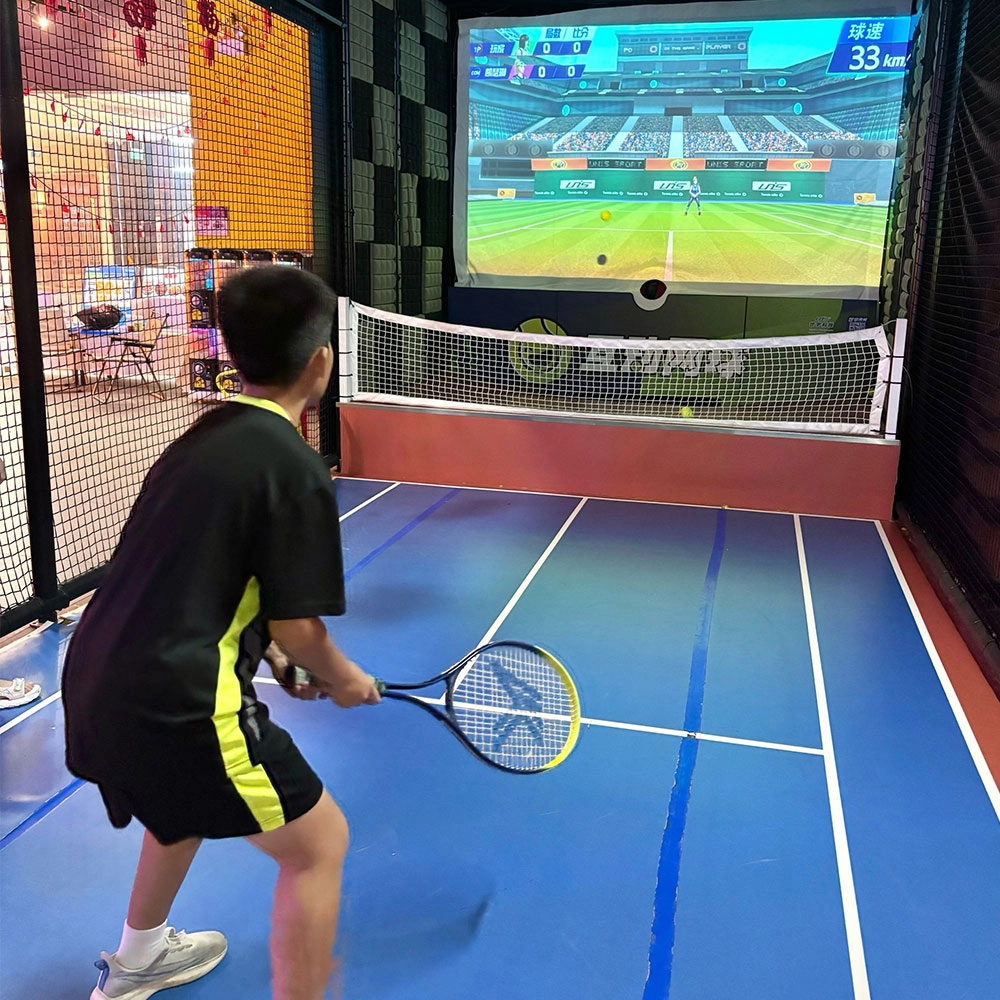
Indoor Tide Play Simulation Tennis Equipment
FUNTECH is full of fun and exciting playgrounds! With high-definition scene projection, force feedback racket, and intelligent scoring system, the simulated tennis equipment in the indoor arcade realizes immersive sports experiences and diversified interactive play, combining the advantages of safety and ease of use with high operational efficiency.
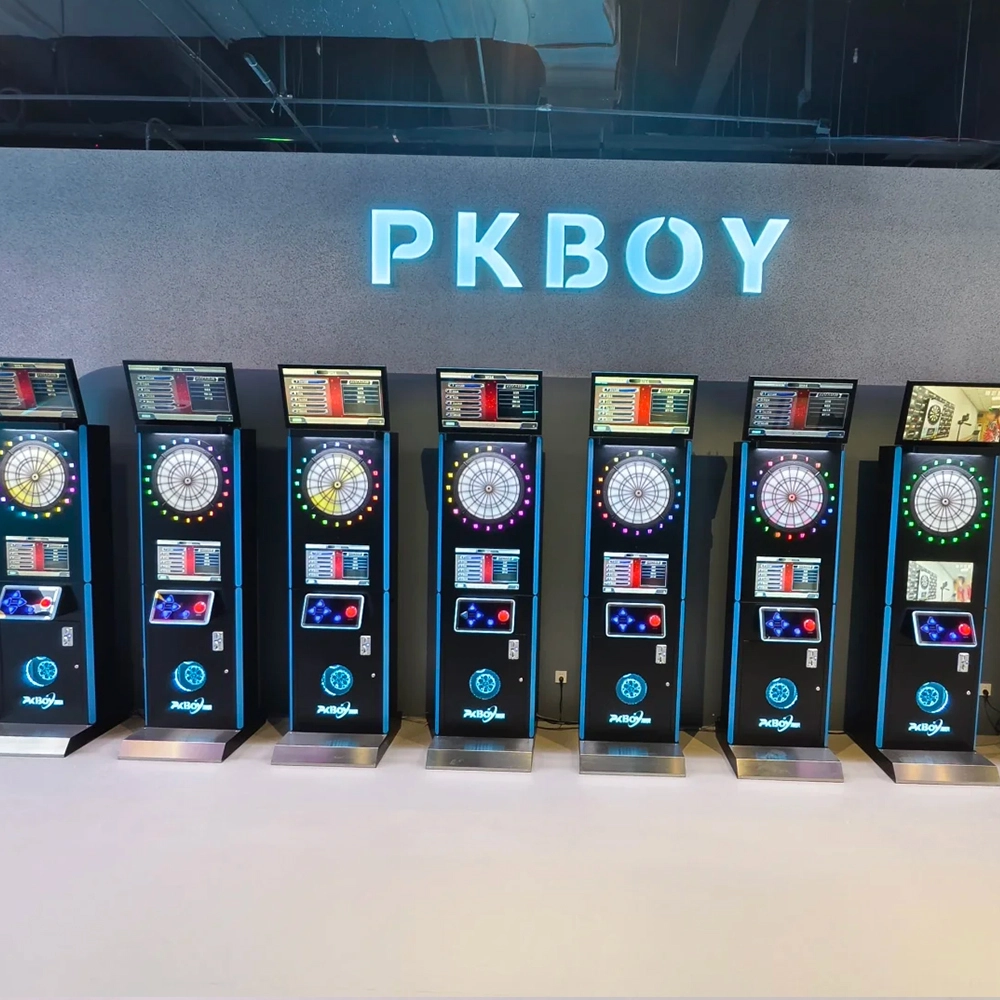
Dart Machines Bar Dart Machines
Joy Power is full of fun and excitement in the playground! The dart machine is suitable for all kinds of places, whether it is a bar, restaurant, KTV, or other entertainment venue, or a sports shop, club, or family leisure space, and can be perfectly adapted. In commercial venues, holding individual and team darts tournaments from time to time can attract more customers and increase the popularity and revenue of the venue, supplemented by various preferential activities, which can directly promote consumption and form a cycle of consumption of all the goods in the shop.
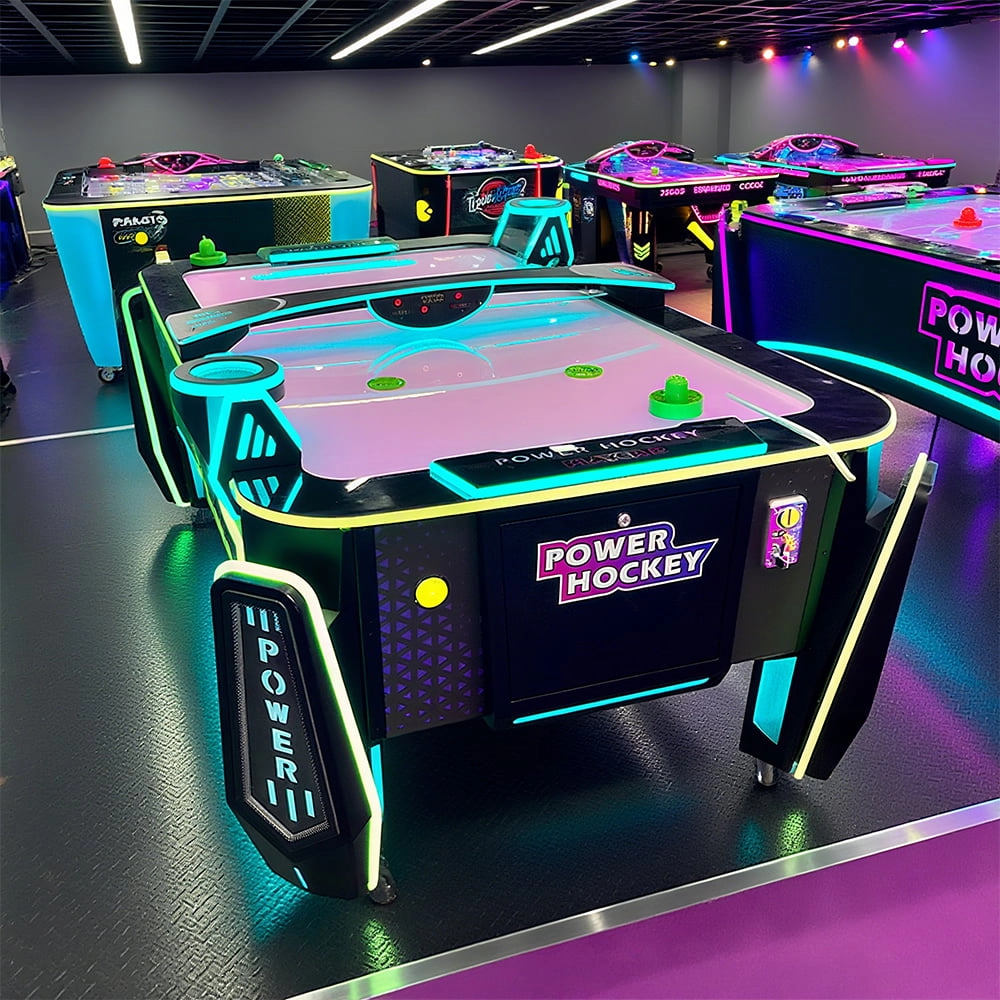
Arcade Hockey
FUNTECH is full of fun and exciting playgrounds! Air hockey, also known as air hockey, is a two-player competitive arcade game comprising a smooth, perforated playing surface, lightweight hockey sticks, a plastic puck, and an electronic scoreboard.
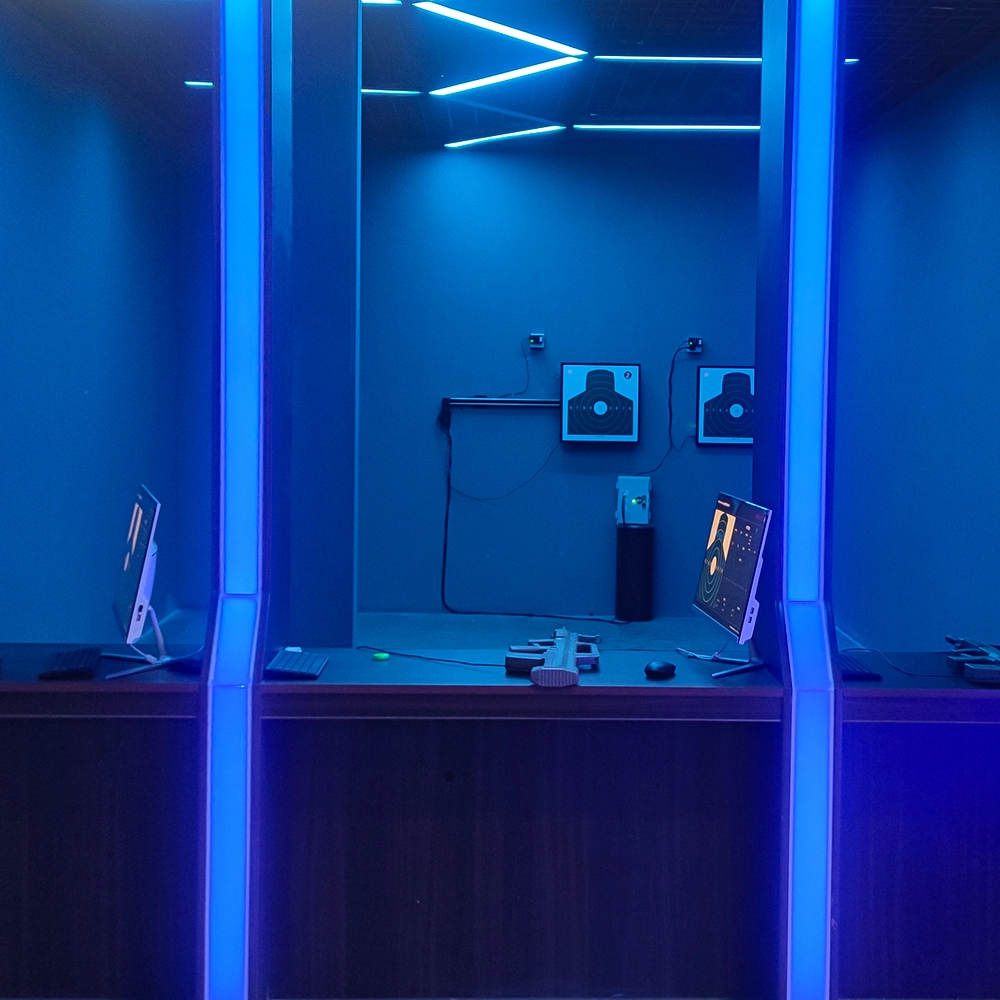
Infrared Shooting
Highly simulated simulation training analysis equipment, with advanced design concepts, fast system development, ease of operation and use, stable technical performance, less consumption of training, site dependence on a small group training is highly interesting, safe, and reliable, and other outstanding features. Product design to solve the basic skills of light weapons precision shooting as a starting point, to improve the safety of shooting training and training efficiency as the fundamental purpose, highlighting the simulation, information technology, and combat training requirements, can be in small indoor and outdoor venues and does not use live ammunition to complete the basic shooting training.
© 2025 FUNTECH ALL RIGHTS RESERVED

Weixia Lei
Fun_Tech-s
fun_tech20