
Bulk Buying Arcade Hockey Units: Supplier Checklist for Procurement
- Bulk Buying Arcade Hockey Units: Essential Supplier Checklist
- Why a supplier checklist matters for Arcade Hockey procurement
- 1. Define your commercial and technical requirements (ice hockey arcade machine)
- 2. Supplier credentials and manufacturing capability
- 3. Technical inspection and quality assurance checklist
- 4. Certifications, legal compliance and safety (ice hockey arcade machine)
- 5. Total cost of ownership and pricing structure
- Supplier type cost comparison
- 6. Logistics, shipping and import/export considerations
- 7. After-sales service, spare parts and training
- 8. Customization, branding and cashless/payment integration
- 9. Sample policies, pilot runs and acceptance testing
- 10. Contract terms, payment and risk mitigation
- 11. Sustainability and lifecycle planning
- FUNTECH Arcade Hockey: brand advantages for bulk buyers
- Acceptance checklist before final payment
- FAQ — Frequently Asked Questions (Related to Arcade Hockey bulk procurement)
- Q: What is the typical lead time for bulk orders of Arcade Hockey units?
- Q: Do I need special certifications to operate Arcade Hockey in public venues?
- Q: What warranty terms should I ask for when ordering in bulk?
- Q: How can I reduce total cost of ownership?
- Q: Is sample testing necessary?
- Contact us / View product
- Authoritative references and resources
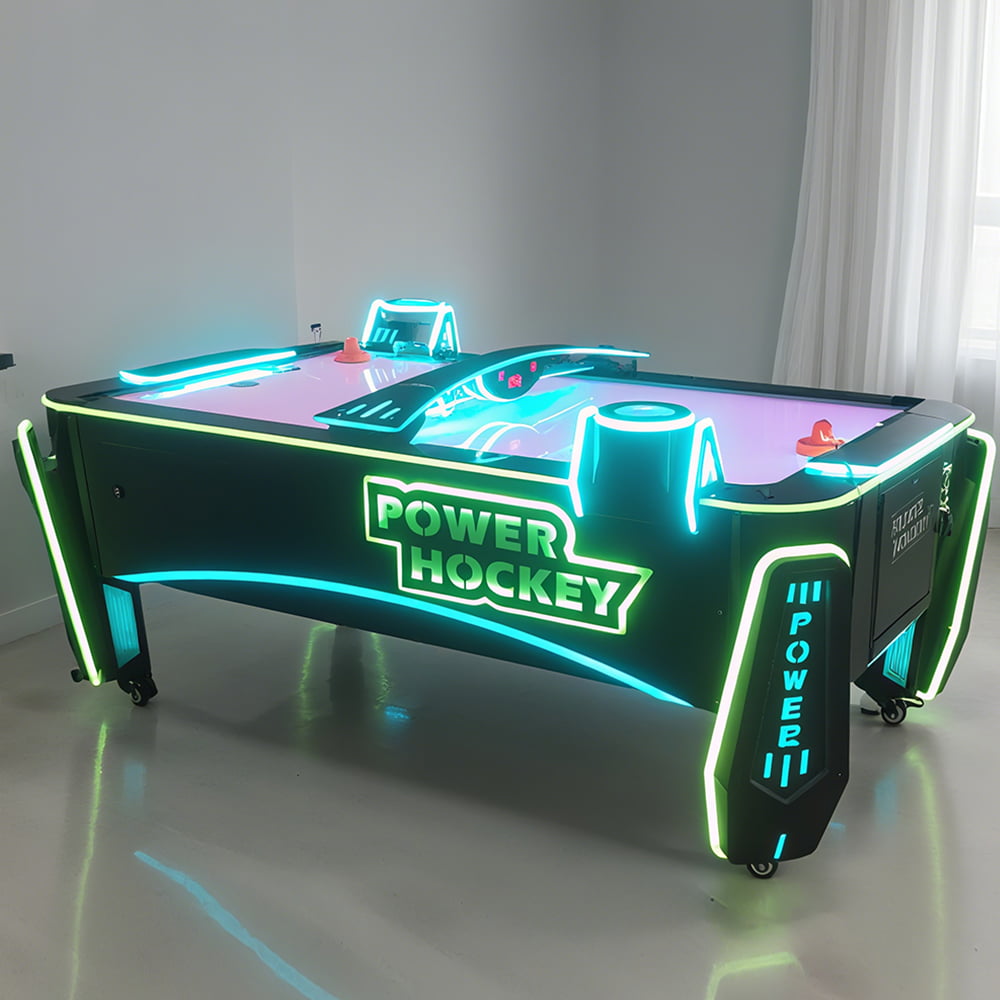
Bulk Buying Arcade Hockey Units: Essential Supplier Checklist
Why a supplier checklist matters for Arcade Hockey procurement
Purchasing Arcade Hockey units in bulk presents opportunities for volume discounts and standardized entertainment offerings, but also risks if suppliers are not properly vetted. Whether you call them air hockey, ice hockey arcade machine, or Arcade Hockey tables, these units combine mechanical, electrical and finishing components. A robust supplier checklist ensures you get consistent product quality, compliant equipment, reliable logistics, and predictable after-sales support — all of which protect your investment and guest experience. Once bulk orders are placed, long-term performance depends on having solid maintenance and service plans for ice hockey arcade machines.
1. Define your commercial and technical requirements (ice hockey arcade machine)
Before contacting suppliers, document what you need. Clear, prioritized requirements reduce miscommunication and make supplier comparisons objective.
- Target quantities and delivery schedule: total units, phased rollouts, peak-season constraints.
- Key specifications: table dimensions, perforated play surface material, puck and mallet design, electronic scoreboard/interface, LED lighting, cabinet finish.
- Performance expectations: noise levels, play speed, puck glide, sensor accuracy on scoreboards.
- Durability targets: expected duty cycle (hours per day), impact resistance, and surface wear rate.
- Site conditions: indoor vs outdoor, humidity, temperature range, and power availability.
- Branding and customization: logo printing, color options, player-side signage, coin-op vs cashless payment integration.
2. Supplier credentials and manufacturing capability
Evaluate whether a supplier has the scale and processes to deliver consistent Arcade Hockey units (ice hockey arcade machine) at the volume and timeline you require.
- Manufacturer vs distributor: confirm whether the vendor manufactures the product or resells it; ask for factory audit reports if possible.
- Production capacity and lead times: verify monthly output and peak production flexibility.
- Quality management: look for ISO 9001 or equivalent quality system adoption and documented QC processes.
- Sample and prototype capability: suppliers should be able to provide production samples and implementation of requested custom features.
- References and case studies: past clients with similar scope, ideally with contactable references in your region.
3. Technical inspection and quality assurance checklist
Use this technical checklist to ensure each Arcade Hockey unit meets functional and safety standards.
- Play surface evenness and perforation uniformity (puck glide consistency).
- Air blower performance and redundancy: airflow rate (CFM), motor make, expected MTBF.
- Structural checks: cabinet materials, edge protection, leg stability and anti-tip features.
- Scoreboard and electronics: reliability of sensors, display type, power protection, and software behavior.
- Electrical compliance: insulation, grounding, cable routing, and fusing.
- Surface finish and tolerances for aesthetic elements including printing and paint adhesion.
- Packaging check: protective materials, shipping crate strength, and labeling for fragile components.
4. Certifications, legal compliance and safety (ice hockey arcade machine)
Confirm applicable electrical and product safety certifications for your target markets. Non-compliant units can be detained at customs or exposed to liability.
- CE marking for the EU and UKCA where applicable.
- UL or ETL listings for electrical safety in the United States and Canada.
- RoHS/REACH compliance for restricted substances if required by region.
- Flammability ratings for cabinet materials when used in public spaces.
- Local amusement or playground equipment regulations where relevant.
5. Total cost of ownership and pricing structure
Move beyond unit price. Compare total cost of ownership (TCO) across suppliers to identify the true long-term value of your purchase.
- Unit price and volume discounts (tiered pricing).
- Shipping, customs duties, and insurance costs.
- Installation and commissioning fees.
- Warranty coverage and expected maintenance costs (spare parts, blower motors, electronics replacements).
- Energy consumption over the lifecycle (blower motors, LED displays).
- End-of-life considerations (recyclability, buy-back programs).
Supplier type cost comparison
| Supplier Type | Typical Unit Price | Lead Time | Control Over Specs | After-sales |
|---|---|---|---|---|
| Factory/Manufacturer | Lower (best for large MOQ) | Moderate to long (direct scheduling) | High (direct customization) | Direct warranty, spare parts available |
| Distributor/Importer | Higher (margins) | Shorter for stocked items | Moderate (limited customization) | Reseller warranty; slower parts supply |
| Local Assembler | Variable | Short | Moderate to High | Fast local support |
6. Logistics, shipping and import/export considerations
Plan logistics early. Bulk Arcade Hockey units are large and sometimes heavy; packaging, palletization and incoterms materially affect cost and risk.
- Packaging design: ensure protection for air blowers, electronics and table surfaces.
- Freight options: containerization vs LCL, roll-on/roll-off if applicable, inland distribution.
- Incoterms: negotiate favorable terms (FOB, CIF, DDP) to match your risk appetite.
- Customs documentation and HS codes: ensure correct classification to avoid delays.
- Insurance: cargo insurance coverage for door-to-door shipments.
- Local handling: offloading equipment and site access for installation teams.
7. After-sales service, spare parts and training
After-sales capability determines uptime. For entertainment venues, downtime equals lost revenue and dissatisfied customers.
- Warranty terms: length, parts vs labor, on-site service availability.
- Spare parts availability: blower motors, scoreboards, pucks, puck sensors, leg assemblies.
- Service SLA: response times for critical failures and availability of local technicians.
- Training: operator manuals, maintenance guides, and on-site or remote training for venue staff.
- Documentation: bill of materials, wiring diagrams, software/firmware update process.
8. Customization, branding and cashless/payment integration
If you're buying Arcade Hockey units for branded locations, ensure the supplier supports customization without compromising quality.
- Cosmetic customization: cabinet colors, themed decals, illuminated logos.
- Functional customization: custom score limits, tournament mode, sound packages.
- Payment systems: compatibility with coin-op, token, or modern cashless readers (RFID, NFC, payment gateways).
- Software integration: ability to integrate with venue management or loyalty systems.
9. Sample policies, pilot runs and acceptance testing
Never skip samples. A pilot run of a small batch uncovers assembly and usability issues that are costly to correct after mass production.
- Sample approval: agree written acceptance criteria and test procedures before full production.
- Pilot order: produce a small batch under the full production process to validate quality and packaging.
- Factory acceptance test (FAT): conduct or commission on-site inspections and functional testing.
- Third-party testing: consider independent lab tests for electrical safety and material compliance.
10. Contract terms, payment and risk mitigation
Contracts should protect both parties and clarify remedies if expectations aren’t met.
- Payment terms: negotiate deposits, milestone payments, and balance upon acceptance.
- Penalty clauses: liquidated damages for late delivery when critical dates are required.
- IP protection: ensure FUNTECHing and custom designs are covered in the agreement.
- Escrow and letters of credit: for high-value orders, use secure payment instruments to reduce counterparty risk.
- Dispute resolution: choose arbitration or jurisdiction and clearly define lead times for remedies.
11. Sustainability and lifecycle planning
Consider environmental impact and operational sustainability — these factors increasingly influence procurement decisions and can affect brand reputation.
- Energy-efficient blowers and LED displays to reduce operating costs.
- Longer-life components to extend mean time between failures.
- Recyclable materials and take-back or refurbish programs.
- Supplier sustainability policies and reporting (CSR statements, environmental certifications).
FUNTECH Arcade Hockey: brand advantages for bulk buyers
When evaluating suppliers for Arcade Hockey units, FUNTECH offers several procurement advantages that reduce procurement friction and lifecycle costs:
- Product expertise: FUNTECH designs Arcade Hockey units with a focus on durable play surfaces, efficient blowers, and reliable electronic scoreboards tailored for commercial use.
- Production capacity: established manufacturing lines enable reliable lead times for large orders and phased deliveries.
- Quality assurance: documented QC processes, factory testing, and sample programs to ensure consistency.
- Customization: multiple branding and payment integration options including cashless systems suitable for modern entertainment venues.
- After-sales support: comprehensive warranties, local spare parts supply network, and operator training programs to maximize uptime.
Product introduction:
FUNTECH is full of fun and exciting playgrounds! Air hockey, also known as air hockey, is a two-player competitive arcade game comprising a smooth, perforated playing surface, lightweight hockey sticks, a plastic puck, and an electronic scoreboard.
Acceptance checklist before final payment
Use this short acceptance checklist at site delivery/installation before releasing final payment:
- Visual inspection: no cosmetic damage, decals aligned, finishes correct.
- Functional test: blower working, puck glide uniform, scoreboard accurate.
- Electrical safety: wiring neat, cords strain-relieved, earth/ground continuity test.
- Documentation received: manuals, spare parts list, warranty certificate.
- Operator training delivered: on-site or remote training completed and acknowledged.
FAQ — Frequently Asked Questions (Related to Arcade Hockey bulk procurement)
Q: What is the typical lead time for bulk orders of Arcade Hockey units?
A: Lead time varies by supplier and customization level. Typical factory lead times for large orders range from 8 to 16 weeks after sample approval. Stocked units from distributors can deliver in 2 to 6 weeks but may have limited customization options.
Q: Do I need special certifications to operate Arcade Hockey in public venues?
A: Generally, you need to ensure electrical safety compliance for your jurisdiction (UL/ETL for North America, CE/UKCA for Europe) and meet any local amusement equipment regulations. Verify local fire and building codes for indoor installations.
Q: What warranty terms should I ask for when ordering in bulk?
A: Minimum 12 months parts warranty is common for commercial arcade units. For bulk, negotiate extended warranties (2–3 years) or service contracts, with defined SLAs for on-site repairs or replacement parts.
Q: How can I reduce total cost of ownership?
A: Prioritize durable components (efficient blowers, quality electronics), negotiate spare parts bundles, implement preventive maintenance schedules, and choose energy-efficient models to lower operating costs.
Q: Is sample testing necessary?
A: Yes. A production-representative sample or a pilot batch validates the supplier's manufacturing process and prevents costly surprises during mass production.
Contact us / View product
Ready to evaluate suppliers or see production samples? Contact FUNTECH procurement team for specifications, pricing, and sample programs. Visit our product page or get in touch for a tailored quote and pilot order information.
Authoritative references and resources
The following authoritative resources can help you validate technical and compliance expectations:
- Air hockey — Wikipedia: https://en.wikipedia.org/wiki/Air_hockey
- ISO (International Organization for Standardization): https://www.iso.org
- UL (Underwriters Laboratories): https://www.ul.com
- European Commission — CE marking guidance: https://ec.europa.eu/growth/single-market/ce-marking_en
- RoHS compliance info — European Commission: https://ec.europa.eu/environment/waste/rohs_eee/index_en.htm
By following this checklist and applying objective supplier evaluation criteria, procurement teams can minimize risk, reduce lifecycle costs, and ensure the Arcade Hockey (ice hockey arcade machine) units deliver reliable performance and player satisfaction across your venues.
What are the application scenarios of soccer player simulator?
The latest trends for interactive floor projection game
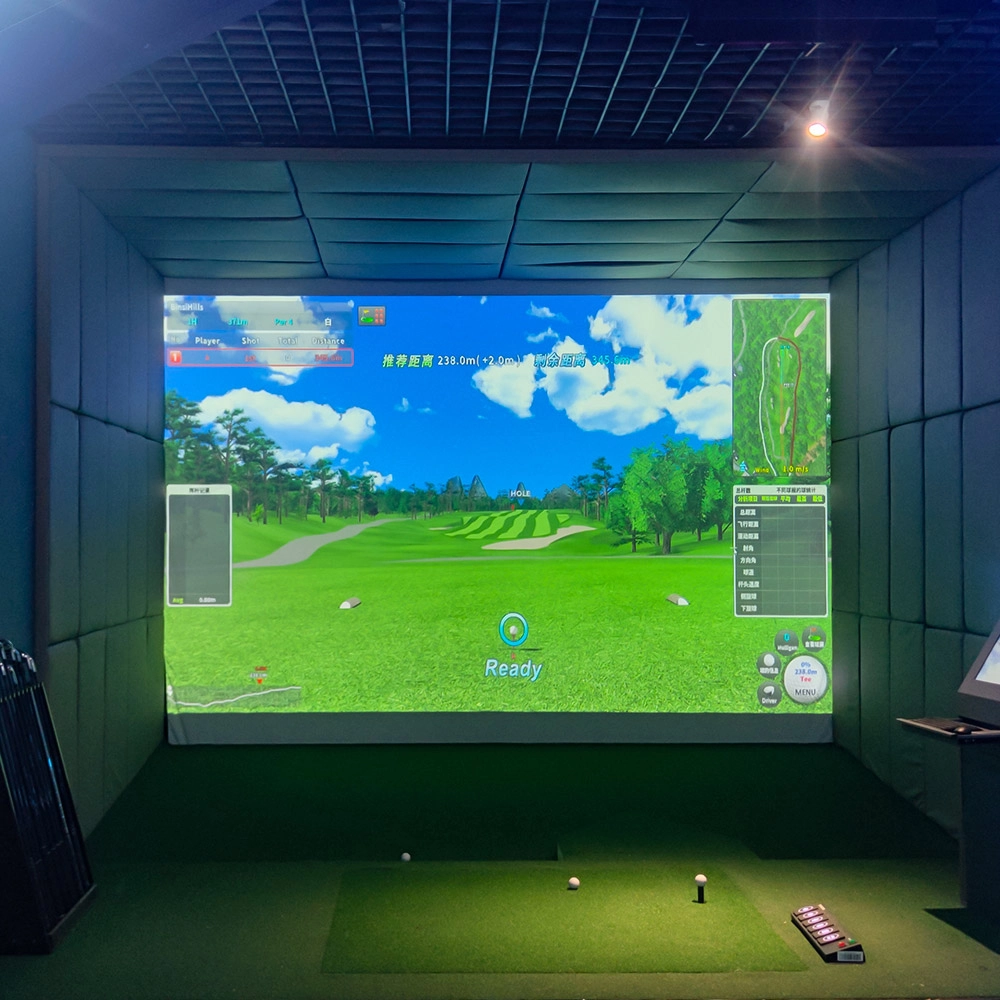
Top Golf Simulators: Comparing Features That Improve Your Game
Electronic vs Mechanical Dart Machine Comparison 2026
Infrared Shooting
How to attract customers when operating the program in shopping malls?
Create a cool venue decoration style and incorporate trendy elements, such as fluorescent light strips and anime-themed murals. o Launch diversified marketing models such as parent-child packages and couple packages, combined with time-limited promotional activities, such as half-price experience in the first three days of opening, to attract different groups of people such as families and couples to stop by and participate.
Why are sports arcades a hot spot for investment?
The traditional entertainment market (e.g., arcade, KTV) has become less attractive to generations, while digital hip playgrounds integrating technology, sports, and socialization are more in line with young people's needs, and the market size has exceeded 50 billion in 2023, with an annual growth rate of more than 30%.
Interactive Rollerball
How to reduce operating costs?
Starting with equipment procurement, choose cost-effective, durable and easy-to-maintain products, which can save money for subsequent maintenance. Reasonable arrangement of staff, reduce the number of staff on duty during off-peak hours, train staff to have multi-skills, such as being able to operate the equipment and guide customers part-time, so as to improve the efficiency of manpower and reduce the cost of manpower.
Football Simulator
How does the picture effect of simulation soccer achieve realism?
With the help of advanced technology, the green field is accurately reproduced with fine turf texture and realistic player movements. From the players running, passing to shooting, are lifelike, to give players a sense of immersion.
Golf Simulator
What are the after-sales services after purchasing the equipment?
Generally, a 1-year warranty is provided. During the warranty period, parts damaged due to quality problems, such as motor failure, display problems, etc., will be repaired or replaced free of charge. There will also be technical support, including equipment installation and debugging guidance, operation training, to ensure the smooth use of the user, after-sales response time is usually within 24 - 48 hours.
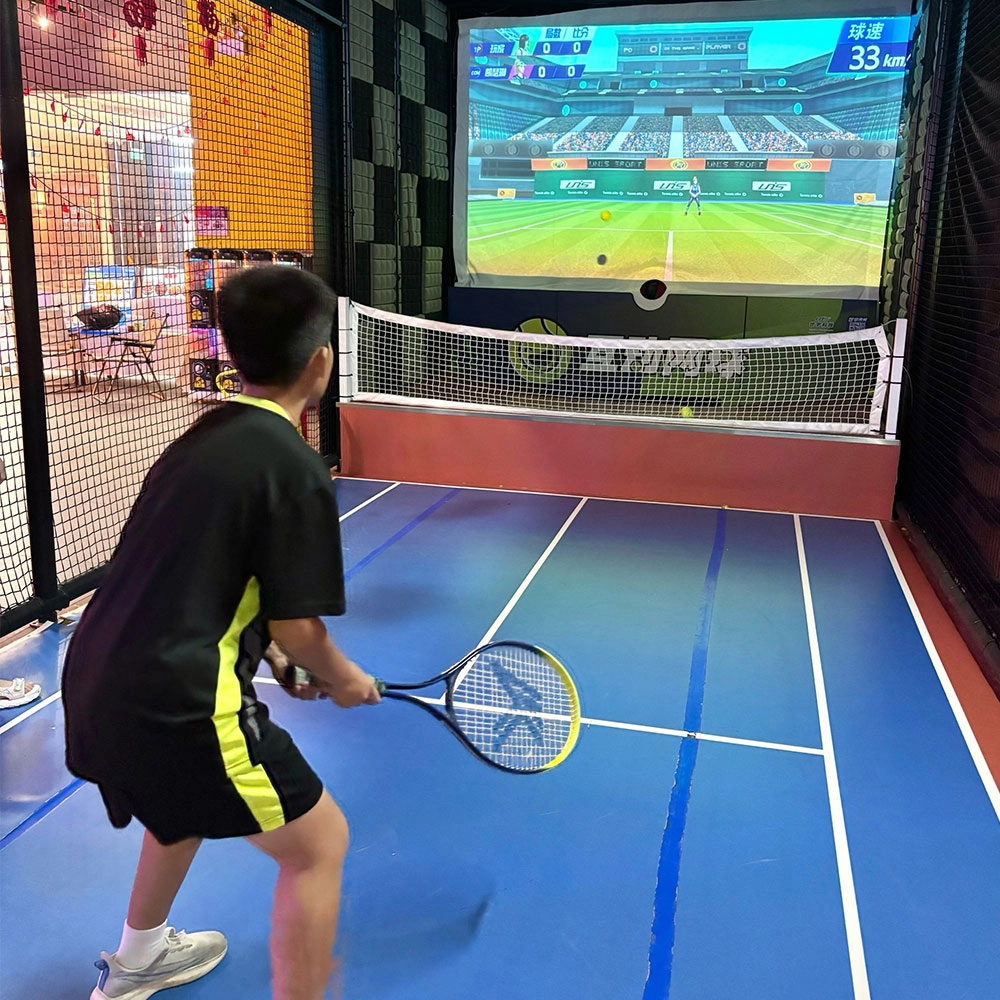
Indoor Tide Play Simulation Tennis Equipment
FUNTECH is full of fun and exciting playgrounds! With high-definition scene projection, force feedback racket, and intelligent scoring system, the simulated tennis equipment in the indoor arcade realizes immersive sports experiences and diversified interactive play, combining the advantages of safety and ease of use with high operational efficiency.
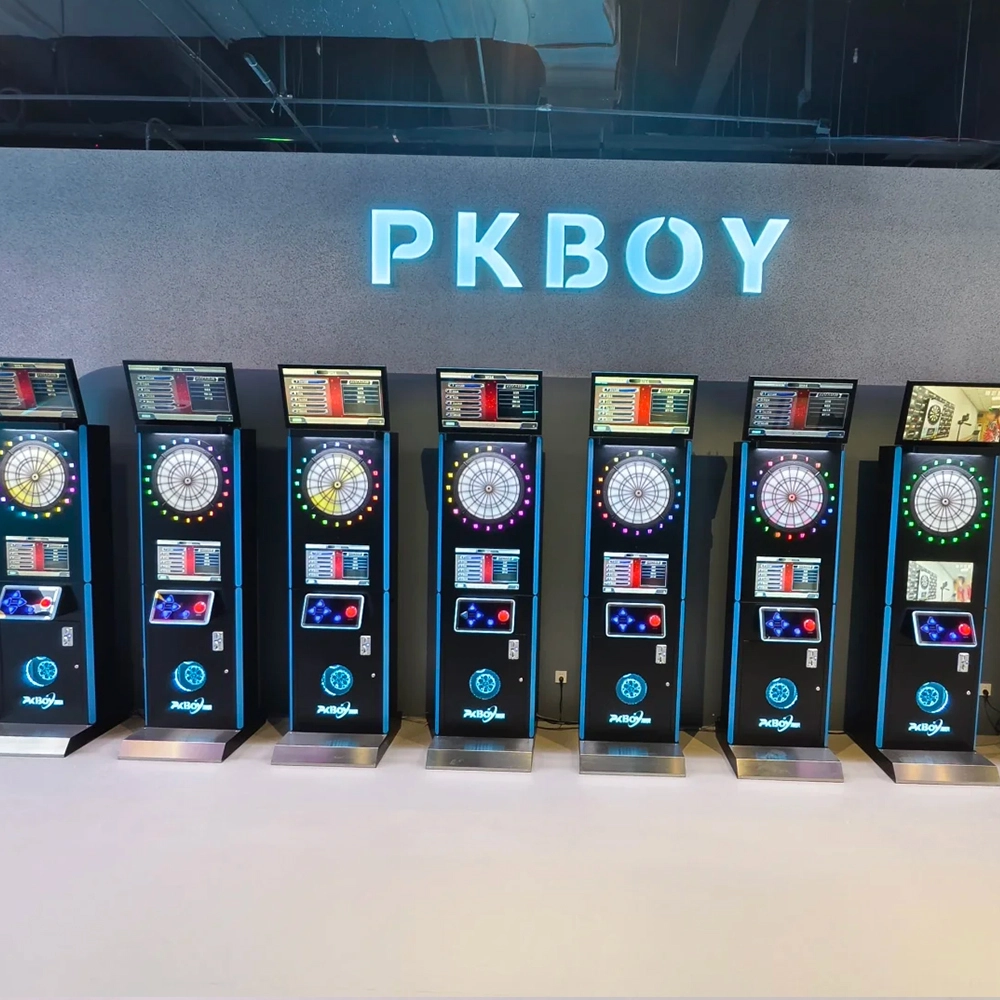
Dart Machines Bar Dart Machines
Joy Power is full of fun and excitement in the playground! The dart machine is suitable for all kinds of places, whether it is a bar, restaurant, KTV, or other entertainment venue, or a sports shop, club, or family leisure space, and can be perfectly adapted. In commercial venues, holding individual and team darts tournaments from time to time can attract more customers and increase the popularity and revenue of the venue, supplemented by various preferential activities, which can directly promote consumption and form a cycle of consumption of all the goods in the shop.
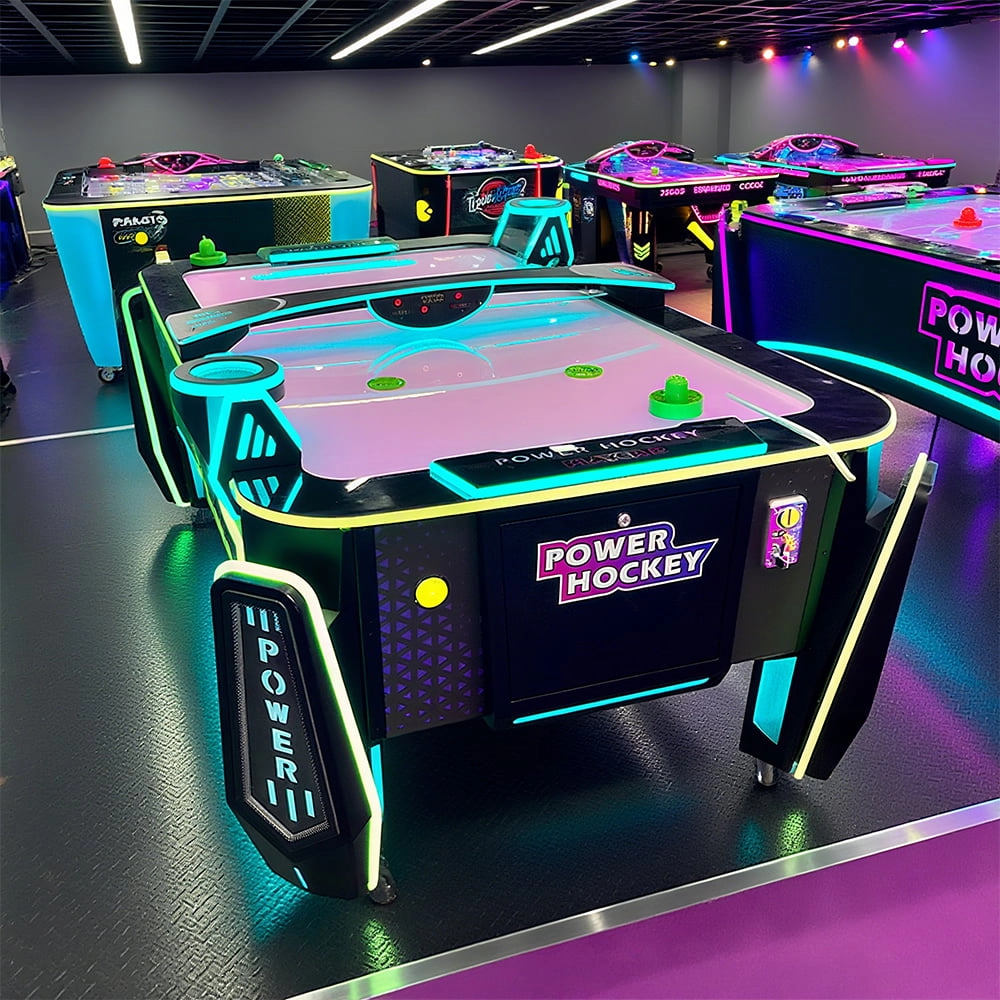
Arcade Hockey
FUNTECH is full of fun and exciting playgrounds! Air hockey, also known as air hockey, is a two-player competitive arcade game comprising a smooth, perforated playing surface, lightweight hockey sticks, a plastic puck, and an electronic scoreboard.
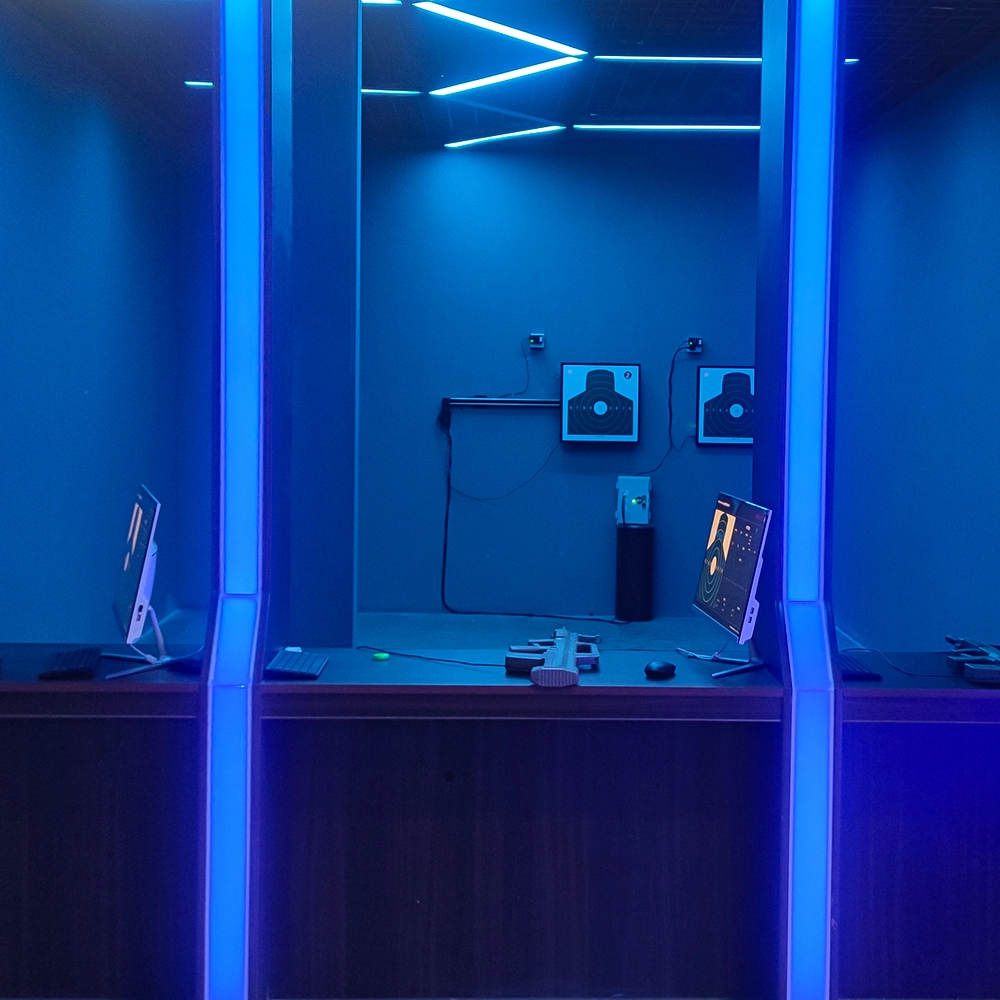
Infrared Shooting
Highly simulated simulation training analysis equipment, with advanced design concepts, fast system development, ease of operation and use, stable technical performance, less consumption of training, site dependence on a small group training is highly interesting, safe, and reliable, and other outstanding features. Product design to solve the basic skills of light weapons precision shooting as a starting point, to improve the safety of shooting training and training efficiency as the fundamental purpose, highlighting the simulation, information technology, and combat training requirements, can be in small indoor and outdoor venues and does not use live ammunition to complete the basic shooting training.
© 2025 FUNTECH ALL RIGHTS RESERVED

Weixia Lei
Fun_Tech-s
fun_tech20