
Energy Use and Durability: Choosing an Ice Hockey Arcade Machine
- Energy Use and Durability: Choosing an Ice Hockey Arcade Machine
- Product snapshot — Arcade Hockey
- Why energy use and durability matter when selecting an ice hockey arcade machine
- Typical energy consumption of ice hockey arcade machines
- Key components that drive energy use in an ice hockey arcade machine
- Durability factors to evaluate before purchasing an Arcade Hockey
- Play surface and puck performance
- Cabinet frame and impact protection
- Air blower quality and serviceability
- Electronics, scoreboard and wiring
- Maintenance practices that reduce energy use and extend the life of your ice hockey arcade machine
- Routine maintenance checklist
- Simple energy-saving actions
- How to balance energy, durability and ROI when selecting an ice hockey arcade machine
- Warranty, service network and spare part availability
- Sustainability and certifications to look for in an Arcade Hockey
- Cost comparison example: Two Arcade Hockey options over five years
- How FUNTECH’s Arcade Hockey aligns with energy and durability priorities
- Practical checklist: Questions to ask before buying an ice hockey arcade machine
- FAQ — Frequently Asked Questions about Ice Hockey Arcade Machine energy use and durability
- Q: How much electricity does an Arcade Hockey table use per hour?
- Q: Will a stronger blower always make the table better?
- Q: What maintenance keeps my Arcade Hockey running efficiently?
- Q: How long should a commercial Arcade Hockey last?
- Q: What certifications should I check?
- Contact & product demo
- Authority references
- Final note
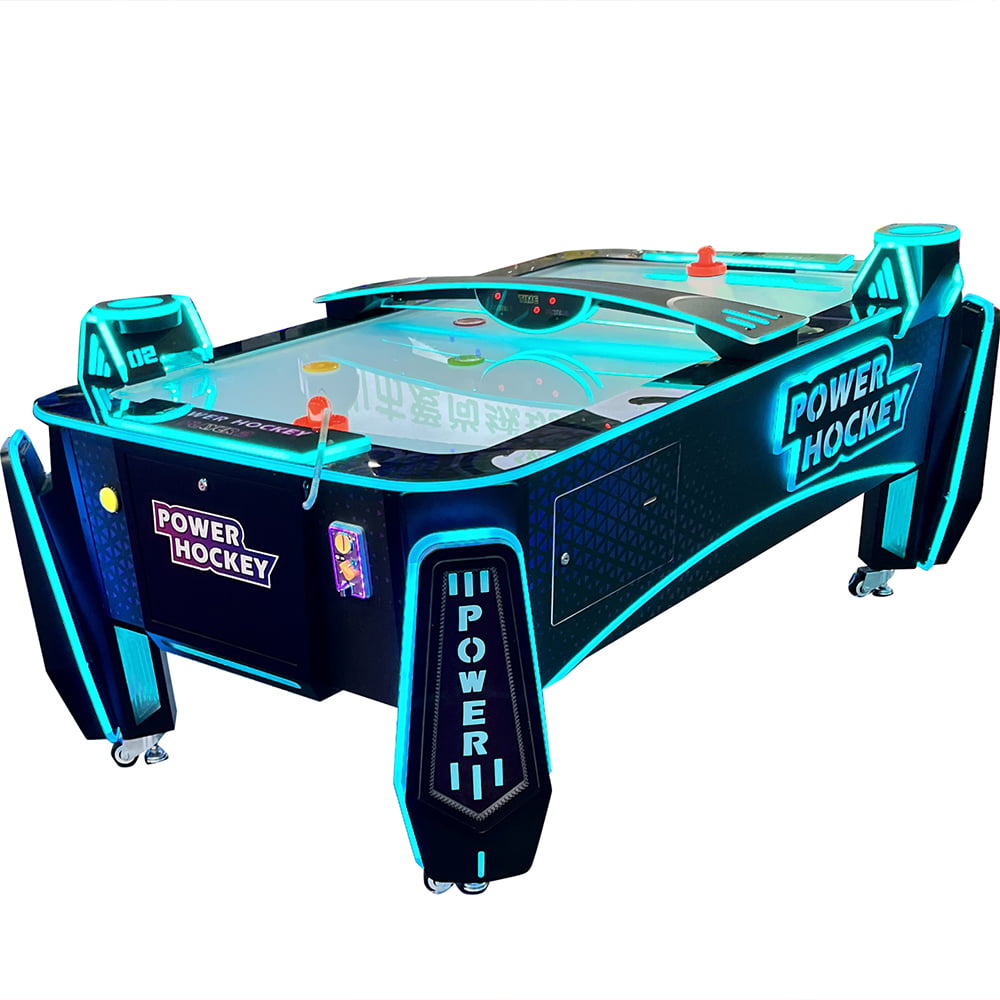
Energy Use and Durability: Choosing an Ice Hockey Arcade Machine
Product snapshot — Arcade Hockey
FUNTECH is full of fun and exciting playgrounds! Air hockey, also known as air hockey, is a two-player competitive arcade game comprising a smooth, perforated playing surface, lightweight hockey sticks, a plastic puck, and an electronic scoreboard.
Why energy use and durability matter when selecting an ice hockey arcade machine
When buying an ice hockey arcade machine (often marketed as Arcade Hockey or air hockey tables), the upfront price is just one piece of the total cost of ownership. Two persistent factors—energy consumption and long-term durability—directly influence operating costs, customer experience, and revenue uptime in commercial locations (arcades, bars, family entertainment centers) or the lifetime enjoyment in a home setting. Prioritizing both efficient energy use and robust construction ensures lower running costs, fewer service interruptions, and a longer usable lifespan for your investment.
Typical energy consumption of ice hockey arcade machines
Understanding typical power draw is the practical first step. Power use depends mainly on the blower (fan) that creates the air cushion, scoreboard electronics, lighting, and any peripheral features (LED accents, coin mechanisms, etc.). Below is a realistic comparison table to help estimate consumption and costs. These are representative ranges—always confirm exact specifications with the manufacturer.
| Category | Typical Power Draw (W) | Daily Use (hrs) | Daily kWh | Annual kWh (300 days) | Annual Cost @ $0.15/kWh |
|---|---|---|---|---|---|
| Small home table | 50 – 150 W | 2 | 0.10 – 0.30 | 30 – 90 | $4.50 – $13.50 |
| Commercial Arcade Hockey (standard) | 150 – 600 W | 8 | 1.2 – 4.8 | 360 – 1,440 | $54 – $216 |
| High-feature / Tournament pro table | 600 – 1,200 W | 10 | 6.0 – 12.0 | 1,800 – 3,600 | $270 – $540 |
Notes: annual cost examples use $0.15 per kWh as a reference. Commercial locations should calculate with their local utility rates and expected daily operating hours.
Key components that drive energy use in an ice hockey arcade machine
The blower motor is usually the largest energy consumer: larger blowers or multiple blowers produce stronger air flow but consume more power. Other contributors include:
- Scoreboard electronics (LED or LCD displays)
- Lighting and accent LEDs
- Coin/mechanism motors (for pay-to-play units)
- Cooling fans for high-end electronics or integrated PCs
Durability factors to evaluate before purchasing an Arcade Hockey
Durability determines how well the table will withstand heavy play and environmental factors. For commercial operators, durability equates to reduced downtime and lower repair costs. For home buyers, it means many years of reliable play. Consider these construction and component attributes:
Play surface and puck performance
Look for high-density, low-friction playing surfaces with consistent perforation for even air flow. Surfaces made from composite laminates or solid panels (with protective overlays) resist warping better than inexpensive MDF. A flat, rigid top keeps puck behavior predictable and reduces stress on the blower and puck sensors.
Cabinet frame and impact protection
Sturdy cabinets use reinforced plywood or powder-coated steel frames to resist splitting, denting, and moisture. Edge protection, corner guards, and sealed cabinets also increase longevity in high-traffic venues.
Air blower quality and serviceability
Blowers with sealed bearings, accessible replacement modules, and standardized motors are easier and cheaper to service. Variable-speed blowers or efficient brushless motors reduce energy draw and often last longer than low-cost universal motors.
Electronics, scoreboard and wiring
Commercial-grade scoreboards use automotive-style connectors, sealed housings, and replaceable modules. Avoid machines with glued-in electronics or proprietary sealed units that require entire-board replacement for minor faults. Look for robust wiring harnesses and surge protection for longer component life.
Maintenance practices that reduce energy use and extend the life of your ice hockey arcade machine
Regular maintenance can lower energy consumption (by keeping blowers efficient) and prevent component failure. A planned maintenance routine is essential for commercial operators and recommended for owners at home.
Routine maintenance checklist
- Weekly: Vacuum air holes and wipe surface to remove dust and debris.
- Monthly: Inspect blower intake and replace/clean filters if present.
- Quarterly: Check blower motor bearings for noise or excessive heat; lubricate if specified by manufacturer.
- Annually: Test electrical connections, inspect scoreboard connectors, and verify cabinet seals.
- As needed: Replace worn mallets, puck(s), and edge guards—these small parts extend playable life.
Simple energy-saving actions
To reduce electricity use without sacrificing play quality:
- Use timers to power off the blower and electronics outside opening hours.
- Enable power-saving modes on scoreboards and lighting.
- Install variable-speed blower controls so full power runs only when needed.
- Keep the environment dust-free; clogged blowers force higher power draw and premature wear.
How to balance energy, durability and ROI when selecting an ice hockey arcade machine
Your ideal Arcade Hockey choice depends on intended use. Below is a decision matrix mapping use-case to design priorities.
| Use Case | Top priorities | Recommended features |
|---|---|---|
| Home / Casual | Low energy, compact size, easy setup | Smaller blower, basic LED display, lighter cabinet |
| Bar / Restaurant | Durability, moderate energy, attractive lighting | Reinforced cabinet, efficient blower, sealed electronics, accent LEDs |
| Arcade / FEC | Highest uptime, heavy-duty construction, serviceability | Industrial blower, easy-access panels, replaceable modules, extended warranty |
Warranty, service network and spare part availability
Always ask about warranty length for the cabinet, blower, and electronics. A strong service network and easy access to spare parts—motors, sensors, display modules—can make a lower-priced machine expensive over its lifetime due to downtime and shipping delays. For commercial buyers, consider a service contract to guarantee prioritized repairs.
Sustainability and certifications to look for in an Arcade Hockey
Certifications and energy-focused features provide signals about safety, regulatory compliance, and efficiency:
- Electrical safety: UL or CE marking for electrical components
- Material safety: RoHS compliance for electronic parts
- Energy features: Variable-speed blowers, LED lighting, auto-shutoff/timers
- Manufacturing transparency: Clear component sourcing and repair manuals
Cost comparison example: Two Arcade Hockey options over five years
Below is a hypothetical comparison to illustrate how energy and maintenance affect five-year operating cost. Assumptions: 8 hours per day, 300 days/year, electricity $0.15/kWh, estimated annual maintenance as noted.
| Item | Efficient Model (A) | High-power Model (B) |
|---|---|---|
| Average power (W) | 200 W | 600 W |
| Annual energy (kWh) | (0.2 kW * 8 * 300) = 480 kWh | (0.6 kW * 8 * 300) = 1,440 kWh |
| Annual energy cost @ $0.15/kWh | $72 | $216 |
| Estimated annual maintenance | $80 | $180 |
| 5-year running cost (energy + maintenance) | 5 * ($72 + $80) = $760 | 5 * ($216 + $180) = $1,980 |
Interpretation: Over five years, a more energy-efficient, serviceable Arcade Hockey can save substantial operating costs—especially important for businesses with multiple units.
How FUNTECH’s Arcade Hockey aligns with energy and durability priorities
FUNTECH's Arcade Hockey is positioned for operators and homeowners who want reliable air hockey play. Key strengths to look for (and confirm with product specifications) include:
- Durable playing surface and reinforced cabinet construction to resist heavy use and maintain flatness over time.
- Serviceable blower assemblies and accessible panels to make routine maintenance straightforward and reduce downtime.
- Energy-conscious features such as LED scoreboards and potential blower efficiency design—resulting in lower operating costs compared with non-optimized units.
- Clear parts availability and documented support to simplify repair and extend the machine’s usable life.
When evaluating any Arcade Hockey model from FUNTECH or another brand, request blower wattage, scoreboard power draw, warranty terms, and spare-part lead times so you can estimate true lifetime costs and uptime.
Practical checklist: Questions to ask before buying an ice hockey arcade machine
- What is the blower’s rated wattage and is it a standard, replaceable motor?
- Does the scoreboard have a power-saving mode and what is its standby draw?
- What materials are used for the top surface and cabinet (specs: type/thickness)?
- Are the electronics modular and accessible for local servicing?
- What warranty terms cover blower, cabinet, and electronics—and what is the process for on-site repairs?
- Are spare parts (pucks, mallets, blower units, scoreboard modules) stocked locally or shipped quickly?
FAQ — Frequently Asked Questions about Ice Hockey Arcade Machine energy use and durability
Q: How much electricity does an Arcade Hockey table use per hour?
A: It varies. Home tables can draw 50–150 W, while commercial Arcade Hockey units commonly draw 150–600 W. High-end tournament tables may draw up to 1,200 W. Multiply wattage by hours of use and divide by 1,000 to get kWh (e.g., 300 W for 8 hours = 2.4 kWh).
Q: Will a stronger blower always make the table better?
A: Not necessarily. Stronger blowers produce more airflow, but if the table surface and puck design aren’t optimized, you can get uneven play, more noise, and higher energy costs. Ideally, blower size should match the table’s perforation pattern and surface material.
Q: What maintenance keeps my Arcade Hockey running efficiently?
A: Regular cleaning of holes and blower intakes, filter changes (if equipped), lubricant checks for bearings, and periodic electrical inspections. Preventive maintenance maintains air flow efficiency and reduces long-term energy draw and wear.
Q: How long should a commercial Arcade Hockey last?
A: With proper maintenance and quality construction, commercial-grade tables can run reliably for 8–15 years. Durability depends heavily on use intensity, maintenance, and initial build quality.
Q: What certifications should I check?
A: Look for UL or CE for electrical safety, RoHS for electronics material compliance, and confirmation of local electrical code compatibility. Energy-saving features and standard replaceable parts are also positive indicators.
Contact & product demo
To protect long-term investments, buyers should also review warranty, training, and aftercare for arcade hockey purchases.If you’re ready to compare models, request detailed specs (blower wattage, surface material, warranty) or schedule a demo, contact our sales team. Visit our product page for Arcade Hockey or get in touch with customer service to arrange a demonstration and tailored quotation.
Authority references
- Air hockey — Wikipedia: https://en.wikipedia.org/wiki/Air_hockey
- U.S. Energy Information Administration (electricity prices & FAQs): https://www.eia.gov/tools/faqs/faq.php?id=97&t=3
- International Association of Amusement Parks and Attractions (IAAPA): https://www.iaapa.org/
- Underwriters Laboratories (UL) — product safety: https://www.ul.com/
- How Air Hockey Works — HowStuffWorks (background on gameplay & mechanics): https://entertainment.howstuffworks.com/air-hockey.htm
Final note
Selecting the right ice hockey arcade machine (Arcade Hockey) requires balancing upfront cost with long-term energy expense, maintenance burden, and durability. Use the tables and checklists above to compare models objectively, request verified specifications, and plan for preventive maintenance. That approach keeps your table playing great, reduces operating costs, and maximizes uptime for players and revenue.
Why choose FUNTECH as your mobile golf simulator trailer manufacturer in Germany
Best coin op dart machine manufacturers and supplier brands
Custom dart board machine Manufacturers and Suppliers
The B2B Buyer’s Guide to interactive dance floor led
Football Simulator
Are there a lot of game modes in soccer simulation?
Very rich! There is a league mode which is exciting and can compete with players from all over the world, and there is also a leisure and fun game which is suitable for parents and children to share fun time, so as to satisfy the needs of different players.
Products
How to attract customers when operating the program in shopping malls?
Create a cool venue decoration style, incorporating trendy elements, such as fluorescent light strips, animation-themed murals, etc. o Create a new venue for the program. o Launch diversified marketing models such as parent-child packages and couple packages, combined with time-limited promotional activities, such as half-price experience in the first three days of opening, to attract different groups such as families and couples to stop by and participate in the program. o Create cool venue decoration styles and incorporate trendy elements, such as fluorescent light strips.
What is the difference between purchasing equipment for commercial operations and personal training?
Commercial operations should consider the durability, ease of operation and attractiveness of the equipment, it is appropriate to choose cool appearance, can withstand high-frequency use, such as the target car running hundreds of times a day, high-intensity models, and easy to operate, easy for customers to get started. Personal training is more focused on cost-effective, according to their own training needs to choose the right tension of the bow, the right speed of movement of the target car.
Golf Simulator
What are the after-sales services after purchasing the equipment?
Generally, a 1-year warranty is provided. During the warranty period, parts damaged due to quality problems, such as motor failure, display problems, etc., will be repaired or replaced free of charge. There will also be technical support, including equipment installation and debugging guidance, operation training, to ensure the smooth use of the user, after-sales response time is usually within 24 - 48 hours.
Infrared Shooting
How to attract customers when operating the program in shopping malls?
Create a cool venue decoration style and incorporate trendy elements, such as fluorescent light strips and anime-themed murals. o Launch diversified marketing models such as parent-child packages and couple packages, combined with time-limited promotional activities, such as half-price experience in the first three days of opening, to attract different groups of people such as families and couples to stop by and participate.
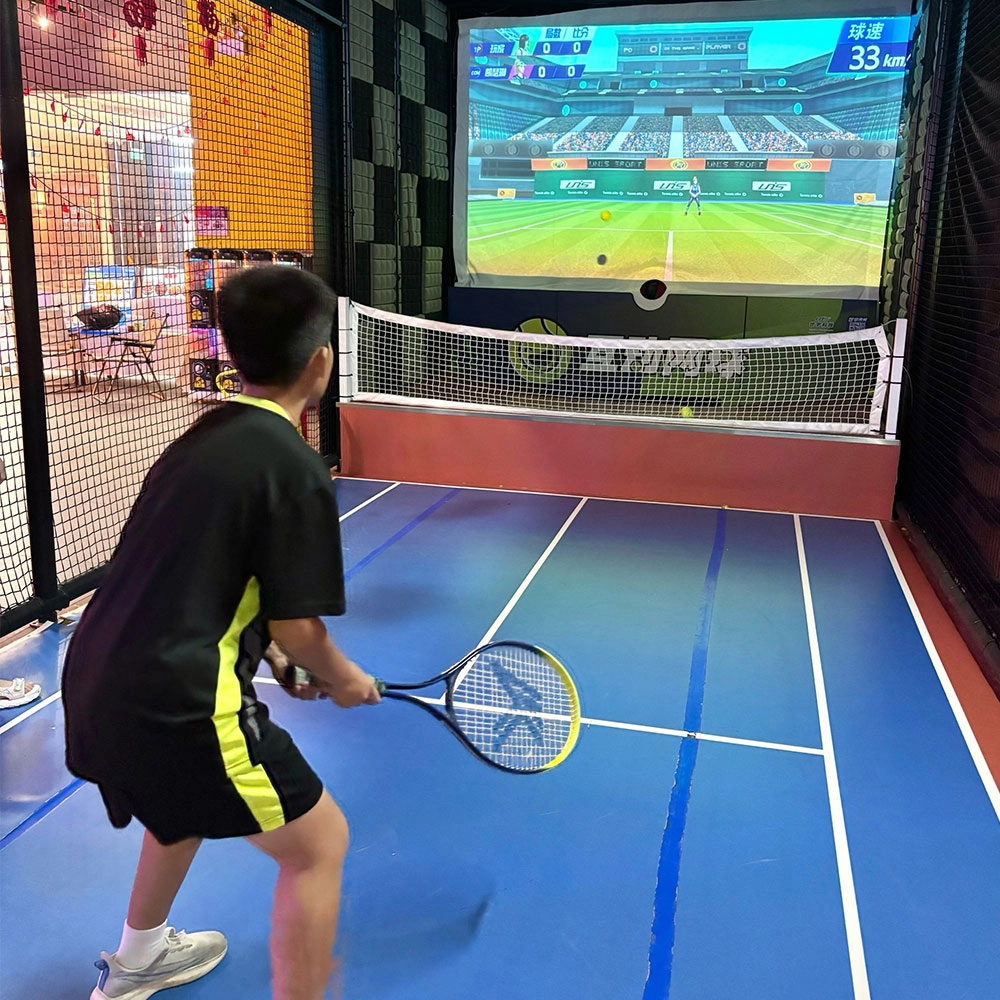
Indoor Tide Play Simulation Tennis Equipment
FUNTECH is full of fun and exciting playgrounds! With high-definition scene projection, force feedback racket, and intelligent scoring system, the simulated tennis equipment in the indoor arcade realizes immersive sports experiences and diversified interactive play, combining the advantages of safety and ease of use with high operational efficiency.
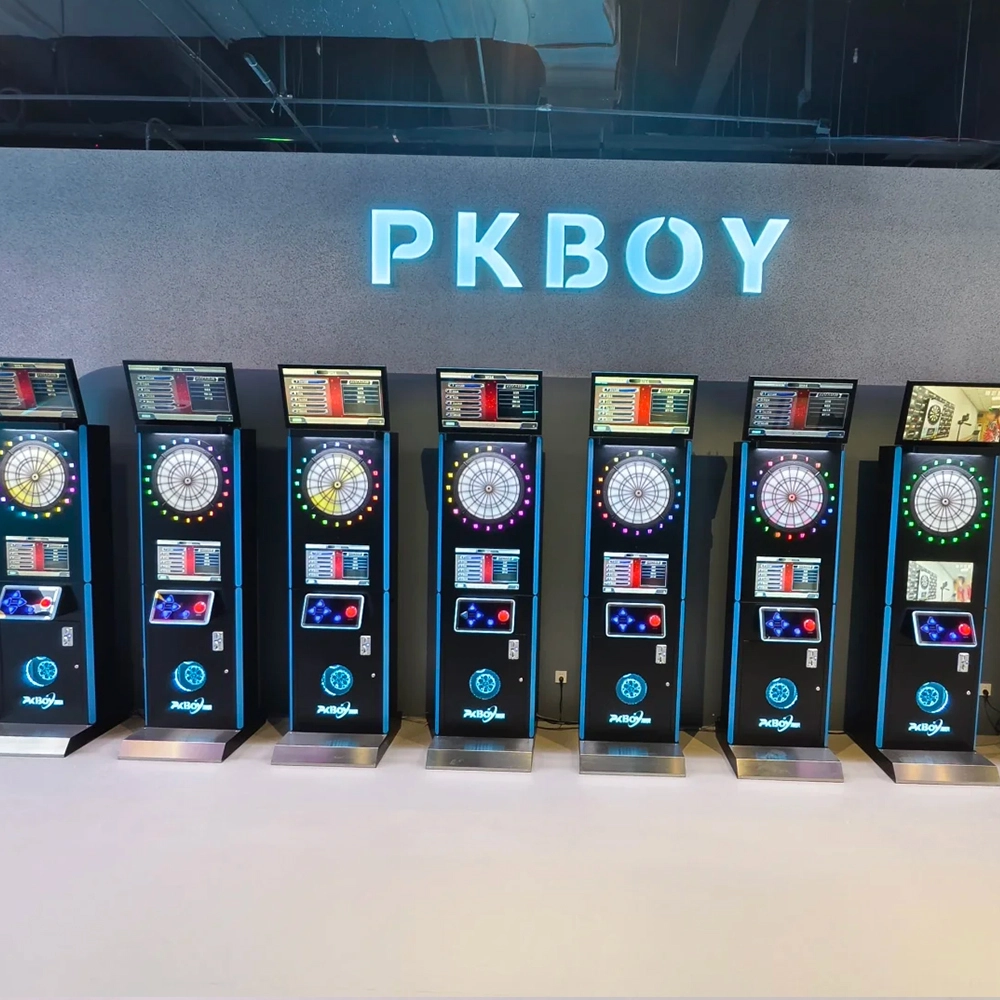
Dart Machines Bar Dart Machines
Joy Power is full of fun and excitement in the playground! The dart machine is suitable for all kinds of places, whether it is a bar, restaurant, KTV, or other entertainment venue, or a sports shop, club, or family leisure space, and can be perfectly adapted. In commercial venues, holding individual and team darts tournaments from time to time can attract more customers and increase the popularity and revenue of the venue, supplemented by various preferential activities, which can directly promote consumption and form a cycle of consumption of all the goods in the shop.
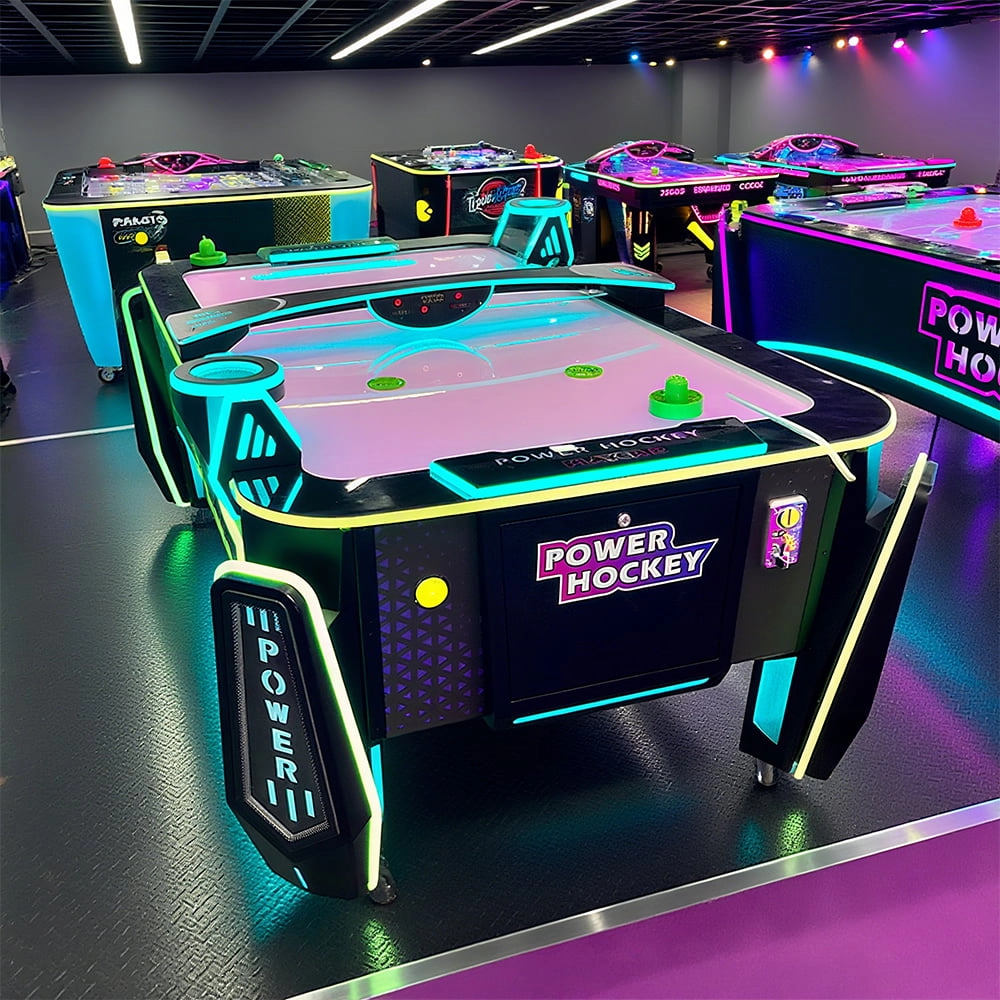
Arcade Hockey
FUNTECH is full of fun and exciting playgrounds! Air hockey, also known as air hockey, is a two-player competitive arcade game comprising a smooth, perforated playing surface, lightweight hockey sticks, a plastic puck, and an electronic scoreboard.
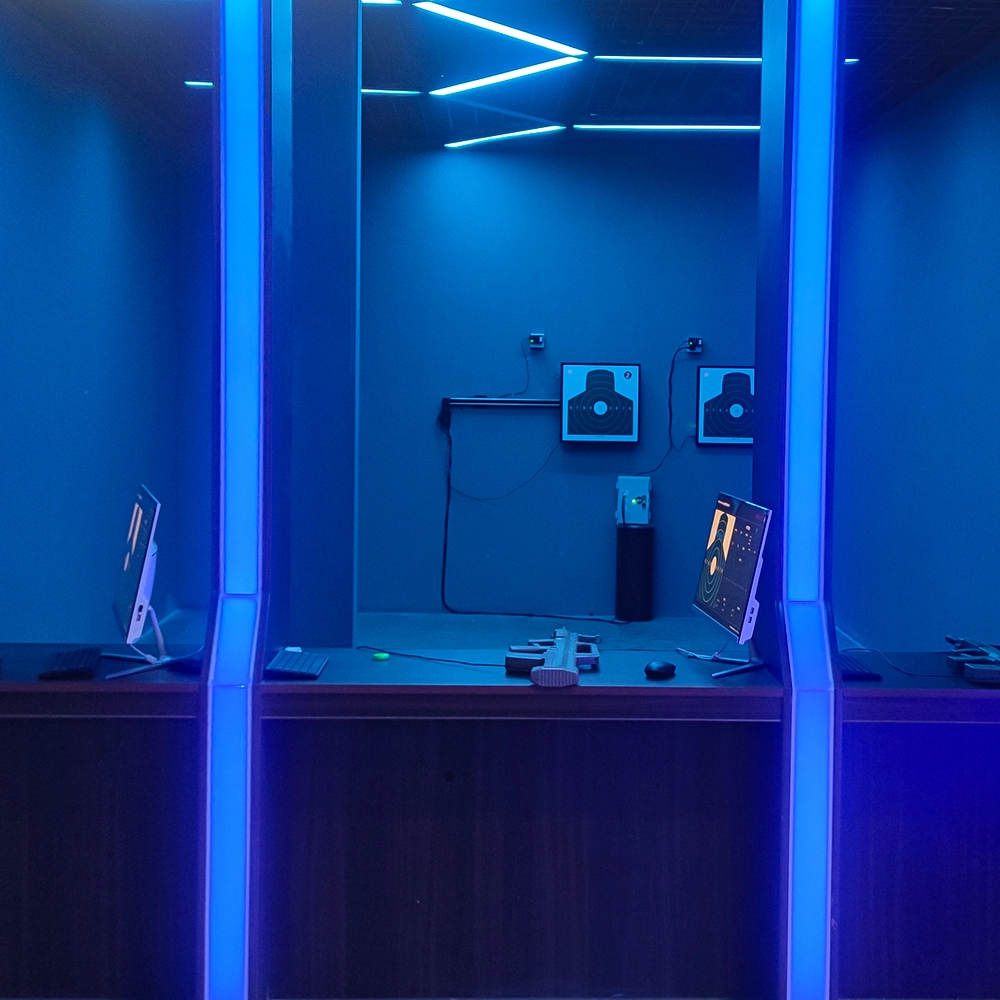
Infrared Shooting
Highly simulated simulation training analysis equipment, with advanced design concepts, fast system development, ease of operation and use, stable technical performance, less consumption of training, site dependence on a small group training is highly interesting, safe, and reliable, and other outstanding features. Product design to solve the basic skills of light weapons precision shooting as a starting point, to improve the safety of shooting training and training efficiency as the fundamental purpose, highlighting the simulation, information technology, and combat training requirements, can be in small indoor and outdoor venues and does not use live ammunition to complete the basic shooting training.
© 2025 FUNTECH ALL RIGHTS RESERVED

Weixia Lei
Fun_Tech-s
fun_tech20