
How Indoor Soccer Simulation Boosts Visitor Engagement
- Transforming Foot Traffic into Active Participation
- Understanding visitor intent and motivation
- Designing quick-start experiences to lower barriers
- Creating social viewing and spectator appeal
- Designing Immersive Soccer Simulation Experiences
- Realism in virtual pitch and player behavior
- Intuitive controls: joystick, somatosensory, and mobile integration
- Game modes to cater to different audiences
- Measuring and Optimizing Visitor Engagement
- Key metrics to track
- Data-backed comparison: traditional arcade vs. soccer simulation
- Optimization techniques
- Why FUNTECH's Indoor soccer simulation Interactive entertainment equipment Stands Out
- Technical advantages and player experience
- Operational benefits for venue owners
- Case uses and placement strategies
- Implementation Checklist and Best Practices
- Pre-launch planning
- Staff training and guest onboarding
- Marketing and promotional tactics
- FAQ
- What age groups can use soccer simulation?
- How much space and power does the system require?
- Can I run tournaments and link multiple units?
- Is the system easy to maintain?
- Do you offer content updates and new game modes?
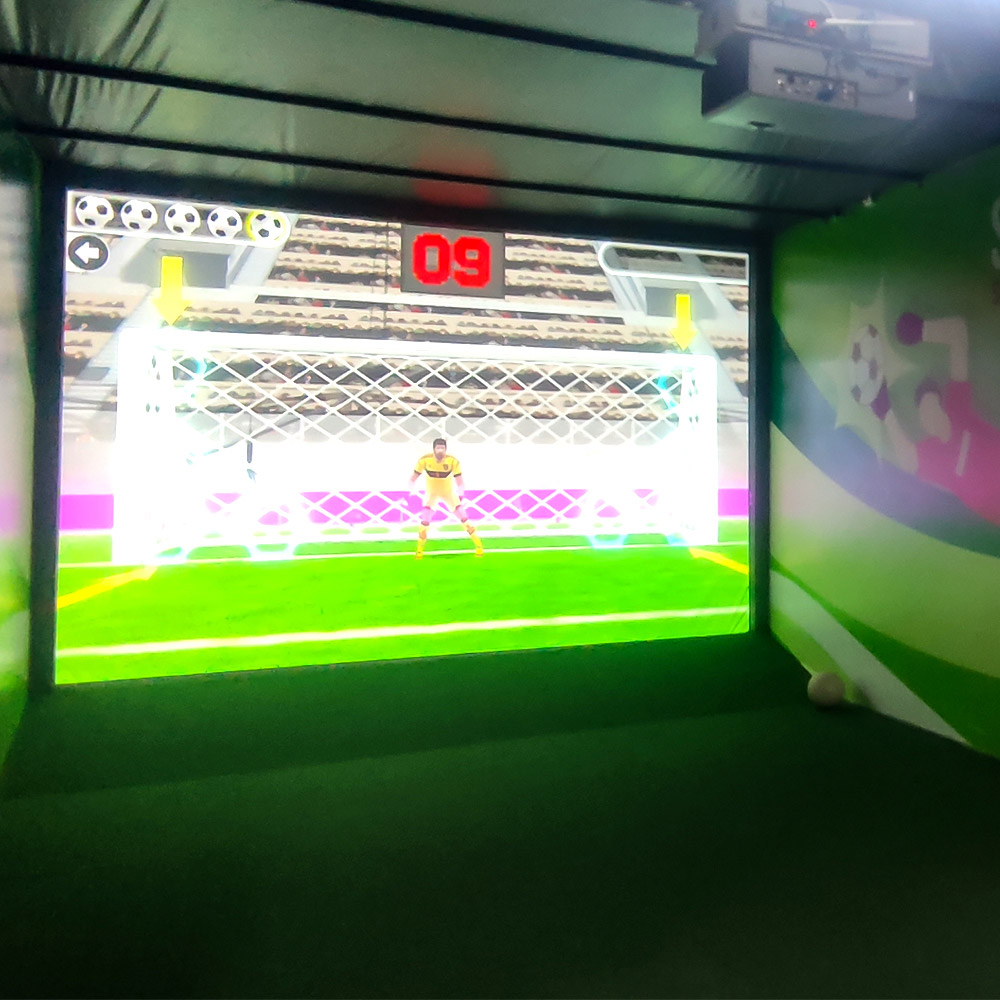
Indoor soccer simulation is reshaping how venues attract and retain visitors. By blending high-fidelity virtual soccer, realistic turf visuals, and intuitive controls like joystick, somatosensory device, or mobile-phone interfaces, these interactive entertainment systems create engaging, repeatable experiences that increase dwell time, social sharing, and revenue per guest. This article outlines practical design, implementation, and performance-measurement strategies operators can use to maximize visitor engagement with soccer simulation attractions. As engagement potential becomes clear, proper execution depends on environment planning, making designing spaces for indoor soccer simulation equipment essential for maximizing gameplay flow.
Transforming Foot Traffic into Active Participation
Understanding visitor intent and motivation
Not every visitor arrives looking to play — many come for socializing, family time, or to be entertained. A well-designed soccer simulation meets these varying intents by offering multiple entry points: a quick 2-minute penalty challenge for walk-ins, a 10–15 minute casual match for families, and competitive league modes for dedicated players. Embedding soccer simulation and interactive soccer game functionality into different time formats allows operators to capture attention quickly and convert passive visitors into active participants.
Designing quick-start experiences to lower barriers
Lowering onboarding friction is critical. Use a clear visual queue and a one-button or mobile-auth flow so visitors can start within 30–60 seconds. Controls like an ergonomic joystick or somatosensory device simplify interaction for non-gamers and children. Offering casual game modes, cooperative family play, or mixed-reality shooting ranges means people of different skill levels can participate and enjoy the attraction without prior experience.
Creating social viewing and spectator appeal
Soccer simulation draws crowds not only because people want to play, but also because others want to watch. Place spectator-friendly seating, large-screen broadcasts of ongoing matches, and secondary displays showing live leaderboard stats. Implementing short, shareable highlight clips that can be instantly posted to social media encourages organic promotion and extends each session’s visibility beyond the venue.
Designing Immersive Soccer Simulation Experiences
Realism in virtual pitch and player behavior
High immersion requires accurate reproduction of the pitch — from turf texture and field markings to ball physics and player animations. Advanced soccer simulation systems model ball spin, bounce, and player inertia to create a believable game feel. Research on simulation games shows better realism correlates with stronger emotional engagement; see the overview of Simulation video game concepts on Wikipedia for background on what realism contributes to user experience: https://en.wikipedia.org/wiki/Simulation_video_game.
Intuitive controls: joystick, somatosensory, and mobile integration
Providing multiple control methods widens accessibility. Traditional joystick controls support precision for competitive players, while somatosensory devices (motion sensors) appeal to casual and family audiences. Mobile-phone control offers convenience and account linking for repeat play and loyalty features. Design choices should be informed by audience profiling — for family entertainment centers, offer motion controls for kids and joystick options for older guests.
Game modes to cater to different audiences
Offer a balanced mode mix: quick challenges (penalty kicks, target shoots), family co-op matches, timed matches for arcades, and online leagues for competitive players. The multiplayer league mode encourages return visits and prolonged engagement because players track rankings and participate in scheduled events. For operators wanting benchmark guidance, the International Association of Amusement Parks and Attractions (IAAPA) offers industry insights on the role of interactive attractions in guest experience: https://www.iaapa.org/news.
Measuring and Optimizing Visitor Engagement
Key metrics to track
To evaluate the effectiveness of a soccer simulation installation, track:
- Dwell time (average minutes per session)
- Conversion rate (walk-ins to players)
- Repeat visit rate and loyalty enrollments
- Average revenue per visit (including cross-sell of food, merch, and longer game packages)
- Social shares and content reach
Data-backed comparison: traditional arcade vs. soccer simulation
Below is a simplified comparison table demonstrating typical performance differences. Actual results vary by location, audience, and marketing.
| Metric | Traditional Arcade Machine | Indoor Soccer Simulation |
|---|---|---|
| Average dwell time (min) | 4–6 | 8–18 |
| Repeat visit rate | 12–18% | 20–35% |
| Revenue per visit (USD) | $3–$6 | $6–$15 |
| Average group size | 1.5–2 | 2.5–4 |
Optimization techniques
Use A/B testing for session length, pricing, and promotional bundles. For example, test 10-minute family sessions versus 15-minute tournament formats to see which drives higher ancillary sales. Implement analytics that tie gameplay to user accounts so you can identify high-value players and market appropriately (email promos, league invites). Additionally, integrate real-time dashboards for staff to view queue length and proactively manage throughput.
Why FUNTECH's Indoor soccer simulation Interactive entertainment equipment Stands Out
Technical advantages and player experience
FUNTECH's indoor soccer simulation recreates a realistic green field on-screen with precise turf texture and lifelike player movement. The product supports multiple input methods — joystick, somatosensory device, and mobile phone — making it accessible to a broad demographic. These features reduce friction, improve player satisfaction, and encourage longer sessions, which directly improves engagement metrics.
Operational benefits for venue owners
Key operational advantages include easy installation, remote monitoring, and modular game modes that can be updated over the air. FUNTECH's platform is designed as Indoor soccer simulation Interactive entertainment equipment, enabling operators to roll out themed tournaments, sponsor-backed leagues, and family packages without significant physical reconfiguration. These capabilities make the attraction a scalable revenue driver within entertainment centers, malls, and FECs.
Case uses and placement strategies
Place the simulation in high-visibility zones near food courts or communal seating to maximize spectator engagement. Hosting scheduled league nights or weekend family tournaments increases off-peak traffic. The mobile-based account system enables pre-booking and time-slot management, reducing perceived wait times and improving the overall guest journey.
Implementation Checklist and Best Practices
Pre-launch planning
Before installation, perform audience analysis and site mapping. Decide whether the attraction will be front-facing (impulse play) or reserved (pre-booked tournaments). Identify power, ventilation, and sightline requirements, and draft a pricing strategy that balances accessibility with profitability.
Staff training and guest onboarding
Train staff on basic troubleshooting, quick-start coaching for guests, and how to handle tournaments. Provide short in-game tutorials and an attendant station with a tablet for staff to manage queues and explain play modes. Well-trained staff increase conversion rates and customer satisfaction.
Marketing and promotional tactics
Promote league seasons, social sharing contests, and family bundles. Create content from highlight clips captured during play to distribute on social channels. Partnerships with local soccer clubs and schools can bring built-in audiences, while branded tournaments attract sponsors and increase perceived value.
FAQ
What age groups can use soccer simulation?
Indoor soccer simulation appeals to a wide range of ages. With adjustable difficulty and intuitive controls (joystick and somatosensory options), it is suitable for children, teens, adults, and seniors. Family modes intentionally reduce complexity to encourage multi-generational play.
How much space and power does the system require?
Space and power requirements vary by model and configuration. Typical installations require a clear area for player movement and spectator seating. FUNTECH provides a site-planning guide with exact dimensions and electrical specifications upon inquiry. For planning, allocate additional clearance for motion controls and queue flow.
Can I run tournaments and link multiple units?
Yes. FUNTECH's platform supports networked multiplayer and league management. Operators can host local tournaments or connect units across venues for broader online leagues, increasing engagement and encouraging repeat visitation.
Is the system easy to maintain?
FUNTECH equipment is designed for commercial use with durable components and remote diagnostics. Routine maintenance includes sensor calibration and surface cleaning. Remote monitoring helps reduce downtime by alerting support teams to potential issues early.
Do you offer content updates and new game modes?
Yes. FUNTECH provides regular software updates that add game modes, seasonal events, and performance improvements. Content updates help keep the experience fresh and encourage repeat visits.
If you want to see FUNTECH's Indoor soccer simulation Interactive entertainment equipment in action or discuss a site assessment, contact our sales team or view the product page: See product & contact sales.
References and further reading: Simulation video game — Wikipedia, Sports video game — Wikipedia, IAAPA — Industry news and insights.
Where to Buy table tennis ball throwing machine price
How to Choose the interactive floor projection system manufacturer and supplier ?
Top 10 baseball simulator Manufacturers and Supplier Brands
The latest trends for soccer coach simulator
Interactive Rollerball
Why are sports arcades a hot spot for investment?
The traditional entertainment market (e.g., arcade, KTV) has become less attractive to generations, while digital hip playgrounds integrating technology, sports, and socialization are more in line with young people's needs, and the market size has exceeded 50 billion in 2023, with an annual growth rate of more than 30%.
How to attract customers when operating the program in shopping malls?
Create a cool venue decoration style and incorporate trendy elements, such as fluorescent light strips and anime-themed murals. o Launch diversified marketing models such as parent-child packages and couple packages, combined with time-limited promotional activities, such as half-price experience in the first three days of opening, to attract different groups of people such as families and couples to stop by and participate.
Products
What is the most reasonable pricing for a mobile target archery program in a commercial setting?
If it is in shopping malls, scenic spots, and other places with high traffic flow, you can refer to the prices of similar entertainment programs in the surrounding area and combine them with your own costs, charging from $30 - $80 for a single session for a single person. If it is in a professional sports arena, for members or long-term training customers, packages can be introduced, such as monthly card 300 - 500 yuan, seasonal card 800 - 1200 yuan, according to different length and service content reasonable pricing.
Infrared Shooting
How to attract customers when operating the program in shopping malls?
Create a cool venue decoration style and incorporate trendy elements, such as fluorescent light strips and anime-themed murals. o Launch diversified marketing models such as parent-child packages and couple packages, combined with time-limited promotional activities, such as half-price experience in the first three days of opening, to attract different groups of people such as families and couples to stop by and participate.
Golf Simulator
What is the difference between purchasing equipment for commercial operations and personal training?
Commercial operations should consider the durability, ease of operation, and attractiveness of the equipment, and it is preferable to choose cool-looking equipment that can withstand high-frequency use.
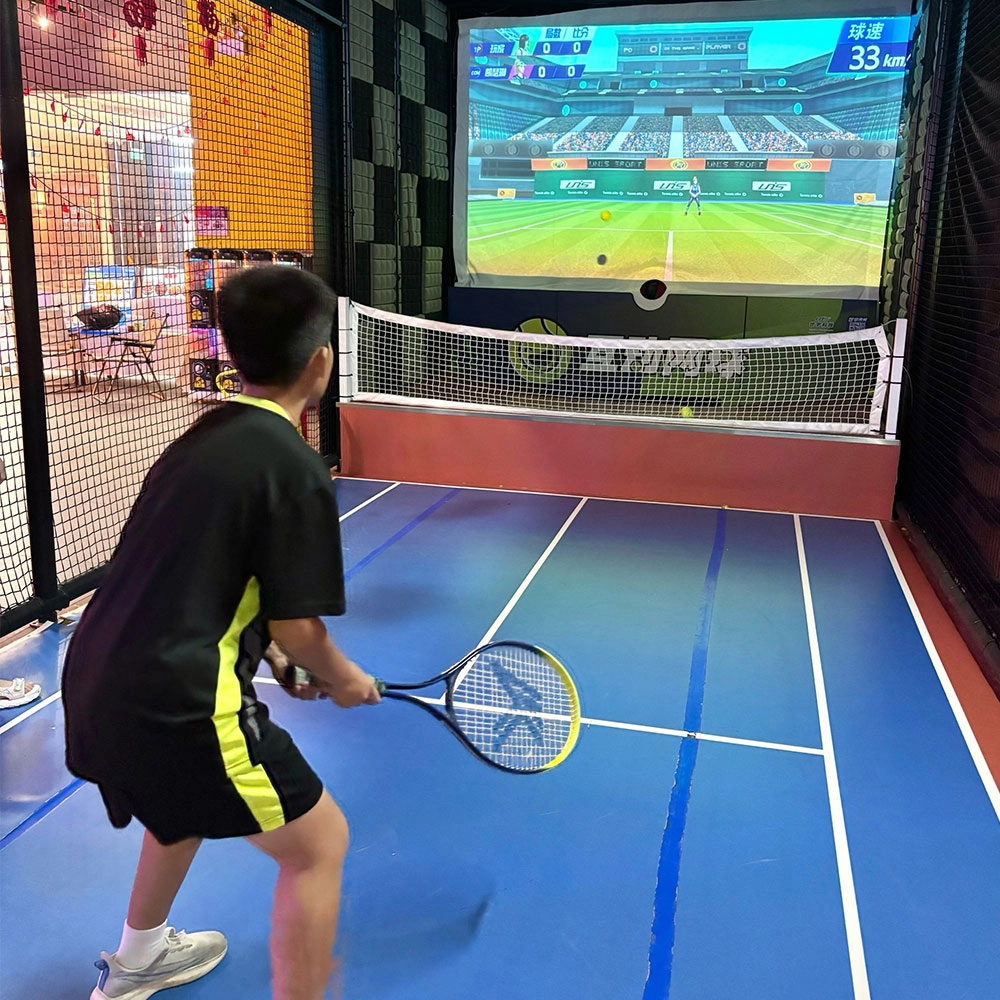
Indoor Tide Play Simulation Tennis Equipment
FUNTECH is full of fun and exciting playgrounds! With high-definition scene projection, force feedback racket, and intelligent scoring system, the simulated tennis equipment in the indoor arcade realizes immersive sports experiences and diversified interactive play, combining the advantages of safety and ease of use with high operational efficiency.
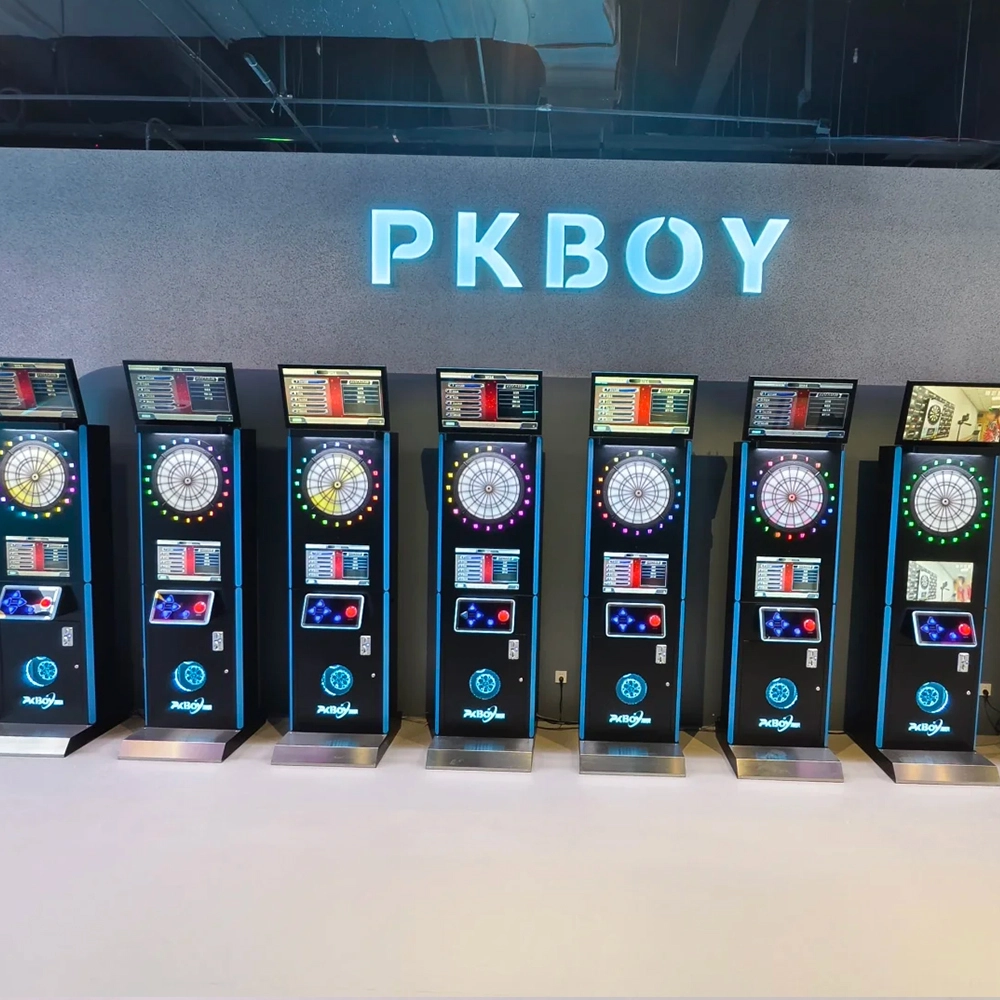
Dart Machines Bar Dart Machines
Joy Power is full of fun and excitement in the playground! The dart machine is suitable for all kinds of places, whether it is a bar, restaurant, KTV, or other entertainment venue, or a sports shop, club, or family leisure space, and can be perfectly adapted. In commercial venues, holding individual and team darts tournaments from time to time can attract more customers and increase the popularity and revenue of the venue, supplemented by various preferential activities, which can directly promote consumption and form a cycle of consumption of all the goods in the shop.
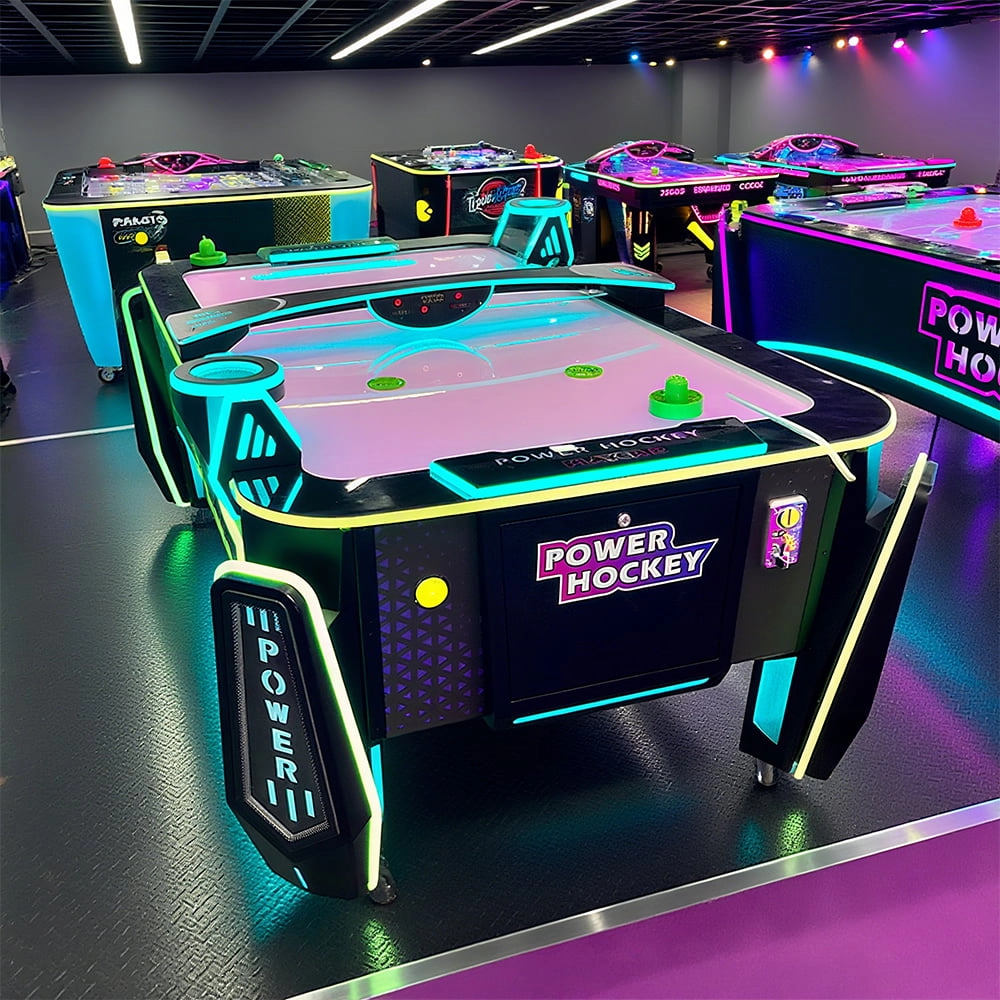
Arcade Hockey
FUNTECH is full of fun and exciting playgrounds! Air hockey, also known as air hockey, is a two-player competitive arcade game comprising a smooth, perforated playing surface, lightweight hockey sticks, a plastic puck, and an electronic scoreboard.
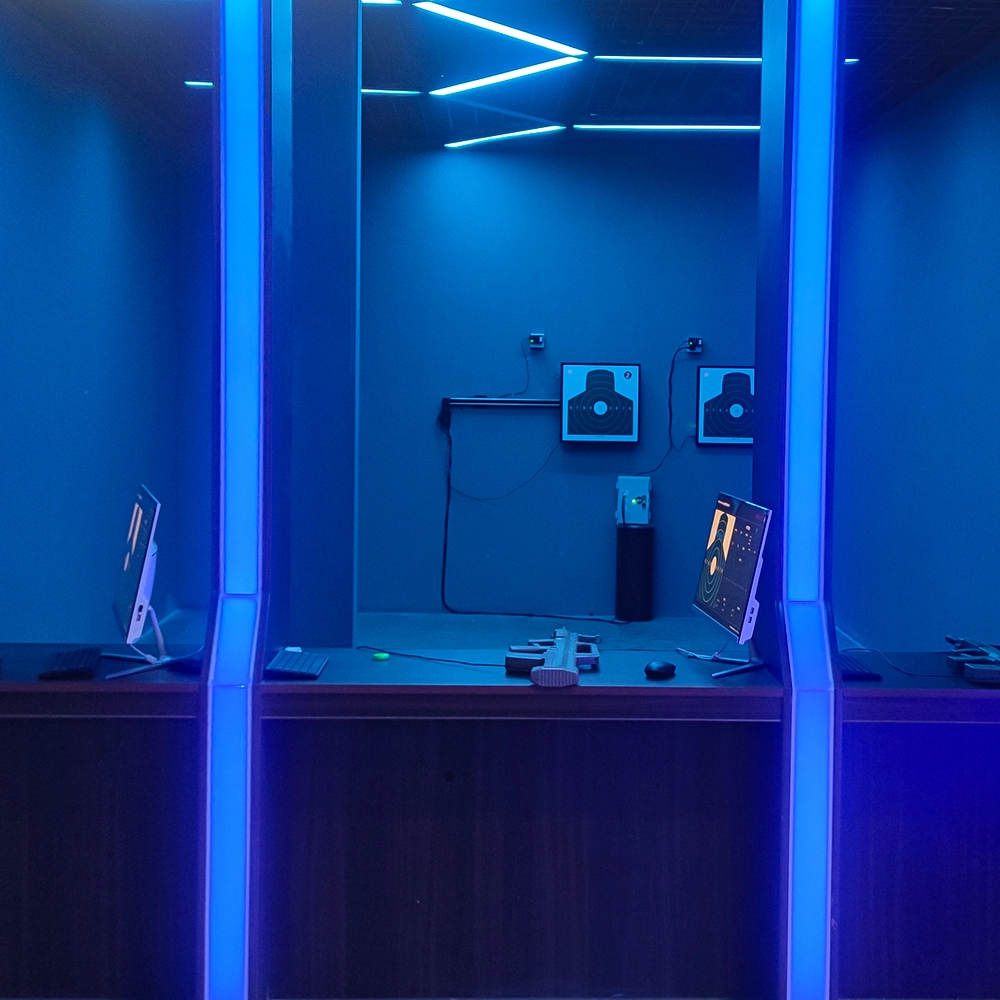
Infrared Shooting
Highly simulated simulation training analysis equipment, with advanced design concepts, fast system development, ease of operation and use, stable technical performance, less consumption of training, site dependence on a small group training is highly interesting, safe, and reliable, and other outstanding features. Product design to solve the basic skills of light weapons precision shooting as a starting point, to improve the safety of shooting training and training efficiency as the fundamental purpose, highlighting the simulation, information technology, and combat training requirements, can be in small indoor and outdoor venues and does not use live ammunition to complete the basic shooting training.
© 2025 FUNTECH ALL RIGHTS RESERVED

Weixia Lei
Fun_Tech-s
fun_tech20