
Integrating Recreational Sports Golf Simulator with POS Systems
- Integrating Recreational Sports Golf Simulator with POS Systems
- Why connect your Recreational Sports Products Indoor Simulated Golf to a POS? (best indoor golf simulator + )
- Product overview: Recreational Sports Products Indoor Simulated Golf
- Business outcomes you can expect by integrating POS with the best indoor golf simulator
- Common integration architectures (embedding the keyword: best indoor golf simulator)
- 1) Direct API integration (recommended for flexibility)
- 2) Middleware / Integration platform
- 3) Manual or CSV-based reconciliation (low-cost, limited automation)
- Key data flows between the simulator and POS
- POS features to prioritize when you operate the best indoor golf simulator
- Operational workflows: example end-to-end scenarios
- Walk-in customer
- Online booking
- Membership and package usage
- Hardware and software checklist for a reliable integration
- Security and compliance considerations
- ROI and performance metrics (table)
- Pricing and timeline examples for deployment
- Best practices for maximizing revenue from the best indoor golf simulator
- Case study vignette: small sports bar implementation (how integration shifts outcomes)
- Challenges and how to overcome them
- Selecting partners: POS, payment gateways, and integrators
- Brand advantages of Recreational Sports Products Indoor Simulated Golf in integrated setups
- Frequently Asked Questions (FAQ)
- Q: Do I need a specific POS to integrate with Recreational Sports Products Indoor Simulated Golf?
- Q: Can I accept contactless and mobile payments for simulator sessions?
- Q: How long does a full API integration typically take?
- Q: Will integration improve customer throughput?
- Q: Is my customer data safe if I integrate simulator and POS systems?
- Contact us / View the product
- Authoritative references and further reading

Integrating Recreational Sports Golf Simulator with POS Systems
Why connect your Recreational Sports Products Indoor Simulated Golf to a POS? (best indoor golf simulator + )
Operators of entertainment venues—family entertainment centers, sports bars, hotels, and private clubs—increasingly ask: how can I turn my Recreational Sports Products Indoor Simulated Golf into a revenue-driving, easy-to-manage offering? Integrating the simulator with a modern POS turns a great experience into a profitable, trackable service. This connection allows seamless booking, timed play, retail and F&B sales, membership discounts, and automated reporting—helping you deliver the kind of frictionless customer journey that drives repeat visits.
Product overview: Recreational Sports Products Indoor Simulated Golf
FUNTECH in a playground full of fun and excitement! The screen’s smooth texture offers superior image clarity, compatible with any HD projector for a lifelike golf simulation. Enjoy crystal-clear visuals that bring the fairway right into your home.
Business outcomes you can expect by integrating POS with the best indoor golf simulator
Integration delivers clear operational and financial benefits:
- Faster transactions and reduced queuing—guests can book, pay, and start play quickly.
- Improved inventory and F&B upsell—track what guests buy during or after play for targeted promotions.
- Accurate revenue attribution—separate simulator revenue from general admissions or food sales.
- Better usage analytics—utilization rates, peak times, average session length, and per-player revenue.
- Membership and loyalty implementation—discounts, package bundles, and rewards tied to customer accounts.
Common integration architectures (embedding the keyword: best indoor golf simulator)
There are three practical approaches to integrate Recreational Sports Products Indoor Simulated Golf with POS systems. Each fits different budgets and technical resources.
1) Direct API integration (recommended for flexibility)
In this model, the simulator software communicates directly with your POS via APIs. Benefits include live booking synchronization, immediate payment capture, and unified customer records. This approach works best when your POS vendor supports RESTful APIs or webhooks.
2) Middleware / Integration platform
Use a middleware service (commercial iPaaS) to translate between the simulator and the POS. This reduces development effort and provides resilience, logging, and retry capabilities. It’s an excellent choice for multi-site operators who need centralized control.
3) Manual or CSV-based reconciliation (low-cost, limited automation)
For venues with limited technical resources, export/import of booking and sales data can work. It’s less real-time and requires disciplined reconciliation but can be a stepping-stone to full integration.
Key data flows between the simulator and POS
When integrating, map these data flows to ensure seamless operations and reporting:
- Bookings & reservations: availability, start time, duration, customer details.
- Transactions: payments, refunds, tips, and partial payments.
- Retail and F&B orders: items tied to a simulator session or player account.
- Memberships & discounts: coupon codes, bundled packages, loyalty points.
- Analytics & reporting: session utilization, revenue by hour, customer frequency.
POS features to prioritize when you operate the best indoor golf simulator
Not all POS systems are equal for entertainment venues. Prioritize these features:
- Real-time booking and ticketing capabilities
- Open APIs and webhook support
- Integration with payment gateways and contactless payments
- Inventory management for retail and F&B
- Multi-location reporting and user-role permissions
- Customer database and loyalty program support
Operational workflows: example end-to-end scenarios
Below are use-case workflows that show how integration improves the customer and staff experience.
Walk-in customer
Guest arrives → Staff checks availability via POS (connected to simulator) → Sales agent assigns bay and charges session in POS → Guest receives printed/or digital receipt with QR code → Simulator receives start signal and begins session. Any food/drink ordered during the session is tied to the same ticket for a single payment at the end.
Online booking
Customer books a slot on venue website → Booking system pushes reservation to POS/scheduler → Payment captured or deposit charged via POS → Confirmation sent to customer (SMS/email with QR) → Auto check-in at venue via QR or staff scan → Session auto-start.
Membership and package usage
Member purchases a package (10 sessions) via POS → Sessions are tracked against their account → Member redeems sessions through kiosk or staff terminal → POS and simulator decrement session balance and log usage.
Hardware and software checklist for a reliable integration
Before you start, confirm the following components:
- Simulator PC with stable network connection and service account for API access.
- HD projector and the FUNTECH screen (as in Recreational Sports Products Indoor Simulated Golf) for image quality—ensures the user experience matches the commercial positioning of the best indoor golf simulator.
- Enterprise-grade router with VLANs to segment POS and simulator traffic for security.
- POS terminals and mobile devices with NFC/contactless readers.
- Optional kiosk for self-check-in and payments.
Security and compliance considerations
Handling payments and customer data requires diligence. Follow these practices:
- Use PCI-compliant payment gateways—never store raw card data on simulator machines.
- Encrypt API keys and secrets, and rotate them regularly.
- Apply role-based access control for staff accounts in the POS and simulator admin portals.
- Separate networks for payment/POS devices and guest Wi‑Fi to reduce attack surface.
- Log transactions and set up alerts for anomalous refunds or voids.
ROI and performance metrics (table)
Use these metrics to measure the success of your integration. The table below compares baseline (no integration) vs integrated outcomes based on typical venue experience.
| Metric | Baseline (no POS integration) | Integrated (POS + simulator) | Expected Improvement |
|---|---|---|---|
| Average transaction time | 4–7 minutes | 1–2 minutes | 50–75% |
| Revenue per session | $25–$40 | $30–$55 (with upsells) | 20–50% |
| Booking no-shows | 10–20% | 3–8% (prepayments/reminders) | Reduced by ~50–80% |
| Administrative reconciliation time (daily) | 30–90 minutes | 5–15 minutes (automated) | 70–90% |
Pricing and timeline examples for deployment
Estimated implementation timelines and cost ranges (these vary regionally and by vendor):
- Simple CSV/manual workflow: 1–2 weeks, low cost (staff training only).
- Middleware-based integration: 4–8 weeks, mid-level cost (subscription + setup).
- Full API integration with custom features: 8–16 weeks, higher cost (development + testing).
Best practices for maximizing revenue from the best indoor golf simulator
To get the most value from Recreational Sports Products Indoor Simulated Golf integrated with your POS:
- Offer dynamic pricing: High Quality rates at peak times and off-peak discounts.
- Bundle: sell simulator time with lessons, food, or retail items.
- Use data: analyze session times and spend patterns to optimize staffing and promotions.
- Promote memberships and gift cards via your POS to lock in repeat visits.
- Implement targeted email/SMS campaigns based on POS customer data.
Case study vignette: small sports bar implementation (how integration shifts outcomes)
A 40-seat sports bar installed one Recreational Sports Products Indoor Simulated Golf bay and integrated it with its cloud POS. After integration they implemented online booking, added a simulator upsell menu, and offered a happy-hour simulator rate. Within three months: simulator-related revenue rose 45%, average order value during sessions increased 30%, and nightly bookings filled an off-peak time window that previously generated little revenue.
Challenges and how to overcome them
Common challenges and practical mitigations:
- Technical compatibility—choose a POS with open APIs or a middleware partner.
- Staff adoption—provide simple SOPs and cross-training; use touchscreen flows to reduce errors.
- Customer confusion at first—use signage and digital confirmations to clarify what the guest paid for.
- Network reliability—deploy local cache and retry logic for transactions to prevent interruptions.
Selecting partners: POS, payment gateways, and integrators
When choosing vendors, evaluate:
- Industry experience with entertainment, FEC, or hospitality clients
- API maturity and documentation quality
- Availability of SDKs, developer sandboxes, and test tools
- Support SLAs and local/regional availability
Brand advantages of Recreational Sports Products Indoor Simulated Golf in integrated setups
Recreational Sports Products Indoor Simulated Golf is designed to provide crystal-clear visuals and realistic play with compatibility for any HD projector. When integrated with a POS, the product becomes not just a leisure amenity but a monetizable, trackable asset. Key advantages include:
- Lifelike visuals (FUNTECH screen) that enhance perceived value—customers are willing to pay High Quality rates for a superior experience.
- Hardware compatibility—works with common HD projectors and existing venue AV investments.
- Smooth customer journey—when combined with POS booking and payments, the user flow is seamless from reservation to play to purchase.
- Scalability—suitable for single-bay installations up to multi-bay, multi-location deployments with centralized POS reporting.
Frequently Asked Questions (FAQ)
Q: Do I need a specific POS to integrate with Recreational Sports Products Indoor Simulated Golf?
A: No single POS is required, but a POS that supports APIs or webhooks and has booking/payment capabilities will make integration smoother. Middleware options can bridge systems that don’t natively integrate.
Q: Can I accept contactless and mobile payments for simulator sessions?
A: Yes. Modern POS systems support contactless NFC, mobile wallets, and EMV chip payments. Ensure your payment gateway and POS are PCI-compliant.
Q: How long does a full API integration typically take?
A: A complete custom API integration usually takes 8–16 weeks, including design, development, testing, and staff training. Simpler integrations via middleware may take 4–8 weeks.
Q: Will integration improve customer throughput?
A: Yes. Real-time booking and automated check-in reduce wait times and allow staff to serve more customers per shift, increasing throughput.
Q: Is my customer data safe if I integrate simulator and POS systems?
A: If the POS uses standard security practices—encryption, tokenization, PCI compliance, and role-based access—customer data can be managed safely. Follow best practices for network segmentation and secrets management.
Contact us / View the product
System integration must also align with risk management, highlighting key safety and compliance considerations for indoor golf simulators.Ready to turn your Recreational Sports Products Indoor Simulated Golf into a revenue-generating asset? Contact our sales team to discuss POS integrations, hardware bundles, and deployment packages. Discover how the best indoor golf simulator can fit into your venue operations and start driving more revenue today.
Contact: sales@recreationalsports.example (or visit our product page to request a demo)
Authoritative references and further reading
What is children's indoor rock climbing ?
Tips for buy shooting simulator price
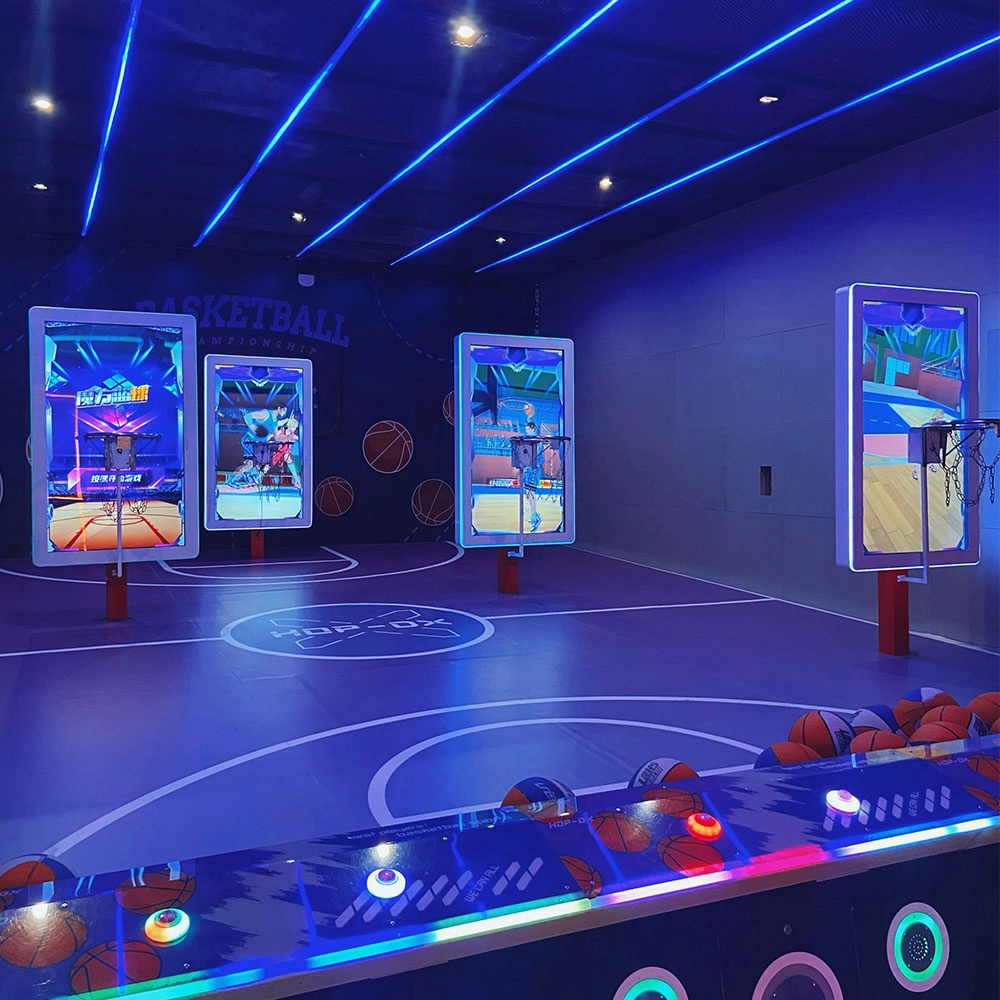
Top 10 Shooting Arcade Machine Manufacturers to Consider
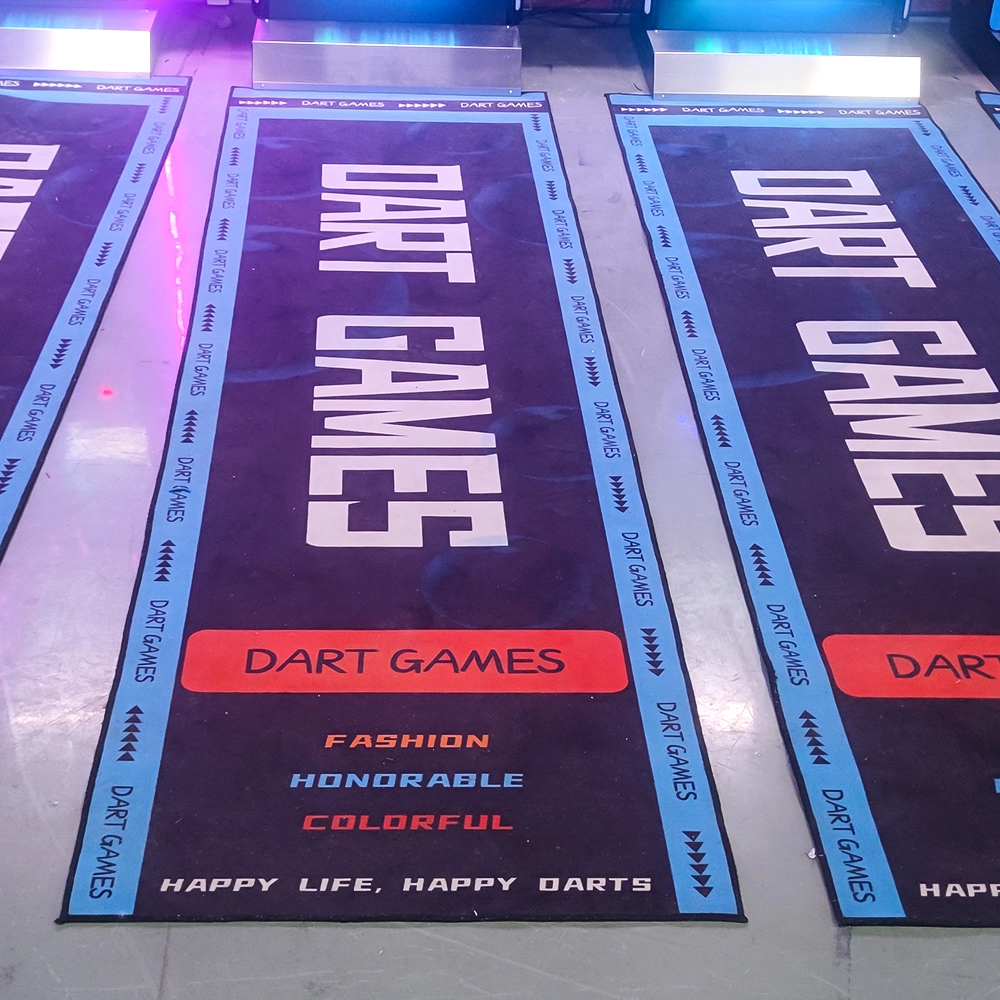
How Electronic Dart Machines Support Competitive Play
Infrared Shooting
How to attract customers when operating the program in shopping malls?
Create a cool venue decoration style and incorporate trendy elements, such as fluorescent light strips and anime-themed murals. o Launch diversified marketing models such as parent-child packages and couple packages, combined with time-limited promotional activities, such as half-price experience in the first three days of opening, to attract different groups of people such as families and couples to stop by and participate.
How to reduce operating costs?
Starting with equipment procurement, choose cost-effective, durable and easy-to-maintain products, which can save money for subsequent maintenance. Reasonable arrangement of staff, reduce the number of staff on duty during off-peak hours, train staff to have multi-skills, such as being able to operate the equipment and guide customers part-time, so as to improve the efficiency of manpower and reduce the cost of manpower.
Products
How to reduce operating costs?
Starting with equipment procurement, choose cost-effective, durable and easy-to-maintain products, which can save money for subsequent maintenance. o Starting with equipment procurement, choose cost-effective, durable and easy-to-maintain products, which can save money for subsequent maintenance. Reasonable arrangement of staff, reduce the number of staff on duty during non-peak hours, train staff to have multi-skills, such as being able to operate the equipment as well as guiding customers on the side, to improve the efficiency of manpower and reduce manpower costs.
What is the most reasonable pricing for a mobile target archery program in a commercial setting?
If it is in shopping malls, scenic spots, and other places with high traffic flow, you can refer to the prices of similar entertainment programs in the surrounding area and combine them with your own costs, charging from $30 - $80 for a single session for a single person. If it is in a professional sports arena, for members or long-term training customers, packages can be introduced, such as monthly card 300 - 500 yuan, seasonal card 800 - 1200 yuan, according to different length and service content reasonable pricing.
Football Simulator
Are there a lot of game modes in soccer simulation?
Very rich! There is a league mode which is exciting and can compete with players from all over the world, and there is also a leisure and fun game which is suitable for parents and children to share fun time, so as to satisfy the needs of different players.
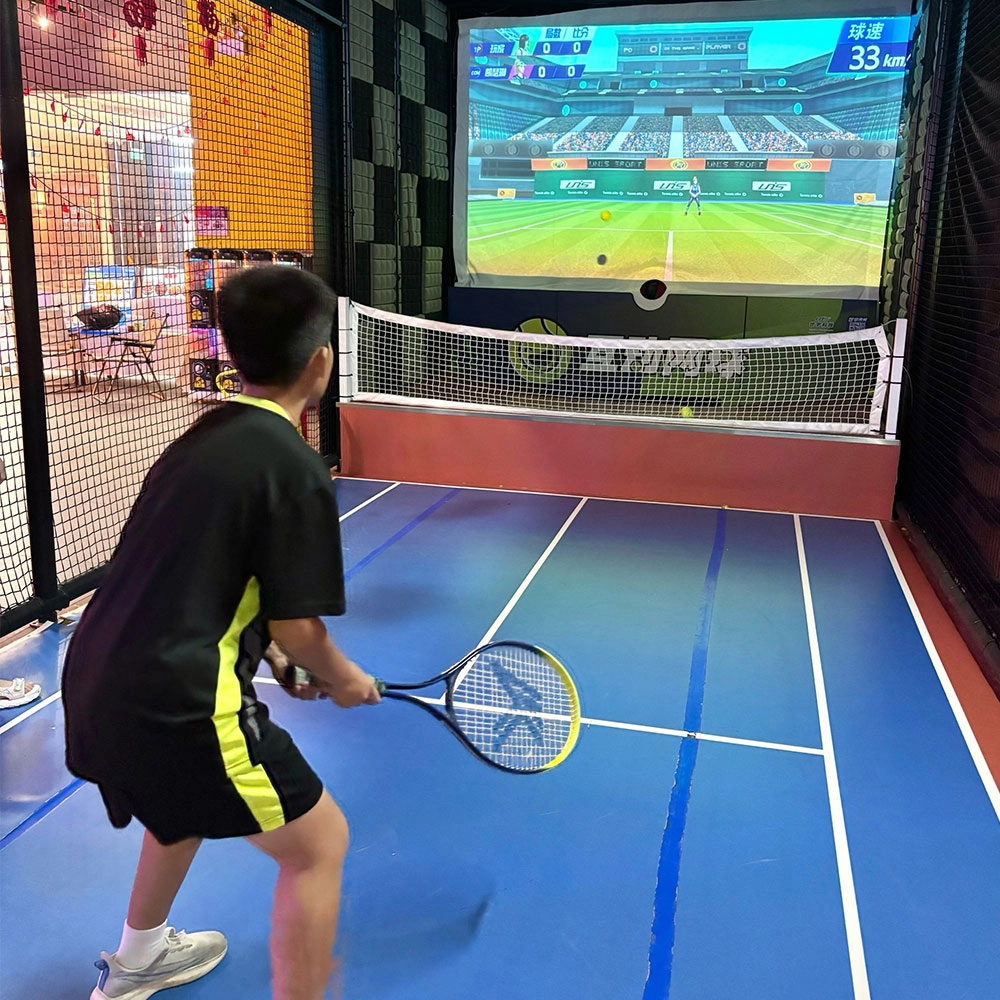
Indoor Tide Play Simulation Tennis Equipment
FUNTECH is full of fun and exciting playgrounds! With high-definition scene projection, force feedback racket, and intelligent scoring system, the simulated tennis equipment in the indoor arcade realizes immersive sports experiences and diversified interactive play, combining the advantages of safety and ease of use with high operational efficiency.
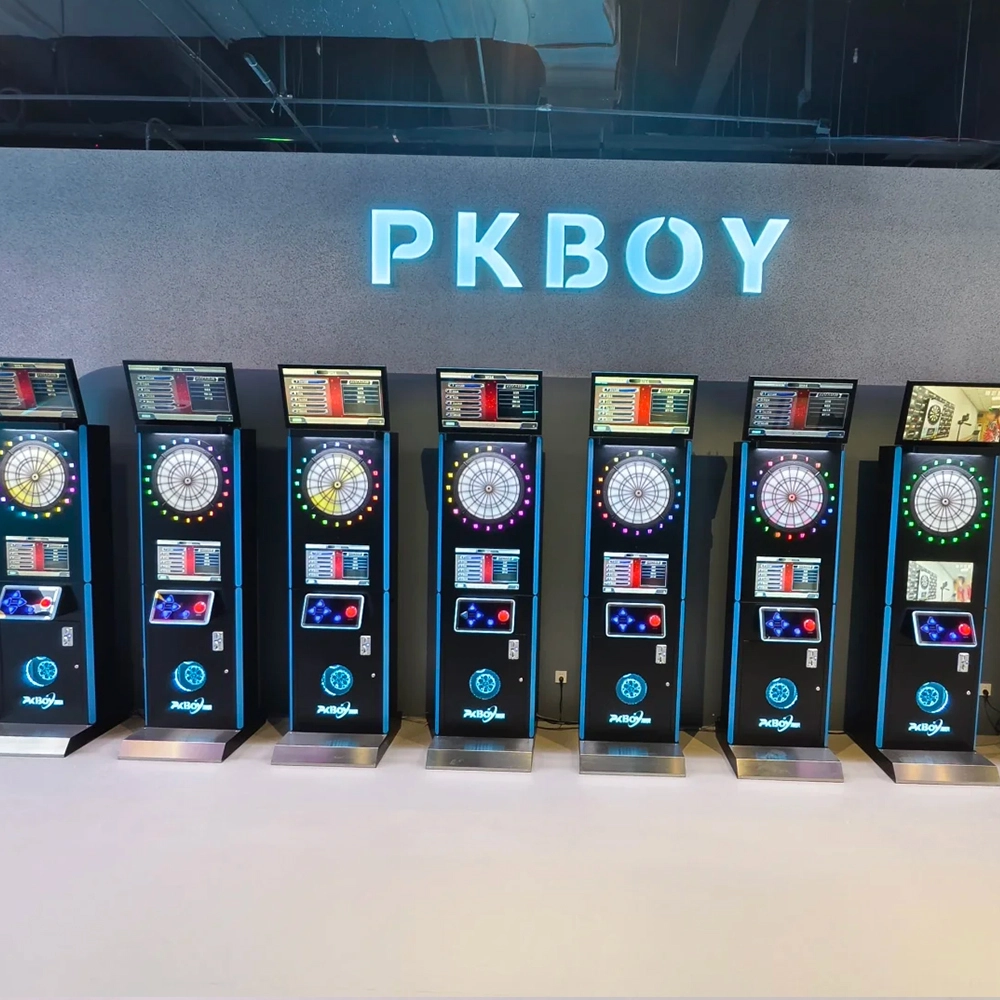
Dart Machines Bar Dart Machines
Joy Power is full of fun and excitement in the playground! The dart machine is suitable for all kinds of places, whether it is a bar, restaurant, KTV, or other entertainment venue, or a sports shop, club, or family leisure space, and can be perfectly adapted. In commercial venues, holding individual and team darts tournaments from time to time can attract more customers and increase the popularity and revenue of the venue, supplemented by various preferential activities, which can directly promote consumption and form a cycle of consumption of all the goods in the shop.
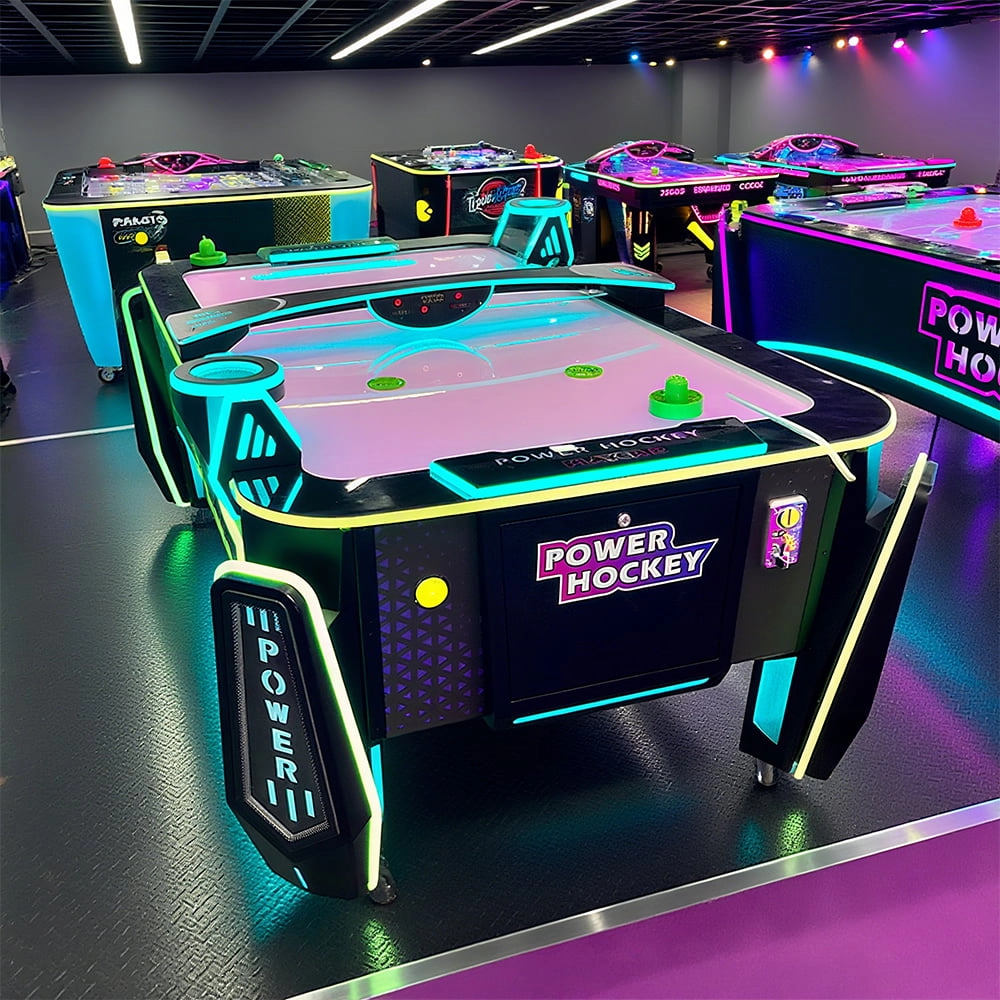
Arcade Hockey
FUNTECH is full of fun and exciting playgrounds! Air hockey, also known as air hockey, is a two-player competitive arcade game comprising a smooth, perforated playing surface, lightweight hockey sticks, a plastic puck, and an electronic scoreboard.
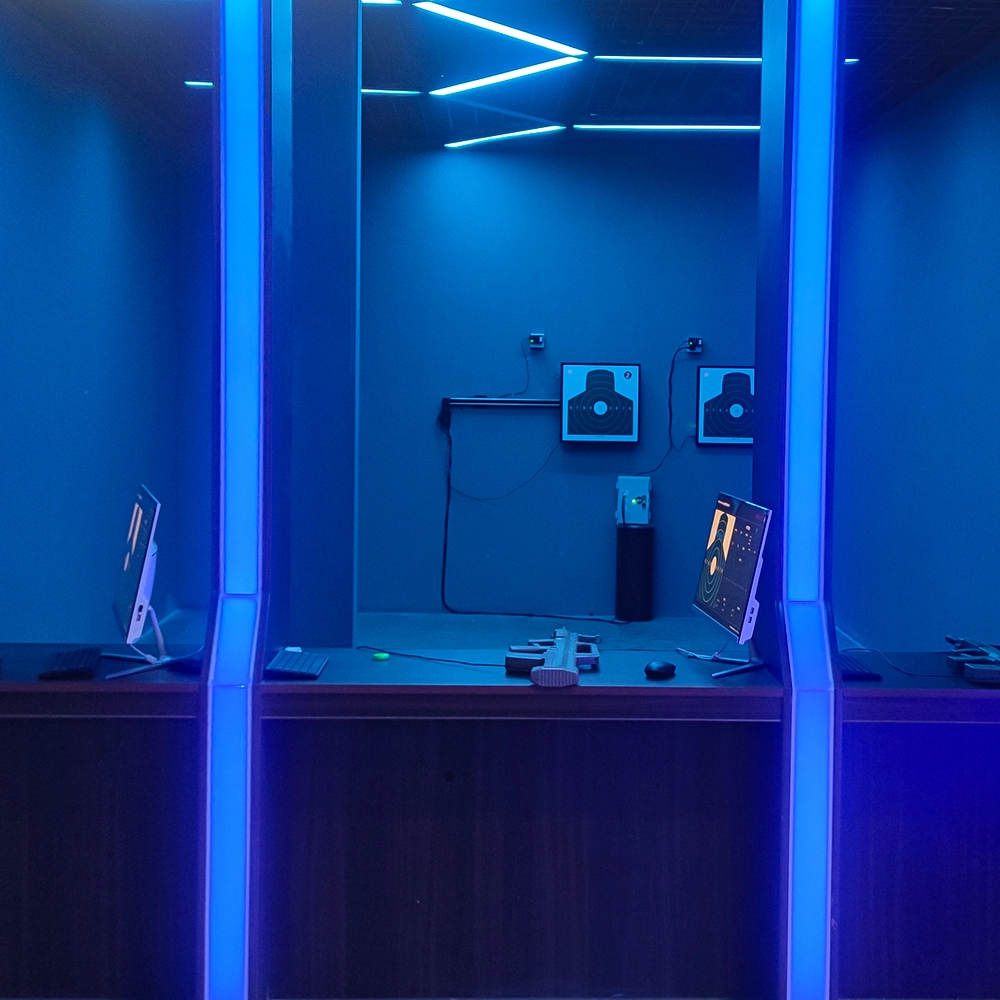
Infrared Shooting
Highly simulated simulation training analysis equipment, with advanced design concepts, fast system development, ease of operation and use, stable technical performance, less consumption of training, site dependence on a small group training is highly interesting, safe, and reliable, and other outstanding features. Product design to solve the basic skills of light weapons precision shooting as a starting point, to improve the safety of shooting training and training efficiency as the fundamental purpose, highlighting the simulation, information technology, and combat training requirements, can be in small indoor and outdoor venues and does not use live ammunition to complete the basic shooting training.
© 2025 FUNTECH ALL RIGHTS RESERVED

Weixia Lei
Fun_Tech-s
fun_tech20