
Customizable Game Modes on Multi-Player Interactive Shooting Machine
- Designing Flexible Game Modes for Competitive Arcade Play
- Core principles of mode customization
- Balancing difficulty with player retention
- Mapping game goals to player motivations
- Technical Implementation: Sensors, Scoring, and Networking
- Reliable hit detection and scoring
- Networking and cloud analytics
- Hardware considerations for customization
- Designing Game Modes That Drive Revenue and Engagement
- Mode types and when to use them
- Comparison table: Mode features and target audiences
- Pricing and ticket strategies
- User Experience, Accessibility, and Safety
- Making modes intuitive for first-time players
- Accessibility and inclusive design
- Safety and maintenance best practices
- Operational Tips: Deploying, Updating, and Promoting Modes
- Rollout strategy for new modes
- Marketing and in-venue promotion
- Reporting and KPIs for operators
- Case Study and Brand Advantages of Joy Power
- Real-world deployment example
- Why choose Joy Power
- Operational support and ROI
- Frequently Asked Questions (FAQ)
- Q: What is a Multi-Player Interactive Shooting Machine?
- Q: How customizable are the game modes?
- Q: What kind of maintenance do the machines require?
- Q: Can the machine be networked across multiple venues?
- Q: Are there age-appropriate modes for children?

The Multi-Player Interactive Shooting Machine is a versatile attraction for arcades, malls, family entertainment centers, and stadium fan zones. By offering customizable game modes — such as timed challenges, team battles, difficulty ramps, and skill tracks — operators can target different ages and occasions to maximize dwell time, repeat play, and revenue. Well-designed modes leverage reliable sensors, electronic scoring, LED/LCD feedback, and leaderboards to create immersive, competitive experiences that appeal to casual players and dedicated competitors alike. This article explains how to design, implement, and operate customizable game modes for the shooting machine, so venue managers, operators, and game designers can make data-driven decisions that improve player satisfaction and ROI. More game modes usually mean higher usage frequency, which is why a clear maintenance checklist for long-lasting shooting machine performance is essential.
Designing Flexible Game Modes for Competitive Arcade Play
Core principles of mode customization
When creating game modes for a shooting machine, prioritize three core principles: accessibility, scalability, and clarity. Accessibility ensures new players can understand rules quickly; scalability lets modes adjust for 1–4 or more players and varying session lengths; clarity presents real-time scoring, time remaining, and goals using the machine's LED or LCD display. Use visual cues and sound design to communicate success and urgency without overwhelming players. Semantic keywords such as arcade game, electronic scoring, and interactive arcade should be integrated naturally into in-game prompts and operator marketing materials.
Balancing difficulty with player retention
Difficulty tuning should be dynamic. Implement settings that modify target sizes, sensor sensitivity, goal thresholds, and scoring multipliers. For example, casual mode can enlarge effective target zones and lower target counts, while pro mode tightens hit windows and adds combo multipliers. Data from the machine's sensors and analytics can be used to refine difficulty over time to avoid frustration (too hard) or boredom (too easy). Sensors and ball-tracking systems are essential for accurate feedback; learn more about sensor technology on Wikipedia: Sensor.
Mapping game goals to player motivations
Players come to play for different reasons: social competition, personal skill improvement, party entertainment, or simply to pass time. Create modes that map to these motivations: leaderboards and timed tournaments for competitive players; skill tracks and progression for learners; party modes with group scoring for social players. Use the machine's sound and light effects to reinforce achievements and reward streaks, enhancing intrinsic motivation to replay.
Technical Implementation: Sensors, Scoring, and Networking
Reliable hit detection and scoring
Accurate scoring is the backbone of any interactive shooting machine. Multi-Player Interactive Shooting Machine units use multiple sets of sensors to detect shot trajectory and rim/basket interactions. Proper calibration and routine maintenance prevent false positives or misses. Integrate redundancy (dual-sensor checks) and smoothing algorithms to minimize noise and ensure fairness across all players and sessions. For background on arcade systems and standards, consult the Arcade game overview on Wikipedia: Arcade game.
Networking and cloud analytics
Networking enables synchronized multi-machine tournaments, centralized leaderboards, and remote configuration of game modes. A cloud-connected dashboard allows operators to push seasonal modes, collect performance metrics, and run promotions. Metrics to track include average session length, repeat play rate, revenue per play, and mode popularity. These insights inform which modes to promote or retire.
Hardware considerations for customization
Customization is limited by hardware capabilities. Ensure the cabinet has a responsive LED/LCD display, robust input for operator settings, and a metal frame that withstands heavy use. The Multi-Player Interactive Shooting Machine, with its standard-sized basket and sturdy rim, is designed to support a wide range of game modes. Regularly check physical components against manufacturer guidelines to maintain consistent gameplay.
Designing Game Modes That Drive Revenue and Engagement
Mode types and when to use them
Below are common mode types and strategic use cases that operators can deploy to maximize engagement and revenue.
- Timed Challenge: High tempo, promotes repeat plays. Use during peak hours and events.
- Team Mode: Encourages groups and parties, increases average ticket spend per session.
- Skill Track: Progression-based mode that increases retention and builds player loyalty.
- Kids Mode: Simplified rules and visuals for younger visitors to expand audience reach.
Comparison table: Mode features and target audiences
| Mode | Players | Duration | Goal | Ideal Venue |
|---|---|---|---|---|
| Timed Challenge | 1-4 | 30-90s | Highest score in time | Arcades, Malls |
| Team Mode | 2-8 | 2-5 min | Team cumulative score | Parties, FECs |
| Skill Track | 1 | 3-10 min | Complete progressive tasks | Training areas, Tournaments |
| Kids Mode | 1-4 | 20-60s | Simplified scoring, visuals | Family Centers |
Pricing and ticket strategies
Use variable pricing by mode to increase revenue: charge a High Quality for tournament entries or extended sessions, offer discounts for multi-play bundles, and run time-limited promotions with seasonal themes. Track conversion from demo plays to paid plays, and use digital receipts or leaderboard incentives to encourage return visits.
User Experience, Accessibility, and Safety
Making modes intuitive for first-time players
Display clear instructions on the LED/LCD screen before each session. Use short tutorial sequences that players can skip once familiar. Use icons and color-coding combined with short audio cues to communicate important state changes (e.g., three-second countdown, combo achieved). Minimizing cognitive load ensures players of all ages can jump in quickly.
Accessibility and inclusive design
Design modes with adjustable heights, audio volumes, and simplified controls for players with different abilities. Kids Mode and practice drills lower physical intensity and speed. Consider offering alternative input options or physical assistance accessories for players with limited mobility.
Safety and maintenance best practices
Regular inspections of the metal frame, rim, and electronic components reduce downtime and liability. Create an operator checklist for daily, weekly, and monthly maintenance tasks. Use manufacturer-supplied calibration routines to maintain sensor accuracy. For industry best practices and safety standards in amusement attractions, consult the International Association of Amusement Parks and Attractions (IAAPA): IAAPA.
Operational Tips: Deploying, Updating, and Promoting Modes
Rollout strategy for new modes
Pilot new modes during low-traffic hours and collect telemetry for at least 2–4 weeks. Use A/B testing to compare default mode settings versus experimental variants. Gather player feedback directly via on-screen prompts or QR-linked surveys. Iterate quickly and promote proven modes during peak hours.
Marketing and in-venue promotion
Feature eye-catching cabinet wraps and event posters promoting tournament nights, multi-player party packages, and leaderboard challenges. Cross-promote with nearby F&B outlets for combo deals. Leverage social media clips of high-scoring plays or community tournaments to drive organic interest.
Reporting and KPIs for operators
Key performance indicators include revenue per day, plays per hour, session length, and repeat-player rate. Use dashboard reports to identify underperforming modes and to schedule targeted updates or promotions. Cloud-based analytics reduce manual reporting effort and help justify capital investment in additional units.
Case Study and Brand Advantages of Joy Power
Real-world deployment example
A family entertainment center deployed the Multi-Player Interactive Shooting Machine with three custom modes — Timed Challenge (peak hours), Team Mode (weekend parties), and Skill Track (after-school programs). After six months, the venue reported a 22% increase in daily plays and a 15% increase in average transaction value due to bundle pricing and tournament fees.
Why choose Joy Power
Joy Power is built for durability and flexible customization. The product integrates high-fidelity sensors, an easy-to-navigate operator dashboard, and vivid LED/LCD feedback that sustains player attention. Highlights include:
- Robust metal frame and standard-sized basket for authentic play
- Accurate sensor arrays and real-time electronic scoring
- Support for multiple simultaneous players and networked leaderboards
- Remote configuration and cloud analytics for continuous optimization
- Responsive customer support and maintenance documentation
Operational support and ROI
Joy Power provides training, preventative maintenance guidelines, and marketing templates to accelerate break-even for operators. With modular game mode packages and seasonal content updates, operators can keep the attraction fresh and aligned with local events.
Frequently Asked Questions (FAQ)
Q: What is a Multi-Player Interactive Shooting Machine?
A: It is an arcade-style attraction that combines traditional shooting gameplay with electronic scoring, sensors, LED/LCD feedback, and multiplayer capabilities to create competitive, social, and repeatable experiences.
Q: How customizable are the game modes?
A: Modes can be customized in difficulty, duration, player count, scoring rules, and visual/audio themes. Operators can upload seasonal content and configure pricing remotely via a management dashboard.
Q: What kind of maintenance do the machines require?
A: Routine checks include sensor calibration, rim and net inspection, display and audio tests, and cabinet structural checks. Joy Power supplies maintenance schedules and remote diagnostics to simplify upkeep.
Q: Can the machine be networked across multiple venues?
A: Yes. Networked setups enable centralized leaderboards, inter-venue tournaments, and consolidated analytics to drive larger-scale promotions.
Q: Are there age-appropriate modes for children?
A: Yes. Kids Mode reduces difficulty and shortens session time while using friendly visuals and simpler scoring to ensure a fun experience for younger players.
If you would like to see a demo, get pricing, or discuss custom game-mode development for your venue, please contact our sales team or view the product page for the Multi-Player Interactive Shooting Machine.
Authoritative references cited in this article include the general overview of Arcade game, background on Sensor technology, and industry best practices from IAAPA.
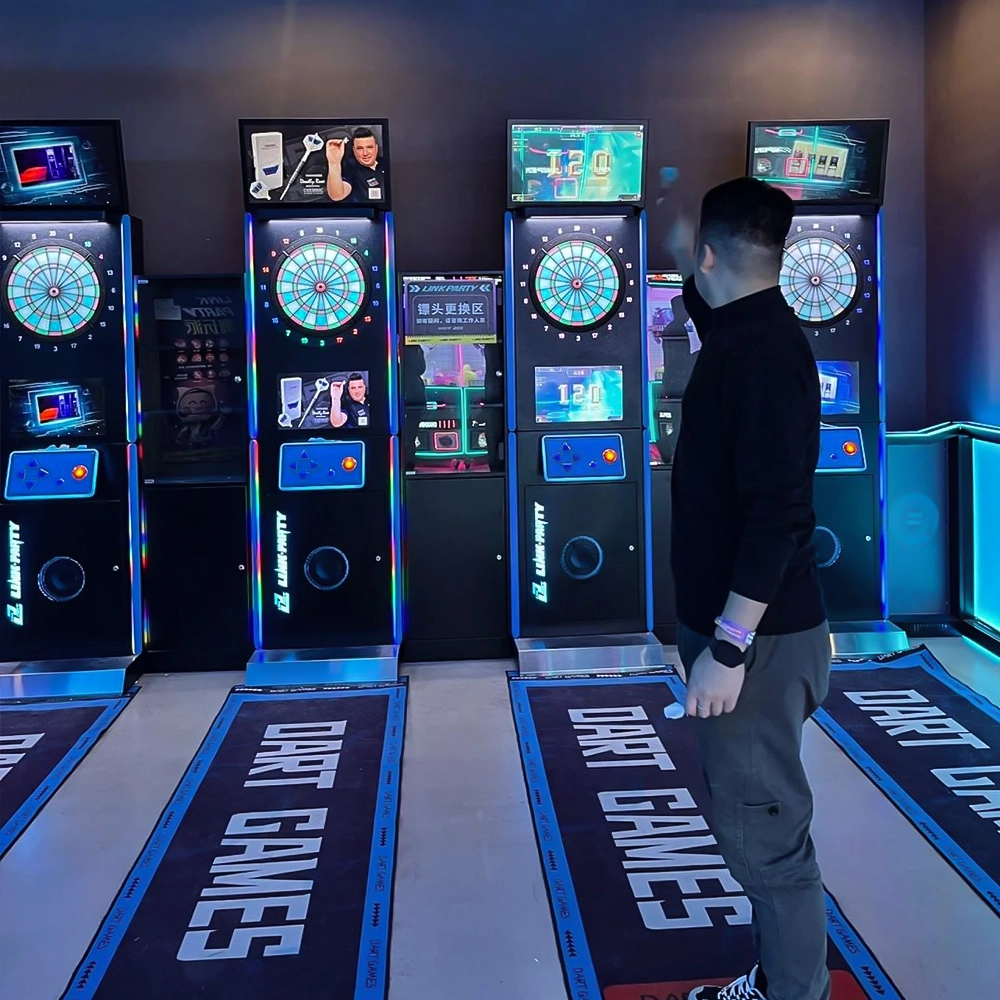
Designing a Bar Space Around Dart Machines Bar Dart Machines
Top vr egg chair for sale Manufacturers and Suppliers
Where to Buy interactive trampolin park
Top machine dart gun Manufacturers and Suppliers in UK
Interactive Rollerball
What are the after-sales services after purchasing the equipment?
Generally, a 1-year warranty is provided. During the warranty period, parts damaged due to quality problems, such as motor failure, display problems, etc., will be repaired or replaced free of charge. There will also be technical support, including equipment installation and debugging guidance, operation training, to ensure the smooth use of the user, after-sales response time is usually within 24 - 48 hours.
Dart Machines Bar Dart Machines
How to attract customers when operating the program in shopping malls?
Create a cool venue decoration style and incorporate trendy elements, such as fluorescent light strips and anime-themed murals. o Launch diversified marketing models such as parent-child packages and couple packages, combined with time-limited promotional activities, such as half-price experience in the first three days of opening, to attract different groups of people such as families and couples to stop by and participate.
Infrared Shooting
How to reduce operating costs?
Starting with equipment procurement, choose cost-effective, durable and easy-to-maintain products, which can save money for subsequent maintenance. Reasonable arrangement of staff, reduce the number of staff on duty during off-peak hours, train staff to have multi-skills, such as being able to operate the equipment and guide customers part-time, so as to improve the efficiency of manpower and reduce the cost of manpower.
Products
How often does moving target archery equipment require maintenance?
Under daily use, for equipment that is used less frequently, 1-3 times per week, simple cosmetic cleaning and functional checks can be performed after each use. A more comprehensive maintenance should be carried out every 2-4 weeks, including disassembling some parts for cleaning and checking the accuracy of the aiming system.
What is the most reasonable pricing for a mobile target archery program in a commercial setting?
If it is in shopping malls, scenic spots, and other places with high traffic flow, you can refer to the prices of similar entertainment programs in the surrounding area and combine them with your own costs, charging from $30 - $80 for a single session for a single person. If it is in a professional sports arena, for members or long-term training customers, packages can be introduced, such as monthly card 300 - 500 yuan, seasonal card 800 - 1200 yuan, according to different length and service content reasonable pricing.
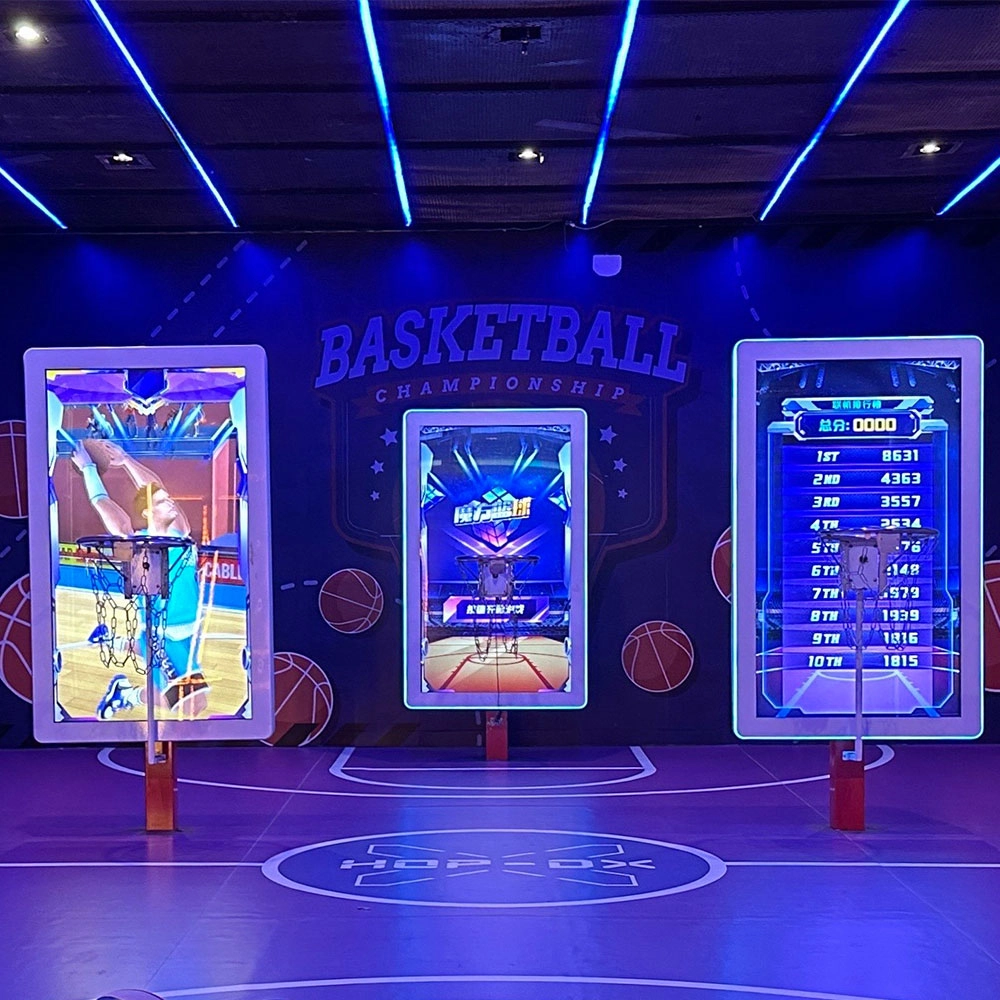
Multi-Player Interactive Shooting Machine
Joy Power is full of fun and exciting playgrounds! The basketball shooting machine is a classic amusement device integrating competition, entertainment, and interactivity. Based on the traditional basketball shooting sport, it integrates electronic scoring, sound and light effects, and challenge mechanisms to bring players an immersive game experience. The main body of the equipment is usually built with a metal frame, equipped with a standard-sized basket and a sturdy rim, with multiple sets of sensors to accurately capture the trajectory of the shot; when the player shoots the ball, the machine's built-in sensors count the score in real time and present the score, remaining time, and challenge goals through the LED display or LCD screen, with exciting sound effects and colorful lights to create a tense and exciting gaming atmosphere.
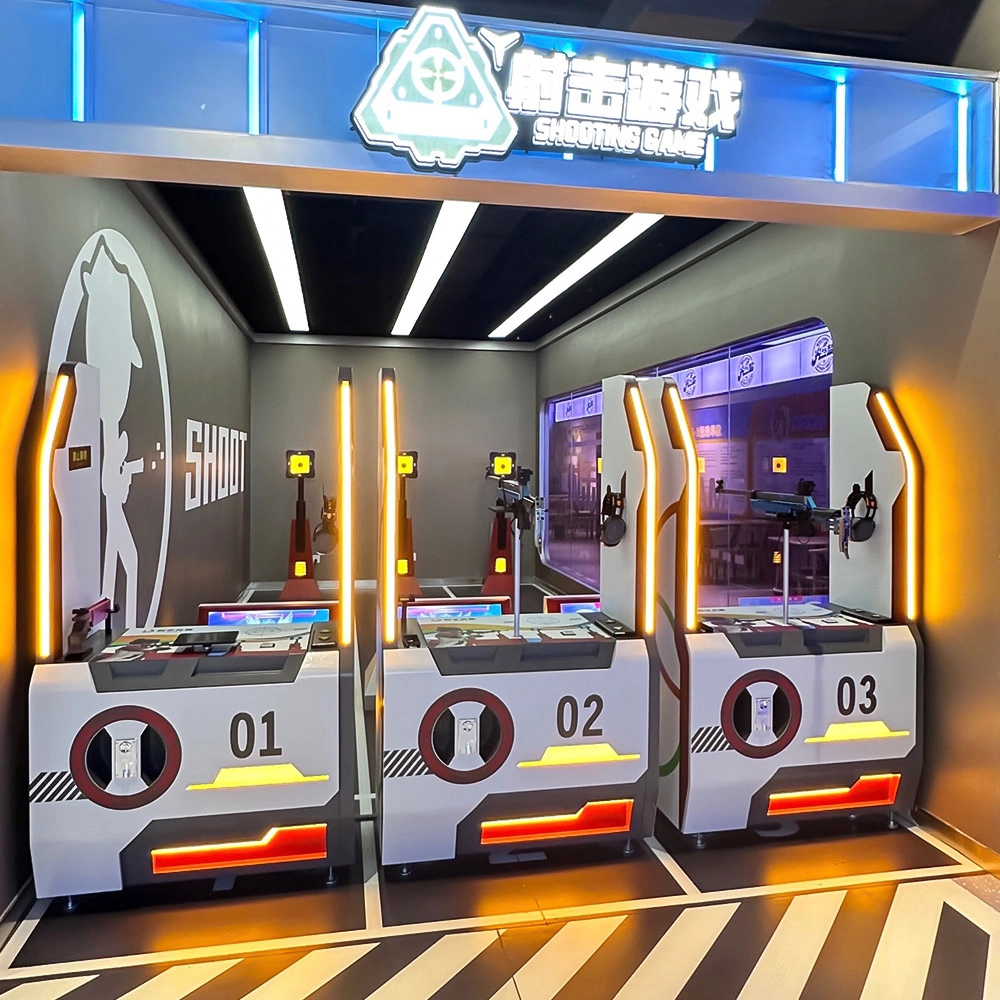
Olympic Shooting Professional Amusement Equipment
Joy Power is full of fun and exciting playgrounds! Olympic shooting products rely on advanced photoelectric technology to build a complete set of hardware and software systems. The hardware includes laser guns (long and short guns are available to meet different players' holding preferences), precision-sensitive electronic targets, stable tripods, signal pairing devices, and a touch screen for easy operation. The software intelligently controls the entire shooting process to ensure smoothness and accuracy.
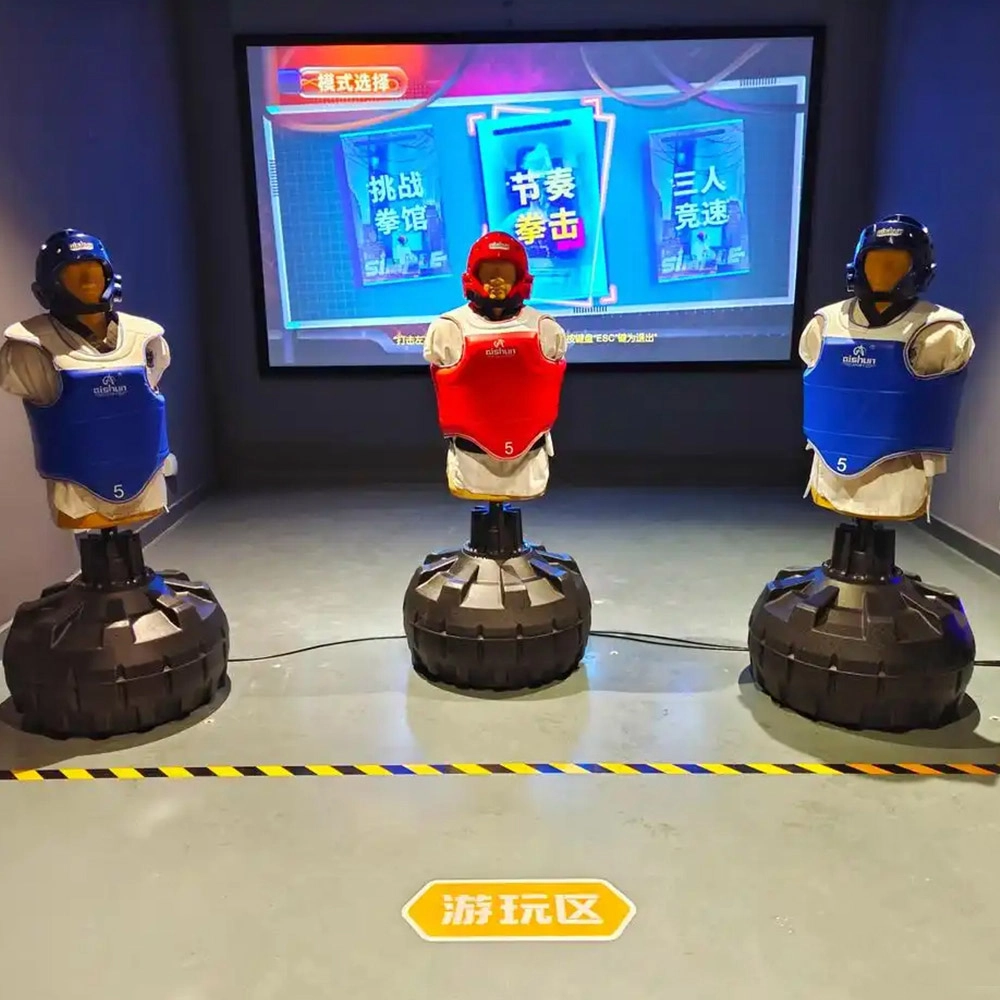
Indoor Boxing Equipment
FUNTECH is full of fun and exciting playgrounds! The indoor boxing simulation equipment combines pressure-sensitive boxing gloves with dynamic projection scenes, combining sports and fitness with entertainment and competitive attributes, supporting single-player training and two-player sparring modes, and accurately recording hitting data and generating sports reports, making it suitable for all-age experiences and safe and low-loss.
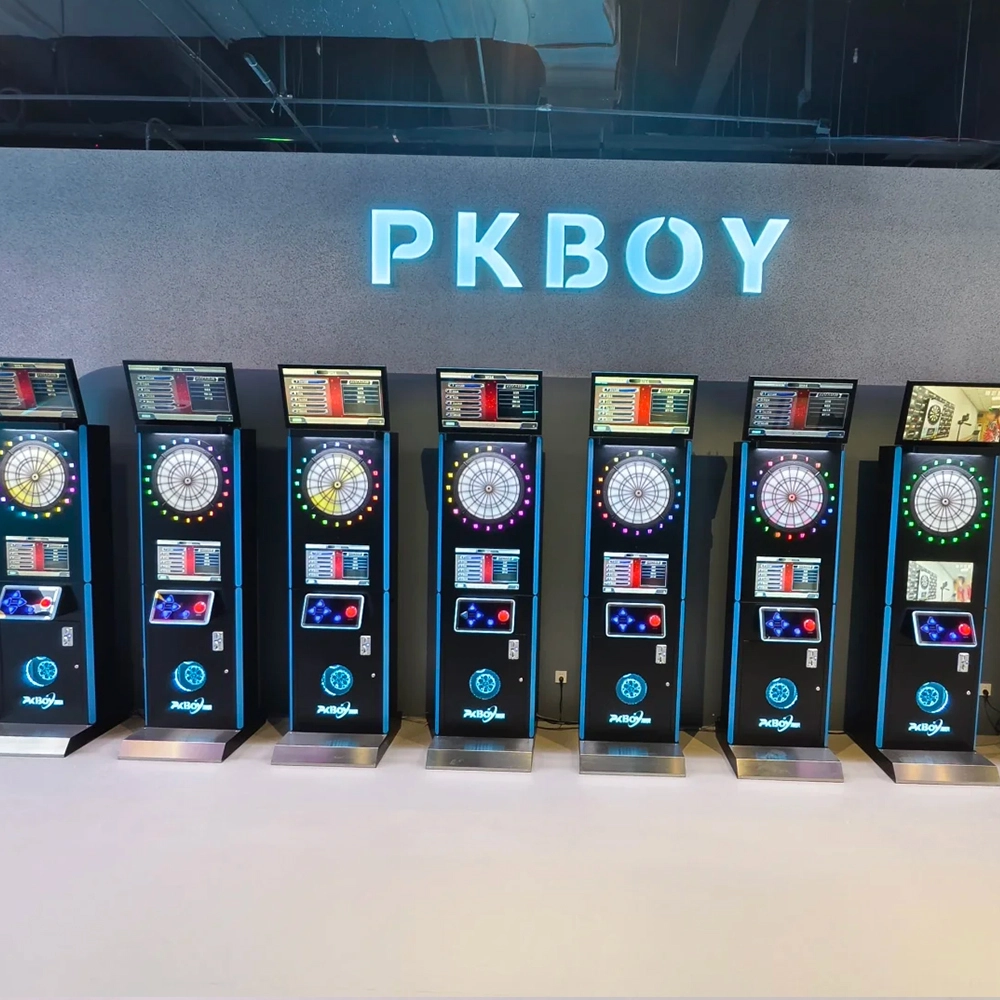
Dart Machines Bar Dart Machines
Joy Power is full of fun and excitement in the playground! The dart machine is suitable for all kinds of places, whether it is a bar, restaurant, KTV, or other entertainment venue, or a sports shop, club, or family leisure space, and can be perfectly adapted. In commercial venues, holding individual and team darts tournaments from time to time can attract more customers and increase the popularity and revenue of the venue, supplemented by various preferential activities, which can directly promote consumption and form a cycle of consumption of all the goods in the shop.
© 2025 FUNTECH ALL RIGHTS RESERVED

Weixia Lei
Fun_Tech-s
fun_tech20