
Maintenance Checklist for Long-Lasting Shooting Machine Performance
- Essential Daily and Pre-Shift Checks
- Visual Inspection and Safety Checks
- Power-On Diagnostics and Display Checks
- Ball Condition and Feeding Mechanism
- Weekly and Monthly Maintenance Procedures
- Sensor Cleaning and Alignment
- Mechanical Fasteners, Rims, and Net Inspection
- Software Updates and Log Review
- Quarterly and Annual Preventive Maintenance & Calibration
- Full Sensor Recalibration and Validation
- Electrical System Check and Battery Maintenance
- Structural Inspection and Corrosion Control
- Troubleshooting, Spare Parts, and Long-Term Care
- Common Faults and Quick Fixes
- Recommended Spare Parts Kit
- Documentation, Training, and Maintenance Logs
- Maintenance Schedule at a Glance (Table)
- Semantic Keywords for 'shooting machine' (Embedded and Useful for SEO)
- Brand Advantages: Why Joy Power's Multi-Player Interactive Shooting Machine Stands Out
- Troubleshooting Checklist and When to Call Support
- FAQ (Frequently Asked Questions)
- How often should I recalibrate the sensors on my shooting machine?
- Can I use any basketballs with the Multi-Player Interactive Shooting Machine?
- What are the most common causes of scoring errors?
- Do you provide on-site maintenance or training?
- How should I winterize or store the machine if moving locations?
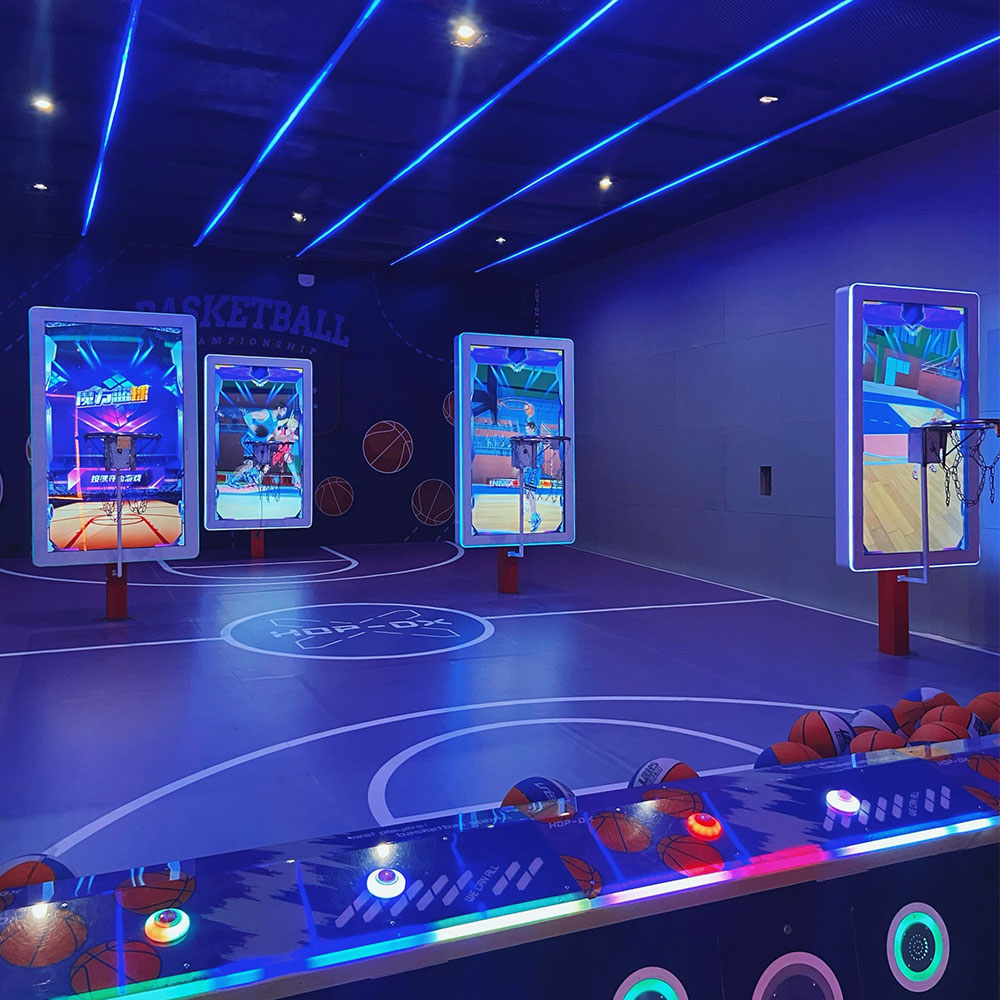
The Multi-Player Interactive Shooting Machine (also called shooting machine or basketball shooting machine) is a high-use entertainment asset in arcades, family entertainment centers, playgrounds, and sports training facilities. Proper, documented maintenance—covering mechanical parts, sensors, electronics, and software—not only reduces downtime but also preserves scoring accuracy and player safety, which is essential for venues seeking consistent revenue and positive guest experiences.
Joy Power is full of fun and exciting playgrounds! The basketball shooting machine is a classic amusement device integrating competition, entertainment, and interactivity. Based on the traditional basketball shooting sport, it integrates electronic scoring, sound and light effects, and challenge mechanisms to bring players an immersive game experience. The main body of the equipment is usually built with a metal frame, equipped with a standard-sized basket and a sturdy rim, with multiple sets of sensors to accurately capture the trajectory of the shot; when the player shoots the ball, the machine's built-in sensors count the score in real time and present the score, remaining time, and challenge goals through the LED display or LCD screen, with exciting sound effects and colorful lights to create a tense and exciting gaming atmosphere.
After understanding upkeep requirements, buyers can make objective decisions by comparing multi-player interactive shooting machines using key metrics.
Essential Daily and Pre-Shift Checks
Visual Inspection and Safety Checks
Before opening to players, perform a quick visual inspection of the shooting machine: check frame integrity, verify netting and guard rails are secure, ensure the rim and backboard are free of visible damage, and confirm there are no loose bolts or sharp edges. Regular safety checks reduce liability and keep the attraction operational. For guidance on general equipment safety and public-use play structures, consult industry resources such as the International Association of Amusement Parks and Attractions (IAAPA) https://www.iaapa.org.
Power-On Diagnostics and Display Checks
Power on the unit and confirm the LED/LCD displays initialize correctly, sound effects play, and the scoreboard counts. Verify that all buttons and touch inputs respond. Failing indicators early prevents lost sessions and guest complaints. Keep a short checklist near the machine to standardize checks across staff.
Ball Condition and Feeding Mechanism
Inspect balls for wear and proper inflation (if air-filled) or expected rebound (for foam/rubber types). Remove overly scuffed or deformed balls from rotation. Examine ball returns and conveyor paths for obstructions; clear any debris and confirm smooth ball delivery to the shooter. Proper ball maintenance ensures consistent sensor readings and scoring accuracy.
Weekly and Monthly Maintenance Procedures
Sensor Cleaning and Alignment
Sensors (infrared, optical, or contact-based) are central to scoring accuracy. Weekly, gently clean sensor lenses with a microfiber cloth and isopropyl alcohol if needed. Monthly, verify alignment using the built-in diagnostic software or a simple test routine: perform controlled shots to track false positives/negatives. If the unit uses multiple sensor arrays, check each array individually. For general background on how sensors are used in sports equipment, see the overview on Wikipedia: Basketball, which explains shot tracking fundamentals and why consistent ball behavior matters.
Mechanical Fasteners, Rims, and Net Inspection
Tighten bolts and check all welded joints for fatigue or corrosion monthly. Inspect the rim for deformities and confirm the breakaway mechanism (if present) works smoothly. Replace worn nets to avoid ball entanglement which can damage the feeder. A torque checklist with recommended torque settings (manufacturer-provided) should be included in your maintenance log.
Software Updates and Log Review
Check for firmware and software updates monthly. Updates often provide bug fixes, new features, and improved diagnostics. Review operation logs for error codes or repeated faults; early pattern detection can prevent costly repairs. Implement a version-control policy where you log firmware versions and the date of updates for traceability.
Quarterly and Annual Preventive Maintenance & Calibration
Full Sensor Recalibration and Validation
Perform a full recalibration quarterly (or more frequently in high-use venues). Use calibration routines supplied by the manufacturer or follow documented procedures: calibrate sensor thresholds, timing windows, and LED brightness for consistent detection under venue lighting conditions. Validate calibration by running a 50–100-shot test and recording scoring accuracy rates; acceptable tolerance should be defined by your operations team (e.g., >98% correct detection).
Electrical System Check and Battery Maintenance
Inspect wiring harnesses, connectors, and power supplies quarterly. Look for frayed wires, loose connectors, or corrosion. If the machine uses backup batteries for memory or clock functions, test and replace them annually. Consider installing surge protection to protect sensitive electronics from power spikes—surge devices are a low-cost insurance against expensive board replacements.
Structural Inspection and Corrosion Control
Annually, conduct a structural review of the metal frame focusing on welds, mounting points, and anchoring systems. Treat any surface rust and apply appropriate coatings to prevent spread. In coastal or humid climates, increase frequency to six-month intervals to address accelerated corrosion risks.
Troubleshooting, Spare Parts, and Long-Term Care
Common Faults and Quick Fixes
Common issues include sensor drift, intermittent power loss, jammed ball feeds, and audio failures. Quick troubleshooting tips:
- Sensor drift: clean lens and re-run calibration.
- Power interruptions: inspect power supply and test with a known-good UPS.
- Jammed feed: power down, remove jammed balls, and inspect rollers.
- Audio issues: check speaker connections and test with alternate audio files.
Keep a troubleshooting flowchart posted near the unit for frontline technicians.
Recommended Spare Parts Kit
Maintain an on-site spare parts kit for rapid repairs. Suggested items:
- Sensor modules (1–2)
- Power supply/transformer (1)
- Main control board (1)
- Spare fuses and connectors
- Replacement rim and net
- Belts/rollers for ball delivery
- Assorted fasteners and wiring
A stocked kit reduces mean time to repair (MTTR) and lost revenue from out-of-service machines.
Documentation, Training, and Maintenance Logs
Keep a maintenance log documenting all inspections, tasks performed, parts replaced, and firmware updates. Train multiple staff members on basic diagnostics and safe maintenance procedures. Well-documented logs help detect recurring issues and support warranty claims or manufacturer troubleshooting calls.
Maintenance Schedule at a Glance (Table)
| Frequency | Task | Tools/Parts Needed | Approx. Time |
|---|---|---|---|
| Daily / Pre-shift | Visual safety check, power-on diagnostics, ball inspection | Checklist, flashlight | 5–10 min |
| Weekly | Clean sensors, check ball feed, tighten loose fasteners | Microfiber cloth, isopropyl alcohol, wrench set | 20–30 min |
| Monthly | Software update check, display calibration, mechanical inspection | Diagnostic laptop (if applicable), torque wrench | 30–60 min |
| Quarterly | Full sensor recalibration, electrical inspection | Calibration tools, multimeter | 1–2 hours |
| Annual | Structural inspection, replace backup batteries, deep clean | Coating materials, battery replacements | 2–4 hours |
Semantic Keywords for 'shooting machine' (Embedded and Useful for SEO)
Use and monitor these natural-language semantic keywords within your site content to improve discoverability: shooting machine, basketball shooting machine, interactive shooting machine, multi-player shooting machine, arcade shooting equipment, electronic scoring machine, sensor calibration, ball feeder system, scoring accuracy, amusement ride maintenance. These terms are naturally used throughout this guide and should be included in equipment pages, manuals, and metadata.
Brand Advantages: Why Joy Power's Multi-Player Interactive Shooting Machine Stands Out
Joy Power combines robust mechanical design with advanced sensor arrays and immersive audio-visual presentation. Key brand advantages include:
- Durable construction: powder-coated metal frames and commercial-grade rims for heavy-use environments.
- Integrated electronics: real-time scoring, LED/LCD displays, and configurable challenge modes.
- Support ecosystem: recommended maintenance schedules, accessible spare parts, and firmware updates that maintain functionality over time.
- Player experience: sound and light integration that increases dwell time and repeat plays.
These strengths not only enhance guest satisfaction but also make preventive maintenance more predictable—parts wear more evenly and diagnostics are easier to interpret when the original design follows industry best practices. For broader industry guidance on amusement device best practices, see IAAPA https://www.iaapa.org.
Troubleshooting Checklist and When to Call Support
Use the following quick checklist to determine whether to escalate to manufacturer support:
- Persistent scoring errors after cleaning and recalibration: contact support.
- Repeated power supply failures or visible smoke: power down and contact technician immediately.
- Structural damage or loose welds: tag out of service and schedule professional repair.
If you need parts, calibration assistance, or on-site technical service, contact Joy Power support through the link in the CTA below.
FAQ (Frequently Asked Questions)
How often should I recalibrate the sensors on my shooting machine?
Recalibrate sensors quarterly as a best practice, and more frequently in high-use venues or under challenging lighting conditions. Perform quick alignment checks weekly after cleaning.
Can I use any basketballs with the Multi-Player Interactive Shooting Machine?
Use balls recommended by the manufacturer or those matching the machine's design (size, material, and weight). Incorrect balls can cause misreads and increased wear on ball handling systems.
What are the most common causes of scoring errors?
Scoring errors often result from dirty/misaligned sensors, worn balls, or software glitches. Cleaning sensors, verifying calibration, and updating firmware usually resolves these issues.
Do you provide on-site maintenance or training?
Joy Power typically offers training materials and can provide on-site services through authorized technicians. Contact customer support to arrange training or maintenance visits.
How should I winterize or store the machine if moving locations?
Remove consumables (balls), secure loose parts, apply corrosion inhibitors to exposed metal, and store electronics in a dry, climate-controlled environment. Follow the manufacturer’s transport checklist to avoid warranty issues.
If you have other questions not covered here, please contact our support team or view product details below.
Contact Sales / View Product: Learn more about the Multi-Player Interactive Shooting Machine or request a maintenance package: View product and contact sales.
References: Industry guidance from IAAPA https://www.iaapa.org and general equipment context from Wikipedia https://en.wikipedia.org/wiki/Basketball.
Where to Buy shooting simulator games
Top 10 dart machine Manufacturers and Supplier Brands in US
Top 10 soccer card simulator Manufacturers and Supplier Brands in America
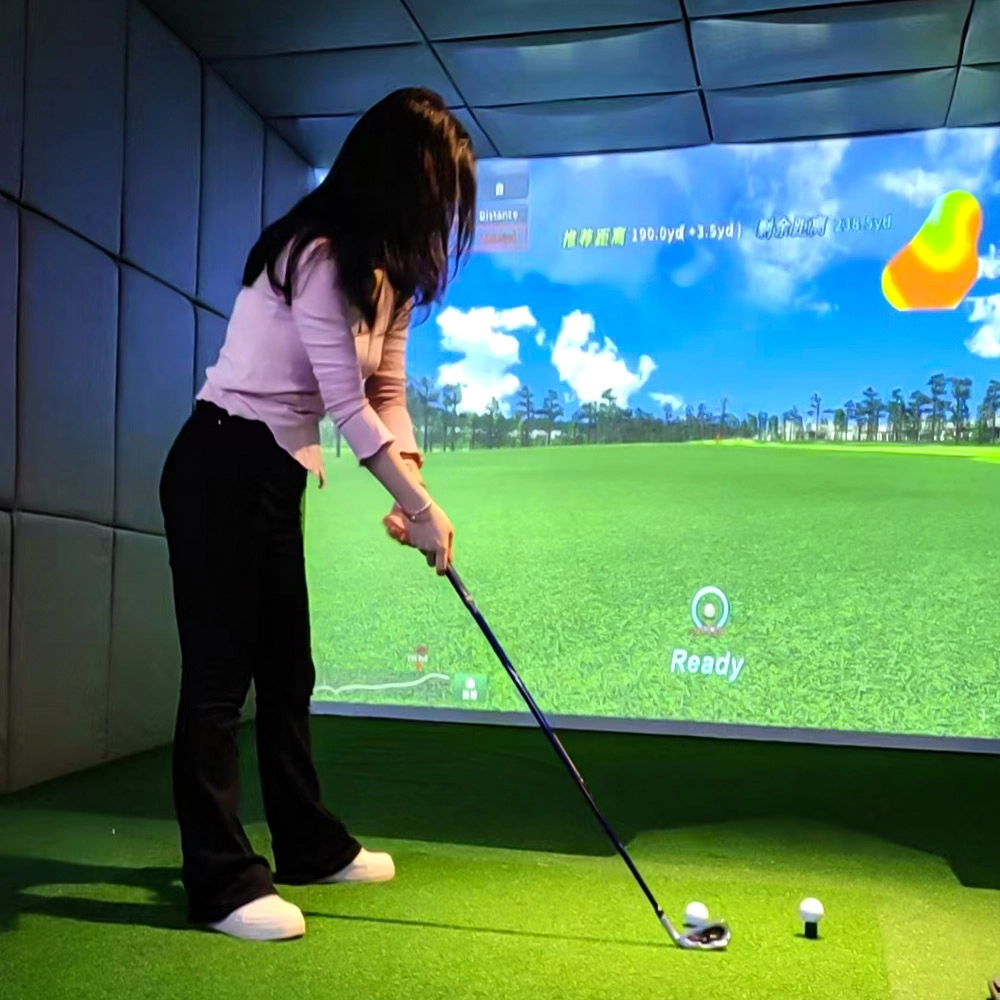
Top Golf Simulators Recreational Sports Products Indoor Simulated Golf
Holographic Light and Shadow Restaurant
What is the principle of holographic projection?
Firstly, during the recording process, a reference light and an object light are simultaneously irradiated onto the object, causing interference between the two beams. The intensity and phase information of the object are recorded on the photosensitive material, forming a hologram. Then, during the reproduction process, the hologram is illuminated with the same beam of light as the reference light, and the hologram acts like a complex diffraction grating, causing the light to diffract and thus reproducing the three-dimensional image of the object.
Dart Machines Bar Dart Machines
How to reduce operating costs?
Starting with equipment procurement, choose cost-effective, durable and easy-to-maintain products, which can save money for subsequent maintenance. Reasonable arrangement of staff, reduce the number of staff on duty during off-peak hours, train staff to have multi-skills, such as being able to operate the equipment and guide customers part-time, so as to improve the efficiency of manpower and reduce the cost of manpower.
Interactive Rollerball
How to attract customers when operating the program in shopping malls?
Create a cool venue decoration style and incorporate trendy elements, such as fluorescent light strips and anime-themed murals. o Launch diversified marketing models such as parent-child packages and couple packages, combined with time-limited promotional activities, such as half-price experience in the first three days of opening, to attract different groups of people such as families and couples to stop by and participate.
Golf Simulator
How often does simulated golf equipment require maintenance?
For daily use, simple monthly maintenance is sufficient, such as a simple cosmetic cleaning and function check after use. Quarterly maintenance can be more comprehensive.
Products
What are the after-sales services after purchasing the equipment?
Generally, a 1-year warranty is provided. During the warranty period, parts damaged due to quality problems, such as motor failure, display problems, etc., will be repaired or replaced free of charge. There will also be technical support, including equipment installation and debugging guidance, operation training, to ensure the smooth use of the user, after-sales response time is usually within 24 - 48 hours.
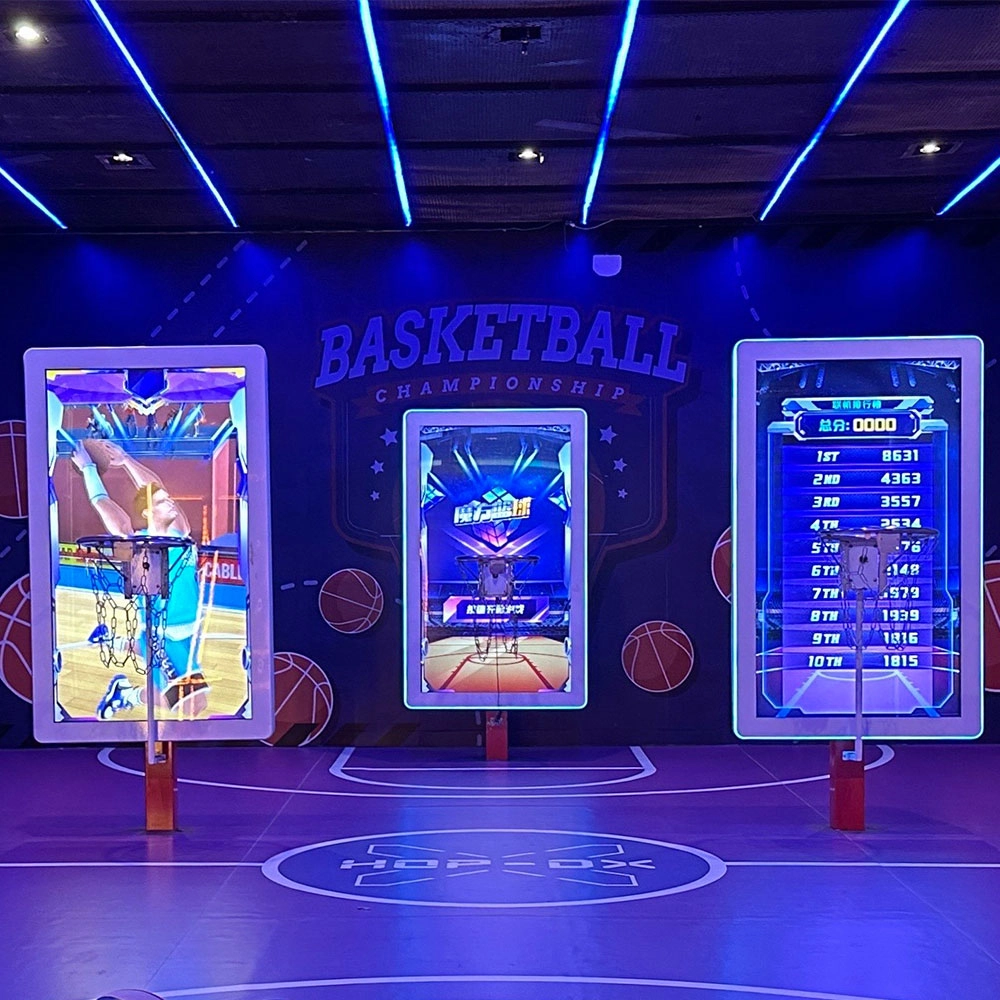
Multi-Player Interactive Shooting Machine
Joy Power is full of fun and exciting playgrounds! The basketball shooting machine is a classic amusement device integrating competition, entertainment, and interactivity. Based on the traditional basketball shooting sport, it integrates electronic scoring, sound and light effects, and challenge mechanisms to bring players an immersive game experience. The main body of the equipment is usually built with a metal frame, equipped with a standard-sized basket and a sturdy rim, with multiple sets of sensors to accurately capture the trajectory of the shot; when the player shoots the ball, the machine's built-in sensors count the score in real time and present the score, remaining time, and challenge goals through the LED display or LCD screen, with exciting sound effects and colorful lights to create a tense and exciting gaming atmosphere.
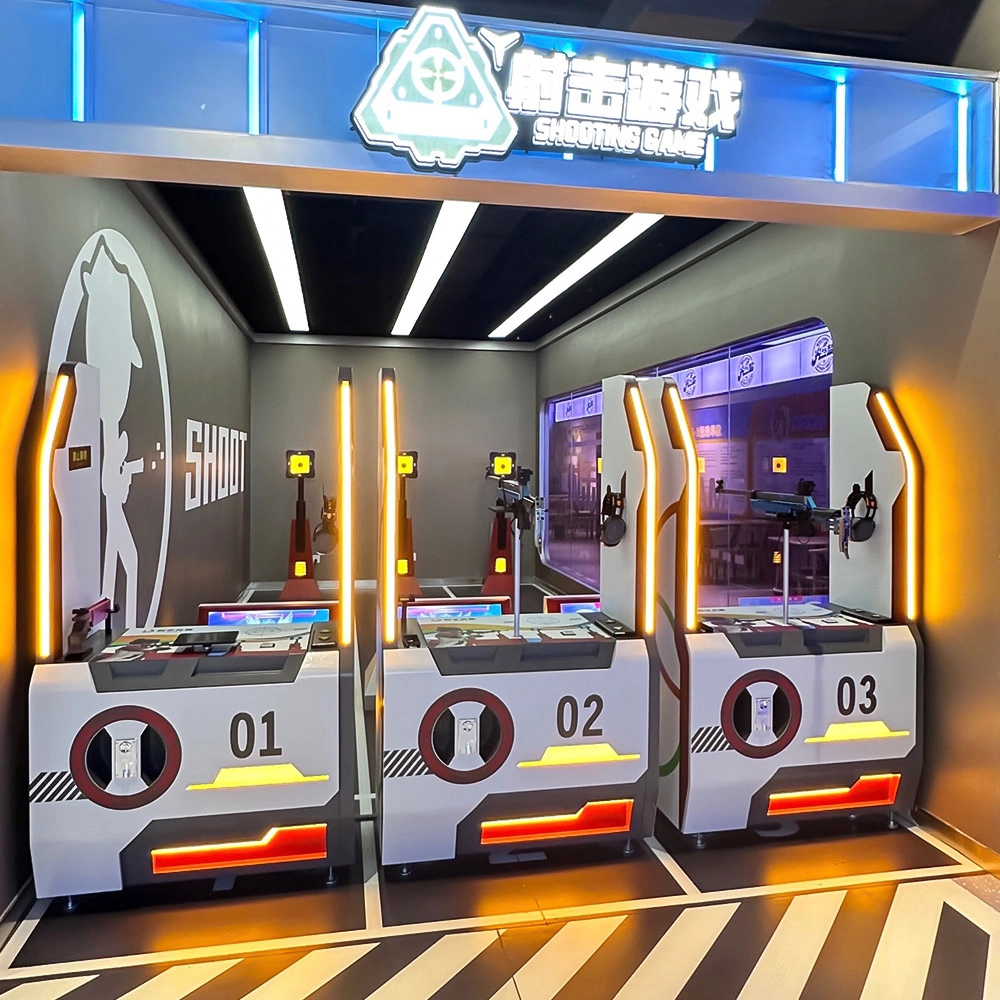
Olympic Shooting Professional Amusement Equipment
Joy Power is full of fun and exciting playgrounds! Olympic shooting products rely on advanced photoelectric technology to build a complete set of hardware and software systems. The hardware includes laser guns (long and short guns are available to meet different players' holding preferences), precision-sensitive electronic targets, stable tripods, signal pairing devices, and a touch screen for easy operation. The software intelligently controls the entire shooting process to ensure smoothness and accuracy.
Dart Machines Bar Dart Machines
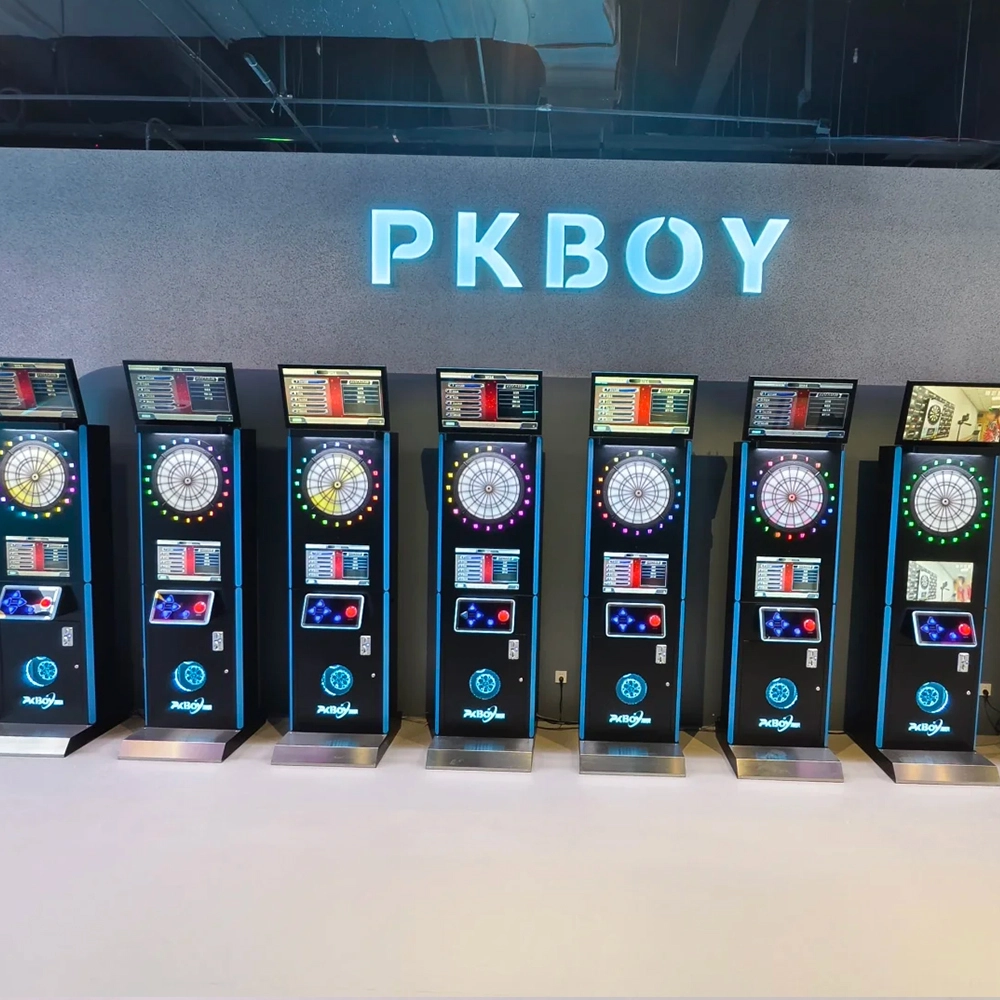
Joy Power is full of fun and excitement in the playground! The dart machine is suitable for all kinds of places, whether it is a bar, restaurant, KTV, or other entertainment venue, or a sports shop, club, or family leisure space, and can be perfectly adapted. In commercial venues, holding individual and team darts tournaments from time to time can attract more customers and increase the popularity and revenue of the venue, supplemented by various preferential activities, which can directly promote consumption and form a cycle of consumption of all the goods in the shop.
Infrared Shooting
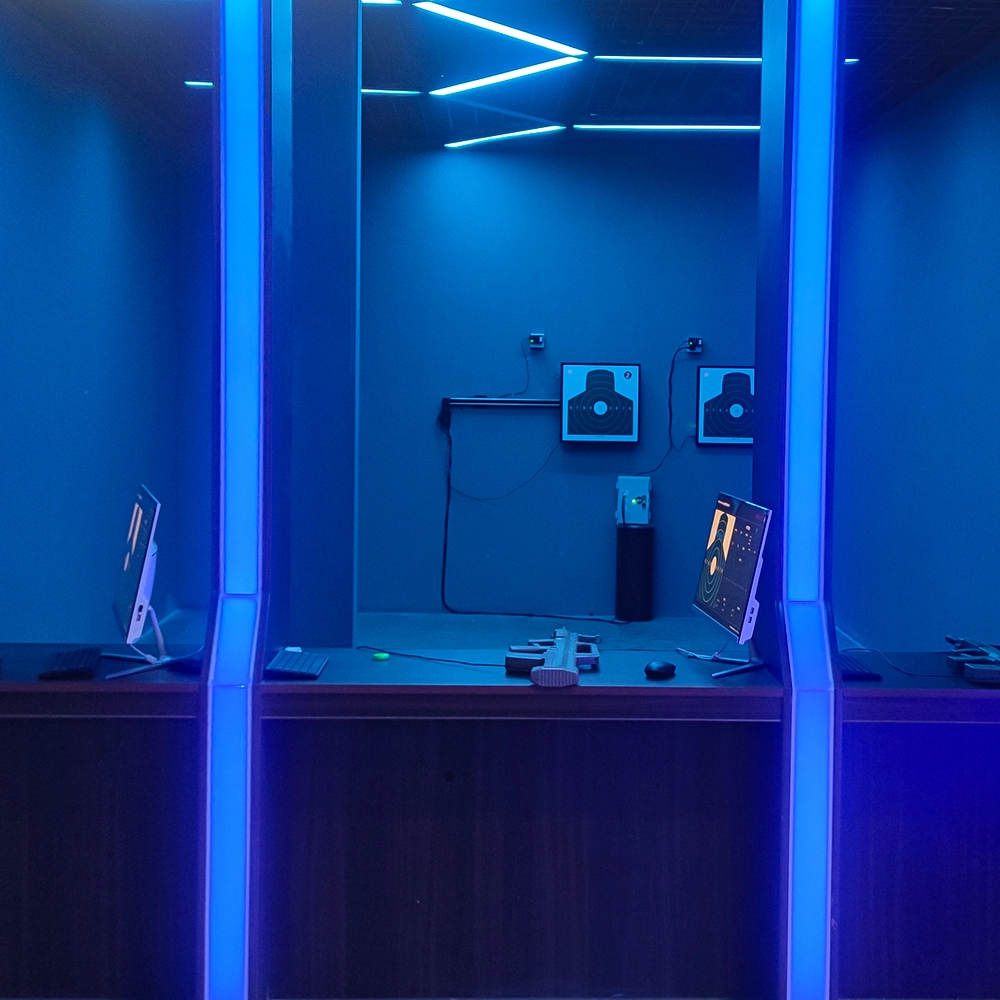
Highly simulated simulation training analysis equipment, with advanced design concepts, fast system development, ease of operation and use, stable technical performance, less consumption of training, site dependence on a small group training is highly interesting, safe, and reliable, and other outstanding features. Product design to solve the basic skills of light weapons precision shooting as a starting point, to improve the safety of shooting training and training efficiency as the fundamental purpose, highlighting the simulation, information technology, and combat training requirements, can be in small indoor and outdoor venues and does not use live ammunition to complete the basic shooting training.
© 2025 FUNTECH ALL RIGHTS RESERVED

Weixia Lei
Fun_Tech-s
fun_tech20