
How Multiplayer Shooting Machines Enhance Customer Engagement
- Why Multiplayer Shooting Machines Drive Engagement
- Social Competition and Shared Experience
- Immediate Feedback and Gamified Loops
- Spectator Value and Secondary Spending
- Design Elements That Maximize Engagement
- Real-Time Scoring and Visible Leaderboards
- Multiplayer Modes and Matchmaking
- Immersive Audio-Visual Feedback
- Practical Implementation: Placement, Pricing, and Operations
- Optimal Placement and Traffic Flow
- Pricing Strategies and Session Design
- Staffing, Maintenance and Safety
- Measuring Impact: Metrics, Benchmarks, and ROI
- Key Engagement Metrics to Track
- Benchmark Comparisons
- Calculating ROI
- Case Studies and Use Cases
- Family Entertainment Centers (FECs)
- Malls, Arcades and Tourist Attractions
- Events and Pop-Ups
- Best Practices for Marketing Multiplayer Shooting Machines
- Leverage Tournaments and Leagues
- Use Social Sharing and Photo Integration
- Bundle Offers and Cross-Promotions
- Integration and Technology Considerations
- Data Capture and Analytics
- Hardware Reliability and Sensor Accuracy
- Scalability and Modular Upgrades
- Frequently Asked Questions (FAQ)
- Q: What is the difference between a standard shooting arcade machine and a Multi-Player Interactive Shooting Machine?
- Q: How much floor space and power does a Multi-Player Interactive Shooting Machine require?
- Q: What maintenance is needed to keep sensors and scoring accurate?
- Q: Can these machines integrate with my loyalty program or POS?
- Q: What kind of ROI can I expect?
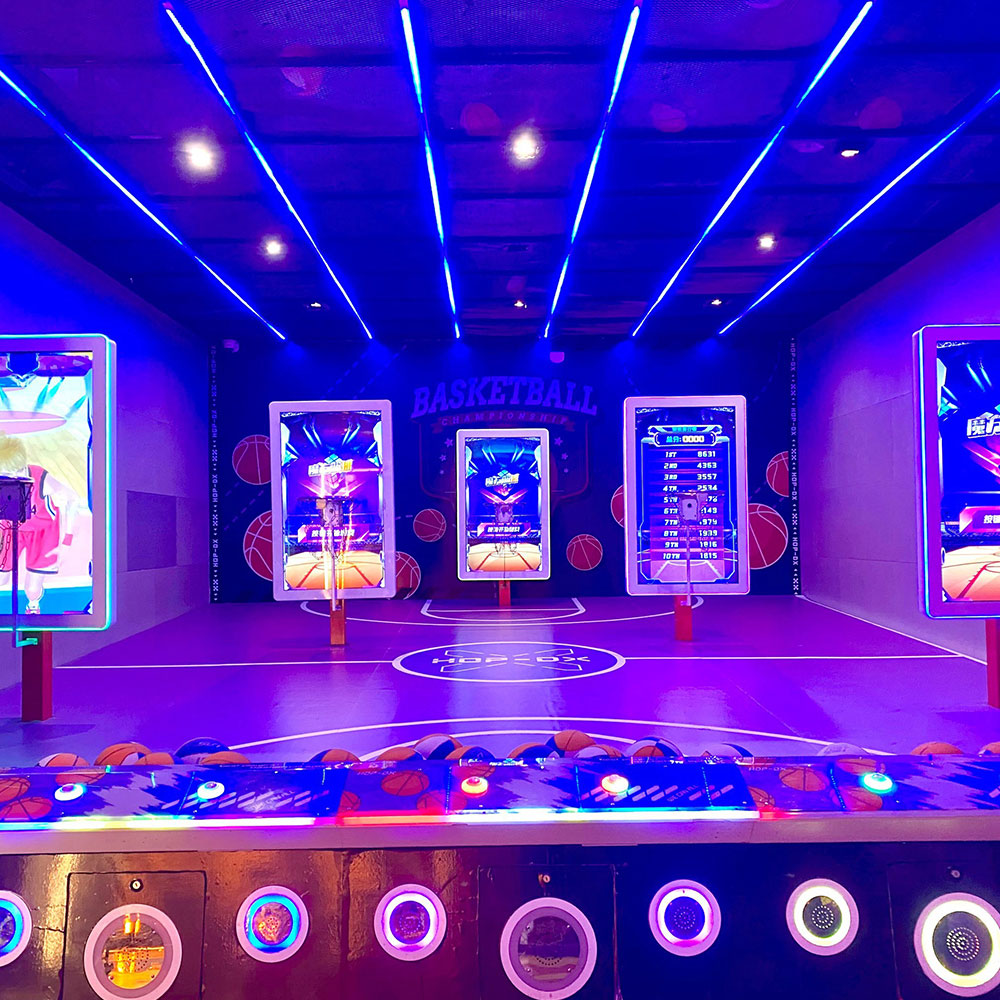
Multiplayer shooting machines — including the modern Multi-Player Interactive Shooting Machine — are reshaping Digital Sports Entertainment by creating shared, competitive experiences that increase dwell time, social sharing, and per-visit spend. Designed for arcades, family entertainment centers, malls, and FECs, these systems combine physical skill with digital feedback to deliver measurable improvements in customer engagement and retention. Below we examine why these machines work, how to integrate them into your venue, real-world metrics and comparisons, and practical tips for maximizing ROI.
Why Multiplayer Shooting Machines Drive Engagement
Social Competition and Shared Experience
At their core, shooting arcade machine experiences tap into social dynamics: competing with friends, family or strangers increases emotional investment. Multiplayer setups amplify these effects by enabling head-to-head play or team challenges. Research on multiplayer gaming and social play highlights how co-located competition elevates arousal and encourages spectatorship, which turns single players into venue advocates and contributes to organic word-of-mouth growth (Multiplayer video game — Wikipedia).
Immediate Feedback and Gamified Loops
Modern Multi-Player Interactive Shooting Machine units provide instantaneous scoring, leaderboards, sound and light feedback, and challenge goals. These gamified loops encourage repeated attempts and progressive mastery. Academic work on gamification and gameful design shows that timely feedback and clear goals significantly improve motivation and continued engagement (Deterding et al., ACM).
Spectator Value and Secondary Spending
Multiplayer matches attract onlookers; spectators increase the perceived value of the attraction and often convert into paying players. Venues see uplift in ancillary revenue (F&B, prizes, photo ops) when machines are designed to be watchable and exciting. Industry groups like the International Association of Amusement Parks and Attractions (IAAPA) discuss the importance of immersive, shareable attractions for modern FECs (IAAPA).
Design Elements That Maximize Engagement
Real-Time Scoring and Visible Leaderboards
Players respond to transparent, competitive metrics. A shooting arcade machine with bright LED or LCD leaderboards and persistent high-score lists encourages multiple plays. Real-time scoring should be complemented by session summaries, social sharing prompts, and seasonal leaderboard resets to keep content fresh.
Multiplayer Modes and Matchmaking
Offering a mix of cooperative, competitive, and tournament modes keeps diverse audiences engaged. Matchmaking logic that pairs skill levels can reduce frustration for novices while providing a challenge for experienced players. The Multi-Player Interactive Shooting Machine can alternate between free-play, timed challenges, and bracket tournaments to accommodate walk-up traffic and scheduled events.
Immersive Audio-Visual Feedback
Sound effects, crowd noise, dynamic lighting, and haptic signals increase physiological engagement. These cues should be balanced — not overwhelming — and configurable for different operating hours or locations in the venue. Properly tuned, they create the excitement of a live sporting moment in a compact footprint.
Practical Implementation: Placement, Pricing, and Operations
Optimal Placement and Traffic Flow
Position the Multi-Player Interactive Shooting Machine where it is visible from high-traffic zones but does not obstruct walkways. Near F&B counters, seating, or family play areas increases the chance that groups will stop and participate or spectate. For youth-focused venues, place units where parents can comfortably watch.
Pricing Strategies and Session Design
Flexible pricing maximizes both play frequency and revenue. Consider options like single play, multi-shot bundles, timed sessions, and tournament entry fees. Offering an introductory low-cost trial encourages adoption, while loyalty card integration or point accrual for repeated plays fosters retention.
Staffing, Maintenance and Safety
Regular upkeep of sensors, nets, and displays preserves the user experience and reduces downtime. Train staff to run mini-tournaments and encourage spectatorship. Follow ergonomic and safety guidance — for example, ISO standards on human-system ergonomics provide useful frameworks for designing safe, usable equipment (ISO 9241 — ISO).
Measuring Impact: Metrics, Benchmarks, and ROI
Key Engagement Metrics to Track
Track metrics that tie directly to business outcomes: dwell time, plays per visit, revenue per play, repeat visits, social shares, and tournament entry rate. Use integrated telemetry from the shooting arcade machine to capture session counts, peak hours, and conversion rates from spectators to players.
Benchmark Comparisons
Below is a sample comparison table showing typical metrics for a venue before and after adding a Multi-Player Interactive Shooting Machine. These numbers are illustrative; your venue's performance will vary based on location, marketing, and machine configuration.
| Metric | Before (per month) | After (per month) | Change |
|---|---|---|---|
| Plays | 1,200 | 3,600 | +200% |
| Dwell Time (avg per party) | 42 min | 61 min | +45% |
| Ancillary Spend (F&B, merch) | $4,800 | $8,960 | +87% |
| Repeat Visit Rate | 18% | 27% | +9 pts |
Calculating ROI
To estimate ROI: calculate incremental revenue attributable to the machine (plays + ancillary uplift + event/tournament fees) minus operating costs (maintenance, electricity, staffing). Divide net incremental profit by initial investment and annualize. Many venues recoup costs in 6–18 months depending on local demand and pricing strategy.
Case Studies and Use Cases
Family Entertainment Centers (FECs)
FECs benefit from multiplayer shooting machines as they drive cross-generational play. Parents play with children, teens compete with friends, and the visually engaging nature of the machines encourages group photo moments that fuel social media exposure.
Malls, Arcades and Tourist Attractions
In high-footfall environments, the shooting arcade machine functions as both an attraction and a revenue generator. Short-session formats (60–90 seconds) maximize player throughput while remaining satisfying. Mall operators report increased foot traffic to neighboring stores when an engaging attraction is present (Arcade game — Wikipedia).
Events and Pop-Ups
Portable Multi-Player Interactive Shooting Machines are valuable for corporate events, brand activations, and tournaments. They offer measurable engagement (plays, social shares, lead capture) and provide a focal point for on-site promotion.
Best Practices for Marketing Multiplayer Shooting Machines
Leverage Tournaments and Leagues
Organize weekly tournaments with small entry fees and prizes. Bracket play creates recurring reasons to return and builds a community around your venue. Publish leaderboards and highlight top players on social channels to increase visibility.
Use Social Sharing and Photo Integration
Integrate camera capture and instant social sharing prompts after sessions. Encourage players to post scores and tag your venue for discounts or entries into prize draws. This organic reach is a low-cost way to expand awareness.
Bundle Offers and Cross-Promotions
Promote play bundles with F&B or merchandise discounts to increase average ticket value. Partner with nearby businesses or brands for cross-promotional events to widen your audience.
Integration and Technology Considerations
Data Capture and Analytics
Ensure the shooting arcade machine supports telemetry export (CSV, API) or cloud dashboards. Combine machine data with POS and CRM systems to analyze customer journeys and optimize pricing and promotions.
Hardware Reliability and Sensor Accuracy
Sensor accuracy is critical to perceived fairness. Use machines with redundant detection systems (optical plus mechanical where applicable) and a proven track record of uptime. Regular calibration and firmware updates keep the experience consistent.
Scalability and Modular Upgrades
Choose platforms that allow software updates, new game modes, and networked tournament features. A modular Multi-Player Interactive Shooting Machine can evolve with your business needs, protecting your investment.
Frequently Asked Questions (FAQ)
Q: What is the difference between a standard shooting arcade machine and a Multi-Player Interactive Shooting Machine?
A: A standard shooting arcade machine typically supports single-player or simple pass-and-play formats. A Multi-Player Interactive Shooting Machine is designed for simultaneous or turn-based multiplayer experiences, includes networked leaderboards, richer audio-visual feedback, and modes tailored to group play, tournaments, and spectator engagement.
Q: How much floor space and power does a Multi-Player Interactive Shooting Machine require?
A: Space and power requirements vary by model. Typical units require a footprint similar to two arcade cabinets side-by-side plus clearance for spectator lanes (approximately 6–12 ft depth). Power draw is generally low (standard AC outlet), but check the technical spec sheet for exact consumption and mounting needs.
Q: What maintenance is needed to keep sensors and scoring accurate?
A: Routine maintenance includes cleaning sensors, checking net and rim integrity, verifying LED/LCD displays, and updating firmware. Implement a simple daily checklist for staff and schedule deeper quarterly inspections to maintain accuracy and uptime.
Q: Can these machines integrate with my loyalty program or POS?
A: Many modern machines support API integrations for POS, loyalty systems, and mobile apps. Verify that the chosen Multi-Player Interactive Shooting Machine offers open APIs or built-in integrations to sync play data and rewards.
Q: What kind of ROI can I expect?
A: ROI depends on location, pricing, and promotional strategy. Many operators report payback periods between 6 and 18 months when the machine is properly marketed and maintained. Use the metrics and benchmarking approach in this article to model expected returns for your venue.
If you want to explore the Multi-Player Interactive Shooting Machine for your venue, view the full product specifications and request a quote. Contact our sales team or click to view the product page to schedule a demo and learn how a shooting arcade machine can uplift engagement and revenue.
Joy Power is full of fun and exciting playgrounds! The basketball shooting machine is a classic amusement device integrating competition, entertainment, and interactivity. Based on the traditional basketball shooting sport, it integrates electronic scoring, sound and light effects, and challenge mechanisms to bring players an immersive game experience. The main body of the equipment is usually built with a metal frame, equipped with a standard-sized basket and a sturdy rim, with multiple sets of sensors to accurately capture the trajectory of the shot; when the player shoots the ball, the machine's built-in sensors count the score in real time and present the score, remaining time, and challenge goals through the LED display or LCD screen, with exciting sound effects and colorful lights to create a tense and exciting gaming atmosphere.
For inquiries, demos, or to place an order for the Multi-Player Interactive Shooting Machine, contact our sales team: sales@example.com or visit our product page to learn more and schedule a site demo.
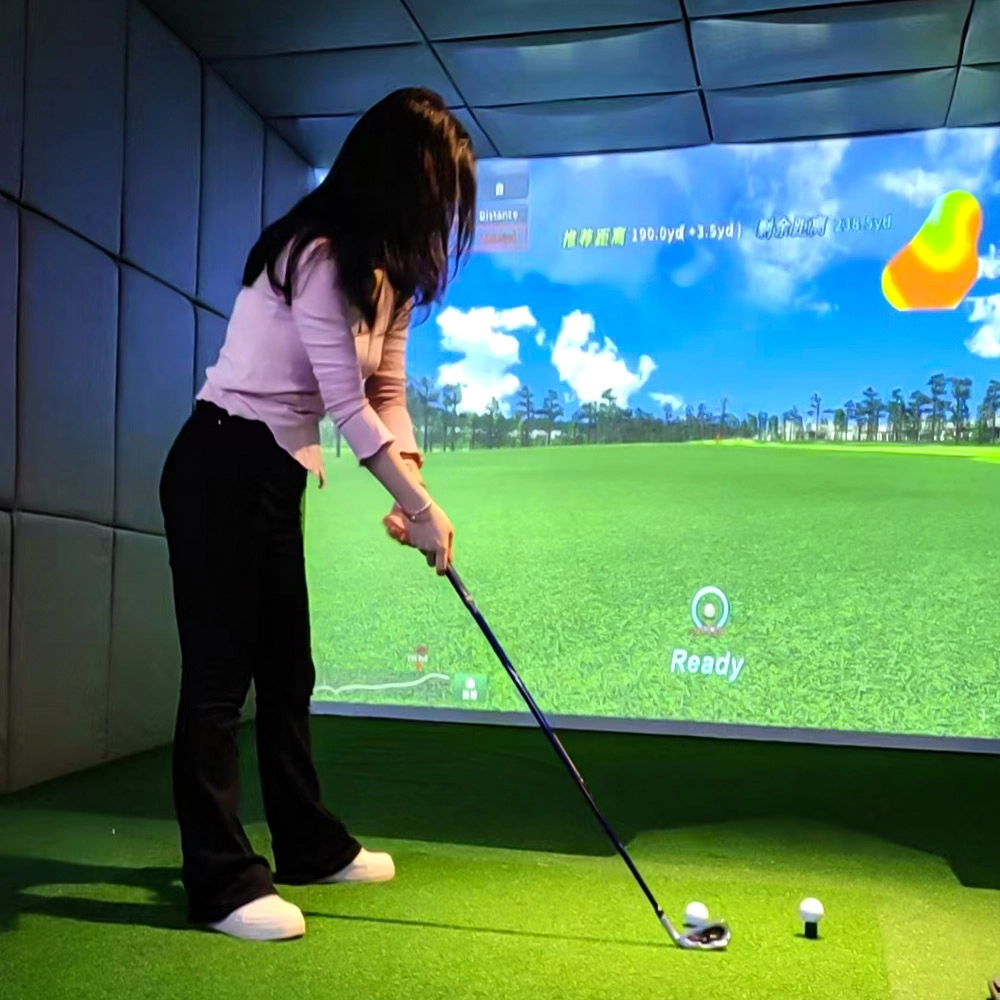
Top Golf Simulators: Space Requirements and Maintenance Tips
The hd golf simulator Cost Guide
Where to Buy interactive floor projection system price
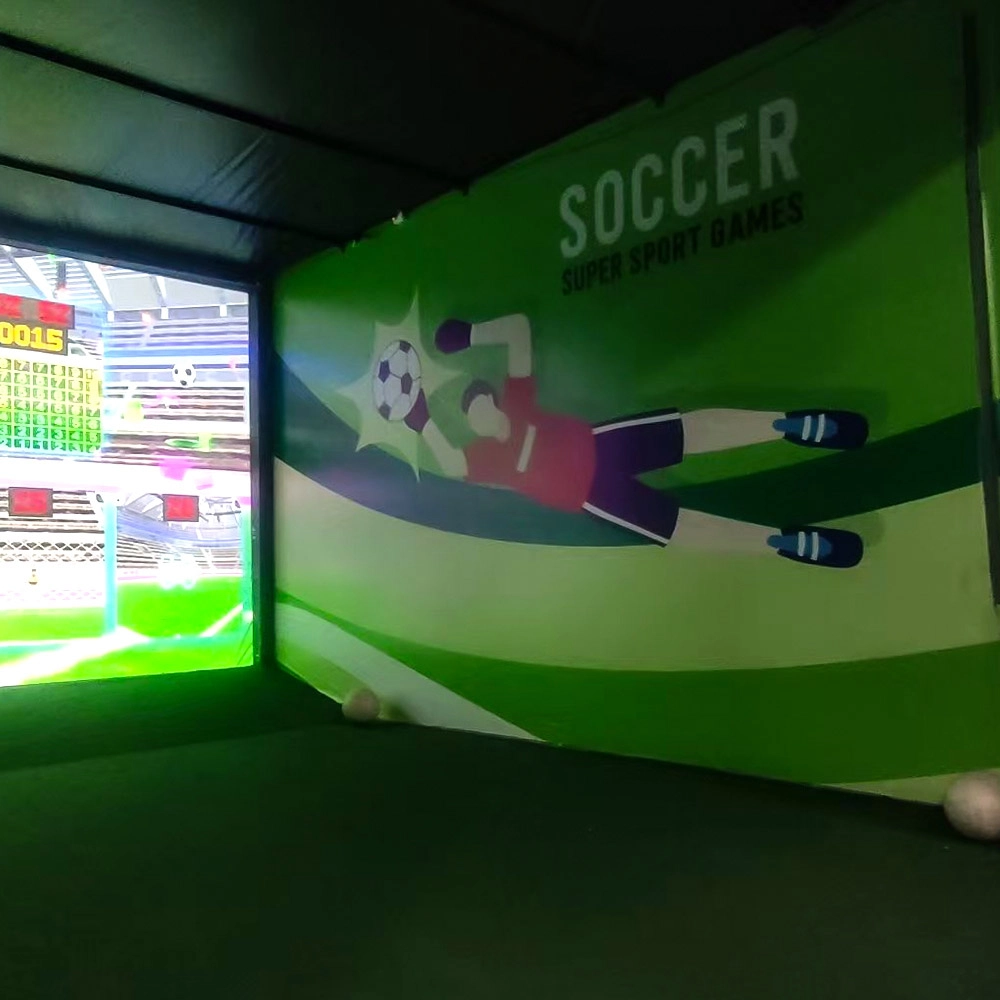
Calculating ROI for Indoor Soccer Simulation Entertainment
Football Simulator
How does the picture effect of simulation soccer achieve realism?
With the help of advanced technology, the green field is accurately reproduced with fine turf texture and realistic player movements. From the players running, passing to shooting, are lifelike, to give players a sense of immersion.
FAQ
What requirements should a store manager of a digital sports hall have?
The store manager of a digital sports and entertainment center needs to have good management and communication skills, be familiar with the application of digital technology, and have an innovative spirit and a sense of teamwork
Interactive Rollerball
What are the after-sales services after purchasing the equipment?
Generally, a 1-year warranty is provided. During the warranty period, parts damaged due to quality problems, such as motor failure, display problems, etc., will be repaired or replaced free of charge. There will also be technical support, including equipment installation and debugging guidance, operation training, to ensure the smooth use of the user, after-sales response time is usually within 24 - 48 hours.
Infrared Shooting
How to reduce operating costs?
Starting with equipment procurement, choose cost-effective, durable and easy-to-maintain products, which can save money for subsequent maintenance. Reasonable arrangement of staff, reduce the number of staff on duty during off-peak hours, train staff to have multi-skills, such as being able to operate the equipment and guide customers part-time, so as to improve the efficiency of manpower and reduce the cost of manpower.
Why are sports arcades a hot spot for investment?
The traditional entertainment market (e.g., arcade, KTV) has become less attractive to generations, while digital hip playgrounds integrating technology, sports, and socialization are more in line with young people's needs, and the market size has exceeded 50 billion in 2023, with an annual growth rate of more than 30%.
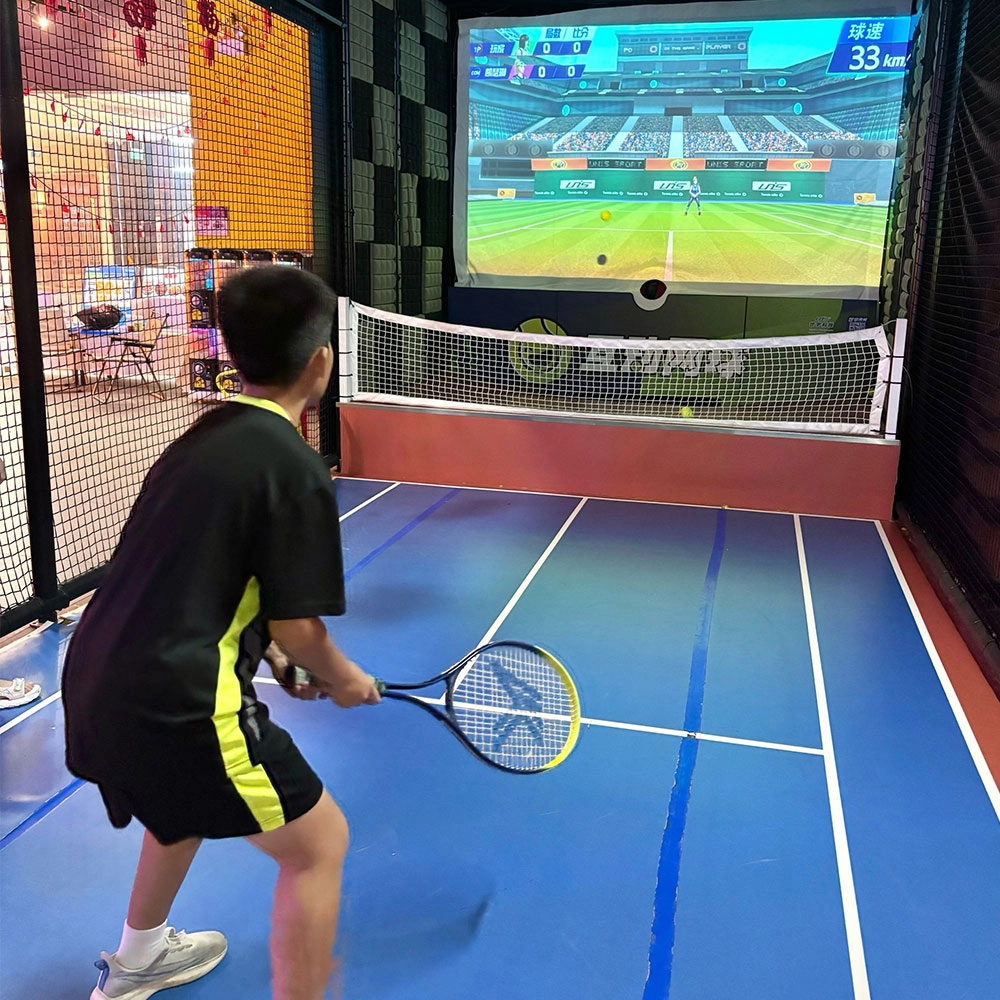
Indoor Tide Play Simulation Tennis Equipment
FUNTECH is full of fun and exciting playgrounds! With high-definition scene projection, force feedback racket, and intelligent scoring system, the simulated tennis equipment in the indoor arcade realizes immersive sports experiences and diversified interactive play, combining the advantages of safety and ease of use with high operational efficiency.
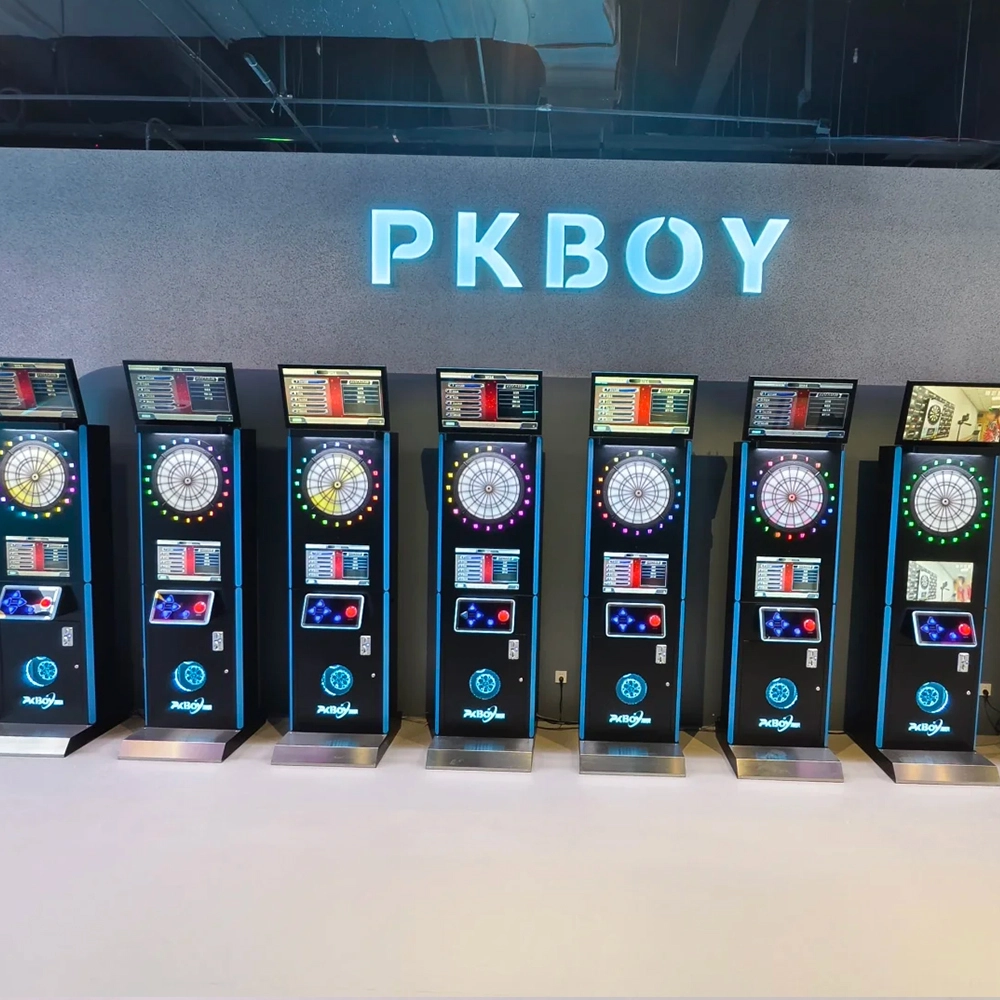
Dart Machines Bar Dart Machines
Joy Power is full of fun and excitement in the playground! The dart machine is suitable for all kinds of places, whether it is a bar, restaurant, KTV, or other entertainment venue, or a sports shop, club, or family leisure space, and can be perfectly adapted. In commercial venues, holding individual and team darts tournaments from time to time can attract more customers and increase the popularity and revenue of the venue, supplemented by various preferential activities, which can directly promote consumption and form a cycle of consumption of all the goods in the shop.
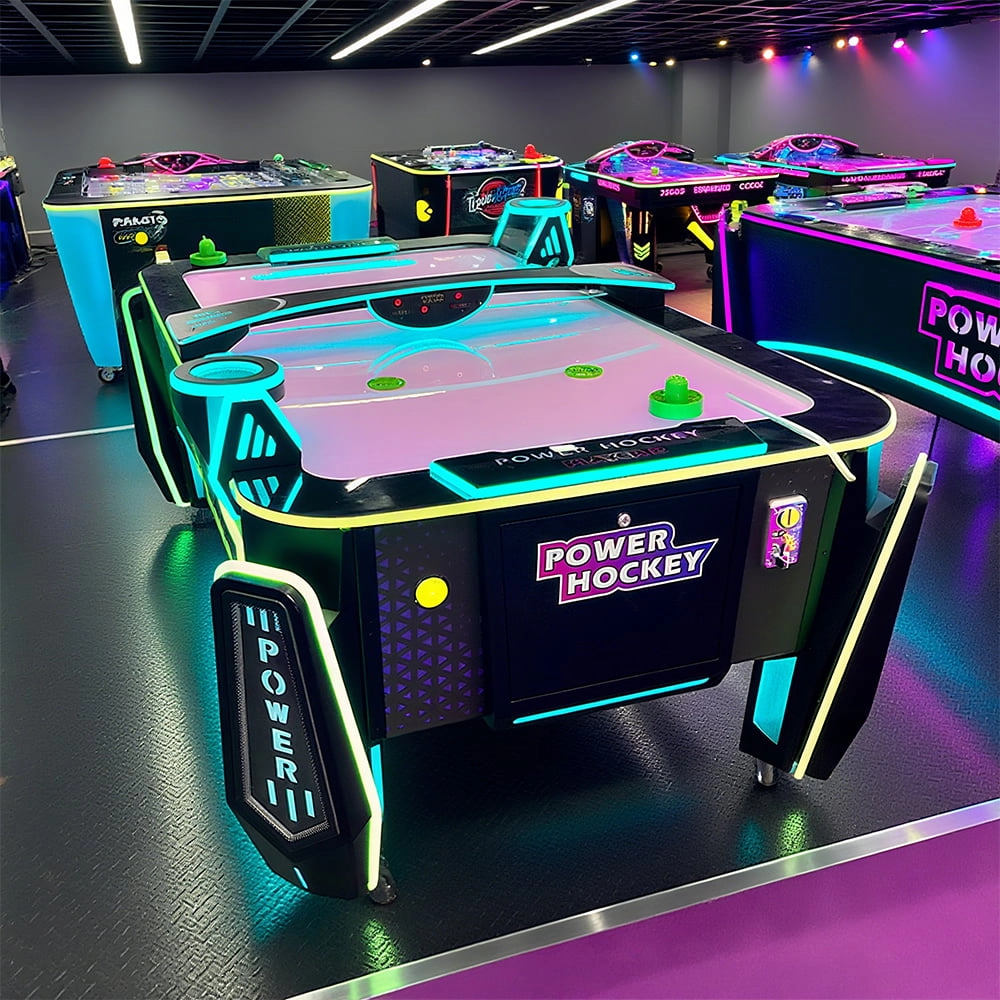
Arcade Hockey
FUNTECH is full of fun and exciting playgrounds! Air hockey, also known as air hockey, is a two-player competitive arcade game comprising a smooth, perforated playing surface, lightweight hockey sticks, a plastic puck, and an electronic scoreboard.
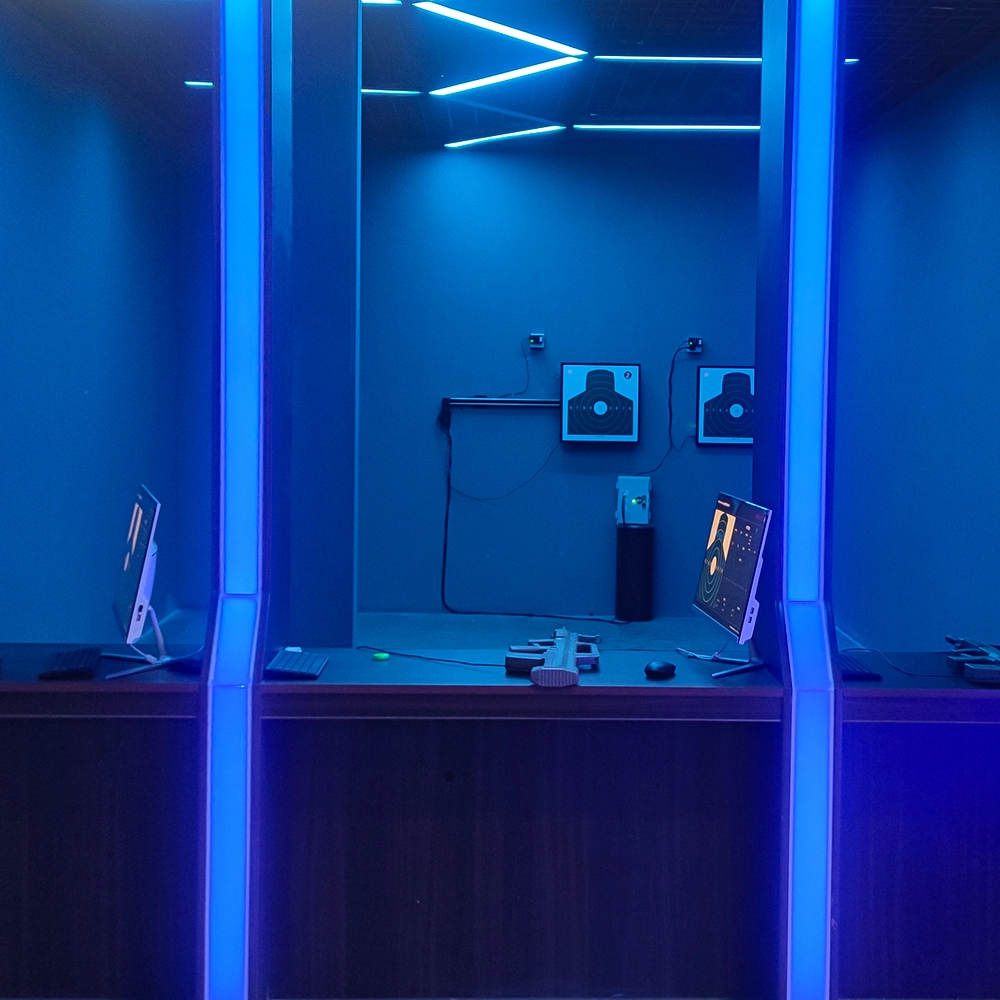
Infrared Shooting
Highly simulated simulation training analysis equipment, with advanced design concepts, fast system development, ease of operation and use, stable technical performance, less consumption of training, site dependence on a small group training is highly interesting, safe, and reliable, and other outstanding features. Product design to solve the basic skills of light weapons precision shooting as a starting point, to improve the safety of shooting training and training efficiency as the fundamental purpose, highlighting the simulation, information technology, and combat training requirements, can be in small indoor and outdoor venues and does not use live ammunition to complete the basic shooting training.
© 2025 FUNTECH ALL RIGHTS RESERVED

Weixia Lei
Fun_Tech-s
fun_tech20