
Selecting an Ice Hockey Arcade Machine: Specs for Buyers
- How to Choose the Right Ice Hockey Arcade Machine: Practical Specs Buyers Need
- What is an ice hockey arcade machine and why Arcade Hockey?
- Definition and player expectations
- Primary buyer goals when shopping for an ice hockey arcade machine
- Commercial vs. home use
- Key specifications to evaluate for any ice hockey arcade machine
- Overview of critical specs
- Comparing typical machine classes: Home, Commercial, High Quality
- Side-by-side specification table
- Playfield surface: the heart of Arcade Hockey performance
- Material, flatness, and perforation
- Air blower system: CFM, durability, and noise
- Why blower specs matter
- Pucks and strikers: small parts that affect play
- Materials, weight, and replacement availability
- Electronics and scoreboard features to prioritize
- Scoring, modes, coin-op, and connectivity
- Build quality, materials, and physical durability
- Cabinet construction and edge protection
- Size, footprint, and placement considerations
- Access, clearance, and room planning
- Maintenance, serviceability, and spare parts
- Local service, modular components, and ease of repair
- Power, safety standards, and certifications
- Certifications to verify
- Budgeting: price ranges and total cost of ownership
- Upfront cost vs. lifecycle cost
- Buying tips: warranties, trials, and site-ready checks
- Checklist before purchase
- Why choose FUNTECH Arcade Hockey for your location?
- Brand strengths and what to expect
- FAQs — Common buyer questions about ice hockey arcade machines
- Q1: What size table do I need for home vs. arcade?
- Q2: How often should I service the blower?
- Q3: Does coin-op damage reliability?
- Q4: Can I upgrade the scoreboard or blower later?
- Q5: What warranty should I expect?
- Final recommendation and next steps
- How to choose the best Arcade Hockey model for you
- Contact us / View Arcade Hockey
- Ready to purchase or need personalized advice?
- Authority references
- FAQ (short summary)
- Do you offer installation and service contracts for Arcade Hockey?
- Are replacement parts stocked?
- Can I request a custom-branded cabinet?

How to Choose the Right Ice Hockey Arcade Machine: Practical Specs Buyers Need
Arcade Hockey is a fast, competitive, and social tabletop game. Understanding the technical and practical specifications of an ice hockey arcade machine helps you match machine capabilities to location, usage, and budget. This guide explains the key specs, compares typical machine classes, and highlights what to look for when buying FUNTECH Arcade Hockey for home or commercial use. With specifications defined, procurement teams can streamline sourcing using a structured bulk buying arcade hockey units supplier checklist for procurement.
What is an ice hockey arcade machine and why Arcade Hockey?
Definition and player expectations
An ice hockey arcade machine — often called air hockey — is a two-player competitive arcade game built around a smooth, perforated playing surface, lightweight hockey sticks (paddles), a plastic puck, and an electronic scoreboard. The table uses an air blower to create a cushion of air that reduces friction, enabling fast puck movement and reactive gameplay. For buyers, important expectations include responsiveness, durability, consistent airflow, stable electronics, and easy maintenance.
Product intro — Arcade Hockey:
FUNTECH is full of fun and exciting playgrounds! Air hockey, also known as air hockey, is a two-player competitive arcade game comprising a smooth, perforated playing surface, lightweight hockey sticks, a plastic puck, and an electronic scoreboard.
Primary buyer goals when shopping for an ice hockey arcade machine
Commercial vs. home use
Buyers commonly have one of three goals: casual home entertainment, heavy-use commercial deployment (bars, arcades, family entertainment centers), or High Quality tournament-grade play. Your intended location and expected traffic determine choices for build materials, motor capacity, electronics, and warranty. When the keyword intent is commercial (e.g., buy ice hockey arcade machine), prioritize durability, parts availability, and serviceability. For home users, compact dimensions and value are often more important.
Key specifications to evaluate for any ice hockey arcade machine
Overview of critical specs
Below are the most critical specs to evaluate. These directly affect play quality, lifespan, and user satisfaction:
- Playfield size and edge rail design
- Playfield surface material and perforation pattern
- Air blower (CFM, RPM, noise level)
- Puck and striker quality
- Electronic scoreboard features and reliability
- Frame and cabinet materials (MDF, plywood, steel)
- Power requirements and safety certifications
- Warranty, spare parts availability, and service network
Comparing typical machine classes: Home, Commercial, High Quality
Side-by-side specification table
| Spec / Class | Home | Commercial | High Quality / Tournament |
|---|---|---|---|
| Playfield size | 48–54 length | 60–84 length | 84–96 length (regulation-style) |
| Air system | Single small blower, ~50–100 CFM | High-capacity blower, ~150–300 CFM | Dual or industrial blower, 250+ CFM |
| Play surface | Plastic-laminate over MDF | High-density laminate or sealed aluminum | Precision-sealed surface with uniform perforation |
| Frame & cabinet | MDF with edge trim | Reinforced plywood + steel reinforcements | Heavy-gauge steel / hardwood with shock protection |
| Scoreboard | Basic LED or manual | External electronic LED/IC digital | Integrated high-resolution LED with modes |
| Noise level | Moderate | Optimized for low buzz in public venues | Engineered low-noise high-flow systems |
| Warranty | 1 year | 1–3 years commercial | 3+ years with parts availability |
Playfield surface: the heart of Arcade Hockey performance
Material, flatness, and perforation
Playfield material and manufacturing precision determine puck glide and consistency. Look for high-density laminate or sealed surfaces with precise perforation patterns for even airflow. A warped or uneven playfield ruins gameplay—verify manufacturer flatness tolerances (ideally under 1–2 mm across the field). Arcade Hockey tables from reputable brands should specify perforation diameter and hole spacing; closer and uniformly distributed holes produce smoother puck travel.
Air blower system: CFM, durability, and noise
Why blower specs matter
CFM (cubic feet per minute) and blower RPM define how much air reaches the puck. For a responsive puck on a large surface, higher CFM is necessary. Commercial machines use blowers rated 150+ CFM to support heavy traffic. Also consider blower noise (measured in dB); look for insulated housings or mufflers if the unit will be in a quiet environment. Check whether the blower is replaceable and whether filters are included for longevity.
Pucks and strikers: small parts that affect play
Materials, weight, and replacement availability
Pucks and strikers (mallets) should be durable and balanced. Commercial-grade pucks are denser and designed to withstand impacts; High Quality pucks are precision-balanced for tournaments. Confirm that replacement pucks/strikers are readily available and standardized. Arcade Hockey packages often include spares and a player set — make sure the model you buy does.
Electronics and scoreboard features to prioritize
Scoring, modes, coin-op, and connectivity
Decide whether you need simple scoreboard functionality or advanced features such as multiple game modes, coin-op capability, remote diagnostics, or Bluetooth connectivity for leaderboards. Commercial arcade machines commonly include coin mechanisms and durable LED scoreboards. For venues seeking analytics, some modern Arcade Hockey models offer play counters and service alerts via connectivity modules.
Build quality, materials, and physical durability
Cabinet construction and edge protection
Inspect cabinet materials (plywood, MDF, steel reinforcements) and top-edge rail construction. Metal corners or reinforced rub rails reduce damage risk in high-traffic settings. For commercial buyers, look for replaceable corner bumpers and reinforced goal pockets. FUNTECH Arcade Hockey units should describe cabinet spec; ask for photos or manufacturing details if not listed.
Size, footprint, and placement considerations
Access, clearance, and room planning
Measure the intended space before purchase. A standard commercial table can require 12+ feet of length clearance to accommodate player movement. For home use, smaller 48–54 tables may be suitable. Consider doorways and stairway access for delivery — many units require assembly onsite. Also check required electrical outlet types and whether a dedicated circuit is recommended for multiple arcade machines.
Maintenance, serviceability, and spare parts
Local service, modular components, and ease of repair
Ask about easy-to-replace parts (blowers, scoreboards, pucks) and whether the manufacturer or distributor offers spare parts kits. Commercial venues benefit from a service plan or local technician network. Maintenance tasks include periodic surface cleaning, blower filter changes, and quick inspections of rails and electronics. FUNTECH or your vendor should provide a maintenance checklist.
Power, safety standards, and certifications
Certifications to verify
Confirm that the machine adheres to applicable safety standards for your region (e.g., UL, CE). For machines with coin mechanisms and higher voltages, ensure wiring is correctly rated and protected. A safety-certified product reduces liability and often indicates better manufacturing controls.
Budgeting: price ranges and total cost of ownership
Upfront cost vs. lifecycle cost
Price ranges vary: home tables are the most affordable, commercial-grade machines have a higher upfront cost but lower downtime, and High Quality machines are the most expensive but last longer under heavy use. Consider total cost of ownership including maintenance, spare parts, and energy consumption. If the machine will be revenue-generating (coin-op), estimate payback period by modeling expected plays per day and revenue per play.
Buying tips: warranties, trials, and site-ready checks
Checklist before purchase
- Request a demonstrative video of the exact model in operation.
- Confirm warranty terms and what is covered (electronics, blower, cabinet).
- Ask about lead times, delivery, and installation services.
- Verify parts availability and service network in your region.
- Request a flatness guarantee for the playfield.
Why choose FUNTECH Arcade Hockey for your location?
Brand strengths and what to expect
FUNTECH Arcade Hockey emphasizes play experience, durability, and serviceability. Key advantages typically include:
- Purpose-built playfields with consistent perforation for smooth glide
- Robust blower systems engineered for long run times in commercial settings
- Durable cabinets with reinforced edges to withstand public venues
- Available spare parts and support to minimize downtime
- Multiple model options — home, commercial, and High Quality — to match budget and use case
If you prioritize player satisfaction and long-term reliability, FUNTECH Arcade Hockey is positioned to meet both home entertainment and commercial venue needs.
FAQs — Common buyer questions about ice hockey arcade machines
Q1: What size table do I need for home vs. arcade?
A: Home users often choose 48–54 lengths for tighter spaces. Arcades and venues typically select 60–84 or larger to improve play quality and accommodate tougher competition.
Q2: How often should I service the blower?
A: Inspect filters and housing monthly for heavy use; change or clean filters every 3–6 months depending on environment. Replace blowers per manufacturer guidance (often 3–5 years under heavy use).
Q3: Does coin-op damage reliability?
A: Properly installed coin-op mechanisms do not impact game reliability. Ensure coinbox wiring and mounting are secure; reputable manufacturers design coin-operated models for heavy traffic.
Q4: Can I upgrade the scoreboard or blower later?
A: Many commercial models support modular upgrades, but confirm compatibility before purchase. FUNTECH models often offer accessory upgrades or replacement modules.
Q5: What warranty should I expect?
A: Typical warranties range from 1 year (home) to 1–3 years for commercial parts. Look for extended warranty options and clear coverage of electronics and mechanical components.
Final recommendation and next steps
How to choose the best Arcade Hockey model for you
Start by listing your primary use (home, light commercial, heavy commercial), expected daily plays, available space, and budget. Compare spec priorities such as blower CFM, playfield durability, and service network. Request model-specific documentation and live demos when possible. For venues that need dependable, high-play machines, choose commercial-grade FUNTECH Arcade Hockey models with reinforced cabinets and high-capacity blowers. For homes, a compact FUNTECH table balances price and play quality.
Contact us / View Arcade Hockey
Ready to purchase or need personalized advice?
Contact our sales team to request a quote, schedule a demo, or get full technical specifications for Arcade Hockey by FUNTECH. Click here to view the product and request a quote, or email our support team for guidance on model selection and installation.
Authority references
- Air hockey — Wikipedia: https://en.wikipedia.org/wiki/Air_hockey
- International Association of Amusement Parks and Attractions (IAAPA): https://www.iaapa.org
- U.S. Consumer Product Safety Commission (CPSC): https://www.cpsc.gov
- Underwriters Laboratories (UL) – Safety standards information: https://www.ul.com
- How Air Hockey Works — HowStuffWorks: https://entertainment.howstuffworks.com/air-hockey.htm
FAQ (short summary)
Do you offer installation and service contracts for Arcade Hockey?
Yes — installation and service contracts are available in many regions. Contact sales for options.
Are replacement parts stocked?
FUNTECH maintains common spare parts (pucks, strikers, blowers, scoreboards) for supported models.
Can I request a custom-branded cabinet?
Custom branding and cabinet artwork are available for bulk and commercial orders — inquire for lead times and costs.
Top 10 3d archery simulator Manufacturers and Supplier Brands in Dubai
The B2B Buyer’s Guide to interactive led interactive floor
Tips for buy golf simulator flooring in US
The latest trends for interactive floor projection game
Holographic Light and Shadow Restaurant
What is the difference between holographic projection and ordinary projection?
Ordinary projection is the process of projecting a two-dimensional image onto a flat screen, where the viewer sees a flat image. Holographic projection can present real three-dimensional images, allowing viewers to observe different faces of objects from different angles, with a strong sense of three dimensionality and realism. In addition, ordinary projection usually only requires simple equipment such as projectors and screens, while holographic projection requires more complex optical systems and technologies to achieve.
Dart Machines Bar Dart Machines
How often does the equipment require maintenance?
For daily use, simple monthly maintenance, such as simple cosmetic cleaning and function checking after use, is sufficient. A more comprehensive quarterly maintenance is sufficient.
What is the difference between purchasing equipment for commercial operations and personal training?
Commercial operations should consider the durability, ease of operation, and attractiveness of the equipment, and it is preferable to choose cool-looking equipment that can withstand high-frequency use.
Interactive Rollerball
Why are sports arcades a hot spot for investment?
The traditional entertainment market (e.g., arcade, KTV) has become less attractive to generations, while digital hip playgrounds integrating technology, sports, and socialization are more in line with young people's needs, and the market size has exceeded 50 billion in 2023, with an annual growth rate of more than 30%.
What is the difference between purchasing equipment for commercial operations and personal training?
Commercial operations should consider the durability, ease of operation, and attractiveness of the equipment, and it is preferable to choose cool-looking equipment that can withstand high-frequency use.
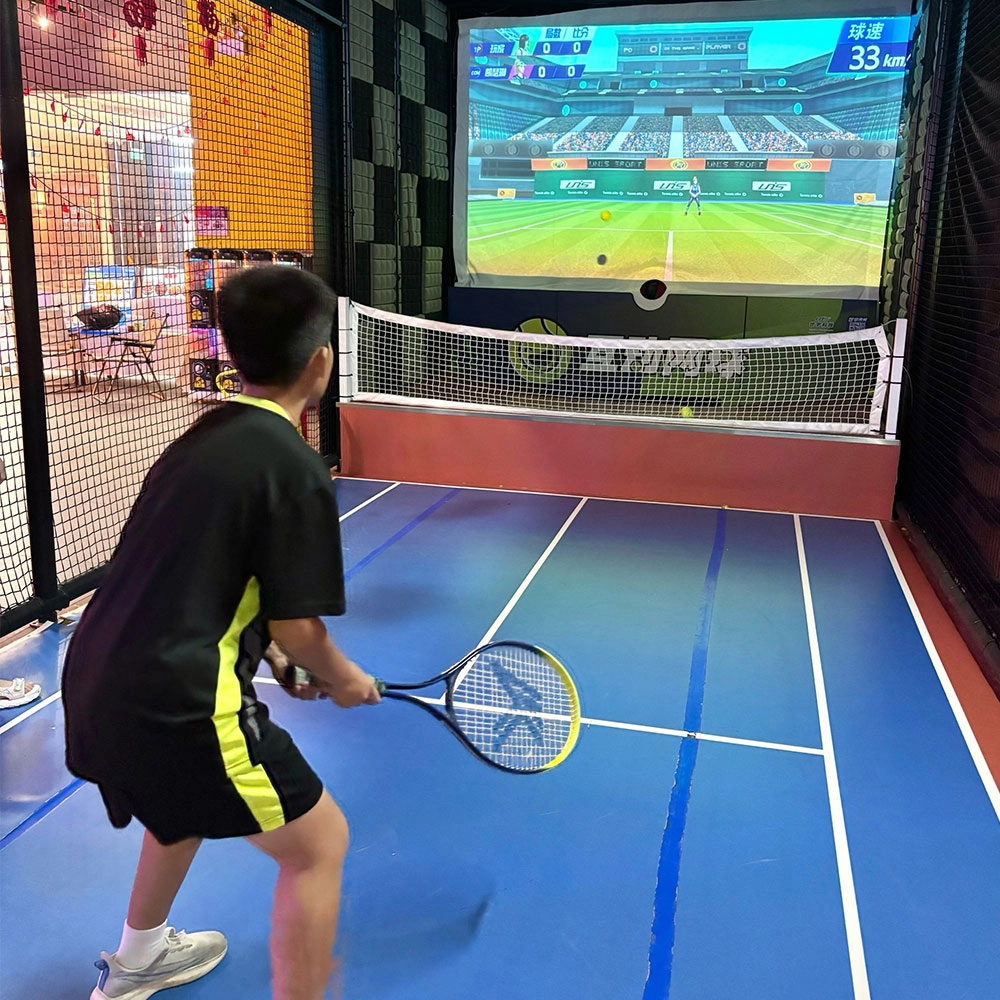
Indoor Tide Play Simulation Tennis Equipment
FUNTECH is full of fun and exciting playgrounds! With high-definition scene projection, force feedback racket, and intelligent scoring system, the simulated tennis equipment in the indoor arcade realizes immersive sports experiences and diversified interactive play, combining the advantages of safety and ease of use with high operational efficiency.
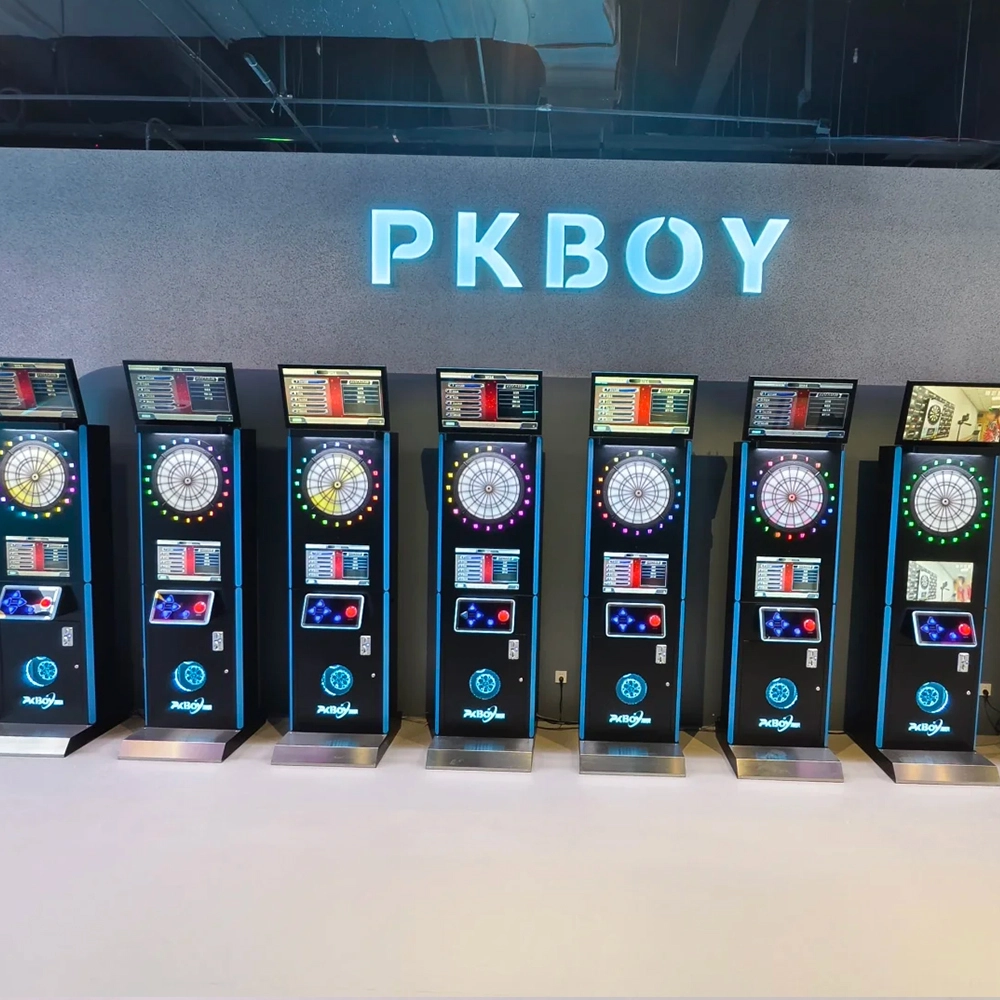
Dart Machines Bar Dart Machines
Joy Power is full of fun and excitement in the playground! The dart machine is suitable for all kinds of places, whether it is a bar, restaurant, KTV, or other entertainment venue, or a sports shop, club, or family leisure space, and can be perfectly adapted. In commercial venues, holding individual and team darts tournaments from time to time can attract more customers and increase the popularity and revenue of the venue, supplemented by various preferential activities, which can directly promote consumption and form a cycle of consumption of all the goods in the shop.
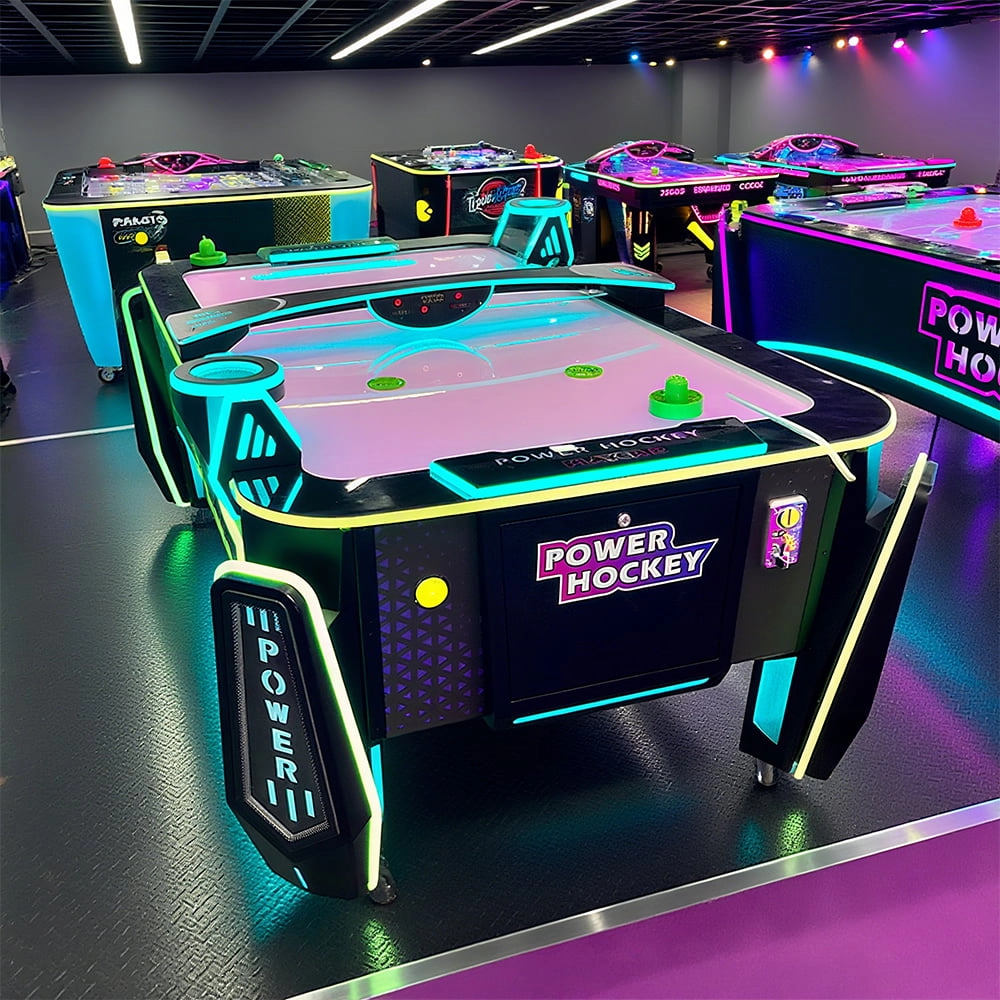
Arcade Hockey
FUNTECH is full of fun and exciting playgrounds! Air hockey, also known as air hockey, is a two-player competitive arcade game comprising a smooth, perforated playing surface, lightweight hockey sticks, a plastic puck, and an electronic scoreboard.
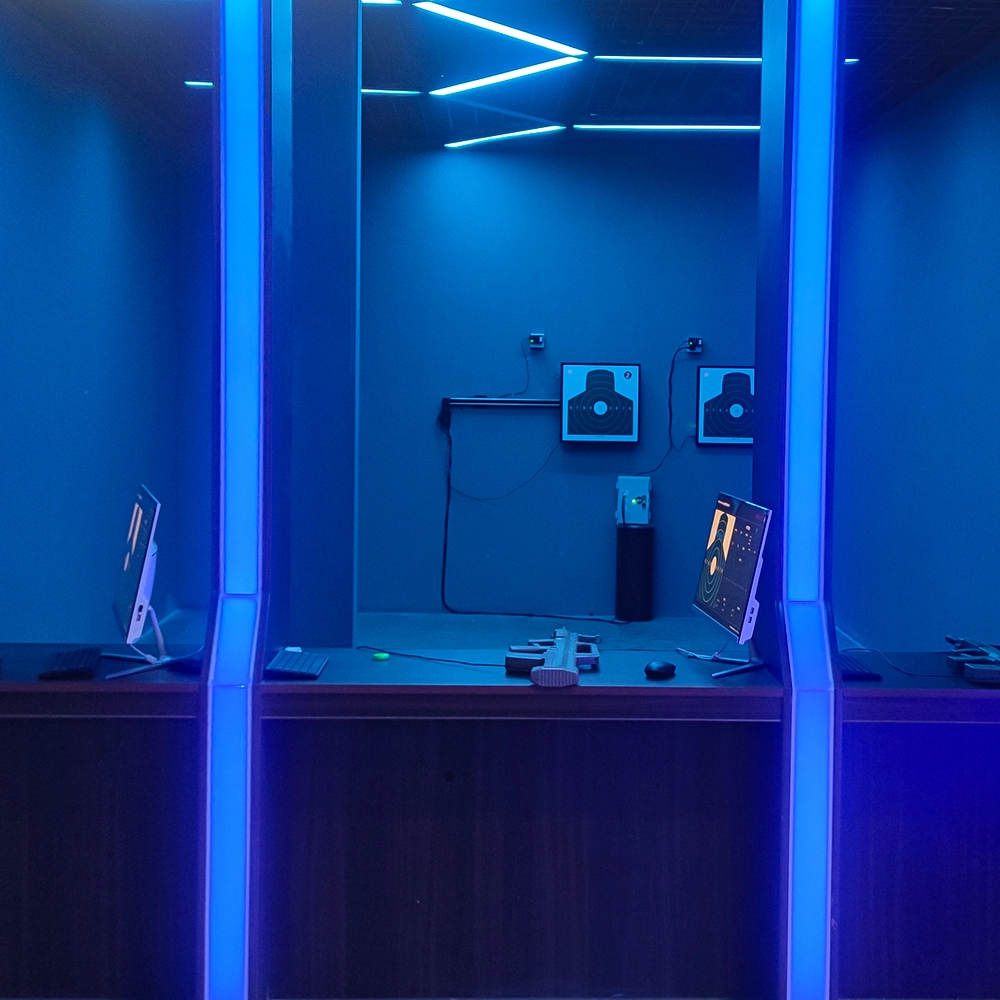
Infrared Shooting
Highly simulated simulation training analysis equipment, with advanced design concepts, fast system development, ease of operation and use, stable technical performance, less consumption of training, site dependence on a small group training is highly interesting, safe, and reliable, and other outstanding features. Product design to solve the basic skills of light weapons precision shooting as a starting point, to improve the safety of shooting training and training efficiency as the fundamental purpose, highlighting the simulation, information technology, and combat training requirements, can be in small indoor and outdoor venues and does not use live ammunition to complete the basic shooting training.
© 2025 FUNTECH ALL RIGHTS RESERVED

Weixia Lei
Fun_Tech-s
fun_tech20