
Maximizing Revenue with a Shooting Arcade Machine in Family Centers
- Why a Shooting Arcade Machine Works in Family Centers
- Appeal across age groups and demographics
- Proven engagement and dwell-time increases
- Multi-player dynamics boost revenue per session
- Optimizing Placement, Pricing, and Game Modes
- Strategic placement within a family center
- Dynamic pricing and session length
- Game modes that maximize repeat play
- Operations, Maintenance, and Data-Driven Management
- Maintenance best practices to reduce downtime
- Use telemetry and analytics to improve performance
- Staffing, training, and safety compliance
- Marketing, Events, and Revenue-Enhancement Strategies
- Local marketing and cross-promotion
- Tournaments, leagues, and scheduled events
- Redemption and ancillary sales strategies
- Product Spotlight: Multi-Player Interactive Shooting Machine (Joy Power)
- Key features and benefits for operators
- Typical revenue and ROI considerations
- Integration with digital systems and loyalty programs
- Case Studies and Best-Practice Examples
- Family center A: Weekend tournament model
- Family center B: Placement + cross-sell
- Lessons learned
- FAQ — Frequently Asked Questions
- Q: How much space do I need for a Multi-Player Interactive Shooting Machine?
- Q: What is the typical power and network requirement?
- Q: Can I run tournaments and still accept cash?
- Q: What is the maintenance schedule for sensors and electronics?
- Q: How quickly can I expect ROI?
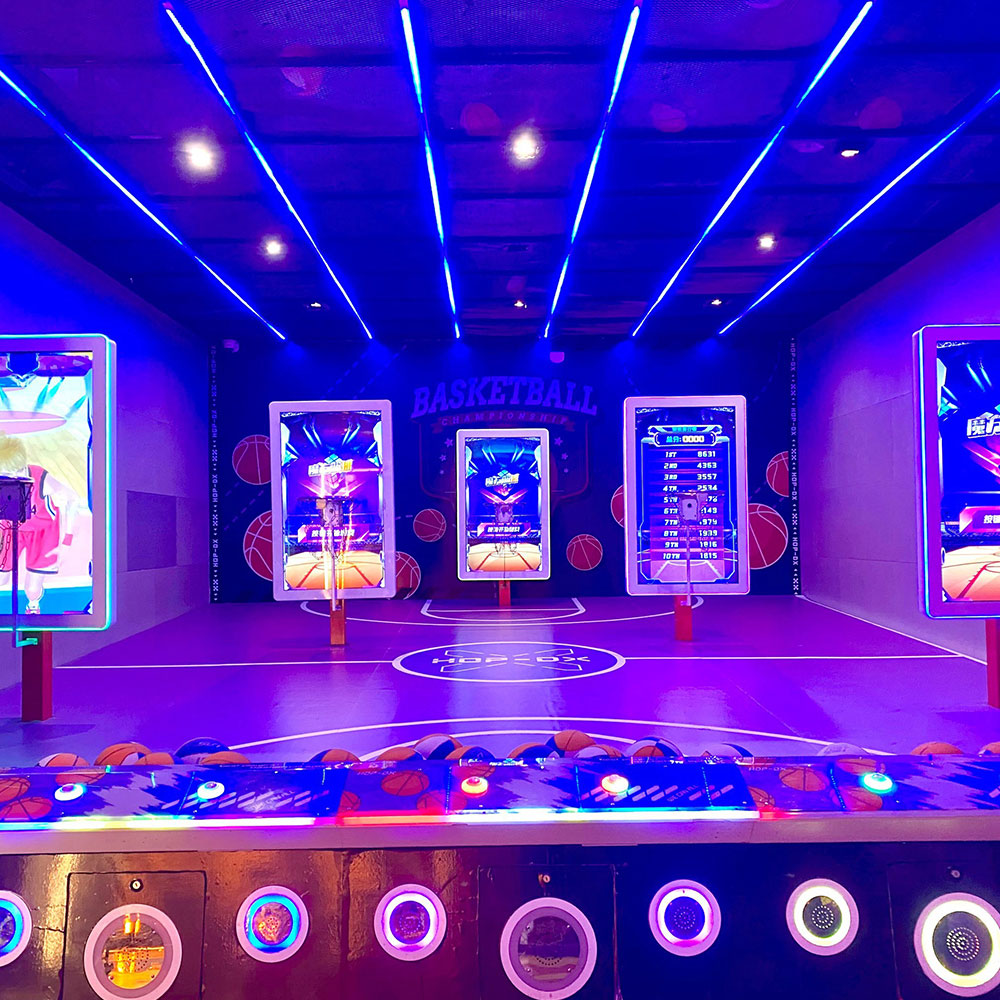
For family centers, malls, and indoor entertainment plazas, a well-placed shooting arcade machine can become a high-margin anchor attraction. Combining eye-catching lights, competitive multi-player play, and integrated electronic scoring, the Multi-Player Interactive Shooting Machine drives dwell time, repeat visits, and ancillary sales. Operators should optimize placement, game settings, pricing, and marketing while ensuring safety and reliable maintenance to convert play into steady revenue streams.
Why a Shooting Arcade Machine Works in Family Centers
Appeal across age groups and demographics
Shooting arcade machines—especially multi-player formats—appeal to children, teens, and adults because they are simple to understand, competitive, and social. Unlike complex simulator attractions, a shooting arcade machine offers instant gratification: players see their score immediately and can challenge friends or family. This broad appeal increases foot traffic and encourages group play, which generally results in higher per-session spend and repeat sessions.
Proven engagement and dwell-time increases
Interactive games that combine scoring, lights, and sound increase dwell time; players typically spend several minutes per session and often return for rematches. Studies of arcade and family entertainment center traffic show that attractions which foster short cycles of repeat play (1–5 minutes with clear scoring) generate higher hourly throughput and turnover than slower, single-player experiences. For supporting context on arcade trends and interactive entertainment, see the overview on arcade games from Wikipedia and industry perspectives from the International Association of Amusement Parks and Attractions (IAAPA).
Multi-player dynamics boost revenue per session
The Multi-Player Interactive Shooting Machine adds competitive dynamics, enabling head-to-head or team play. Multi-player modes increase spend in three key ways: group participation (multiple players per round), extended sessions (tournaments, best-of series), and social sharing (players bring friends). This compound effect often results in average revenue per unit (ARPU) that significantly outperforms single-player redemption devices.
Optimizing Placement, Pricing, and Game Modes
Strategic placement within a family center
Placement is critical. Locate the shooting arcade machine near high-traffic corridors, food courts, or party rooms where families gather. Visibility from multiple vantage points increases impulse play. Avoid isolating the unit in a corner—group it with other mid-range attractions to create a mini-play zone. Consider sightlines for parents who supervise and ensure sufficient space for queueing and safe play.
Dynamic pricing and session length
Use tiered pricing and session options to match different customer needs. Example options include single-shot tickets, timed rounds (30–60 seconds), and multi-round packages. Offer family bundles or multi-player discounts to encourage group participation. Digital payment acceptance (cards, mobile wallets) reduces friction and can increase conversion rates compared to cash-only setups.
Game modes that maximize repeat play
Rotate game modes to keep the experience fresh. Examples: timed high-score challenges, tournament brackets on weekends, cooperative team modes, and skill-drill challenges that encourage improvement. Leaderboards—local and weekly—drive repeat visits as players compete for top positions. Incorporate achievements and progressive difficulty to provide tangible goals, especially for younger players.
Operations, Maintenance, and Data-Driven Management
Maintenance best practices to reduce downtime
Downtime kills revenue. Implement a preventive maintenance schedule for sensors, scoring electronics, displays, and mechanical components. Train staff on quick fixes (resetting sensors, clearing jams) and maintain a spare parts kit. Use standard quality guidelines such as ISO 9001 for operational consistency—see ISO 9001 for quality management best practices that can be adapted to attractions.
Use telemetry and analytics to improve performance
Modern shooting arcade machines often include telemetry: plays per hour, average session duration, revenue per hour, and player demographics. Track these metrics to optimize pricing, placement, and promotional timing. For example, if telemetry shows a dip during school hours, introduce midday deals for families or partner with nearby attractions to cross-promote. Data lets you test changes (A/B) and scale what works.
Staffing, training, and safety compliance
Train attendants to manage queues, explain game rules, and engage players—great staff interactions increase play frequency. Ensure safety by meeting local electrical and equipment safety regulations and communicating age/height recommendations. For broader context on safe amusement practices, reference industry standards and guidance available from associations such as IAAPA.
Marketing, Events, and Revenue-Enhancement Strategies
Local marketing and cross-promotion
Promote the Multi-Player Interactive Shooting Machine via in-center signage, social media, and partnerships with birthday party packages. Offer limited-time promotions (happy hour pricing, school-break specials) and bundle offers with food or party rooms. Encourage user-generated content with hashtags and photo opportunities that make the game a social media magnet.
Tournaments, leagues, and scheduled events
Organize regular tournaments and family leagues to build a loyal player base. Scheduled events stimulate foot traffic during off-peak hours and create incentives for repeat visits. Offer prizes such as free play tokens, small redemption prizes, or leaderboard recognition. Events also allow High Quality pricing for entry fees and sponsorship opportunities with local businesses.
Redemption and ancillary sales strategies
Integrate the shooting arcade machine into your redemption ecosystem—either by awarding tickets for top scores or by offering limited-time challenges with special prizes. Place prize counters, snack kiosks, and photo booths nearby to capture ancillary sales when dwell time is high. Studies of family entertainment centers show that games that increase dwell time also lift F&B and retail sales.
Product Spotlight: Multi-Player Interactive Shooting Machine (Joy Power)
Joy Power is full of fun and exciting playgrounds! The basketball shooting machine is a classic amusement device integrating competition, entertainment, and interactivity. Based on the traditional basketball shooting sport, it integrates electronic scoring, sound and light effects, and challenge mechanisms to bring players an immersive game experience. The main body of the equipment is usually built with a metal frame, equipped with a standard-sized basket and a sturdy rim, with multiple sets of sensors to accurately capture the trajectory of the shot; when the player shoots the ball, the machine's built-in sensors count the score in real time and present the score, remaining time, and challenge goals through the LED display or LCD screen, with exciting sound effects and colorful lights to create a tense and exciting gaming atmosphere.
Key features and benefits for operators
The Multi-Player Interactive Shooting Machine is designed for family centers: multi-station play, robust sensors for accurate scoring, LED leaderboards, sound/light packages, and configurable game modes (timed, cooperative, tournament). These features increase throughput and create shareable moments—key drivers of revenue.
Typical revenue and ROI considerations
Revenue varies by location and center type. Below is a sample comparative table showing typical performance ranges for a single-player shooting unit versus a multi-player interactive shooting machine in a mid-size family entertainment center. These are illustrative benchmarks based on industry patterns and operator reports; actual results will vary.
| Metric | Single-Player Shooting Unit | Multi-Player Interactive Shooting Machine |
|---|---|---|
| Average plays per hour | 8–15 | 20–40 |
| Avg revenue per play | $0.75–$1.50 | $1.50–$3.50 (multi-player bundles) |
| Estimated revenue per day | $60–$150 | $200–$600 |
| Typical payback period | 12–36 months | 6–24 months |
Operators can influence these metrics by optimizing placement, pricing, and promotional activity. Use the machine's configurable modes to run promotions that increase multi-player engagement and average revenue per session.
Integration with digital systems and loyalty programs
Integrate the machine with your POS and loyalty systems to offer rewards and track player behavior. Card- or app-based play allows for seamless top-ups, promotes repeat visits, and supports targeted offers (e.g., discounts for returning families or loyalty points for tournament participants). The data also feeds analytics for smarter decisions on pricing and event scheduling.
Case Studies and Best-Practice Examples
Family center A: Weekend tournament model
One mid-size family center increased weekend revenue 18% by hosting two-hour tournaments for the Multi-Player Interactive Shooting Machine. Entry fees were modest; sponsorship from a local retailer provided additional prize support. The event drew families who stayed for food and party bookings, increasing overall F&B sales.
Family center B: Placement + cross-sell
Another operator relocated a multi-player shooting bank adjacent to the main snack bar and added a visible leaderboard. The proximity to F&B increased impulse purchases; combined with a discounted combo (game + drink), average spend per party rose by 12%.
Lessons learned
Common takeaways: visibility matters, multi-player modes outperform single-player in ARPU, and ongoing events/leaderboards create loyal repeat customers. Preventive maintenance is critical to avoid revenue losses from downtime.
FAQ — Frequently Asked Questions
Q: How much space do I need for a Multi-Player Interactive Shooting Machine?
A: Allocate at least 3–4 meters of frontage and 2 meters depth per station for safe queuing and play. For multi-station banks, provide a clear spectator area and access for maintenance. Exact dimensions vary by model—consult the product spec sheet.
Q: What is the typical power and network requirement?
A: Most modern units require a standard AC outlet (110–240V) and a wired Ethernet or Wi‑Fi connection for telemetry and leaderboards. Confirm with the manufacturer for your specific model and plan for surge protection and stable network access.
Q: Can I run tournaments and still accept cash?
A: Yes. Many centers run tournaments with both cash and cashless options. However, integrating cashless payments (cards, wristbands, or mobile wallets) reduces friction, speeds throughput, and simplifies tournament entry fee collection and prize distribution.
Q: What is the maintenance schedule for sensors and electronics?
A: Perform a daily visual check and sensor calibration weekly in high-use locations. Monthly deeper inspections for wiring, mounts, and displays help avoid unexpected failures. Keep a small inventory of consumables (balls, fuses, cables) and a maintenance log to align with ISO-like quality practices.
Q: How quickly can I expect ROI?
A: ROI varies with location, pricing, and utilization. Typical payback ranges from 6 to 24 months for Multi-Player Interactive Shooting Machines in active family centers. Use telemetry to accelerate decisions that optimize revenue and shorten payback periods.
If you want to evaluate whether a Multi-Player Interactive Shooting Machine fits your center, explore product specs, financing options, or schedule a demo—contact our sales team for tailored recommendations and local case studies. Contact Sales or View the product details.
References: Overview of arcade games on Wikipedia, industry guidance from IAAPA, and quality management principles from ISO 9001.
Best Budget Golf Simulators for 2026: Affordable Picks
Selecting the Right Screen and Sound for Electronic Dart Machines
The B2B Buyer’s Guide to interactive dance floor led
What are the different types of interactive holographic projection technology?
Golf Simulator
How is pricing more reasonable for commercial venues operating indoor simulated golf programs?
It is recommended to use a combination of “basic time slot attraction + member lock-in + corporate high-priced package” model, the monthly revenue of a single device in a first-tier city can be more than 20,000 yuan. Focus on continuous optimization of pricing through data monitoring (e.g., customer unit price, repurchase rate) to avoid falling into low-price competition and to maintain the high-end experience tone. o The project should be operated in a shopping mall.
Football Simulator
What is the biggest difference between simulation soccer and traditional soccer?
Simulation soccer through digital technology on the screen to present soccer, not subject to site, weather restrictions, players can participate at any time and anywhere, but also with the handle, somatosensory equipment and other controls, experience a variety of modes. Traditional soccer requires real venues and multiple participants, and is greatly affected by environmental factors.
Holographic Light and Shadow Restaurant
What are the technical difficulties of holographic projection?
One is the resolution and clarity of the image. To achieve high-resolution and high-definition 3D image reproduction, advanced optical equipment and algorithms are required. The second is the control of light interference and diffraction, which requires precise control of the propagation and interference conditions of light rays to ensure the stability and accuracy of the image. The third is the complexity and cost of the system. Holographic projection systems are usually quite complex, including optical components, light sources, control systems, etc., with high costs, which limits their widespread adoption.
What is the principle of holographic projection?
Firstly, during the recording process, a reference light and an object light are simultaneously irradiated onto the object, causing interference between the two beams. The intensity and phase information of the object are recorded on the photosensitive material, forming a hologram. Then, during the reproduction process, the hologram is illuminated with the same beam of light as the reference light, and the hologram acts like a complex diffraction grating, causing the light to diffract and thus reproducing the three-dimensional image of the object.
FAQ
What is to be considered for setting up a digital sports & amusement hall?
The design requirements of digital sports & amusement hall are different from other entertainment venues, and they need to focus on innovation, interactivity and experience.
Indoor Tide Play Simulation Tennis Equipment
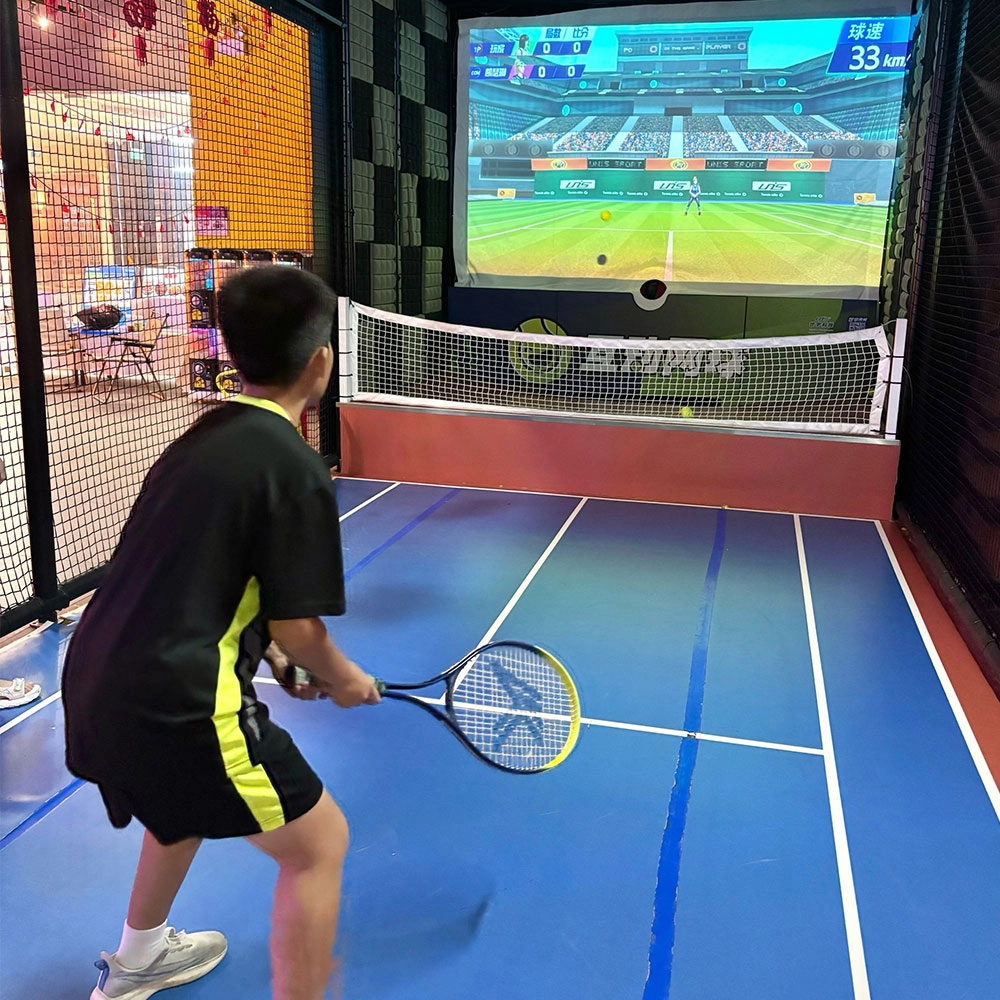
FUNTECH is full of fun and exciting playgrounds! With high-definition scene projection, force feedback racket, and intelligent scoring system, the simulated tennis equipment in the indoor arcade realizes immersive sports experiences and diversified interactive play, combining the advantages of safety and ease of use with high operational efficiency.
Dart Machines Bar Dart Machines
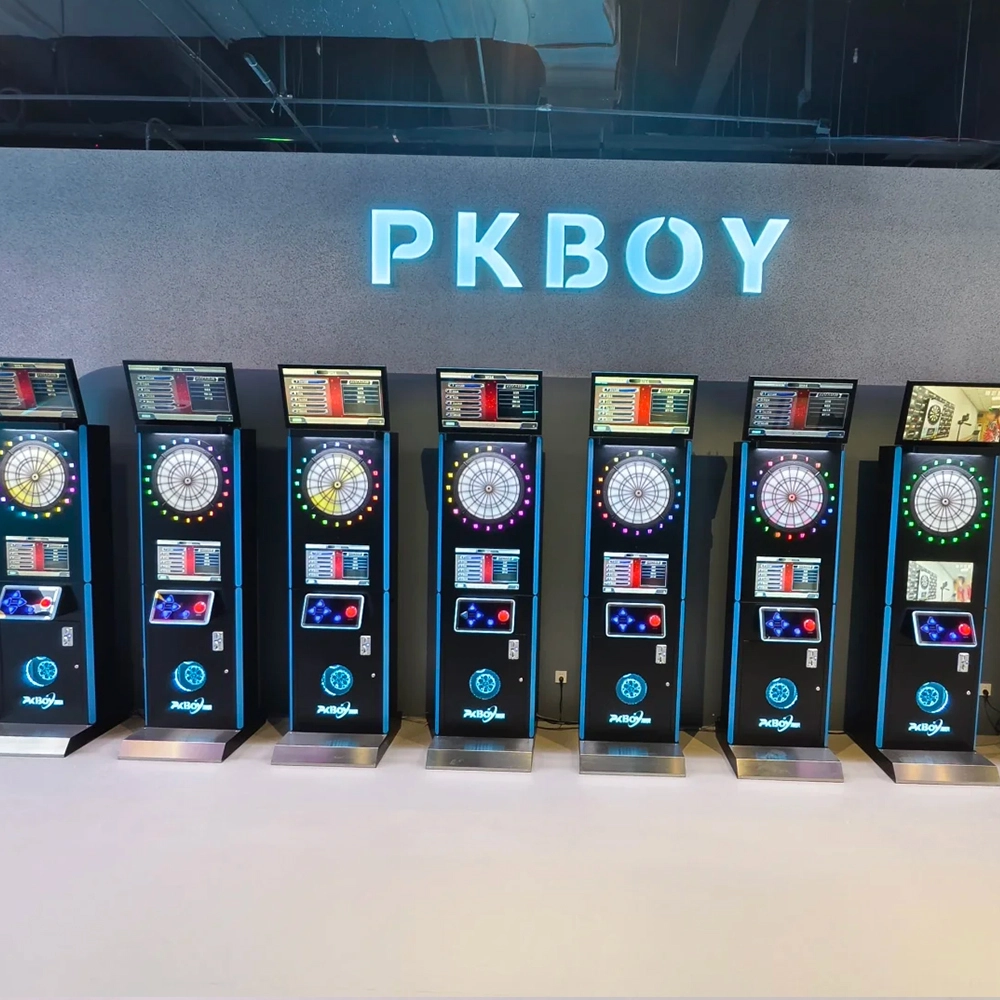
Joy Power is full of fun and excitement in the playground! The dart machine is suitable for all kinds of places, whether it is a bar, restaurant, KTV, or other entertainment venue, or a sports shop, club, or family leisure space, and can be perfectly adapted. In commercial venues, holding individual and team darts tournaments from time to time can attract more customers and increase the popularity and revenue of the venue, supplemented by various preferential activities, which can directly promote consumption and form a cycle of consumption of all the goods in the shop.
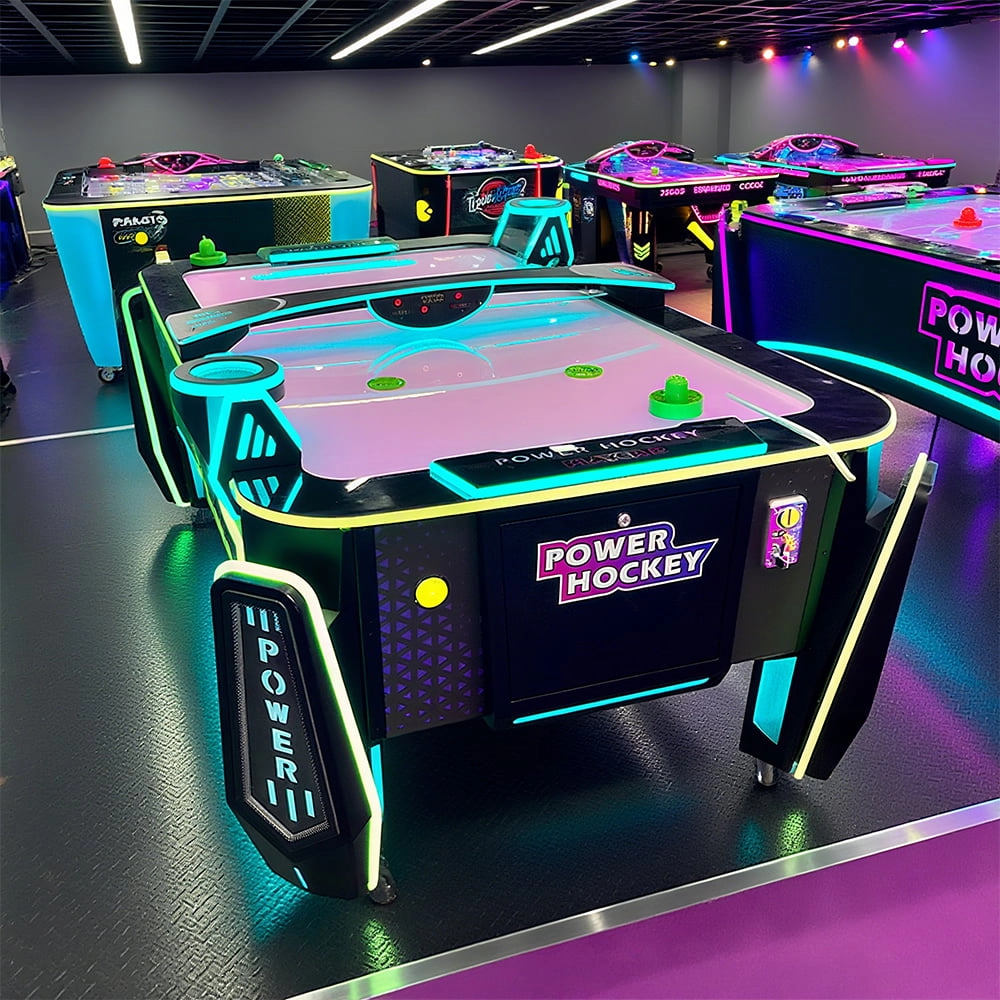
Arcade Hockey
FUNTECH is full of fun and exciting playgrounds! Air hockey, also known as air hockey, is a two-player competitive arcade game comprising a smooth, perforated playing surface, lightweight hockey sticks, a plastic puck, and an electronic scoreboard.
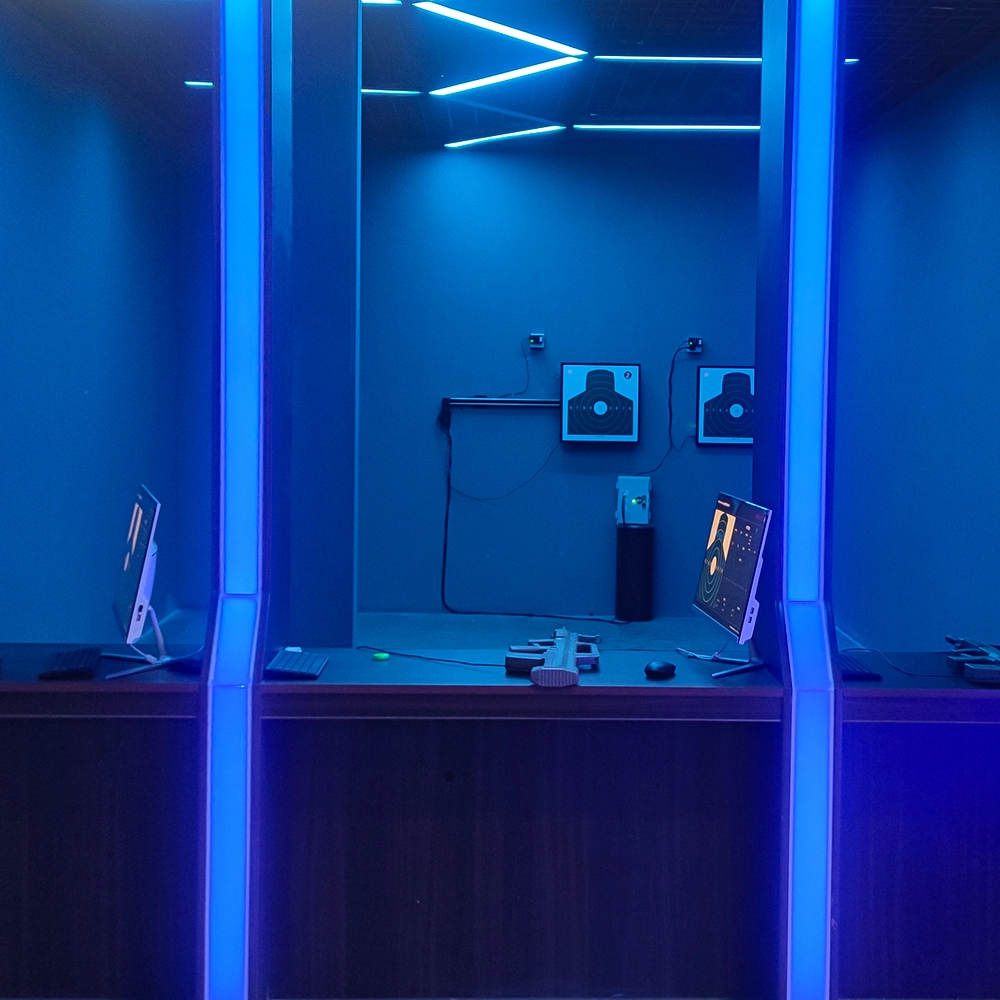
Infrared Shooting
Highly simulated simulation training analysis equipment, with advanced design concepts, fast system development, ease of operation and use, stable technical performance, less consumption of training, site dependence on a small group training is highly interesting, safe, and reliable, and other outstanding features. Product design to solve the basic skills of light weapons precision shooting as a starting point, to improve the safety of shooting training and training efficiency as the fundamental purpose, highlighting the simulation, information technology, and combat training requirements, can be in small indoor and outdoor venues and does not use live ammunition to complete the basic shooting training.
© 2025 FUNTECH ALL RIGHTS RESERVED

Weixia Lei
Fun_Tech-s
fun_tech20