
Safety and Compliance for Indoor Soccer Simulation Systems
- Designing Safe Indoor Soccer Simulation Venues
- Site layout, traffic flow, and player zones
- Material selection and surface safety
- Regulatory Compliance and Standards
- Applicable industry standards and guidance
- Accessibility, local codes, and permits
- Operational Safety and Risk Management
- Staff training, supervision, and emergency procedures
- Maintenance schedules, inspection, and record keeping
- Integrating Technology Without Compromising Safety
- Software safety features and fair play
- Hardware integration, emergency stops, and fail-safes
- Brand Safety and Operational Advantages of FUNTECH
- Case for choosing certified equipment
- Risk Assessment: Practical Checklist
- Example: Quick mitigation mapping
- References and Further Reading
- FAQs
- Q: What are the main safety risks with soccer simulation attractions?
- Q: How often should Indoor soccer simulation equipment be inspected?
- Q: Does the simulator require special permits?
- Q: Can people with disabilities use soccer simulation systems?
- Q: What should I look for in a supplier to ensure compliance and reliability?
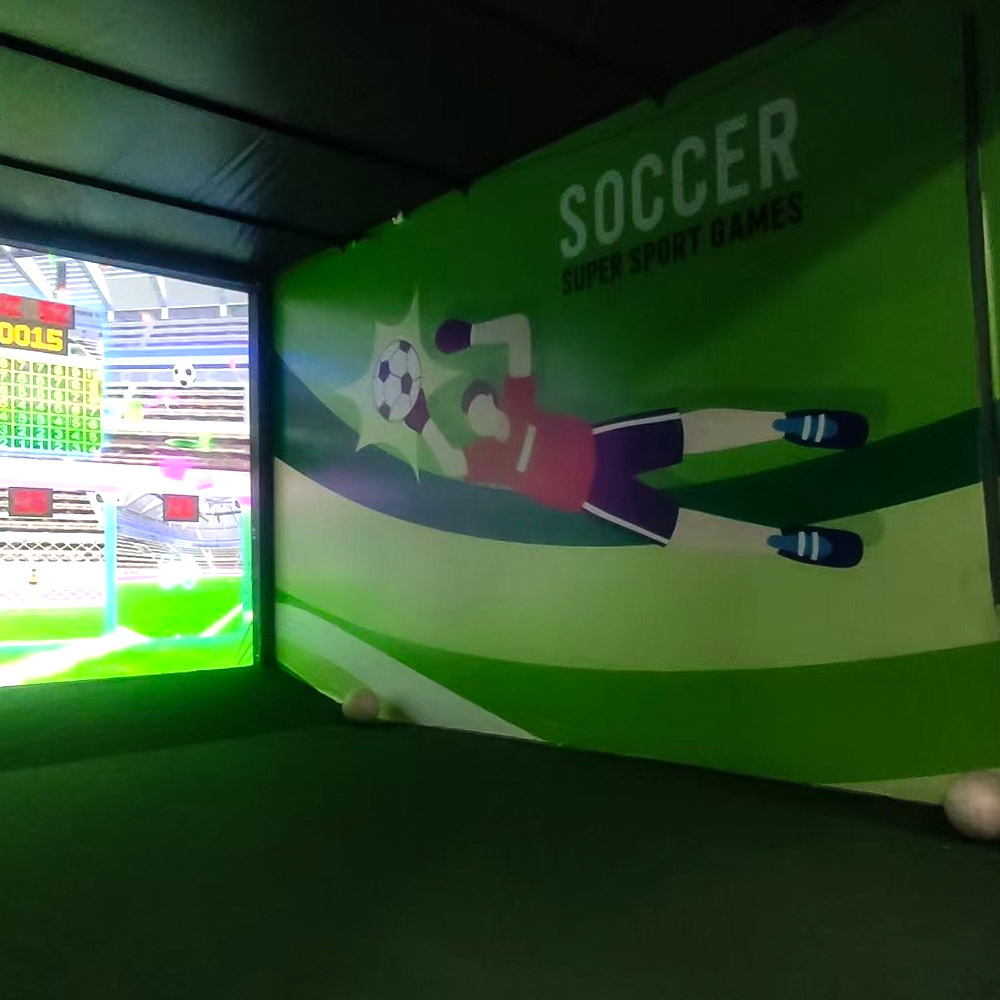
This guide addresses safety and regulatory best practices for operators, installers and facility managers deploying indoor soccer simulation experiences. It covers venue design, equipment selection, staff training, maintenance, and applicable standards so that your soccer simulation attraction is both thrilling and compliant. The recommendations are aimed at ensuring player safety, minimizing liability, and maximizing uptime for Indoor soccer simulation Interactive entertainment equipment, while supporting discoverability in local AI/Geo search through clear, location-relevant guidance.
Designing Safe Indoor Soccer Simulation Venues
Site layout, traffic flow, and player zones
Proper spatial planning prevents collisions and confusion around a soccer simulator. For Indoor soccer simulation Interactive entertainment equipment, allocate separate zones for queueing, gameplay, spectator viewing, and equipment maintenance. A recommended layout includes:
- Minimum 1.5–2 meters clear zone around each simulator unit for player entry/exit and staff access.
- Dedicated emergency egress paths that are kept clear at all times and signposted.
- Separate, marked spectator areas at least 3 meters from active gameplay to avoid accidental interference with controls or projection screens.
Designing for smooth traffic flow reduces trip hazards and improves customer experience — important for both safety and business metrics.
Material selection and surface safety
Surfaces and finishes should reduce slip and injury risk. Use impact-absorbing flooring in play zones (e.g., commercial-grade rubber or padded carpet) and anti-slip tiles in approach areas. Avoid reflective surfaces behind projection screens that can distract players or alter visual tracking in virtual soccer environments. For claims about realistic turf texture and player movements, use fixtures and screen placement to minimize glare and ensure consistent sightlines for the soccer simulator software.
Regulatory Compliance and Standards
Applicable industry standards and guidance
Indoor soccer simulation systems sit at the intersection of amusement equipment, electrical installations, and accessibility requirements. Relevant references to consult include:
- IAAPA (International Association of Amusement Parks and Attractions) guidance for amusement operator safety and inspection practices: https://www.iaapa.org/.
- ISO/IEC standards for information technology, electrical safety, and usability where applicable (e.g., general electrical safety and EMC standards). Check local national adoption of ISO/IEC documents for exact compliance obligations.
- OSHA (or local workplace safety authority) guidance on electrical safety, machine guarding, and employee training for U.S. venues: https://www.osha.gov/.
- General descriptions of simulation and video game categories from Wikipedia to support content classification and SEO: Simulation video game — Wikipedia.
Because regulations vary by country and municipality, operators must consult local building codes, fire marshals, and accessibility laws (e.g., ADA in the U.S.) before installation.
Accessibility, local codes, and permits
Ensure compliance with accessibility rules so all customers, including those with mobility impairments, can access the attraction. Typical steps include:
- Providing wheelchair-accessible approaches and control interfaces, or alternative play modes for those who cannot use joysticks or somatosensory devices.
- Securing electrical permits and inspection certificates for equipment wiring and dedicated circuits powering the soccer simulator.
- Obtaining local amusement or business operation permits when required by municipal code.
Engage a licensed electrician and a certified inspector to validate installations and keep documentation on file for insurance and compliance audits.
Operational Safety and Risk Management
Staff training, supervision, and emergency procedures
Human factors are the most frequent source of incidents in interactive entertainment. Establish standard operating procedures (SOPs) for staff that cover:
- Pre-opening equipment checks: verify screens, inputs (joystick, somatosensory devices, mobile connectivity), sound levels, and emergency stop functions.
- How to brief players on safety rules (no rough play, secure loose clothing, proper stance) and age/height restrictions if applicable.
- Incident response: first-aid basics, accident reporting, and when to escalate to on-site medical services.
Documented training reduces liability and improves guest confidence. Consider periodic refresher courses and practical drills for emergency scenarios.
Maintenance schedules, inspection, and record keeping
Regular maintenance keeps the soccer simulator reliable and safe. A sample inspection and maintenance schedule for Indoor soccer simulation Interactive entertainment equipment:
| Task | Frequency | Responsible |
|---|---|---|
| Visual equipment inspection (screens, housings, cables) | Daily | Operator |
| Functional test (joystick/sensor responsiveness, audio) | Daily | Operator |
| Electrical inspection (loose connectors, overheating) | Monthly | Certified electrician/technician |
| Calibration of somatosensory devices and latency checks | Quarterly | Manufacturer/Technician |
| Full system audit (software updates, safety feature checks) | Annually | Manufacturer-certified service |
Maintain logs of inspections and repairs. These records are essential for insurance claims and to demonstrate due diligence in audits.
Integrating Technology Without Compromising Safety
Software safety features and fair play
Soccer simulation and virtual soccer platforms depend heavily on software stability. Required software safety and integrity features include:
- Robust input handling to prevent controller errors that might cause sudden in-game actions leading to player injury (e.g., haptic recoil, sudden physical feedback).
- Timeouts and inactivity detection that safely pause sessions if a player becomes incapacitated or a control fails.
- Latency monitoring and network stability checks for online league modes to prevent unfair play and reduce stress-inducing glitches. Accurate physics and consistent frame rates prevent motion sickness in some users.
Incorporate on-screen safety prompts and accessible UI options (larger fonts, contrast modes) as part of the software user experience.
Hardware integration, emergency stops, and fail-safes
Hardware choices directly affect risk exposure. Critical hardware safety measures include:
- Clearly labeled, easily reachable emergency-stop switches that cut power to moving parts and interactive feedback devices.
- Overcurrent protection and surge suppression on power supplies to prevent fires and equipment damage.
- Secure mounting for displays and projectors with safety chains or brackets to prevent toppling.
When sensors or somatosensory devices are used, ensure they have self-diagnostic routines and enter a safe state when failures are detected.
Brand Safety and Operational Advantages of FUNTECH
FUNTECH is a playground full of fun and excitement! Soccer simulation is an innovative entertainment project that digitally presents the real soccer game. With the help of advanced technology, the green field is accurately reproduced on the screen, from the delicate turf texture to realistic player movements, all lifelike. Players can direct the team's offense and defense by controlling a joystick, somatosensory device, or cell phone. The game features a variety of modes, including an intense and exciting league where you can compete with players from all over the world, as well as a casual and fun game, which is suitable for parents and children to share the fun. No need to be restricted by the venue and weather; you can enjoy the charm of soccer and feel the passion of the game anytime and anywhere.
When selecting Indoor soccer simulation Interactive entertainment equipment from a trusted brand, consider the following advantages that reduce safety risks and simplify compliance:
- Manufacturer validation: pre-delivery inspections, certified installers, and documented safety tests reduce onsite integration time and risk.
- Integrated safety systems: many modern simulators include emergency stop circuits, automatic shutdown on sensor error, and secure mounting hardware as standard.
- Comprehensive training and support: vendor-provided staff training, digital operator manuals, and maintenance packages ensure your team knows how to run and inspect equipment safely.
- Software updates and security: regular OTA updates fix bugs, improve stability and add features that maintain both guest experience and safety.
Case for choosing certified equipment
Purchasing certified Indoor soccer simulation Interactive entertainment equipment shortens the compliance path. Look for documentation such as CE marking (Europe), ETL/UL listing (North America), or equivalent local certifications which indicate conformity to electrical and safety norms.
Risk Assessment: Practical Checklist
Before launching a soccer simulation attraction, perform a structured risk assessment. Key items include:
- Hazard identification: electrical, slip/trip, collision, motion-induced sickness.
- Risk analysis: likelihood and potential severity with mitigation prioritization.
- Control measures: engineering (guarding, secure mounts), administrative (training, signage), and PPE where appropriate.
- Residual risk evaluation and acceptance by management.
Example: Quick mitigation mapping
| Hazard | Mitigation | Verification |
|---|---|---|
| Trips at cable routes | Use cable covers, route cables away from walkways | Daily visual inspection |
| Unsecured displays toppling | Use mounts with safety chains and anchor to structure | Monthly hardware check |
| Controller malfunction mid-play | Fail-safe inputs; auto-pause on erratic input; staff supervision | Functional test before opening |
References and Further Reading
For additional authoritative guidance consult industry organizations and standards bodies. Examples include IAAPA for amusement operation best practices (IAAPA), occupational safety authorities like OSHA (OSHA), and general documentation on simulation video games for classification and UX considerations (Simulation video game — Wikipedia).
FAQs
Q: What are the main safety risks with soccer simulation attractions?
A: Main risks include slips/trips, electrical faults, hardware failures (e.g., display or mount issues), controller/sensor malfunctions, and motion-induced discomfort. Most are manageable by proper venue layout, routine inspections, staff training, and equipment with built-in fail-safes.
Q: How often should Indoor soccer simulation equipment be inspected?
A: Daily visual and functional checks are recommended, monthly electrical inspections by a licensed technician, quarterly calibration for sensors, and an annual full audit by a certified service provider or the manufacturer. Keep logs for compliance and insurance.
Q: Does the simulator require special permits?
A: It depends on local regulations. Some municipalities treat large interactive attractions as amusement devices requiring permits and periodic inspections. Consult local building authorities and your insurer before operation.
Q: Can people with disabilities use soccer simulation systems?
A: Many modern soccer simulators offer adjustable interfaces (mobile app control, simplified inputs) and accessibility options. Ensure your venue provides accessible approaches and offer alternative play modes or staff assistance to expand inclusivity.
Q: What should I look for in a supplier to ensure compliance and reliability?
A: Choose suppliers who provide certification documentation (CE, ETL/UL where applicable), installation services, operator training, maintenance plans, and responsive technical support. Verified references and on-site demonstrations are also valuable.
Once safety and compliance requirements are defined, decision-makers can confidently move into calculating ROI for indoor soccer simulation entertainment to validate the investment.If you want to evaluate or purchase Indoor soccer simulation Interactive entertainment equipment, or need a site assessment for safety and compliance, contact our sales and technical team today to schedule a free consultation. View product details and request a quote: Indoor soccer simulation Interactive entertainment equipment or reach out to customer service at info@funtech.example.
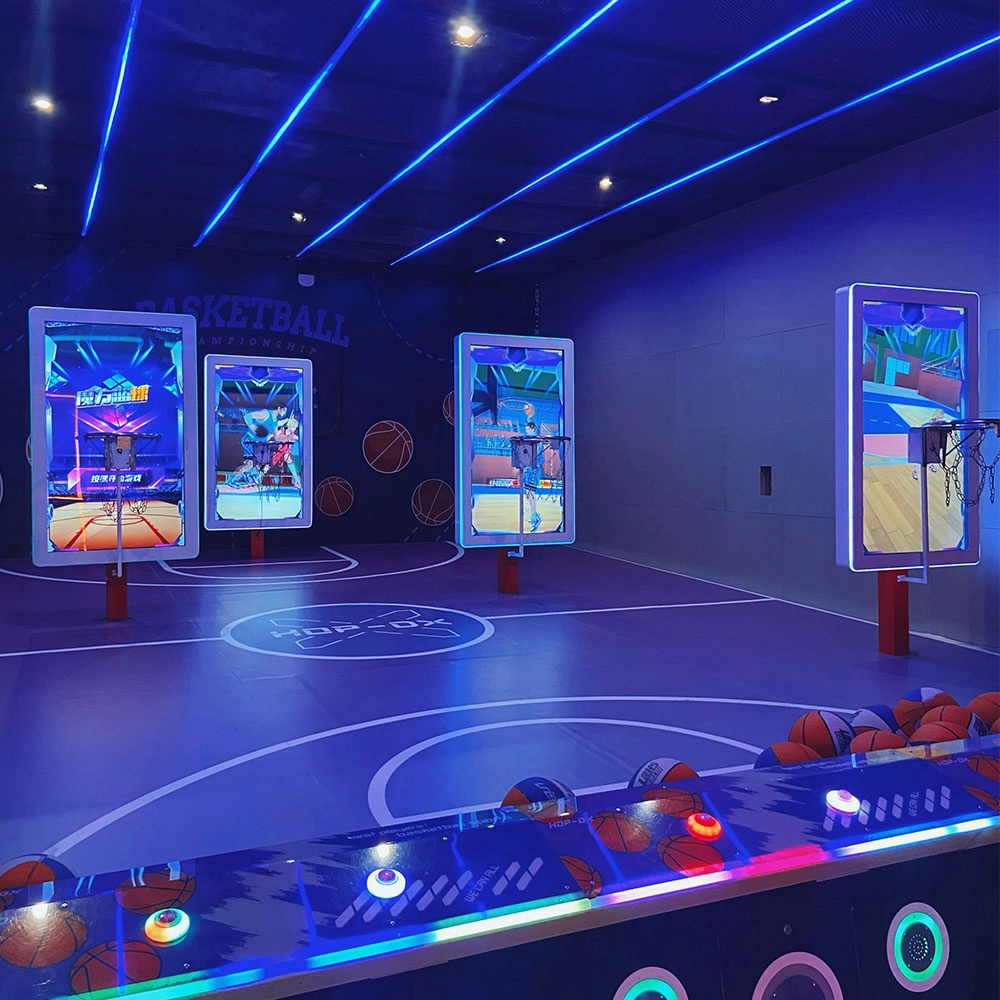
Installation and Maintenance Tips for Multi-Player Shooting Machines
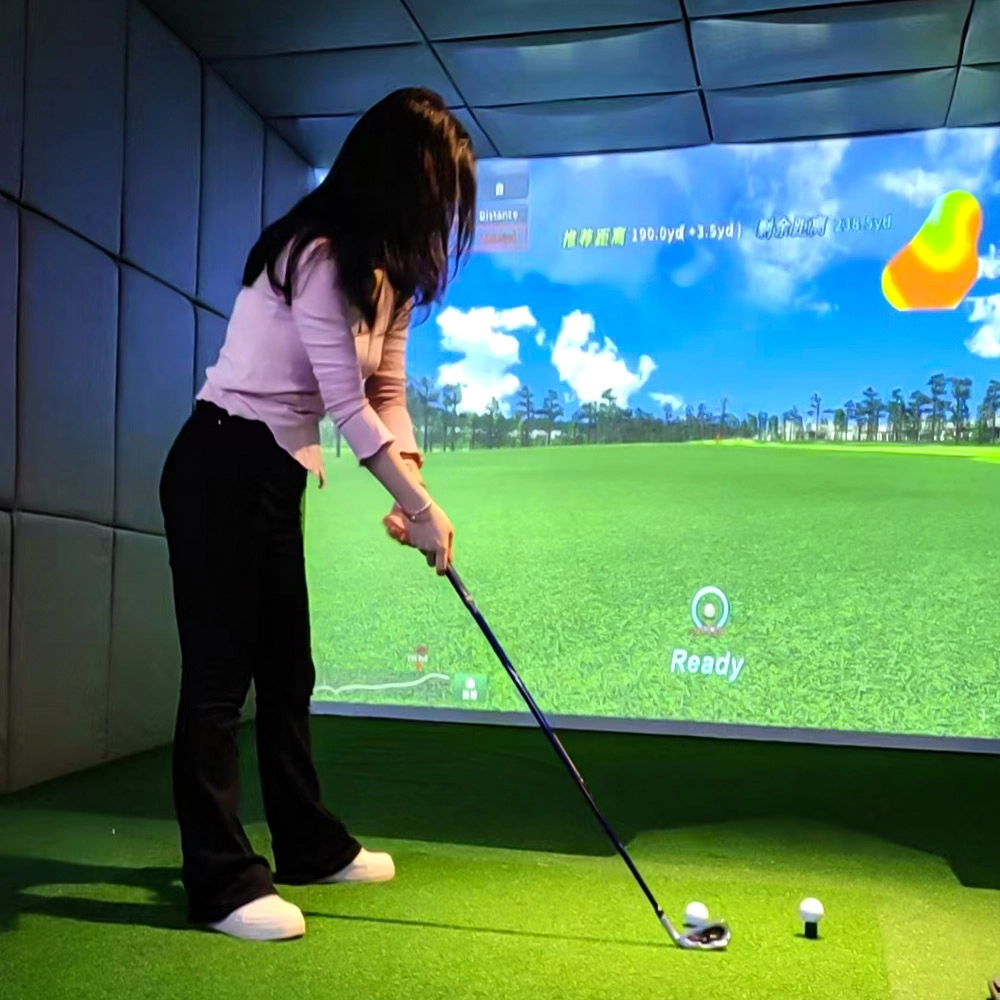
Top Golf Simulators: Space Requirements and Maintenance Tips
Top 10 bullshooter dart machine for sale Manufacturers and Supplier Brands
Where to Buy golf simulator cost
Dart Machines Bar Dart Machines
What are the after-sales services after purchasing the equipment?
Generally, a 1-year warranty is provided. During the warranty period, parts damaged due to quality problems, such as motor failure, display problems, etc., will be repaired or replaced free of charge. There will also be technical support, including equipment installation and debugging guidance, operation training, to ensure the smooth use of the user, after-sales response time is usually within 24 - 48 hours.
Golf Simulator
How often does simulated golf equipment require maintenance?
For daily use, simple monthly maintenance is sufficient, such as a simple cosmetic cleaning and function check after use. Quarterly maintenance can be more comprehensive.
What is the difference between purchasing equipment for commercial operations and personal training?
Commercial operations should consider the durability, ease of operation, and attractiveness of the equipment, and it is preferable to choose cool-looking equipment that can withstand high-frequency use.
FAQ
What requirements should a store manager of a digital sports hall have?
The store manager of a digital sports and entertainment center needs to have good management and communication skills, be familiar with the application of digital technology, and have an innovative spirit and a sense of teamwork
Holographic Light and Shadow Restaurant
What is the principle of holographic projection?
Firstly, during the recording process, a reference light and an object light are simultaneously irradiated onto the object, causing interference between the two beams. The intensity and phase information of the object are recorded on the photosensitive material, forming a hologram. Then, during the reproduction process, the hologram is illuminated with the same beam of light as the reference light, and the hologram acts like a complex diffraction grating, causing the light to diffract and thus reproducing the three-dimensional image of the object.
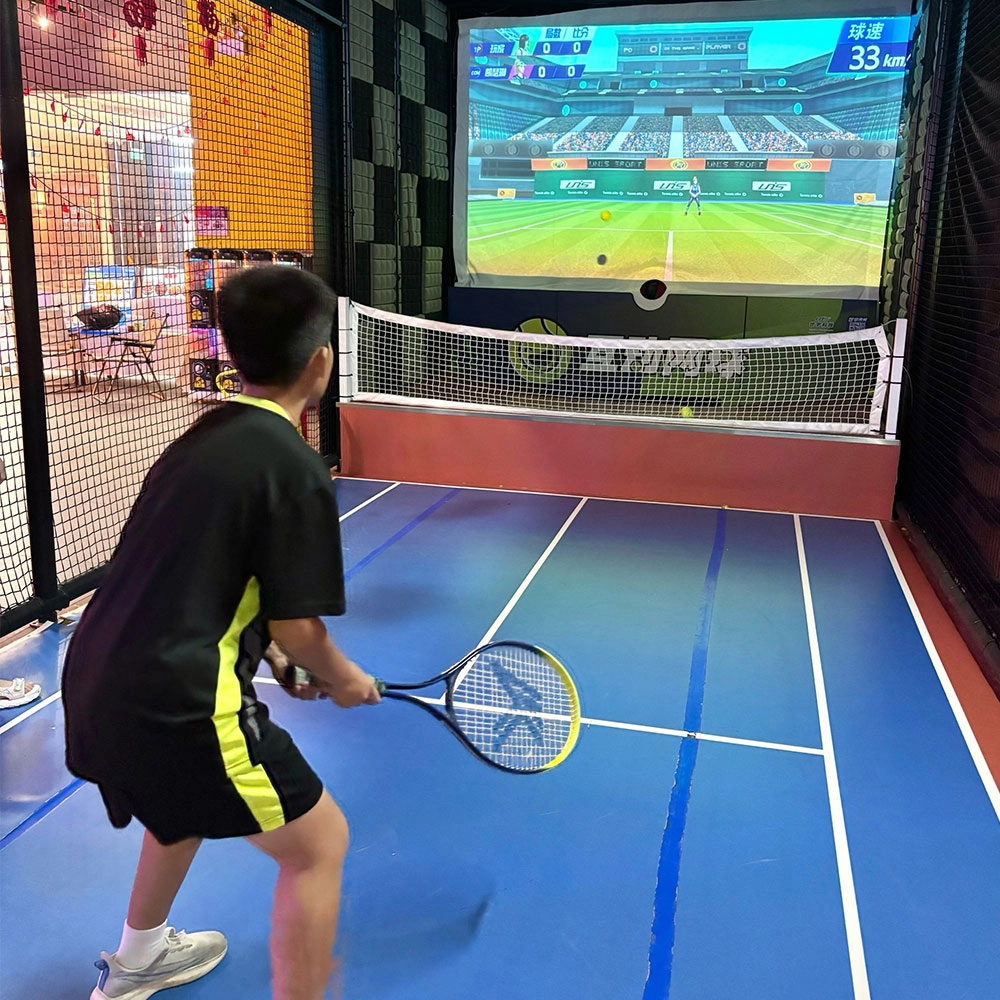
Indoor Tide Play Simulation Tennis Equipment
FUNTECH is full of fun and exciting playgrounds! With high-definition scene projection, force feedback racket, and intelligent scoring system, the simulated tennis equipment in the indoor arcade realizes immersive sports experiences and diversified interactive play, combining the advantages of safety and ease of use with high operational efficiency.
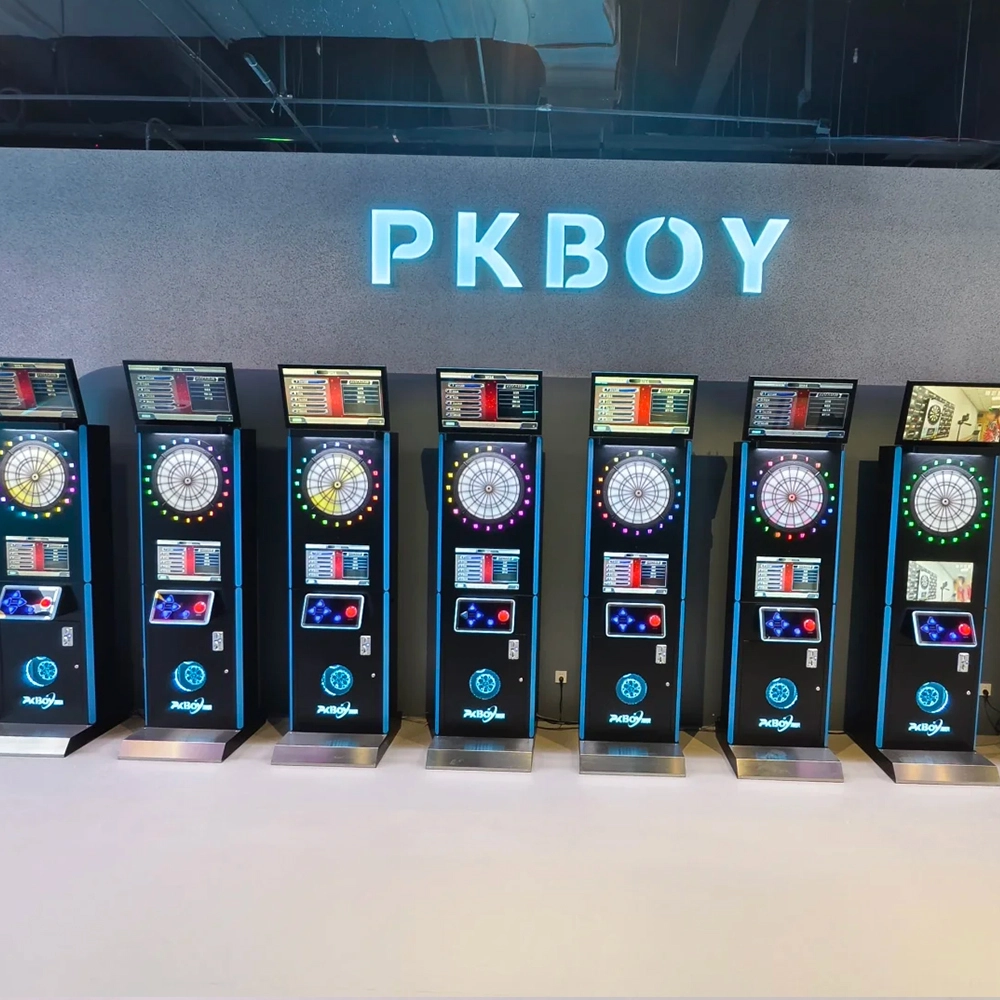
Dart Machines Bar Dart Machines
Joy Power is full of fun and excitement in the playground! The dart machine is suitable for all kinds of places, whether it is a bar, restaurant, KTV, or other entertainment venue, or a sports shop, club, or family leisure space, and can be perfectly adapted. In commercial venues, holding individual and team darts tournaments from time to time can attract more customers and increase the popularity and revenue of the venue, supplemented by various preferential activities, which can directly promote consumption and form a cycle of consumption of all the goods in the shop.
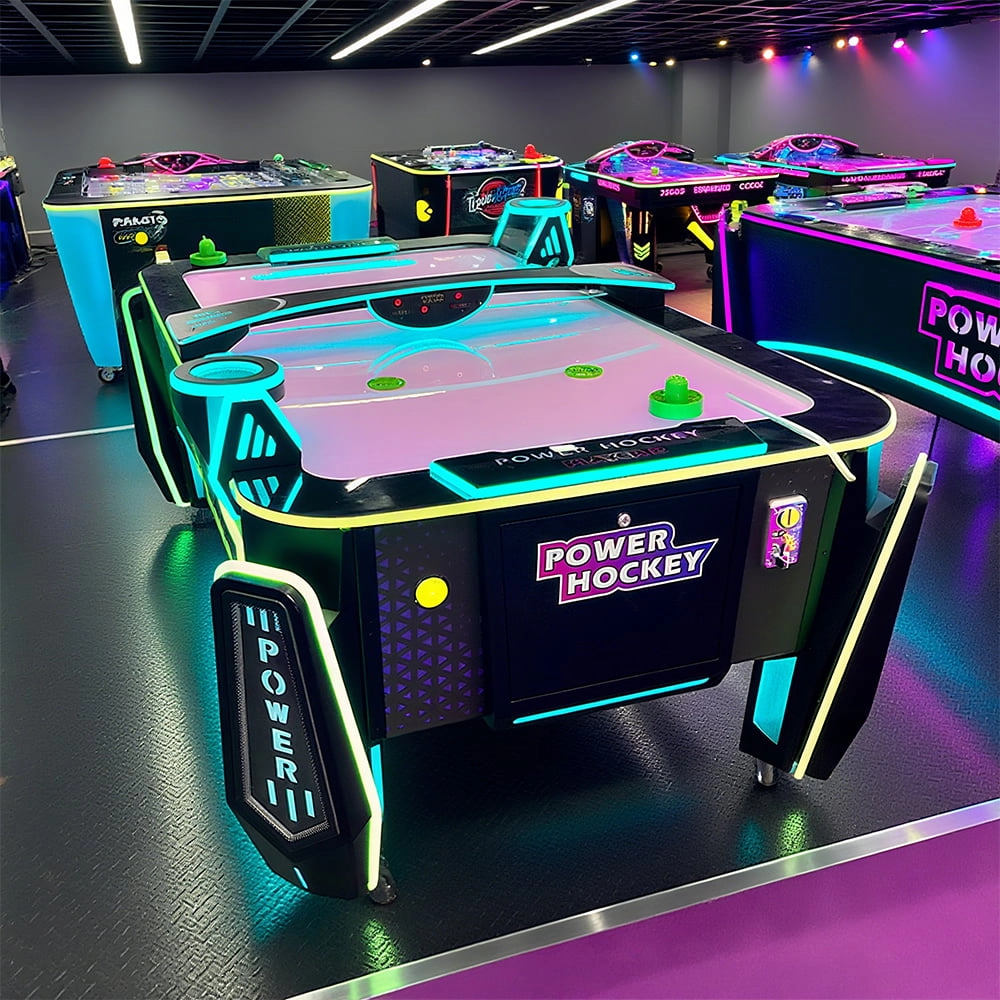
Arcade Hockey
FUNTECH is full of fun and exciting playgrounds! Air hockey, also known as air hockey, is a two-player competitive arcade game comprising a smooth, perforated playing surface, lightweight hockey sticks, a plastic puck, and an electronic scoreboard.
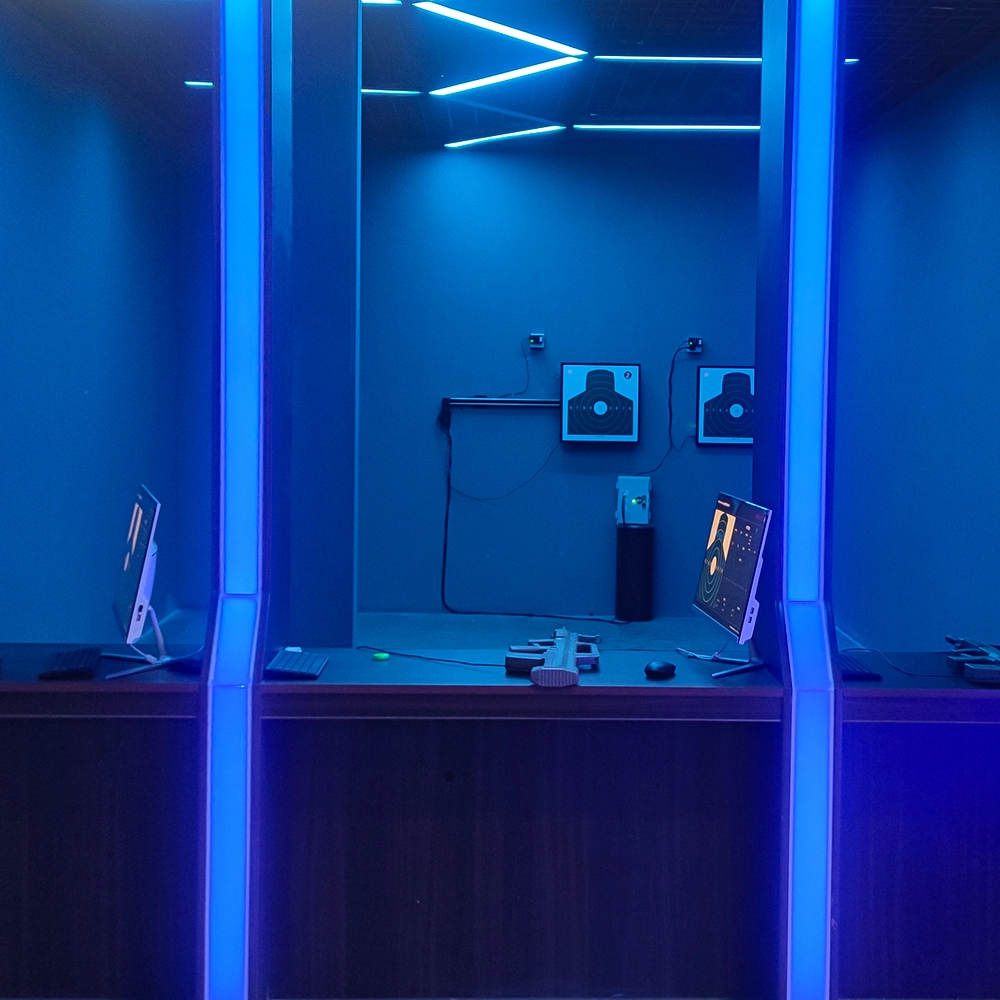
Infrared Shooting
Highly simulated simulation training analysis equipment, with advanced design concepts, fast system development, ease of operation and use, stable technical performance, less consumption of training, site dependence on a small group training is highly interesting, safe, and reliable, and other outstanding features. Product design to solve the basic skills of light weapons precision shooting as a starting point, to improve the safety of shooting training and training efficiency as the fundamental purpose, highlighting the simulation, information technology, and combat training requirements, can be in small indoor and outdoor venues and does not use live ammunition to complete the basic shooting training.
© 2025 FUNTECH ALL RIGHTS RESERVED

Weixia Lei
Fun_Tech-s
fun_tech20