
Safety Standards and Compliance for Shooting Arcade Machines
- Mechanical Design, Materials and Player Safety
- Structural integrity and material selection
- Projectile management and impact mitigation
- Ergonomics, accessibility and human factors
- Electrical, EMC and Fire Safety Compliance
- Electrical protection, grounding and wiring practices
- EMC, audio/visual interference and power-line harmonics
- Fire safety, overheating and battery management
- Software, Networking and Cybersecurity Measures
- Software reliability and firmware update practices
- Data protection, privacy and connected gameplay
- Fair play, anti-tamper and fatigue prevention
- Testing, Certification and Operational Best Practices
- Type testing, factory QA, and routine inspections
- Applicable standards and certification landscape
- Operator training, signage and emergency procedures
- Practical Compliance Checklist and Maintenance Schedule
- Pre-delivery and installation checklist
- Recommended inspection and maintenance cadence
- FAQ — Safety Standards and Compliance for Shooting Arcade Machines
- Q: What are the most important standards for a shooting arcade machine?
- Q: Does a Multi-Player Interactive Shooting Machine need network security controls?
- Q: How can venue operators reduce the risk of player injury?
- Q: What testing should manufacturers perform before shipping?
- Q: Are there environmental concerns to consider?

This article provides a practical, standards-driven overview of safety and compliance for shooting arcade machines — including Multi-Player Interactive Shooting Machine systems — suitable for manufacturers, operators, and venue safety officers. It highlights mechanical design controls, electrical and EMC requirements, software and cybersecurity considerations, testing procedures, and documentation that support regulatory compliance across jurisdictions. The guidance references internationally recognized standards and agencies to help ensure machines meet industry expectations for player safety, fair play, and reliability.
Product snapshot:
Joy Power is full of fun and exciting playgrounds! The basketball shooting machine is a classic amusement device integrating competition, entertainment, and interactivity. Based on the traditional basketball shooting sport, it integrates electronic scoring, sound and light effects, and challenge mechanisms to bring players an immersive game experience. The main body of the equipment is usually built with a metal frame, equipped with a standard-sized basket and a sturdy rim, with multiple sets of sensors to accurately capture the trajectory of the shot; when the player shoots the ball, the machine's built-in sensors count the score in real time and present the score, remaining time, and challenge goals through the LED display or LCD screen, with exciting sound effects and colorful lights to create a tense and exciting gaming atmosphere.
Mechanical Design, Materials and Player Safety
Structural integrity and material selection
For any shooting arcade machine — from single-player basketball rigs to a Multi-Player Interactive Shooting Machine — structural design must prevent collapse, sharp edges, entrapment, and pinch points. Use corrosion-resistant metals or properly treated steel frames and rounded fasteners. Panels and enclosures that players contact should be impact-tested and have smooth radiuses to reduce cut risk. When selecting materials, verify flame retardancy and surface finish for reduced injury and fire propagation risk.
Projectile management and impact mitigation
Shooting arcade machines involve projectiles (balls, foam darts, laser pointers in SED-type shooters). Mechanical and operational design must limit risk from projectiles leaving the play area or striking bystanders. For kinetic projectiles, employ containment nets, angled backboards, and soft impact surfaces. For laser or infrared-based systems, ensure emission levels comply with laser safety classifications and are eye-safe. Use warnings and physical barriers where needed to prevent accidental outside exposure.
Ergonomics, accessibility and human factors
Design player interfaces (gun handles, baskets, triggers, buttons) to fit a range of ages and abilities. Ensure comfortable reach distances, non-slip grip surfaces, and reasonable force requirements, reducing fatigue and repetitive strain. Follow guidance similar to accessible design standards to allow inclusive play while maintaining safety. Signage should communicate age, height, and health restrictions clearly at entry and on the cabinet.
Electrical, EMC and Fire Safety Compliance
Electrical protection, grounding and wiring practices
Arcade machines are electrical appliances that must meet international and national electrical safety requirements. Use appropriately rated wiring, circuit protection (fuses or circuit breakers), and proper grounding. Insulate low-voltage control circuits and separate them from mains components. For guidance on machine safety and risk assessment for mechanical and electrical hazards, consult ISO 12100 on machinery safety (ISO 12100).
EMC, audio/visual interference and power-line harmonics
Machines with network connectivity, wireless modules, LED displays, and audio amplifiers must pass electromagnetic compatibility (EMC) requirements to avoid interference with medical devices or building systems. Use EMC filtering and shielding and verify compliance with IEC and regional EMC rules. The International Electrotechnical Commission provides guidance on electrical and EMC standards (IEC).
Fire safety, overheating and battery management
Power supplies, transformers, and battery packs (if applicable) should include thermal cutouts and overcurrent protection. Enclosures must vent heat and prevent accumulation of flammable materials. For machines using onboard batteries (e.g., for portable interactive units), follow manufacturer battery safety instructions and certification schemes such as UN 38.3 for transport and appropriate UL or IEC battery standards.
Software, Networking and Cybersecurity Measures
Software reliability and firmware update practices
Modern shooting arcade machines increasingly rely on embedded firmware and cloud connectivity for scoring, leaderboards, and multiple-player synchronization. Implement robust update mechanisms with digital signatures to prevent unauthorized firmware. Maintain a rollback plan and test updates in staging to avoid bricking machines during field updates.
Data protection, privacy and connected gameplay
If a Multi-Player Interactive Shooting Machine collects personal data (names, emails, payment tokens), comply with data protection laws like GDPR or regional equivalents. Limit data collection to what is necessary, encrypt sensitive data in transit and at rest, and provide clear privacy notices to players. For networked play, segment gaming traffic from management networks to reduce attack surface.
Fair play, anti-tamper and fatigue prevention
Design systems to detect tampering and cheating (sensor spoofing or mechanical modification). Employ tamper-evident seals on critical components and monitor diagnostics for anomalies. For intense gameplay sessions, build timers and soft-lock mechanisms to prompt players to rest, reducing fatigue-related incidents in public arcades.
Testing, Certification and Operational Best Practices
Type testing, factory QA, and routine inspections
Before market release, subject the shooting arcade machine to prototype testing: mechanical load tests, drop tests, electrical safety tests, EMC testing, and software acceptance tests. Establish a factory QA checklist covering torque specs, connectors, and sensor calibration. For on-site operation, instituting daily or weekly checks (fasteners, cable chafing, display operation, safety barriers) reduces incidents.
Applicable standards and certification landscape
While arcade machines are a specialized category, several standards and organizations are commonly referenced for safety and compliance. Below is a concise comparison of relevant standards and organizations:
| Organization / Standard | Relevance | Typical Applicability |
|---|---|---|
| ISO 12100 | Machinery safety & risk assessment | Risk assessment and design safeguards for moving parts |
| IEC (Electrical / EMC) | Electrical safety & EMC standards | Electrical safety testing, EMC/EMI compliance |
| UL | North American safety certification | Component listing and product safety marking (UL/CSA) |
| ASTM | Material, impact and safety testing | Material specs and test methods for amusement devices |
| Industry context (Wikipedia) | Background on arcade types and use-cases | Contextual research and market understanding |
Depending on the target market, pursue national marks (CE in EU, UL/ETL in North America, CCC in China) and ensure you maintain a technical file documenting risk assessments, test reports, and user instructions.
Operator training, signage and emergency procedures
Venue operators play a key role in day-to-day safety. Provide operator manuals and training on safe operation, emergency shutdown, and first aid. Post clear signage on age and health restrictions, user instructions, emergency stop location, and contact info. Routine staff checks should include sensor calibration, net integrity, and emergency stop functionality.
Practical Compliance Checklist and Maintenance Schedule
Pre-delivery and installation checklist
- Complete risk assessment and attached mitigation measures per ISO 12100.
- Pass electrical safety and EMC tests; retain certificates and reports.
- Install tamper-evident covers on critical electronics; perform functional test logs.
- Supply clear user manual, warning labels, and maintenance schedule.
Recommended inspection and maintenance cadence
Below is a suggested schedule for venue operators to maintain a safe shooting arcade machine environment:
| Interval | Key Activities |
|---|---|
| Daily | Visual inspection, emergency stop test, display function check |
| Weekly | Sensor calibration check, fastener torque spot-check, net integrity |
| Quarterly | Detailed electrical inspection, software update review, battery health (if present) |
| Annually | Full functional test, EMC verification if environment changed, third-party inspection where required |
FAQ — Safety Standards and Compliance for Shooting Arcade Machines
Q: What are the most important standards for a shooting arcade machine?
A: The most relevant standards are those that address machinery safety (ISO 12100), electrical safety and EMC (IEC/region-specific equivalents), and local product safety marks (CE, UL/ETL). ASTM and other industry test methods can guide materials and impact testing.
Q: Does a Multi-Player Interactive Shooting Machine need network security controls?
A: Yes. If the device connects to networks, it must have secure update mechanisms, encrypted communications, and privacy protections to comply with data regulations. Network segmentation and minimal data collection reduce risk.
Q: How can venue operators reduce the risk of player injury?
A: Enforce age/height recommendations, perform daily inspections, maintain clear signage, and ensure emergency stops are accessible. Regular staff training and adherence to the maintenance schedule dramatically reduce risk.
Q: What testing should manufacturers perform before shipping?
A: Perform mechanical load and durability testing, electrical safety (insulation, grounding), EMC testing, software stability testing, and user-interface stress tests. Keep detailed test reports and a technical file for certification bodies.
Q: Are there environmental concerns to consider?
A: Yes. Machines in outdoor or high-humidity venues require weatherproofing, corrosion resistance, and additional ingress protection (IP) ratings for electronics. Ensure ventilation and temperature controls for indoor units to avoid overheating.
For additional technical resources and standards, consult the organizations linked above: ISO (ISO 12100), IEC (IEC), UL (UL), and ASTM (ASTM). For industry context, see Arcade game (Wikipedia).
If you would like to explore certified Multi-Player Interactive Shooting Machine models, request specifications, or schedule factory acceptance tests, contact our sales and technical team today. Visit our product page or reach out to customer service to arrange a demo and obtain compliance documentation.
Contact / View Product: To see the Multi-Player Interactive Shooting Machine or request safety documentation, please contact our sales team or visit the product page for datasheets, certifications, and order information.
Best Bar Dart Machine Deals from Trusted Sellers
OEM/ODM electronic dart machine Manufacturers and Suppliers
Custom dart board machine Manufacturers and Suppliers
Why choose FUNTECH as your golf simulator dallas supplier
Dart Machines Bar Dart Machines
What is the difference between purchasing equipment for commercial operations and personal training?
Commercial operations should consider the durability, ease of operation, and attractiveness of the equipment, and it is preferable to choose cool-looking equipment that can withstand high-frequency use.
Infrared Shooting
What is the difference between purchasing equipment for commercial operations and personal training?
Commercial operations should consider the durability, ease of operation, and attractiveness of the equipment, and it is preferable to choose cool-looking equipment that can withstand high-frequency use.
Products
What are the after-sales services after purchasing the equipment?
Generally, a 1-year warranty is provided. During the warranty period, parts damaged due to quality problems, such as motor failure, display problems, etc., will be repaired or replaced free of charge. There will also be technical support, including equipment installation and debugging guidance, operation training, to ensure the smooth use of the user, after-sales response time is usually within 24 - 48 hours.
Golf Simulator
How often does simulated golf equipment require maintenance?
For daily use, simple monthly maintenance is sufficient, such as a simple cosmetic cleaning and function check after use. Quarterly maintenance can be more comprehensive.
FAQ
What problems does the Digital Sports Center solve?
The Digital Sports Trendy Pavilion provides people with an innovative experience place that combines technology and sports, solving some problems existing in traditional sports activities and amusement facilities, while also meeting modern people's needs for digital technology and dynamic experience.
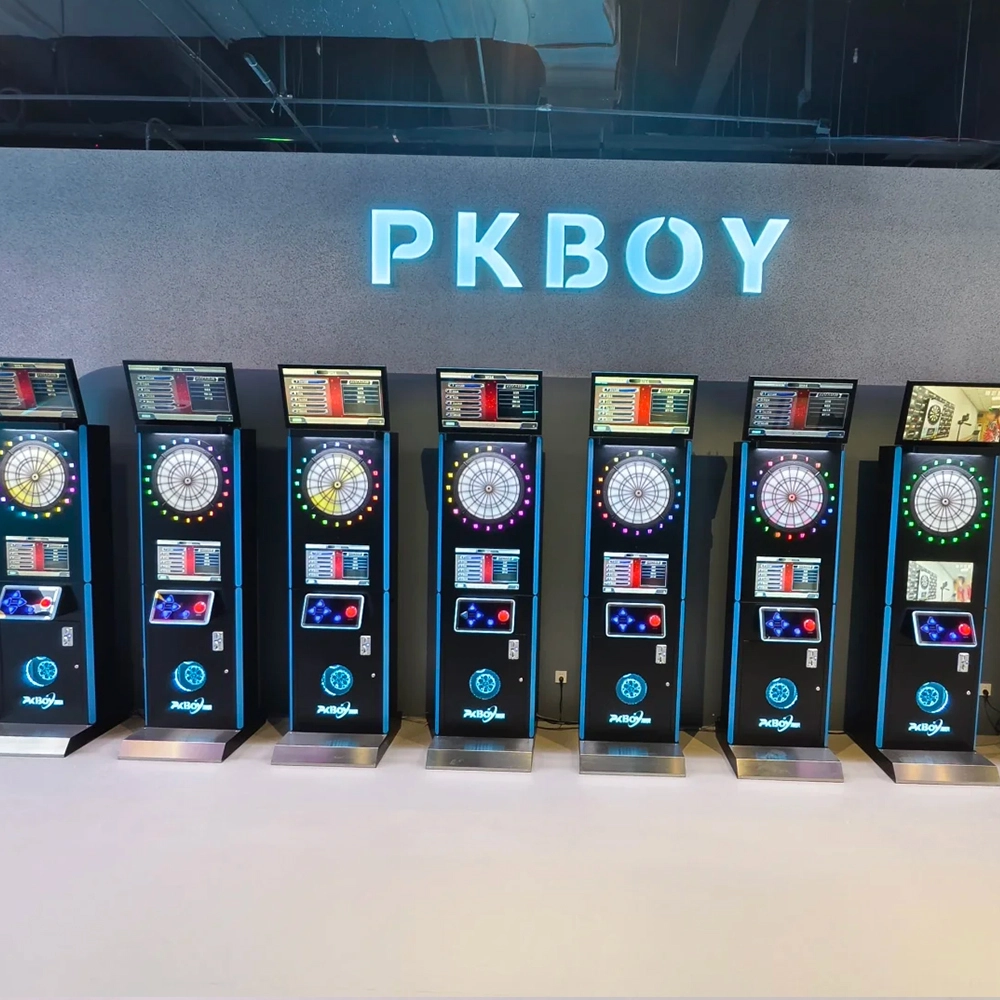
Dart Machines Bar Dart Machines
Joy Power is full of fun and excitement in the playground! The dart machine is suitable for all kinds of places, whether it is a bar, restaurant, KTV, or other entertainment venue, or a sports shop, club, or family leisure space, and can be perfectly adapted. In commercial venues, holding individual and team darts tournaments from time to time can attract more customers and increase the popularity and revenue of the venue, supplemented by various preferential activities, which can directly promote consumption and form a cycle of consumption of all the goods in the shop.
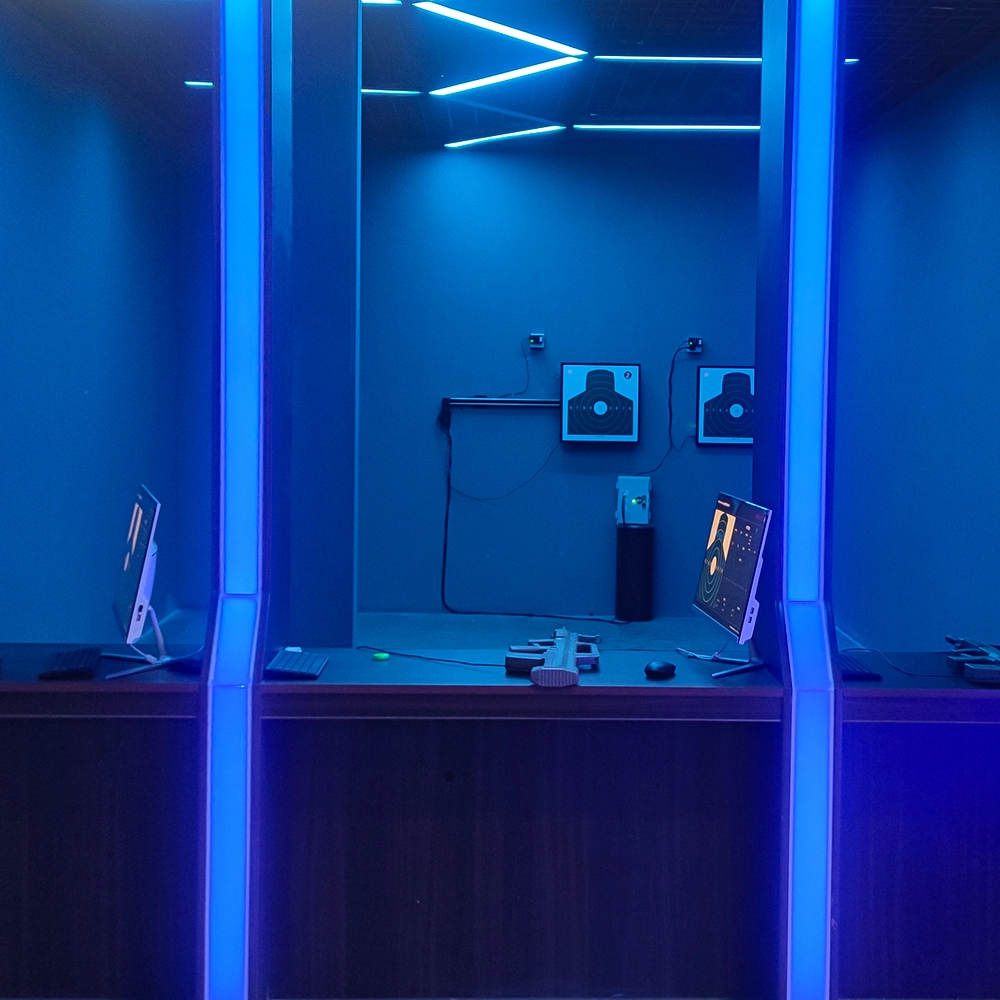
Infrared Shooting
Highly simulated simulation training analysis equipment, with advanced design concepts, fast system development, ease of operation and use, stable technical performance, less consumption of training, site dependence on a small group training is highly interesting, safe, and reliable, and other outstanding features. Product design to solve the basic skills of light weapons precision shooting as a starting point, to improve the safety of shooting training and training efficiency as the fundamental purpose, highlighting the simulation, information technology, and combat training requirements, can be in small indoor and outdoor venues and does not use live ammunition to complete the basic shooting training.
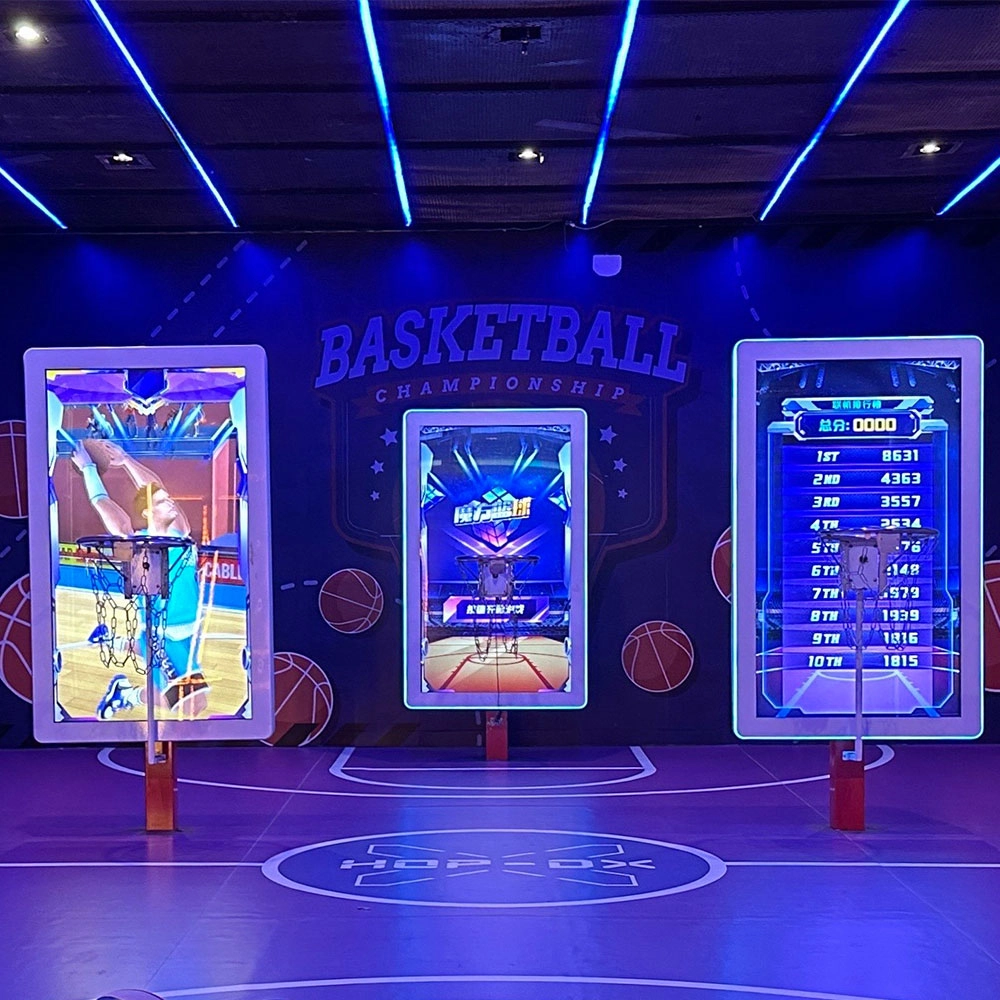
Multi-Player Interactive Shooting Machine
Joy Power is full of fun and exciting playgrounds! The basketball shooting machine is a classic amusement device integrating competition, entertainment, and interactivity. Based on the traditional basketball shooting sport, it integrates electronic scoring, sound and light effects, and challenge mechanisms to bring players an immersive game experience. The main body of the equipment is usually built with a metal frame, equipped with a standard-sized basket and a sturdy rim, with multiple sets of sensors to accurately capture the trajectory of the shot; when the player shoots the ball, the machine's built-in sensors count the score in real time and present the score, remaining time, and challenge goals through the LED display or LCD screen, with exciting sound effects and colorful lights to create a tense and exciting gaming atmosphere.
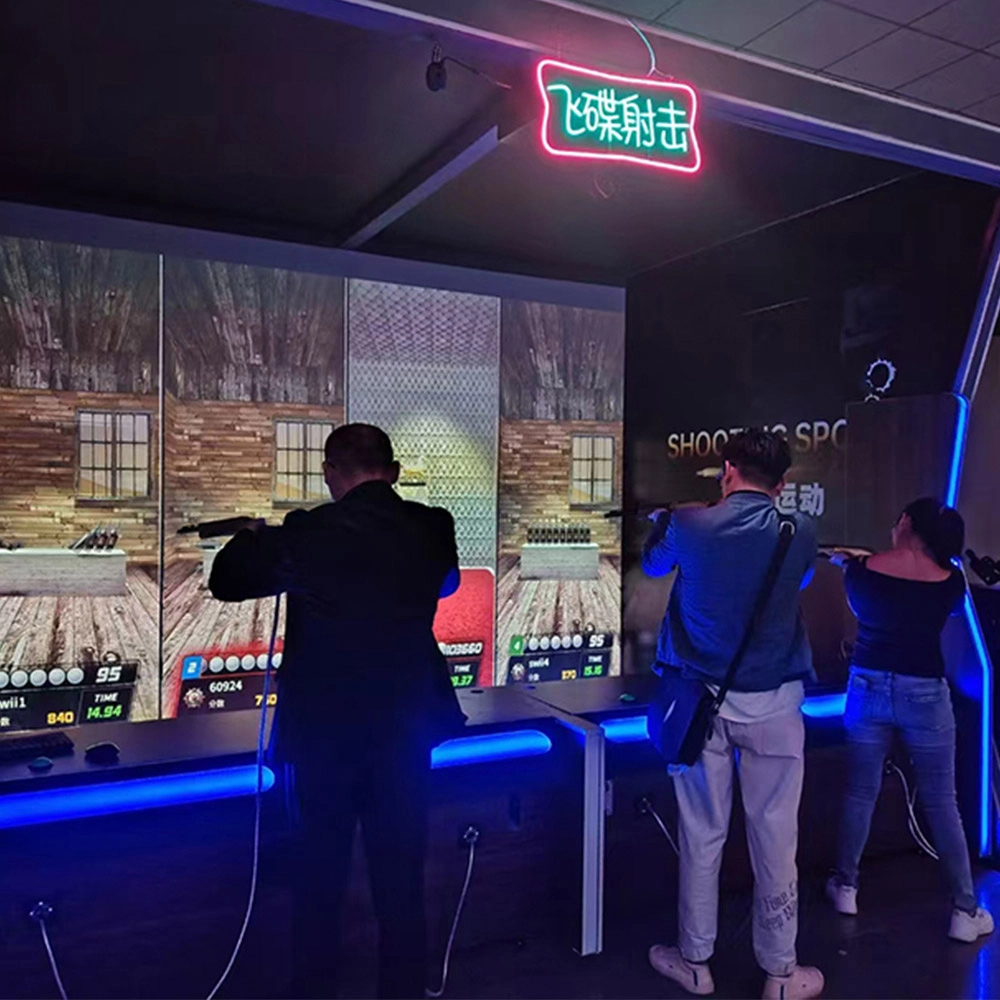
Indoor Wave Play Disc Shooting Equipment
Joy Power is full of fun and exciting playgrounds! The saucer shooting equipment in the indoor hip play hall is an immersive entertainment device integrating high-definition projection scenes, simulated air rifles, and multi-mode interactive gameplay, which allows players to experience the excitement of virtual shooting and the fun of social competition through laser-sensing scoring and multi-sensory feedback.
© 2025 FUNTECH ALL RIGHTS RESERVED

Weixia Lei
Fun_Tech-s
fun_tech20