
Selecting the Right Screen, Controls, and Sound for Shooting Arcades
- Display considerations: match technology to environment and gameplay
- Choosing the right screen technology
- Key display specs that matter
- Screen layout and UI placement for accuracy
- Controls and input: balance realism, durability, and accessibility
- Gun types and sensors
- Mechanical controls and auxiliary inputs
- Latency, calibration, and multiplayer synchronization
- Sound systems: designing audio for immersion and safety
- Choosing speakers and amplification
- Volume management and hearing safety
- Directional audio and voice prompts for gameplay
- Design trade-offs and practical deployment concerns
- Durability and maintenance planning
- Accessibility, hygiene, and ADA compliance
- Installation, power, and environmental factors
- How the Multi-Player Interactive Shooting Machine integrates screens, controls, and sound
- Product overview
- Why integrated systems matter
- Scalability and customization
- Comparative guidance: screen, controls, and sound options
- Quick comparison table
- Interpreting the table
- Evidence and standards to support design decisions
- Industry guidance and ergonomics
- Audio and immersive experience research
- Context on arcade history and technology
- FAQ
- Q: What display type is best for a busy indoor arcade?
- Q: Are wireless guns reliable for multiplayer setups?
- Q: How loud should a shooting arcade machine be?
- Q: How often should I calibrate displays and controls?
- Q: Is the Multi-Player Interactive Shooting Machine suitable for family entertainment centers?
Choosing the right combination of screen, controls, and sound is critical when designing or purchasing a shooting arcade machine. These elements determine player immersion, accuracy, accessibility, durability, and operational costs. This guide explains practical factors—display technologies, input types, audio systems, latency and synchronization, hygiene and safety, and maintenance—so you can match your Multi-Player Interactive Shooting Machine to your venue and audience while meeting industry safety and ergonomic expectations. References to industry guidance and standards are provided to support decisions and ensure long-term success.
Display considerations: match technology to environment and gameplay
Choosing the right screen technology
The display is often the first impression players get from a shooting arcade machine. Common options include commercial-grade LCD/LED panels, high-brightness outdoor LED modules, and OLED panels for deep contrast. For indoor arcades, a commercial-grade LED-backlit LCD (often labeled “commercial LCD”) balances cost and durability. OLED offers superior contrast and viewing angles but tends to cost more and can be susceptible to burn-in if static UI elements remain on-screen. For semi-outdoor or very bright venues, choose high-brightness (≥1,000 nits) LED panels or direct-view LED walls to combat ambient light.
Key display specs that matter
- Refresh rate: 60–120 Hz. Higher refresh rates reduce motion blur and improve perceived responsiveness—important for fast-target acquisition.
- Response time: aim for ≤8 ms grey-to-grey for crisp projectile motion.
- Brightness and contrast: ensure readability under arcade lighting—higher brightness and good contrast are critical.
- Viewing angle: wide viewing angles (≥178°) keep the display readable for multiple players along the cabinet front.
- Durability and serviceability: commercial displays often support longer runtimes and easier part replacement than consumer TVs.
Screen layout and UI placement for accuracy
Place critical HUD elements (score, timer, crosshair, objective) where they don't occlude target visuals and minimize eye movement between gameplay and telemetry. For multiplayer setups with side-by-side displays, staggered angles or slight curvature can help each player maintain an optimal viewing position without obstructing others. For head-tracked or projector-based systems, calibrate parallax and alignment frequently to maintain shot accuracy.
Controls and input: balance realism, durability, and accessibility
Gun types and sensors
Light guns, infrared aimers, and sensor-based projectile systems are common choices for a shooting arcade machine. Modern solutions use infrared markers and camera-tracking or inertial measurement units (IMUs) to track aim with low latency. For the Multi-Player Interactive Shooting Machine, robust, ergonomic gun controllers with reinforced mounts and anti-theft fittings are preferred in high-traffic venues.
Mechanical controls and auxiliary inputs
Besides guns, you’ll often include start buttons, reload buttons, and physical dials or joysticks for menu navigation. Choose industrial-grade switches rated for millions of cycles and weather-resistant housings if the machine faces heavy use. Consider touch buttons with haptic confirmation for a modern feel, but ensure they are responsive under various lighting conditions and cleanable for hygiene.
Latency, calibration, and multiplayer synchronization
Input latency is the enemy of perceived accuracy. Measure round-trip latency (controller-to-screen feedback) and target total input latency under 50 ms for competitive-feeling gameplay. For multiplayer interaction, ensure frame synchronization across displays to avoid hits and misses being processed differently on each client. Use wired connections where possible for critical signals; where wireless is required (e.g., for detachable guns), choose low-latency protocols and redundant pairing logic to prevent desyncs.
Sound systems: designing audio for immersion and safety
Choosing speakers and amplification
Sound enhances the tension and rewards in a shooting arcade machine. A good audio system has clear midrange for voice prompts, punchy low end for impactful events, and controlled high frequencies for clarity. For cabinet installations, consider a two- or three-way speaker system with a dedicated subwoofer for low-frequency hits. Use a small DSP (digital signal processor) to manage EQ, limiters, and zone-level constraints to protect hearing and comply with venue noise rules.
Volume management and hearing safety
Arcades often enforce local noise limits. Implement hardware or software-based volume ceilings, timed volume attenuation, and emergency mute controls. Incorporate dynamic range compression to keep sound impactful without peaks that could be uncomfortable for players or staff. Consult IAAPA guidelines on occupant safety and best practices: IAAPA.
Directional audio and voice prompts for gameplay
Directional speakers or stereo imaging helps players localize targets and react faster. Simple stereo left-right panning usually suffices, but for high-end installations, consider 3D audio techniques or binaural processing for headset-enabled experiences. Use clear voice prompts to guide player flow—score announcements, time warnings, and mission cues—synchronized precisely with on-screen events to avoid cognitive dissonance.
Design trade-offs and practical deployment concerns
Durability and maintenance planning
High-use environments demand rugged components and predictable service intervals. Opt for commercial-grade displays and IP-rated enclosures for controls. Maintain spare parts for high-failure items (power supplies, button assemblies, speakers), and design the cabinet for fast field repair—accessible panels, modular wiring, and standardized connectors reduce downtime. Keep a service log and preventative maintenance schedule to extend lifecycle.
Accessibility, hygiene, and ADA compliance
Make controls reachable from seated positions and consider alternate input methods for players with limited mobility. Provide clear visual cues and adjustable difficulty settings. In light of health concerns, choose surfaces that tolerate frequent cleaning and disinfecting; avoid porous materials on high-touch areas. Follow local accessibility regulations and consult standards where applicable (for general ergonomics, see ISO).
Installation, power, and environmental factors
Plan for proper ventilation and thermal management—powerful audio and bright displays generate heat. Ensure stable power with surge protection and UPS options for critical cabinets to prevent data corruption during outages. For multi-machine installations, account for network bandwidth if leaderboards or cloud sync are used.
How the Multi-Player Interactive Shooting Machine integrates screens, controls, and sound
Product overview
Multi-Player Interactive Shooting Machine is designed to blend competitive play with immersive audiovisual feedback. It supports multiple players, robust scoring, and synchronized experiences that boost dwell time and repeat plays. Below is the official product description:
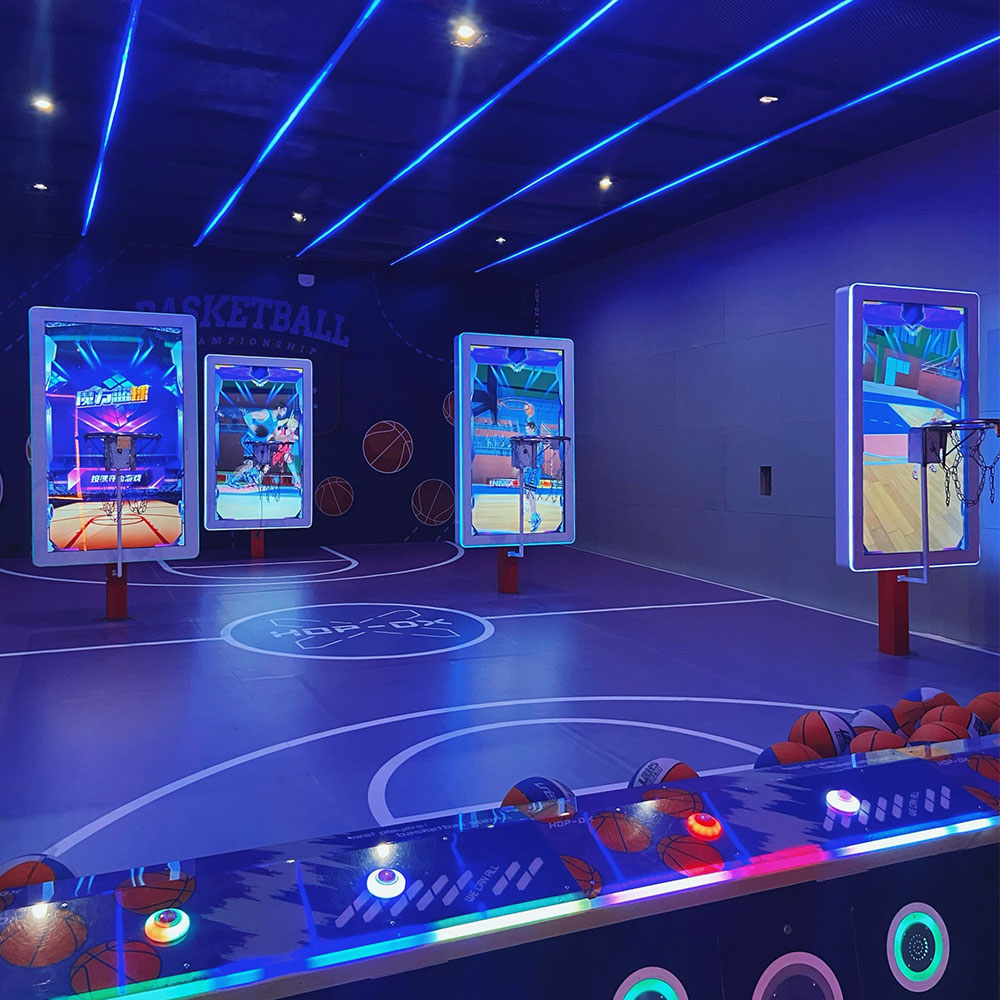
Joy Power is full of fun and exciting playgrounds! The basketball shooting machine is a classic amusement device integrating competition, entertainment, and interactivity. Based on the traditional basketball shooting sport, it integrates electronic scoring, sound and light effects, and challenge mechanisms to bring players an immersive game experience. The main body of the equipment is usually built with a metal frame, equipped with a standard-sized basket and a sturdy rim, with multiple sets of sensors to accurately capture the trajectory of the shot; when the player shoots the ball, the machine's built-in sensors count the score in real time and present the score, remaining time, and challenge goals through the LED display or LCD screen, with exciting sound effects and colorful lights to create a tense and exciting gaming atmosphere.
Why integrated systems matter
Combining carefully selected screens, controls, and sound systems in the Multi-Player Interactive Shooting Machine creates consistent feedback loops: aiming, firing, hit confirmation, score display, and celebratory audio all need to be tightly coordinated. This synchronization is critical for accuracy and player satisfaction—poorly matched audio/visual cues reduce trust in the system and hurt repeat-play potential.
Scalability and customization
The machine supports modular upgrades: display up-sizes, control replacements, and sound package swaps. For venues targeting families or competitive players, adjust screen brightness, difficulty curves, and audio reinforcement to tune the experience. System-level APIs allow operators to integrate local leaderboards, remote monitoring, and telemetry for predictive maintenance.
Comparative guidance: screen, controls, and sound options
Quick comparison table
| Component | Option | Pros | Cons | Recommended use |
|---|---|---|---|---|
| Screen | Commercial LCD/LED | Cost-effective, durable, widely serviceable | Limited contrast vs OLED | Indoor arcades, general use |
| High-brightness LED | Excellent visibility in bright venues, long life | Higher cost, larger cabinets | Semi-outdoor, brightly lit spaces | |
| OLED | Best contrast and viewing angles | Risk of burn-in, higher cost | High Quality indoor installations | |
| Controls | Hard-mounted guns (wired) | Low latency, secure, durable | Limited mobility | High-traffic venues |
| Detachable guns (wireless) | Flexible play, modern feel | Battery/latency concerns | Family entertainment centers | |
| Touch/haptic buttons | Modern UI, easy to clean | Can be less tactile for accuracy | Menu navigation, secondary inputs | |
| Sound | Full-range powered speakers + subwoofer | Impactful, immersive | Requires enclosure and tuning | Main gameplay audio |
| Directional speakers | Localizes sound, reduces bleed | Higher cost, precise placement needed | Compact arcades, multi-machine floors | |
| Headset / personal audio | Very immersive, controlled volume | Hygiene concerns, maintenance | High Quality or private experiences |
Interpreting the table
Use this table to match choices to venue needs: prioritize durability and low-latency wired inputs in high-traffic venues; prioritize visibility and bright screens if ambient light is high; tune audio to be immersive but compliant with venue noise policies. If unsure, start with commercial LCD screens, hard-mounted guns, and a 2.1 speaker system with DSP—this combination balances cost, reliability, and player satisfaction.
Evidence and standards to support design decisions
Industry guidance and ergonomics
When planning user interfaces and hardware ergonomics, consult ergonomics research and international standards. For general ergonomics and human-centered design, ISO resources provide helpful frameworks: ISO. For amusement industry best practices and safety, IAAPA provides operator guidance and training resources: IAAPA.
Audio and immersive experience research
Sound design significantly influences player engagement. Professional audio organizations such as the Audio Engineering Society publish research and best practices that inform loudness management and system design: AES.
Context on arcade history and technology
For background on how arcade games evolved, including the role of cabinet design and input methods, refer to historical overviews like the Arcade Game article on Wikipedia: Arcade game — Wikipedia. For technology and standards organizations relevant to electronic systems and networking, see the IEEE: IEEE.
FAQ
Q: What display type is best for a busy indoor arcade?
A: Commercial-grade LED-backlit LCD panels typically offer the best value—they provide durability, good brightness, and long runtimes. Reserve OLED for High Quality cabinets where contrast is a selling point, and use high-brightness LED modules for brightly lit or semi-outdoor venues.
Q: Are wireless guns reliable for multiplayer setups?
A: Modern wireless guns can be reliable if they use low-latency protocols and robust pairing, but they do introduce battery management and potential interference. For high-throughput venues where uptime is critical, wired or hard-mounted guns are preferred.
Q: How loud should a shooting arcade machine be?
A: Keep peak levels impactful but controlled. Use DSP limiters and set a volume ceiling to comply with venue noise policies. Aim for an enjoyable level for players without causing discomfort for staff or nearby attractions—dynamic compression can help maintain perceived loudness while protecting hearing.
Q: How often should I calibrate displays and controls?
A: Perform visual calibration and input latency checks monthly in high-use venues, and after any repairs or software updates. Keep a maintenance log and schedule preventive checks every 3–6 months depending on usage intensity.
Q: Is the Multi-Player Interactive Shooting Machine suitable for family entertainment centers?
A: Yes. The Multi-Player Interactive Shooting Machine is designed for competitive and casual play, supports configurable difficulty, and offers modular options for screens, controls, and audio to fit family entertainment centers, arcades, and FEC operators.
If you’d like to learn more about integrating optimal screens, controls, and sound into your Multi-Player Interactive Shooting Machine or to request a demo, contact our sales team or view the product details. Contact us: sales@example.com — or visit our product page to request a quote and on-site assessment.
Best Golf Simulator for Driving Ranges 2026
Safety and Durability of Electronic Dart Machines
How to Calibrate an Electronic Dart Machine Quickly
Where to Buy indoor rock climbing wall
Football Simulator
Are there a lot of game modes in soccer simulation?
Very rich! There is a league mode which is exciting and can compete with players from all over the world, and there is also a leisure and fun game which is suitable for parents and children to share fun time, so as to satisfy the needs of different players.
Products
What is the difference between purchasing equipment for commercial operations and personal training?
Commercial operations should consider the durability, ease of operation and attractiveness of the equipment, it is appropriate to choose cool appearance, can withstand high-frequency use, such as the target car running hundreds of times a day, high-intensity models, and easy to operate, easy for customers to get started. Personal training is more focused on cost-effective, according to their own training needs to choose the right tension of the bow, the right speed of movement of the target car.
Dart Machines Bar Dart Machines
How to attract customers when operating the program in shopping malls?
Create a cool venue decoration style and incorporate trendy elements, such as fluorescent light strips and anime-themed murals. o Launch diversified marketing models such as parent-child packages and couple packages, combined with time-limited promotional activities, such as half-price experience in the first three days of opening, to attract different groups of people such as families and couples to stop by and participate.
Why are sports arcades a hot spot for investment?
The traditional entertainment market (e.g., arcade, KTV) has become less attractive to generations, while digital hip playgrounds integrating technology, sports, and socialization are more in line with young people's needs, and the market size has exceeded 50 billion in 2023, with an annual growth rate of more than 30%.
Infrared Shooting
How often does the equipment require maintenance?
For daily use, simple monthly maintenance, such as simple cosmetic cleaning and function checking after use, is sufficient. A more comprehensive quarterly maintenance is sufficient.
Indoor Tide Play Simulation Tennis Equipment
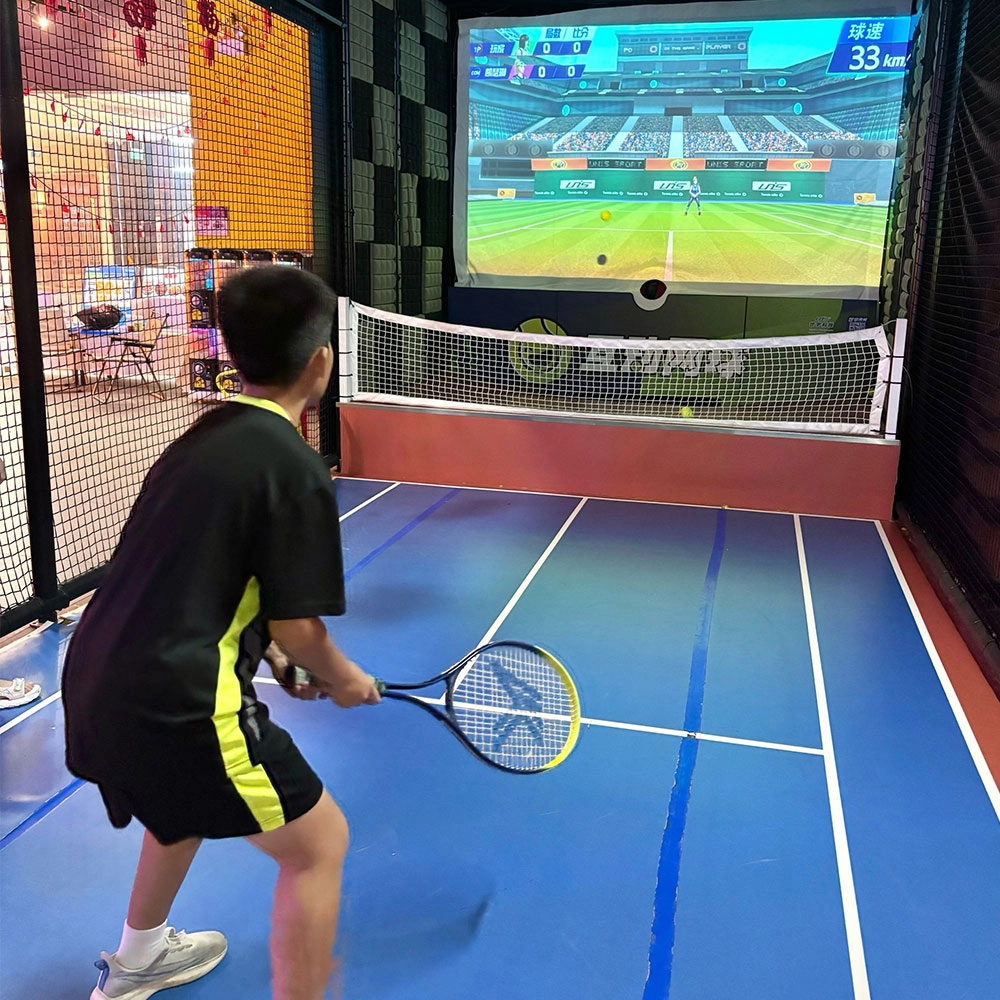
FUNTECH is full of fun and exciting playgrounds! With high-definition scene projection, force feedback racket, and intelligent scoring system, the simulated tennis equipment in the indoor arcade realizes immersive sports experiences and diversified interactive play, combining the advantages of safety and ease of use with high operational efficiency.
Dart Machines Bar Dart Machines
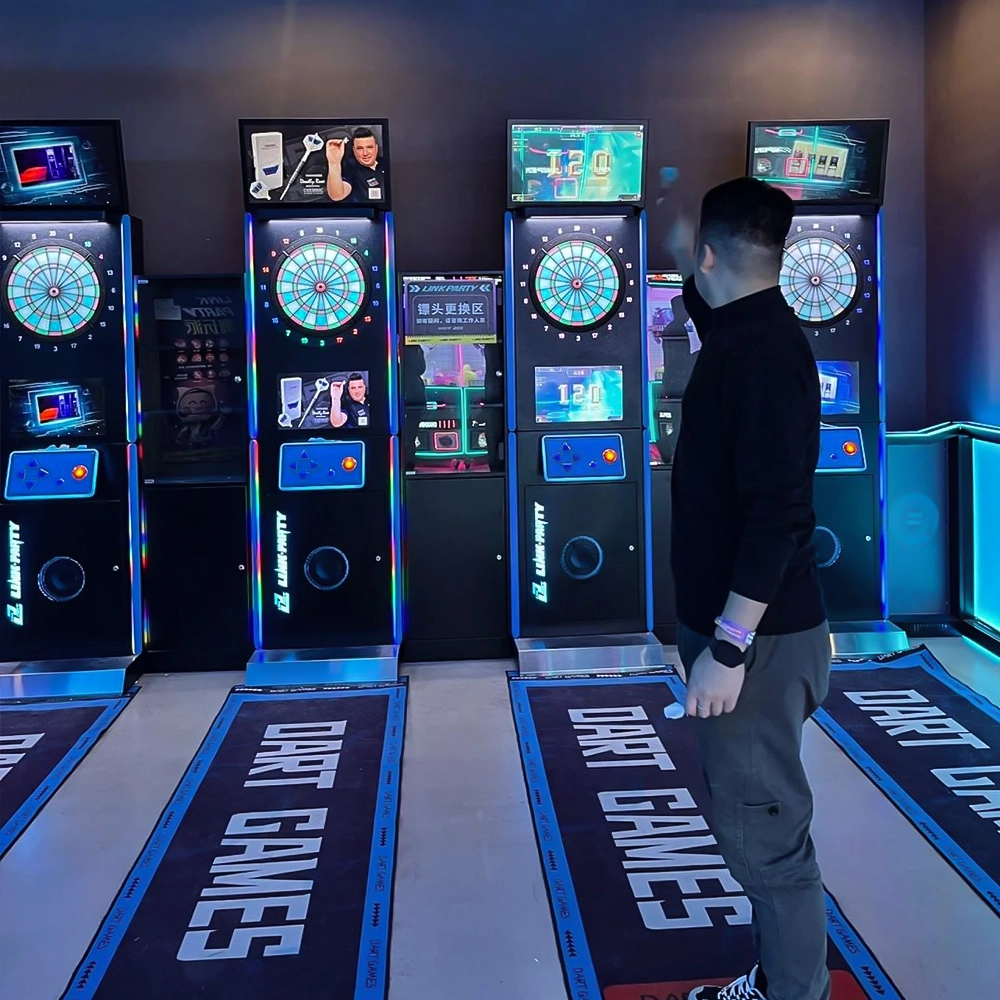
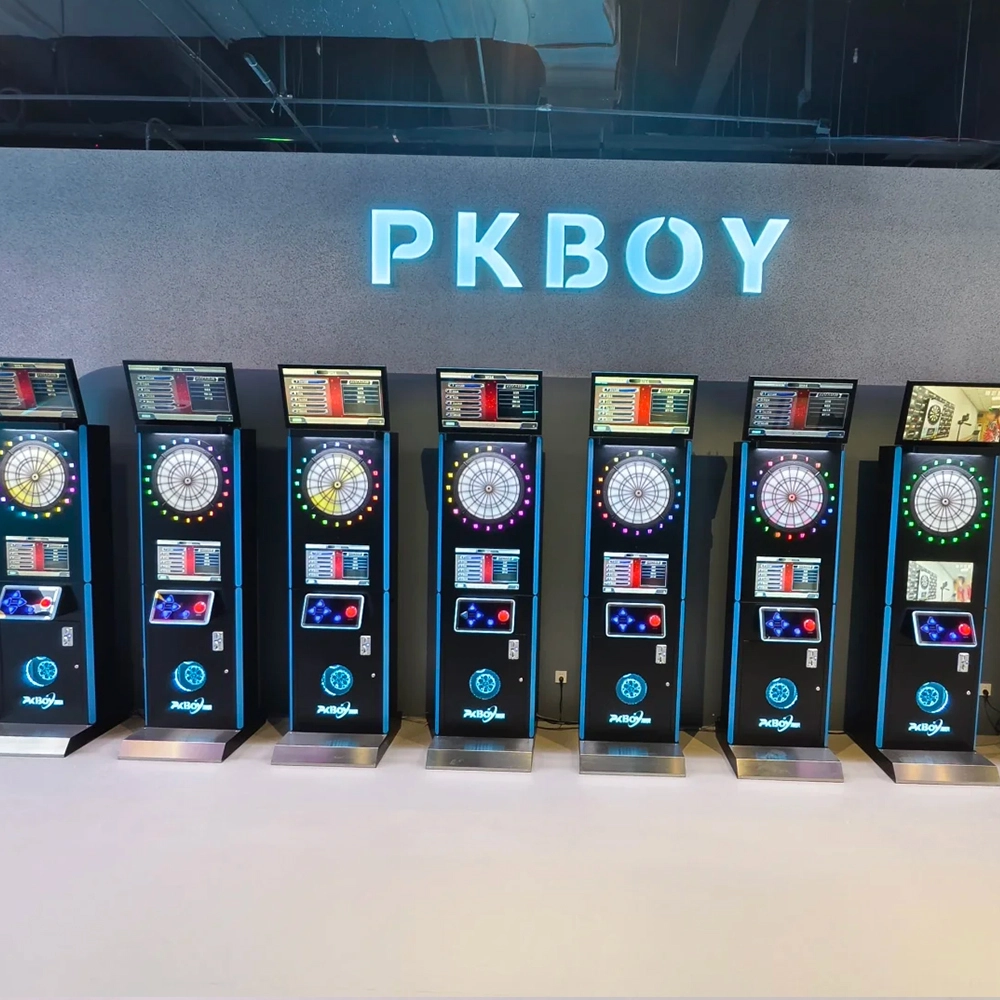
Joy Power is full of fun and excitement in the playground! The dart machine is suitable for all kinds of places, whether it is a bar, restaurant, KTV, or other entertainment venue, or a sports shop, club, or family leisure space, and can be perfectly adapted. In commercial venues, holding individual and team darts tournaments from time to time can attract more customers and increase the popularity and revenue of the venue, supplemented by various preferential activities, which can directly promote consumption and form a cycle of consumption of all the goods in the shop.
Arcade Hockey
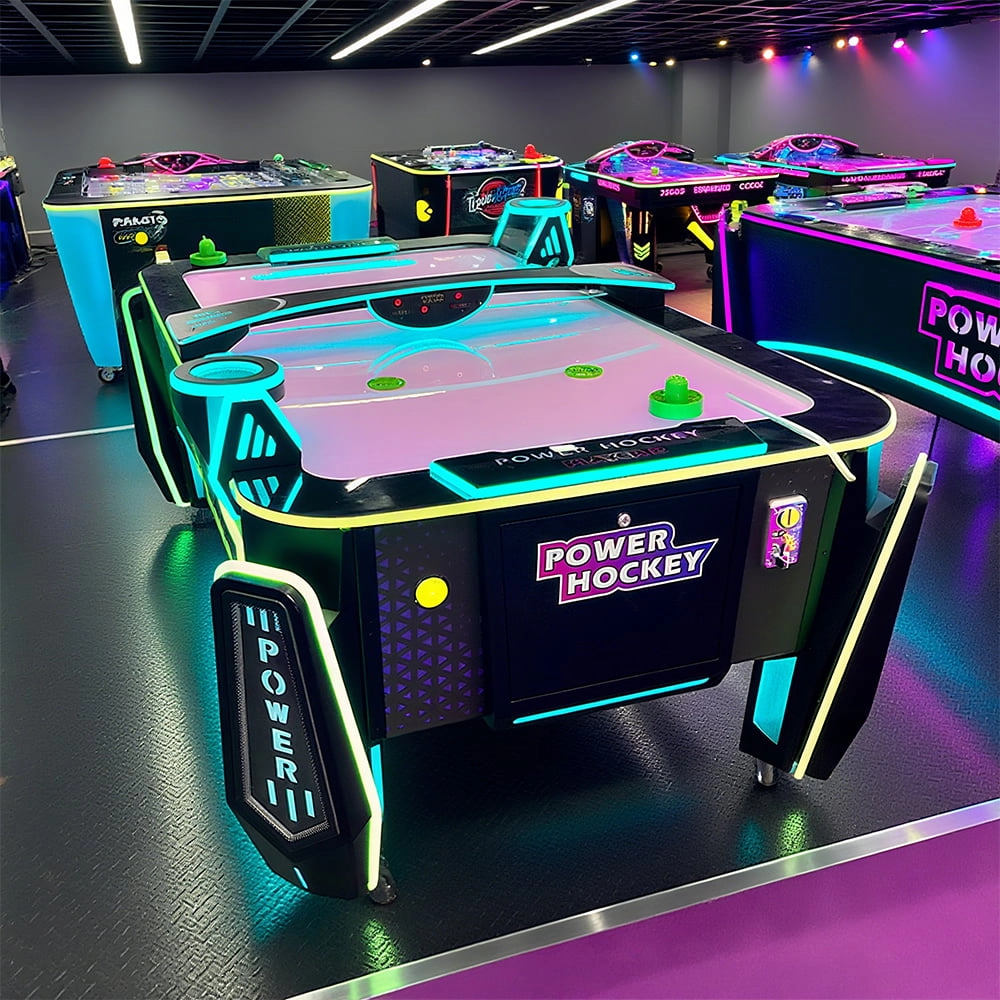
FUNTECH is full of fun and exciting playgrounds! Air hockey, also known as air hockey, is a two-player competitive arcade game comprising a smooth, perforated playing surface, lightweight hockey sticks, a plastic puck, and an electronic scoreboard.
Infrared Shooting
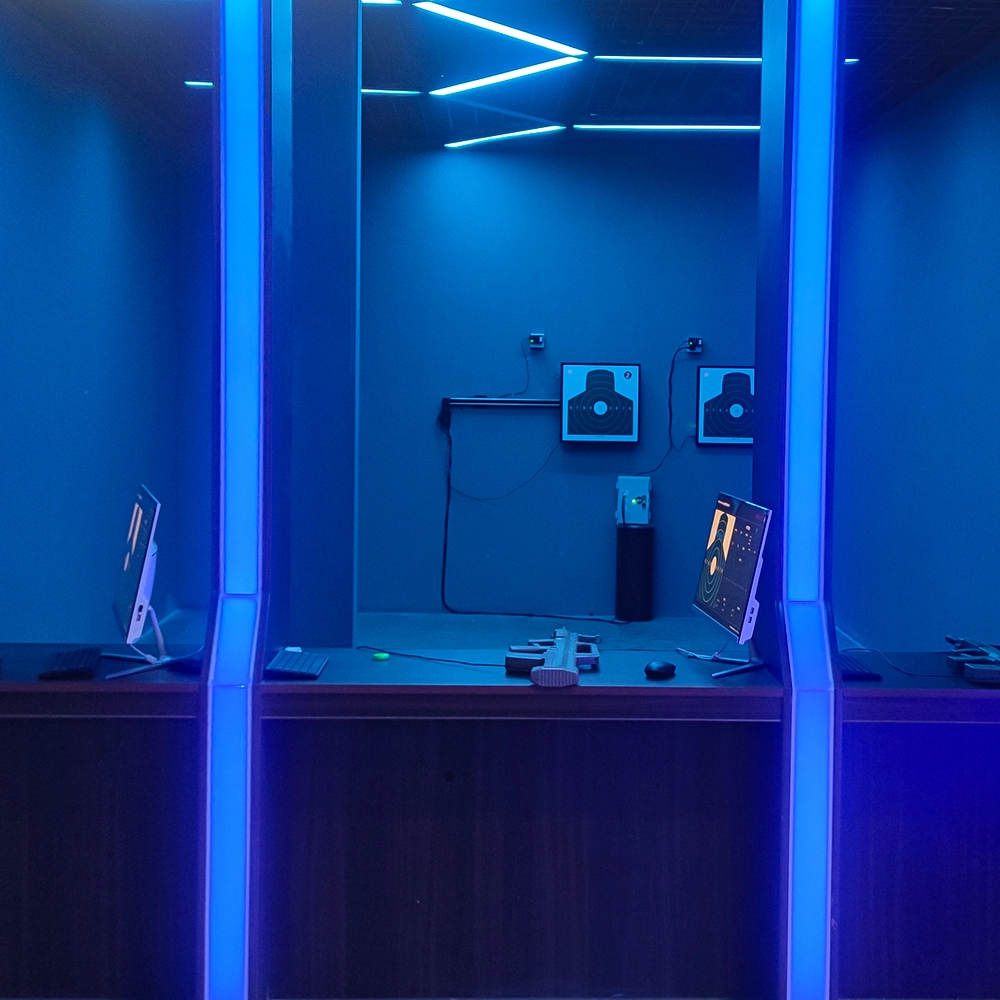
Highly simulated simulation training analysis equipment, with advanced design concepts, fast system development, ease of operation and use, stable technical performance, less consumption of training, site dependence on a small group training is highly interesting, safe, and reliable, and other outstanding features. Product design to solve the basic skills of light weapons precision shooting as a starting point, to improve the safety of shooting training and training efficiency as the fundamental purpose, highlighting the simulation, information technology, and combat training requirements, can be in small indoor and outdoor venues and does not use live ammunition to complete the basic shooting training.
© 2025 FUNTECH ALL RIGHTS RESERVED

Weixia Lei
Fun_Tech-s
fun_tech20