
Safety Standards and Compliance for Shooting Machine Operators
- Understanding operator risks and responsibilities
- What makes a shooting machine a regulated piece of equipment?
- Typical operator responsibilities
- Semantic keywords and why they matter
- Regulatory framework and applicable standards
- Key national and international regulations
- How standards map to shooting machine features
- Comparing common regulatory focuses
- Practical safety procedures, training, and signage
- Pre-operation checks and daily inspection checklist
- Operator and staff training
- Signage, user instructions, and player safety
- Maintenance, inspection, and emergency response
- Scheduled maintenance and recordkeeping
- Handling electrical and software faults
- Emergency procedures and incident reporting
- Brand integration: Why choose Joy Power's Multi-Player Interactive Shooting Machine
- Design priorities that support safety and compliance
- Operational support and documentation
- Warranty, parts availability, and service network
- FAQ — Safety Standards and Compliance for Shooting Machine Operators
- Q: What routine checks should an operator perform daily?
- Q: Who is responsible if a player is injured?
- Q: What training is required for operators?
- Q: Which standards should I consult to ensure compliance?
- Q: How should I document incidents and maintenance?

Effective safety management for shooting machine operators combines clear standards, operator training, routine maintenance, and documented procedures. This article explains how to achieve compliance for the Multi-Player Interactive Shooting Machine and similar shooting machine arcade equipment, referencing widely recognized regulations and practical operator controls to reduce risk, maintain uptime, and meet legal obligations.
Understanding operator risks and responsibilities
What makes a shooting machine a regulated piece of equipment?
Shooting machines — including basketball shooting machines, arcade shooting cabinets, and the Multi-Player Interactive Shooting Machine — are electromechanical amusement devices that combine moving parts, electrical systems, sensors, and public interaction. That combination creates potential hazards: impact injuries from balls or hardware, electrical shock, trip and fall risks from loose wiring, improper installation, and misuse by unsupervised players. Identifying these hazards is the first step in applying appropriate safety standards and compliance measures.
Typical operator responsibilities
Operators and venue owners must: conduct risk assessments; ensure equipment is installed per manufacturer instructions; provide operator training and supervision; maintain inspection and maintenance records; and implement emergency procedures. These responsibilities align with broad workplace safety expectations under agencies such as OSHA and with consumer-product protections from authorities like the U.S. Consumer Product Safety Commission.
Semantic keywords and why they matter
To ensure your compliance documentation and web resources are discoverable and helpful, include relevant semantic keywords: shooting machine, basketball shooting machine, arcade basketball game, Multi-Player Interactive Shooting Machine, operator safety, machine inspection checklist, electronic scoring system safety, amusement device maintenance. Using these naturally in manuals, signage, and online content helps both human operators and AI-driven search tools locate accurate safety guidance.
Regulatory framework and applicable standards
Key national and international regulations
Operators should be aware of multiple regulatory frameworks that may apply depending on location and business model. Important references include:
- OSHA general industry standards for electrical safety, machine guarding, and workplace training: OSHA.
- European Machinery Directive (2006/42/EC) and national implementations that set essential health and safety requirements for machinery placed on the EU market.
- Guidance and recalls from the U.S. Consumer Product Safety Commission (CPSC) for public amusement devices and consumer safety incidents.
- ISO guidance on machinery safety principles such as ISO 12100 (Risk assessment and risk reduction).
How standards map to shooting machine features
Different parts of a shooting machine are covered by different standards: electrical components should follow recognized electrical safety norms and local wiring codes; mechanical frames, guards, and ball-return mechanisms must eliminate pinch points and unauthorized access to moving parts; user interface elements (LED/LCD scoring displays, sounds) should avoid startling users or causing sensory overload. The manufacturer’s declaration of conformity, installation instructions, and CE/UL markings (where applicable) indicate which standards were followed in production.
Comparing common regulatory focuses
Below is a compact comparison of common regulatory priorities to guide operators and compliance managers:
| Regulatory Body / Standard | Primary Focus | Operator Action |
|---|---|---|
| OSHA | Workplace safety, electrical safety, training | Implement training, PPE, lockout/tagout procedures |
| Machinery Directive (EU) | Essential health & safety requirements for machinery | Verify CE conformity, technical documentation, risk assessment |
| CPSC | Consumer safety, incident reporting, recalls | Monitor recalls, keep incident logs, adhere to advisories |
| ISO 12100 | Risk assessment and risk reduction principles | Perform and document formal risk assessments |
Practical safety procedures, training, and signage
Pre-operation checks and daily inspection checklist
Before opening each day or before each event session, operators should perform a short, documented checklist covering:
- Secure mounting and level of the main frame and backboard.
- Rim integrity, padding condition, and absence of sharp edges.
- Sensor calibration and correct scoring response (test shots, sensor diagnostics).
- Electrical wiring inspection — no exposed conductors, secure connectors, and working ground-fault protection.
- Functioning LED/LCD displays and audible signals at safe volumes.
- Clear play area and proper ball containment to prevent slips/trips.
Operators should maintain a daily log with signatures to demonstrate consistent inspections — this supports both safety and legal defensibility in case of incidents.
Operator and staff training
Effective training covers machine operation, emergency stop procedures, first aid basics, and how to intervene safely if players behave unsafely (e.g., climbing on equipment). Training should be a mix of documented classroom materials and practical, hands-on drills. Consider issuing an operator manual and quick-reference laminated cards near the machine. Refresher training should be scheduled at least annually and after any reported incident or software/hardware upgrade.
Signage, user instructions, and player safety
Clear, visible signage reduces misuse. Recommended signs include: age and height limits (if applicable), maximum number of concurrent players, instruction on ball handling, warnings about wet floors, and occupancy capacity. Use simple icons and multiple languages if your venue is multilingual. The machine’s built-in display can show brief safety prompts between rounds, reminding players of safe behavior.
Maintenance, inspection, and emergency response
Scheduled maintenance and recordkeeping
Planned maintenance should combine manufacturer-recommended checks (bearings, sensors, belts, PCBs) and venue-specific tasks (floor anchoring, flood protection). Keep a maintenance log with dates, work performed, parts used, and technician signatures. This documentation is crucial for warranty claims, insurance, and demonstrating compliance to inspectors.
Handling electrical and software faults
Electrical repairs should be performed only by qualified technicians. Implement lockout/tagout (LOTO) procedures when performing work on powered equipment. For software or scoring irregularities, have a rollback procedure and clear steps to take equipment out of service until issues are resolved. Keep firmware and software update logs — updates that change safety-relevant behavior must be validated and documented.
Emergency procedures and incident reporting
Define and display emergency procedures: location of first aid kits, nearest emergency exits, and contact numbers. If an injury or equipment failure occurs, secure the area, render aid, preserve evidence (photos, video logs), and complete an incident report. Report severe incidents to relevant authorities as required (e.g., CPSC for consumer product incidents in the U.S.). Keeping a digital incident log improves trend analysis and risk reduction over time.
Brand integration: Why choose Joy Power's Multi-Player Interactive Shooting Machine
Design priorities that support safety and compliance
Joy Power’s Multi-Player Interactive Shooting Machine is engineered with safety and user experience in mind. The device uses a sturdy metal frame, standard-size basket and rim, multiple sensors for accurate trajectory detection, and robust electronic scoring with LED/LCD outputs. These features — combined with clear operator manuals and built-in diagnostics — reduce operator burden and simplify compliance with the standards discussed above. Product description:
Joy Power is full of fun and exciting playgrounds! The basketball shooting machine is a classic amusement device integrating competition, entertainment, and interactivity. Based on the traditional basketball shooting sport, it integrates electronic scoring, sound and light effects, and challenge mechanisms to bring players an immersive game experience. The main body of the equipment is usually built with a metal frame, equipped with a standard-sized basket and a sturdy rim, with multiple sets of sensors to accurately capture the trajectory of the shot; when the player shoots the ball, the machine's built-in sensors count the score in real time and present the score, remaining time, and challenge goals through the LED display or LCD screen, with exciting sound effects and colorful lights to create a tense and exciting gaming atmosphere.
Operational support and documentation
Joy Power supports operators with comprehensive documentation: installation guides, risk assessment templates, training slide decks, and scheduled maintenance calendars. Having manufacturer-provided materials that explicitly reference compliance needs eases the burden on venue operators and makes audits simpler.
Warranty, parts availability, and service network
Operators should prefer suppliers with clear warranty terms, fast access to replacement parts (rims, sensors, PCBs), and authorized service technicians. Joy Power maintains a global service network to minimize downtime — an important factor when evaluating total cost of ownership and operational risk.
FAQ — Safety Standards and Compliance for Shooting Machine Operators
Q: What routine checks should an operator perform daily?
A: Perform a daily inspection checklist: secure frame, rim integrity, sensor function and calibration, electrical wiring, LED/LCD display checks, and clear play area. Log each check and who performed it.
Q: Who is responsible if a player is injured?
A: Responsibility depends on circumstances — manufacturer defects, operator negligence, or user misuse can all contribute. Keeping accurate maintenance and inspection logs, following manufacturer instructions, and promptly addressing known hazards reduce operator liability.
Q: What training is required for operators?
A: Training should include operation, pre-opening checks, emergency stop and LOTO procedures, basic first aid, and how to respond to disruptive or unsafe player behavior. Document all training sessions and attendee lists.
Q: Which standards should I consult to ensure compliance?
A: Key references include national workplace safety agencies (e.g., OSHA), consumer safety agencies (e.g., CPSC), the EU Machinery Directive, and international guidance such as ISO 12100.
Q: How should I document incidents and maintenance?
A: Use digital logs for inspections, maintenance, training, and incidents. Include dates, descriptions, photos, technician names, and corrective actions. Retain records per local regulatory requirements and for insurance purposes.
For more specific questions about the Multi-Player Interactive Shooting Machine, compliance documentation, or to request operator training materials, contact our support team or view the full product page.
Contact Sales & Support: With safety requirements met, venues can focus on engagement through customizable game modes on multi-player interactive shooting machines.To inquire about Joy Power’s Multi-Player Interactive Shooting Machine, request safety documentation, or schedule operator training, please contact our sales team or view detailed product specifications.
Custom basketball hoop game arcade Manufacturers and Suppliers
Where to Buy arcade machine game racing
How to Choose the laser room escape manufacturer and supplier ?
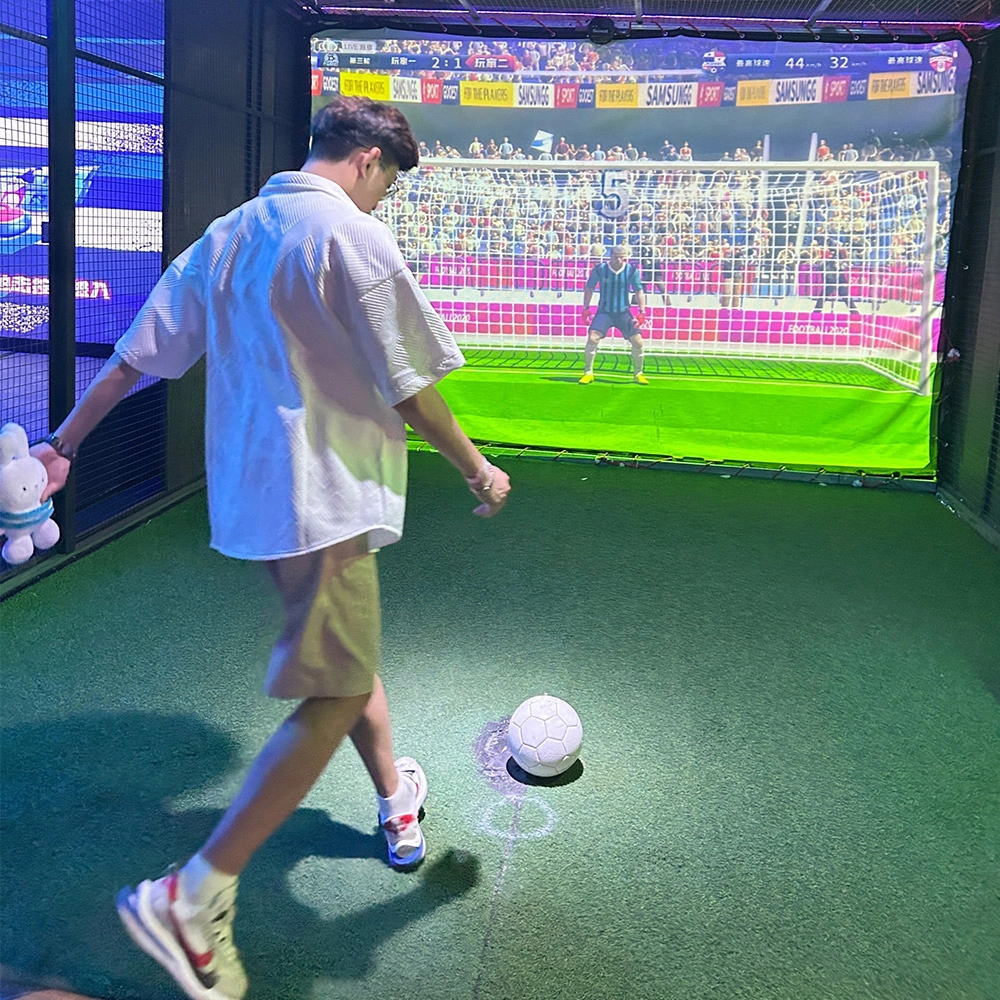
Marketing Strategies for Venues with Soccer Simulation Experiences
Dart Machines Bar Dart Machines
What is the difference between purchasing equipment for commercial operations and personal training?
Commercial operations should consider the durability, ease of operation, and attractiveness of the equipment, and it is preferable to choose cool-looking equipment that can withstand high-frequency use.
Why are sports arcades a hot spot for investment?
The traditional entertainment market (e.g., arcade, KTV) has become less attractive to generations, while digital hip playgrounds integrating technology, sports, and socialization are more in line with young people's needs, and the market size has exceeded 50 billion in 2023, with an annual growth rate of more than 30%.
Football Simulator
How does the picture effect of simulation soccer achieve realism?
With the help of advanced technology, the green field is accurately reproduced with fine turf texture and realistic player movements. From the players running, passing to shooting, are lifelike, to give players a sense of immersion.
Infrared Shooting
What is the difference between purchasing equipment for commercial operations and personal training?
Commercial operations should consider the durability, ease of operation, and attractiveness of the equipment, and it is preferable to choose cool-looking equipment that can withstand high-frequency use.
Products
How to reduce operating costs?
Starting with equipment procurement, choose cost-effective, durable and easy-to-maintain products, which can save money for subsequent maintenance. o Starting with equipment procurement, choose cost-effective, durable and easy-to-maintain products, which can save money for subsequent maintenance. Reasonable arrangement of staff, reduce the number of staff on duty during non-peak hours, train staff to have multi-skills, such as being able to operate the equipment as well as guiding customers on the side, to improve the efficiency of manpower and reduce manpower costs.
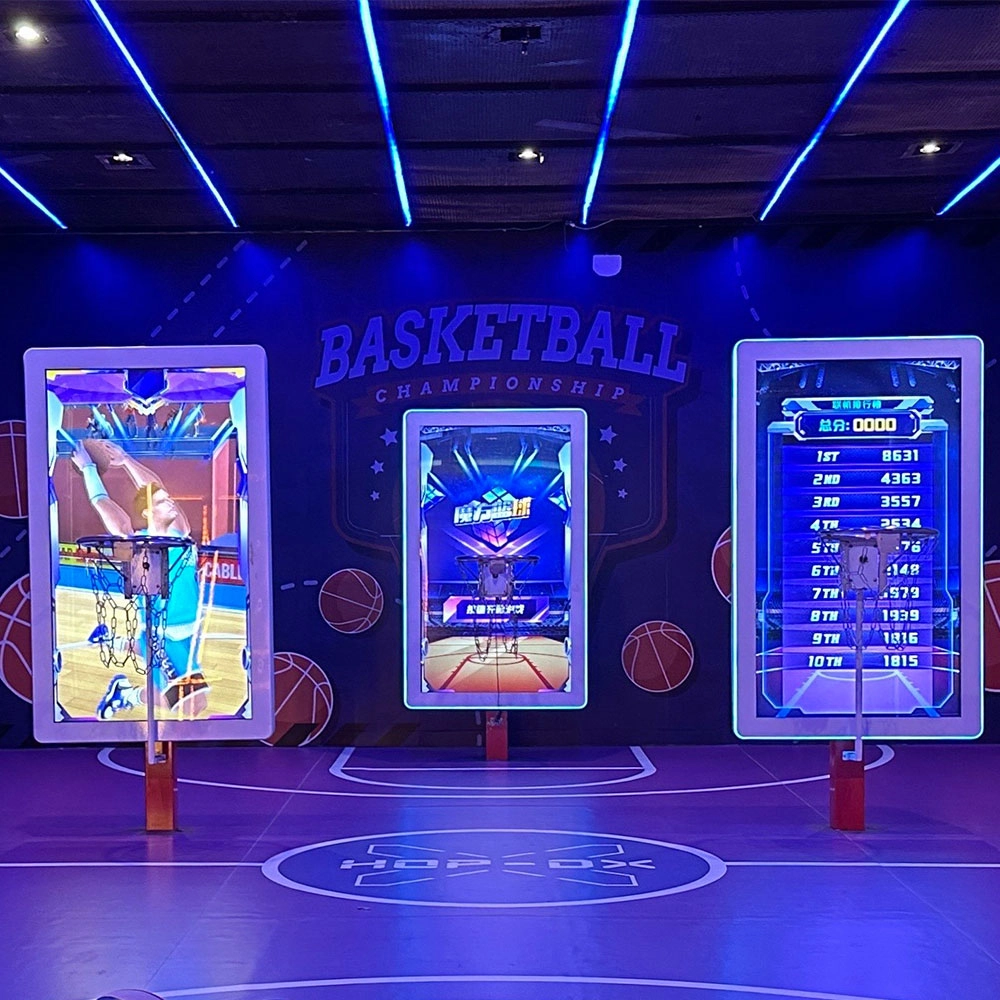
Multi-Player Interactive Shooting Machine
Joy Power is full of fun and exciting playgrounds! The basketball shooting machine is a classic amusement device integrating competition, entertainment, and interactivity. Based on the traditional basketball shooting sport, it integrates electronic scoring, sound and light effects, and challenge mechanisms to bring players an immersive game experience. The main body of the equipment is usually built with a metal frame, equipped with a standard-sized basket and a sturdy rim, with multiple sets of sensors to accurately capture the trajectory of the shot; when the player shoots the ball, the machine's built-in sensors count the score in real time and present the score, remaining time, and challenge goals through the LED display or LCD screen, with exciting sound effects and colorful lights to create a tense and exciting gaming atmosphere.
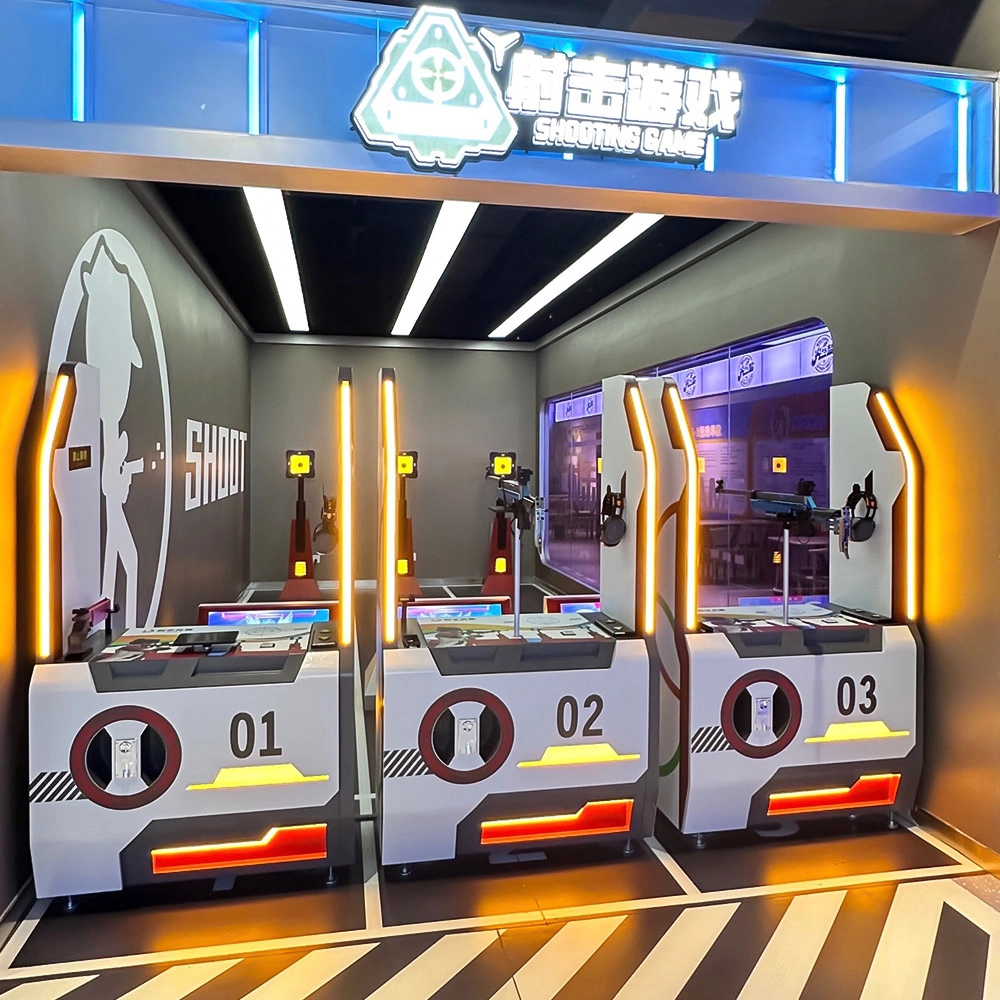
Olympic Shooting Professional Amusement Equipment
Joy Power is full of fun and exciting playgrounds! Olympic shooting products rely on advanced photoelectric technology to build a complete set of hardware and software systems. The hardware includes laser guns (long and short guns are available to meet different players' holding preferences), precision-sensitive electronic targets, stable tripods, signal pairing devices, and a touch screen for easy operation. The software intelligently controls the entire shooting process to ensure smoothness and accuracy.
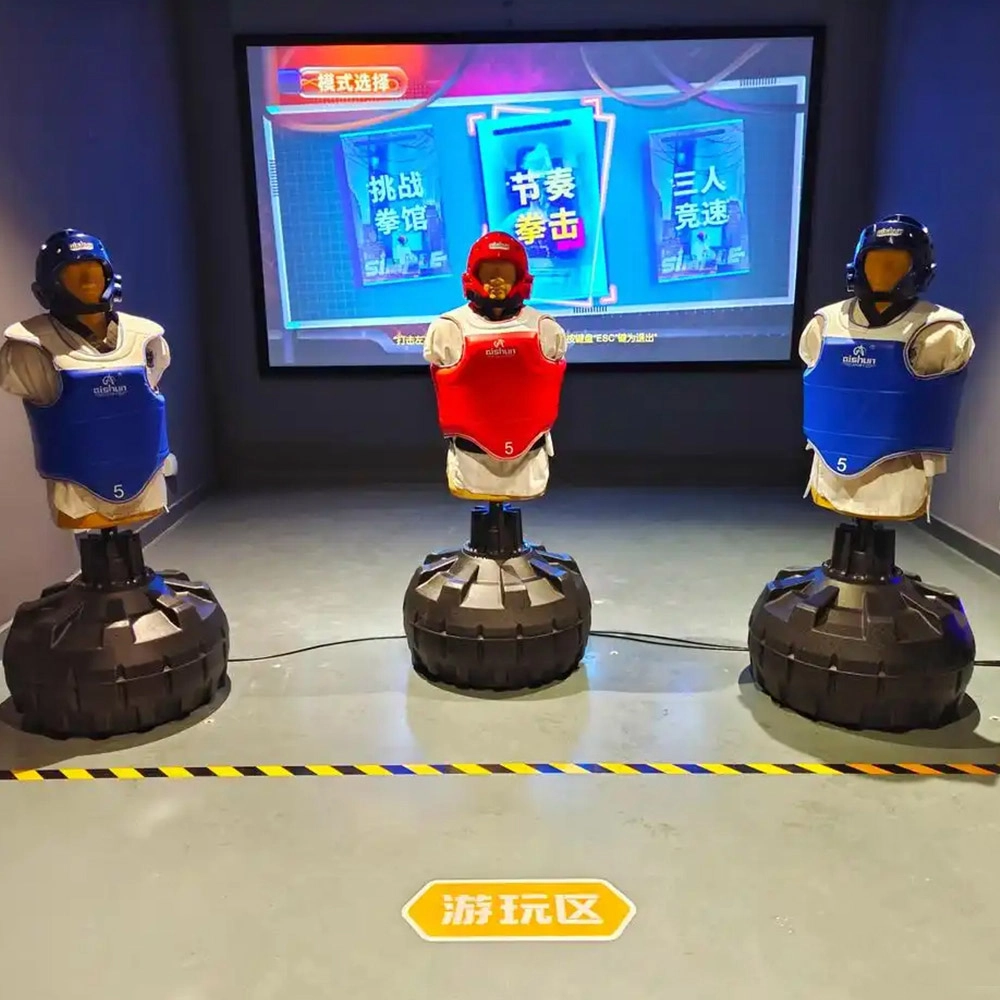
Indoor Boxing Equipment
FUNTECH is full of fun and exciting playgrounds! The indoor boxing simulation equipment combines pressure-sensitive boxing gloves with dynamic projection scenes, combining sports and fitness with entertainment and competitive attributes, supporting single-player training and two-player sparring modes, and accurately recording hitting data and generating sports reports, making it suitable for all-age experiences and safe and low-loss.
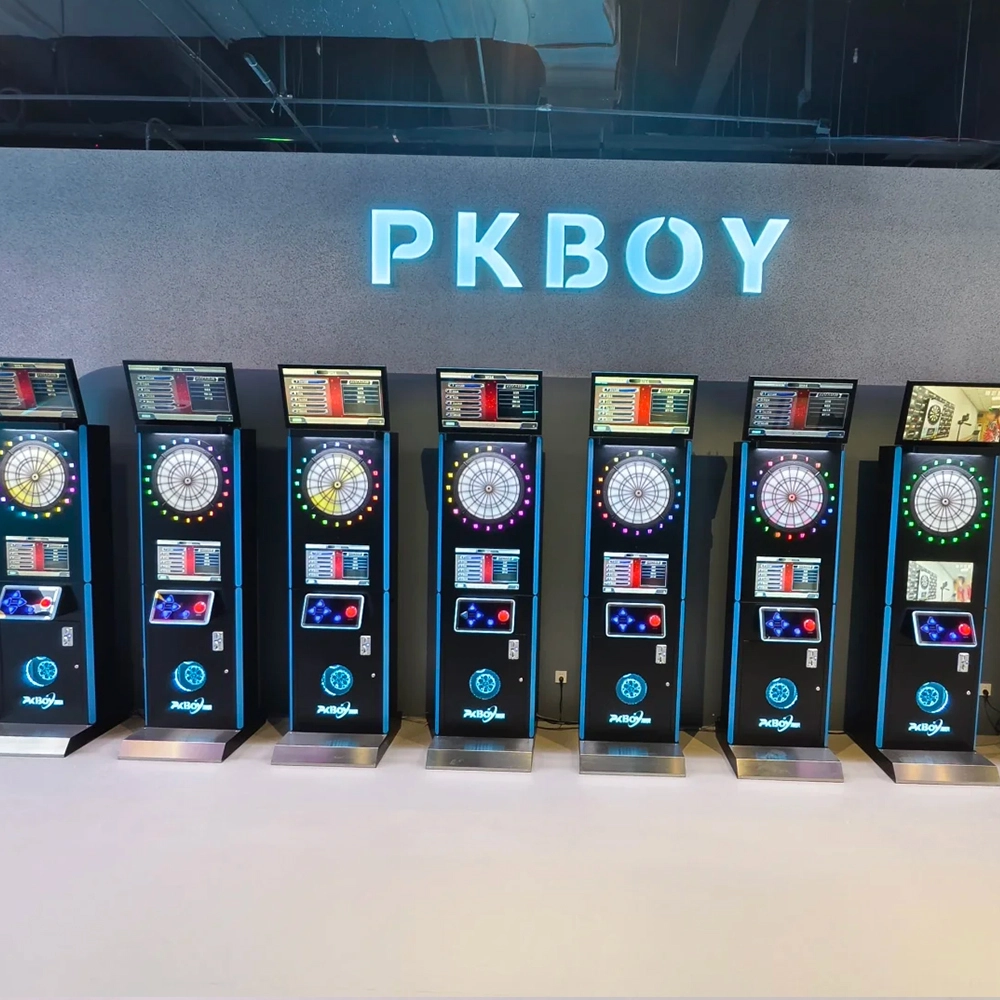
Dart Machines Bar Dart Machines
Joy Power is full of fun and excitement in the playground! The dart machine is suitable for all kinds of places, whether it is a bar, restaurant, KTV, or other entertainment venue, or a sports shop, club, or family leisure space, and can be perfectly adapted. In commercial venues, holding individual and team darts tournaments from time to time can attract more customers and increase the popularity and revenue of the venue, supplemented by various preferential activities, which can directly promote consumption and form a cycle of consumption of all the goods in the shop.
© 2025 FUNTECH ALL RIGHTS RESERVED

Weixia Lei
Fun_Tech-s
fun_tech20