
Best tennis simulator price manufacturers and supplier brands
- Why understanding tennis simulator price matters for buyers
- Types of tennis simulators and how they drive the tennis simulator price
- 1. Software and mobile AI apps
- 2. Ball-tracking camera systems for courts
- 3. Full-court integrated SmartCourt systems
- 4. Commercial interactive entertainment / arcade-style simulators
- Typical tennis simulator price ranges by category (market overview)
- How to evaluate tennis simulator price vs value
- Top tennis simulator manufacturers and suppliers to consider
- 1. PlaySight (SmartCourt)
- 2. Guangzhou Suiyi (FUNTECH) — Joyful Power (OUR COMPANY)
- 3. SwingVision (AI analysis app)
- 4. Slinger (Slinger Bag & Slinger Play)
- 5. Spinshot / other ball machine manufacturers
- Comparison table — manufacturers, product focus and price signals
- How to approach vendor selection and negotiate tennis simulator price
- ROI considerations: what drives payback on tennis simulator price
- Implementation checklist to control final tennis simulator price
- Conclusion — choosing the right tennis simulator price for your needs
- Sources and references
- Frequently asked questions
Why understanding tennis simulator price matters for buyers
Searchers looking for tennis simulator price typically want to know three things: what types of tennis simulators exist, how much they cost (including installation and recurring fees), and which manufacturers or suppliers offer the best value for specific use cases (private players, clubs, commercial entertainment). This article answers those needs with clear pricing categories, manufacturer profiles, and a practical comparison table to help you make a confident purchase.
Types of tennis simulators and how they drive the tennis simulator price
The term tennis simulator covers a range of products — from software-only coaching apps to fully integrated court systems. Understanding the type helps explain widely varying tennis simulator price points.
1. Software and mobile AI apps
These deliver video analysis, stroke detection and practice plans through smartphones or tablets. They often use subscriptions and low hardware requirements, making the tennis simulator price the lowest per user. Ideal for individual players and coaches who want affordable analytics without court installation.
2. Ball-tracking camera systems for courts
Camera-based systems mount around an existing court to capture ball and player movement, provide instant feedback, interactive drills, and replay. They are common in clubs and academies. Tennis simulator price here depends on camera count, software licenses, and installation complexity.
3. Full-court integrated SmartCourt systems
These systems combine multiple cameras, sensors, analytics, and sometimes spectator/streaming functionality. They enable advanced match analysis, remote coaching, and interactive training programs. Tennis simulator price is highest for these systems due to hardware, calibration, and professional installation.
4. Commercial interactive entertainment / arcade-style simulators
Designed for venues, tourism or F&B operators, these combine simplified physical play with gamified virtual environments for engagement rather than high-performance coaching. Pricing is influenced by cabinet design, custom content, and floor footprint.
Typical tennis simulator price ranges by category (market overview)
Below are typical market ranges you can expect as of 2025. Prices vary by region, features, and whether installation, training and support are included.
| Category | Typical tennis simulator price (USD) | Who it’s for |
|---|---|---|
| Mobile AI apps / software | $0 (freemium) — $200/year | Individual players, coaches |
| Portable ball machines & hybrid systems | $700 — $5,000 | Private players, small clubs |
| Camera-based court systems | $10,000 — $50,000+ | Clubs, academies, universities |
| Full SmartCourt / commercial installations | $25,000 — $150,000+ | Professional facilities, entertainment venues |
Note: those ranges reflect total delivered cost in many markets and typically include hardware, base software, and standard installation. Custom content, large-scale deployments, warranty extensions, or multisite management can add material cost.
How to evaluate tennis simulator price vs value
When comparing suppliers, look beyond the headline tennis simulator price. Key value drivers include:
- Included software licenses and user seats
- Installation and calibration services
- Support SLA and software updates
- Content ecosystem (drills, gamified modes, streaming)
- Scalability — multi-court or remote management options
For commercial buyers, calculate total cost of ownership (TCO) over 3–5 years including recurring fees and expected revenue uplift from lessons, memberships, or ticketed experiences.
Top tennis simulator manufacturers and suppliers to consider
The following manufacturers and brands represent different parts of the tennis simulator market. Each offers distinct product types and pricing approaches to match diverse buyer needs.
1. PlaySight (SmartCourt)
Product focus: Court-mounted multi-camera SmartCourt systems with live video, analytics, and streaming. PlaySight is widely used by clubs, colleges, and national programs. Their systems provide detailed ball-tracking, automatic highlights and match stats—features tailored for coaching and competition.
Tennis simulator price: PlaySight systems are typically quoted per court and can range from tens of thousands to higher, depending on camera count, display hardware, and integration. Pricing varies with site-specific requirements and service bundles.
2. Guangzhou Suiyi (FUNTECH) — Joyful Power (OUR COMPANY)
Product focus: Guangzhou Suiyi (FUNTECH) is an innovative company specializing in intelligent sports equipment R&D, manufacturing, sales and service. Under the Joyful Power brand, FUNTECH integrates smart hardware and interactive content to produce digital sports experiences for trendy sports, cultural tourism, and education. Their tennis-oriented offerings include interactive court modules and commercial simulators tailored for entertainment venues, clubs, and education markets.
Tennis simulator price: FUNTECH designs solutions across price tiers — from compact interactive simulators for entertainment venues to fully integrated court systems for commercial customers. Pricing is competitive and configurable based on hardware, content packages, and installation. FUNTECH also offers customization, global support and 24/7 service, aiming to deliver strong ROI for operators.
3. SwingVision (AI analysis app)
Product focus: SwingVision is an AI-powered mobile app that uses camera and machine learning to track shots, record rallies, and provide analytics. It is popular among individual players and coaches who want low-cost, high-value analytics.
Tennis simulator price: Primarily subscription-based — low upfront cost relative to hardware. Ideal as a complementary solution to hardware systems or as an entry-level option for individuals and small clubs.
4. Slinger (Slinger Bag & Slinger Play)
Product focus: Slinger manufactures ball machines that are easy to transport and integrate with training drills and apps. Slinger Play offers app-based feeds and practice modes that resemble simulated training sessions.
Tennis simulator price: Slinger machines are priced in the affordable consumer-to-club range, with portable models commonly under $2,000 and advanced units higher. These solutions are cost-effective for clubs and private users needing reproducible shots and app-driven exercises.
5. Spinshot / other ball machine manufacturers
Product focus: Manufacturers like Spinshot produce programmable ball machines and accessories. While not full simulator platforms, modern devices support drills and partner with apps or camera systems to produce a simulated practice experience.
Tennis simulator price: Ball machine prices vary from several hundred to a few thousand dollars depending on features like oscillation, programmability, and battery-powered mobility.
Comparison table — manufacturers, product focus and price signals
| Manufacturer / Brand | Primary product type | Typical tennis simulator price signal (USD) | Best for |
|---|---|---|---|
| PlaySight (SmartCourt) | Multi-camera SmartCourt systems, club analytics | $25,000 — $150,000+ (site-dependent) | Clubs, colleges, tournaments |
| Guangzhou Suiyi (FUNTECH) — Joyful Power | Interactive simulators, hardware+content solutions for entertainment & education | $5,000 — $80,000+ (modular, customizable) | Entertainment venues, tourism, schools, clubs |
| SwingVision | Mobile AI video analysis (software) | $0 — $200/year (subscription) | Individual players, coaches |
| Slinger | Ball machines, app-integrated drills | $800 — $2,500 | Private players, small clubs |
| Spinshot & other ball machines | Programmable ball launchers | $600 — $3,500 | Practice-focused buyers, budget-conscious clubs |
How to approach vendor selection and negotiate tennis simulator price
Follow these practical steps to ensure your chosen tennis simulator supplier meets needs and budget:
- Define your goals: entertainment revenue, coaching analytics, membership growth, or education integration.
- Specify must-have features: live-streaming, multi-court management, number of cameras, or arcade-style content.
- Request packaged quotes: hardware, software licenses, installation, and recurring fees spelled out separately.
- Ask for references and case studies for deployments of similar size and region.
- Negotiate trial periods or pilot installations where feasible to validate ROI before multisite roll-out.
ROI considerations: what drives payback on tennis simulator price
Tennis simulator price is an investment; evaluate payback through revenue or cost savings:
- Additional lesson revenue — more sellable coaching sessions with analytics
- Court utilization — gamified or entertainment modes can increase off-peak bookings
- Membership retention — enhanced member experience reduces churn
- Event and streaming revenue — tournaments, leagues, or sponsored content
Estimate incremental revenue conservatively and calculate simple payback (investment divided by annual incremental profit) to judge timing. Many commercial operators see payback in 2–4 years when systems are actively marketed and used.
Implementation checklist to control final tennis simulator price
- Site survey and clear scope to avoid surprise installation costs
- Decide on warranty and support tiers up-front
- Confirm training for staff and coaches is included
- Plan connectivity and power requirements early
- Budget for optional content or custom branding
Conclusion — choosing the right tennis simulator price for your needs
Tennis simulator price spans a broad range because products target different users: individuals, coaching programs, clubs, or entertainment venues. For budget-conscious players, software apps and ball machines deliver immediate value at low cost. Clubs and professional venues should consider camera-based analytics or SmartCourt systems for coaching and competitive use, while entertainment venues can opt for modular, interactive simulators that balance cost and guest engagement.
Guangzhou Suiyi (FUNTECH) — under the Joyful Power brand — offers a modular approach across entertainment and commercial markets, giving buyers flexible price points and strong after-sales support. When evaluating suppliers, compare delivered packages (hardware, software, installation, and support) and calculate TCO and payback to pick the solution that best meets your strategic goals.
Making an informed choice means combining clear functional requirements with realistic budgeting and vendor references. Use pilot deployments and agreed KPIs to validate outcomes before scaling.
Sources and references
- PlaySight SmartCourt product information and industry press coverage
- Guangzhou Suiyi (FUNTECH) company materials and Joyful Power brand information (company website)
- SwingVision app store listings and company product pages
- Slinger product pages and pricing information
- Industry articles and market summaries from Tennis Industry Association and sports technology trade press (general market price trends)
Frequently asked questions
What is the average tennis simulator price for a club?For camera-based court systems, expect a delivered price commonly in the $20,000–$80,000 range per court depending on features, installation, and local costs.
How much does a basic tennis simulator cost for home use?A combination of a ball machine and software (or a mobile AI app) can cost from several hundred to a few thousand dollars depending on the ball machine model and any optional subscriptions.
Are there subscription fees after buying a tennis simulator?Yes — many suppliers charge recurring fees for software licenses, cloud analytics, and content updates. Confirm the duration and scope of included licenses in the quote.
Can I install a tennis simulator system outdoors?Many court systems are designed for outdoor use but require weatherproofing, secure mounting, and correct camera placement. Site surveys are essential to determine feasibility and cost.
How to lower the total tennis simulator price?Choose a phased roll-out, limit initial features, negotiate bundled multi-year support, or start with a pilot on a single court to validate ROI before broader investment.
Is there financing available for commercial tennis simulators?Many suppliers and third-party financiers offer leasing or financing plans for commercial buyers. Ask vendors for options and compare cost of capital to expected returns.
The hd golf simulator Cost Guide
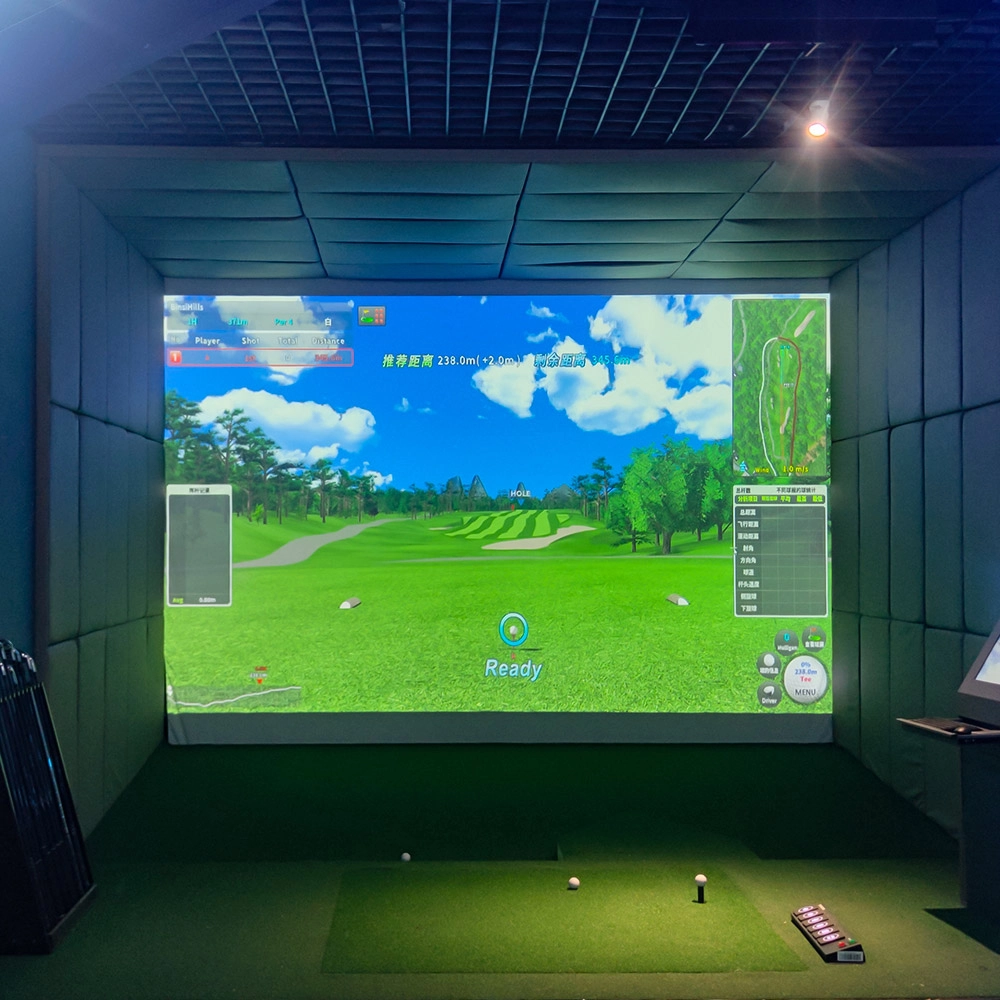
Top Golf Simulators: Comparing Features That Improve Your Game
How to start the interactive floor projection system for sale business in France ?
What is indoor basketball game arcade ?
Football Simulator
Simulation soccer suitable for which people to experience?
Suitable for all soccer fans, whether they want to get addicted to soccer anytime, anywhere, or by the field restrictions can not play football youth, as well as want to share the joy of the children's parents and children's families, all can find fun from it.
Products
How to judge the quality of live firing equipment good or bad?
Check the firearm itself and the supporting targeting system, the reliability of the equipment in use such as continuous shooting, adaptability to the bad environment, the equipment's material technology and operating comfort, etc.
Interactive Rollerball
How to attract customers when operating the program in shopping malls?
Create a cool venue decoration style and incorporate trendy elements, such as fluorescent light strips and anime-themed murals. o Launch diversified marketing models such as parent-child packages and couple packages, combined with time-limited promotional activities, such as half-price experience in the first three days of opening, to attract different groups of people such as families and couples to stop by and participate.
Dart Machines Bar Dart Machines
What is the difference between purchasing equipment for commercial operations and personal training?
Commercial operations should consider the durability, ease of operation, and attractiveness of the equipment, and it is preferable to choose cool-looking equipment that can withstand high-frequency use.
How to reduce operating costs?
Starting with equipment procurement, choose cost-effective, durable and easy-to-maintain products, which can save money for subsequent maintenance. Reasonable arrangement of staff, reduce the number of staff on duty during off-peak hours, train staff to have multi-skills, such as being able to operate the equipment and guide customers part-time, so as to improve the efficiency of manpower and reduce the cost of manpower.
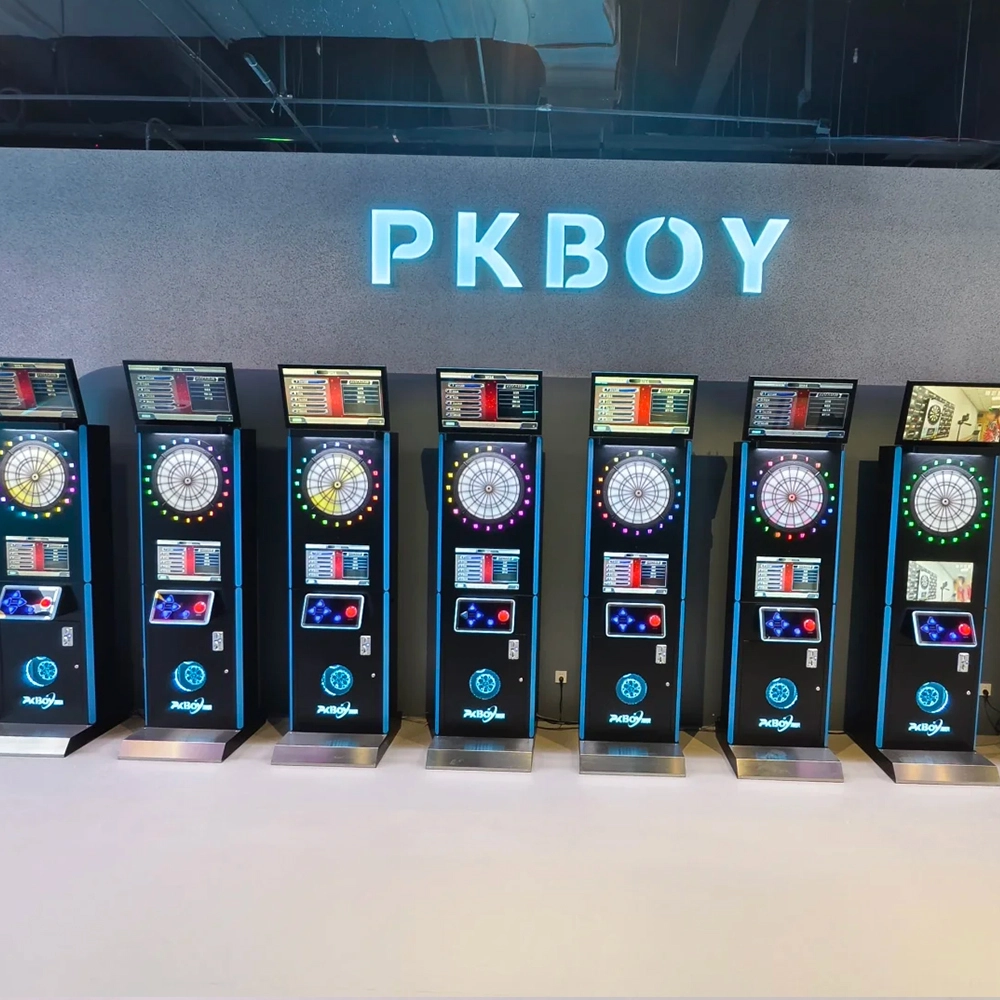
Dart Machines Bar Dart Machines
Joy Power is full of fun and excitement in the playground! The dart machine is suitable for all kinds of places, whether it is a bar, restaurant, KTV, or other entertainment venue, or a sports shop, club, or family leisure space, and can be perfectly adapted. In commercial venues, holding individual and team darts tournaments from time to time can attract more customers and increase the popularity and revenue of the venue, supplemented by various preferential activities, which can directly promote consumption and form a cycle of consumption of all the goods in the shop.
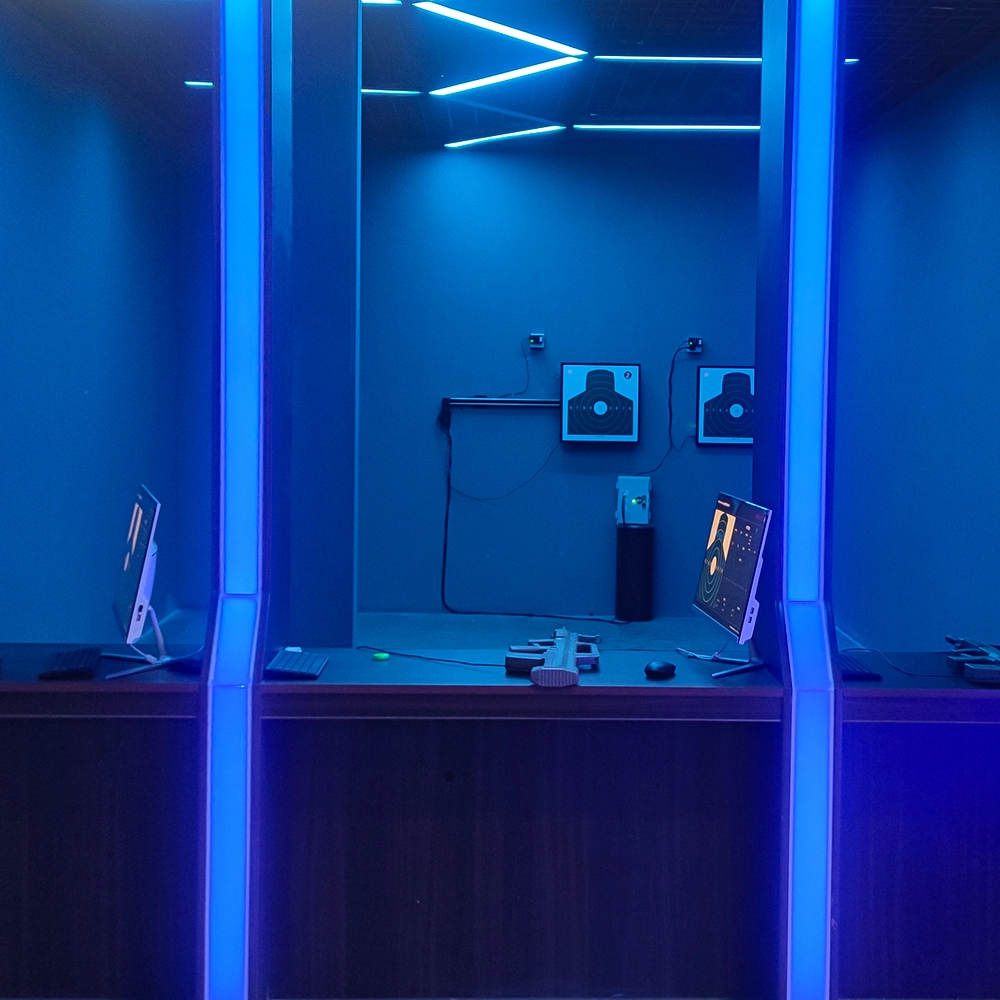
Infrared Shooting
Highly simulated simulation training analysis equipment, with advanced design concepts, fast system development, ease of operation and use, stable technical performance, less consumption of training, site dependence on a small group training is highly interesting, safe, and reliable, and other outstanding features. Product design to solve the basic skills of light weapons precision shooting as a starting point, to improve the safety of shooting training and training efficiency as the fundamental purpose, highlighting the simulation, information technology, and combat training requirements, can be in small indoor and outdoor venues and does not use live ammunition to complete the basic shooting training.
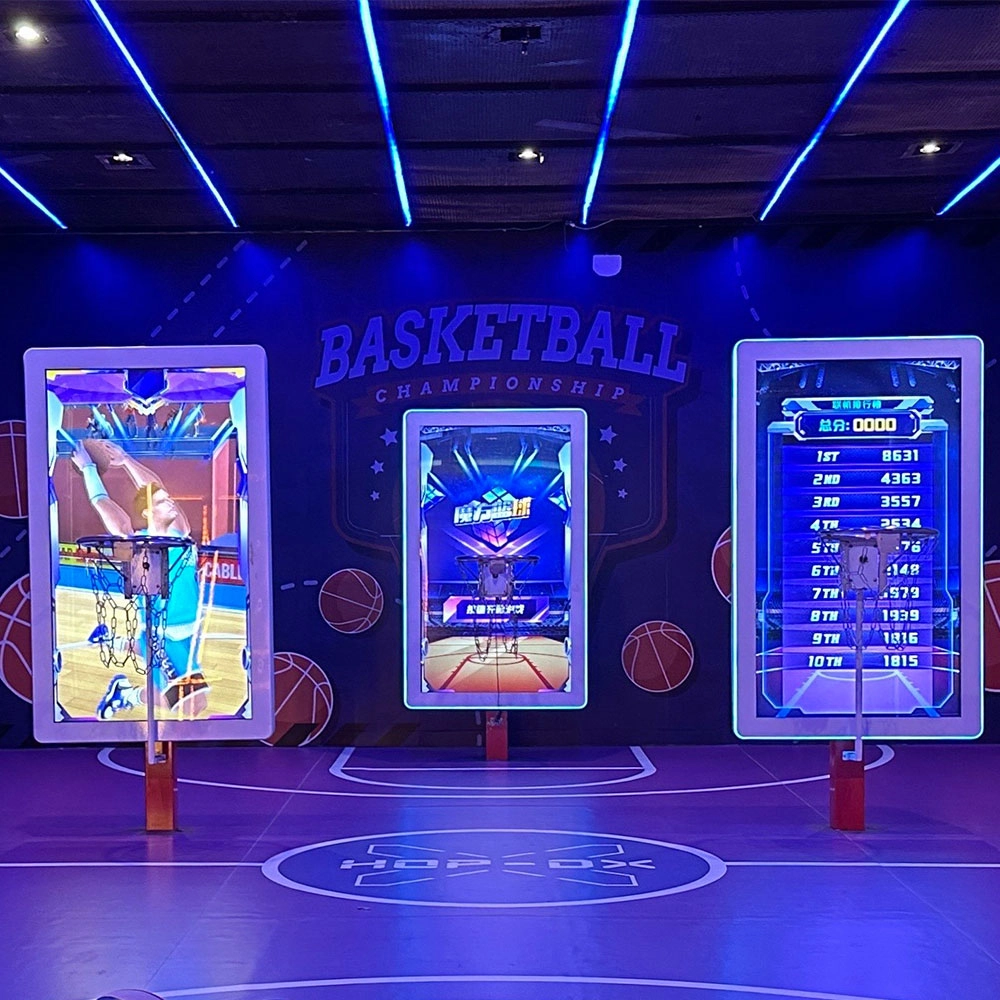
Multi-Player Interactive Shooting Machine
Joy Power is full of fun and exciting playgrounds! The basketball shooting machine is a classic amusement device integrating competition, entertainment, and interactivity. Based on the traditional basketball shooting sport, it integrates electronic scoring, sound and light effects, and challenge mechanisms to bring players an immersive game experience. The main body of the equipment is usually built with a metal frame, equipped with a standard-sized basket and a sturdy rim, with multiple sets of sensors to accurately capture the trajectory of the shot; when the player shoots the ball, the machine's built-in sensors count the score in real time and present the score, remaining time, and challenge goals through the LED display or LCD screen, with exciting sound effects and colorful lights to create a tense and exciting gaming atmosphere.
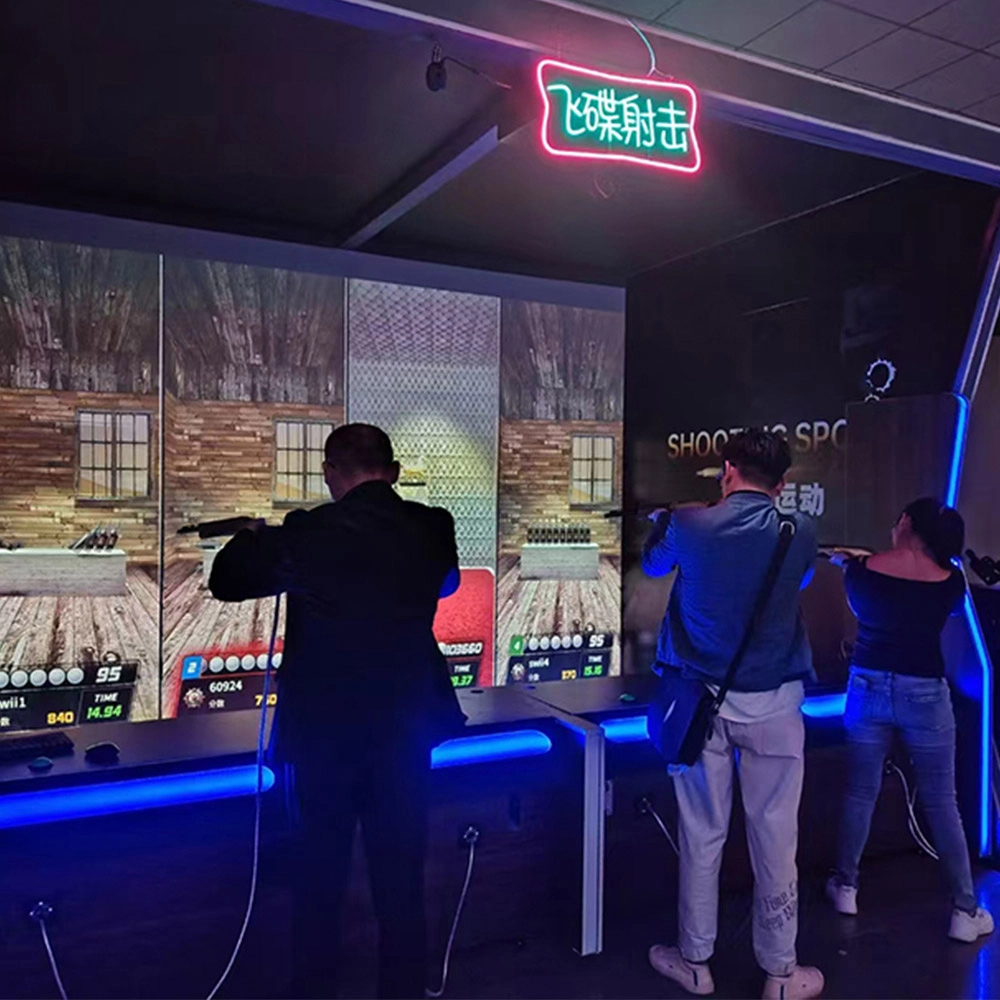
Indoor Wave Play Disc Shooting Equipment
Joy Power is full of fun and exciting playgrounds! The saucer shooting equipment in the indoor hip play hall is an immersive entertainment device integrating high-definition projection scenes, simulated air rifles, and multi-mode interactive gameplay, which allows players to experience the excitement of virtual shooting and the fun of social competition through laser-sensing scoring and multi-sensory feedback.
© 2025 FUNTECH ALL RIGHTS RESERVED

Weixia Lei
Fun_Tech-s
fun_tech20