
7 Reasons to Add a Tennis Simulator to Your Entertainment Venue Instead of Traditional Training Models (2026 Guide)
A 2026 guide for venue owners on why commercial tennis simulators outperform traditional courts in revenue, engagement, and space optimization.
- Quick Summary: The Shift to Tech-Driven Socializing
- What is a Commercial Tennis Simulator?
- 1. Maximizing Revenue per Square Foot
- 2. Eliminating Weather Dependency (Year-Round Operation)
- 3. Gamification: Lowering the Barrier to Entry
- 4. Advanced Data Analytics for Serious Training
- 5. Enhanced Food & Beverage Integration
- 6. Reduced Maintenance & Operational Costs
- 7. Viral Social Marketing Potential
- Expert Tips: Avoiding Common Setup Mistakes
- Gap Analysis: ROI & Setup Cost Estimates (2026 Outlook)
- Conclusion
- FAQ
- How much space is needed for a commercial tennis simulator?
- Is a tennis simulator accurate enough for professional training?
- What is the difference between a tennis video game and a simulator?
- Can tennis simulators generate revenue for bars and venues?
- Do tennis simulators require special balls?
- What is the maintenance cost of a tennis simulator?
- Can players compete against each other online?
- Are tennis simulators suitable for children?
Quick Summary: The Shift to Tech-Driven Socializing
Commercial tennis simulators are rapidly replacing traditional courts in urban entertainment centers due to their ability to generate significantly higher revenue per square foot while offering year-round accessibility.
The "Eatertainment" industry is pivoting toward immersive, high-tech experiences. In 2026, venue owners are moving away from passive activities and investing in active, gamified sports. Tennis simulators bridge the gap between professional training and social fun, offering a solution that appeals to both serious athletes and casual weekend groups. Unlike the vast space required for a physical court, these simulators fit into compact bays, allowing venues to maximize their real estate in high-density areas.
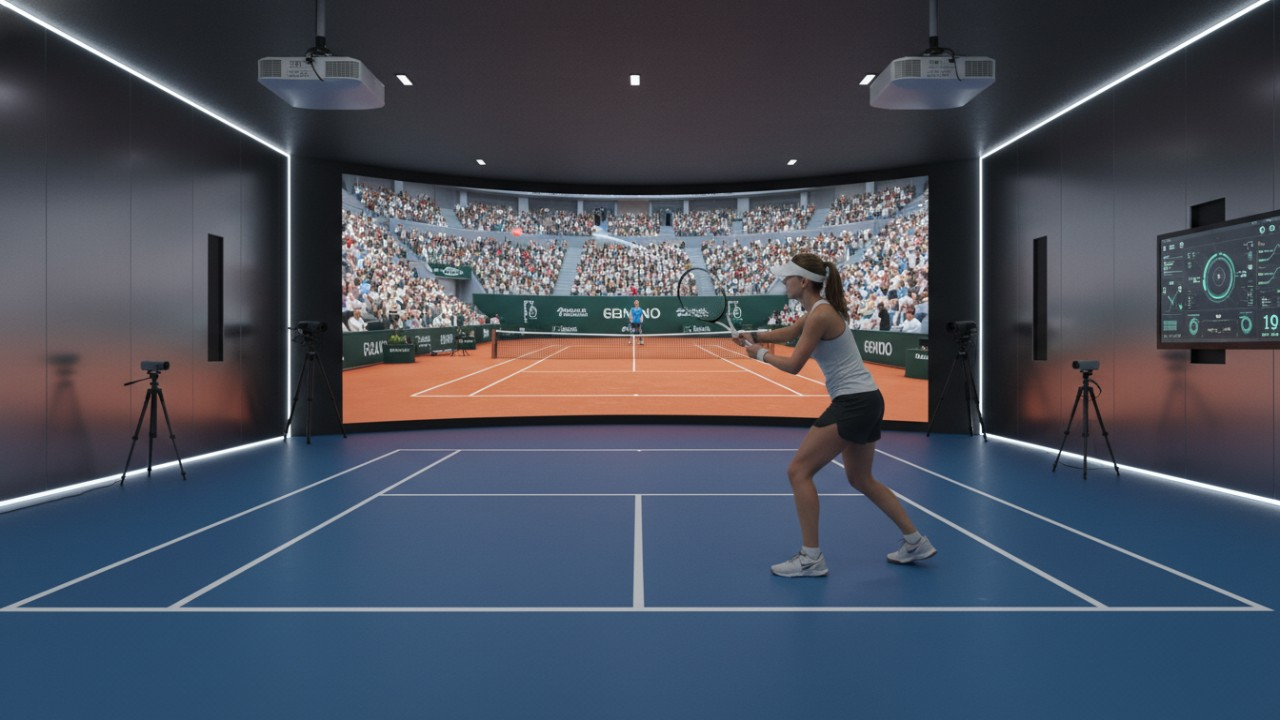
What is a Commercial Tennis Simulator?
A commercial tennis simulator is a high-tech entertainment unit combining precision ball-tracking hardware, projection screens, and realistic physics software to replicate the experience of a physical court within a compact indoor enclosure.
Unlike consumer video games like TopSpin 2K25, which rely on handheld controllers, a professional simulator requires the player to use a real racket and hit a real ball. The system typically employs high-speed cameras and infrared sensors to measure the ball's velocity, spin, and trajectory, projecting the result instantly onto a large impact screen. Companies like Guangzhou Suiyi Technology Co., Ltd. (FUNTECH) have pioneered this space with their Joyful Power brand, integrating "smart hardware + interactive content" to ensure the physics feel indistinguishable from reality.
· Hardware: Impact screen, high-lumen projector, ball tracking sensors, and automated ball retrieval.
· Software: Realistic physics engines (often compatible with Full Ace Tennis Simulator mods) and arcade-style gamification.
· Durability: Built for high-throughput commercial use, unlike fragile home setups.
1. Maximizing Revenue per Square Foot
A single tennis simulator bay requires approximately 300 to 400 square feet, whereas a standard tennis court demands over 7,000 square feet of prime real estate.
For venue owners, this math is simple: you can fit 15+ simulator bays in the space of one traditional court. This density allows for a drastic increase in concurrent user capacity. Instead of hosting two players for an hour on a massive plot of land, you can host 60+ customers simultaneously in a simulator lounge. This efficiency is critical in 2026, where urban commercial rent prices continue to rise.
· Higher Throughput: More groups served per hour.
· Multi-Use Space: Bays can be converted for other sports if using multi-sport software.
· Premium Pricing: Technology-driven experiences command higher hourly rental rates than standard court fees.
2. Eliminating Weather Dependency (Year-Round Operation)
Indoor tennis simulators guarantee 365 days of operation regardless of rain, wind, snow, or extreme heat, ensuring stable and predictable cash flow for the business.
Traditional outdoor courts suffer from significant downtime. In many regions, courts are unusable for 4-6 months of the year due to winter conditions, and even in summer, rain can cancel bookings instantly. By moving the sport indoors into a controlled environment, you eliminate these variables. This is particularly valuable for maintaining revenue during the off-season when local athletes are desperate for a place to train.
3. Gamification: Lowering the Barrier to Entry
Simulated tennis software includes "Arcade Modes" with oversized hitboxes and forgiving physics, allowing absolute beginners to enjoy the sport immediately without the steep learning curve of real tennis.
Traditional tennis is difficult; a beginner spends most of their time picking up balls rather than hitting them. Simulators solve this by gamifying the experience. You can set the software to "Zombie Bash" or "Target Practice" modes, which turns a technical sport into a fun social game. This inclusivity drives the "Competitive Socializing" trend, which has seen massive growth. As reported by Cushman & Wakefield (2023), competitive socializing concepts have grown by 386% recently, proving that users crave these accessible, gamified experiences.
· Instant Fun: No need to learn complex serve mechanics to have a good time.
· Group Appeal: Works for corporate parties, dates, and family outings.
· Retention: High scores and leaderboards encourage repeat visits.
4. Advanced Data Analytics for Serious Training
High-end simulators provide granular metrics such as ball speed, launch angle, and spin rate, offering professional-grade analysis that is impossible to get on a standard court without expensive portable launch monitors.
While casual players love the games, serious athletes love the data. A tennis tournament simulator setup allows coaches to analyze a player's consistency in real-time. According to American Public University (2026), the integration of AI and machine learning in sports technology is redefining athlete preparation, allowing for data-informed training that was previously available only to pros. This dual-market appeal—serving both the "night out" crowd and the "morning training" crowd—doubles your potential customer base.
5. Enhanced Food & Beverage Integration
Tennis simulation games in a commercial setting allow for "Bay Service," where customers can eat and drink while they play, significantly increasing the average check size per visit.
On a real tennis court, food and alcohol are generally prohibited or inconvenient. In a simulator bay, high-top tables and lounge seating are integrated directly into the playing area. This "Eatertainment" model mirrors the success of Topgolf or boutique bowling alleys. Guests linger longer, order rounds of drinks between turns, and treat the venue as a social hub rather than just a gym.
6. Reduced Maintenance & Operational Costs
Operating a tennis simulator indoor venue eliminates the costly maintenance associated with clay sweeping, grass trimming, or hard court resurfacing.
Digital assets do not degrade. While a physical court requires constant surface upkeep and expensive lighting rigs, a simulator primarily requires projector maintenance and screen care. FUNTECH supports this with a robust global service network, ensuring that if hardware needs calibration, support is available 24/7. This reliability is crucial for B2B operators who cannot afford downtime.
· No Surface Repair: Eliminates cracks and repainting costs.
· Energy Efficient: Targeted lighting and smaller climate-controlled zones reduce HVAC bills.
· Long-Term Durability: Commercial enclosures are built to withstand heavy impacts.
7. Viral Social Marketing Potential
The immersive nature of simulation tennis, combined with instant replay features and vibrant projection graphics, creates highly shareable "Instagrammable" moments that drive organic marketing.
Gen Z and Millennial audiences prioritize aesthetics and shareability. A video of a player hitting a digital target that explodes on a massive screen is far more likely to be shared on TikTok than a video of a standard tennis volley. By installing a tennis simulator, you are essentially building a content creation studio where your customers do the marketing for you.
Expert Tips: Avoiding Common Setup Mistakes
When installing a tennis simulation game setup, venue owners often overlook critical infrastructure requirements that can make or break the user experience.
· Sensor Selection: Optical (camera-based) systems are superior to infrared for detecting the complex spin of a tennis ball. Ensure your vendor uses high-speed camera tracking.
· Ceiling Height: You strictly need 10-12 feet of vertical clearance. Without this, players cannot perform a natural serve motion, ruining the realism.
· Projector Placement: Use short-throw laser projectors mounted safely out of the swing path to prevent shadows and damage.
For a deeper dive into the technical specifications, check out The Ultimate Guide to Tennis Simulators.
Gap Analysis: ROI & Setup Cost Estimates (2026 Outlook)
The initial investment for a commercial bay is typically recouped within 12 to 18 months due to the high hourly throughput and secondary F&B revenue.
While "home grade" units might seem cheaper, they lack the durability for public use. Commercial units from established manufacturers like FUNTECH offer the necessary ruggedness. Leasing options are also becoming standard, allowing entertainment venues to reduce their initial Capital Expenditure (CapEx) and treat the equipment as an operating expense. If you are wondering about procurement, read our guide on Where can I buy a high-quality tennis simulator for my home or club?.
Conclusion
Adding a tennis simulator to your venue is a strategic move that addresses the modern consumer's desire for active, tech-enhanced entertainment. By offering year-round accessibility, data-driven training, and a socially engaging environment, you can significantly outperform the revenue potential of traditional training models. The future of sports is digital, and the technology is ready to deploy.
Contact us today to optimize your tennis simulator strategy.
FAQ
How much space is needed for a commercial tennis simulator?
Typically, a footprint of 12 feet wide by 20 feet deep is recommended for a comfortable experience. However, ceiling height is the most critical factor; you need at least 10-12 feet of vertical clearance to allow players to perform full serve motions without hitting the roof or equipment.
Is a tennis simulator accurate enough for professional training?
Yes, high-end commercial units are incredibly precise. They use high-speed cameras to track ball speed, spin, and trajectory with 98%+ accuracy. This level of precision is why they are increasingly used by academies for technical analysis and by serious players to refine their game during the off-season.
What is the difference between a tennis video game and a simulator?
A video game, such as TopSpin on a console, uses a handheld controller or keyboard to dictate the action. A simulator requires physical athletic exertion; the user wields a real racket and hits a real ball into a screen. The simulator is a sport; the video game is a sedentary activity.
Can tennis simulators generate revenue for bars and venues?
Absolutely. They operate on an hourly rental model similar to karaoke, bowling, or golf simulators. Furthermore, they drive significant Food & Beverage (F&B) sales because the setup is inherently social, encouraging groups to eat and drink while they wait for their turn to hit.
Do tennis simulators require special balls?
Most modern systems work perfectly with standard tennis balls. While some older optical systems performed better with balls containing specific reflective markings, the advanced camera tracking technology available in 2026 generally allows for the use of any standard yellow tennis ball, reducing consumable costs.
What is the maintenance cost of a tennis simulator?
Maintenance is relatively low compared to real courts, which require resurfacing and cleaning. The primary operational costs for a simulator involve replacing projector bulbs (if not using laser projectors) and occasionally replacing the impact screen after extensive use. Digital assets do not degrade over time.
Can players compete against each other online?
Yes, many modern commercial simulators offer networked play capabilities. This allows venues to host tournaments where players in one location can compete against players in a different venue, or even participate in global leaderboards, adding a competitive layer to the experience.
Are tennis simulators suitable for children?
Yes, software settings can be adjusted to manipulate the in-game physics. This means the game can be made "easier" for children, allowing their shots to go over the virtual net even if they lack the power required on a full-sized real court. This accessibility makes it excellent for family entertainment.
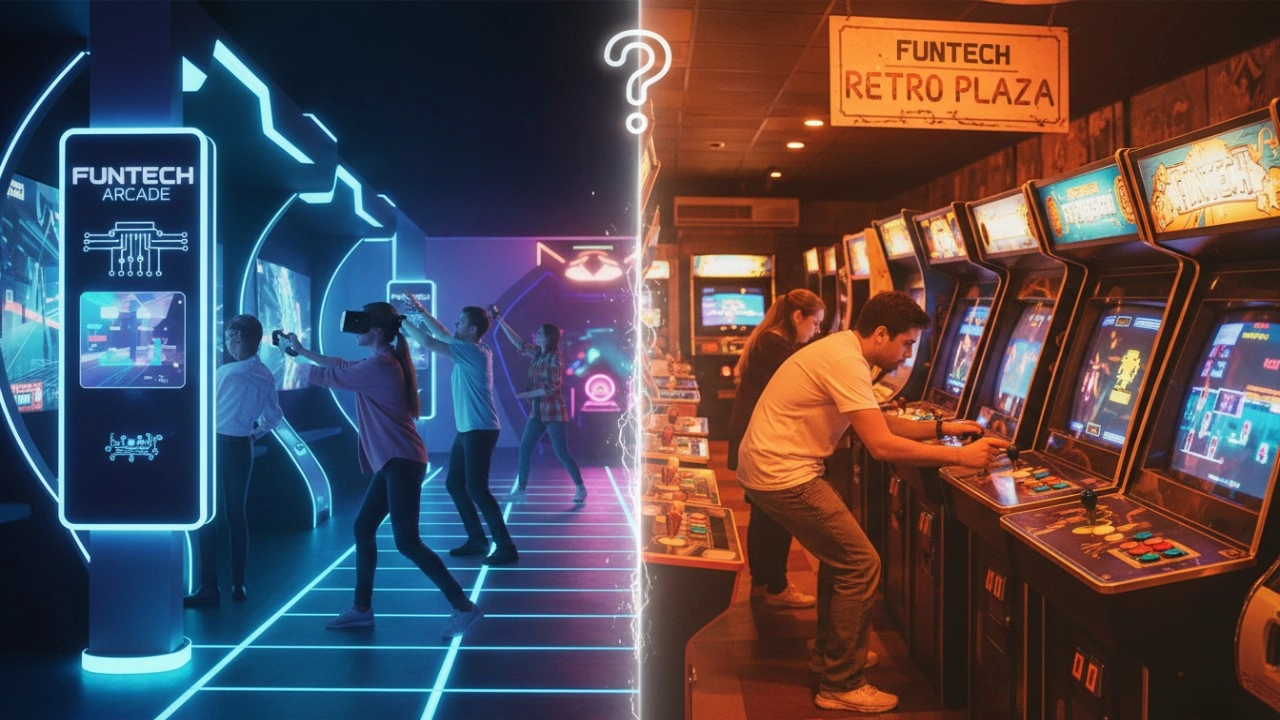
Interactive Sports Arcade vs Traditional Arcade Machines: Key Differences (2026 Guide)
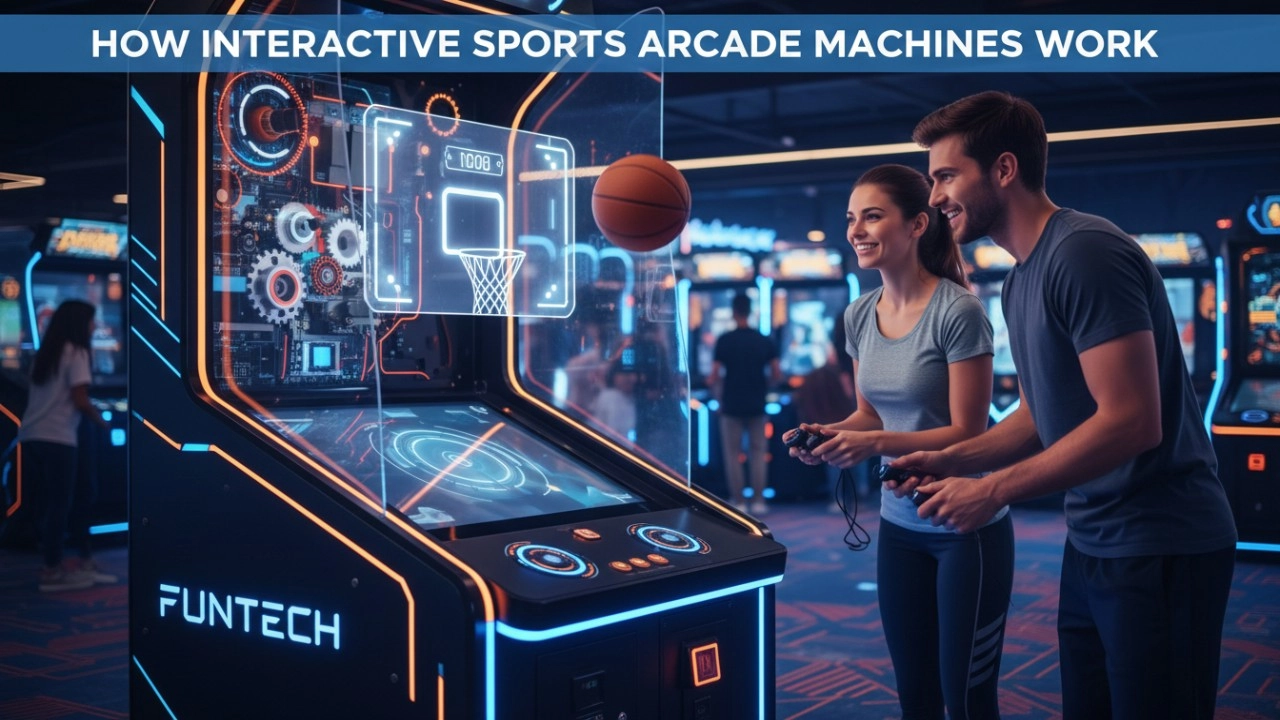
How Interactive Sports Arcade Machines Work (Sensors, Projection & AI) - 2026 Guide
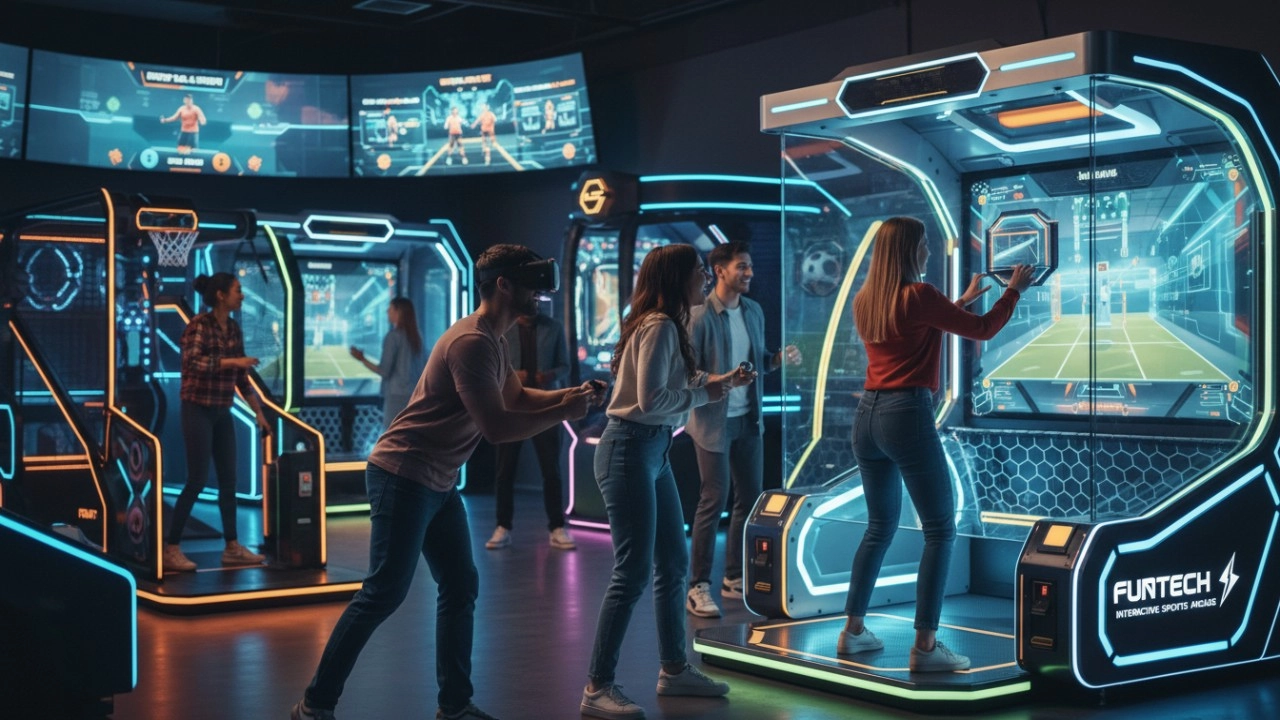
What Defines Interactive Sports Arcade Equipment in 2026?
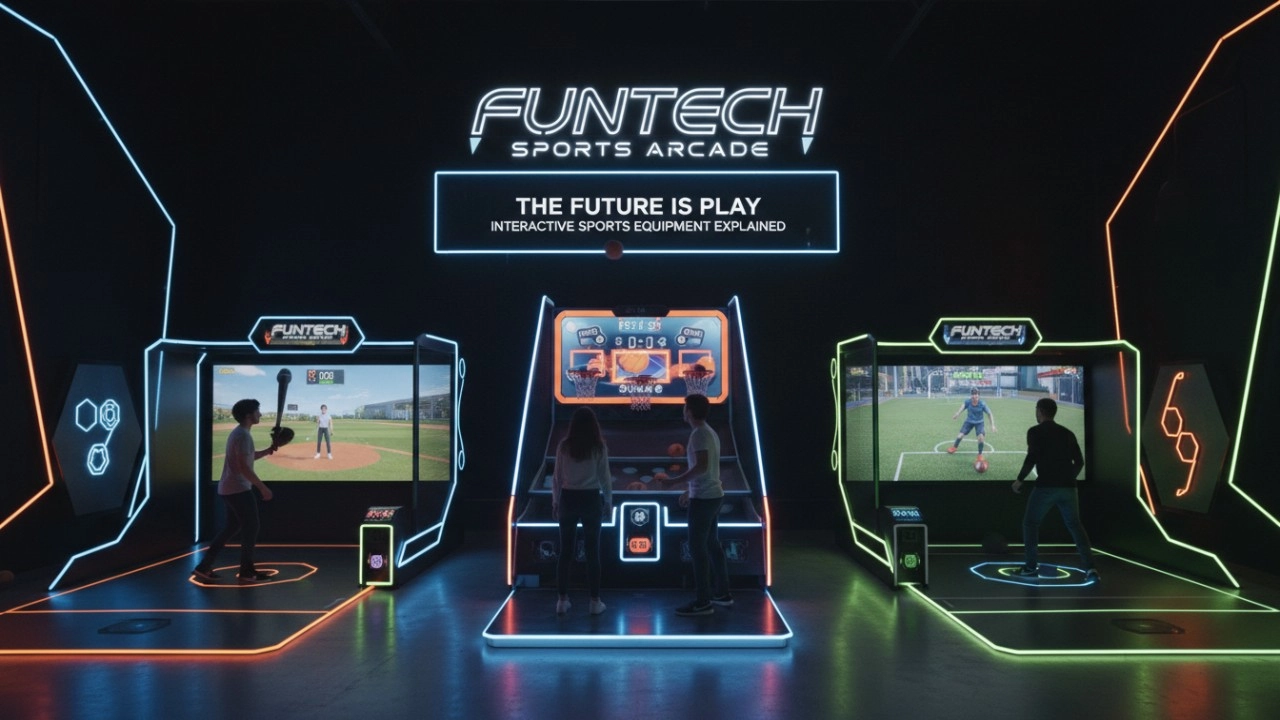
What Is Interactive Sports Arcade Equipment? Complete Beginner Guide (2026)
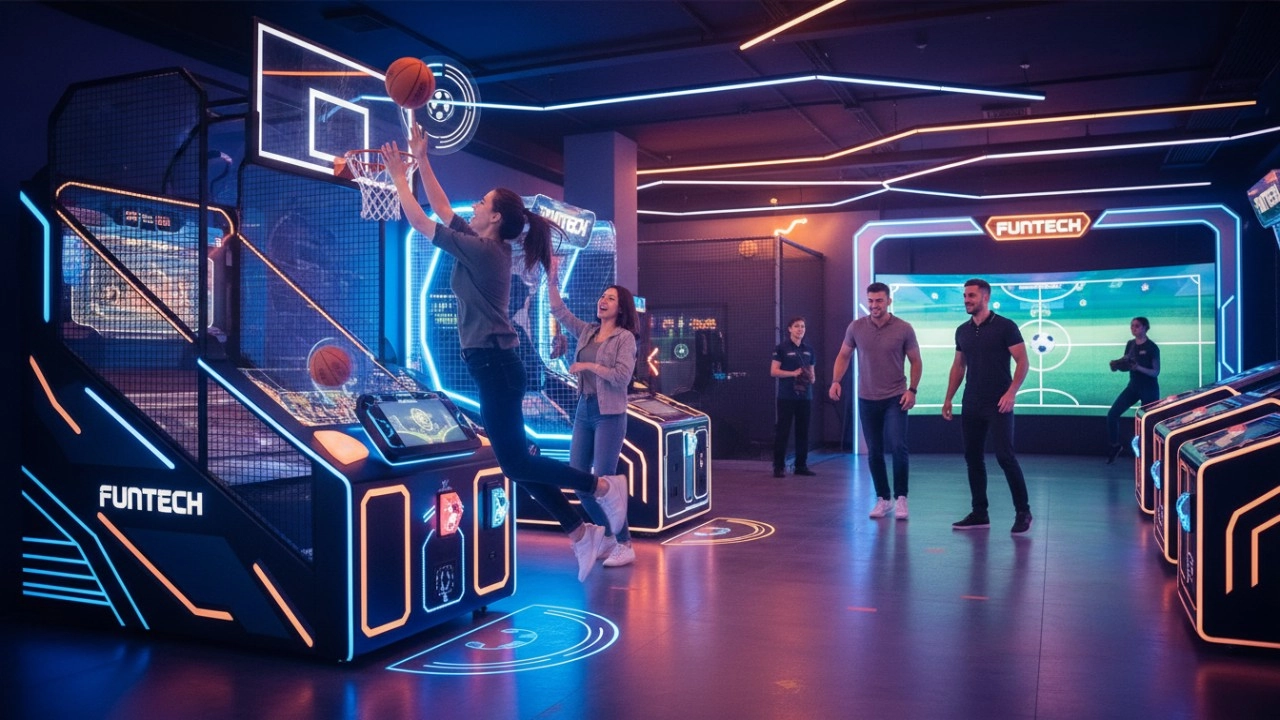
The Ultimate Guide to Interactive Sports Arcade Equipment for Commercial Entertainment (2026 Edition)
Interactive Rollerball
What are the after-sales services after purchasing the equipment?
Generally, a 1-year warranty is provided. During the warranty period, parts damaged due to quality problems, such as motor failure, display problems, etc., will be repaired or replaced free of charge. There will also be technical support, including equipment installation and debugging guidance, operation training, to ensure the smooth use of the user, after-sales response time is usually within 24 - 48 hours.
How often does the equipment require maintenance?
For daily use, simple monthly maintenance, such as simple cosmetic cleaning and function checking after use, is sufficient. A more comprehensive quarterly maintenance is sufficient.
How to reduce operating costs?
Starting with equipment procurement, choose cost-effective, durable and easy-to-maintain products, which can save money for subsequent maintenance. Reasonable arrangement of staff, reduce the number of staff on duty during off-peak hours, train staff to have multi-skills, such as being able to operate the equipment and guide customers part-time, so as to improve the efficiency of manpower and reduce the cost of manpower.
Golf Simulator
How to reduce operating costs?
Starting with equipment procurement, choose cost-effective, durable and easy-to-maintain products, which can save money for subsequent maintenance. Reasonable arrangement of staff, reduce the number of staff on duty during off-peak hours, train staff to have multi-skills, such as being able to operate the equipment and guide customers part-time, to improve the efficiency of manpower and reduce manpower costs.
How is pricing more reasonable for commercial venues operating indoor simulated golf programs?
It is recommended to use a combination of “basic time slot attraction + member lock-in + corporate high-priced package” model, the monthly revenue of a single device in a first-tier city can be more than 20,000 yuan. Focus on continuous optimization of pricing through data monitoring (e.g., customer unit price, repurchase rate) to avoid falling into low-price competition and to maintain the high-end experience tone. o The project should be operated in a shopping mall.
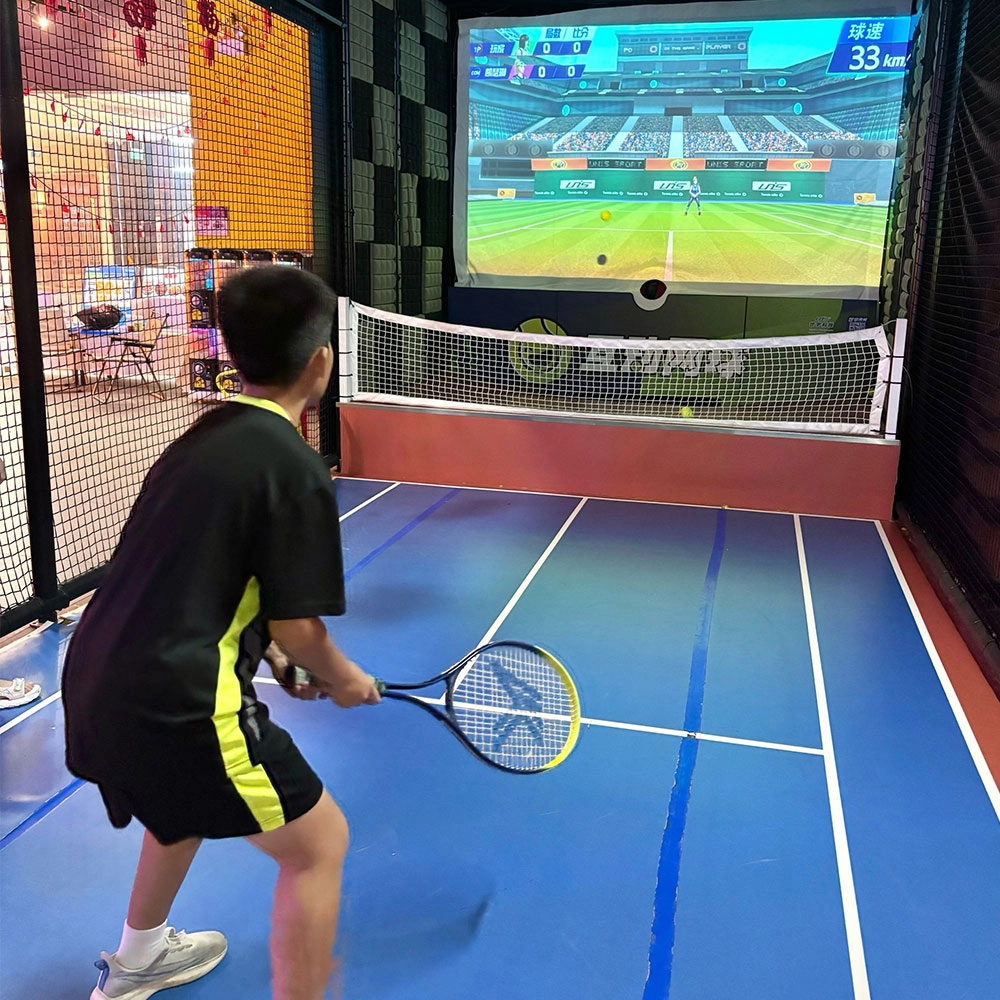
Indoor Tide Play Simulation Tennis Equipment
FUNTECH is full of fun and exciting playgrounds! With high-definition scene projection, force feedback racket, and intelligent scoring system, the simulated tennis equipment in the indoor arcade realizes immersive sports experiences and diversified interactive play, combining the advantages of safety and ease of use with high operational efficiency.
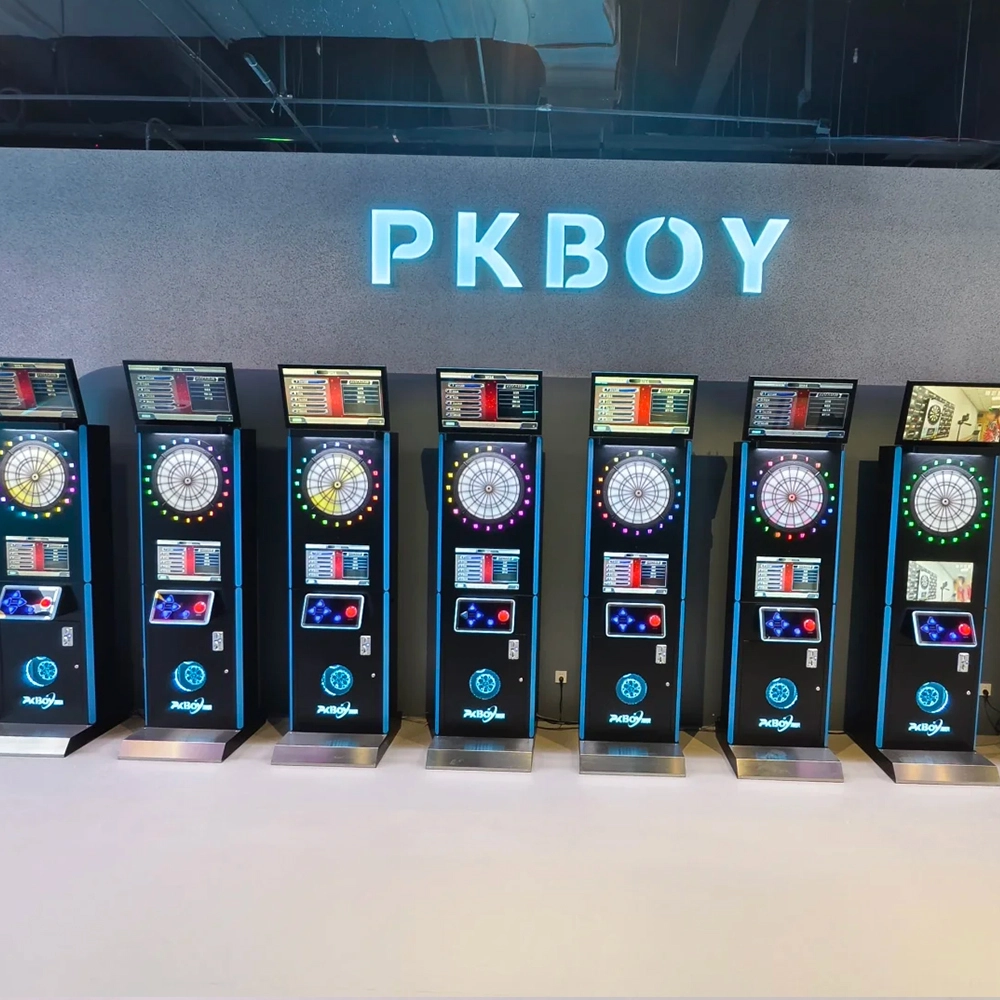
Dart Machines Bar Dart Machines
Joy Power is full of fun and excitement in the playground! The dart machine is suitable for all kinds of places, whether it is a bar, restaurant, KTV, or other entertainment venue, or a sports shop, club, or family leisure space, and can be perfectly adapted. In commercial venues, holding individual and team darts tournaments from time to time can attract more customers and increase the popularity and revenue of the venue, supplemented by various preferential activities, which can directly promote consumption and form a cycle of consumption of all the goods in the shop.
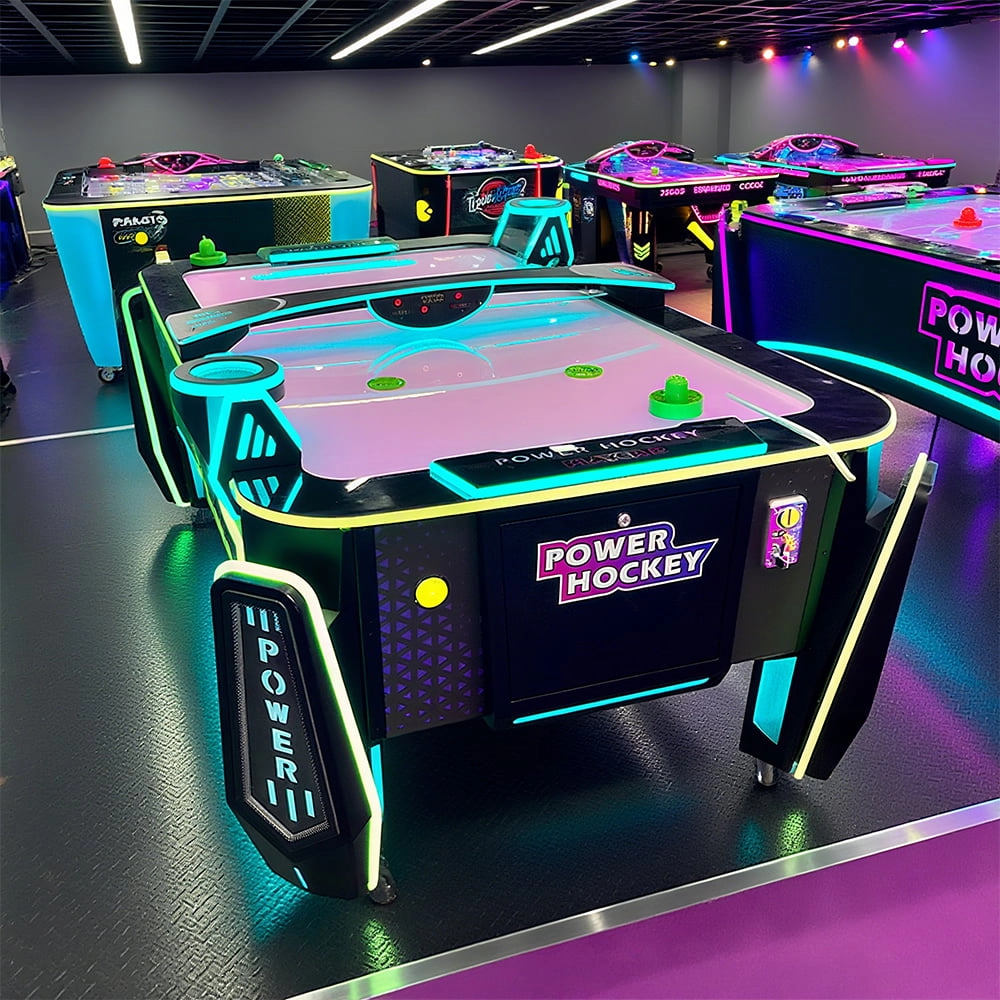
Arcade Hockey
FUNTECH is full of fun and exciting playgrounds! Air hockey, also known as air hockey, is a two-player competitive arcade game comprising a smooth, perforated playing surface, lightweight hockey sticks, a plastic puck, and an electronic scoreboard.
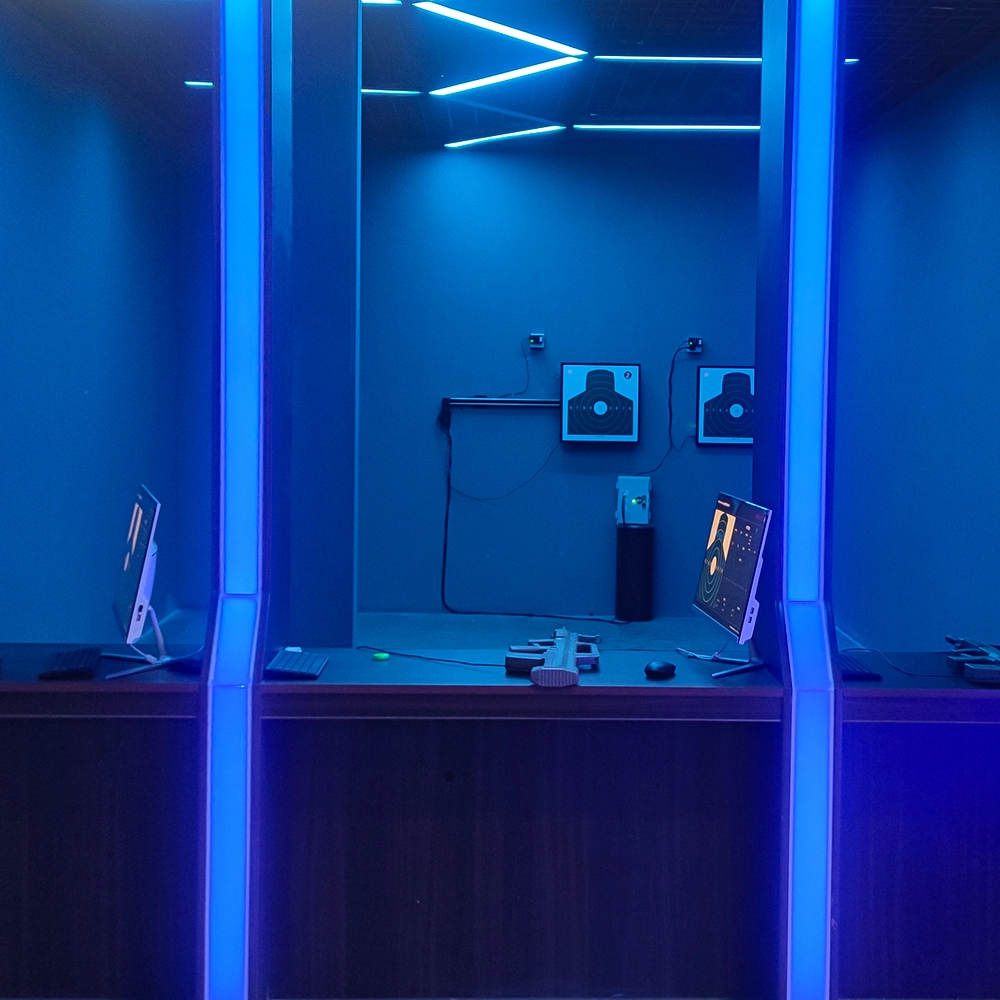
Infrared Shooting
Highly simulated simulation training analysis equipment, with advanced design concepts, fast system development, ease of operation and use, stable technical performance, less consumption of training, site dependence on a small group training is highly interesting, safe, and reliable, and other outstanding features. Product design to solve the basic skills of light weapons precision shooting as a starting point, to improve the safety of shooting training and training efficiency as the fundamental purpose, highlighting the simulation, information technology, and combat training requirements, can be in small indoor and outdoor venues and does not use live ammunition to complete the basic shooting training.
Ready to take your venue to the next level?
Leave us a message here, and our team will get back to you promptly.
Whether you're interested in custom orders, technical specifications, or partnership opportunities, we're here to assist you.
© 2025 FUNTECH ALL RIGHTS RESERVED

Weixia Lei
Fun_Tech-s
fun_tech20