
Tennis Simulators in 2026: The Ultimate Guide to Virtual Courts and Advanced Training
A comprehensive 2026 guide to tennis simulators, covering VR tech, smart court equipment, pricing, and training benefits for beginners to pros.
- What is a tennis simulator, and how does it work?
- How It Works
- Key Takeaways: Why Tennis Simulators are a Game Changer
- Core Technology Powering Modern Simulators
- Key Technologies
- Types of Tennis Simulators: Finding Your Perfect Match
- 1. Virtual Reality (VR) Simulators
- 2. Projection-Based Hitting Simulators
- 3. Smart Court Kiosks & Analysis
- Benefits of Integrating a Simulator into Your Routine
- Choosing the Right Tennis Simulator: A Buyer's Guide (2026)
- Budgeting for Your Setup
- Installation Considerations
- Beyond the Court: Business & Commercial Applications
- Commercial Use Cases
- Expert Tips for Maximizing Your Experience
- Future of Tennis Simulation: Innovations by 2026 and Beyond
- FAQ
- Are tennis simulators realistic?
- How much does a tennis simulator cost?
- Can tennis simulators improve my game?
- Do I need a lot of space for a simulator?
- References
What is a tennis simulator, and how does it work?
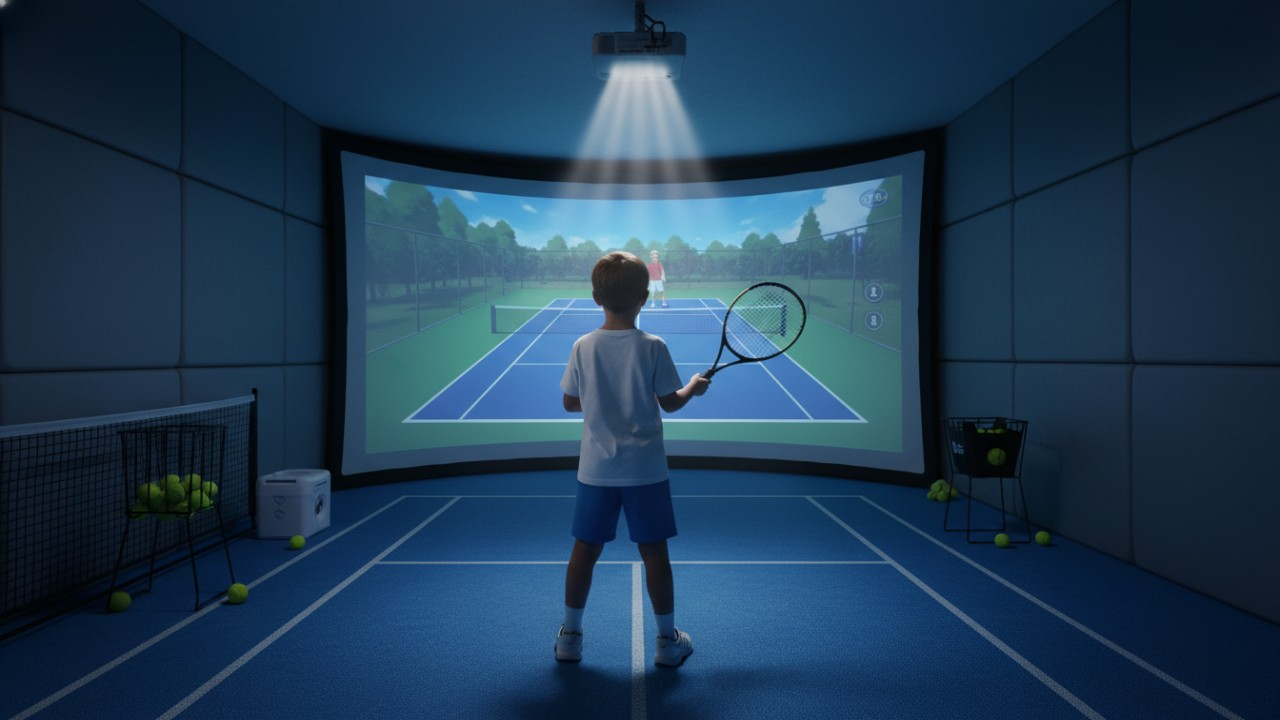
A tennis simulator is an advanced digital system that replicates the physical experience of playing tennis using motion tracking, projection screens, or Virtual Reality (VR). Unlike traditional video games, these systems use high-speed sensors to analyze your real-world swing, footwork, and ball impact, translating that data into a hyper-realistic virtual environment. Imagine stepping onto Centre Court at Wimbledon without leaving your living room, or analyzing the spin rate of your backhand with the precision of a professional coach—instantly. By 2026, the tennis simulator has evolved from a novelty video game into a critical piece of tennis training equipment for players of all levels. Whether you are a club owner looking to modernize your facility or a beginner wanting to learn without pressure, simulated tennis is revolutionizing the sport.
How It Works
Modern indoor tennis simulator setups generally rely on three core components to create a seamless experience:
· Input Sensors: Cameras, lidar, or infrared sensors track the movement of the player and the racket.
· Processing Unit: A powerful computer runs complex physics engines to calculate ball trajectory, spin, and speed in real-time.
· Output Display: The visual feedback is displayed via a large projection screen (for physical ball hitting) or a VR headset (for fully digital immersion).
Key Takeaways: Why Tennis Simulators are a Game Changer
· Year-Round Play: Simulated tennis allows you to train regardless of rain, snow, or extreme heat.
· Data-Driven Improvement: Access professional-grade analytics on swing speed, accuracy, and consistency.
· Accessibility: Tennis equipment for beginners can be intimidating; simulators offer a judgment-free zone to learn mechanics.
· Entertainment: Gamified modes make practice addictive, acting as excellent tennis games for kids and adults alike.
· Space Efficiency: Compact systems allow for high-level training in spaces much smaller than a regulation court.
Core Technology Powering Modern Simulators
The realism of a tennis simulator in 2026 is driven by the convergence of Artificial Intelligence (AI) and haptic feedback technology. It is no longer just about hitting a ball against a screen; it is about feeling the impact and understanding the biomechanics of every shot.
Key Technologies
1. Computer Vision & AI: Systems like AccuTennis and BatFast use cameras to track ball flight with millimeter precision, offering "Hawk-Eye" level accuracy for line calls and shot analysis.
2. Haptic Feedback: VR controllers now simulate the resistance and vibration of hitting a ball, tricking the brain into feeling physical impact.
3. Smart Ball Machines: Advanced tennis court equipment now includes robotic ball feeders that communicate with the simulator to deliver shots at the exact speed and spin needed for specific drills.
Types of Tennis Simulators: Finding Your Perfect Match
Tennis simulators generally fall into three categories: VR headsets, projection-based "hitting" simulators, and smart court systems. Choosing the right one depends heavily on your goals, available space, and budget.
1. Virtual Reality (VR) Simulators
These are fully immersive digital experiences requiring a headset (like Meta Quest or HTC Vive). You swing a controller (or a specialized tracker attached to a racket) but do not hit a physical ball.
· Best For: Home use, limited space, mental training, and reaction time.
· Popular Titles: First Person Tennis, Tennis Esports.
2. Projection-Based Hitting Simulators
Similar to golf simulators, players hit a real ball against a durable, impact-resistant screen. Sensors track the ball's flight as it hits the screen and project the rest of the trajectory virtually.
· Best For: Serious equipment for tennis training, commercial centers, and realistic stroke mechanics.
· Requirement: High ceilings and a deeper room (typically 20 ft depth).
3. Smart Court Kiosks & Analysis
These are installed on real courts. They do not simulate the environment but "gamify" real-world play using cameras and interactive scoreboards.
· Best For: Tennis clubs, coaching academies, and tournament venues.
For business owners exploring different entertainment technologies, understanding the landscape is crucial. If you are looking to diversify beyond racket sports, reviewing the Top Manufacturers & Insights of Shooting Simulator can provide a broader perspective on the simulation entertainment market.
Benefits of Integrating a Simulator into Your Routine
Using a tennis simulator accelerates skill acquisition by providing instant, objective feedback that a human eye might miss. According to a 2024 report by Grand View Research, the global tennis sports technology market is growing at a CAGR of over 21%, driven largely by the efficacy of these training tools.
· Enhanced Muscle Memory: Repetition is key. Simulators allow you to hit hundreds of forehands in a fraction of the time it takes on a real court.
· Injury Prevention: Tennis trainers' equipment in a virtual setting often allows for controlled intensity, reducing the wear and tear on joints compared to hard courts.
· Cognitive Training: VR studies suggest that training in a virtual environment can significantly improve dynamic balance and reaction times, which translates directly to on-court performance.
Choosing the Right Tennis Simulator: A Buyer's Guide (2026)
When investing in a tennis simulator, prioritize tracking accuracy and software ecosystem over sheer graphical fidelity. A pretty game that tracks your slice as a topspin is useless for training.
Budgeting for Your Setup
· Entry-Level ($300 - $1,000): High-end VR headset plus specialized racket attachments. Great for tennis equipment for beginners and home fun.
· Mid-Range ($2,000 - $8,000): Smart ball machines and portable launch monitors (e.g., SwingVision setups) that turn a garage wall into a smart training zone.
· Commercial/Pro ($10,000 - $30,000+): Full projection enclosures with high-speed camera arrays. While this may seem steep, it is comparable to other commercial amusement setups; for context, you can compare this with the typical shooting simulator price to gauge investment levels for entertainment venues.
Installation Considerations
· Space: For projection systems, ensure you have at least 10 feet of width and 12 feet of depth to swing safely.
· Lighting: Controlled lighting is essential for camera-based tracking systems to function correctly.
Beyond the Court: Business & Commercial Applications
Commercial tennis simulators are becoming a staple in "eatertainment" venues, sports bars, and luxury hotels. Just as Topgolf revolutionized golf, products like Tennis Social AI are transforming tennis into a social, accessible experience.
Commercial Use Cases
1. Sports Bars: offering best tennis game experiences where patrons compete in serving challenges while socializing.
2. Training Academies: Using training equipment for tennis to offer premium "data-analysis" lessons that command higher hourly rates.
3. Hotels & Resorts: Providing guests with indoor tennis simulator options when weather conditions prevent outdoor play.
Expert Tips for Maximizing Your Experience
To get the most out of your simulated tennis sessions, treat them with the same focus and physical preparation as a real match.
· Use Real Gear: Whenever possible, use equipment for tennis that matches your real-world specs. Even in VR, weighted racket adapters are essential to maintain proper swing biomechanics.
· Calibrate Often: Sensor drift is real. Recalibrate your system before every session to ensure your simulation tennis data is accurate.
· Mix It Up: Do not just rally. Use the system's specific drills for volleying, serving, and footwork to build a complete game.
Future of Tennis Simulation: Innovations by 2026 and Beyond
The future promises a seamless blend of Augmented Reality (AR) and physical play, where smart glasses overlay stats directly onto a real court. By 2026, we expect to see "haptic suits" that provide feedback on body posture, correcting your form in real-time. The line between tennis court equipment and digital coaching will vanish, creating a holistic training environment that is smarter, faster, and more connected than ever before.
FAQ
Are tennis simulators realistic?
Yes, modern projection and VR simulators use advanced physics engines and sub-millimeter tracking to replicate ball spin, speed, and trajectory with 95%+ accuracy.
How much does a tennis simulator cost?
Costs range from $500 for a VR setup to over $20,000 for a commercial-grade projection system. 2025 saw a significant price drop in commercial units, making them more accessible.
Can tennis simulators improve my game?
Absolutely. They excel at building consistency, improving reaction time, and providing analytical data that helps identify and correct technical flaws.
Do I need a lot of space for a simulator?
For VR, you need about 6x6 feet. For a physical hitting simulator, you typically need a room with dimensions around 10 ft (W) x 15-20 ft (D) x 10 ft (H).
References
· Tennis - Sports Technology Market Size & Growth Report
· Sports Simulators Market Size, Growth and Trend Analysis
· Effects of Immersive Virtual Reality-Based Tennis Training on Balance
Interactive Sports Arcade vs Traditional Arcade Machines: Key Differences (2026 Guide)
How Interactive Sports Arcade Machines Work (Sensors, Projection & AI) - 2026 Guide
What Defines Interactive Sports Arcade Equipment in 2026?
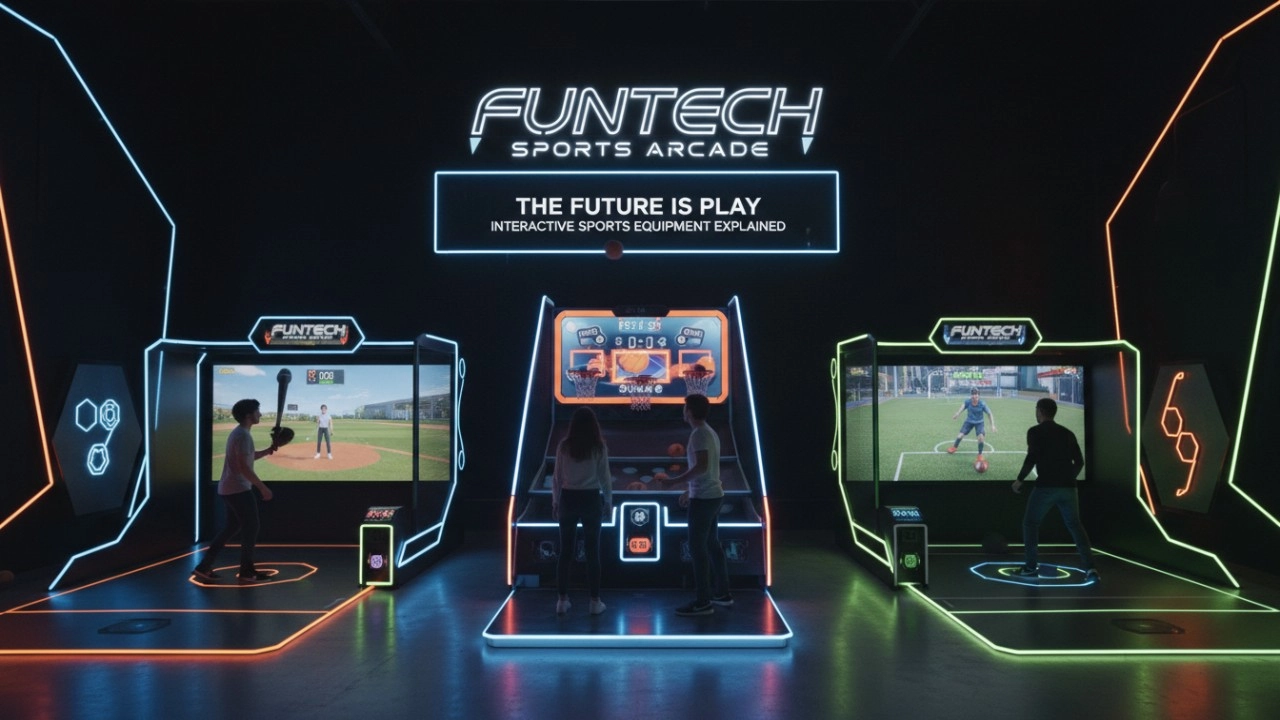
What Is Interactive Sports Arcade Equipment? Complete Beginner Guide (2026)
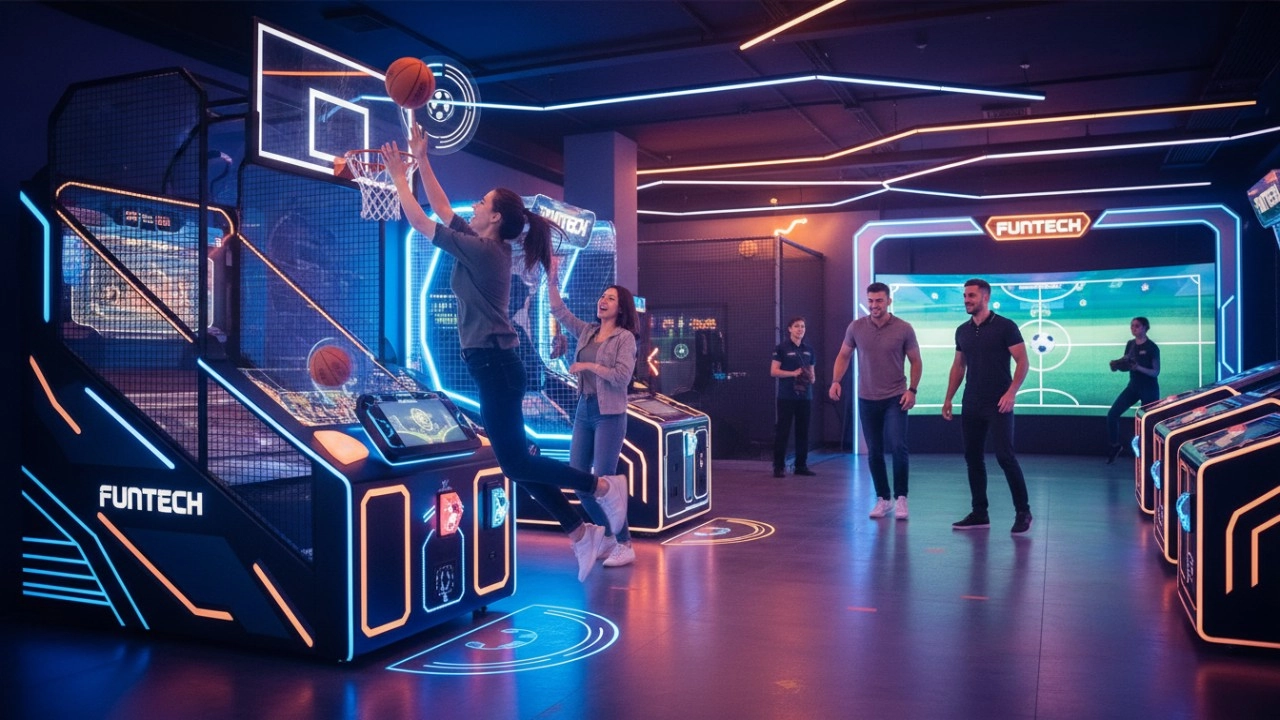
The Ultimate Guide to Interactive Sports Arcade Equipment for Commercial Entertainment (2026 Edition)
FAQ
What problems does the Digital Sports Center solve?
The Digital Sports Trendy Pavilion provides people with an innovative experience place that combines technology and sports, solving some problems existing in traditional sports activities and amusement facilities, while also meeting modern people's needs for digital technology and dynamic experience.
Products
How to reduce operating costs?
Starting with equipment procurement, choose cost-effective, durable and easy-to-maintain products, which can save money for subsequent maintenance. o Starting with equipment procurement, choose cost-effective, durable and easy-to-maintain products, which can save money for subsequent maintenance. Reasonable arrangement of staff, reduce the number of staff on duty during non-peak hours, train staff to have multi-skills, such as being able to operate the equipment as well as guiding customers on the side, to improve the efficiency of manpower and reduce manpower costs.
Interactive Rollerball
What are the after-sales services after purchasing the equipment?
Generally, a 1-year warranty is provided. During the warranty period, parts damaged due to quality problems, such as motor failure, display problems, etc., will be repaired or replaced free of charge. There will also be technical support, including equipment installation and debugging guidance, operation training, to ensure the smooth use of the user, after-sales response time is usually within 24 - 48 hours.
Why are sports arcades a hot spot for investment?
The traditional entertainment market (e.g., arcade, KTV) has become less attractive to generations, while digital hip playgrounds integrating technology, sports, and socialization are more in line with young people's needs, and the market size has exceeded 50 billion in 2023, with an annual growth rate of more than 30%.
Dart Machines Bar Dart Machines
How often does the equipment require maintenance?
For daily use, simple monthly maintenance, such as simple cosmetic cleaning and function checking after use, is sufficient. A more comprehensive quarterly maintenance is sufficient.
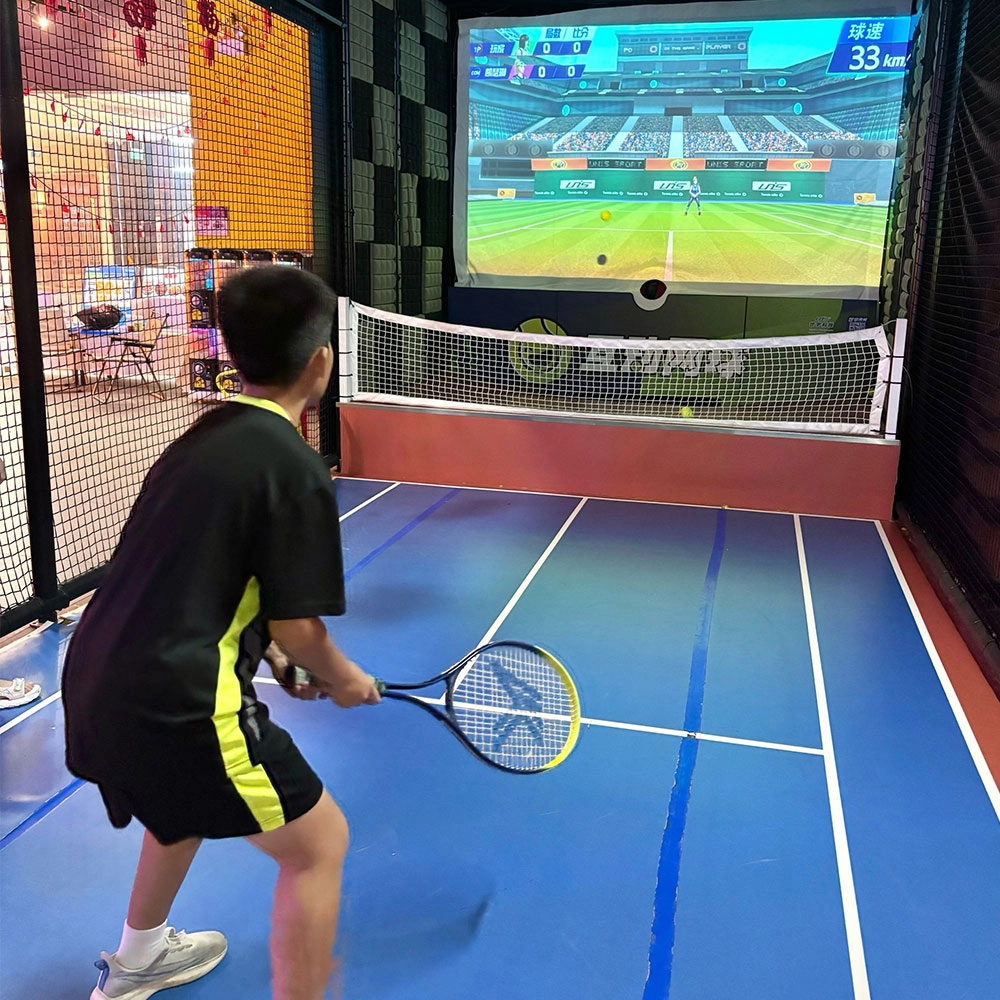
Indoor Tide Play Simulation Tennis Equipment
FUNTECH is full of fun and exciting playgrounds! With high-definition scene projection, force feedback racket, and intelligent scoring system, the simulated tennis equipment in the indoor arcade realizes immersive sports experiences and diversified interactive play, combining the advantages of safety and ease of use with high operational efficiency.
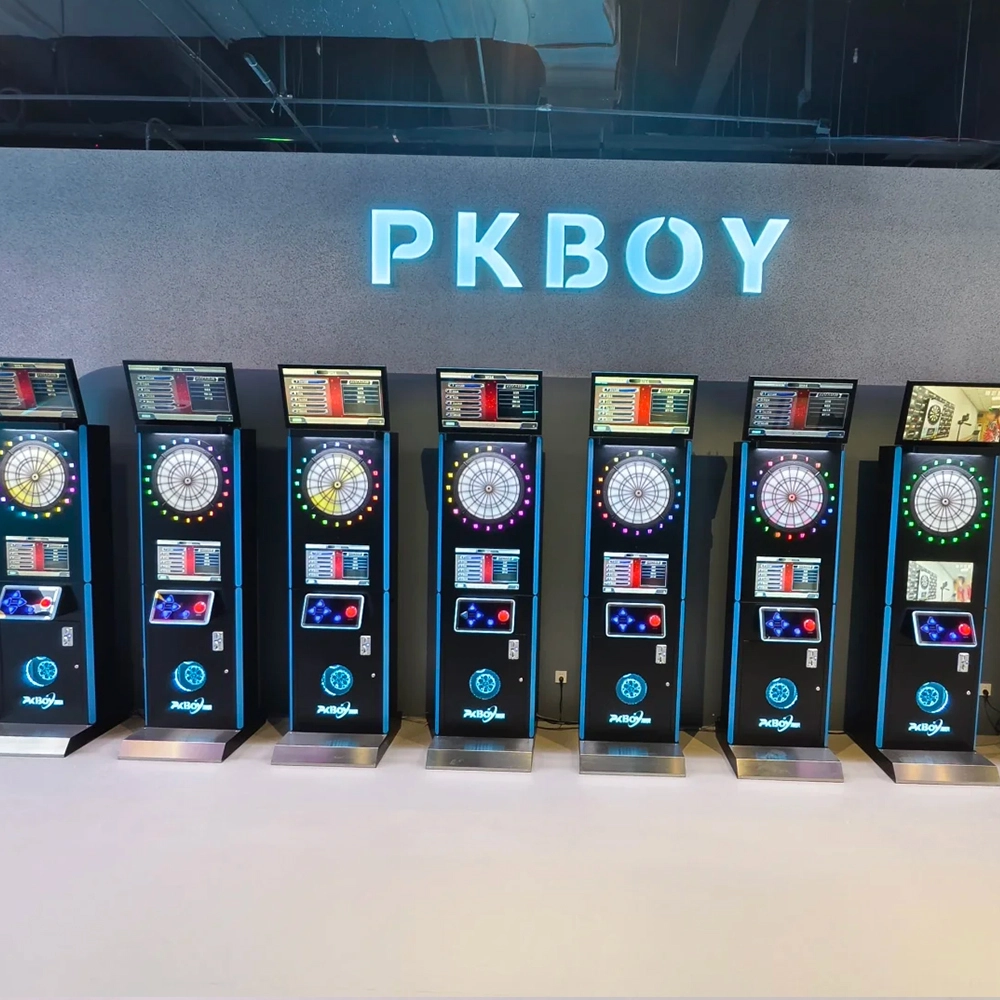
Dart Machines Bar Dart Machines
Joy Power is full of fun and excitement in the playground! The dart machine is suitable for all kinds of places, whether it is a bar, restaurant, KTV, or other entertainment venue, or a sports shop, club, or family leisure space, and can be perfectly adapted. In commercial venues, holding individual and team darts tournaments from time to time can attract more customers and increase the popularity and revenue of the venue, supplemented by various preferential activities, which can directly promote consumption and form a cycle of consumption of all the goods in the shop.
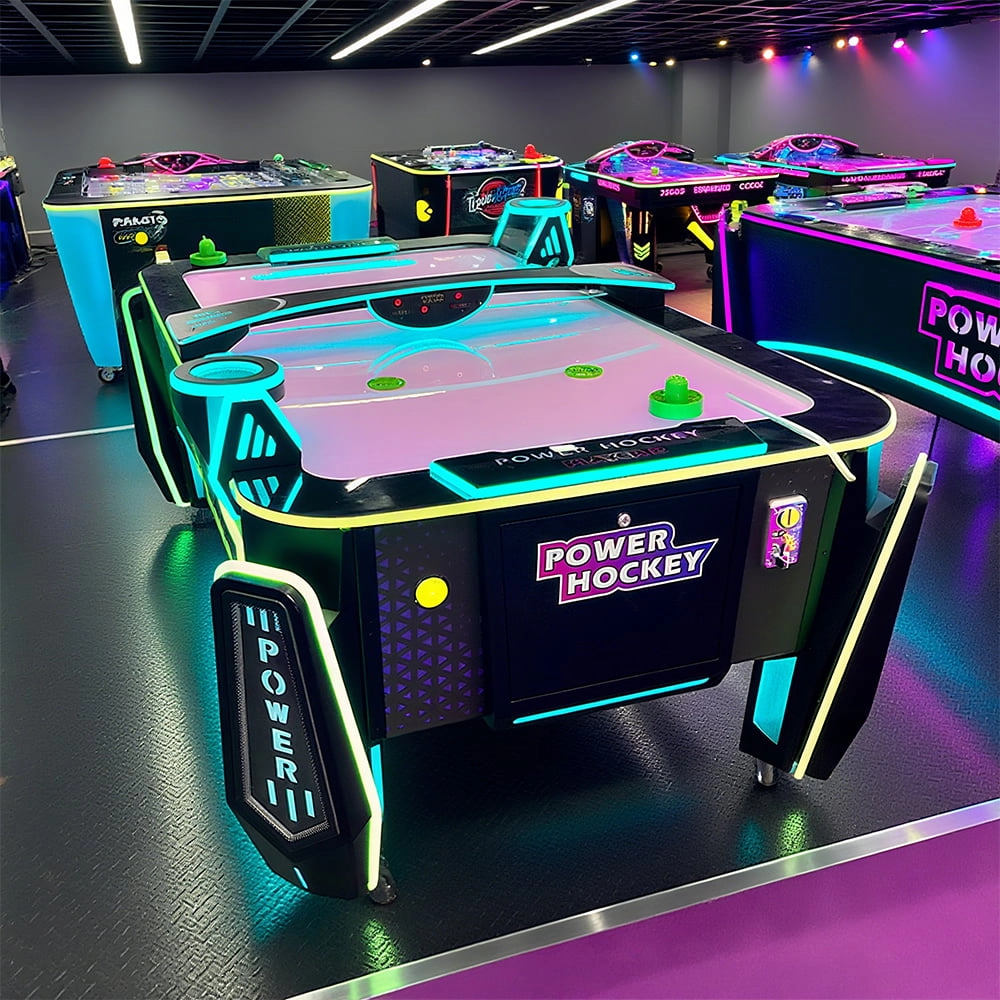
Arcade Hockey
FUNTECH is full of fun and exciting playgrounds! Air hockey, also known as air hockey, is a two-player competitive arcade game comprising a smooth, perforated playing surface, lightweight hockey sticks, a plastic puck, and an electronic scoreboard.
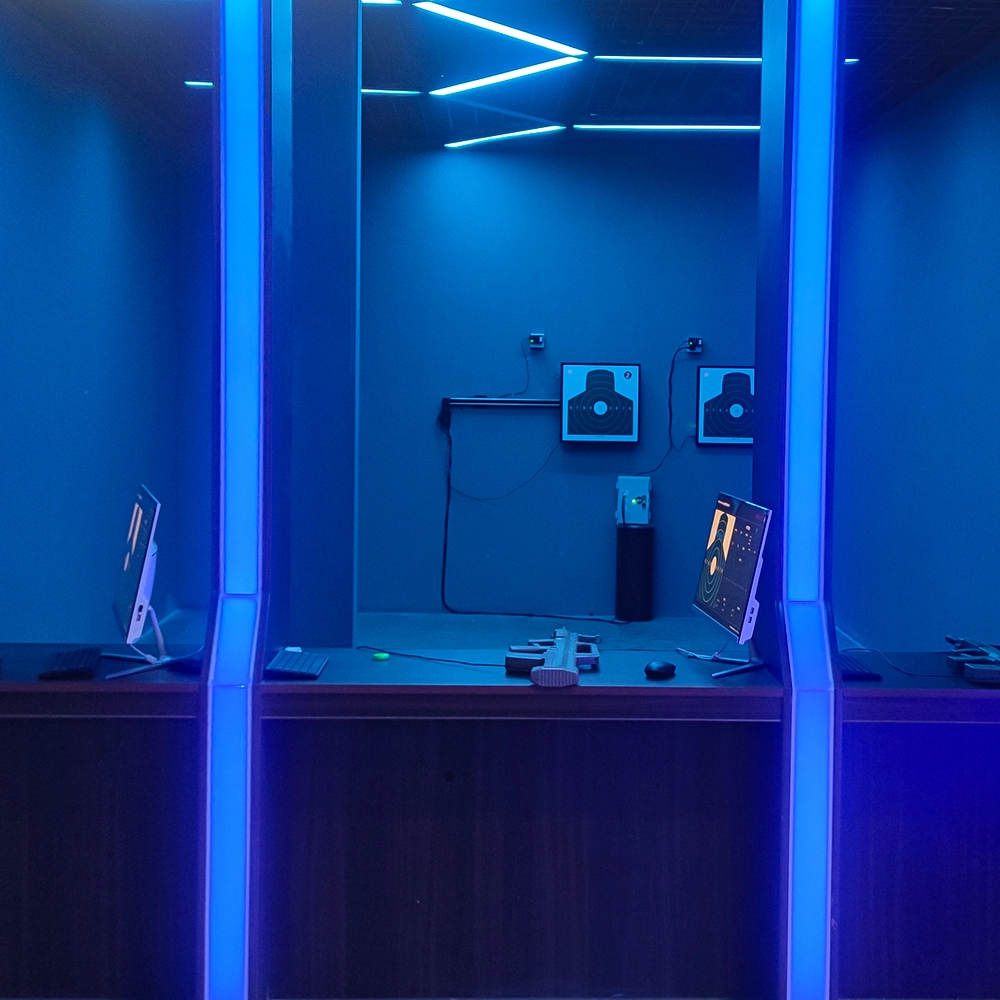
Infrared Shooting
Highly simulated simulation training analysis equipment, with advanced design concepts, fast system development, ease of operation and use, stable technical performance, less consumption of training, site dependence on a small group training is highly interesting, safe, and reliable, and other outstanding features. Product design to solve the basic skills of light weapons precision shooting as a starting point, to improve the safety of shooting training and training efficiency as the fundamental purpose, highlighting the simulation, information technology, and combat training requirements, can be in small indoor and outdoor venues and does not use live ammunition to complete the basic shooting training.
Ready to take your venue to the next level?
Leave us a message here, and our team will get back to you promptly.
Whether you're interested in custom orders, technical specifications, or partnership opportunities, we're here to assist you.
© 2025 FUNTECH ALL RIGHTS RESERVED

Weixia Lei
Fun_Tech-s
fun_tech20