
How Interactive Sports Arcade Machines Work (Sensors, Projection & AI) - 2026 Guide
- How Do Interactive Sports Arcade Machines Work?
- Quick Summary & Key Takeaways
- Data Comparison Table: Arcade Machine Sensor Technology
- The Role of Projection Mapping and Spatial Augmented Reality
- AI-Driven Smart Scoring and Dynamic Difficulty
- Expert Tips: Common Mistakes in Machine Maintenance
- Industry-Leading Solutions by FUNTECH
- Conclusion
- What sensors are used in interactive sports arcade machines?
- How does projection mapping work in interactive games?
- What is dynamic difficulty adjustment in arcade games?
- How do depth cameras track a ball hitting a wall?
- Why are modern arcade machines using PC-based game boards?
- How much maintenance do LiDAR-based sports games require?
- Can ambient light affect interactive wall games?
- Are interactive sports simulators profitable for arcade owners?
How Do Interactive Sports Arcade Machines Work?
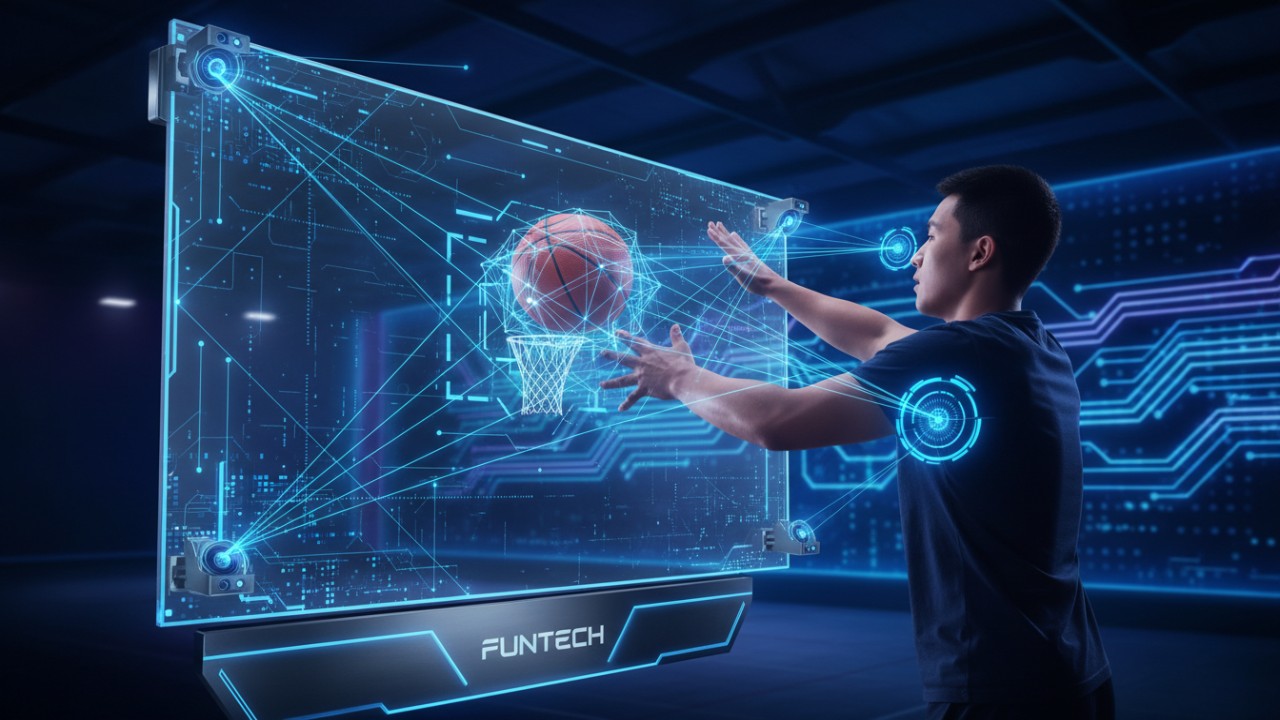
Interactive sports arcade machines operate by combining physical gameplay with advanced digital tracking technologies, utilizing precision sensors like LiDAR and depth cameras to monitor player movement and ball trajectory in real-time, which is then processed by game logic boards to deliver instant visual feedback.
Understanding how interactive sports arcade machines work requires looking beyond traditional mechanical setups. Today's commercial arcades have evolved into highly sophisticated sports simulator tracking systems. When a player throws a basketball or swings a tennis racket, a network of embedded sensors instantly captures the physical data. This raw data is transmitted to custom PC-based game boards that calculate speed, angle, and impact location in milliseconds.
For operators and enthusiasts looking to grasp the full scope of this technology, exploring the interactive sports arcade equipment meaning reveals a massive shift toward intelligent hardware combined with interactive content. Instead of simple physical switches, these machines leverage spatial augmented reality to create a seamless bridge between the physical action of the player and the digital reaction on the screen. This convergence of physical fitness and gamification represents the new standard in the video game category.
Quick Summary & Key Takeaways
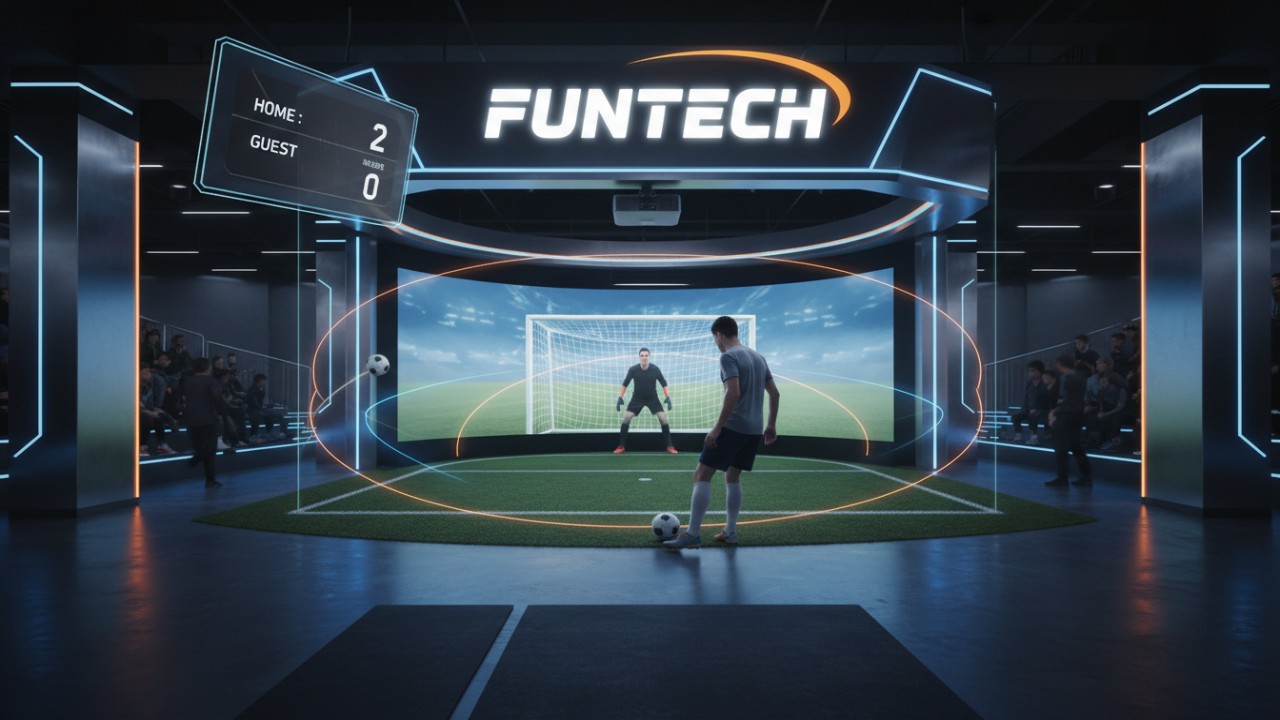
The core mechanics of modern interactive sports simulators rely on a seamless blend of spatial augmented reality, high-speed tracking sensors, and adaptive artificial intelligence to create highly immersive, responsive, and physically engaging gaming environments for players of all skill levels.
To fully understand the ecosystem of digital sports entertainment, keep these key takeaways in mind:
- Core Technologies: Modern cabinets have replaced simple mechanical switches with advanced infrared beams, LiDAR, and radar systems for millimeter-accurate tracking.
- Projection Mapping: High-lumen projectors transform blank walls into dynamic, interactive sports arenas using specialized spatial augmented reality software.
- AI Integration: Artificial intelligence continuously monitors player performance to dynamically adjust game difficulty, ensuring optimal engagement.
- Maintenance Matters: Regular calibration of depth cameras and projectors is absolutely essential for maintaining tracking accuracy and preventing scoring errors.
Data Comparison Table: Arcade Machine Sensor Technology
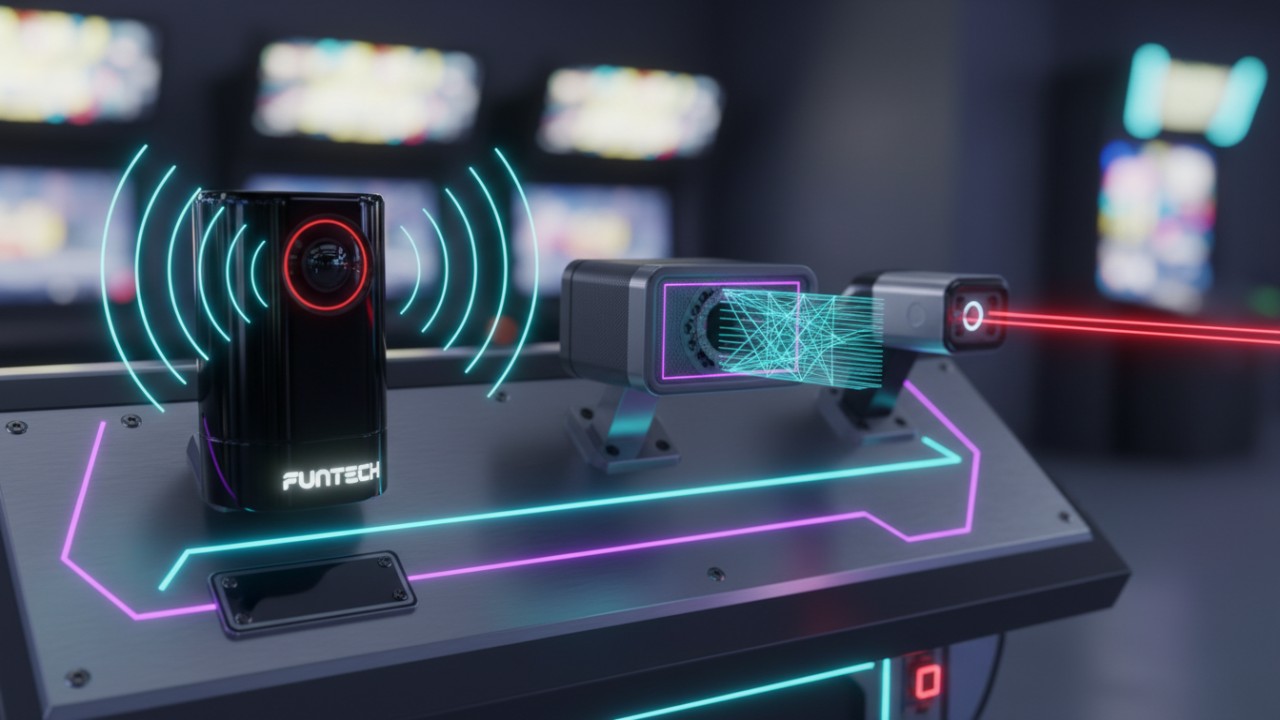
Choosing the right arcade machine sensor technology requires balancing cost, spatial tracking capabilities, and specific gameplay requirements; the comparison below highlights the operational differences between infrared, LiDAR, depth cameras, and radar systems used in commercial sports simulators.
Understanding arcade machine sensor technology is critical for operators looking to maximize their return on investment. According to the USGS, LiDAR (Light Detection and Ranging) uses pulsed laser beams to create highly accurate 3D spatial representations of physical environments. This level of precision is exactly what powers high-end commercial simulators.
| Sensor Technology | Cost Level | Primary Function | Best Arcade Use Case |
|---|---|---|---|
| Infrared Sensors | Low | Simple beam-breaking detection | Basic scoring hoops and classic skee-ball |
| Depth Cameras | Medium | 3D spatial mapping and body tracking | Interactive walls and full-body gesture games |
| LiDAR | High | High-speed object and spatial tracking | Premium sports simulator tracking systems |
| Radar | High | Measuring high-speed velocity and spin | Advanced commercial golf or baseball simulators |
By analyzing this data, operators can easily see why depth cameras and LiDAR have become the industry standard for highly immersive digital movement experiences.
The Role of Projection Mapping and Spatial Augmented Reality
Projection mapping, also known as spatial augmented reality, is a projection technology used to turn irregularly shaped physical objects or blank walls into dynamic display surfaces, utilizing high-lumen projectors and calibration software to align digital environments with physical gameplay.
As defined by Knight Lab, this technique uses specialized software to spatially map a two- or three-dimensional object, allowing projectors to fit any desired image seamlessly onto that surface. In the context of projection mapping games, this means transforming a standard physical space into a glowing, interactive sports arena.
When executing an interactive wall setup guide, technicians must carefully calibrate the camera-projector alignment. The system continuously analyzes moving objects, such as a physical soccer ball. Upon impact with the wall, the depth cameras register the exact coordinates, prompting the 3D rendering engine to trigger an explosive visual effect exactly where the ball hit. This creates a mesmerizing loop of physical action and digital reward that captivates players.
AI-Driven Smart Scoring and Dynamic Difficulty
Dynamic difficulty adjustment is an AI-driven game design technique that automatically customizes a game's challenge level in real-time based on a player's performance, ensuring the gameplay remains engaging by dynamically altering target sizes, speeds, or scoring metrics.
This concept, known as dynamic game difficulty balancing according to Wikipedia, involves adjusting scenarios and behaviors to prevent the player from becoming bored if the game is too easy or frustrated if it is too difficult. AI arcade game mechanics utilize these exact principles to maximize player retention.
Modern game logic boards are equipped with advanced algorithms that track a player's hit rate, reaction time, and overall skill level during a session.
- Skill Assessment: The AI evaluates the first few interactions to establish a baseline for the player.
- Real-Time Adjustment: If a player is scoring too quickly, the AI might shrink the digital targets or increase their movement speed.
- Player Retention: By keeping the player in a psychological "flow state," they are more likely to swipe their card for another round, directly boosting the operator's revenue.
Expert Tips: Common Mistakes in Machine Maintenance
Maintaining interactive sports arcade machines requires consistent preventative care, specifically focusing on routine camera lens cleaning, environmental lighting control, and regular software updates to prevent ghost object tracking, sensor blinding, and AI scoring anomalies during gameplay.
Even the most advanced sports simulator tracking systems can fail if improperly maintained. Our operations team frequently encounters operators who overlook basic environmental factors.
- Dirty Sensors: Failing to clean depth camera lenses regularly is the leading cause of tracking "ghost objects," where the system registers hits that never actually happened.
- Ambient Light Interference: Excess sunlight can wash out high-lumen projections and completely blind infrared sensors. Proper lighting control is mandatory for an optimal interactive wall setup guide.
- Ignored Updates: Skipping routine software patches can lead to camera-to-projector calibration drift and erratic AI arcade game mechanics. Always keep your game logic boards updated to the latest firmware to ensure smooth operation.
Industry-Leading Solutions by FUNTECH
Guangzhou Suiyi Technology Co., Ltd., operating under the brand FUNTECH, integrates cutting-edge LiDAR, custom 3D rendering engines, and robust commercial-grade cabinets to deliver industry-leading digital sports entertainment solutions that maximize user retention and operator ROI.
Established in 2023, Guangzhou Suiyi Technology Co., Ltd. is an innovative enterprise specializing in intelligent sports equipment R&D, manufacturing, and sales. Under our Joyful Power brand, we have redefined the future of sports lifestyles by integrating smart hardware with highly interactive content.
When investing in high-tech arcades, hardware reliability and software synergy are paramount. Our competitive edge lies in strict quality control and a professional R&D team that understands exactly how interactive sports arcade machines work. By offering customized services and 24/7 customer support, we ensure that our global partners experience a massive increase in user retention when upgrading from legacy mechanical systems to our AI-driven holographic projection and digital movement platforms.
Conclusion
The future of digital movement relies on understanding how interactive sports arcade machines work, empowering operators to leverage projection mapping, depth tracking, and AI mechanics to make informed, future-proof investments in the rapidly growing digital sports entertainment sector.
By combining physical fitness with cutting-edge gamification, these machines represent the ultimate evolution of the modern arcade. Operators who embrace arcade machine sensor technology and projection mapping games will undoubtedly lead the market in customer engagement and long-term profitability.
What sensors are used in interactive sports arcade machines?
Common sensors include infrared beams for basic scoring, LiDAR for high-speed spatial tracking, and depth cameras for capturing full-body movements and precise ball impacts against interactive walls.
How does projection mapping work in interactive games?
Projection mapping uses specialized spatial augmented reality software to align digital images with physical surfaces, utilizing calibrated cameras to detect exactly when a player or object interacts with the projected graphics.
What is dynamic difficulty adjustment in arcade games?
It is an AI-driven feature that continuously monitors a player's performance in real-time and automatically adjusts the game's difficulty, such as shrinking target sizes or increasing speed, to maintain optimal engagement.
How do depth cameras track a ball hitting a wall?
Depth cameras create a continuous 3D map of the physical play area and instantly detect changes in depth, allowing the system to recognize a ball's size, velocity, and exact impact coordinates on the wall.
Why are modern arcade machines using PC-based game boards?
Custom PC-based boards provide the massive processing power required for real-time 3D rendering, running complex physics engines, and instantly processing high-speed sensor data without latency.
How much maintenance do LiDAR-based sports games require?
They require regular and meticulous lens cleaning, routine calibration checks, and consistent software updates to ensure the lasers accurately map the physical environment without digital interference.
Can ambient light affect interactive wall games?
Yes, bright ambient light or direct sunlight can severely wash out projections and interfere with infrared or depth sensors, leading to tracking errors and a degraded player experience.
Are interactive sports simulators profitable for arcade owners?
Yes, due to their highly immersive nature and physical engagement, these machines often command higher play prices and strongly encourage repeat visits, significantly improving overall return on investment.
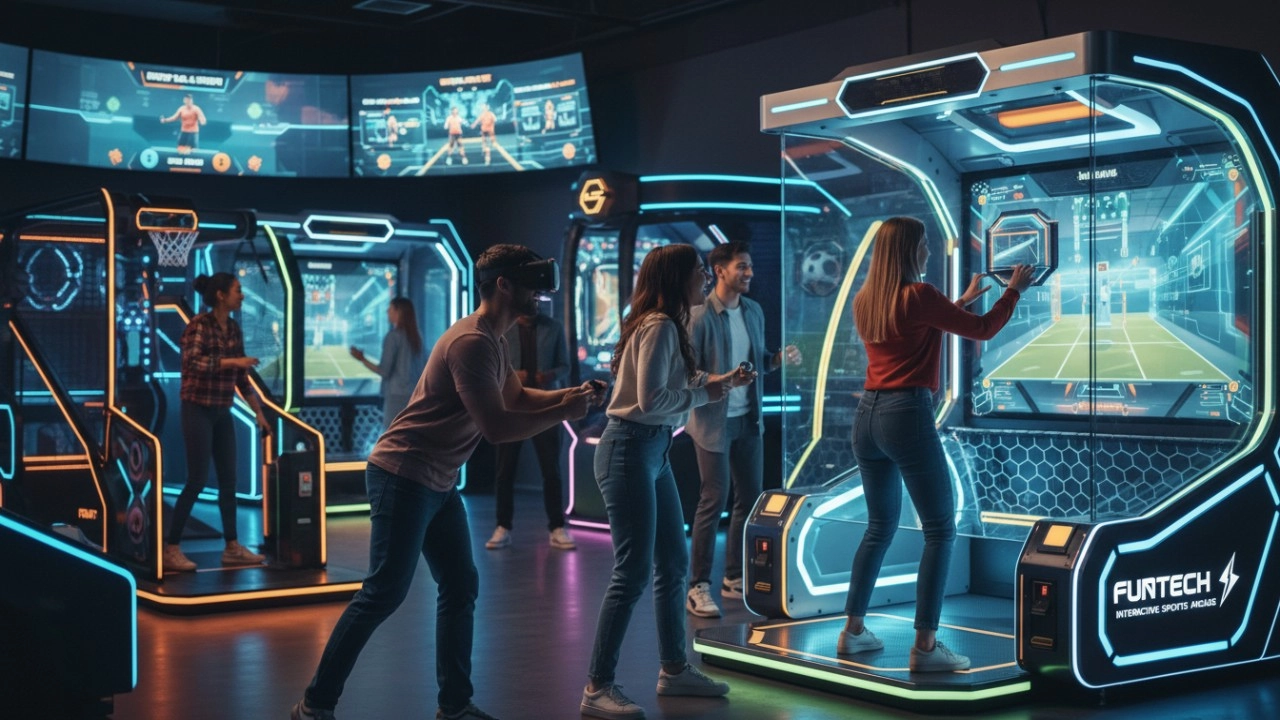
What Defines Interactive Sports Arcade Equipment in 2026?
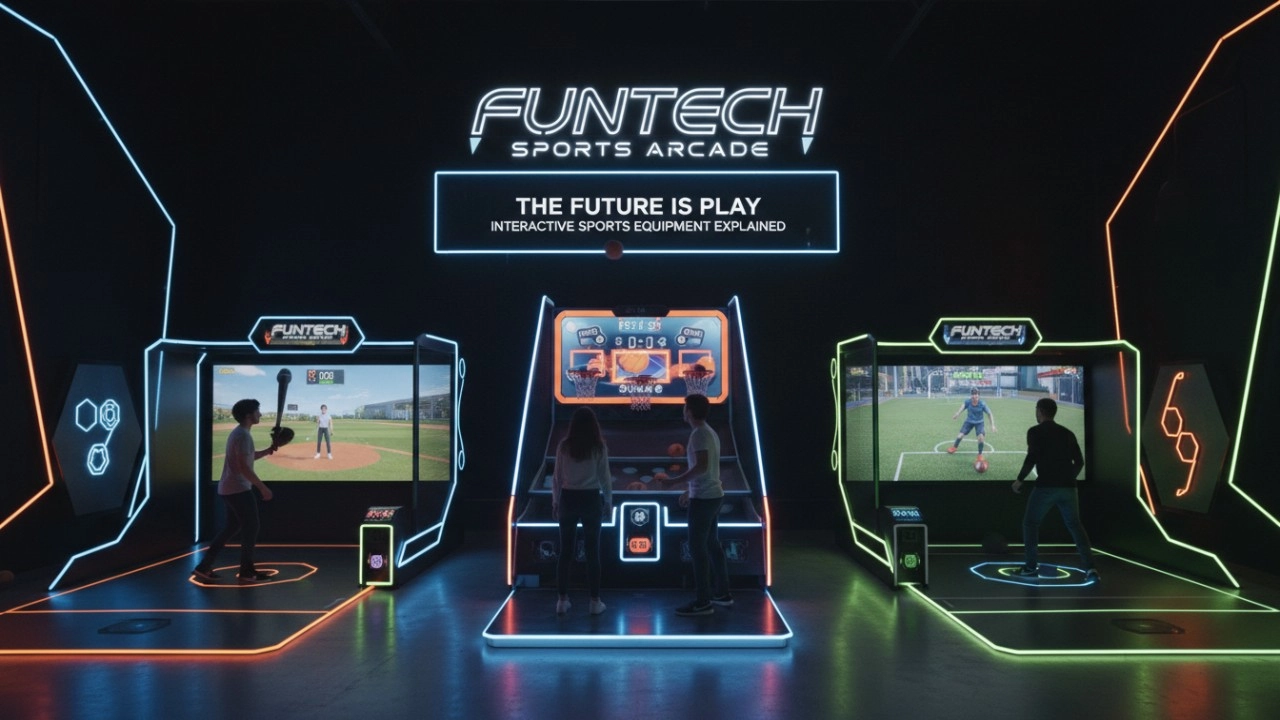
What Is Interactive Sports Arcade Equipment? Complete Beginner Guide (2026)
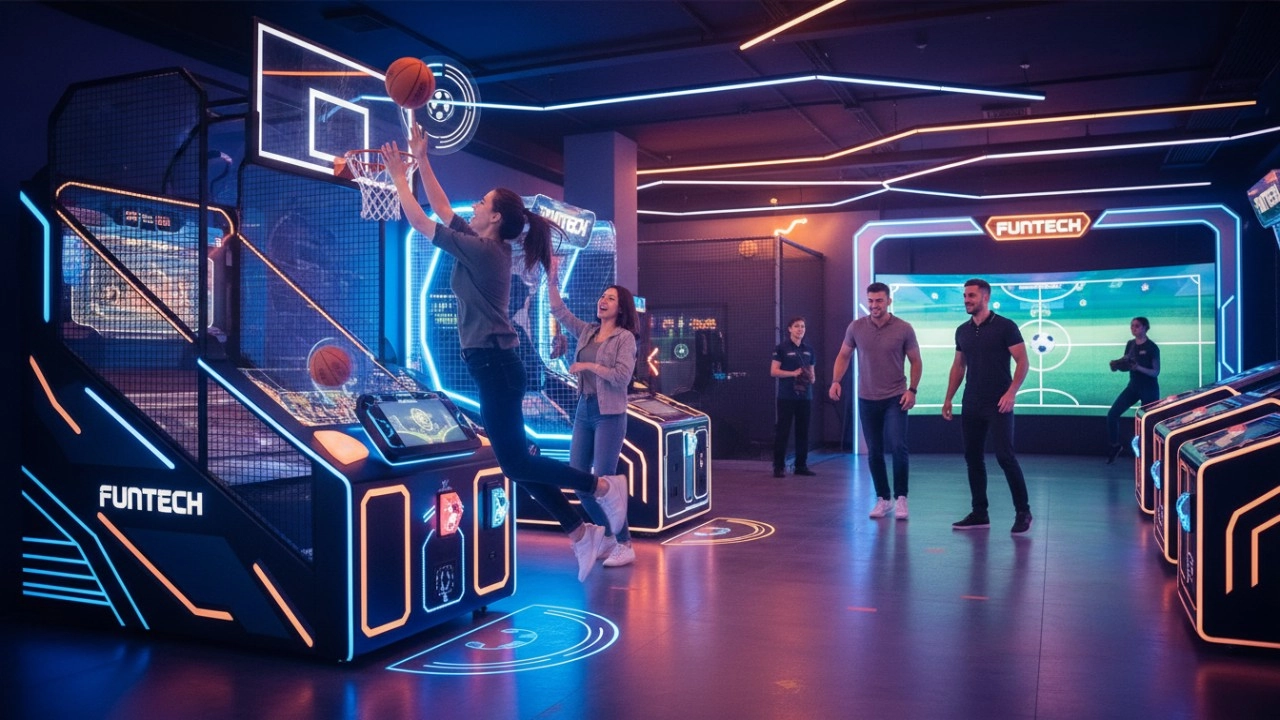
The Ultimate Guide to Interactive Sports Arcade Equipment for Commercial Entertainment (2026 Edition)
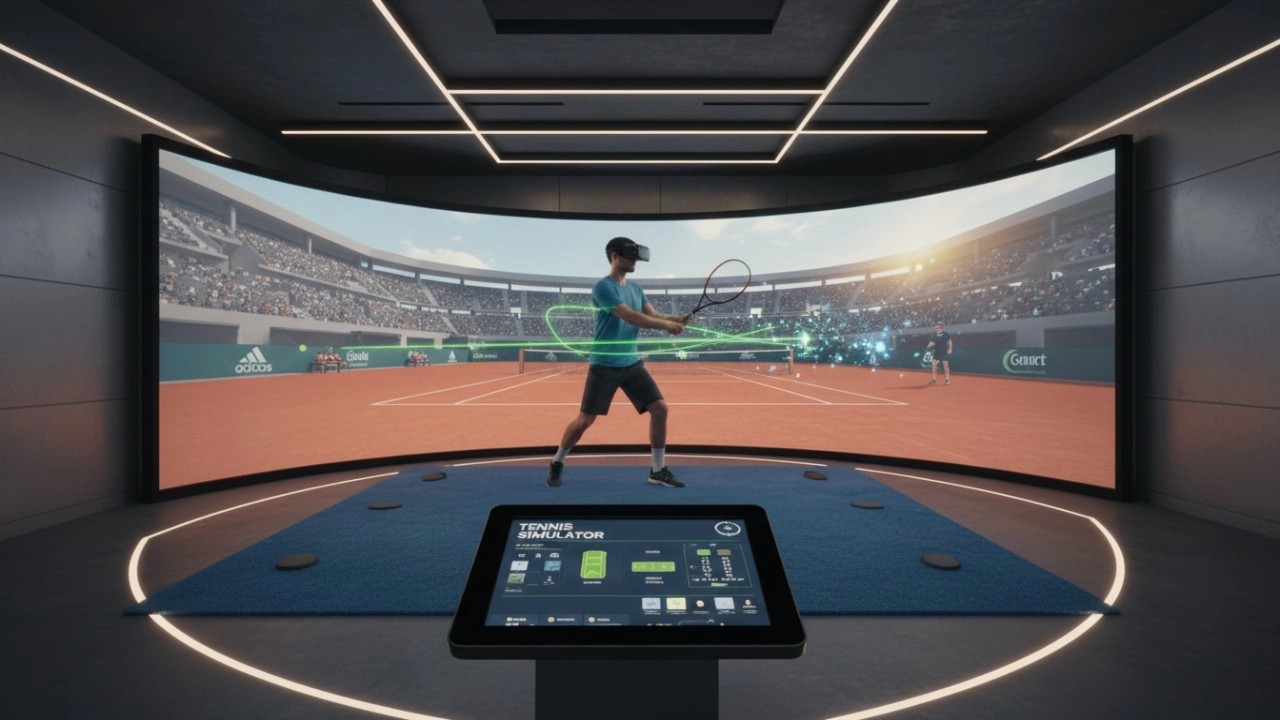
7 Reasons to Add a Tennis Simulator to Your Entertainment Venue Instead of Traditional Training Models (2026 Guide)
The 2026 Dart Machine Revenue Playbook: Boosting Mid-Week Sales by 30%-40% with Competitive Socializing
Infrared Shooting
How to reduce operating costs?
Starting with equipment procurement, choose cost-effective, durable and easy-to-maintain products, which can save money for subsequent maintenance. Reasonable arrangement of staff, reduce the number of staff on duty during off-peak hours, train staff to have multi-skills, such as being able to operate the equipment and guide customers part-time, so as to improve the efficiency of manpower and reduce the cost of manpower.
How often does the equipment require maintenance?
For daily use, simple monthly maintenance, such as simple cosmetic cleaning and function checking after use, is sufficient. A more comprehensive quarterly maintenance is sufficient.
Products
How to reduce operating costs?
Starting with equipment procurement, choose cost-effective, durable and easy-to-maintain products, which can save money for subsequent maintenance. o Starting with equipment procurement, choose cost-effective, durable and easy-to-maintain products, which can save money for subsequent maintenance. Reasonable arrangement of staff, reduce the number of staff on duty during non-peak hours, train staff to have multi-skills, such as being able to operate the equipment as well as guiding customers on the side, to improve the efficiency of manpower and reduce manpower costs.
What is the difference between purchasing equipment for commercial operations and personal training?
Commercial operations should consider the durability, ease of operation and attractiveness of the equipment, it is appropriate to choose cool appearance, can withstand high-frequency use, such as the target car running hundreds of times a day, high-intensity models, and easy to operate, easy for customers to get started. Personal training is more focused on cost-effective, according to their own training needs to choose the right tension of the bow, the right speed of movement of the target car.
How to judge the quality of live firing equipment good or bad?
Check the firearm itself and the supporting targeting system, the reliability of the equipment in use such as continuous shooting, adaptability to the bad environment, the equipment's material technology and operating comfort, etc.
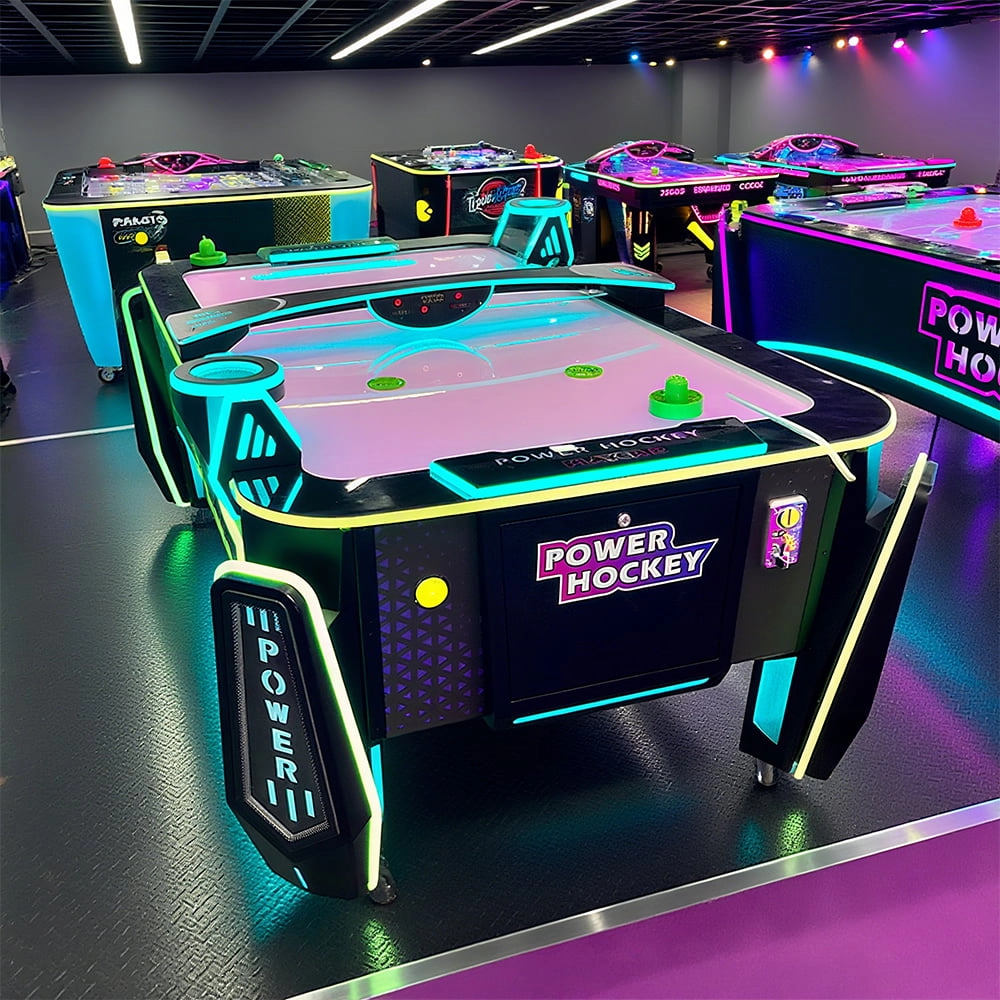
Arcade Hockey
FUNTECH is full of fun and exciting playgrounds! Air hockey, also known as air hockey, is a two-player competitive arcade game comprising a smooth, perforated playing surface, lightweight hockey sticks, a plastic puck, and an electronic scoreboard.
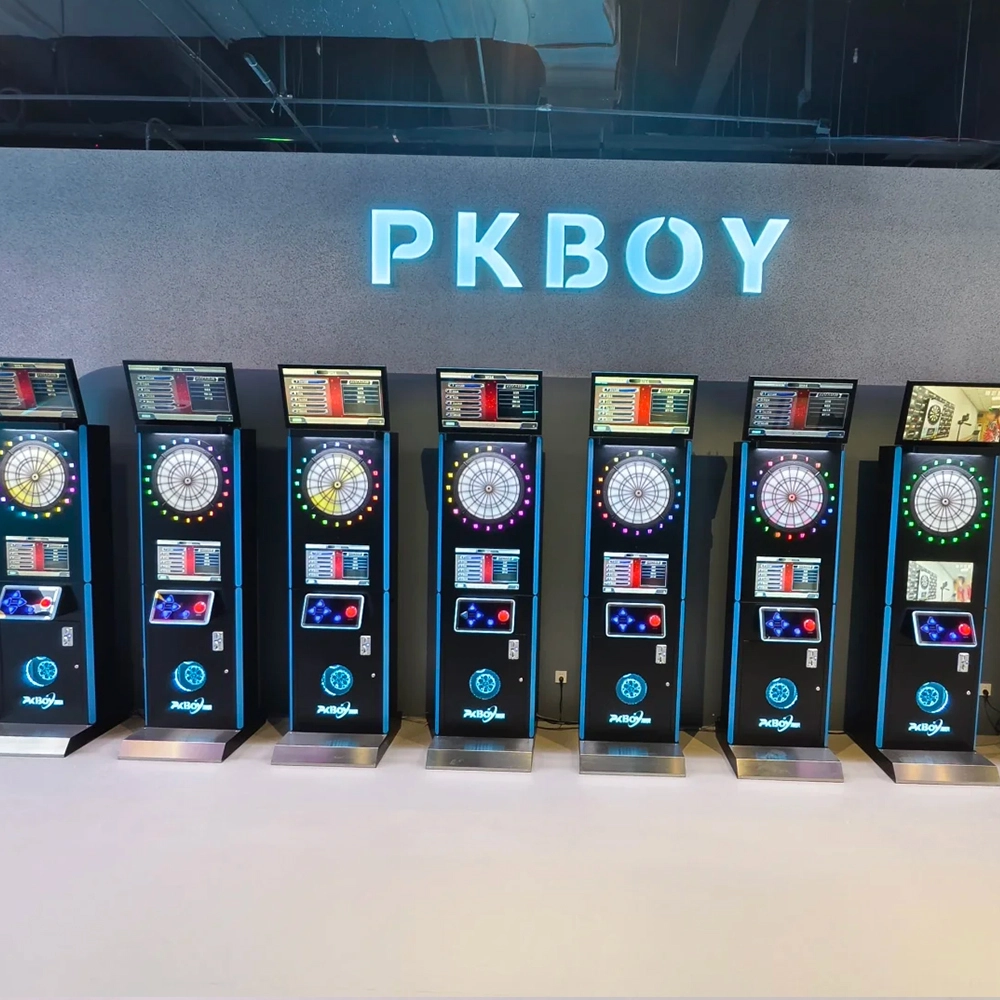
Dart Machines Bar Dart Machines
Joy Power is full of fun and excitement in the playground! The dart machine is suitable for all kinds of places, whether it is a bar, restaurant, KTV, or other entertainment venue, or a sports shop, club, or family leisure space, and can be perfectly adapted. In commercial venues, holding individual and team darts tournaments from time to time can attract more customers and increase the popularity and revenue of the venue, supplemented by various preferential activities, which can directly promote consumption and form a cycle of consumption of all the goods in the shop.
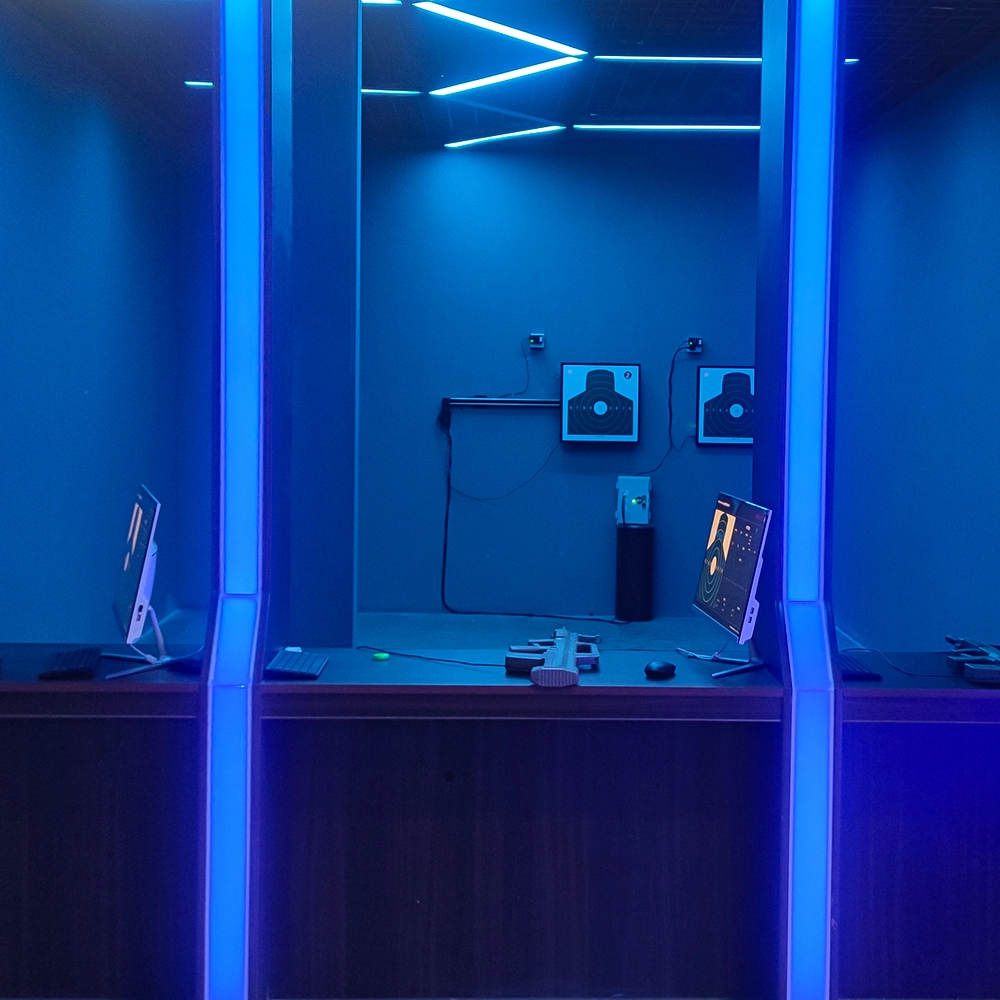
Infrared Shooting
Highly simulated simulation training analysis equipment, with advanced design concepts, fast system development, ease of operation and use, stable technical performance, less consumption of training, site dependence on a small group training is highly interesting, safe, and reliable, and other outstanding features. Product design to solve the basic skills of light weapons precision shooting as a starting point, to improve the safety of shooting training and training efficiency as the fundamental purpose, highlighting the simulation, information technology, and combat training requirements, can be in small indoor and outdoor venues and does not use live ammunition to complete the basic shooting training.
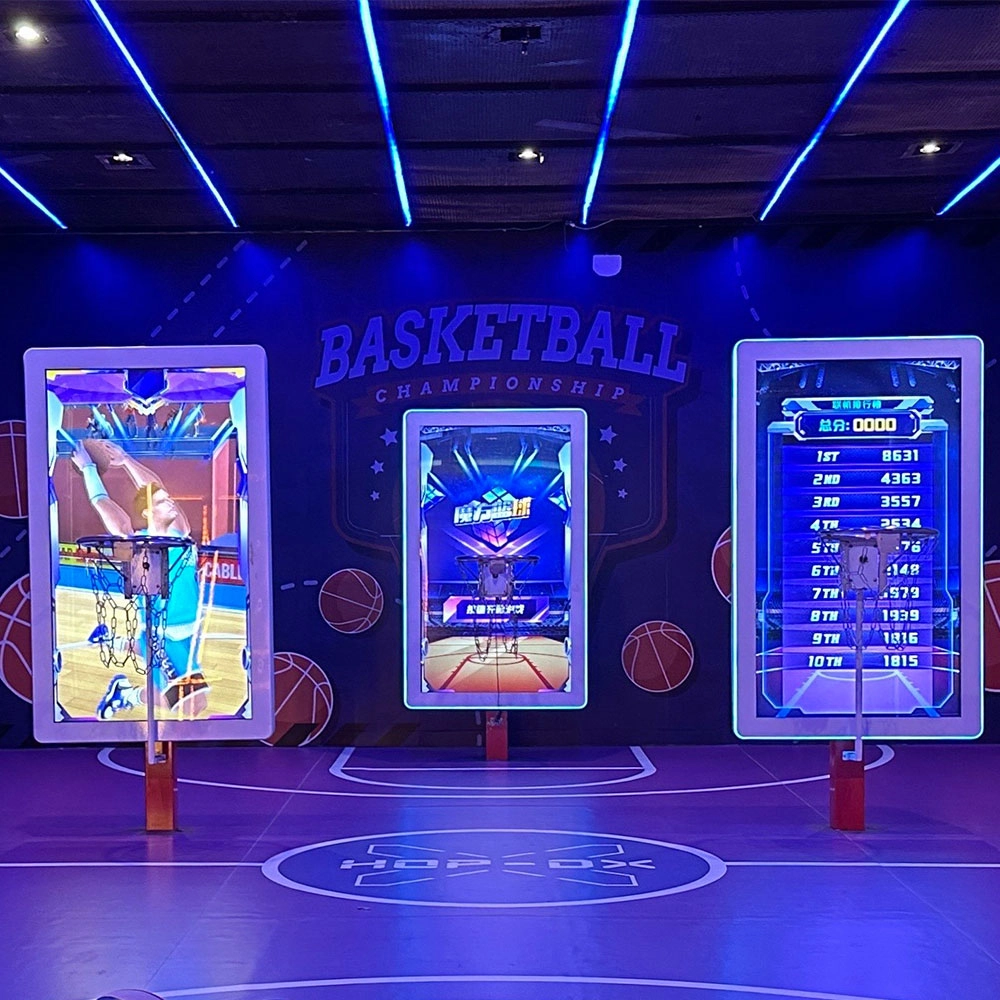
Multi-Player Interactive Shooting Machine
Joy Power is full of fun and exciting playgrounds! The basketball shooting machine is a classic amusement device integrating competition, entertainment, and interactivity. Based on the traditional basketball shooting sport, it integrates electronic scoring, sound and light effects, and challenge mechanisms to bring players an immersive game experience. The main body of the equipment is usually built with a metal frame, equipped with a standard-sized basket and a sturdy rim, with multiple sets of sensors to accurately capture the trajectory of the shot; when the player shoots the ball, the machine's built-in sensors count the score in real time and present the score, remaining time, and challenge goals through the LED display or LCD screen, with exciting sound effects and colorful lights to create a tense and exciting gaming atmosphere.
Ready to take your venue to the next level?
Leave us a message here, and our team will get back to you promptly.
Whether you're interested in custom orders, technical specifications, or partnership opportunities, we're here to assist you.
© 2025 FUNTECH ALL RIGHTS RESERVED

Weixia Lei
Fun_Tech-s
fun_tech20