
What customer support is typical after buying arcade dart machines?
- 1. How do I prepare my venue’s power, floor layout, and network to install an arcade dart machine purchased online?
- 2. What customer support is typical after buying arcade dart machines, and how do I ensure quick on-site repairs?
- 3. What spare parts should I stock for a coin-operated electronic dartboard and how long do replacements take to arrive internationally?
- 4. How are software updates, leaderboard sync, and remote diagnostics handled for networked arcade dart machines?
- 5. Can arcade dart machines integrate with modern cashless systems and POS, and what protocols/adapters are required?
- 6. What preventative maintenance schedule and cost should I budget for to keep an arcade dart machine profitable?
- Concluding summary — Advantages of buying arcade dart machines
Arcade Dart Machine for Sale — In-Depth Buying & Support Guide
Buying an arcade dart machine for sale is more than picking a model — you must plan installation, parts, connectivity, revenue systems and after-sales support. Below are six detailed, operator-focused questions and answers that address gaps and outdated guidance often found online.
1. How do I prepare my venue’s power, floor layout, and network to install an arcade dart machine purchased online?
Site preparation prevents costly delays and warranty complications. For power, most modern electronic dart machines draw modest power (typical consumer/coin-op cabinets run on 110–240V single-phase depending on region) but verify the manufacturer’s spec sheet. Allocate a dedicated grounded outlet within 1.5 m of the cabinet and avoid extension cords that run across customer paths. Confirm local electrical codes for public gaming machines—some jurisdictions require certified installers.
Floor layout: allow at least 2.5–3 m of play corridor from the front of the machine to the throw line (distance varies for soft-tip vs steel-tip play rules); provide 1.0–1.5 m clearance on both sides for player movement and queuing. Ensure a level surface; for coin-operated machines place on a concrete or reinforced floor to prevent tipping and to keep sensors aligned.
Networking: if you buy a net-enabled arcade darts cabinet, decide between Ethernet or Wi‑Fi. Hardwired Ethernet (Cat5e or Cat6) is preferred for stability, remote diagnostics and secure OTA updates. Provide a static IP or DHCP reservation and open vendor-required ports (ask the vendor for exact port numbers and IPs). If using cellular connectivity (4G/5G), budget for a SIM data plan with an M2M carrier. For multi-unit deployments, segregate game traffic on a VLAN to prioritize telemetry without congesting your guest Wi‑Fi.
2. What customer support is typical after buying arcade dart machines, and how do I ensure quick on-site repairs?
Typical manufacturer and distributor support includes: a standard warranty (commonly 12–24 months on electronics and 6–12 months on consumables), phone/email technical support, firmware updates, and parts replacement. Premier suppliers add on-site service SLAs, spare parts shipping, and remote diagnostics subscriptions. To ensure fast on-site repairs:
- Buy or negotiate an extended service package that spells out response times (e.g., 24–72 hour remote response, 3–7 business day on-site visit for covered regions).
- Keep a small spare-parts kit (see question 3). Having a replacement sensor board or power supply can reduce downtime dramatically.
- Enroll in the vendor’s remote monitoring—many modern cabinets report errors and log events so techs can triage before arriving.
- Agree contractually on parts lead times, cross-border shipping costs, and whether labour is billed separately. For chain operators, request a “hot swap” policy so defective modules can be swapped quickly.
Note: independent technicians can be trained locally. If the vendor does not provide on-site coverage in your region, verify that they supply schematics, part numbers and remote training to a trusted local service partner.
3. What spare parts should I stock for a coin-operated electronic dartboard and how long do replacements take to arrive internationally?
Prioritize parts that are both failure-prone and mission-critical. A practical starter kit includes:
- One spare power supply (the most common point of failure)
- Replacement sensor/balloon boards or optical sensors used by the scoring mechanism
- Coin mech or cashless reader module (or an adapter) to avoid revenue loss
- Fuse pack and basic electronic components (fuses, wiring harnesses)
- Mechanical fasteners, bezel and mounting brackets
- Replacement LED modules and control buttons
Replacement lead times vary: domestic shipments from major manufacturers are often 2–10 business days; international shipments typically range 1–4 weeks depending on stock and customs. For bulk orders or custom-branded units, factory lead times can be 4–12 weeks. To reduce downtime, stock frequently used spares locally and negotiate priority shipping or regional stocking with your supplier.
4. How are software updates, leaderboard sync, and remote diagnostics handled for networked arcade dart machines?
Modern arcade dart machines offer a layered software stack: local firmware for real-time scoring, a middleware service for logging and leaderboards, and cloud services for analytics and OTA updates. Best practices:
- Firmware updates: applied to the machine’s control board. Vendors often push critical patches; schedule updates in low-traffic hours and have rollback images ready.
- Leaderboard sync: machines should cache local results when offline and sync when network resumes. Confirm vendor conflict-resolution rules (e.g., timestamp-based) and privacy practices for player data (GDPR/CACP compliance if applicable).
- Remote diagnostics: telemetry should include power state, sensor health, coin/cashless event logs, and error codes. Vendors typically provide a web-based dashboard with alerts; ensure you have admin access and set up SMS/email notifications for critical faults.
Ask any vendor for a clear SLA on update frequency and a transparent changelog. For enterprise deployments, request an API or CSV export capability so analytics can be integrated into your business intelligence toolchain.
5. Can arcade dart machines integrate with modern cashless systems and POS, and what protocols/adapters are required?
Yes. Integration options depend on the machine’s I/O and the payment ecosystem you use. Common protocols include MDB (Multi-Drop Bus) used in vending and arcade coin mech interfaces, pulse inputs for simple coin counters, and serial/USB/HTTP APIs for cashless readers.
Integration approaches:
- MDB/Coin mech: many cabinets accept standard MDB coin / cashless modules. Check for MDB v3 compatibility and whether the vendor provides an MDB harness.
- Serial/API: for advanced cashless systems (NFC, account-based play), machines expose serial/UART or TCP endpoints to accept credit commands and report play events.
- POS integration: some vendors provide middleware that aggregates play data and exposes it to your POS via REST or SFTP. For live crediting, confirm latency tolerances and reconciliation reports.
Before purchasing, request a vendor integration checklist and sample wiring diagrams. If you run multiple venues, standardize on one cashless provider and ensure the arcade dart machine supports that provider’s protocol or that the vendor will provide a certified adapter.
6. What preventative maintenance schedule and cost should I budget for to keep an arcade dart machine profitable?
Preventative maintenance reduces downtime and increases lifespan. Typical schedule and estimated costs (industry norms):
- Daily: visual check, clear debris, verify coin/credit acceptance — minimal labour (5–10 minutes)
- Weekly: inspect sensors, clean contact points, test networking and payments — 15–30 minutes
- Monthly: full diagnostics report, firmware check, tighten fasteners — 30–60 minutes
- Quarterly: replace consumables (if any), run calibration routines, review revenue logs — 1–2 hours
- Annual: comprehensive service including board-level inspection and replacement of worn components — 2–4 hours
Budget: for single-unit operators expect annual maintenance costs (parts + labour) in the low hundreds of dollars if you perform most work locally; if you rely on manufacturer on-site service, budget a few hundred to over one thousand depending on SLA. Reduce long-term costs by stocking key spares, subscribing to remote monitoring and training in-house staff for first-level repairs.
Track Mean Time Between Failures (MTBF) metrics for each model you operate; vendors should supply expected MTBF or failure rates for major components. Use that data to plan spares and maintenance frequency.
Concluding summary — Advantages of buying arcade dart machines
Arcade dart machines offer high engagement, flexible revenue models (coin-op, ticket redemption, cashless, leaderboards), and relatively low floor-space requirements. With proper site preparation, a targeted spare-parts kit, remote monitoring, and a negotiated support SLA, operators can maximize uptime and ROI. Networked features provide valuable player analytics and recurring software-driven revenue opportunities.
For a tailored quote, deployment plan, or to discuss on-site service packages for arcade dart machines for sale, contact us at www.funtechgame.com or email vicky@funtechgame.com.
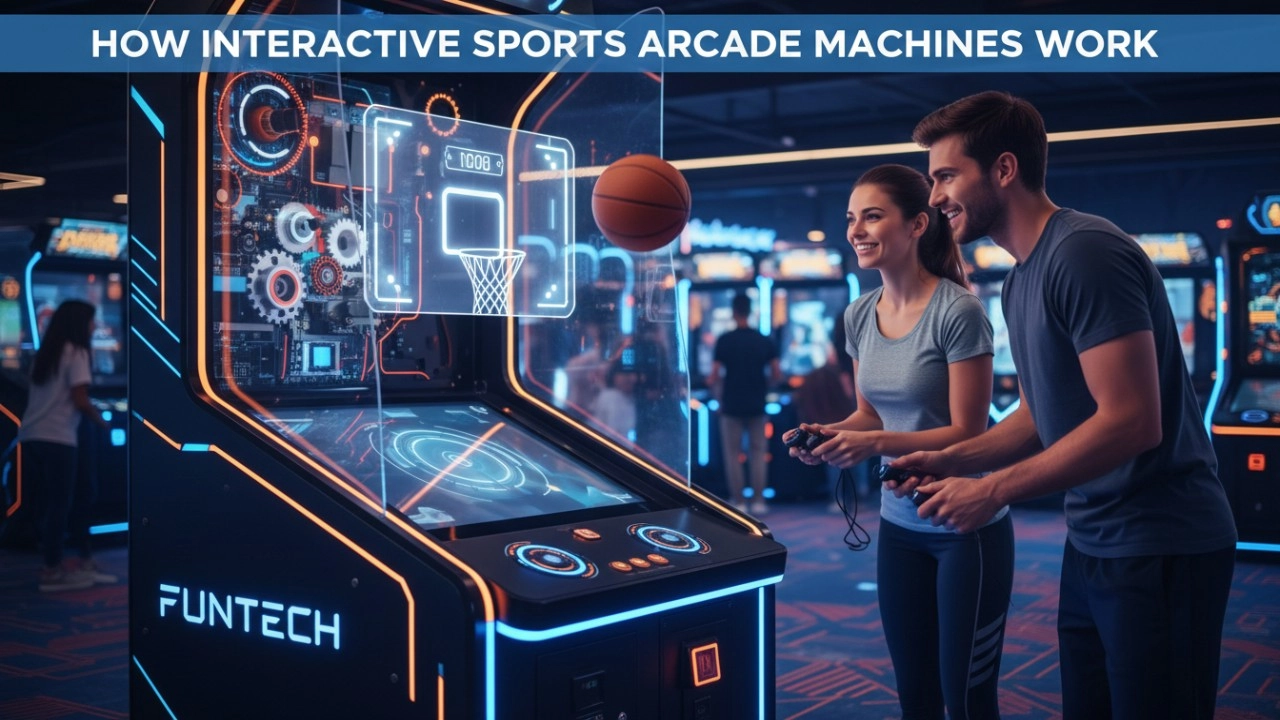
How Interactive Sports Arcade Machines Work (Sensors, Projection & AI) - 2026 Guide
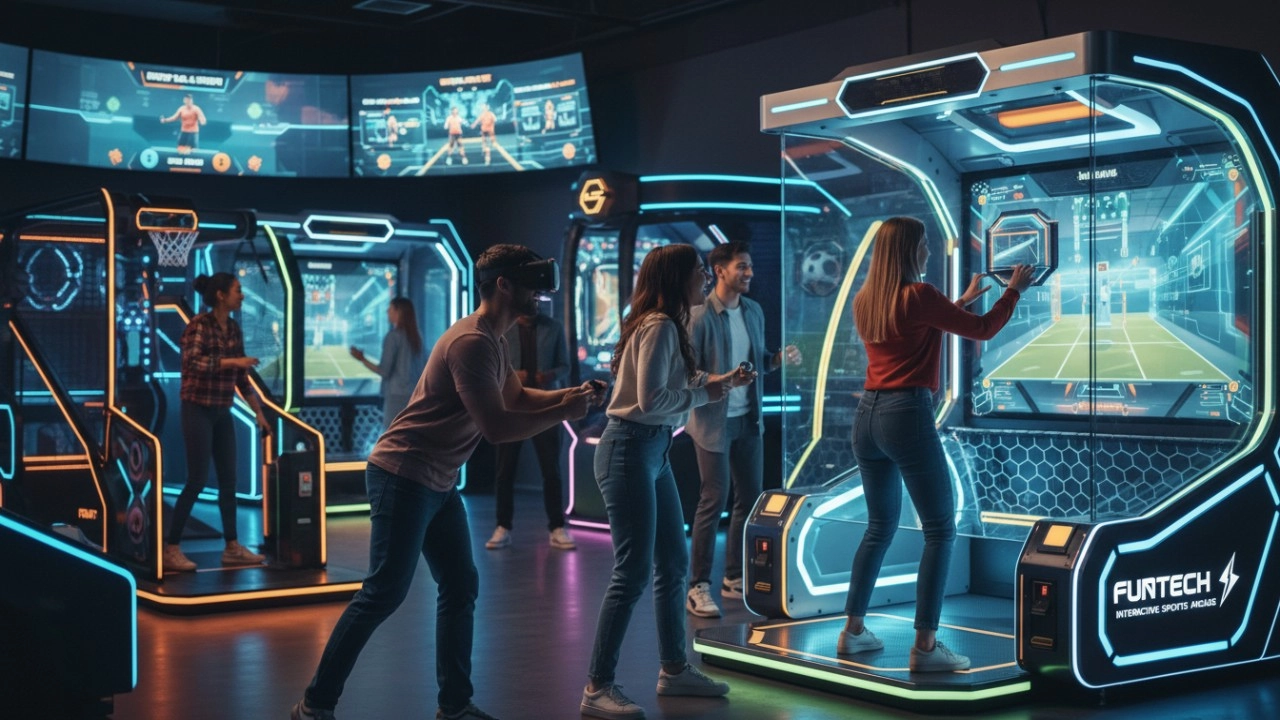
What Defines Interactive Sports Arcade Equipment in 2026?
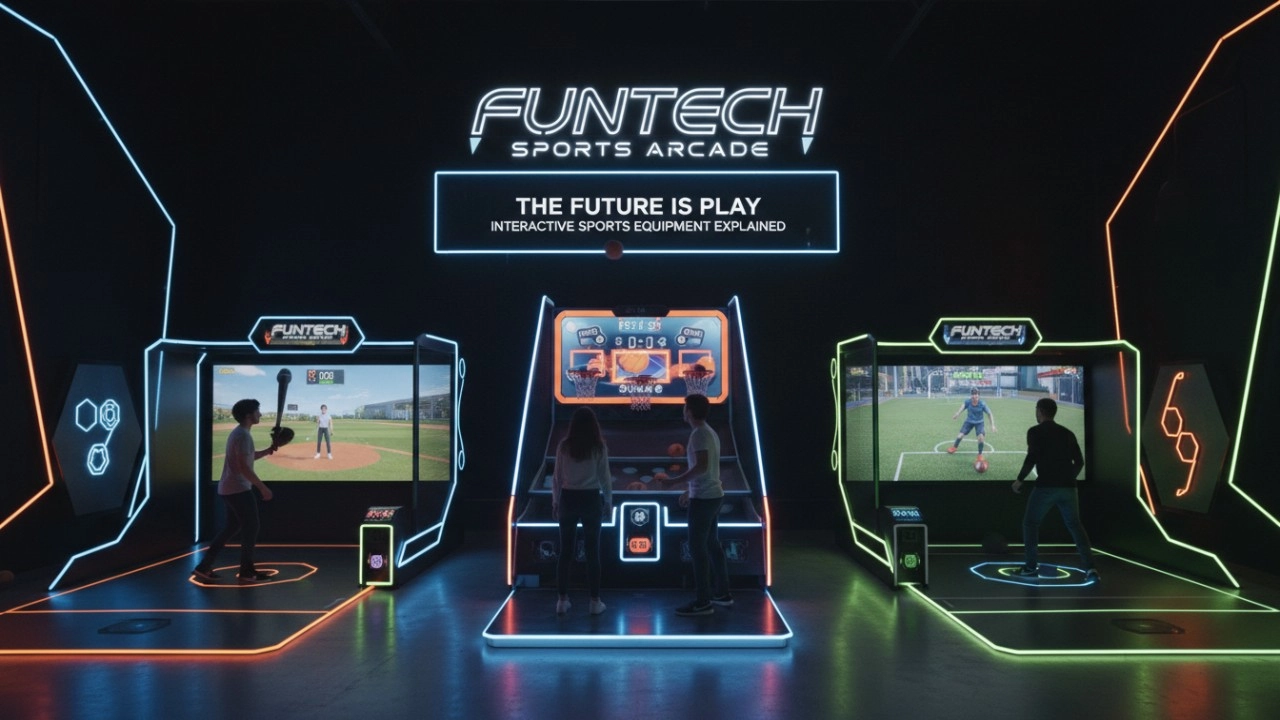
What Is Interactive Sports Arcade Equipment? Complete Beginner Guide (2026)
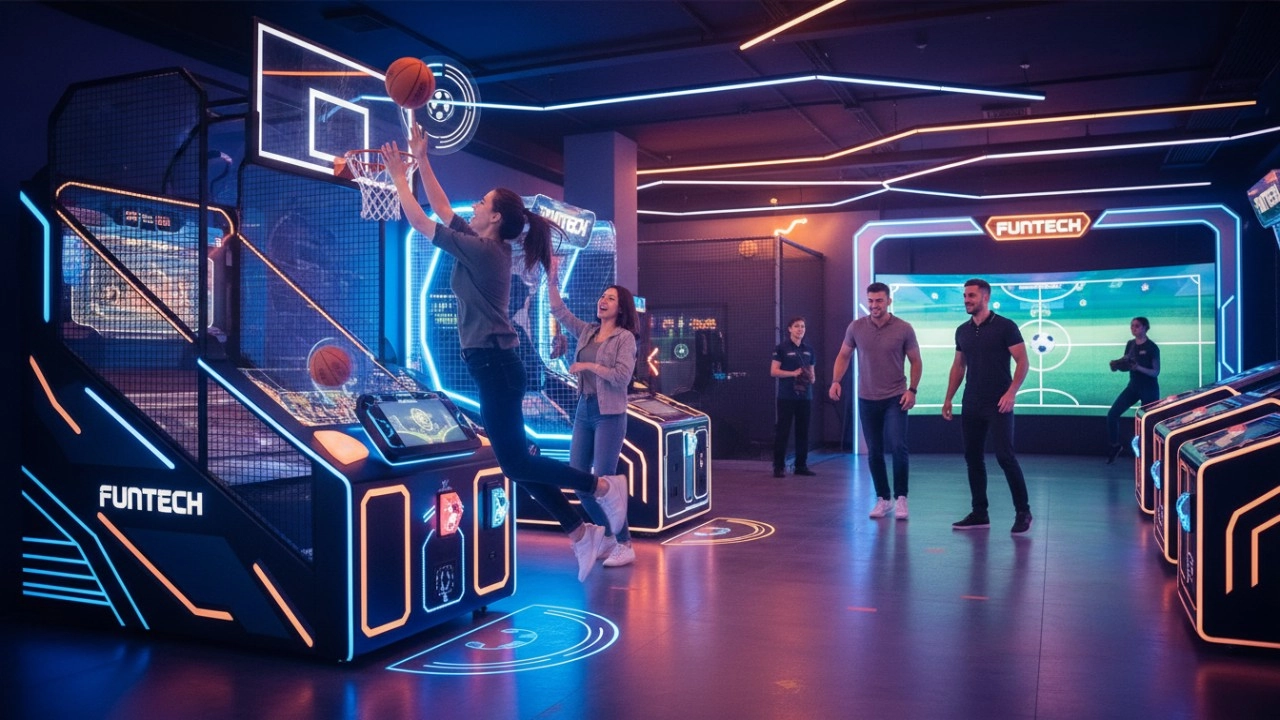
The Ultimate Guide to Interactive Sports Arcade Equipment for Commercial Entertainment (2026 Edition)
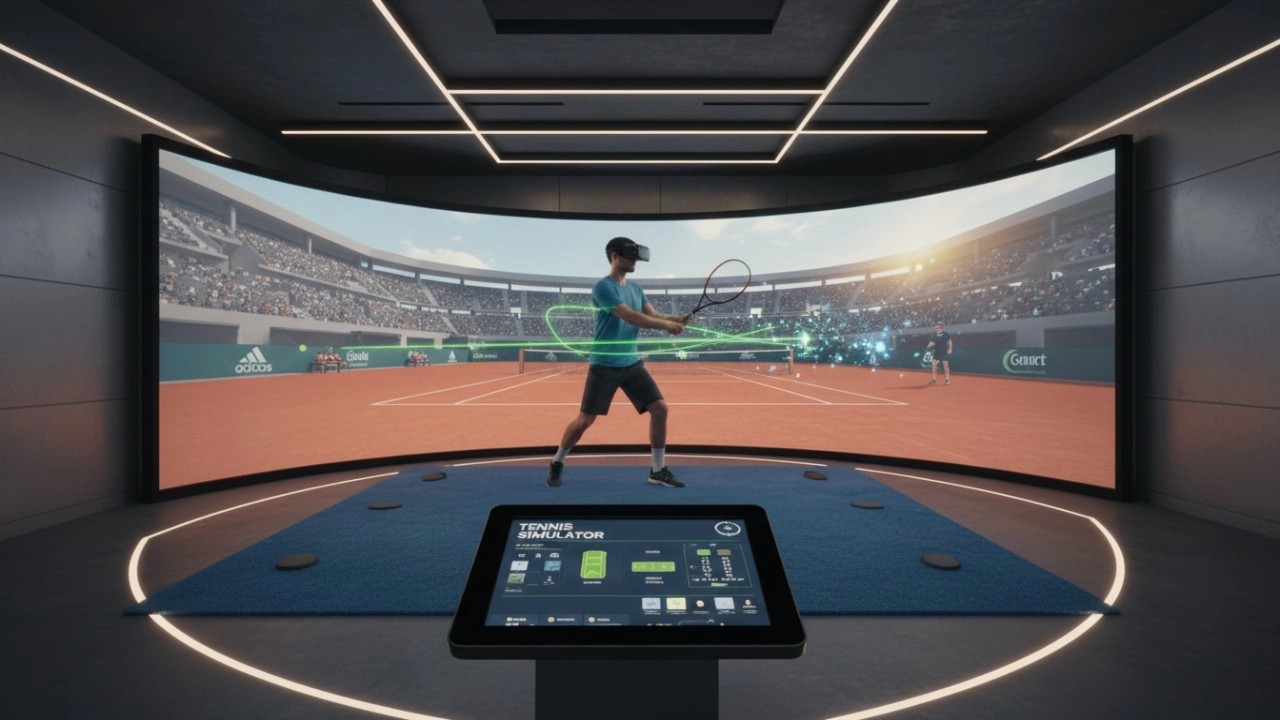
7 Reasons to Add a Tennis Simulator to Your Entertainment Venue Instead of Traditional Training Models (2026 Guide)
Golf Simulator
How to reduce operating costs?
Starting with equipment procurement, choose cost-effective, durable and easy-to-maintain products, which can save money for subsequent maintenance. Reasonable arrangement of staff, reduce the number of staff on duty during off-peak hours, train staff to have multi-skills, such as being able to operate the equipment and guide customers part-time, to improve the efficiency of manpower and reduce manpower costs.
How to attract customers when operating the program in shopping malls?
Create a cool venue decoration style, incorporating trendy elements, such as fluorescent light strips and anime-themed murals. o Launch diversified marketing models such as parent-child packages and couple packages, combined with time-limited promotional activities, such as half-price experience in the first three days of opening, to attract families, couples and other groups to stop and participate in the program. o How to reduce operating costs?
Holographic Light and Shadow Restaurant
What is holographic projection?
Holographic projection is a technique that utilizes the principles of interference and diffraction to record and reproduce the true three-dimensional image of an object. It records the light information of an object on a hologram, and then uses a specific light source to illuminate the hologram, so that the three-dimensional image of the object can be presented in the air, and the audience can see the realistic stereoscopic image without wearing special glasses.
Infrared Shooting
What is the difference between purchasing equipment for commercial operations and personal training?
Commercial operations should consider the durability, ease of operation, and attractiveness of the equipment, and it is preferable to choose cool-looking equipment that can withstand high-frequency use.
Products
How to reduce operating costs?
Starting with equipment procurement, choose cost-effective, durable and easy-to-maintain products, which can save money for subsequent maintenance. o Starting with equipment procurement, choose cost-effective, durable and easy-to-maintain products, which can save money for subsequent maintenance. Reasonable arrangement of staff, reduce the number of staff on duty during non-peak hours, train staff to have multi-skills, such as being able to operate the equipment as well as guiding customers on the side, to improve the efficiency of manpower and reduce manpower costs.
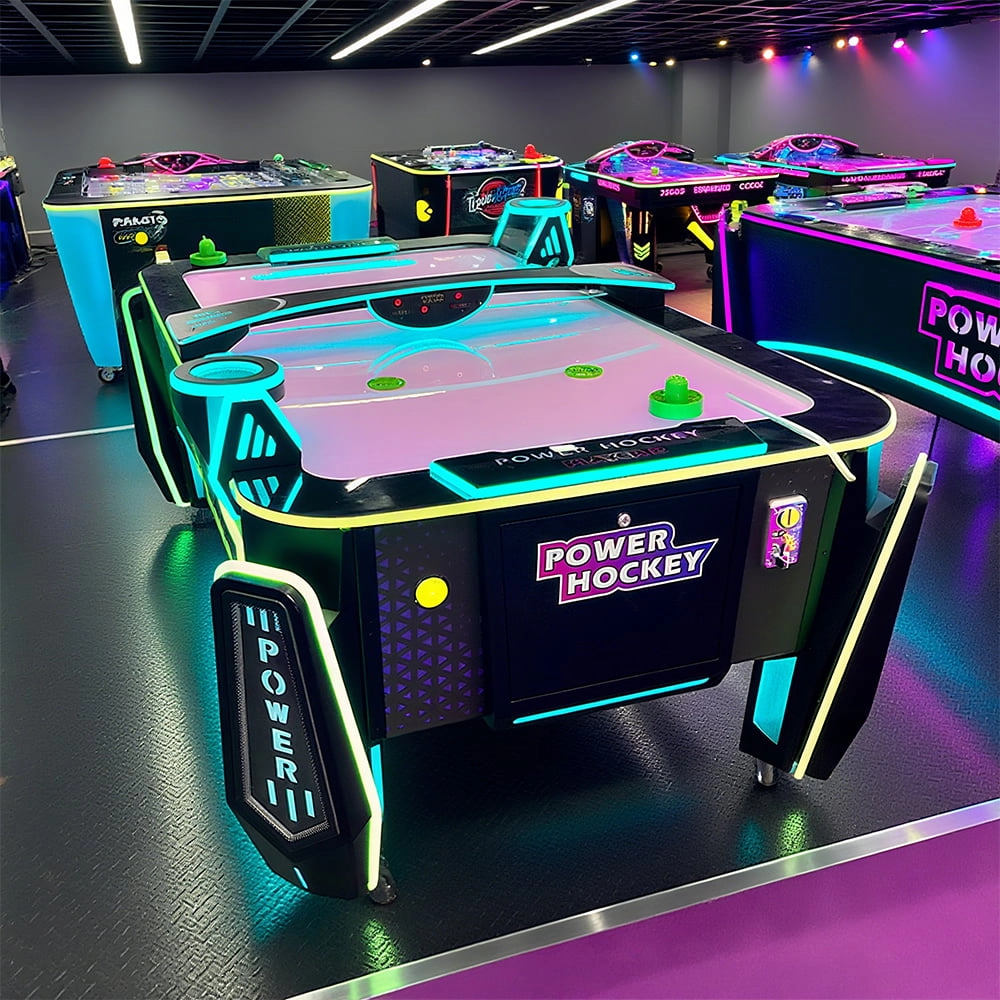
Arcade Hockey
FUNTECH is full of fun and exciting playgrounds! Air hockey, also known as air hockey, is a two-player competitive arcade game comprising a smooth, perforated playing surface, lightweight hockey sticks, a plastic puck, and an electronic scoreboard.
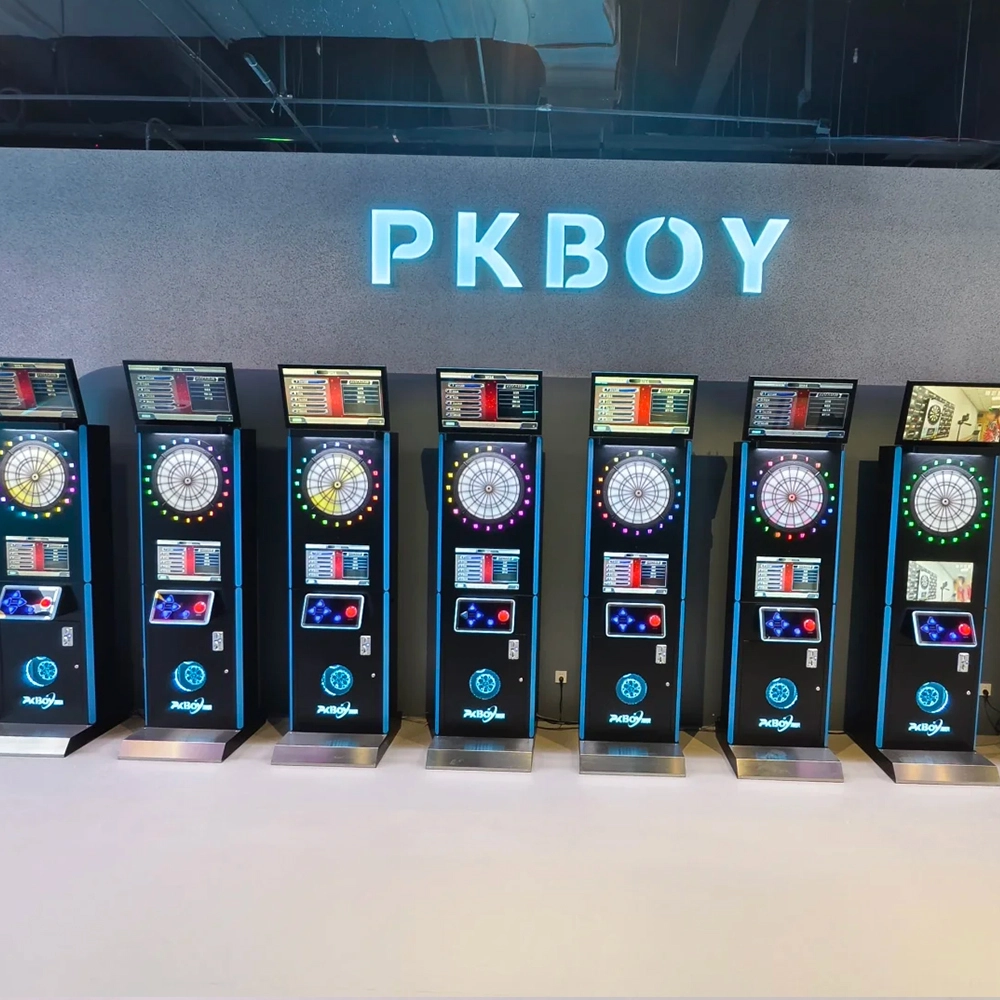
Dart Machines Bar Dart Machines
Joy Power is full of fun and excitement in the playground! The dart machine is suitable for all kinds of places, whether it is a bar, restaurant, KTV, or other entertainment venue, or a sports shop, club, or family leisure space, and can be perfectly adapted. In commercial venues, holding individual and team darts tournaments from time to time can attract more customers and increase the popularity and revenue of the venue, supplemented by various preferential activities, which can directly promote consumption and form a cycle of consumption of all the goods in the shop.
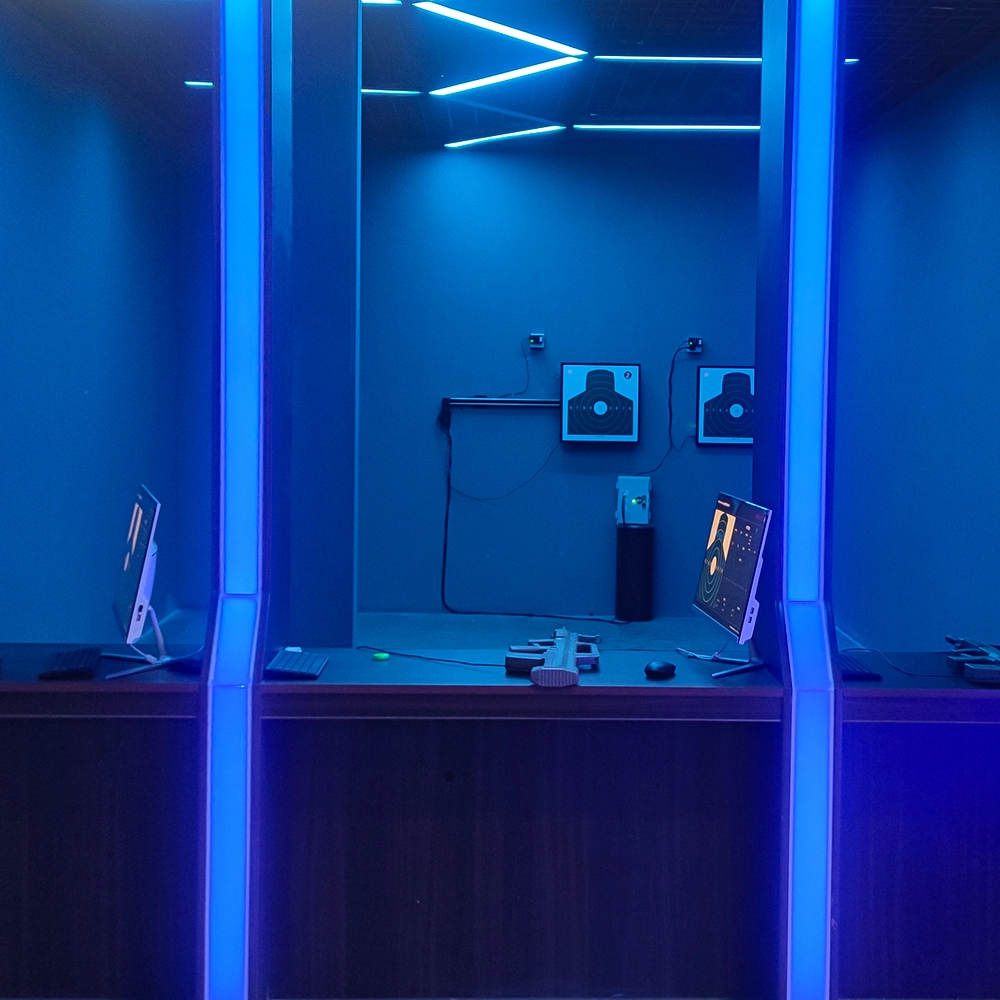
Infrared Shooting
Highly simulated simulation training analysis equipment, with advanced design concepts, fast system development, ease of operation and use, stable technical performance, less consumption of training, site dependence on a small group training is highly interesting, safe, and reliable, and other outstanding features. Product design to solve the basic skills of light weapons precision shooting as a starting point, to improve the safety of shooting training and training efficiency as the fundamental purpose, highlighting the simulation, information technology, and combat training requirements, can be in small indoor and outdoor venues and does not use live ammunition to complete the basic shooting training.
Multi-Player Interactive Shooting Machine
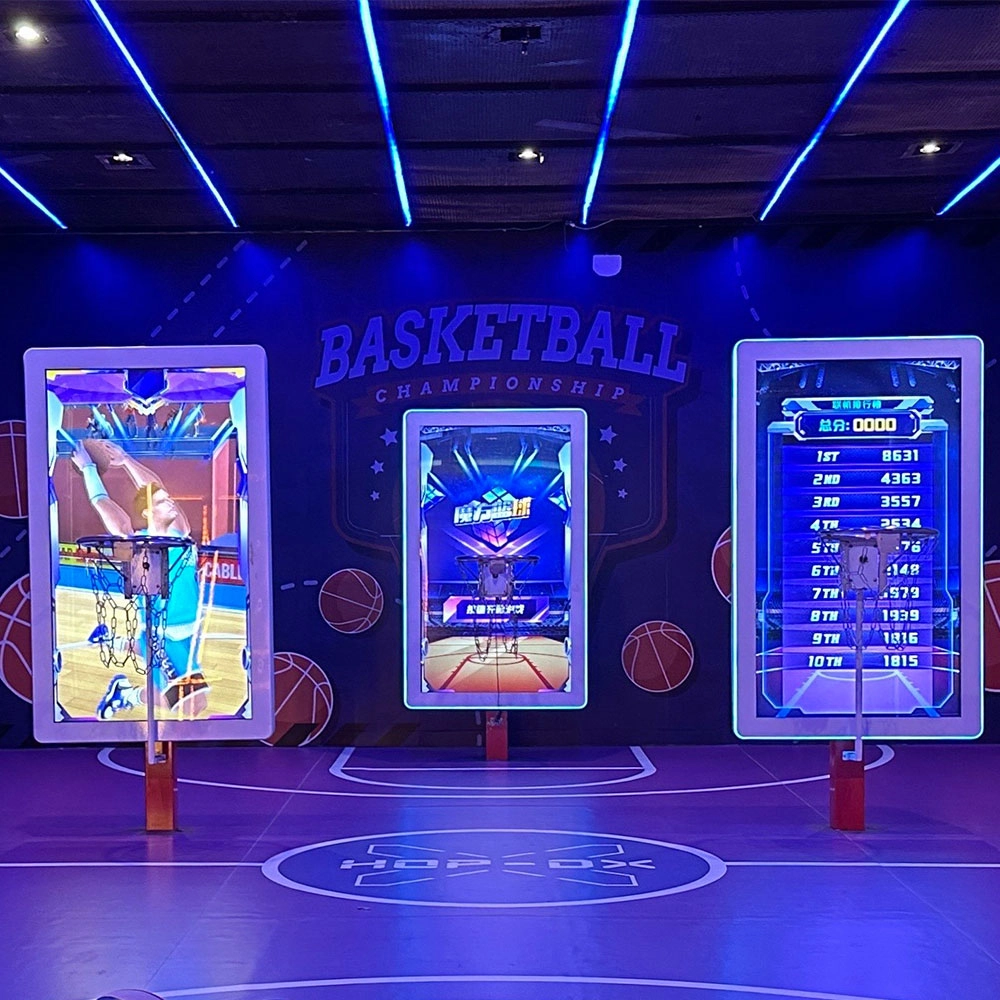
Joy Power is full of fun and exciting playgrounds! The basketball shooting machine is a classic amusement device integrating competition, entertainment, and interactivity. Based on the traditional basketball shooting sport, it integrates electronic scoring, sound and light effects, and challenge mechanisms to bring players an immersive game experience. The main body of the equipment is usually built with a metal frame, equipped with a standard-sized basket and a sturdy rim, with multiple sets of sensors to accurately capture the trajectory of the shot; when the player shoots the ball, the machine's built-in sensors count the score in real time and present the score, remaining time, and challenge goals through the LED display or LCD screen, with exciting sound effects and colorful lights to create a tense and exciting gaming atmosphere.
Ready to take your venue to the next level?
Leave us a message here, and our team will get back to you promptly.
Whether you're interested in custom orders, technical specifications, or partnership opportunities, we're here to assist you.
© 2025 FUNTECH ALL RIGHTS RESERVED

Weixia Lei
Fun_Tech-s
fun_tech20