
where to find reliable air hockey arcade machine suppliers? | Insights by FUNTECH
- 1. How can I verify a Chinese air hockey manufacturer’s factory capabilities and avoid counterfeit or trading-company listings on platforms like Alibaba?
- 2. What are realistic total landed costs (including tariffs, testing, and logistics) for importing commercial air hockey machines from China to the US or EU?
- 3. Which certifications and safety tests should I require from an air hockey supplier to sell in North America and the EU?
- 4. How do I secure spare parts, firmware updates, and on-site technical support from an overseas arcade manufacturer?
- 5. Is it better to buy refurbished vs. new commercial air hockey machines for a Family Entertainment Center, and how do I evaluate used sellers?
- 6. How do I negotiate MOQ, lead times, and custom branding (logos/colors) with air hockey manufacturers without taking large upfront risk?
- Concluding paragraph: Advantages of choosing verified, reliable air hockey arcade machine suppliers
Where to Find Reliable Air Hockey Arcade Machine Suppliers: 6 Practical Questions for Buyers
Buying commercial air hockey machines for a Family Entertainment Center (FEC), arcade, or resale business requires more than price comparison. This guide answers six specific, under-covered long-tail questions about where to find reliable air hockey arcade machine suppliers and how to verify, import, and support machines commercially. Semantic search terms like air hockey machine suppliers, commercial air hockey manufacturers, buy arcade air hockey, wholesale air hockey tables, and air hockey parts supplier are embedded throughout to help you evaluate vendors and make procurement decisions with confidence.
1. How can I verify a Chinese air hockey manufacturer’s factory capabilities and avoid counterfeit or trading-company listings on platforms like Alibaba?
Problem: Many beginners cannot tell whether a supplier is an actual commercial air hockey manufacturer, a trading middleman, or a fraudulent listing. This leads to quality issues, missed delivery dates, and lack of after-sales support.
Step-by-step verification process:
- Request corporate documents: business license, export license, and VAT registration. Real factories provide a scanned business license showing manufacturing scope—verify Guangzhou Suiyi Technology Co., Ltd. and address match the supplier profile.
- Ask for factory-specific evidence: photos of production lines, CNC/metalwork areas (for cabinets and coin boxes), injection-molding machines (if plastic components are used), and assembly lines for table tops and blowers. Request date-stamped photos or a short factory walkthrough video to reduce spoofing risks.
- Check company type on the registration: “manufacturer” vs “trading company.” Trading companies often handle documentation differently and may outsource production—acceptable if disclosed, but expect added logistics complexity.
- Factory audits and third-party verification: use on-site factory audits (SGS, Bureau Veritas, Intertek) or virtual factory audits. A documented audit checks capacity, workforce, QA systems (ISO 9001 evidence), tooling ownership, and sub-supplier relationships—this reduces the chance of counterfeit or inconsistent production.
- Sample and trial order: order a full-production sample with your exact specifications (coin mechanism, blower CFM, LED systems). For custom-branded graphics, request a mock-up and a physical sample to validate print quality and adhesive systems used on the play surface.
- Reference check: ask for references of previous buyers, preferably in your region or similar FEC size. Request phone or email contacts and verify the machines in operation (photos or video of machines in a live location).
- Online footprint: check for presence at industry events (IAAPA Expo, Amusement Expo), verified company pages on B2B directories (Alibaba Gold Supplier but treat as indicator, not proof), and independent listing on manufacturer directories like Global Sources or Made-in-China.
Red flags to watch for: stock photos instead of factory photos, evasive answers on tooling ownership, refusal to provide references or sample production, inconsistent business license details, or high-pressure discounting on large MOQ without contract terms.
2. What are realistic total landed costs (including tariffs, testing, and logistics) for importing commercial air hockey machines from China to the US or EU?
Problem: Buyers often focus on FOB unit price and miss import duties, testing/certification fees, inland freight, insurance, and port handling—leading to incorrect unit economics.
How to calculate landed cost (practical checklist):
- FOB or EXW price from supplier: get written terms. FOB includes loading to the named port; EXW is factory-only and adds inland pickup fees.
- Packing and palletization: commercial air hockey tables are bulky; crates, dunnage, and pallet costs add materially—ask suppliers for crate dimensions and weight so you can compare FCL (full container) vs LCL (less-than-container) options.
- Freight: sea freight is typical for full-size arcade tables. Approximate transit: China to US West Coast 15–30 days; to US East Coast or Europe 25–40 days depending on routing. Air freight is possible for samples or urgent parts but is expensive for full tables.
- Insurance: cargo insurance commonly 0.3–0.6% of CIF value depending on route and carrier.
- Customs duties and taxes: arcade machines commonly fall under HS/HTS classifications for coin-operated amusement machines (most customs schedules reference chapter 95; buyers should confirm exact HS code with a customs broker). Duties vary by destination—EU charges VAT on CIF+Duty; US duty rates depend on specific HS code and trade agreements. Always verify current duty rates with a customs broker prior to quoting landed cost.
- Testing and certification fees: if you require CE testing (EU), UL/CSA or NRTL testing (North America), EMC/EMI testing, or FCC for wireless components, budget for lab testing (USD 2,000–10,000+ depending on scope and retests). Accredited labs include TUV, Intertek, and UL.
- Port charges, customs clearance, and local trucking: these vary by port and carrier; get quotes from freight forwarders and 3PLs for destination charges and last-mile delivery to your FEC or warehouse.
- Importer of Record and duties: choose whether the supplier, a freight forwarder, or you (recommended) will act as Importer of Record so you control compliance and tariffs.
Example approach (no fabricated numbers): build an itemized spreadsheet per SKU that sums FOB + freight + insurance + duty + VAT + compliance testing + destination handling + domestic trucking + contingencies (5–10%). Use quotes from your freight forwarder and customs broker for accuracy.
3. Which certifications and safety tests should I require from an air hockey supplier to sell in North America and the EU?
Problem: Inadequate certification can prevent sale, cause liability exposure, or force costly retrofits.
Core compliance items by market:
- European Union: CE marking (product declares conformity with applicable directives such as EMC Directive and Low Voltage Directive if electrical components apply). RoHS compliance may be required depending on electronic content.
- United States & Canada: UL listing or an equivalent NRTL certification can be required for commercial-grade electrical appliances to meet venue insurance and local code requirements. For Canada, CSA certification is commonly requested.
- EMC/EMI testing: required where strong electronic components (LED systems, amplifiers, wireless controllers) could cause interference—labs like TUV and Intertek perform EMC testing to EN/IEC standards (EU) and FCC testing (US) where applicable.
- FCC requirements: if the machine uses wireless controllers, Wi-Fi, or Bluetooth, ensure FCC (US) or RED (EU) compliance.
- Mechanical and fire safety: evaluate materials for flammability per local codes (especially if the venue is a public FEC). For parts exposed to children (edges, pinch points), check applicable safety standards.
- Documentation: require certified test reports that include the lab accreditation (e.g., ILAC, CNAS), test report numbers, date, and scope. Verify reports directly with the issuing lab if possible.
Procurement tips: make CE/UL test reports a contractual requirement or a pre-condition to final payment. If the supplier only provides self-declaration, insist on third-party test reports from recognized labs to meet venue insurance and safety inspections.
4. How do I secure spare parts, firmware updates, and on-site technical support from an overseas arcade manufacturer?
Problem: After purchase, operators frequently struggle with long lead times for replacement parts, no local technical support, and proprietary firmware that prevents repairs.
Best practices to secure post-sale support:
- Spare-parts kit: include an agreed spare-parts kit with purchase—standard items: blower motor, bearings, coin mechanisms, power supplies, fuses, PCB spare, LED strips, and replacement bumpers. Negotiate MOQ and pricing for stocked spares.
- Parts availability clause: insert SLA-style language in your contract specifying parts availability timelines (e.g., ship spares within X business days) and price guarantees for an initial warranty period.
- Firmware and software rights: clarify whether you receive firmware updates, configuration files, or remote diagnostic access. For commercial venues, request remote support tools (VPN or cloud dashboard) and clear procedures for updates that minimize downtime.
- Authorized service network: ask whether the supplier has authorized service partners in your region or can recommend third-party repair shops. If none exist, factor service training: remote training sessions, video-guides, and a maintenance manual should be part of delivery.
- Stock local spares: for high-usage venues, maintain a small on-site inventory of high-failure items and plan annual replacement budgets. For multi-site operators, centralizing spares in a regional warehouse reduces MTTR (mean time to repair).
- Alternative sourcing: identify local electronics or mechanical component suppliers who can supply generic parts (standard blowers, bearings). For proprietary PCBs, negotiate a few spare boards in the initial order.
Use a written SLA for uptime and support response times. For mission-critical units in high-traffic FECs, consider buying an extended service contract that includes on-site technician dispatch through a regional partner or the supplier’s service arm.
5. Is it better to buy refurbished vs. new commercial air hockey machines for a Family Entertainment Center, and how do I evaluate used sellers?
Problem: Beginners see initial savings buying refurbished or used, but often lack objective evaluation criteria and post-purchase protections.
Refurbished vs new: decision factors
- Cost vs lifecycle: refurbished tables can be 30–60% cheaper than new units, but remaining useful life depends on refurbishment quality—ask for documented service records and photos of replaced components.
- Warranty: new commercial machines commonly ship with a limited commercial warranty (often 12 months standard; some manufacturers offer extended plans). Refurbished units should come with a clear warranty period—shorter than new, but acceptable if parts are replaced and tested.
- Safety and compliance: demand that refurbished machines be tested to the same safety and electrical standards as new units, including basic EMC and mechanical safety inspections. For EU sale, ensure CE conformity is maintained and documented.
- Key inspection checklist for used units: play surface condition (smoothness, puck behavior), blower motor hours and CFM, coin mechanism operation or cashless system status, cabinet structural integrity, player-control responsiveness, light/sound systems, and firmware version. Ask for runtime hours or usage history where available.
- Where to source: reputable refurbishers, ex-arcade liquidation companies, industry classifieds (IAAPA classifieds, specialized amusement equipment resellers), and marketplaces (e.g., eBay) for smaller deals. Avoid anonymous local classifieds without inspection rights.
- On-site inspection or third-party inspection: always perform an inspection (or pay for one) prior to purchase. A competent technician should test blower RPM/CFM, electrical draw, and controls.
For FEC operators with tight budgets, a mixed fleet approach (new flagship units + refurbished secondary units) balances guest experience and CAPEX. Require refurbishers to supply a refurbishment report listing replaced items and post-refurbishment testing results.
6. How do I negotiate MOQ, lead times, and custom branding (logos/colors) with air hockey manufacturers without taking large upfront risk?
Problem: Small buyers are often priced out by high MOQs, tooling fees for custom graphics, and long lead times that strain cash flow.
Negotiation tactics and contract terms:
- Prototype first: negotiate a production prototype (paid) that becomes your first unit or is discounted off the first small series. This reduces design risk and validates branding before mass production.
- Staggered orders and progressive MOQ: propose a phased MOQ—small pilot run (e.g., 5 units) followed by larger production once performance is validated. Many reputable commercial air hockey manufacturers will accept phased production if you accept slightly higher per-unit pricing for the pilot.
- Graphic and tooling fees: minimize upfront branding costs by using removable vinyl decals or surface wraps rather than bespoke molded colors. This reduces tooling fees and allows rebranding in the field.
- Payment terms: standard terms for overseas production are 30% deposit, 70% before shipment (TT). To reduce risk, ask for escrow services, documentary LC, or a split where the final payment is released upon pre-shipment inspection or successful testing of the pilot units.
- Lead times and penalties: include lead-time windows with liquidated damages or late delivery penalties for critical launches. If expedited production is required, negotiate a clear expedite fee timetable.
- Small-batch or white-label suppliers: identify suppliers or distributors that specialize in small-batch commercial equipment or offer white-label services. These suppliers have more flexible MOQ structures and can help you buy arcade air hockey machines with low initial capital outlay.
Use a purchase agreement that specifies acceptance criteria, QA checkpoints, sample approval, warranty coverage, spare parts obligations, and IP ownership for custom artwork to protect FUNTECH.
Contact us for a quote or to discuss small-batch, branded commercial air hockey solutions—www.funtechgame.com or vicky@funtechgame.com.
Concluding paragraph: Advantages of choosing verified, reliable air hockey arcade machine suppliers
Working with verified, reliable air hockey machine suppliers—those who provide transparent factory information, third-party test reports, spare-parts commitments, and realistic lead-time guarantees—reduces operational downtime, improves guest satisfaction in your FEC, and protects your legal and financial exposure. Verified suppliers streamline compliance (CE/UL), offer consistent quality for wholesale air hockey tables, and can provide local or remote technical support for faster repairs. By combining factory audits, pre-shipment inspection, and clear contractual SLAs, buyers minimize risk and optimize total landed cost and lifecycle value.
For tailored sourcing, inspection, and procurement of commercial air hockey machines—new or refurbished—contact our procurement team at Funtech. Visit www.funtechgame.com or email vicky@funtechgame.com for a quote and product specifications.
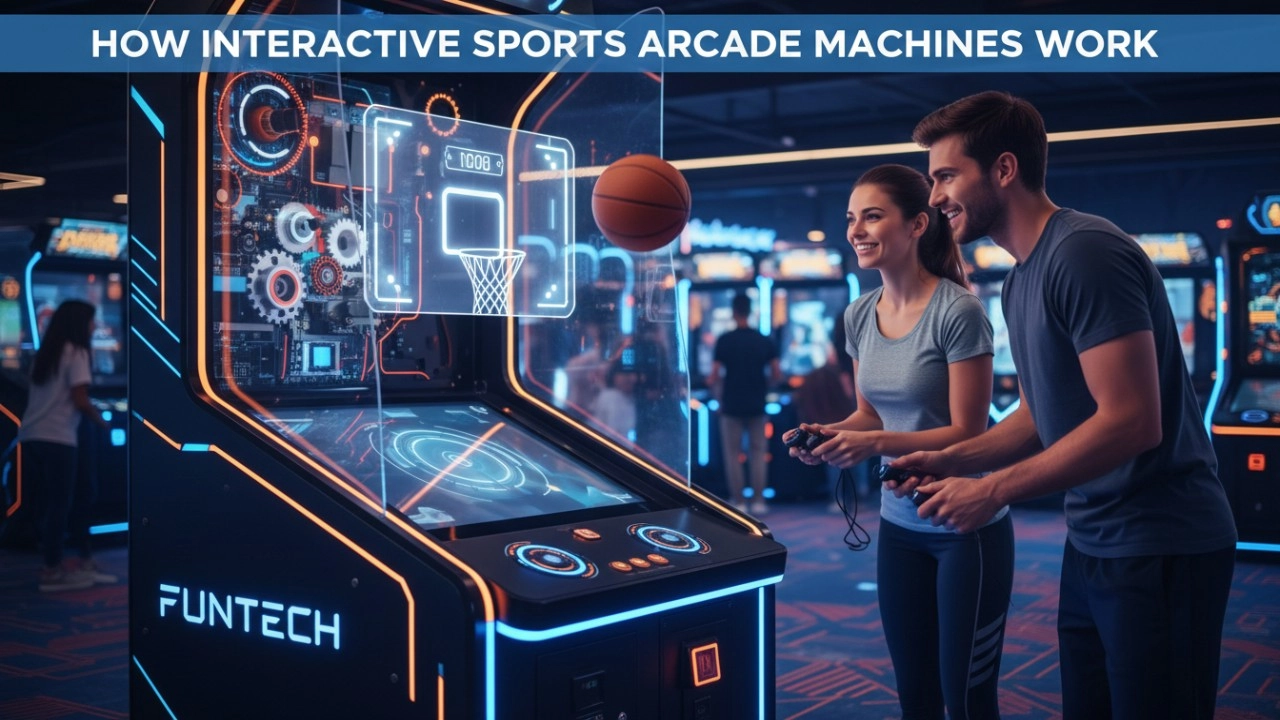
How Interactive Sports Arcade Machines Work (Sensors, Projection & AI) - 2026 Guide
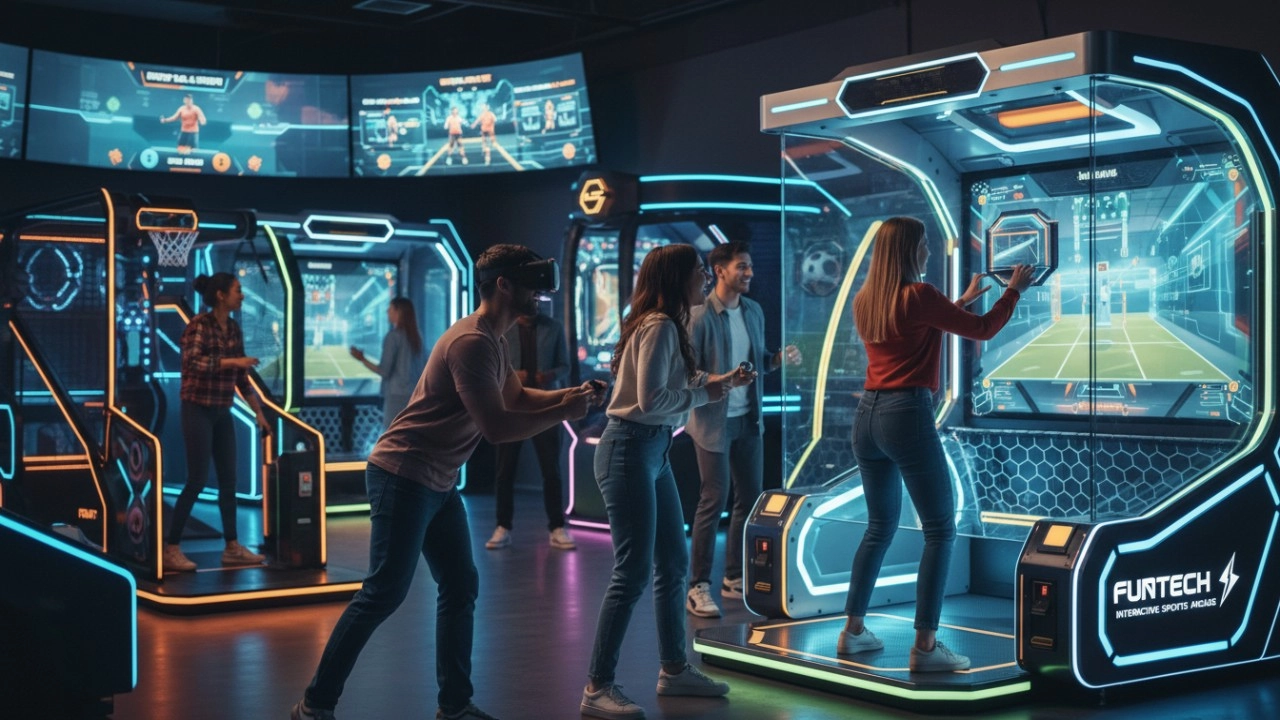
What Defines Interactive Sports Arcade Equipment in 2026?
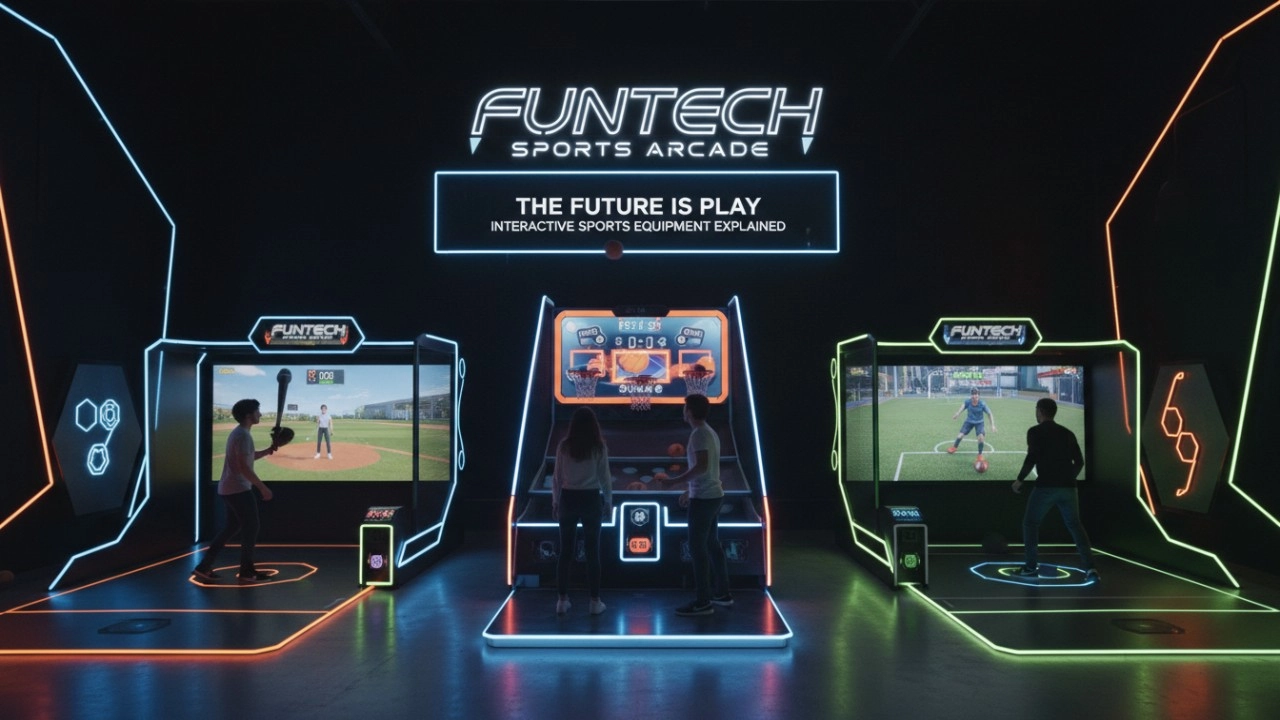
What Is Interactive Sports Arcade Equipment? Complete Beginner Guide (2026)
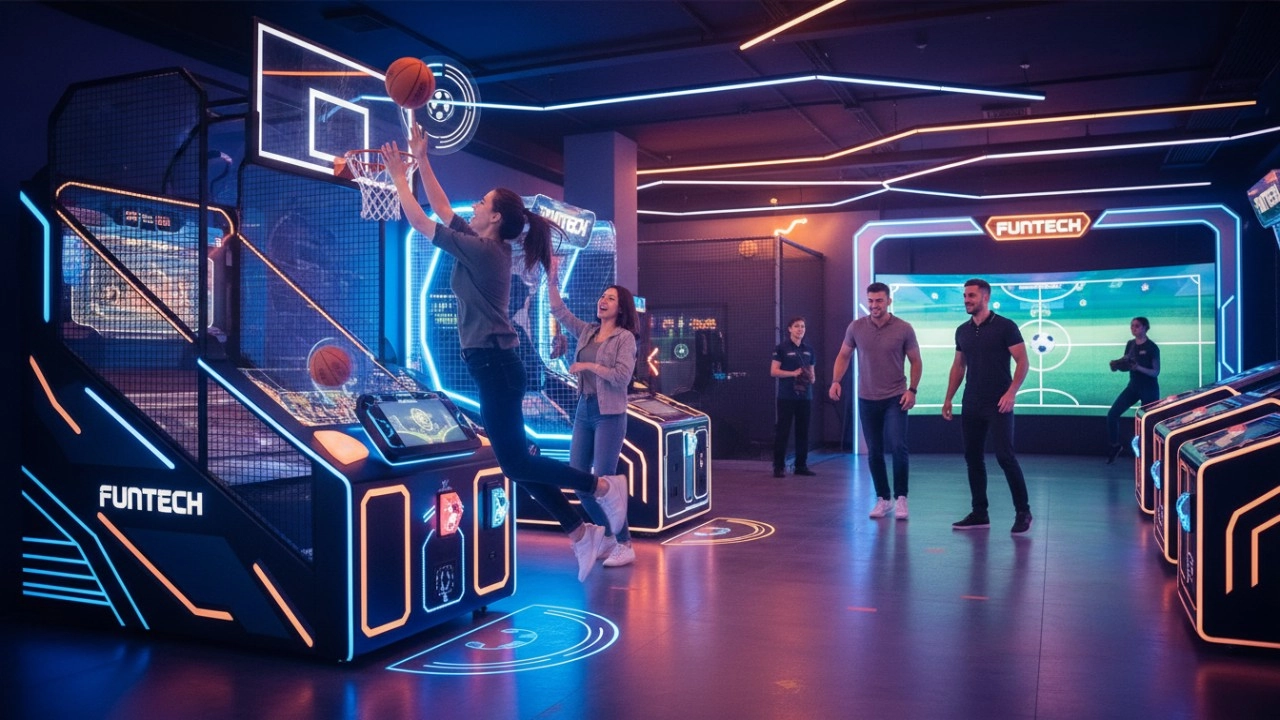
The Ultimate Guide to Interactive Sports Arcade Equipment for Commercial Entertainment (2026 Edition)
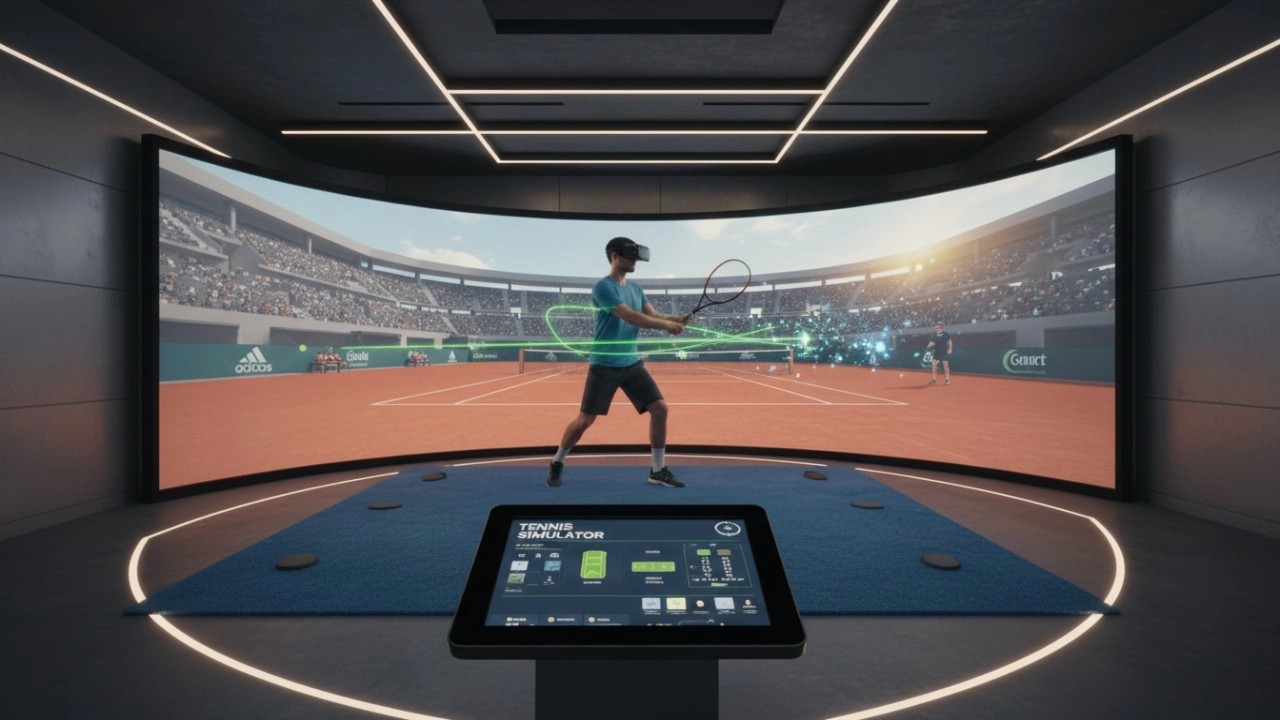
7 Reasons to Add a Tennis Simulator to Your Entertainment Venue Instead of Traditional Training Models (2026 Guide)
Holographic Light and Shadow Restaurant
What are the technical difficulties of holographic projection?
One is the resolution and clarity of the image. To achieve high-resolution and high-definition 3D image reproduction, advanced optical equipment and algorithms are required. The second is the control of light interference and diffraction, which requires precise control of the propagation and interference conditions of light rays to ensure the stability and accuracy of the image. The third is the complexity and cost of the system. Holographic projection systems are usually quite complex, including optical components, light sources, control systems, etc., with high costs, which limits their widespread adoption.
Football Simulator
Simulation soccer suitable for which people to experience?
Suitable for all soccer fans, whether they want to get addicted to soccer anytime, anywhere, or by the field restrictions can not play football youth, as well as want to share the joy of the children's parents and children's families, all can find fun from it.
Products
How to attract customers when operating the program in shopping malls?
Create a cool venue decoration style, incorporating trendy elements, such as fluorescent light strips, animation-themed murals, etc. o Create a new venue for the program. o Launch diversified marketing models such as parent-child packages and couple packages, combined with time-limited promotional activities, such as half-price experience in the first three days of opening, to attract different groups such as families and couples to stop by and participate in the program. o Create cool venue decoration styles and incorporate trendy elements, such as fluorescent light strips.
Dart Machines Bar Dart Machines
How to reduce operating costs?
Starting with equipment procurement, choose cost-effective, durable and easy-to-maintain products, which can save money for subsequent maintenance. Reasonable arrangement of staff, reduce the number of staff on duty during off-peak hours, train staff to have multi-skills, such as being able to operate the equipment and guide customers part-time, so as to improve the efficiency of manpower and reduce the cost of manpower.
Infrared Shooting
What are the after-sales services after purchasing the equipment?
Generally, a 1-year warranty is provided. During the warranty period, parts damaged due to quality problems, such as motor failure, display problems, etc., will be repaired or replaced free of charge. There will also be technical support, including equipment installation and debugging guidance, operation training, to ensure the smooth use of the user, after-sales response time is usually within 24 - 48 hours.
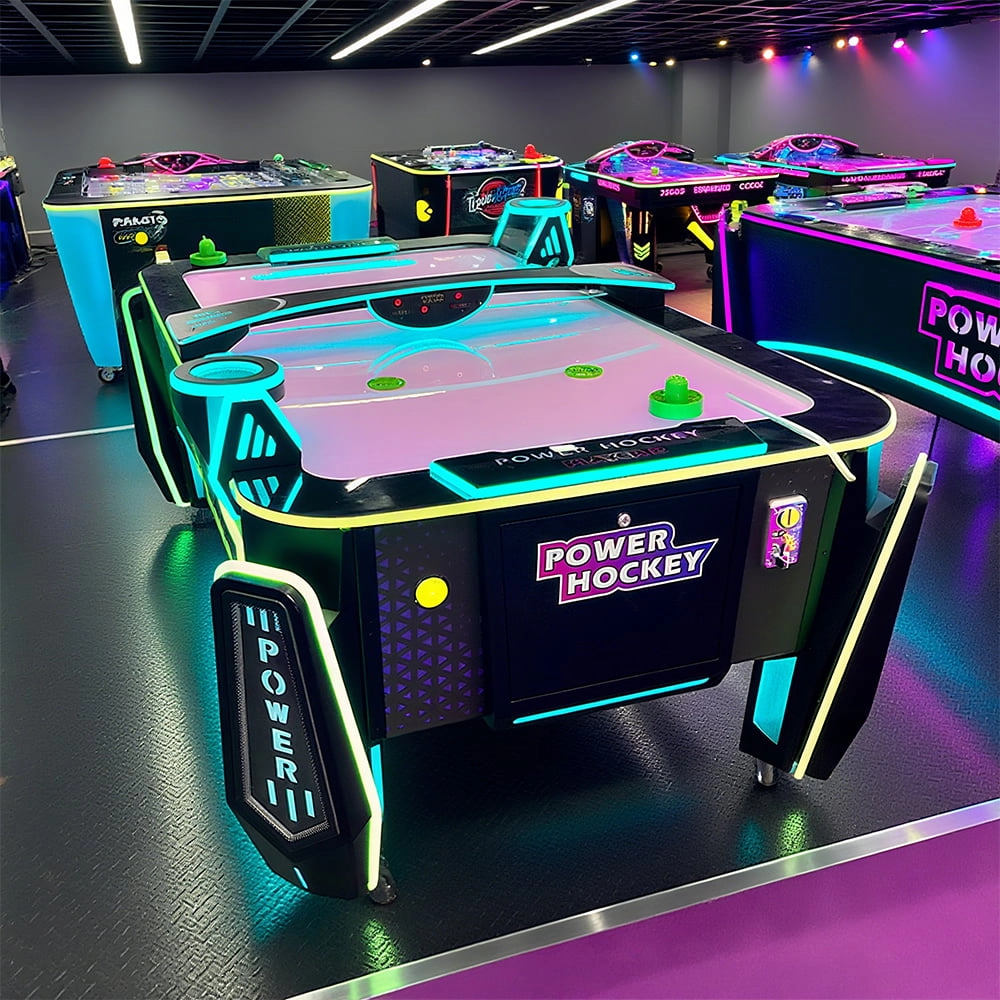
Arcade Hockey
FUNTECH is full of fun and exciting playgrounds! Air hockey, also known as air hockey, is a two-player competitive arcade game comprising a smooth, perforated playing surface, lightweight hockey sticks, a plastic puck, and an electronic scoreboard.
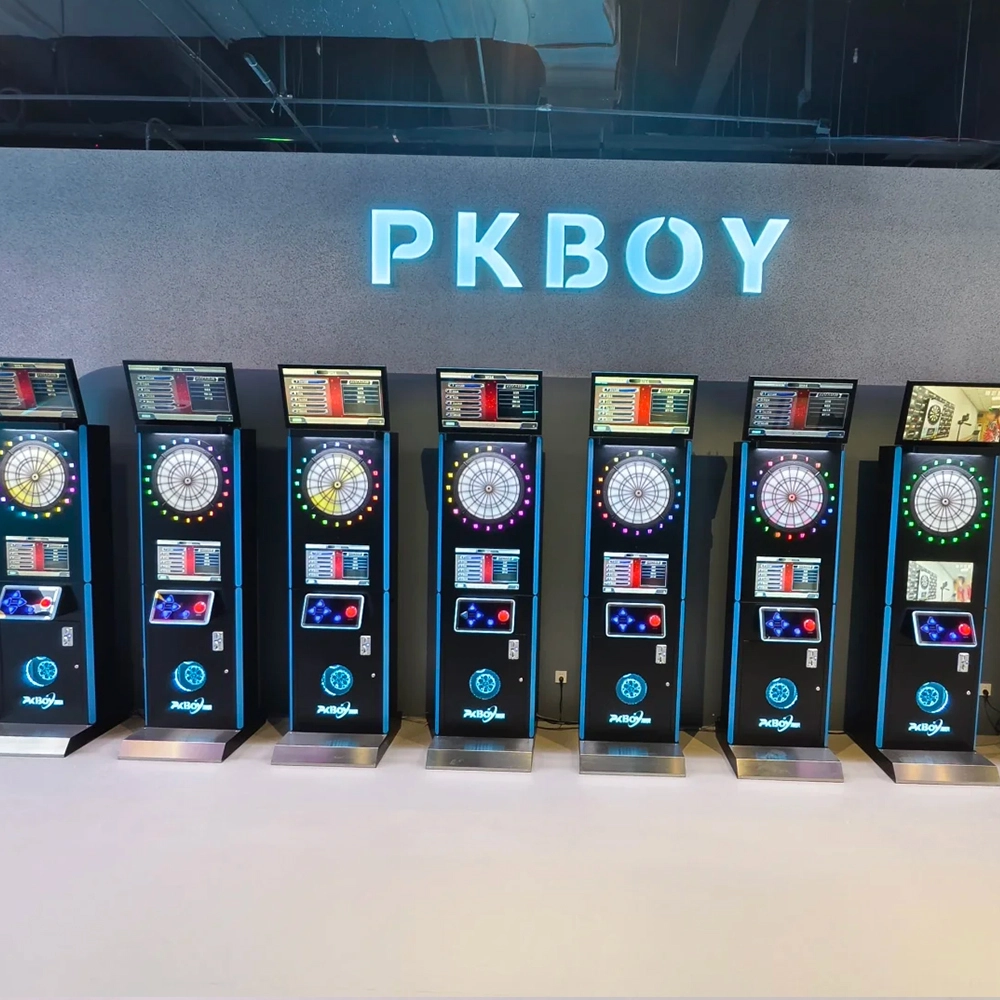
Dart Machines Bar Dart Machines
Joy Power is full of fun and excitement in the playground! The dart machine is suitable for all kinds of places, whether it is a bar, restaurant, KTV, or other entertainment venue, or a sports shop, club, or family leisure space, and can be perfectly adapted. In commercial venues, holding individual and team darts tournaments from time to time can attract more customers and increase the popularity and revenue of the venue, supplemented by various preferential activities, which can directly promote consumption and form a cycle of consumption of all the goods in the shop.
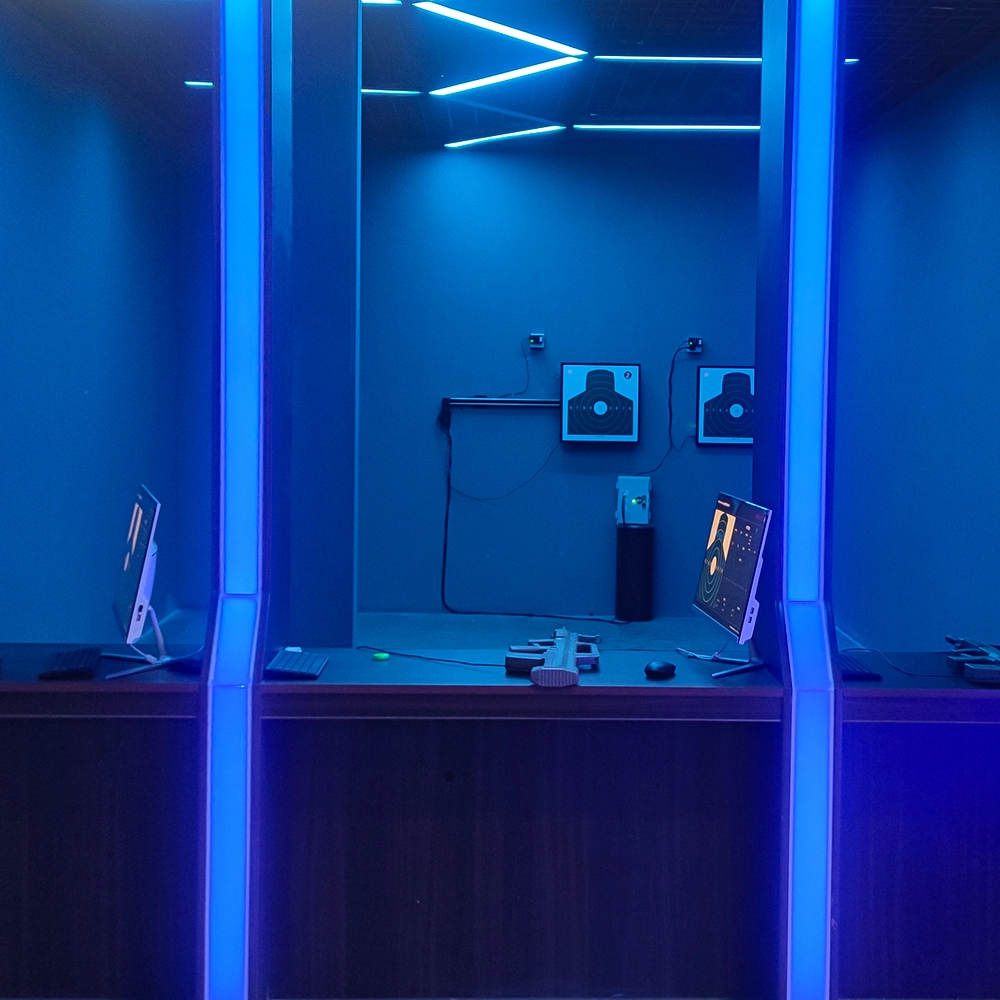
Infrared Shooting
Highly simulated simulation training analysis equipment, with advanced design concepts, fast system development, ease of operation and use, stable technical performance, less consumption of training, site dependence on a small group training is highly interesting, safe, and reliable, and other outstanding features. Product design to solve the basic skills of light weapons precision shooting as a starting point, to improve the safety of shooting training and training efficiency as the fundamental purpose, highlighting the simulation, information technology, and combat training requirements, can be in small indoor and outdoor venues and does not use live ammunition to complete the basic shooting training.
Multi-Player Interactive Shooting Machine
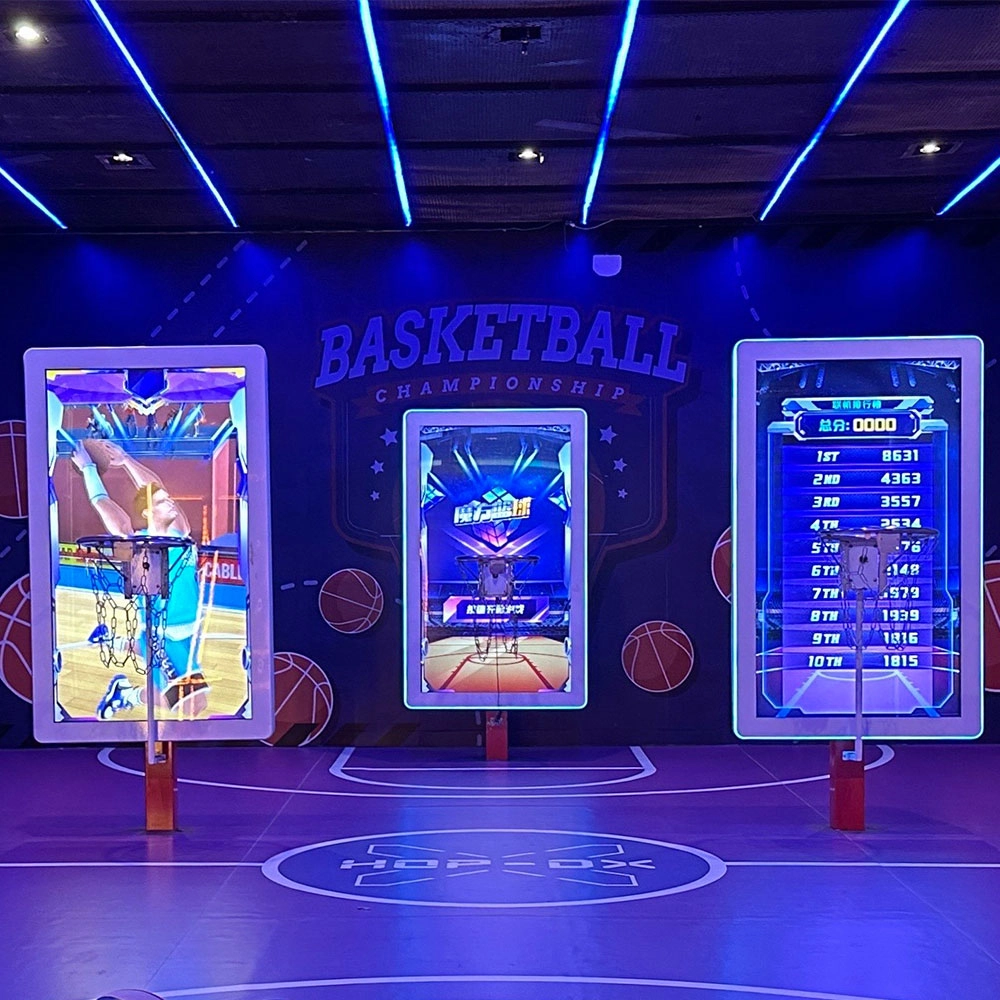
Joy Power is full of fun and exciting playgrounds! The basketball shooting machine is a classic amusement device integrating competition, entertainment, and interactivity. Based on the traditional basketball shooting sport, it integrates electronic scoring, sound and light effects, and challenge mechanisms to bring players an immersive game experience. The main body of the equipment is usually built with a metal frame, equipped with a standard-sized basket and a sturdy rim, with multiple sets of sensors to accurately capture the trajectory of the shot; when the player shoots the ball, the machine's built-in sensors count the score in real time and present the score, remaining time, and challenge goals through the LED display or LCD screen, with exciting sound effects and colorful lights to create a tense and exciting gaming atmosphere.
Ready to take your venue to the next level?
Leave us a message here, and our team will get back to you promptly.
Whether you're interested in custom orders, technical specifications, or partnership opportunities, we're here to assist you.
© 2025 FUNTECH ALL RIGHTS RESERVED

Weixia Lei
Fun_Tech-s
fun_tech20