
Interactive Sports Arcade vs Traditional Arcade Machines: Key Differences (2026 Guide)
- What is the Difference Between an Interactive Arcade vs Traditional Arcade?
- Key Takeaways: The Evolution of Arcade Gaming
- Data Comparison Table: Interactive Sports vs. Classic Cabinets
- Physical Activity & Player Immersion: The Sports Factor
- Space Efficiency, Hardware, and ROI Metrics
- Addressing the Gap: Maintenance and Future-Proofing for 2026+
- Expert Tips and Common Operator Mistakes
- Industry Leading Solution: Upgrading Your Venue with Guangzhou Suiyi Technology Co., Ltd.
- Conclusion
- Frequently Asked Questions
- Are interactive sports arcades more profitable than traditional machines?
- How much space is required for an interactive sports simulator?
- What are the maintenance differences between interactive and traditional arcades?
- Why are Family Entertainment Centers (FECs) shifting to interactive games?
- Can traditional arcade cabinets and interactive machines coexist in one venue?
- What technologies power modern interactive arcade games?
- How do interactive sports machines track player movement?
- What is the expected lifespan of an interactive arcade installation?
The amusement industry is undergoing a massive transformation. As consumer preferences shift toward active, immersive experiences, venue operators are forced to re-evaluate their floor plans. Understanding the core differences between an interactive arcade vs traditional arcade setup is no longer optional—it is a critical business strategy. This comprehensive 2026 guide breaks down the technology, space requirements, and financial metrics needed to build a future-proof entertainment venue.
What is the Difference Between an Interactive Arcade vs Traditional Arcade?
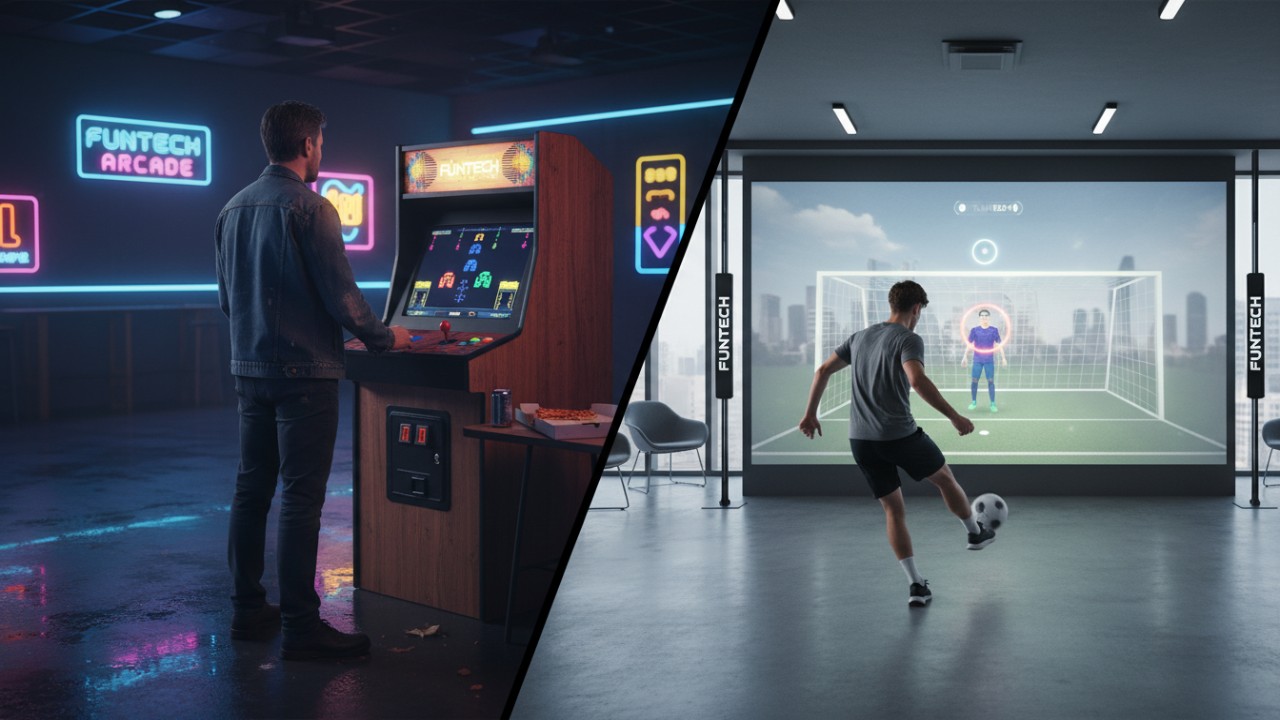
The primary difference between an interactive arcade vs traditional arcade lies in player engagement. Traditional arcades rely on passive, joystick-and-button gameplay centered on fixed screens, requiring low physical exertion. Conversely, interactive sports arcades utilize motion sensors, physical props, and augmented reality to demand full-body movement and athletic participation.
To fully grasp this industry shift, operators must look at the mechanics of play.
- Traditional Arcades: These systems are rooted in cognitive-based solo play. Players stand stationary, interacting with a 2D or 3D digital environment through mechanical microswitches.
- Interactive Sports Arcades: These systems require physical exertion. Players might kick a real soccer ball against a projection-mapped wall or use a physical racket to hit virtual tennis balls. Grasping the interactive sports arcade equipment meaning helps operators realize that these are not just games, but active physical experiences.
Key Takeaways: The Evolution of Arcade Gaming
The evolution of arcade gaming highlights a rapid industry shift toward hybrid entertainment models. While traditional cabinets offer high nostalgia value and lower maintenance costs, modern interactive systems drive significantly higher replayability, group engagement, and skill-based progression through active physical exertion and immersive technology.
According to the historical context of the Arcade game - Wikipedia, the golden age of coin-op machines thrived on quick, challenging loops. Today, the focus has shifted:
- Replayability: Interactive systems drive repeat visits through physical exertion and skill-based progression, mimicking real-world sports.
- Nostalgia vs. Novelty: Traditional cabinets capture the retro gaming demographic, but result in lower overall engagement time per session.
- Hybrid Models: Modern venues are rapidly shifting toward hybrid models to capture both the active Gen Z demographic and nostalgic Millennials.
Data Comparison Table: Interactive Sports vs. Classic Cabinets
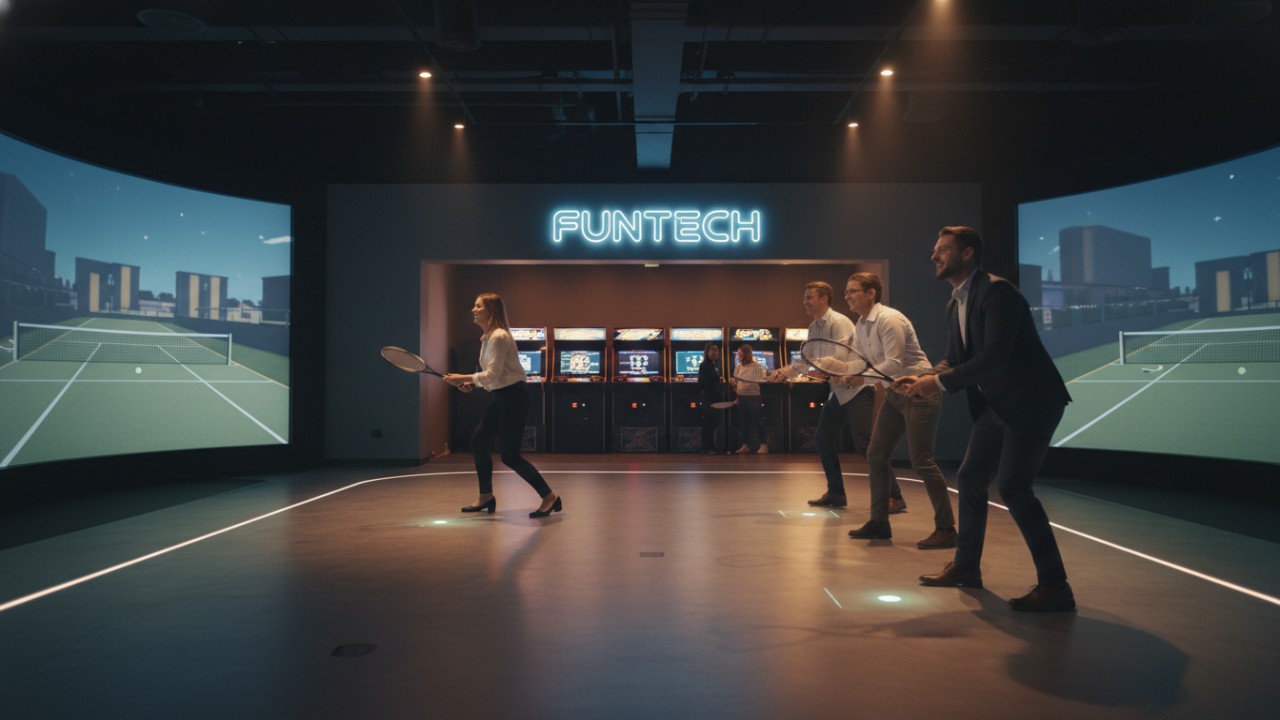
A direct data comparison between interactive sports simulators and classic arcade cabinets reveals stark contrasts in engagement time, physical demands, space requirements, and target demographics. Understanding these metrics is essential for optimizing an arcade machine ROI comparison and maximizing overall venue profitability.
| Metric | Interactive Sports Arcades | Traditional Arcade Cabinets |
|---|---|---|
| Player Engagement Time | 15–30 minutes per session | 2–5 minutes per session |
| Physical Exertion Level | High (Cardio-intensive, full-body) | Low (Sedentary, hand-eye coordination) |
| Average Floor Footprint | 100–400 sq ft per unit | 10–20 sq ft per unit |
| Primary Target Demographic | Groups, Corporate Events, Active Teens | Solo Players, Retro Gamers, Couples |
| Revenue Model | Premium time-based pricing / Group rates | Coin-op / Swipe-per-play microtransactions |
Physical Activity & Player Immersion: The Sports Factor
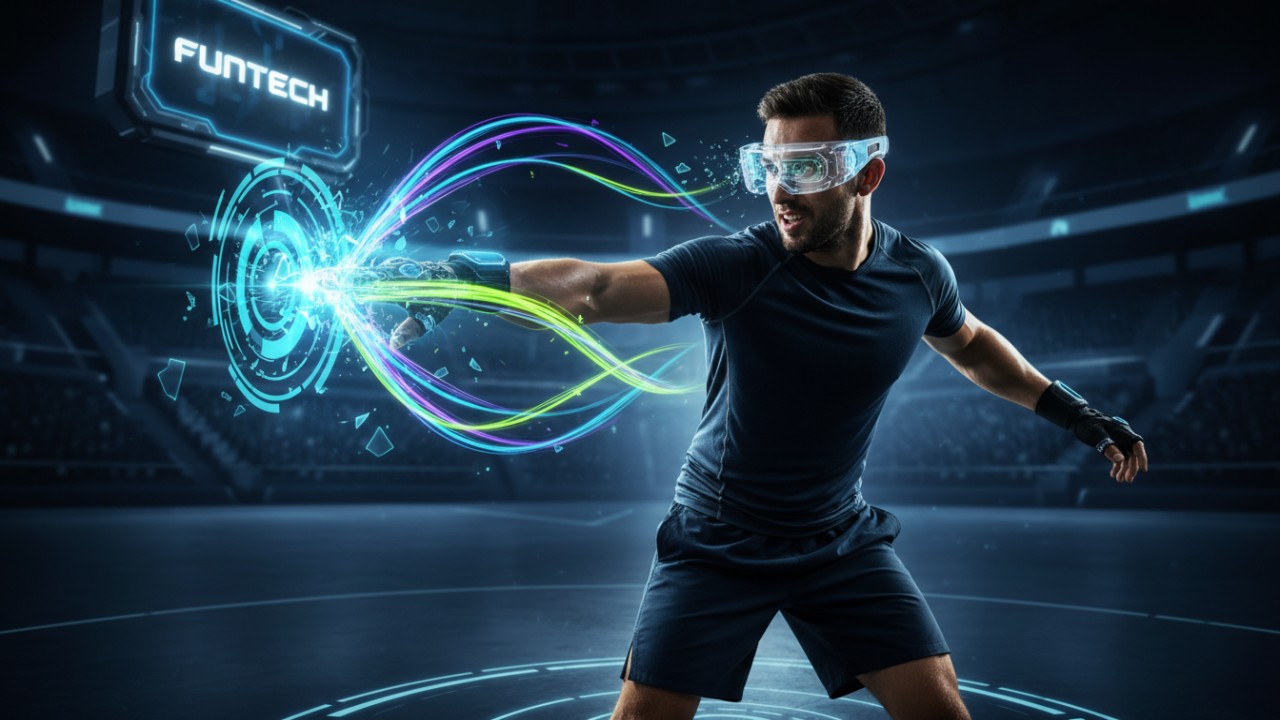
Physical activity and player immersion in modern sports arcades trigger deeper dopamine responses by simulating real-world physics. Unlike traditional machines that rely on button mashing, motion tracking arcade games require genuine athletic movements—such as throwing, kicking, and jumping—creating memorable, shareable group experiences.
The health and psychological benefits of active gaming are well-documented. Research highlighted by the National Institutes of Health indicates that active video games (AVGs) significantly increase energy expenditure compared to sedentary gameplay.
- Real-World Physics: Interactive sports machines demand genuine proprioception. You cannot "cheat" a golf swing or a soccer kick; the sensors track your actual physical form.
- Sensory Feedback: Full-body immersion triggers deeper psychological engagement, turning a simple game into a physical workout.
Space Efficiency, Hardware, and ROI Metrics
Space efficiency, hardware costs, and ROI metrics dictate modern venue layout strategies. Classic 8-bit cabinets excel in space efficiency, allowing high machine density. In contrast, interactive sports installations require larger footprints but command premium price points per play, significantly boosting overall group booking revenue.
When analyzing the latest family entertainment center trends, the definition of a profitable space is changing. As noted by Family entertainment center - Wikipedia, modern FECs must provide diverse anchor attractions to keep large parties entertained for hours.
- High Density vs. High Yield: You can fit ten classic arcade machines in the space of one interactive sports simulator. However, the interactive simulator can host a group of six people paying a premium hourly rate, often resulting in a higher revenue-per-square-foot yield.
- Capital Expenditure: Venue operators must balance the higher initial cost of tech-heavy motion sensors and projectors against the proven longevity of classic coin-op hardware.
Addressing the Gap: Maintenance and Future-Proofing for 2026+
Future-proofing an arcade for 2026 and beyond requires adopting modular hardware and software-driven maintenance protocols. Unlike traditional CRT monitors with mechanical microswitches, modern mixed-reality projectors and motion cameras rely on cloud-connected updates and global leaderboards to maintain long-term player engagement.
- Software over Hardware: To remain competitive, venues must implement modular hardware that can be continuously updated via software rather than replacing entire physical cabinets.
- Global Connectivity: Future trends for 2026 indicate a massive rise in cloud-connected competitive leaderboards for global interactive sports tournaments across different venues.
- Specialized Maintenance: Mixed-reality projectors and LiDAR cameras require specialized, software-driven maintenance protocols, a stark contrast to swapping out a broken joystick.
Expert Tips and Common Operator Mistakes
The most common operator mistake is cramming too many interactive machines close together, which ruins the spatial experience and risks player injury. Expert operators avoid this by utilizing traditional retro machines as queue-fillers or buffer zones around their high-traffic, active sports simulators.
- Expert Tip: Utilize traditional retro machines as queue-fillers or buffer zones around your high-traffic interactive sports simulators. This keeps waiting players engaged and spending money.
- Common Mistake: Neglecting to cross-train your technical staff. Calibrating advanced gesture-based and spatial-tracking equipment requires a different skill set than fixing a coin mechanism.
Industry Leading Solution: Upgrading Your Venue with Guangzhou Suiyi Technology Co., Ltd.
Transitioning a classic entertainment venue requires a strategic floor layout that seamlessly maximizes both passive gaming and active play zones. Guangzhou Suiyi Technology Co., Ltd. provides industry-leading interactive sports solutions designed to integrate perfectly with your existing arcade ecosystem and drive unprecedented visitor engagement.
Established in 2023, Guangzhou Suiyi Technology Co., Ltd. (FUNTECH) is an innovative enterprise specializing in intelligent sports equipment R&D, manufacturing, and service. Under our Joyful Power brand, we integrate "smart hardware + interactive content" to create unique digital sports experiences.
For operators looking to build competitive socializing venues, we offer a distinct competitive edge:
- Turnkey Installations: Our interactive installations offer robust backend analytics to track player movement, demographic engagement, and revenue per square foot.
- Customized Services: From trendy sports to cultural tourism and education sectors, our professional R&D team delivers tailored solutions.
- Global Support: We provide a worldwide sales network and 24/7 customer support, ensuring your high-tech investments run flawlessly.
Conclusion
The arcade industry is definitively moving toward physical immersion, augmented reality, and competitive socializing. Balancing the powerful nostalgia of traditional cabinets with the high-yield group engagement of interactive sports is the proven key to modern venue success and long-term profitability.
Frequently Asked Questions
Are interactive sports arcades more profitable than traditional machines?
Yes, while they require a higher initial investment, interactive sports arcades often yield higher profitability per square foot due to premium pricing, group play appeal, and longer session times.
How much space is required for an interactive sports simulator?
Interactive sports simulators typically require between 100 to 400 square feet per installation, depending on the specific sport and the necessary safety clearance for player movement.
What are the maintenance differences between interactive and traditional arcades?
Traditional arcades primarily require mechanical maintenance like joystick and button replacement, whereas interactive setups require software updates, projector calibration, and sensor alignment.
Why are Family Entertainment Centers (FECs) shifting to interactive games?
FECs are shifting toward interactive games to attract modern consumers who crave physical activity, competitive socializing, and unique experiences they cannot easily replicate on their home consoles.
Can traditional arcade cabinets and interactive machines coexist in one venue?
Absolutely. The most successful modern arcades use a hybrid model, leveraging traditional cabinets as nostalgic queue-fillers while positioning interactive installations as the main anchor attractions.
What technologies power modern interactive arcade games?
Modern interactive arcades are powered by advanced motion-tracking cameras, LiDAR sensors, augmented reality projectors, and cloud-based leaderboards.
How do interactive sports machines track player movement?
They utilize a combination of computer vision, infrared sensors, and depth-tracking cameras to translate real-world physical actions directly into the digital game environment.
What is the expected lifespan of an interactive arcade installation?
With proper maintenance and regular software updates, high-quality interactive installations can last 5 to 7 years before requiring significant hardware overhauls.
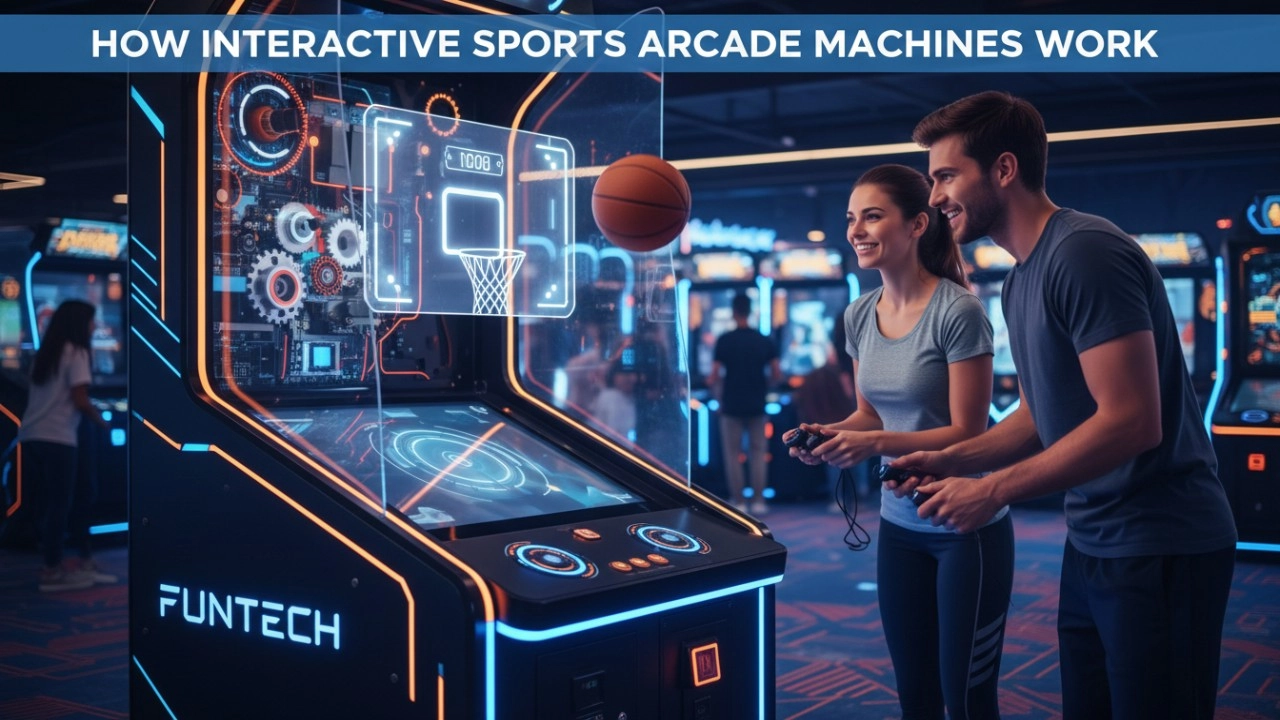
How Interactive Sports Arcade Machines Work (Sensors, Projection & AI) - 2026 Guide
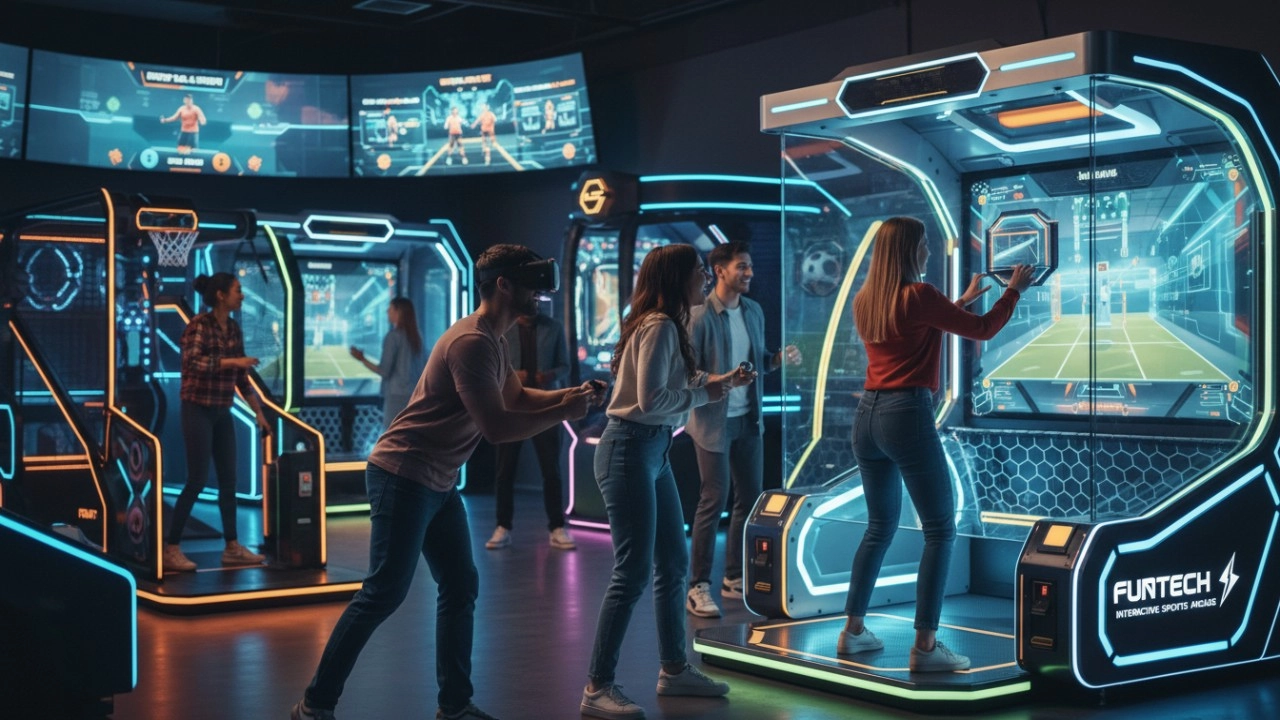
What Defines Interactive Sports Arcade Equipment in 2026?
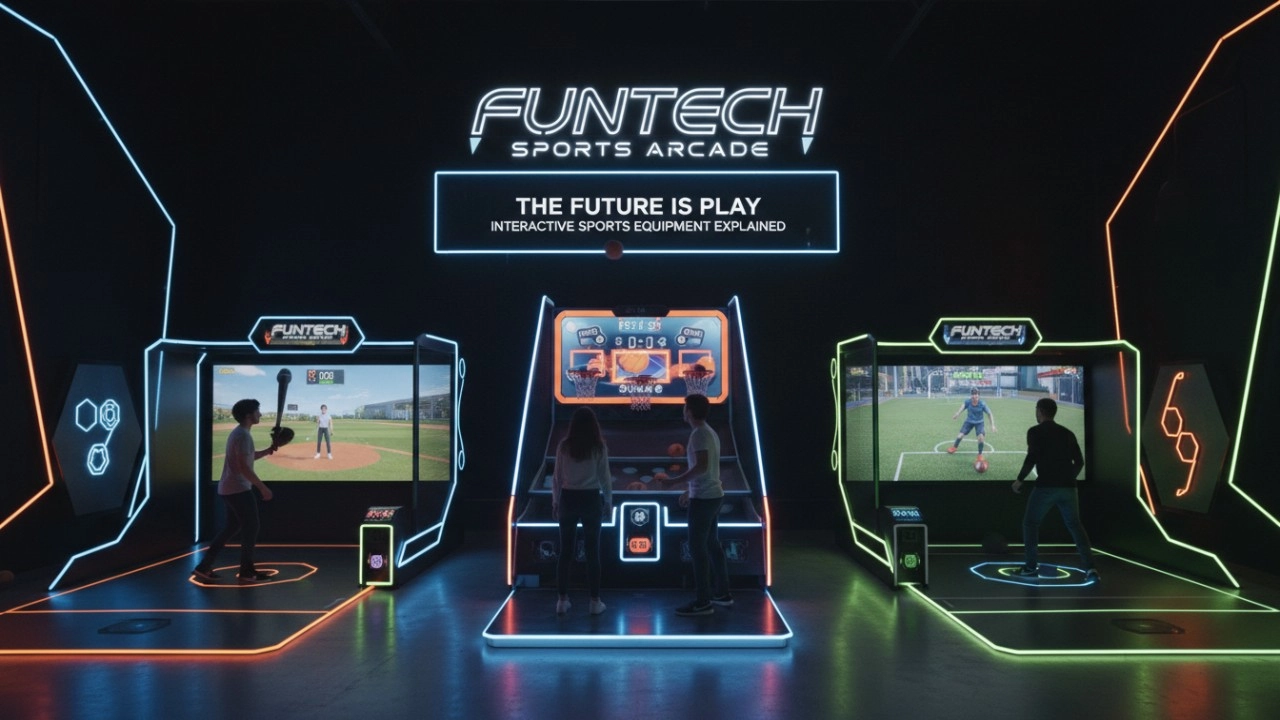
What Is Interactive Sports Arcade Equipment? Complete Beginner Guide (2026)
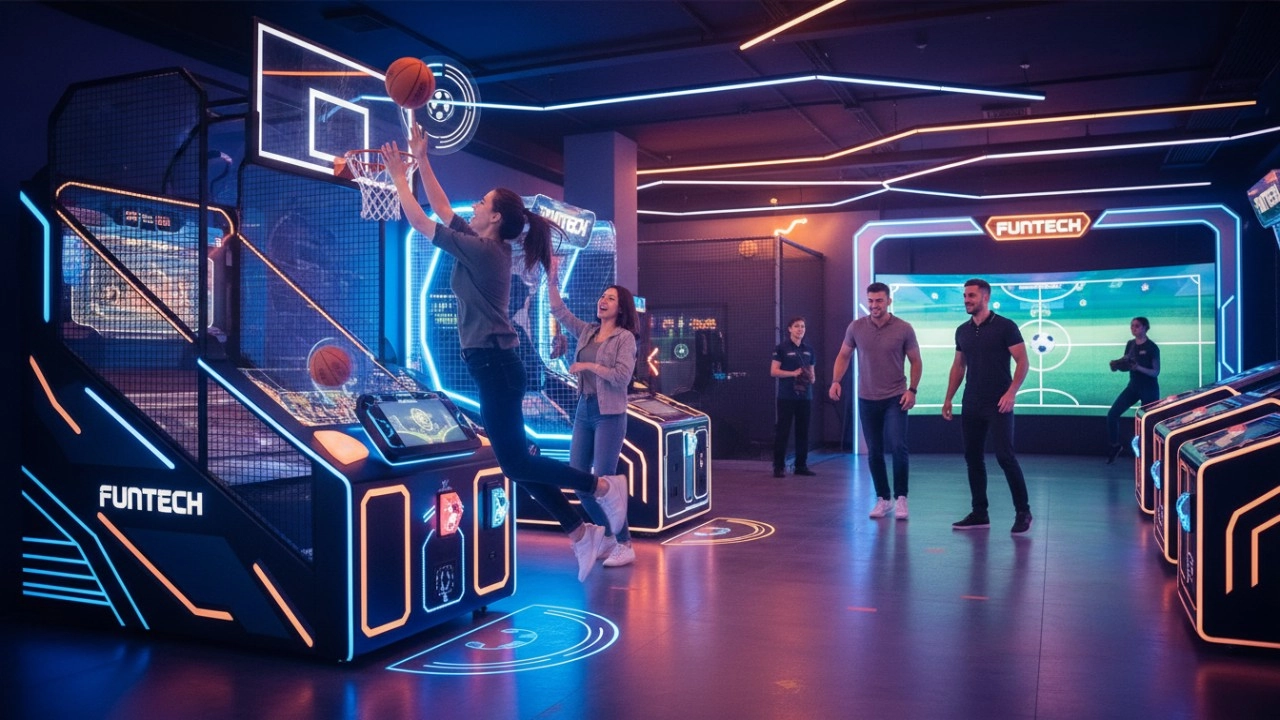
The Ultimate Guide to Interactive Sports Arcade Equipment for Commercial Entertainment (2026 Edition)
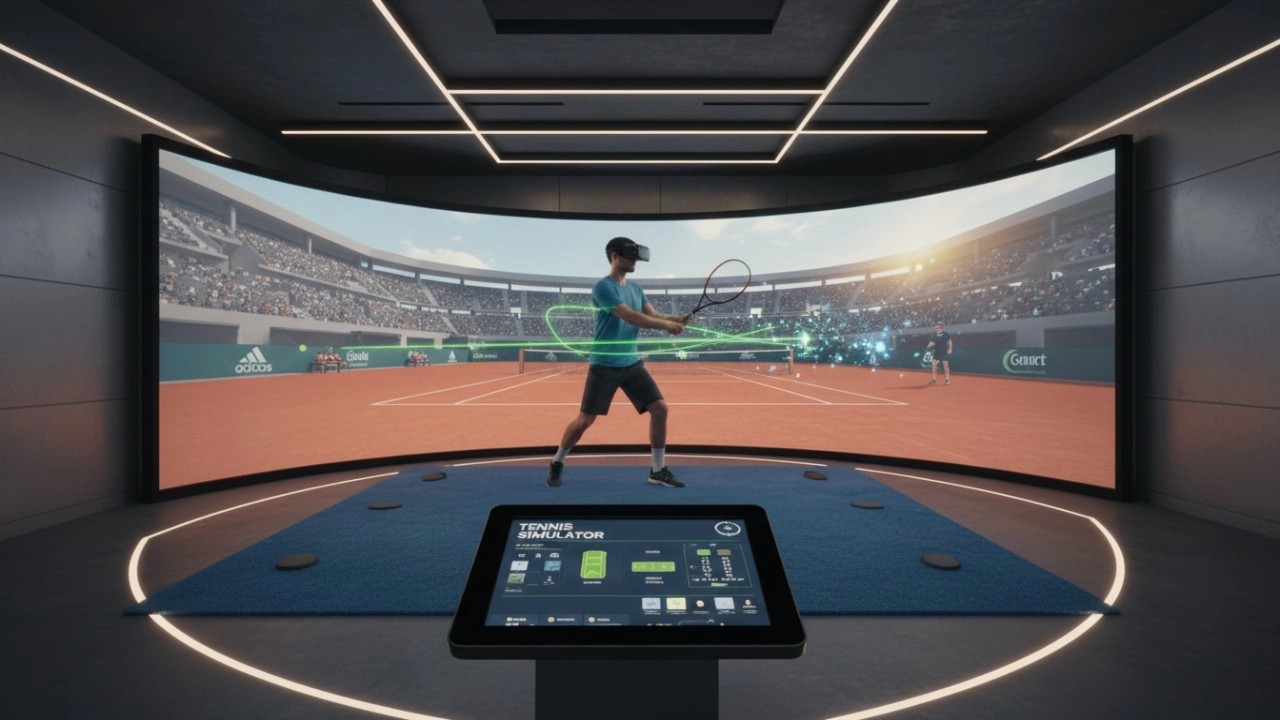
7 Reasons to Add a Tennis Simulator to Your Entertainment Venue Instead of Traditional Training Models (2026 Guide)
Dart Machines Bar Dart Machines
What are the after-sales services after purchasing the equipment?
Generally, a 1-year warranty is provided. During the warranty period, parts damaged due to quality problems, such as motor failure, display problems, etc., will be repaired or replaced free of charge. There will also be technical support, including equipment installation and debugging guidance, operation training, to ensure the smooth use of the user, after-sales response time is usually within 24 - 48 hours.
How to attract customers when operating the program in shopping malls?
Create a cool venue decoration style and incorporate trendy elements, such as fluorescent light strips and anime-themed murals. o Launch diversified marketing models such as parent-child packages and couple packages, combined with time-limited promotional activities, such as half-price experience in the first three days of opening, to attract different groups of people such as families and couples to stop by and participate.
Holographic Light and Shadow Restaurant
What is the principle of holographic projection?
Firstly, during the recording process, a reference light and an object light are simultaneously irradiated onto the object, causing interference between the two beams. The intensity and phase information of the object are recorded on the photosensitive material, forming a hologram. Then, during the reproduction process, the hologram is illuminated with the same beam of light as the reference light, and the hologram acts like a complex diffraction grating, causing the light to diffract and thus reproducing the three-dimensional image of the object.
Football Simulator
Simulation soccer suitable for which people to experience?
Suitable for all soccer fans, whether they want to get addicted to soccer anytime, anywhere, or by the field restrictions can not play football youth, as well as want to share the joy of the children's parents and children's families, all can find fun from it.
Infrared Shooting
What is the difference between purchasing equipment for commercial operations and personal training?
Commercial operations should consider the durability, ease of operation, and attractiveness of the equipment, and it is preferable to choose cool-looking equipment that can withstand high-frequency use.
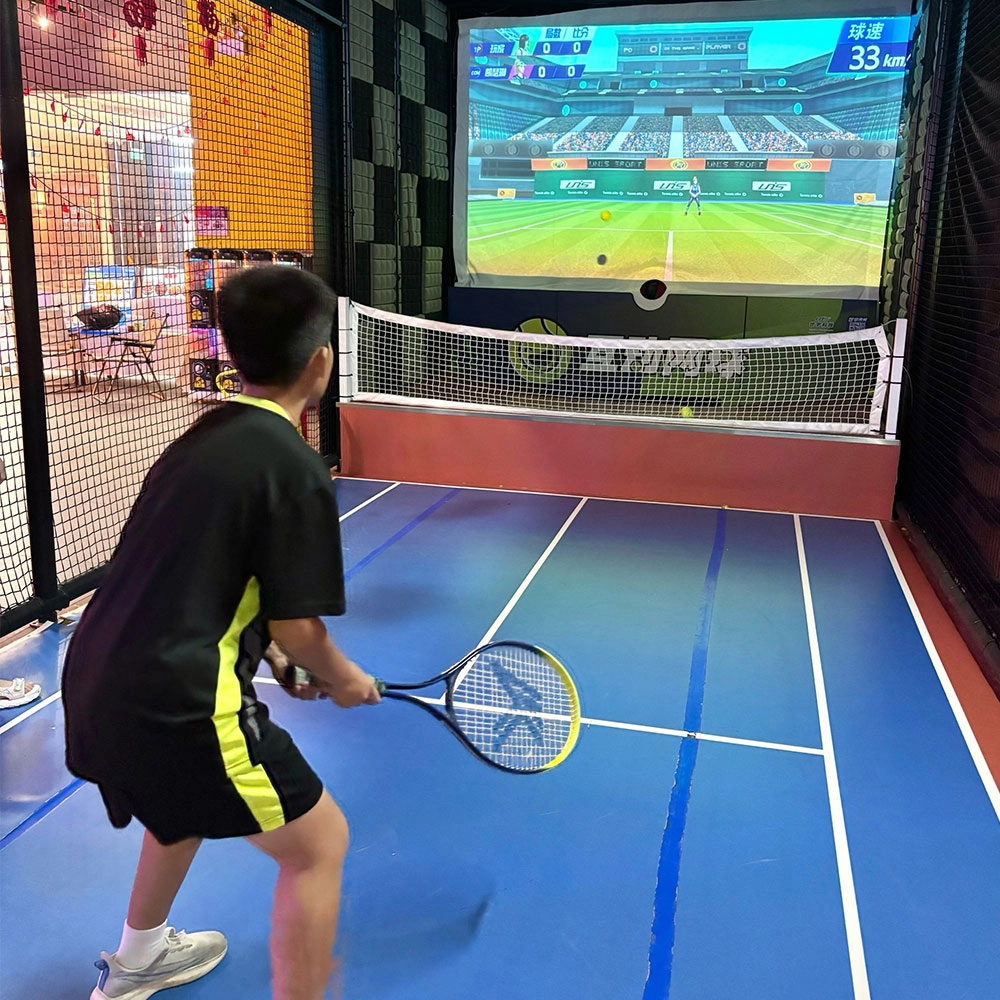
Indoor Tide Play Simulation Tennis Equipment
FUNTECH is full of fun and exciting playgrounds! With high-definition scene projection, force feedback racket, and intelligent scoring system, the simulated tennis equipment in the indoor arcade realizes immersive sports experiences and diversified interactive play, combining the advantages of safety and ease of use with high operational efficiency.
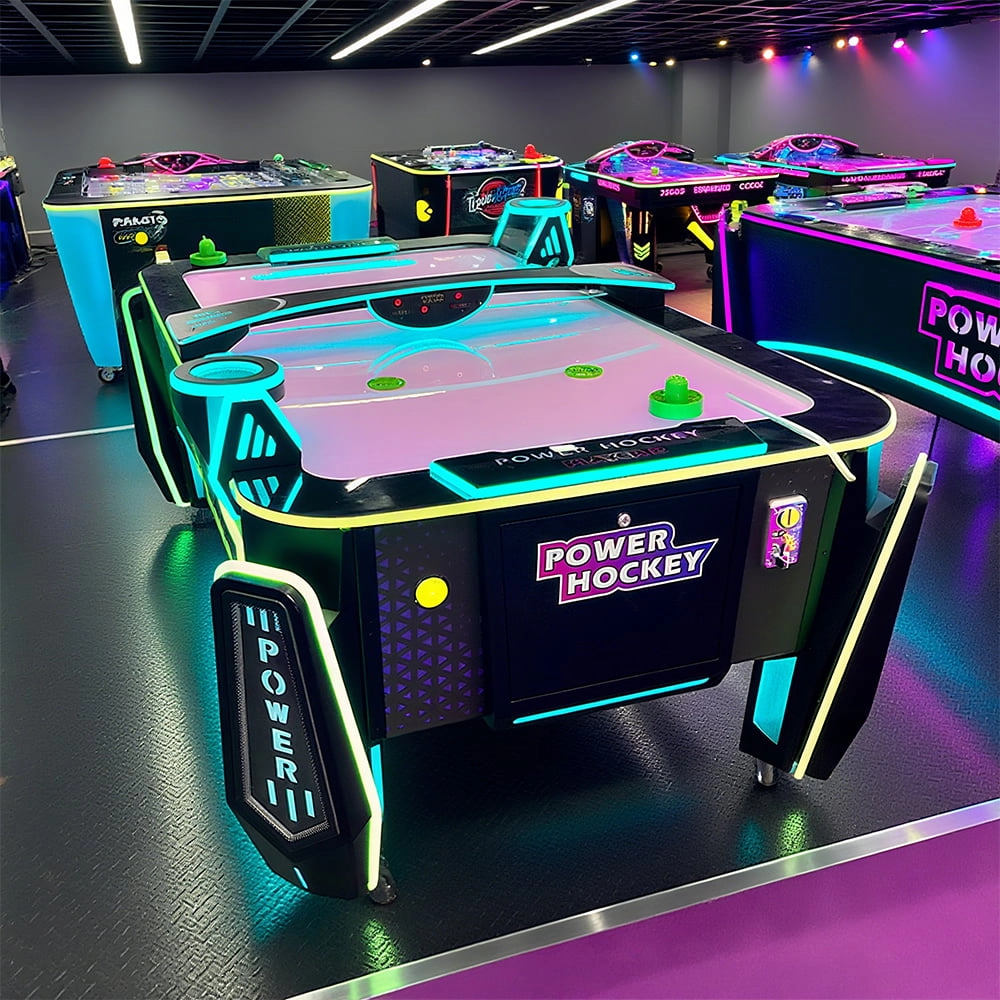
Arcade Hockey
FUNTECH is full of fun and exciting playgrounds! Air hockey, also known as air hockey, is a two-player competitive arcade game comprising a smooth, perforated playing surface, lightweight hockey sticks, a plastic puck, and an electronic scoreboard.
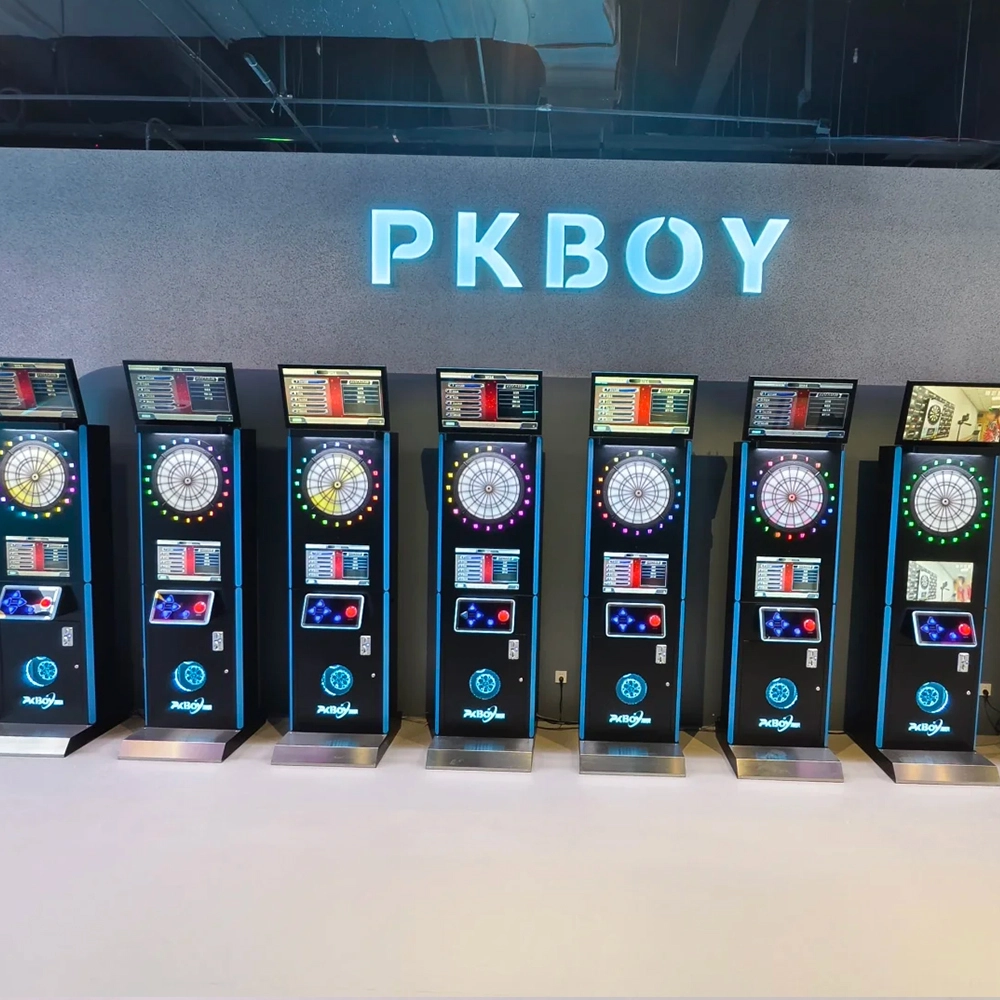
Dart Machines Bar Dart Machines
Joy Power is full of fun and excitement in the playground! The dart machine is suitable for all kinds of places, whether it is a bar, restaurant, KTV, or other entertainment venue, or a sports shop, club, or family leisure space, and can be perfectly adapted. In commercial venues, holding individual and team darts tournaments from time to time can attract more customers and increase the popularity and revenue of the venue, supplemented by various preferential activities, which can directly promote consumption and form a cycle of consumption of all the goods in the shop.
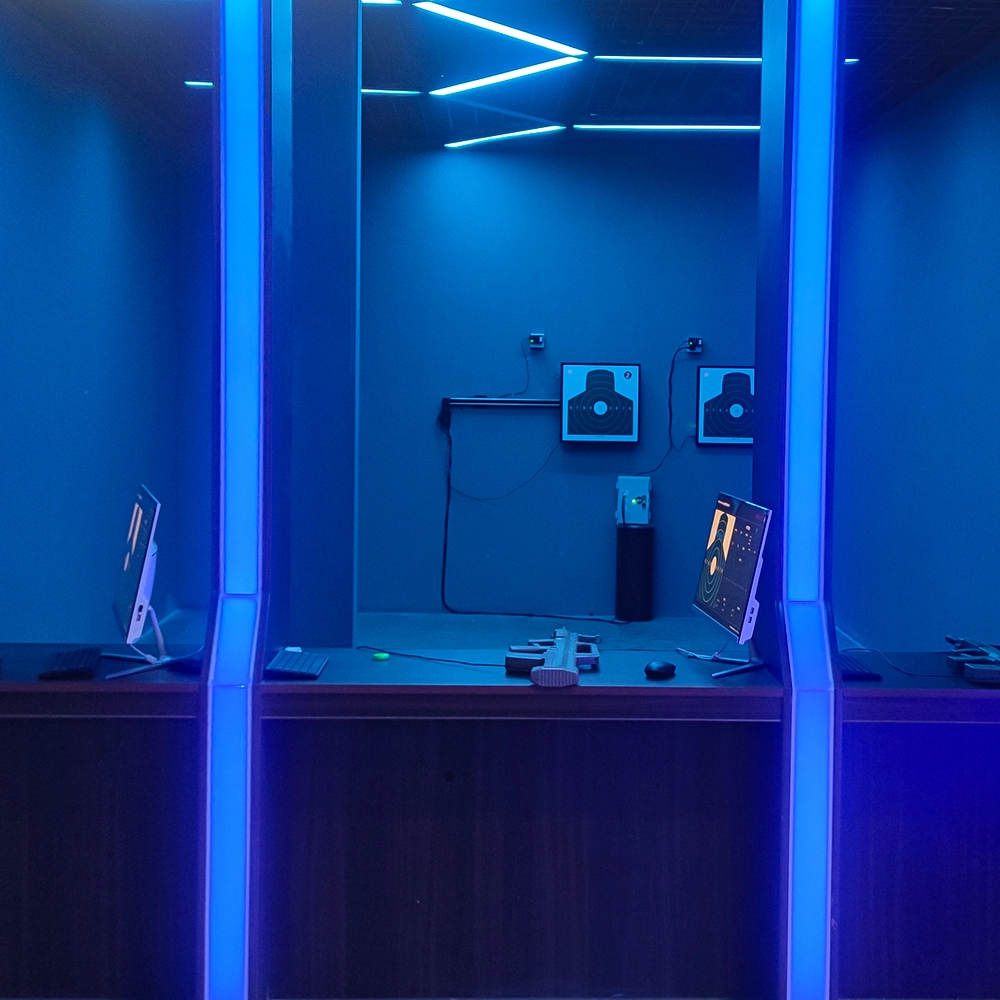
Infrared Shooting
Highly simulated simulation training analysis equipment, with advanced design concepts, fast system development, ease of operation and use, stable technical performance, less consumption of training, site dependence on a small group training is highly interesting, safe, and reliable, and other outstanding features. Product design to solve the basic skills of light weapons precision shooting as a starting point, to improve the safety of shooting training and training efficiency as the fundamental purpose, highlighting the simulation, information technology, and combat training requirements, can be in small indoor and outdoor venues and does not use live ammunition to complete the basic shooting training.
Ready to take your venue to the next level?
Leave us a message here, and our team will get back to you promptly.
Whether you're interested in custom orders, technical specifications, or partnership opportunities, we're here to assist you.
© 2025 FUNTECH ALL RIGHTS RESERVED

Weixia Lei
Fun_Tech-s
fun_tech20