
How to Choose the Best Shooting Arcade Machines Supplier?
- 1. How can I verify a shooting arcade machines supplier's spare parts availability and guaranteed lead times for out-of-warranty repairs?
- 2. What exact certifications and electrical safety tests should I demand (for US/EU) before buying a commercial shooting arcade?
- 3. How do I evaluate total landed cost when ordering bulk shooting arcade machines from overseas suppliers?
- 4. What after-sales remote support and OTA software update capabilities should a modern shooting arcade supplier provide?
- 5. How to assess and negotiate custom branding, ticketing systems, and redemption integrations for a shooting arcade supplier?
- 6. What warranty terms, spare-parts kits, and response SLAs are industry-standard for coin-operated shooting arcade cabinets?
- Concluding summary
How to Choose the Best Shooting Arcade Machines Supplier? 6 Deep Questions Beginners Need Answered
Choosing a reliable shooting arcade machines supplier for your arcade, family entertainment center, or redemption business is more than price shopping. Below are six specific long-tail questions beginners often ask but rarely find detailed, practical answers to online. Each question includes a step-by-step answer, inspection checklist, contract language suggestions, and realistic industry best practices to protect your operations, revenue, and brand. Semantic industry terms such as commercial shooting arcade, gun arcade cabinet, redemption shooter, coin-op, cashless payment, OEM/ODM, and after-sales service are naturally referenced so you can search vendor materials with confidence.
1. How can I verify a shooting arcade machines supplier's spare parts availability and guaranteed lead times for out-of-warranty repairs?
Pain point: Machines fail in high-traffic venues and long spare-parts lead times kill revenue. Vendors often promise parts but do not commit to lead times or local stock.
What to demand and verify:
- Request a formal spare parts policy that lists critical components (PCBs, power supplies, joysticks, gun sensors, printers, ticket dispensers, coin acceptors, card readers) and target lead times for each component. Industry best practice is published lead times for stocked parts (48–72 hours), standard parts (5–14 days), and custom parts (30–90 days).
- Ask for proof of local/regional warehouses or distributors. Suppliers operating global support typically have regional stock centers to meet 48–72 hour SLAs for high-failure-rate items. Get physical addresses and stock SKUs where possible.
- Require a spare-parts starter kit with your order. Typical kits for a gun arcade cabinet include a spare power supply, replacement gun sensor, 1 spare PCB for the game board, and consumables such as ticket roll and printer head. This reduces immediate downtime in remote locations.
- Include inventory minimums and reorder triggers in the contract. Example clause: supplier will maintain minimum stock quantities for critical SKUs for 24 months after purchase, with replenishment lead time not exceeding X days.
- Validate by supplier references: ask three customer references in your region and confirm actual replacement times and part quality over the last 12 months.
Verification checklist on delivery and pre-shipment:
- Get a bill of materials (BOM) and SKU list for the delivered units.
- Confirm serial-numbered spare parts with tracking for warranty claims.
- Ask for a spare-parts price list and guaranteed pricing window (e.g., two years) so you can budget maintenance.
2. What exact certifications and electrical safety tests should I demand (for US/EU) before buying a commercial shooting arcade?
Pain point: Importing machines without the required certifications can lead to seizure, costly rework, or failed venue approvals.
Must-have standards and tests for commercial arcade cabinets:
- CE marking for sale and operation in the European Union. CE indicates conformity with applicable EU directives such as EMC and low voltage for electronic equipment.
- RoHS compliance for restricted hazardous substances if selling in EU or many North American venues.
- UKCA if you operate in the UK market post-Brexit.
- UL/ETL safety certification for the United States. For audio/video and IT equipment, UL 62368-1 is the relevant standard replacing older ones. ETL by Intertek is equivalent for acceptance in many venues.
- FCC Part 15 compliance for electromagnetic emissions in the US.
- International shipping and battery safety: If batteries or rechargeable modules are included, ensure compliance with IATA/UN ADR rules.
How to validate documentation:
- Request copies of the actual certificates and the test reports, not just logos. Confirm certificate numbers, issue dates, and the testing laboratory name.
- Confirm the certificates cover the specific product model and not a similar model. Manufacturers sometimes reuse certificates for different SKUs; verify model numbers match.
- For custom-branded or modified machines, require a conformity assessment post-modification or an indemnity clause if modifications invalidate existing certification.
Contract language suggestion: supplier warrants that all units shipped to buyer will comply with the certification list X, Y, Z for the target markets and will provide full test reports and declarations of conformity prior to first shipment.
3. How do I evaluate total landed cost when ordering bulk shooting arcade machines from overseas suppliers?
Pain point: Low unit price can be negated by high shipping, customs, duties, and installation costs — harming ROI.
Line items to include in landed cost calculation:
- Unit price FOB vs CIF. Request quotes under several Incoterms so you can compare. FOB (Free On Board) means you handle international freight and import; CIF means the supplier includes freight and insurance to port.
- Air vs sea freight: sea is cheaper per unit but slower. For high-volume orders, sea plus port-to-door trucking usually minimizes cost per unit.
- Customs duties and import taxes: check your country specific HS code for arcade machines. Duties vary by jurisdiction; consult your customs broker for exact percentages and temporary import schemes.
- Inland transport, drayage, and port handling fees on both ends.
- Installation, commissioning, and local technician travel costs. Ask suppliers if they provide local installation partners or training for your operators.
- Testing, acceptance, and pre-shipment inspection costs such as third-party QC (SGS, Bureau Veritas) if you require it.
- Warranty shipping for returns or RMA. Negotiate whether RMA freight will be covered by supplier under warranty and whether advanced replacement parts will be sent.
Action steps:
- Request a detailed landed-cost worksheet from at least two suppliers with FOB and CIF scenarios, plus typical customs duty percentages for your country.
- Work with a customs broker to confirm HS code and expected duties to avoid surprises.
- Factor in time-to-revenue. A slightly higher cost for faster shipping and pre-installed, tested machines can justify higher upfront expense if it shortens deployment timelines.
4. What after-sales remote support and OTA software update capabilities should a modern shooting arcade supplier provide?
Pain point: Without robust remote diagnostics and secure software update processes, venues face longer downtime and security risks.
Key remote support features to require:
- Secure remote access and telemetry. The supplier should support encrypted VPN or TLS-based connections for remote diagnostics and be able to push logs and crash reports to a dashboard.
- OTA (over-the-air) software update capability with rollback. Updates must be signed and version-controlled. Ask for an update policy and schedule and whether updates require local approval.
- Real-time KPI dashboard: metrics such as plays per day, revenue per day, tickets dispensed, and error codes are useful. Insist on a telemetry feed for remote monitoring of machine health and a reporting cadence that supports revenue optimization.
- Remote configuration: ability to adjust pricing, difficulty settings, payout rates, or promotional modes without technician visits reduces operating costs.
- Integration with cashless payment providers and support for MDB or other commonly-used protocols. If you use cashless vendors such as Nayax, confirm compatibility and credentialing process.
Security and data protection:
- Require data-protection contract clauses covering player data and payment information. The supplier must comply with PCI-DSS when handling card data and follow local data privacy laws (GDPR, CCPA where applicable).
- Ask for a published vulnerability disclosure policy and frequency of security audits or penetration tests.
Contract addendum suggestion: include service level objectives for remote diagnostics (for example, acknowledgement within 4 hours, remote resolution or scheduled onsite within 72 hours) and specify software update windows and rollback procedures.
5. How to assess and negotiate custom branding, ticketing systems, and redemption integrations for a shooting arcade supplier?
Pain point: Custom branding and redemption logic often increase lead time and cost; operators need clarity on IP, tooling, and integration testing.
Practical evaluation and negotiation steps:
- Define scope: branding can range from simple decals to custom cabinet molds. Ask the supplier to provide mockups, materials specs, and a fixed quote for each level of customization including tooling costs for new molds.
- Ownership and tooling: if the supplier charges tooling fees, clarify who owns the tooling and if there are recurring design fees. Negotiate an option to buy tooling or obtain source files if you plan repeat orders.
- Ticketing and redemption integration: confirm ticket dispenser hardware model, printer specs (thermal printer head type, roll size), and software logic for ticket payout. Request test logs demonstrating payout accuracy and jam rates.
- Software integration: If you integrate with third-party redemption or ticket-management platforms, require API documentation and a joint integration test plan with acceptance criteria.
- Brand approvals and quality control: set sign-off gates for artwork proofs, color matching (Pantone references), and a pre-shipment sample approval process to prevent surprises.
Contract clauses to include:
- IP and NDA terms protecting FUNTECHing assets.
- Acceptance criteria for custom units including tickets-per-play accuracy, artwork fidelity, and machine functionality.
- Change-order process and pricing for post-approval modifications.
6. What warranty terms, spare-parts kits, and response SLAs are industry-standard for coin-operated shooting arcade cabinets?
Pain point: Vague warranty terms lead to disputes. Operators need predictable fixes to preserve location revenue.
Industry-standard recommendations and negotiation tips:
- Warranty length: Standard commercial warranty is 12 months on parts and labor. High Quality packages extend to 24 months. For a high-usage environment require at least 12 months with an option to purchase extended coverage.
- Coverage specifics: The warranty should clearly state coverage for electronics, mechanics, and wear items (or exclude certain consumables like bulbs and ticket rolls). List exclusions explicitly.
- Response SLA: For onsite failures, aim for a two-tier SLA: critical failures (machine down) response within 24–72 hours and non-critical within 5 business days. If the supplier cannot meet these, negotiate advance replacement parts shipments or local service partner presence.
- Advance replacement policy: Ask the supplier to ship critical spare parts under warranty prior to return of defective parts to minimize downtime.
- RMA process and costs: Ensure shipping responsibilities for warranty returns are specified. For international orders, negotiate supplier-paid return labels or advanced replacement to avoid high cross-border return costs.
- Service portal and escalation: Require a ticketing portal, named account manager, and escalation matrix for unresolved issues. This reduces time spent chasing fixes and clarifies accountability.
Sample warranty clause language: The supplier warrants that the equipment shall be free from defects in materials and workmanship for a period of 12 months from delivery. Supplier will provide remote troubleshooting and, if unresolved, ship advance replacement parts within 72 hours for critical failures. Return shipping for warranty items will be covered by the supplier.
Concluding summary
Choosing the right shooting arcade machines supplier requires diligence across parts logistics, certification verification, landed cost calculation, remote software support, customization rights, and enforceable warranty SLAs. A qualified supplier will provide transparent spare-parts policies, valid CE/UL/FCC documentation, regional stocking or local partners, secure OTA update mechanisms, clear IP and tooling terms for custom branding, and measurable SLAs for rapid repairs. These elements reduce downtime, protect revenue, and preserve brand value for commercial shooting arcades, gun arcade cabinets, and redemption shooter installations.
Advantages of choosing a qualified shooting arcade machines supplier include minimized downtime through stocked critical spares, predictable total cost of ownership via full landed-cost disclosures, safer deployments backed by proper certifications, ongoing revenue optimization through remote telemetry, faster rollouts with trusted custom-branding workflows, and lower risk thanks to clear warranty and RMA terms.
For a tailored quote, BOM review, or to request vendor references and certification copies, contact us at www.funtechgame.com or email vicky@funtechgame.com
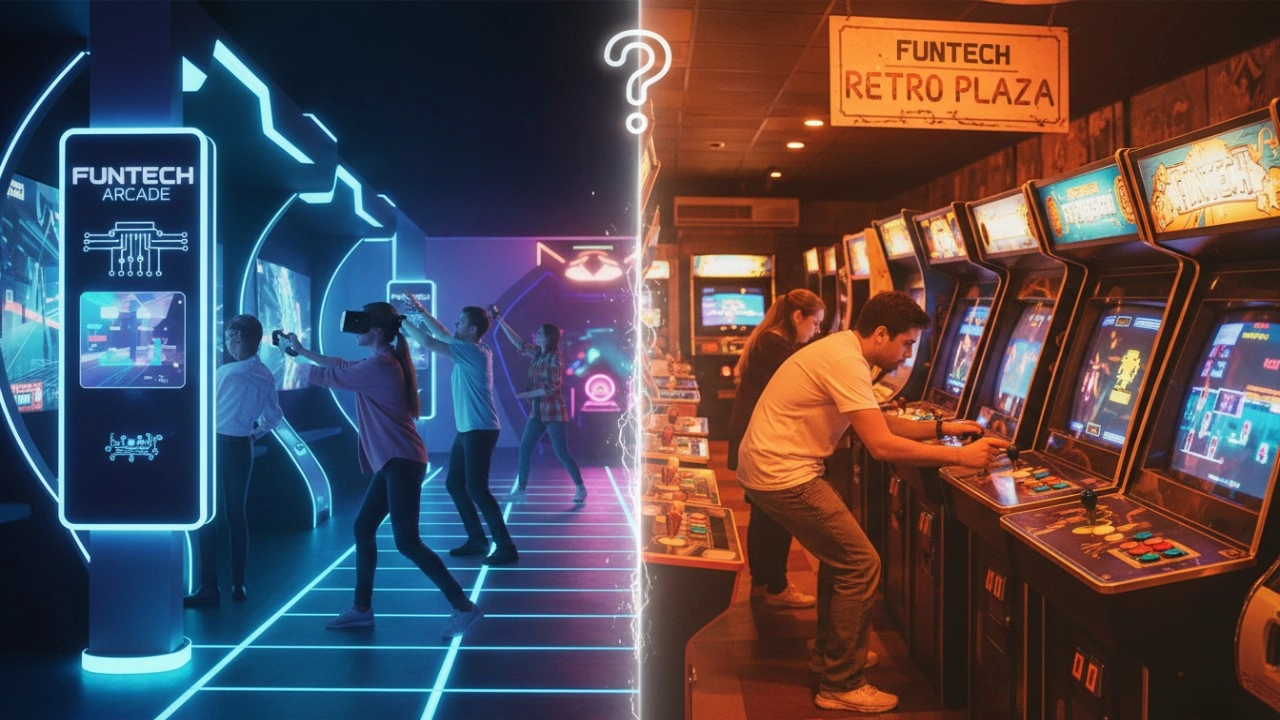
Interactive Sports Arcade vs Traditional Arcade Machines: Key Differences (2026 Guide)
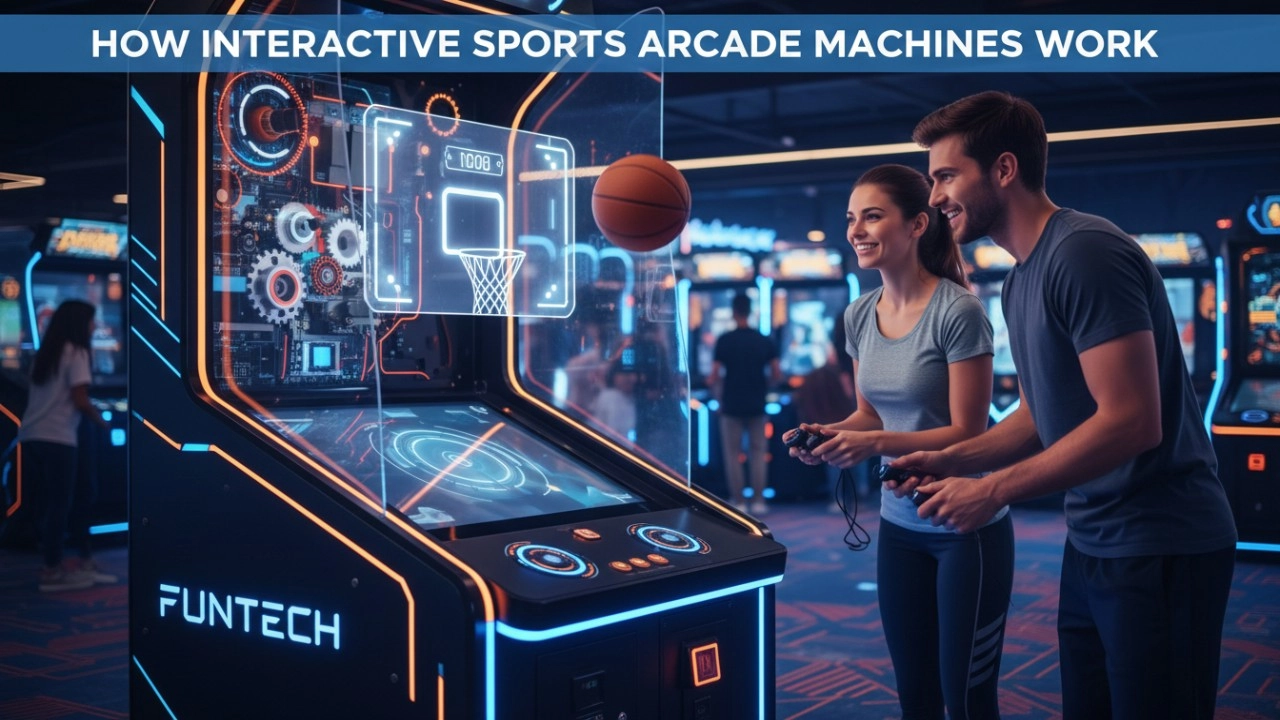
How Interactive Sports Arcade Machines Work (Sensors, Projection & AI) - 2026 Guide
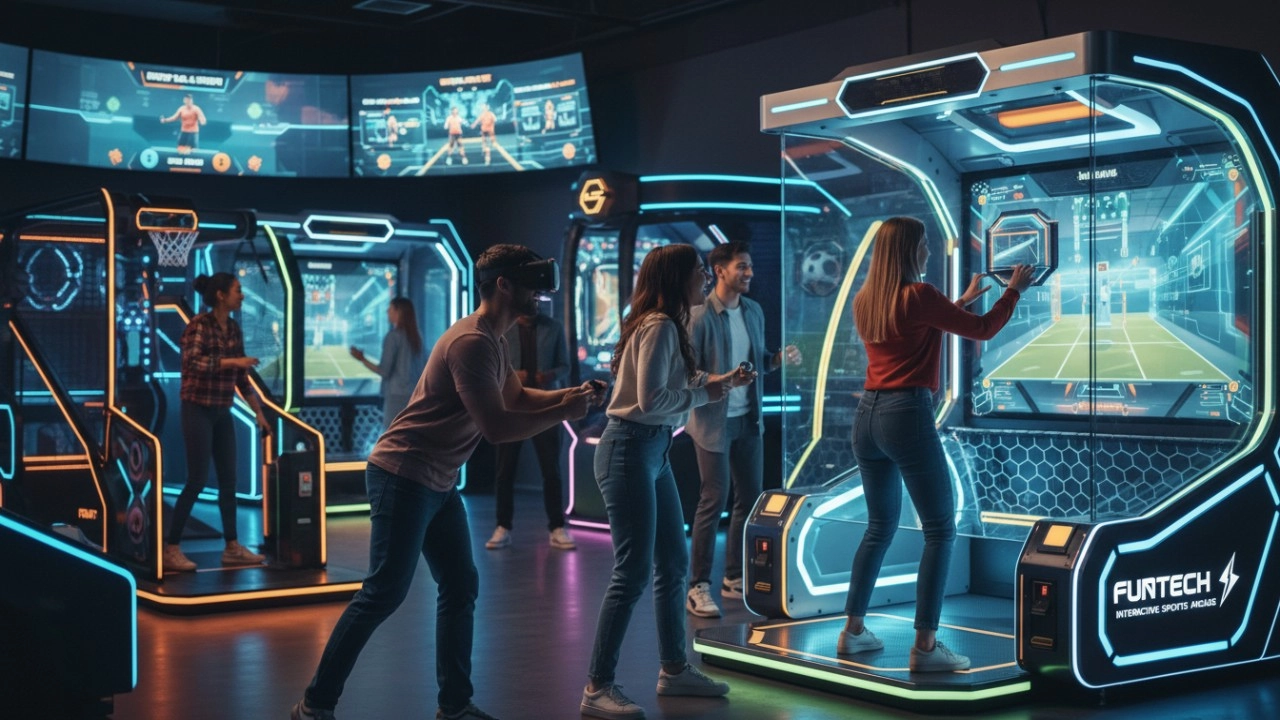
What Defines Interactive Sports Arcade Equipment in 2026?
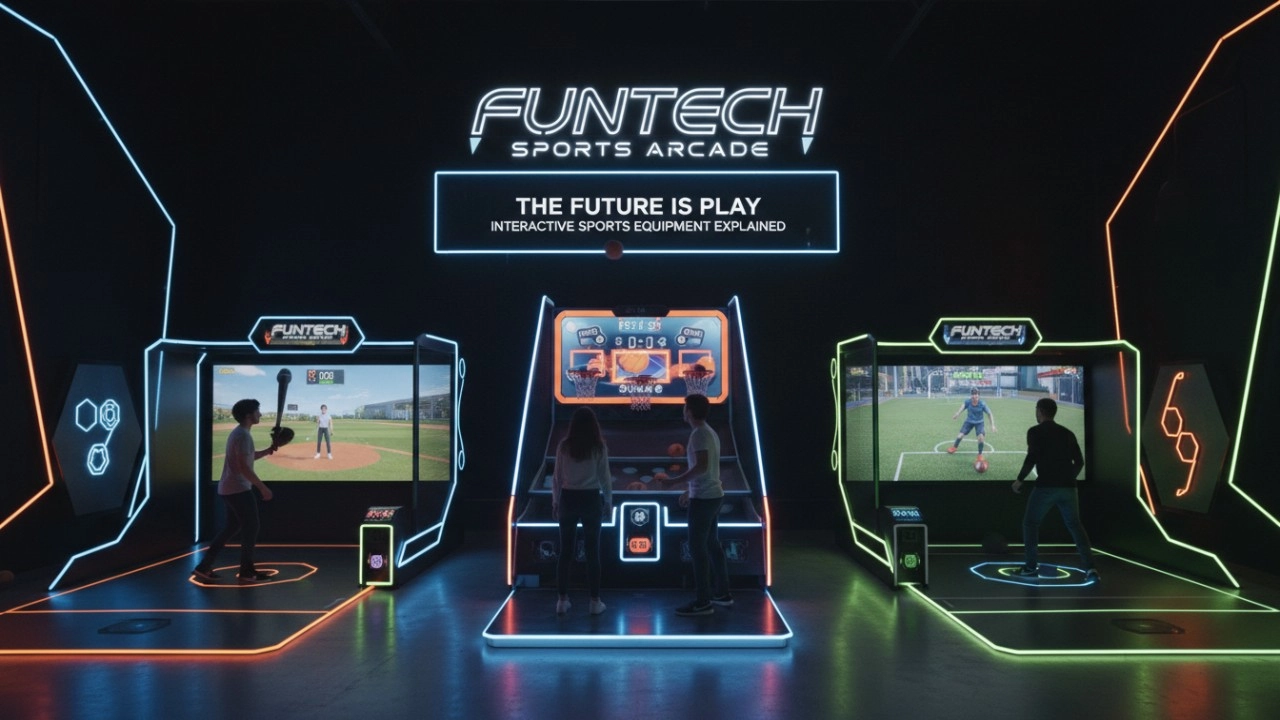
What Is Interactive Sports Arcade Equipment? Complete Beginner Guide (2026)
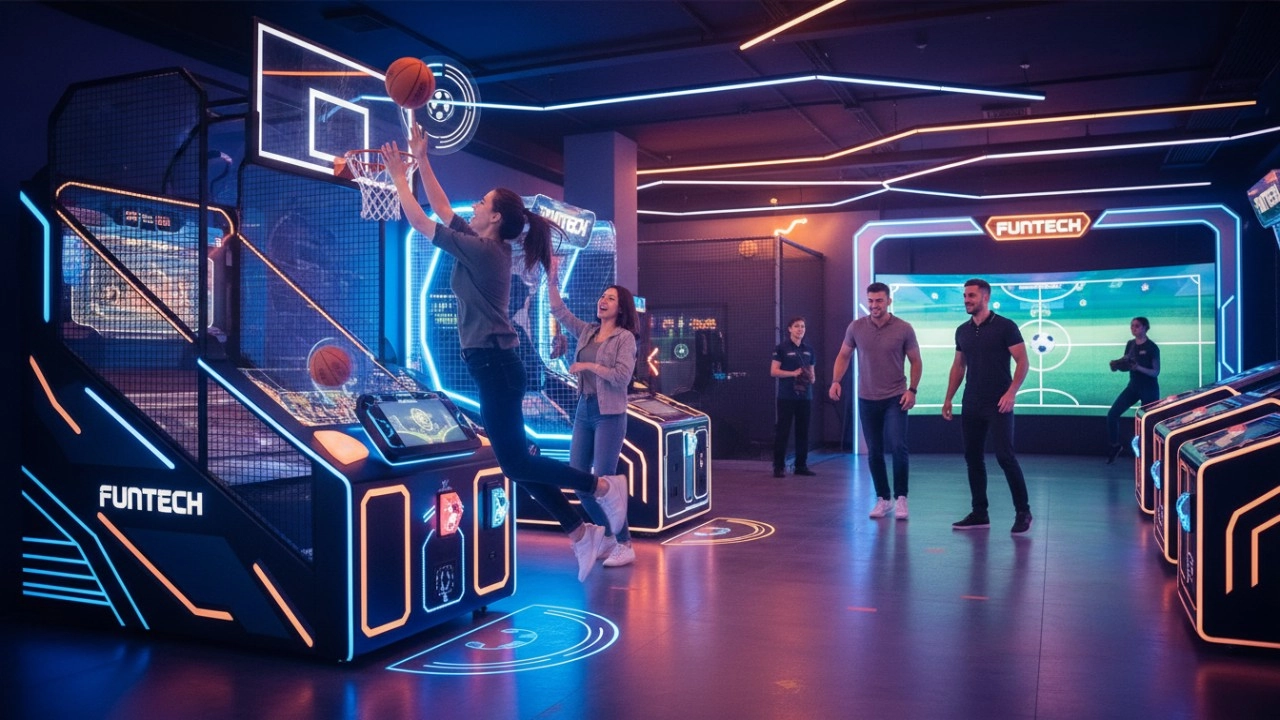
The Ultimate Guide to Interactive Sports Arcade Equipment for Commercial Entertainment (2026 Edition)
Holographic Light and Shadow Restaurant
What is the principle of holographic projection?
Firstly, during the recording process, a reference light and an object light are simultaneously irradiated onto the object, causing interference between the two beams. The intensity and phase information of the object are recorded on the photosensitive material, forming a hologram. Then, during the reproduction process, the hologram is illuminated with the same beam of light as the reference light, and the hologram acts like a complex diffraction grating, causing the light to diffract and thus reproducing the three-dimensional image of the object.
What is the difference between holographic projection and ordinary projection?
Ordinary projection is the process of projecting a two-dimensional image onto a flat screen, where the viewer sees a flat image. Holographic projection can present real three-dimensional images, allowing viewers to observe different faces of objects from different angles, with a strong sense of three dimensionality and realism. In addition, ordinary projection usually only requires simple equipment such as projectors and screens, while holographic projection requires more complex optical systems and technologies to achieve.
Infrared Shooting
How often does the equipment require maintenance?
For daily use, simple monthly maintenance, such as simple cosmetic cleaning and function checking after use, is sufficient. A more comprehensive quarterly maintenance is sufficient.
Football Simulator
What is the biggest difference between simulation soccer and traditional soccer?
Simulation soccer through digital technology on the screen to present soccer, not subject to site, weather restrictions, players can participate at any time and anywhere, but also with the handle, somatosensory equipment and other controls, experience a variety of modes. Traditional soccer requires real venues and multiple participants, and is greatly affected by environmental factors.
FAQ
What problems does the Digital Sports Center solve?
The Digital Sports Trendy Pavilion provides people with an innovative experience place that combines technology and sports, solving some problems existing in traditional sports activities and amusement facilities, while also meeting modern people's needs for digital technology and dynamic experience.
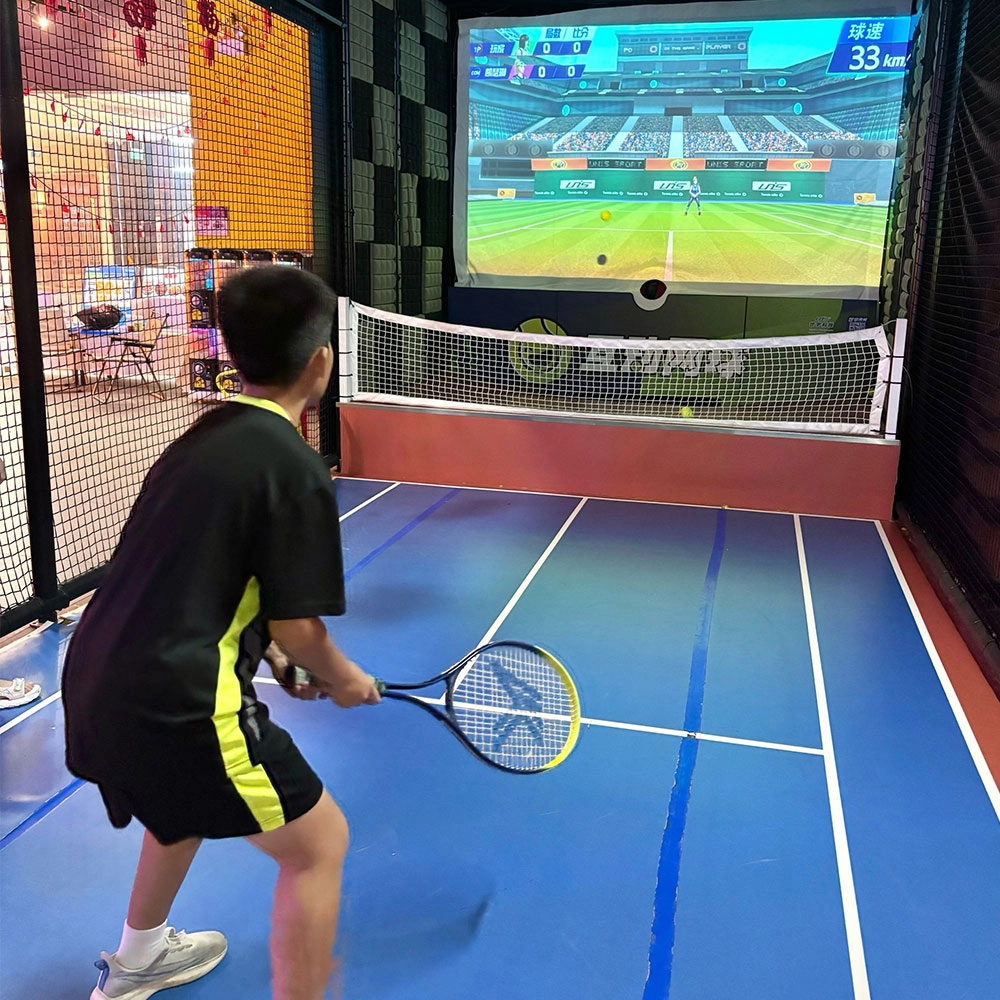
Indoor Tide Play Simulation Tennis Equipment
FUNTECH is full of fun and exciting playgrounds! With high-definition scene projection, force feedback racket, and intelligent scoring system, the simulated tennis equipment in the indoor arcade realizes immersive sports experiences and diversified interactive play, combining the advantages of safety and ease of use with high operational efficiency.
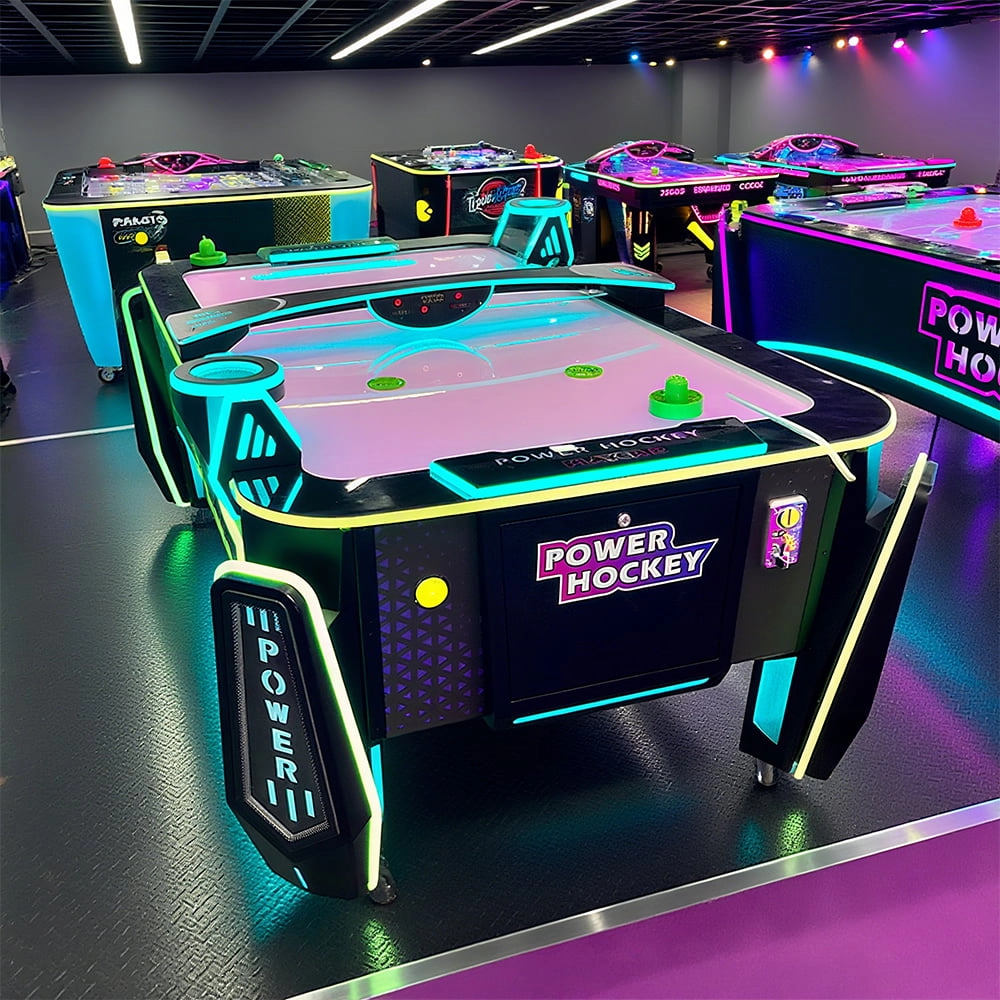
Arcade Hockey
FUNTECH is full of fun and exciting playgrounds! Air hockey, also known as air hockey, is a two-player competitive arcade game comprising a smooth, perforated playing surface, lightweight hockey sticks, a plastic puck, and an electronic scoreboard.
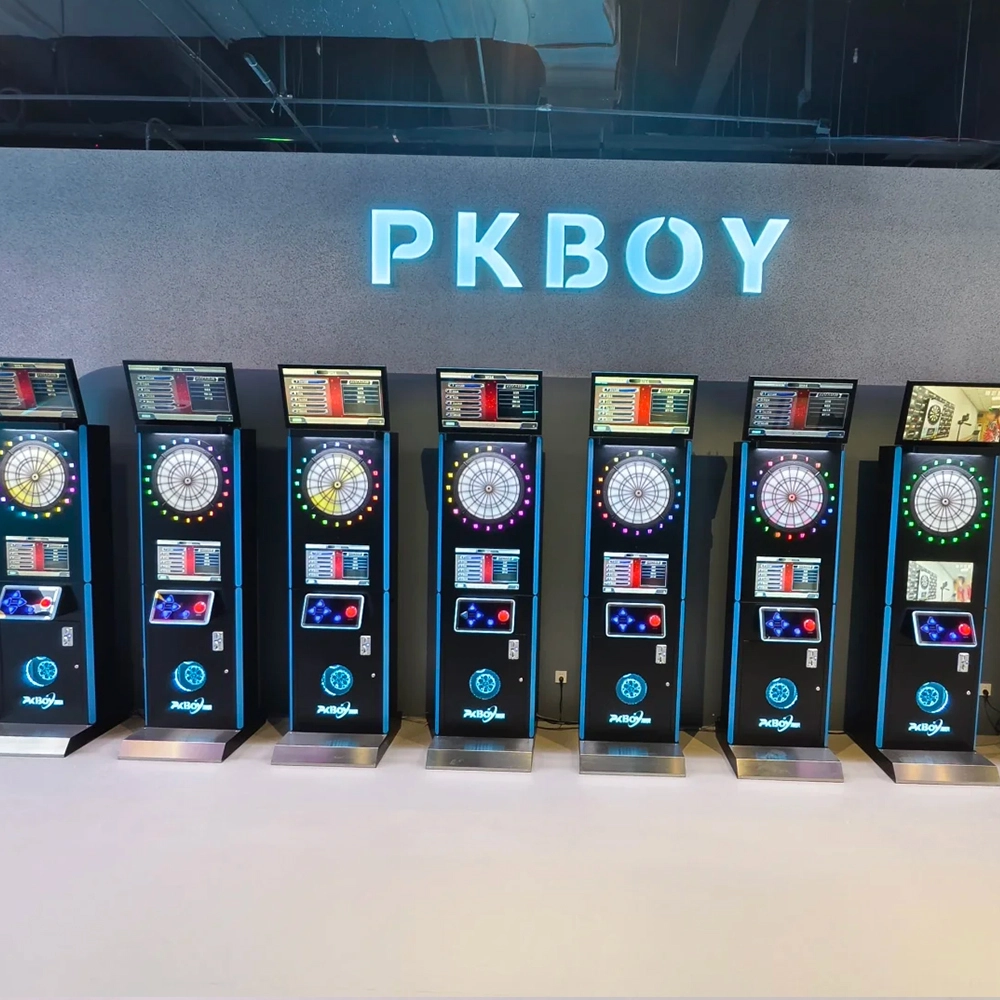
Dart Machines Bar Dart Machines
Joy Power is full of fun and excitement in the playground! The dart machine is suitable for all kinds of places, whether it is a bar, restaurant, KTV, or other entertainment venue, or a sports shop, club, or family leisure space, and can be perfectly adapted. In commercial venues, holding individual and team darts tournaments from time to time can attract more customers and increase the popularity and revenue of the venue, supplemented by various preferential activities, which can directly promote consumption and form a cycle of consumption of all the goods in the shop.
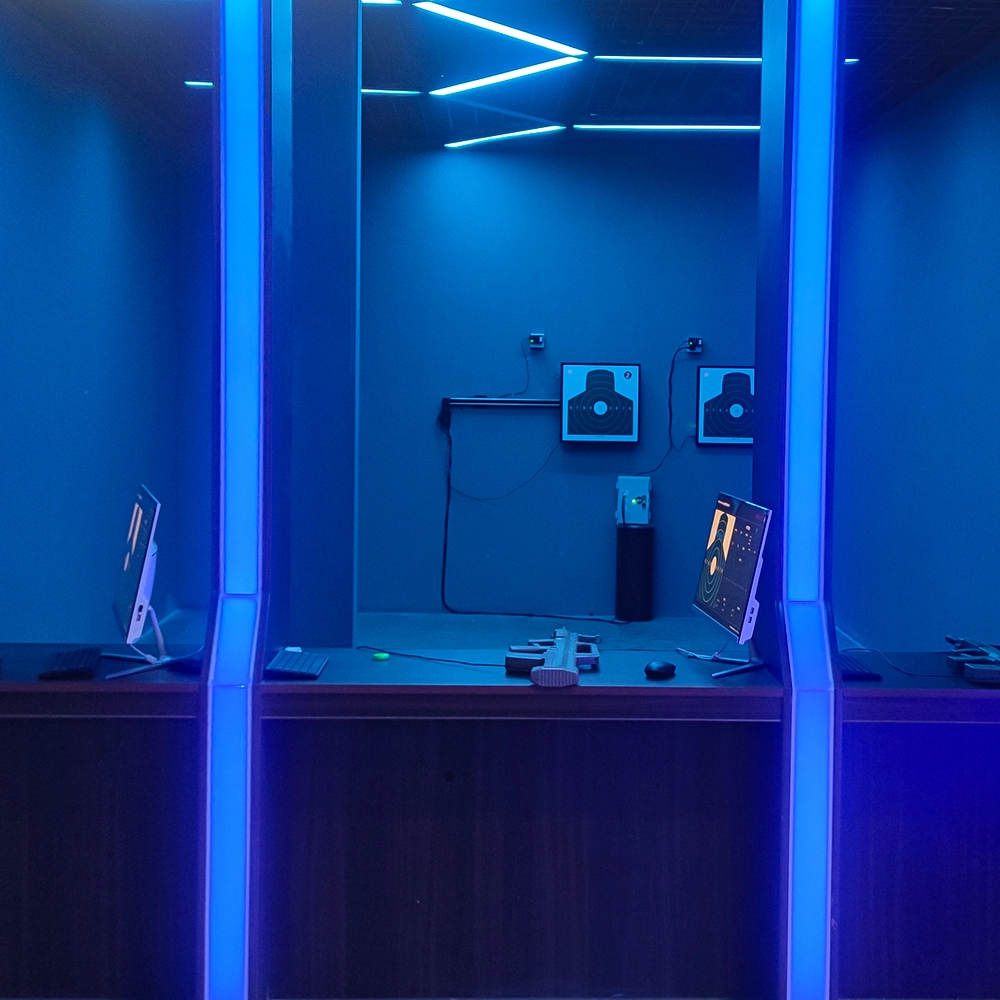
Infrared Shooting
Highly simulated simulation training analysis equipment, with advanced design concepts, fast system development, ease of operation and use, stable technical performance, less consumption of training, site dependence on a small group training is highly interesting, safe, and reliable, and other outstanding features. Product design to solve the basic skills of light weapons precision shooting as a starting point, to improve the safety of shooting training and training efficiency as the fundamental purpose, highlighting the simulation, information technology, and combat training requirements, can be in small indoor and outdoor venues and does not use live ammunition to complete the basic shooting training.
Ready to take your venue to the next level?
Leave us a message here, and our team will get back to you promptly.
Whether you're interested in custom orders, technical specifications, or partnership opportunities, we're here to assist you.
© 2025 FUNTECH ALL RIGHTS RESERVED

Weixia Lei
Fun_Tech-s
fun_tech20