
do air hockey arcade machine suppliers ship internationally? | Insights by FUNTECH
- 1) Do air hockey arcade machine suppliers ship internationally, and what export documents and safety marks will I need?
- 2) How do suppliers crate and protect commercial air hockey tables for long sea voyages so they don’t warp, corrode, or get water-damaged?
- 3) What is a realistic landed cost breakdown (duties, VAT, shipping, insurance, clearance) when importing an arcade air hockey machine?
- 4) Can suppliers handle DDP delivery, installation, and warranty support in my country — and how are spare parts and RMA handled across borders?
- 5) What are realistic production-to-door lead times for bulk orders (10+ machines) from Asian manufacturers to Europe / North America, and what common delays should I plan for?
- 6) How do suppliers calculate packaging dimensions and palletization to avoid high volumetric freight charges and optimize container loading?
1) Do air hockey arcade machine suppliers ship internationally, and what export documents and safety marks will I need?
Yes — most reputable commercial arcade manufacturers and distributors offer international shipping, but the paperwork and certification requirements vary by destination. Commercial air hockey machines are typically classified under the Harmonized System for amusement and gaming machines (HS Chapter 95), and export/import formalities commonly include a commercial invoice, packing list, bill of lading / airway bill, and any country-specific certificates.
Regulatory marks and electrical safety: Because commercial air hockey tables usually include blowers, power supplies, lighting, scoring electronics and sometimes network or payment components, they often fall under electrical safety and electromagnetic compatibility rules for the importing market. For the EU, that means CE marking (Low Voltage Directive 2014/35/EU and EMC Directive 2014/30/EU) and the associated technical file and Declaration of Conformity. For the UK, suppliers should provide UKCA evidence. For the US, many arcade manufacturers follow UL standards for safety and may provide test reports; FCC compliance can apply if wireless or RF equipment is present. Check official guidance: European Commission on CE marking (https://ec.europa.eu/growth/single-market/ce-marking_en) and UK government guidance on UKCA (https://www.gov.uk/guidance/ukca-marking).
Export paperwork and customs: Suppliers will provide the commercial invoice and packing list. For clearance buyers should confirm HS code (commonly HS 9504.xxxx for amusement machines), customs valuation basis, and whether special permits are required (rare for simple amusement equipment). Use the WTO Tariff resources or national tariff lookup tools to verify duty rates and classification.
Actionable checklist:
- Confirm electrically powered parts and ask supplier for CE/UKCA/FCC/UL documentation where applicable.
- Ask supplier for HS code they use and an example commercial invoice to pre-check duties.
- Agree Incoterm (EXW, FOB, CIF, DDP) in the pro forma invoice so responsibilities and costs are clear (Incoterms 2020 reference: https://iccwbo.org/resources-for-business/incoterms-rules/).
Why this matters: lacking the proper conformity documentation can cause customs delays, rejection, or return shipments and adds significant time and cost to cross-border purchases.
2) How do suppliers crate and protect commercial air hockey tables for long sea voyages so they don’t warp, corrode, or get water-damaged?
Commercial arcade tables are heavy and have large flat surfaces that are vulnerable to impact, moisture, and stacking loads. Suppliers that ship internationally should use industry-standard protective packaging designed for sea transport.
Best practices suppliers should follow:
- Custom wooden crating using marine-grade plywood or pressure-treated timber for sea shipments; crates should be structurally rated for forklift handling and inland drayage.
- Internal bracing to immobilize delicate parts (scoring units, fans, electronic PCBs). Remove or secure legs and peripheral accessories to reduce height and protect protruding parts.
- Vapor barrier and desiccant bags inside crates or double-layer shrink-wrap with desiccants for long ocean crossing to prevent condensation-related warping and corrosion.
- Anti-corrosion film or VCI (volatile corrosion inhibitor) for metal fasteners and electronics.
- Palletization to ISO standards for easier handling and to avoid direct contact with ground moisture.
Ask suppliers for photos of the actual crating they will use and an itemized packaging list. Insist on fumigated or ISPM-15 treated wood if crates are reused or if required by destination country phytosanitary rules. Suppliers who offer photos of the packing and a packaging spec reduce the risk of damage claims and insurance disputes.
Evidence-based note: ocean voyages expose goods to humidity and temperature cycles; professional crating and desiccant use is a standard mitigation deployed by experienced exporters in the amusement and furniture sectors to avoid moisture damage.
3) What is a realistic landed cost breakdown (duties, VAT, shipping, insurance, clearance) when importing an arcade air hockey machine?
Landed cost = product price + international freight + insurance + customs duty + import VAT/GST + customs clearance fees + domestic delivery.
Typical components and how to estimate them:
- Product price: supplier pro forma or commercial invoice.
- International freight: sea freight (FCL or LCL) is usually most economical for heavy tables; air freight is 3–10x sea cost but faster. For heavy, bulky arcade machines sea FCL or consolidated LCL is common.
- Insurance: usually 0.3–0.5% of CIF value, but confirm.
- Customs duty: depends on HS code and importing country. Many countries classify amusement machines under HS9504 and duty rates often range from 0% to low single digits, but this is country-specific — always verify with your national tariff database or customs broker.
- Import VAT/GST: value-added tax is charged on the customs value plus duty and freight. Typical VAT rates: EU member states commonly 20% (varies by country), UK 20%, Australia 10% (example). The US does not have a federal VAT but states apply sales tax on local sale.
- Customs broker and clearance: a broker fee (flat or percentage), port handling, demurrage or storage charges (if delayed) can add several hundred USD per shipment.
Example methodology (no fabricated numbers): request from supplier an example invoice for a machine and then run a landed-cost estimate through a local customs broker or a landed-cost calculator (major freight forwarders and customs brokers provide these tools). This avoids surprises and shows the true cost-to-operate for commercial venues.
Why it’s a pain point: many buyers see a low unit price and assume that’s all-in; failing to include duties, VAT, inland transport and handling will materially change per-unit economics for venues, arcades, or resale.
Sources & tools: national tariff lookups, your freight forwarder, and customs broker are the authoritative ways to calculate exact duties and VAT liabilities for HS9504-classified items.
4) Can suppliers handle DDP delivery, installation, and warranty support in my country — and how are spare parts and RMA handled across borders?
Many manufacturers and specialized distributors offer services beyond shipping, including DDP (Delivered Duty Paid) delivery, on-site installation, and warranty support via local agents or third-party technicians, but availability depends on the supplier’s global footprint.
What to confirm before ordering:
- Delivery terms: If you need full door-to-door service with duties paid, request a DDP quote (supplier handles customs, duties, VAT collection and local delivery). DDP transfers risk of customs delays and extra charges to the seller but is more expensive.
- Installation: ask whether the supplier includes on-site installation, basic testing, or only handover. For multi-unit orders (e.g., 10+ machines) confirm an installation schedule, local labor rates and any travel costs.
- Warranty coverage and spare parts: verify warranty period, what is covered (electronics, table surface, blower motors), and where spare parts are stocked. Good suppliers maintain regional spare-parts distribution or rapid international shipping options for critical components.
- Return material authorization (RMA): understand the RMA process, whether returns are shipped back to country of manufacture or handled locally, and who pays for return shipping.
Practical tip: request a Service Level Agreement (SLA) for spare parts turnaround (e.g., 48–72 hours by air from regional warehouse, or 7–14 days by sea if dispatched from Asia). If your venue depends on uptime, negotiate stocked spare kits with purchase (blower motor, fuses, replacement PCBs, fasteners).
Why this matters: installation and aftersales support affect uptime and total cost of ownership. Suppliers that publish global service maps or provide local call centers are preferable for operators in remote or smaller markets.
5) What are realistic production-to-door lead times for bulk orders (10+ machines) from Asian manufacturers to Europe / North America, and what common delays should I plan for?
Typical timeline components for a bulk order:
- Order confirmation & tooling/customization (if any): 1–3 weeks depending on customization.
- Production/manufacturing lead time: 3–8 weeks for commercial arcade production runs depending on supplier capacity and complexity.
- Pre-shipment inspection and packing: 3–7 days.
- Ocean transit times (example routes): China to Europe ~25–40 days depending on port pair and routing; China to East Coast USA ~30–45 days; China to West Coast USA ~12–25 days. Air freight reduces transit time to days but greatly increases cost.
- Customs clearance and inland delivery: 2–10 days typically, but could be longer with documentation issues or port congestion.
Common delays to plan for:
- Port congestion or blank sailings: can add 1–3+ weeks during peak seasons.
- Document errors (incorrect HS code, missing conformity paperwork) which result in holds.
- Peak season manufacturing backlogs (Q3–Q4 lead into holidays) that extend factory lead time.
Mitigation strategies:
- Place orders outside the tightest lead-time windows where possible and plan earlier for seasonal demand.
- Ask the supplier for a production schedule and photos/videos of production and packing; consider a third-party inspection.
- Use a trusted freight forwarder who can advise on routing and contingency (e.g., alternate ports or air options for critical parts).
Source context: major carriers and forwarders publish transit time guides (e.g., Maersk, Hapag-Lloyd, DHL) — consult them for route-specific schedules and current port statuses before committing to lead-time-sensitive launches.
6) How do suppliers calculate packaging dimensions and palletization to avoid high volumetric freight charges and optimize container loading?
Freight cost for air and some LCL ocean shipments is influenced by volumetric (dimensional) weight: carriers charge the greater of actual weight or volumetric weight (length x width x height / divisor). For bulky arcade tables, volumetric weight often drives cost, so smart disassembly and packing are essential.
Supplier optimization strategies you should request:
- Ship tables with legs detached and nested accessories to reduce length/height and therefore volumetric weight.
- Use compact, custom crates sized to minimize wasted air in containers while still protecting the table; consolidators will price LCL by volume (CBM) and FCL by container size.
- Provide exact packed dimensions and gross weight in advance so you can compare LCL vs full-container-load (FCL). A standard 20ft container may hold 1–3 fully crated commercial tables depending on crate size; a 40ft container doubles that — ask for packaging drawings to calculate exact fits.
- For air shipments, request a freight-optimized packing option or ask the supplier to calculate the chargeable weight using industry divisors (e.g., 6000 cm3/kg or carrier-specific divisor) to estimate costs.
Buyer action: request the supplier's packed dimensions (L×W×H) and gross weight per crate, and ask for a container-loading plan (CCI) for multi-unit orders. This permits accurate freight quotes and avoids surprise volumetric charges at booking.
Why it’s critical: mis-estimating dimensional weight can make air shipment prohibitively expensive, and inefficient packing can increase ocean freight cost per unit when comparing LCL vs FCL options.
Concluding summary — advantages of sourcing internationally from reputable suppliers
Sourcing commercial air hockey tables from experienced international suppliers offers lower unit costs, access to OEM customization, and wider product choice (different playfields, coin/payment systems, or branded tops). When you work with suppliers who provide transparent international shipping options (DDP/FOB quotes), documented conformity (CE/UKCA/UL/FCC), professional crating, clear spare-parts strategies, and realistic lead-time commitments, you reduce downtime risk and total cost of ownership. For operators, buying from a trusted international partner can be especially advantageous for bulk purchases and venue rollouts because of economies of scale, coordinated logistics, and consolidated spare-part provisioning.
If you’d like a tailored landed-cost estimate, production lead-time, or a DDP quote for air hockey arcade machines to your country, contact us for a quote at www.funtechgame.com or email vicky@funtechgame.com.
References & resources: Incoterms 2020 (ICC); EU CE marking guidance (European Commission); UKCA guidance (UK Government); HS classification and tariff lookup via national customs/WTO tariff tools; carrier transit guides (Maersk / DHL transit schedules). Please consult your freight forwarder or customs broker for binding duty and clearance rulings.
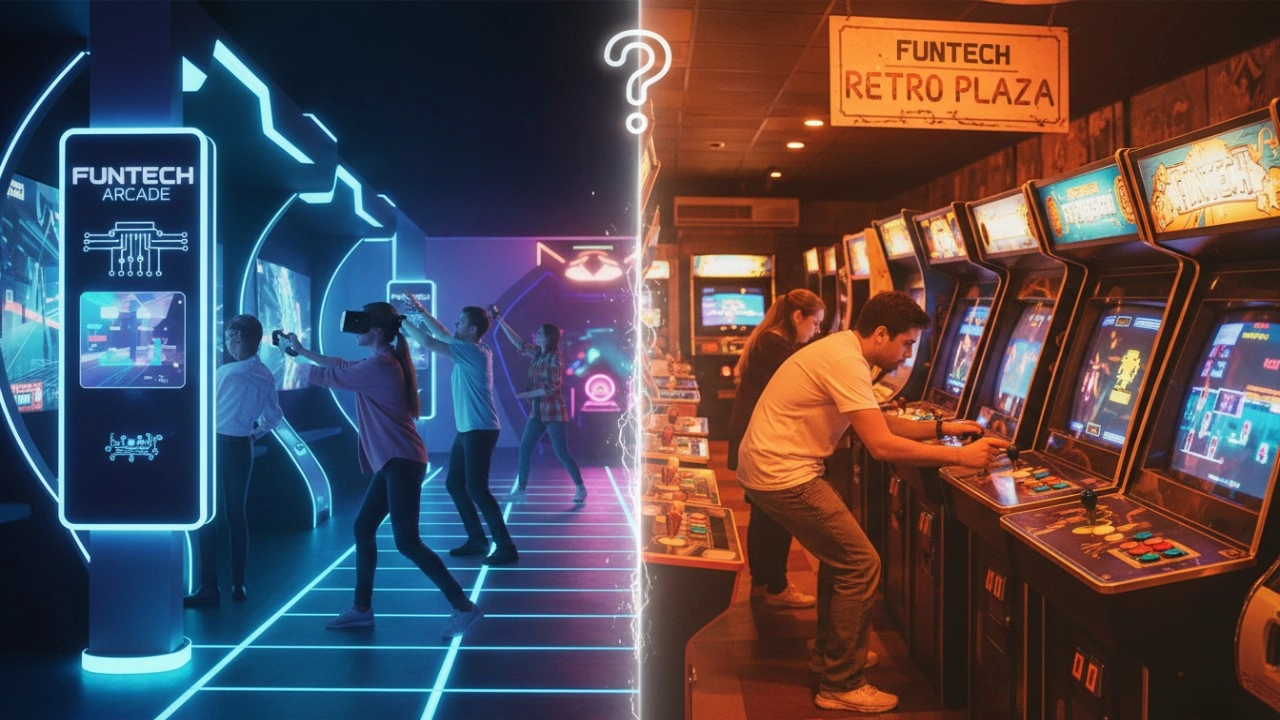
Interactive Sports Arcade vs Traditional Arcade Machines: Key Differences (2026 Guide)
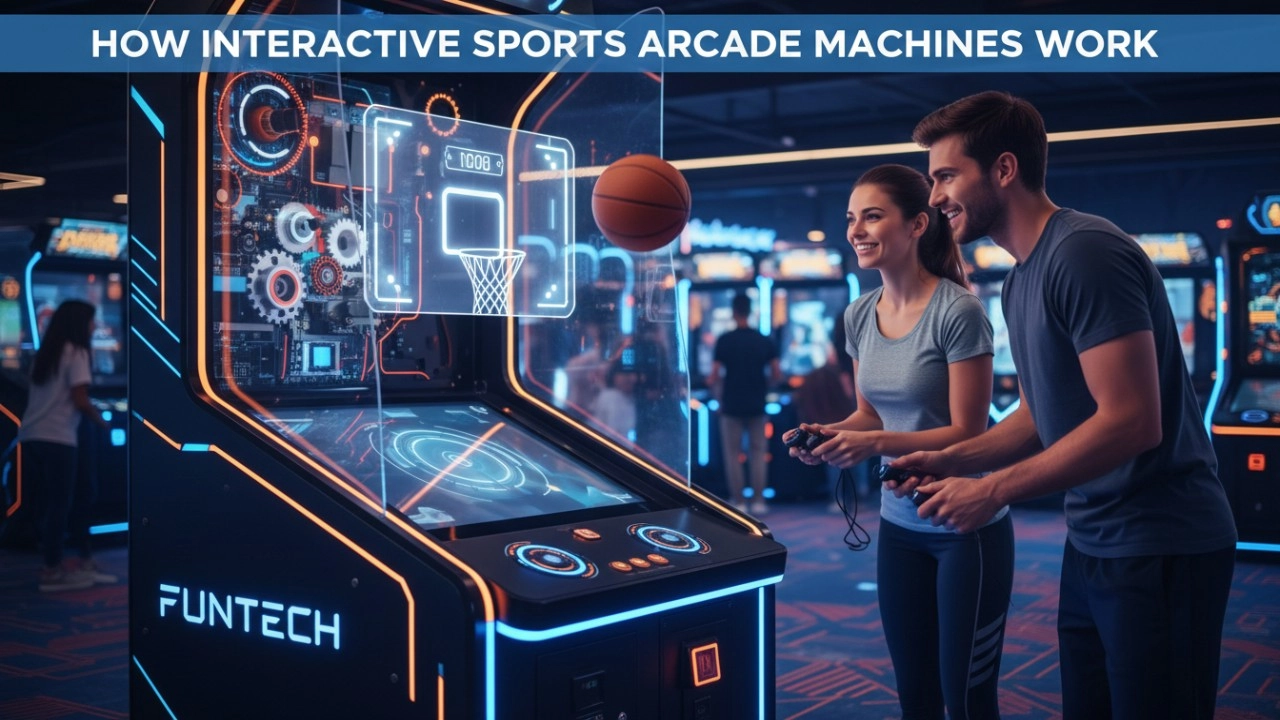
How Interactive Sports Arcade Machines Work (Sensors, Projection & AI) - 2026 Guide
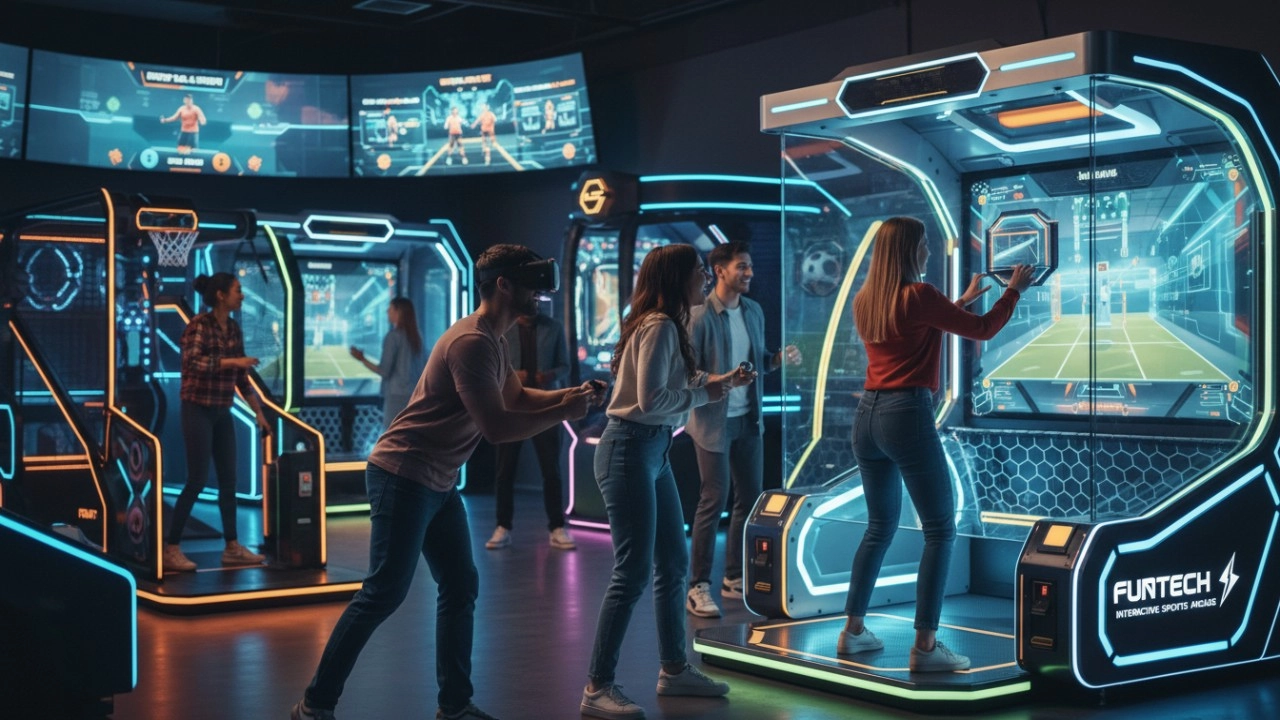
What Defines Interactive Sports Arcade Equipment in 2026?
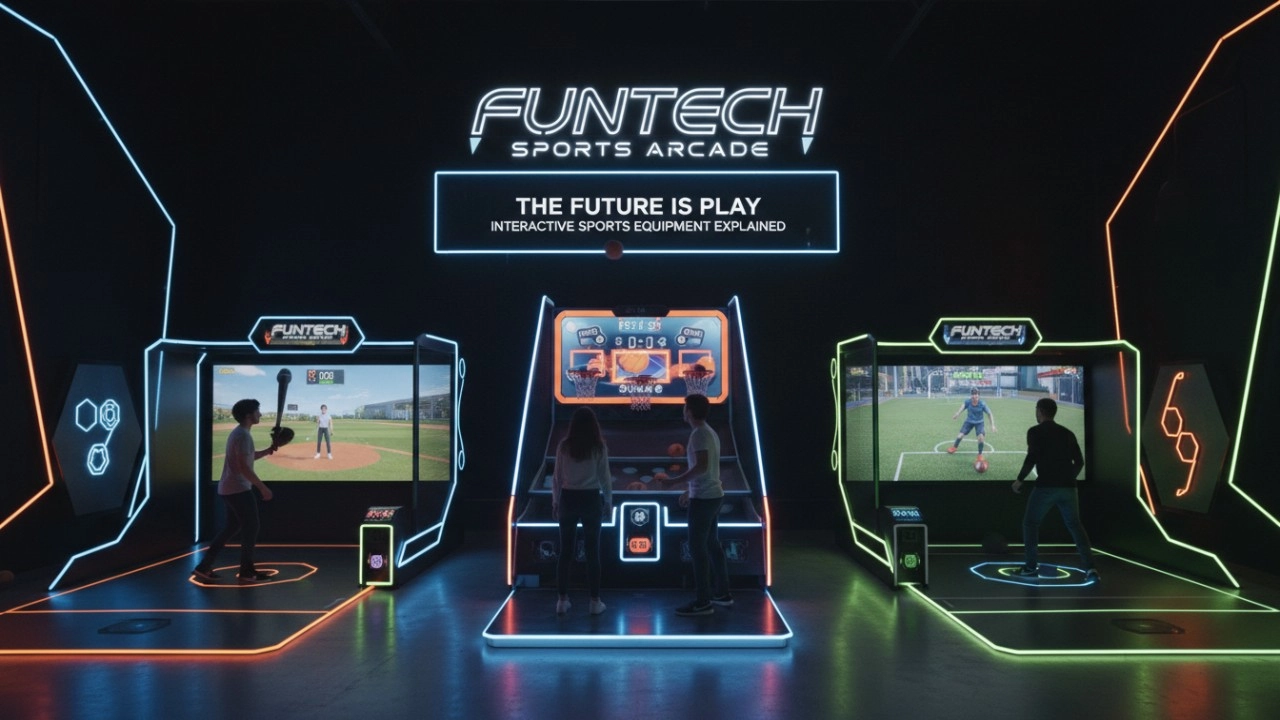
What Is Interactive Sports Arcade Equipment? Complete Beginner Guide (2026)
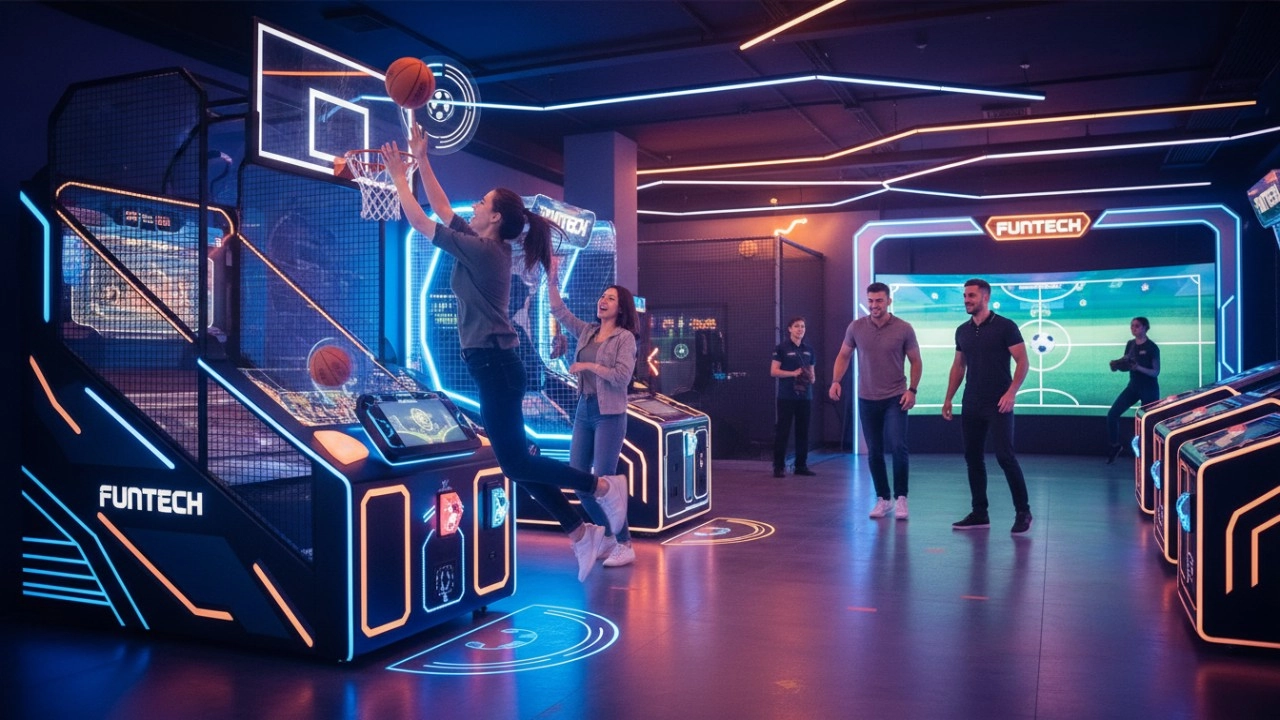
The Ultimate Guide to Interactive Sports Arcade Equipment for Commercial Entertainment (2026 Edition)
Holographic Light and Shadow Restaurant
What is the principle of holographic projection?
Firstly, during the recording process, a reference light and an object light are simultaneously irradiated onto the object, causing interference between the two beams. The intensity and phase information of the object are recorded on the photosensitive material, forming a hologram. Then, during the reproduction process, the hologram is illuminated with the same beam of light as the reference light, and the hologram acts like a complex diffraction grating, causing the light to diffract and thus reproducing the three-dimensional image of the object.
What is holographic projection?
Holographic projection is a technique that utilizes the principles of interference and diffraction to record and reproduce the true three-dimensional image of an object. It records the light information of an object on a hologram, and then uses a specific light source to illuminate the hologram, so that the three-dimensional image of the object can be presented in the air, and the audience can see the realistic stereoscopic image without wearing special glasses.
Interactive Rollerball
How to attract customers when operating the program in shopping malls?
Create a cool venue decoration style and incorporate trendy elements, such as fluorescent light strips and anime-themed murals. o Launch diversified marketing models such as parent-child packages and couple packages, combined with time-limited promotional activities, such as half-price experience in the first three days of opening, to attract different groups of people such as families and couples to stop by and participate.
Products
What are the after-sales services after purchasing the equipment?
Generally, a 1-year warranty is provided. During the warranty period, parts damaged due to quality problems, such as motor failure, display problems, etc., will be repaired or replaced free of charge. There will also be technical support, including equipment installation and debugging guidance, operation training, to ensure the smooth use of the user, after-sales response time is usually within 24 - 48 hours.
Football Simulator
Simulation soccer suitable for which people to experience?
Suitable for all soccer fans, whether they want to get addicted to soccer anytime, anywhere, or by the field restrictions can not play football youth, as well as want to share the joy of the children's parents and children's families, all can find fun from it.
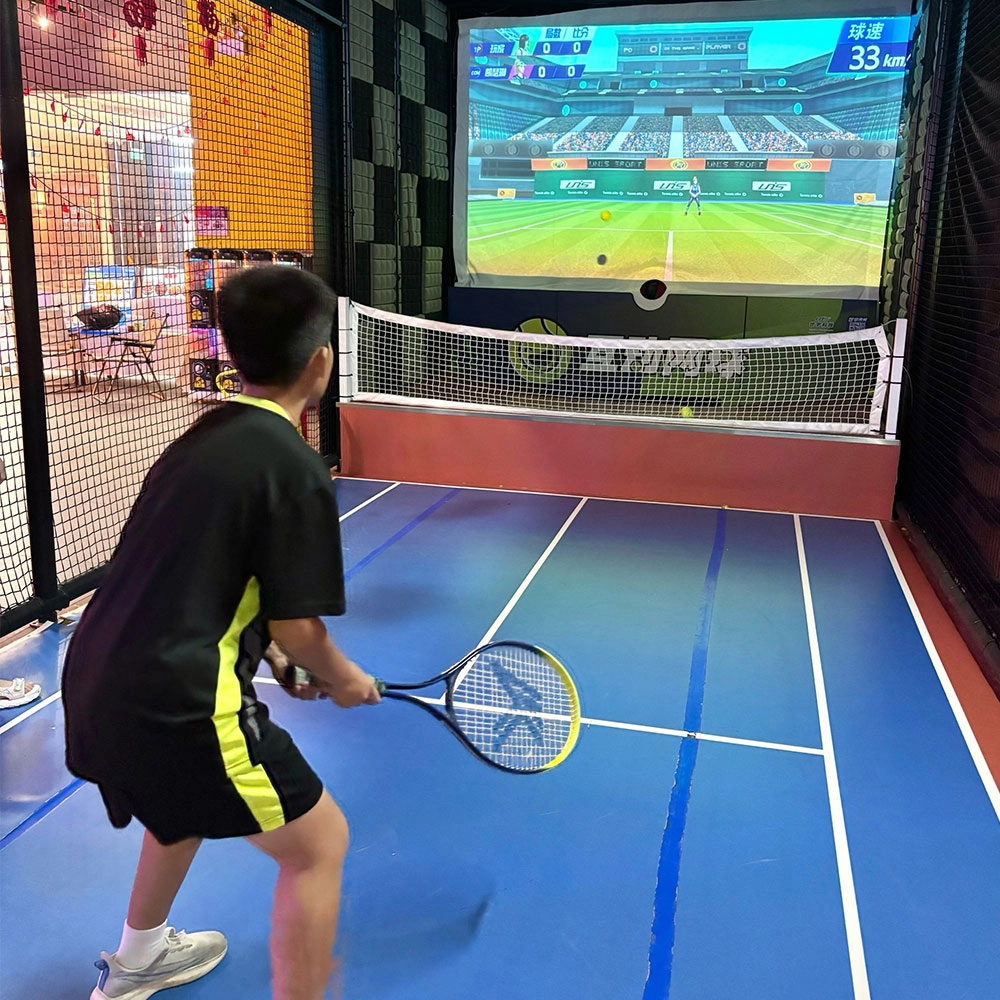
Indoor Tide Play Simulation Tennis Equipment
FUNTECH is full of fun and exciting playgrounds! With high-definition scene projection, force feedback racket, and intelligent scoring system, the simulated tennis equipment in the indoor arcade realizes immersive sports experiences and diversified interactive play, combining the advantages of safety and ease of use with high operational efficiency.
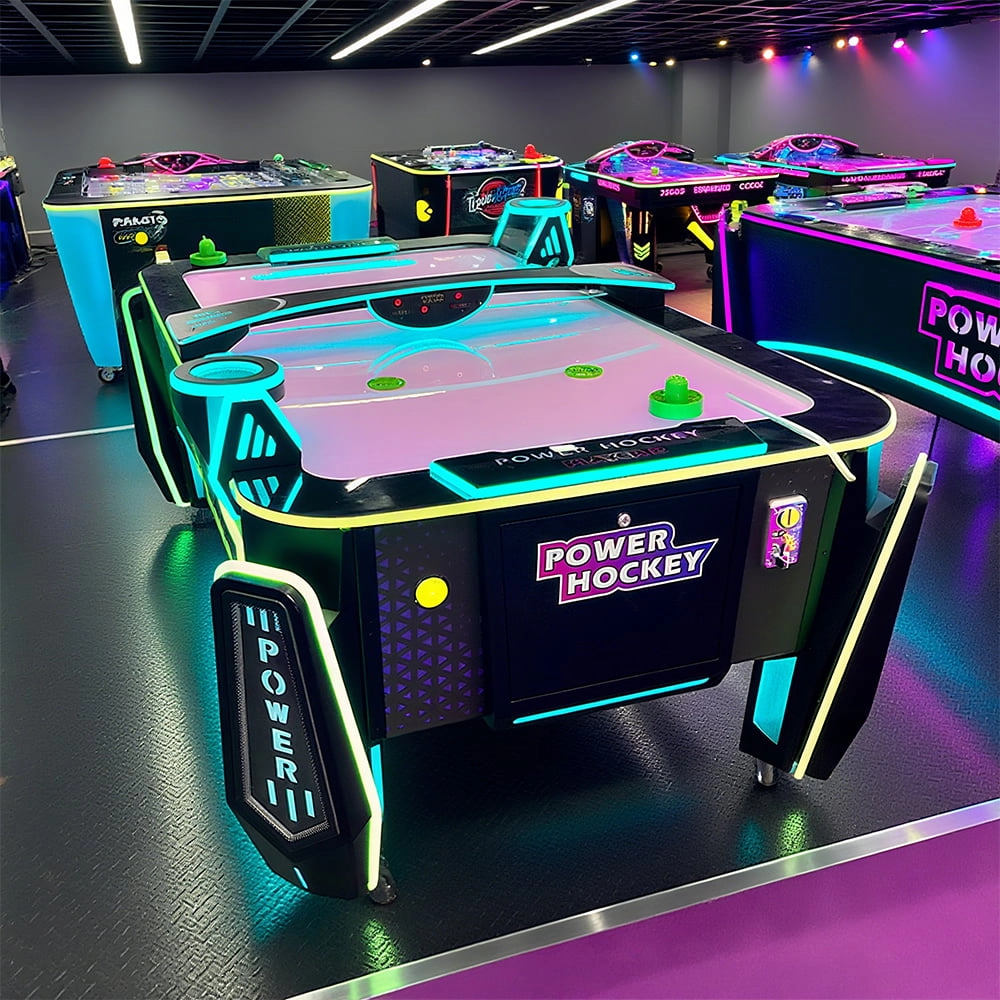
Arcade Hockey
FUNTECH is full of fun and exciting playgrounds! Air hockey, also known as air hockey, is a two-player competitive arcade game comprising a smooth, perforated playing surface, lightweight hockey sticks, a plastic puck, and an electronic scoreboard.
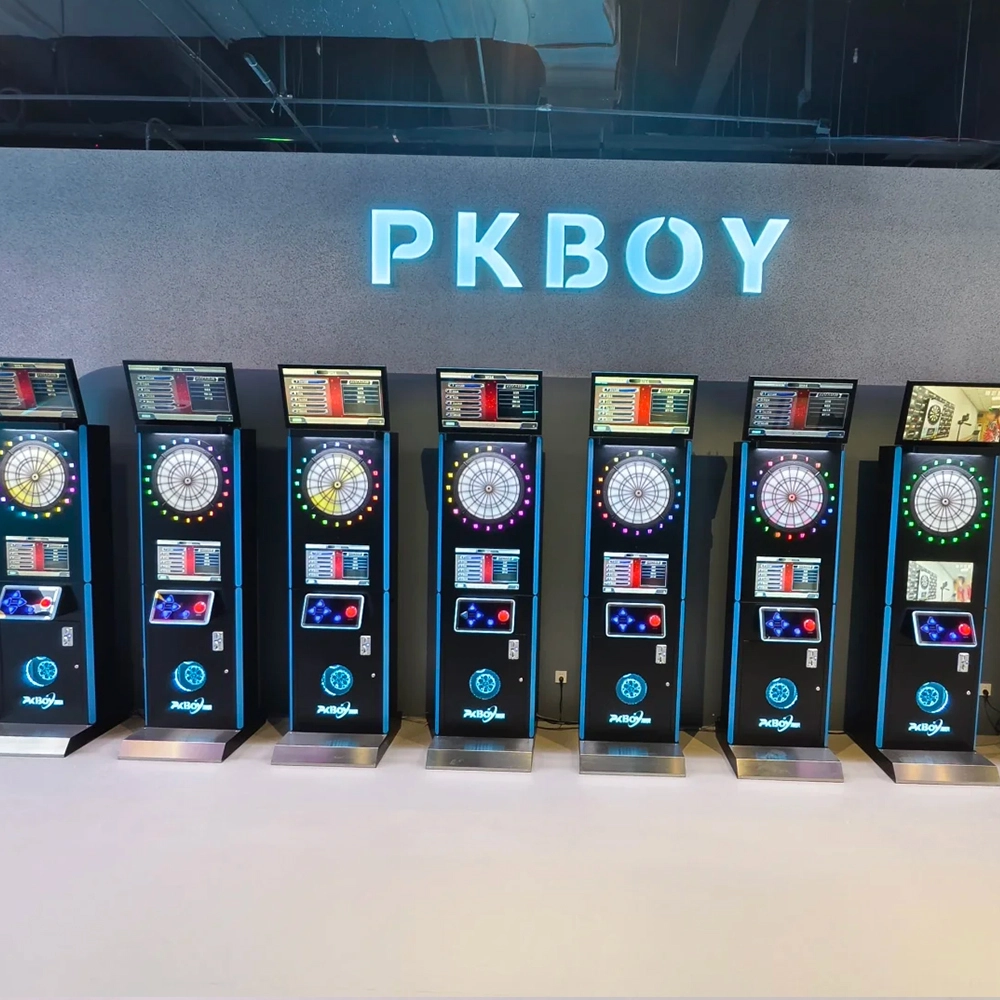
Dart Machines Bar Dart Machines
Joy Power is full of fun and excitement in the playground! The dart machine is suitable for all kinds of places, whether it is a bar, restaurant, KTV, or other entertainment venue, or a sports shop, club, or family leisure space, and can be perfectly adapted. In commercial venues, holding individual and team darts tournaments from time to time can attract more customers and increase the popularity and revenue of the venue, supplemented by various preferential activities, which can directly promote consumption and form a cycle of consumption of all the goods in the shop.
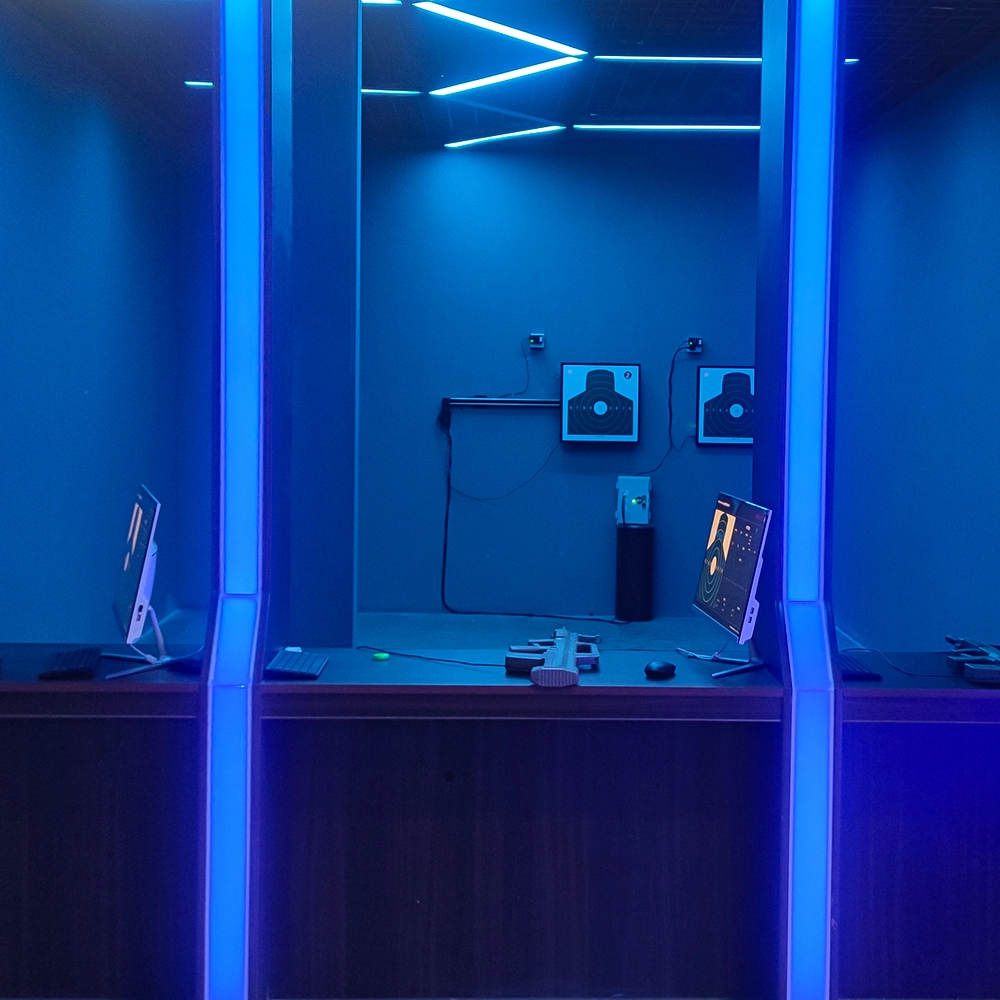
Infrared Shooting
Highly simulated simulation training analysis equipment, with advanced design concepts, fast system development, ease of operation and use, stable technical performance, less consumption of training, site dependence on a small group training is highly interesting, safe, and reliable, and other outstanding features. Product design to solve the basic skills of light weapons precision shooting as a starting point, to improve the safety of shooting training and training efficiency as the fundamental purpose, highlighting the simulation, information technology, and combat training requirements, can be in small indoor and outdoor venues and does not use live ammunition to complete the basic shooting training.
Ready to take your venue to the next level?
Leave us a message here, and our team will get back to you promptly.
Whether you're interested in custom orders, technical specifications, or partnership opportunities, we're here to assist you.
© 2025 FUNTECH ALL RIGHTS RESERVED

Weixia Lei
Fun_Tech-s
fun_tech20