
Custom baseball batting simulator Manufacturers and Suppliers
- Custom baseball batting simulator Manufacturers and Suppliers — Overview
- What this guide covers
- Why invest in a custom baseball batting simulator?
- Business and training value of simulators
- Types of baseball batting simulator solutions
- VR-based baseball batting simulator
- AR / mixed-reality batting simulators
- Mechanical and pitching-machine integrated simulators
- Hybrid solutions
- Key customization options from manufacturers and suppliers
- Hardware customization
- Software and content customization
- Integration and network features
- Manufacturing considerations when choosing a supplier
- Quality control and certifications
- After-sales service and support
- Customization process and MOQ
- Cost, ROI and deployment models
- Typical cost components
- Estimated cost and ROI comparison
- Comparison: key feature trade-offs
- Feature comparison table
- Sourcing checklist — questions to ask manufacturers and suppliers
- Procurement and due diligence checklist
- Deployment models and financing
- Flexible acquisition and revenue models
- Operational considerations: installation, training, and safety
- Installation and space planning
- Staff training and certification
- Case scenarios — where custom baseball batting simulators succeed
- Entertainment venues and family centers
- Training academies and professional teams
- Cultural tourism and experiential spaces
- Why partner with Guangzhou Suiyi (FUNTECH) for a custom baseball batting simulator
- Company strengths and capabilities
- How FUNTECH supports buyers
- Conclusion — selecting the right custom baseball batting simulator supplier
- Final recommendations
- References
- Frequently Asked Questions
Custom baseball batting simulator Manufacturers and Suppliers — Overview
What this guide covers
This article provides a practical, buyer-focused overview of the baseball batting simulator market, helping venue operators, training centers, schools, and resellers identify the right custom baseball batting simulator manufacturers and suppliers. We focus on product types, customization, manufacturing quality, costs, deployment, and vendor selection criteria.
Why invest in a custom baseball batting simulator?
Business and training value of simulators
Custom baseball batting simulator systems deliver quantifiable benefits: increased customer engagement, higher revenue per square foot, and improved athlete performance tracking. For entertainment venues and sports academies, a tailored baseball batting simulator becomes a branded attraction that supports multi-session revenue, sponsorships, and event programming.
Types of baseball batting simulator solutions
VR-based baseball batting simulator
VR simulators use headsets and motion-tracked bats to recreate pitches and stadium environments. Advantages include immersive experiences and flexible content updates. They are ideal for entertainment centers and training facilities focusing on engagement and measurable swing analytics.
AR / mixed-reality batting simulators
AR/mixed-reality solutions project virtual pitchers and trajectories into a physical batting cage, combining tactile feedback with visual overlays. These are excellent for venues that want to maintain a real bat feel while adding advanced visuals and coaching cues.
Mechanical and pitching-machine integrated simulators
Traditional pitching-machine systems paired with ball-tracking sensors offer the highest physical fidelity. They are preferred for serious coaching environments where real ball contact and throw mechanics matter most.
Hybrid solutions
Hybrid systems blend physical pitching machines with digital scoring, analytics, and content. They balance cost, user experience, and training effectiveness — often the best fit for commercial entertainment that also offers coaching packages.
Key customization options from manufacturers and suppliers
Hardware customization
Manufacturers typically allow customization of batting cages, pitching machines, protective netting, batting tees, and bat sensor integration. For commercial deployments, consider ruggedized enclosures, ADA-compliant access, and modular footprints for sites with tight space constraints.
Software and content customization
Content customization includes branded interfaces, game modes (arcade, challenge, training), skill tracking dashboards, and multi-language support. Suppliers experienced with “smart hardware + interactive content” can deliver seamless updates and cloud analytics for larger enterprise customers.
Integration and network features
Top suppliers offer API integrations for CRM, POS, leaderboards, and remote diagnostics. For multi-location operators, centralized management and analytics are critical for consistent guest experiences and maintenance scheduling.
Manufacturing considerations when choosing a supplier
Quality control and certifications
Ensure the manufacturer follows strict quality control protocols (ISO standards if applicable) and provides product certifications for electrical safety and CE/UL compliance where relevant. Ask for test reports, failure-rate data, and warranty terms to verify build quality.
After-sales service and support
Reliable suppliers provide installation, training, spare parts, and 24/7 technical support. Consider SLA options for response times and remote troubleshooting capabilities to minimize revenue downtime.
Customization process and MOQ
Discuss minimum order quantities (MOQ), lead times for prototyping, and iterative development cycles. Manufacturers with in-house R&D and quick prototyping reduce time-to-deploy and allow for iterative tuning of batting simulation physics and content.
Cost, ROI and deployment models
Typical cost components
Costs include hardware (batting cage, sensors, displays), software licenses, content development, installation, and ongoing support. Pricing varies widely by technology class — VR systems generally have lower physical infrastructure costs, while mechanical pitching-machine systems have higher installation and maintenance costs.
Estimated cost and ROI comparison
Below is an illustrative table of typical investment ranges and ROI drivers. Values are estimates to help benchmarking; request formal quotes from suppliers for precise numbers.
| Type | Typical upfront cost (est.) | Main benefits | Maintenance / yearly (est.) | Best for |
|---|---|---|---|---|
| VR Batting Simulator | $10,000 – $50,000 | High engagement, content flexibility | $1,000 – $5,000 | Family entertainment centers, arcades |
| AR / Mixed-Reality | $20,000 – $80,000 | Real bat feel + visuals, High Quality attraction | $2,000 – $8,000 | High Quality venues, tourism spots |
| Mechanical / Pitching Machine + Sensors | $15,000 – $100,000+ | Highest physical fidelity, pro training | $3,000 – $15,000 | Training academies, pro teams |
| Hybrid Systems | $25,000 – $120,000 | Balanced realism and engagement | $2,500 – $12,000 | Multi-purpose sports venues |
Comparison: key feature trade-offs
Feature comparison table
Compare common selection criteria across simulator types to match to your business objectives.
| Feature | VR | AR / MR | Mechanical + Sensors | Hybrid |
|---|---|---|---|---|
| Real bat contact | Low | Medium | High | High |
| Immersion | High | High | Medium | High |
| Content flexibility | High | High | Low–Medium | High |
| Installation complexity | Low–Medium | Medium–High | High | Medium–High |
| Ideal use | Entertainment | High Quality entertainment / training | Professional training | Mixed-use venues |
Sourcing checklist — questions to ask manufacturers and suppliers
Procurement and due diligence checklist
When contacting suppliers, request the following: product datasheets, live demo or video walkthrough, references from similar deployments, maintenance SLA terms, spare-parts availability, software update cadence, data security policies, and detailed quotes with shipping and installation.
Deployment models and financing
Flexible acquisition and revenue models
Manufacturers and suppliers often support multiple acquisition models: capital purchase, lease-to-own, revenue share, and SaaS-based content subscriptions. Evaluate cash flow implications and vendor willingness to pilot revenue-share models for new venues.
Operational considerations: installation, training, and safety
Installation and space planning
Ensure the supplier provides detailed site surveys and CAD layouts. Safety (padding, netting, and emergency stop), local electrical requirements, and foot traffic flow must be planned to optimize throughput and minimize risk.
Staff training and certification
Choose suppliers that provide on-site training for operations staff and digital dashboards for remote monitoring. Certification programs for trainers increase credibility for academies and schools.
Case scenarios — where custom baseball batting simulators succeed
Entertainment venues and family centers
Arcade-style batting simulators attract repeat customers through skill-based challenges, leaderboards, and party packages. Custom branding and themed content increase average customer spend.
Training academies and professional teams
High-fidelity simulators with ball-tracking and biomechanics analytics support athlete development plans, enabling measurable progress tracking and remote coaching integration.
Cultural tourism and experiential spaces
Venues located in tourist areas benefit from immersive baseball experiences that appeal to casual visitors and fans, particularly when combined with local storytelling and event tie-ins.
Why partner with Guangzhou Suiyi (FUNTECH) for a custom baseball batting simulator
Company strengths and capabilities
Guangzhou Suiyi (FUNTECH), established in 2023, specializes in intelligent sports equipment R&D, manufacturing, sales, and service under the Joyful Power brand. FUNTECH integrates smart hardware and interactive content to create immersive digital sports experiences. Key advantages include strict quality control, a worldwide sales network, customizable solutions, a professional R&D and operations team, and 24/7 customer support.
How FUNTECH supports buyers
FUNTECH offers end-to-end services: concept prototyping, custom content development, installation, and continuous software updates. Their global after-sales network helps multi-location operators standardize experiences and quickly resolve operational issues. For procurement teams, FUNTECH can provide demos, pilot programs, and financing support to lower deployment risk.
Conclusion — selecting the right custom baseball batting simulator supplier
Final recommendations
Select a supplier based on proven product quality, flexible customization, reliable after-sales support, and transparent ROI metrics. For operators seeking an experienced partner combining smart hardware and engaging content, Guangzhou Suiyi (FUNTECH) is well-positioned to deliver scalable, branded baseball batting simulator solutions suited for entertainment, training, and tourism markets.
References
- Industry trend reports and market analyses from Statista and IBISWorld on sports simulation and immersive entertainment growth.
- MLB and national youth sports participation reports for trends in baseball engagement and grassroots development.
- Manufacturers’ product whitepapers and certification documents for device safety and compliance guidelines.
- Vendor case studies and buyer testimonials from commercial entertainment and training facility deployments.
Frequently Asked Questions
Q: How much space do I need for a commercial baseball batting simulator?
A: Typical space requirements range from a compact 3m x 2m footprint for small VR stations to 10m x 3m or more for full pitching-machine cages. Exact space depends on the simulator type, safety buffers, and spectator areas. Ask manufacturers for CAD layouts during site planning.
Q: Can I brand the simulator with my venue’s identity?
A: Yes. Most suppliers offer full branding options for hardware skins, UI/UX themes, and content packages. Custom skins and themed game modes are common for marketing and sponsorship deals.
Q: What kind of analytics do batting simulators provide?
A: Modern systems can track exit velocity, bat speed, launch angle, pitch recognition timing, swing path, and player history. Cloud dashboards enable session comparisons, leaderboards, and progress reports for athletes.
Q: How long is a typical warranty and support period?
A: Warranties commonly range from 1–3 years for electronics and mechanical components, with optional extended maintenance contracts. Look for 24/7 support and defined SLA response times for commercial operations.
Q: Are simulators safe for kids and non-athletes?
A: Yes, with proper safety enclosures, speed limits on pitching machines, and supervised operation. Many systems include beginner modes and protective sensors to prevent injuries.
Q: How quickly can a supplier deploy a custom solution?
A: Deployment time varies: off-the-shelf VR systems can be installed in days, while fully custom mechanical and content-integrated systems usually require 8–16 weeks for development, testing, and installation. Pilot programs can reduce initial risk.
Q: Can I integrate the simulator with my POS and CRM?
A: Leading suppliers provide APIs and integrations for POS, booking systems, loyalty programs, and analytics platforms to streamline monetization and customer retention.
Q: What payment models are available for purchasing simulators?
A: Suppliers often support outright purchase, leasing, revenue-share, and subscription-based models for content and software. Choose a model that aligns with your capital and cash-flow constraints.
Tips for buy interactive led floor panels
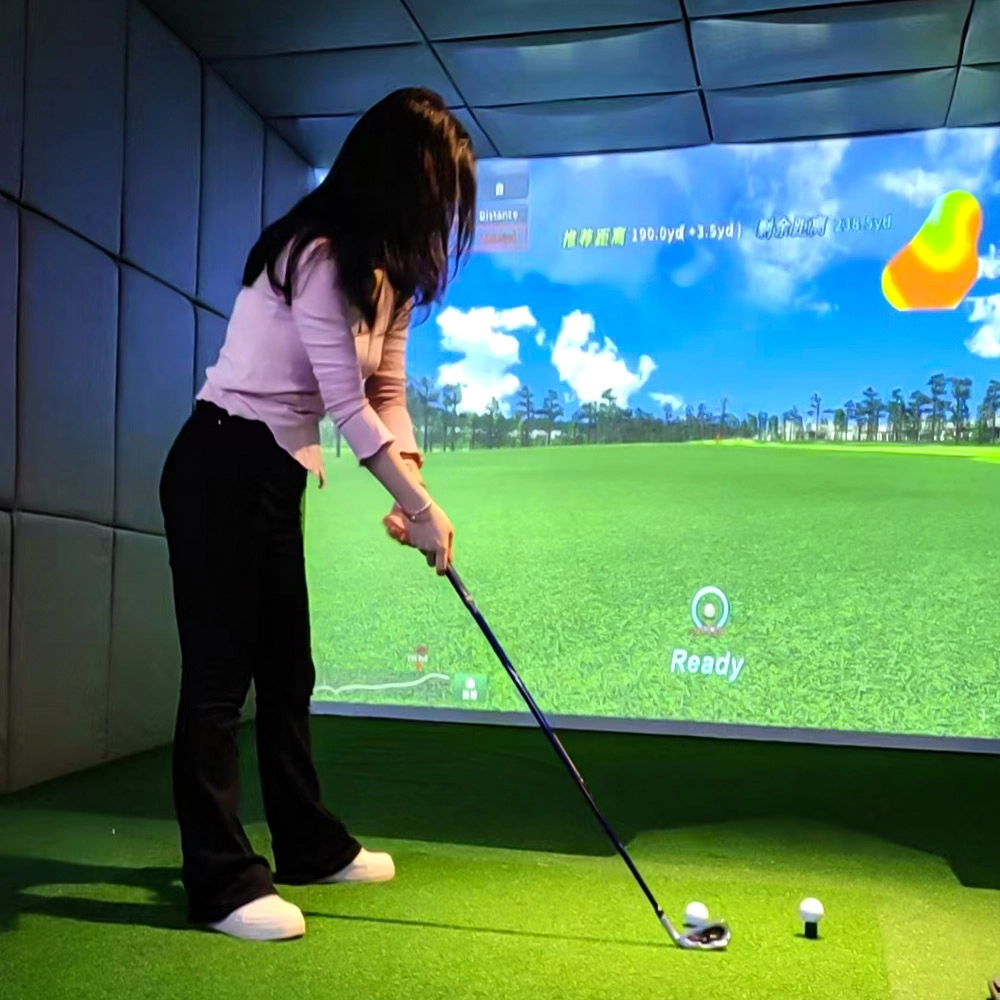
Best Indoor Golf Simulator Options for Commercial Buyers
OEM/ODM robot table tennis Manufacturers and Suppliers
Why choose FUNTECH as your best tennis simulator supplier
FAQ
What is the of process of design, construction and operation of digital sports entertainment hall?
The general steps for the design, construction and operation process of a digital sports entertainment center. Each step needs to be carefully planned and executed to ensure the smooth opening and long-term development of the digital sports entertainment center.
What is the minimum area required to build a comprehensive digital sports and entertainment hall, and what is the recommended area?
To build a comprehensive type of digital sports and entertainment hall, the minimum required area will be affected by the number and type of equipment, activity area requirements, parking spaces, rest areas and other factors.
What problems does the Digital Sports Center solve?
The Digital Sports Trendy Pavilion provides people with an innovative experience place that combines technology and sports, solving some problems existing in traditional sports activities and amusement facilities, while also meeting modern people's needs for digital technology and dynamic experience.
Dart Machines Bar Dart Machines
How to reduce operating costs?
Starting with equipment procurement, choose cost-effective, durable and easy-to-maintain products, which can save money for subsequent maintenance. Reasonable arrangement of staff, reduce the number of staff on duty during off-peak hours, train staff to have multi-skills, such as being able to operate the equipment and guide customers part-time, so as to improve the efficiency of manpower and reduce the cost of manpower.
Football Simulator
How does the picture effect of simulation soccer achieve realism?
With the help of advanced technology, the green field is accurately reproduced with fine turf texture and realistic player movements. From the players running, passing to shooting, are lifelike, to give players a sense of immersion.
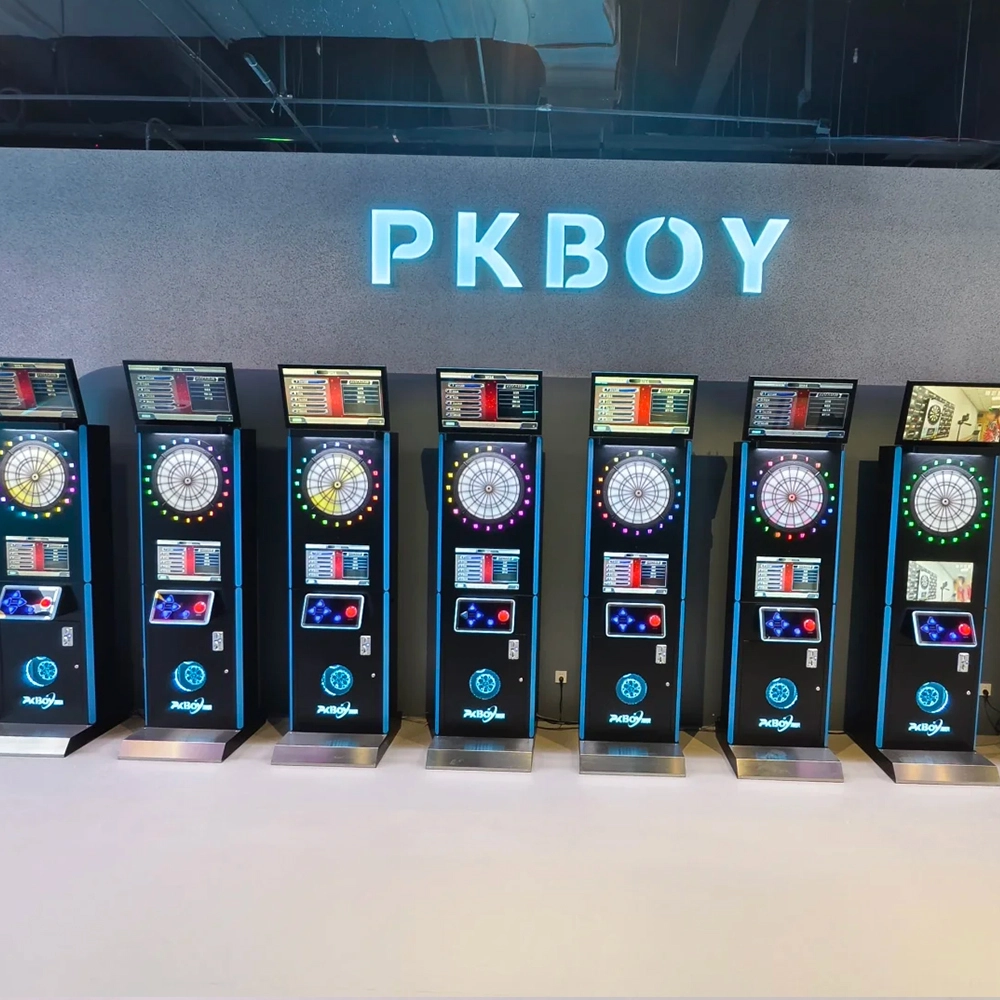
Dart Machines Bar Dart Machines
Joy Power is full of fun and excitement in the playground! The dart machine is suitable for all kinds of places, whether it is a bar, restaurant, KTV, or other entertainment venue, or a sports shop, club, or family leisure space, and can be perfectly adapted. In commercial venues, holding individual and team darts tournaments from time to time can attract more customers and increase the popularity and revenue of the venue, supplemented by various preferential activities, which can directly promote consumption and form a cycle of consumption of all the goods in the shop.
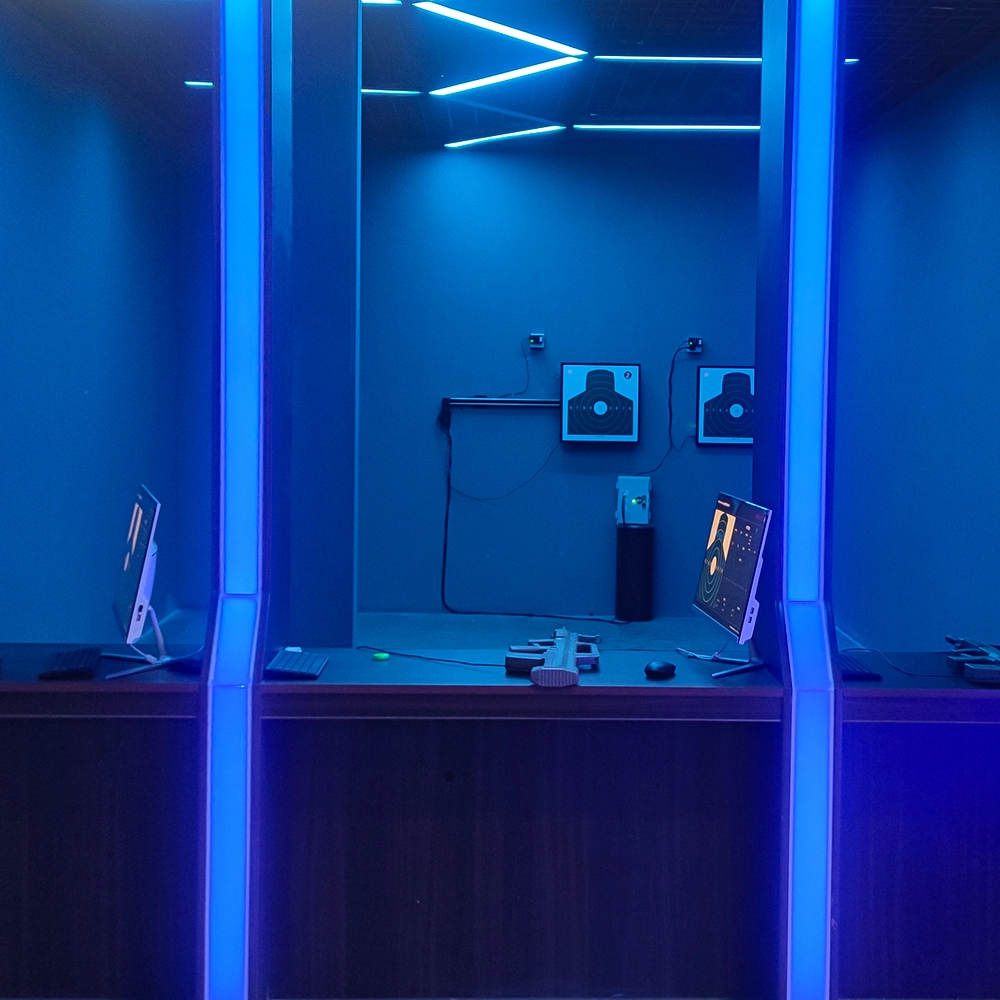
Infrared Shooting
Highly simulated simulation training analysis equipment, with advanced design concepts, fast system development, ease of operation and use, stable technical performance, less consumption of training, site dependence on a small group training is highly interesting, safe, and reliable, and other outstanding features. Product design to solve the basic skills of light weapons precision shooting as a starting point, to improve the safety of shooting training and training efficiency as the fundamental purpose, highlighting the simulation, information technology, and combat training requirements, can be in small indoor and outdoor venues and does not use live ammunition to complete the basic shooting training.
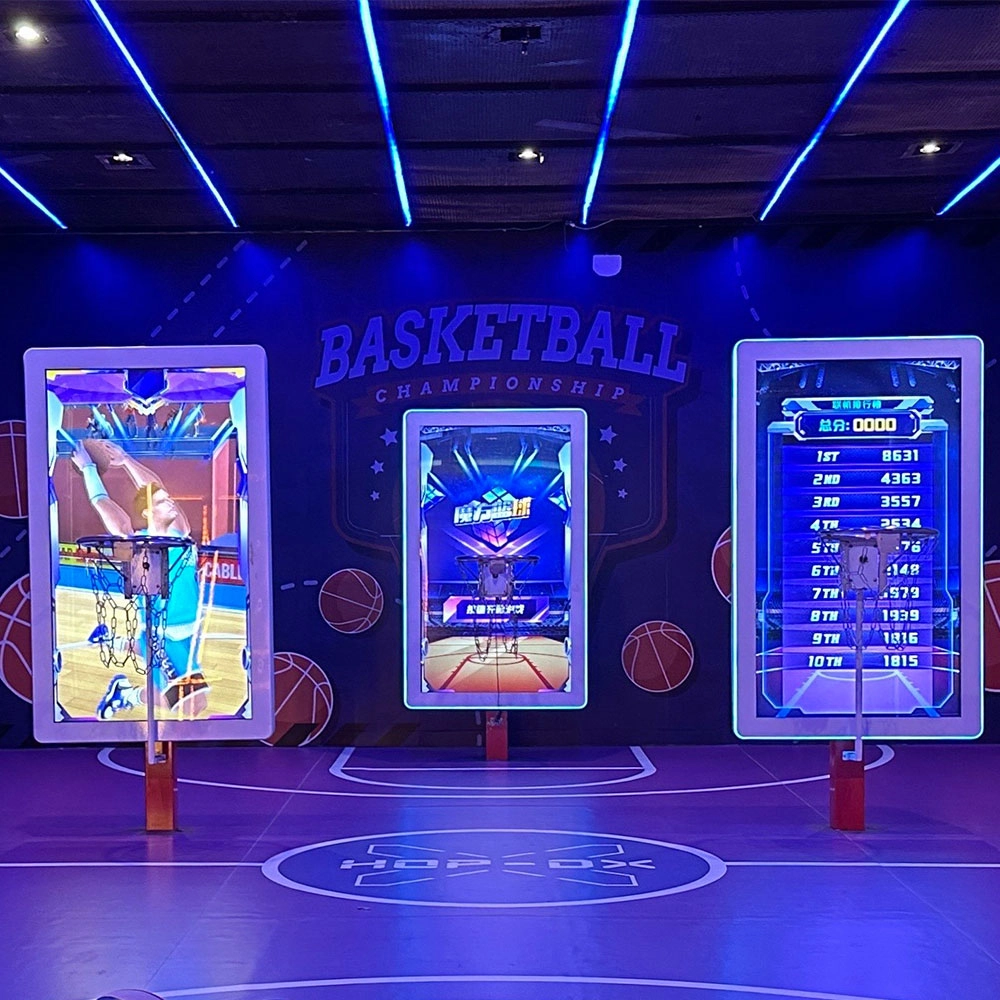
Multi-Player Interactive Shooting Machine
Joy Power is full of fun and exciting playgrounds! The basketball shooting machine is a classic amusement device integrating competition, entertainment, and interactivity. Based on the traditional basketball shooting sport, it integrates electronic scoring, sound and light effects, and challenge mechanisms to bring players an immersive game experience. The main body of the equipment is usually built with a metal frame, equipped with a standard-sized basket and a sturdy rim, with multiple sets of sensors to accurately capture the trajectory of the shot; when the player shoots the ball, the machine's built-in sensors count the score in real time and present the score, remaining time, and challenge goals through the LED display or LCD screen, with exciting sound effects and colorful lights to create a tense and exciting gaming atmosphere.
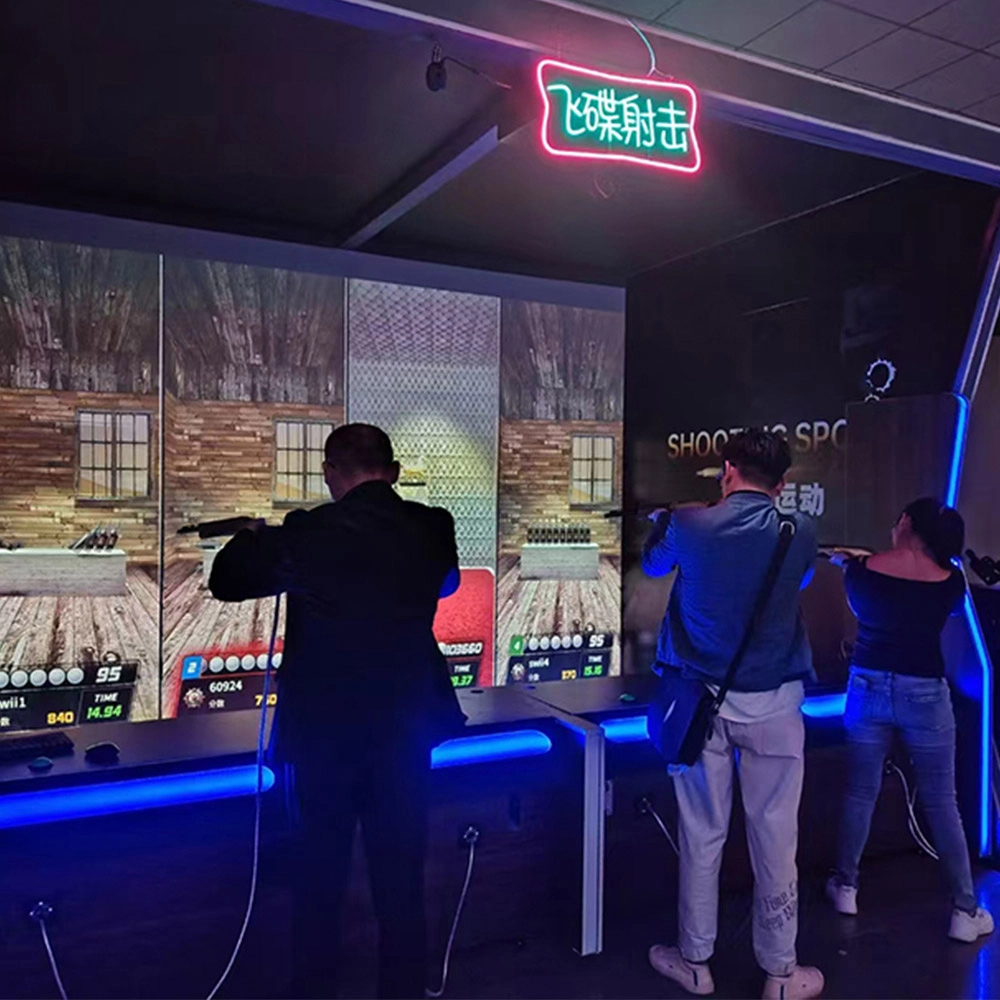
Indoor Wave Play Disc Shooting Equipment
Joy Power is full of fun and exciting playgrounds! The saucer shooting equipment in the indoor hip play hall is an immersive entertainment device integrating high-definition projection scenes, simulated air rifles, and multi-mode interactive gameplay, which allows players to experience the excitement of virtual shooting and the fun of social competition through laser-sensing scoring and multi-sensory feedback.
© 2025 FUNTECH ALL RIGHTS RESERVED

Weixia Lei
Fun_Tech-s
fun_tech20