
How to plan floor layout for an arcade dart machine for sale?
- 1) How much dedicated floor space (width × depth) do I need per arcade dart machine to ensure safe play, spectator room, and easy maintenance?
- 2) How do I power and network multiple electronic dart machines for tournaments and centralized leaderboards without overloading circuits?
- 3) How should I position dart machines relative to other attractions to maximize dwell time and reduce collisions or noise complaints?
- 4) What's the best approach to choose between soft-tip and steel-tip arcade dart machines for family entertainment centers and pubs?
- 5) How do I retrofit older dart cabinets to accept cashless/mobile payments and centralized prize systems without replacing machines?
- 6) What parts should I stock and what preventative maintenance schedule reduces downtime for coin-operated or electronic dart game machines?
- Concluding notes: advantages of a well-planned floor layout and professional-spec arcade dart machines
How to Plan Floor Layout for an Arcade Dart Machine for Sale — Expert Buyer Guide
Buying an electronic dartboard arcade or soft-tip dart machine for a venue requires more than price comparison. This guide answers 6 specific, under-addressed beginner pain points about floor layout, power & network planning, safety, payment systems, compliance, and lifecycle maintenance for digital sports entertainment operators.
1) How much dedicated floor space (width × depth) do I need per arcade dart machine to ensure safe play, spectator room, and easy maintenance?
Plan for three zones per dart cabinet: play zone, spectator/queue zone, and service access. Use these conservative measurements that work for most electronic soft-tip & steel-tip dart cabinets:
- Cabinet footprint: typical floor-standing dart cabinets range ~90–110 cm (36–44 in) width × 80–100 cm (31–39 in) depth. Always confirm exact dimensions with specs from the supplier.
- Throwing distance (oche): standardized distances are steel-tip 2.37 m (7 ft 9 1/4 in) and soft-tip 2.438 m (8 ft). Measure from the toe line to the face of the board; include this in depth planning.
- Recommended lane depth: 4.0 m (13 ft) minimum to cover board, throwing line, and a 1.0–1.5 m (3.3–5 ft) buffer behind throwers for queuing and safety. For busy FECs consider 4.5–5.0 m.
- Lane width: allocate 3.0 m (10 ft) per cabinet as a base to give 1.0–1.5 m for play and 1.5–2.0 m for spectators/queuing. For tournament areas or VIP lounges, expand to 3.5–4.0 m per lane.
- Access for service: maintain at least 0.8–1.0 m (32–40 in) of clearance at the cabinet rear or side based on the cabinet's service panel location so technicians can replace power supplies, LED strips, or coin mechs without moving equipment.
Layout tip: arrange machines back-to-back where ceilings are low to share power/network drops but keep 1.5–2.0 m between opposing playlines to avoid crossfire and crowding. Always post clear oche lines and install soft flooring (rubber tiles) in player zones to reduce slip risk and protect thrown darts that miss.
2) How do I power and network multiple electronic dart machines for tournaments and centralized leaderboards without overloading circuits?
Key steps and checks:
- Get per-machine electrical specs from the vendor. Typical electronic dart cabinets draw in the 100–300 W range (0.9–2.7 A at 110–120 V, lower amperage at 220–240 V). These are approximate—confirm on the datasheet.
- Electrical planning rule of thumb: assume 150–250 W per machine for lighting, scoring electronics, and fans. A single 15 A circuit (110–120 V) can safely serve 4–6 machines depending on total load and other connected devices. For reliability, allocate a dedicated 15 A/120 V circuit per 4 machines or a 20 A for 6–8 machines. For 220–240 V regions, use equivalent ampacity planning.
- Network: for tournament play and cloud leaderboards, prefer wired Ethernet for stability (PoE optional if supported). If using Wi‑Fi, ensure enterprise-grade access points with proper channel planning; each cabinet should be on a managed VLAN to isolate game traffic from guest Wi‑Fi.
- Power protection: use surge protectors and consider UPS for at least one machine per cluster (tournament host) to gracefully handle brief outages and avoid software/database corruption during games.
- Future-proofing: install conduit and extra power/network drops during buildout so you can add cabinets or switch to cashless readers without cutting floors or walls.
Implementation example: for a 10-machine bank, run two 20 A circuits with balanced loads, provide Cat6 runs to each cabinet, and host the tournament server on a small managed switch. Ask your electrician to verify local code and derating factors.
3) How should I position dart machines relative to other attractions to maximize dwell time and reduce collisions or noise complaints?
Placement strategy focused on guest flow and acoustics:
- Avoid locating dart lanes directly adjacent to VR pods, kiddie rides, or quiet dining lounges—dart lanes produce crowd chatter and occasional clatter. If space constraints force proximity, add acoustic baffles or sound-absorbing panels between zones.
- Position banks in mid-traffic 'activity clusters' near bars, party rooms, or spectator seating to increase dwell and secondary spend. Cross-sell: place snack/beverage stations within 10–15 m so spectators buy refreshments while watching matches.
- Create sightlines: orient machines so screens face aisles, improving visibility for casual players who might join. Avoid placing backs of cabinets directly into corridors that guests traverse.
- Queue management: define queuing lanes using low barriers or floor decals to prevent spillover into main walkways. For busy times, plan temporary barriers to keep play lanes clear.
Operational note: collect observational data after opening—measure peak-hour congestion with simple counters, then tweak spacing and barriers. This iterative approach is common in Digital Sports Entertainment operations to balance capacity and guest comfort.
4) What's the best approach to choose between soft-tip and steel-tip arcade dart machines for family entertainment centers and pubs?
Decision factors and practical tradeoffs:
- Audience & risk profile: soft-tip machines use plastic-tipped darts and are safer (lower injury and property damage risk) for family centers, arcades, and mixed-age venues. Steel-tip appeals to traditional pubs and leagues where authentic feel matters but requires dedicated dartboard backboards and more stringent safety zones.
- Maintenance & consumables: soft-tip boards are electronic and require sensor segment replacement and tip stock; steel-tip boards need more frequent board replacement and metal dart maintenance. Electronic soft-tip cabinets typically offer automatic scoring and fewer disputes, reducing staffing time.
- Game formats & monetization: electronic dart machines (soft-tip) offer rapid game turnover, multiple game modes, online leaderboards, and pay-per-play integration—good for arcades. Steel-tip setups are better for league play and high-stakes bar tournaments but are usually not coin-operated in the same way.
- Regulation & liability: steel-tip installations may require greater safety buffers and insurance adjustments—consult your insurer. Soft-tip cabinets can often be sited closer to general foot traffic when protective surrounds are used.
Recommendation: prioritize electronic soft-tip dart game machines for arcades, FECs, and family venues. Reserve steel-tip lanes for venues focused on competitive league play and alcohol-serving establishments with strict supervision.
5) How do I retrofit older dart cabinets to accept cashless/mobile payments and centralized prize systems without replacing machines?
Practical retrofit path (step-by-step):
- Inventory interfaces: check if the cabinet has an MDB (multi-drop bus) or serial port used by coin/bill validators. Many retrofit readers accept MDB or TTL-level inputs.
- Select a compatible cashless kit: choose a vendor that provides an MDB-to-card/mobile reader gateway or a dedicated cashless controller designed for arcade back-of-house integration. Ensure it supports the payment rails you need (NFC, QR/mobile wallets, RFID cards).
- Network/connectivity: connect the cashless reader to your network (Ethernet preferred). If the cabinet is offline, some kits support local credit of plays via offline tokens synced later, but real-time connectivity is best for tournament leaderboards.
- Software integration: you may need middleware to map cashless credits to game tokens. Work with the cabinet OEM or a systems integrator to ensure the SDK or API works with the machine's firmware. Some suppliers can provide remote firmware updates to support cashless inputs.
- Testing & compliance: validate the payment flow end-to-end, test refunds, and confirm transaction logging for accounting. Ensure PCI-DSS compliance if you handle card data on-site (most cashless vendors handle card data off-premise to reduce scope).
Cost note: retrofits are often more cost-effective than full cabinet replacements but require engineering time. If your cabinets are older than 7–10 years, factor in future reliability and consider replacing key units during a phased upgrade.
6) What parts should I stock and what preventative maintenance schedule reduces downtime for coin-operated or electronic dart game machines?
Stocking and maintenance plan to keep machines live:
- Daily: quick surface clean of boards (soft cloth), check coin/bill acceptors and take note of error codes. Verify network connection and that leaderboards sync overnight.
- Weekly: inspect LED segments/lighting for dim or flickering areas, test a full game for scoring accuracy, empty and test cash boxes, and verify fans and ventilation.
- Monthly: run firmware/software updates, inspect wiring harnesses behind the service panel, check coin mech calibration, and test payment reader reconciliation.
- Quarterly: perform sensor calibration on electronic boards, replace worn soft-tip dart segments (if applicable), and clean or replace air filters in cabinets.
- Annually: full electrical inspection, replace aging power supplies, and audit spare part inventory.
Essential spare parts to keep on-hand (start kit):
- Replacement soft-tip sensor segments or dartboard modules
- LED strips and display modules for scoring/attract lights
- Power supplies (main and backup) compatible with your cabinets
- Coin mech and bill validator modules, and a cashless reader spare if fitted
- Standard screws, wiring harnesses, and fuses
Downtime minimization strategy: train on-site staff to handle common reset and cleaning tasks, keep a remote support contract with the manufacturer for firmware issues, and maintain a cross-referenced maintenance log for each cabinet so patterns of failure are easy to spot.
Concluding notes: advantages of a well-planned floor layout and professional-spec arcade dart machines
When you apply precise floor planning, electrical/network provisioning, and service readiness to your purchase of an arcade dart machine for sale, you gain higher uptime, better guest experiences, scalable tournament operations, and improved ancillary revenue through sightline placement and cross-selling. Proper selection (soft-tip for family venues, steel-tip only where appropriate), combined with cashless readiness and spare-part stocking, ensures a fast ROI and lower operating headaches.
Funtech Game (www.funtechgame.com) can provide detailed cabinet specs, CAD layout templates, and retrofit options tailored to your venue size. Contact us for a quote: vicky@funtechgame.com.
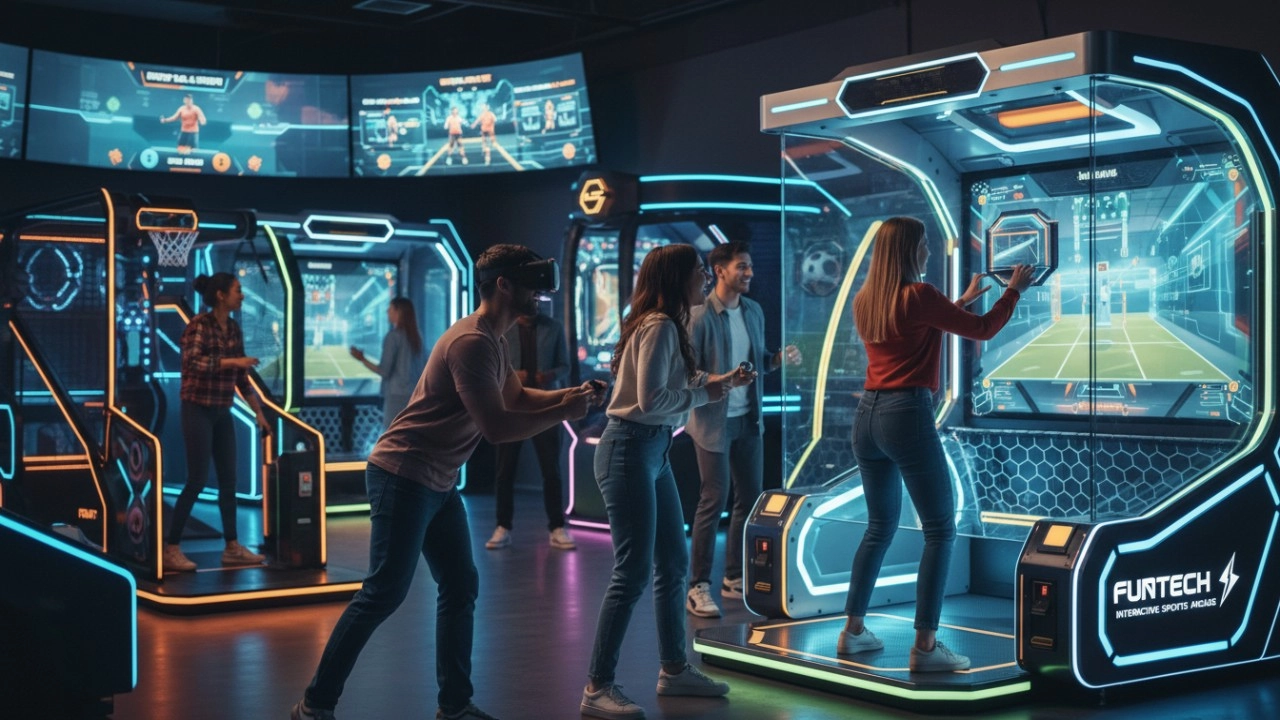
What Defines Interactive Sports Arcade Equipment in 2026?
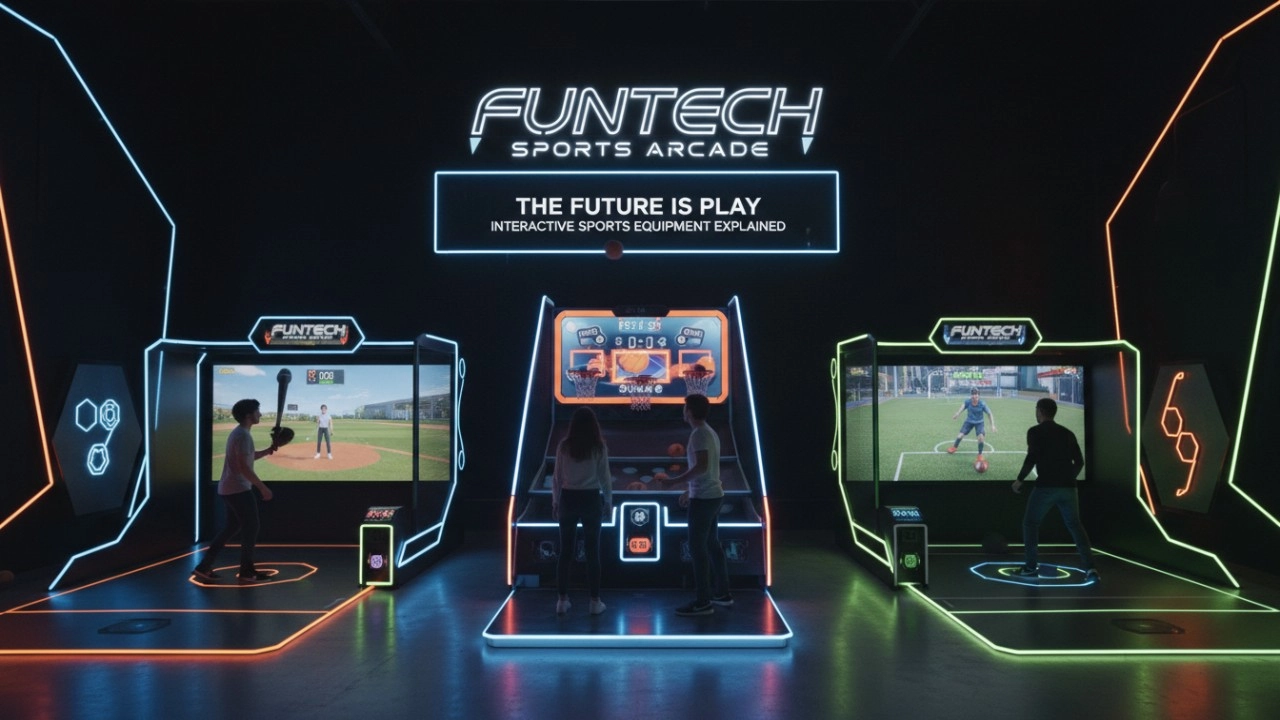
What Is Interactive Sports Arcade Equipment? Complete Beginner Guide (2026)
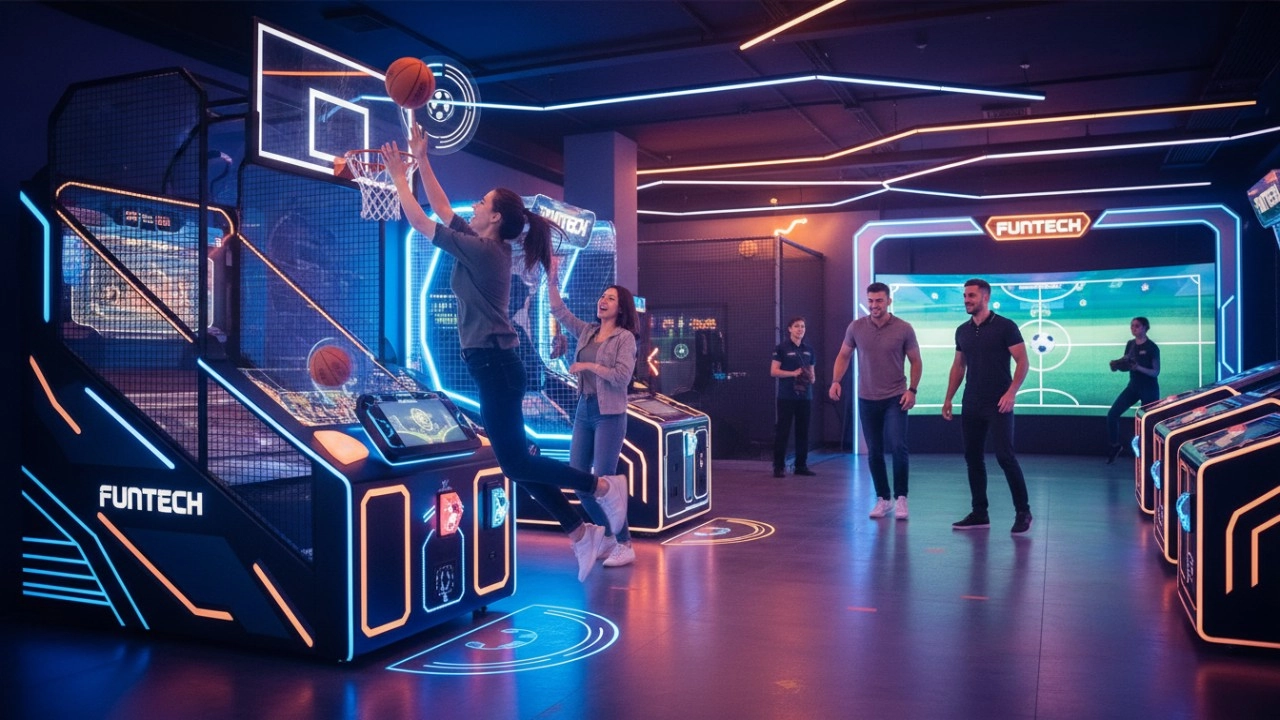
The Ultimate Guide to Interactive Sports Arcade Equipment for Commercial Entertainment (2026 Edition)
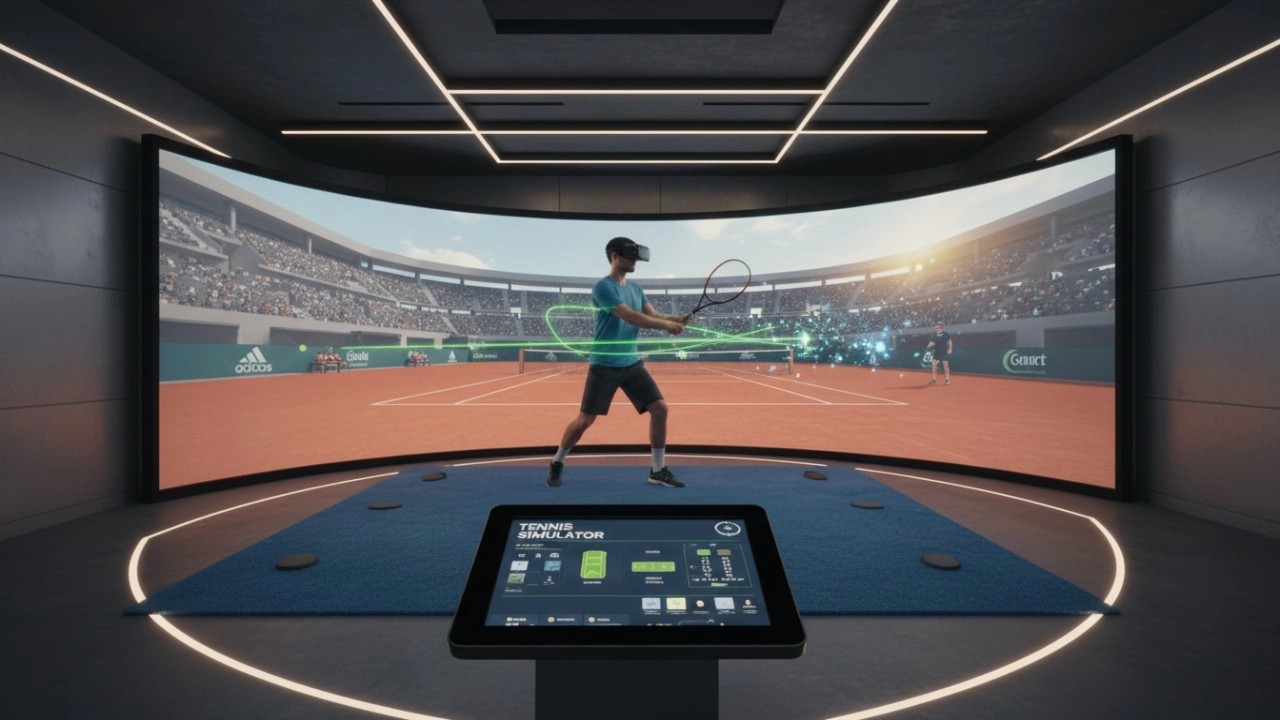
7 Reasons to Add a Tennis Simulator to Your Entertainment Venue Instead of Traditional Training Models (2026 Guide)
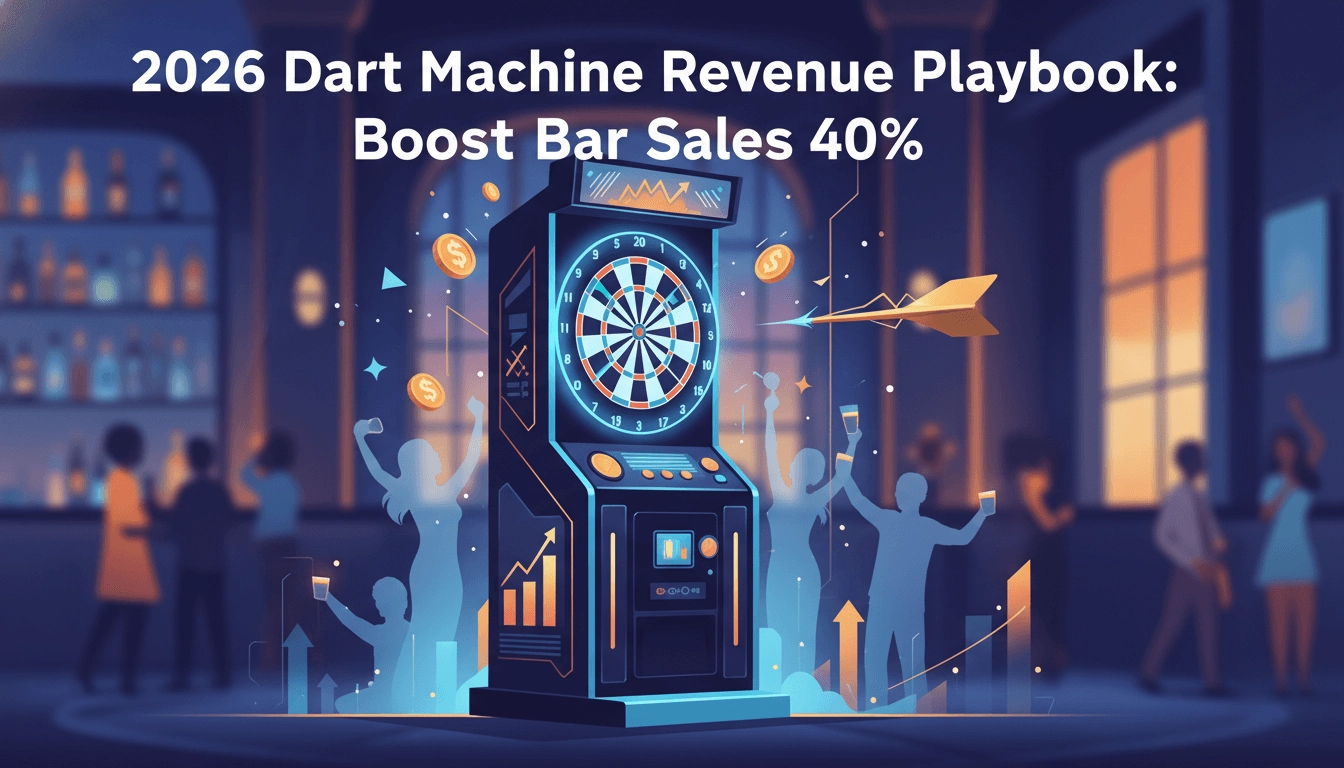
The 2026 Dart Machine Revenue Playbook: Boosting Mid-Week Sales by 30%-40% with Competitive Socializing
Golf Simulator
What is the difference between purchasing equipment for commercial operations and personal training?
Commercial operations should consider the durability, ease of operation, and attractiveness of the equipment, and it is preferable to choose cool-looking equipment that can withstand high-frequency use.
What are the after-sales services after purchasing the equipment?
Generally, a 1-year warranty is provided. During the warranty period, parts damaged due to quality problems, such as motor failure, display problems, etc., will be repaired or replaced free of charge. There will also be technical support, including equipment installation and debugging guidance, operation training, to ensure the smooth use of the user, after-sales response time is usually within 24 - 48 hours.
Infrared Shooting
How often does the equipment require maintenance?
For daily use, simple monthly maintenance, such as simple cosmetic cleaning and function checking after use, is sufficient. A more comprehensive quarterly maintenance is sufficient.
FAQ
What requirements should a store manager of a digital sports hall have?
The store manager of a digital sports and entertainment center needs to have good management and communication skills, be familiar with the application of digital technology, and have an innovative spirit and a sense of teamwork
Products
How often does moving target archery equipment require maintenance?
Under daily use, for equipment that is used less frequently, 1-3 times per week, simple cosmetic cleaning and functional checks can be performed after each use. A more comprehensive maintenance should be carried out every 2-4 weeks, including disassembling some parts for cleaning and checking the accuracy of the aiming system.
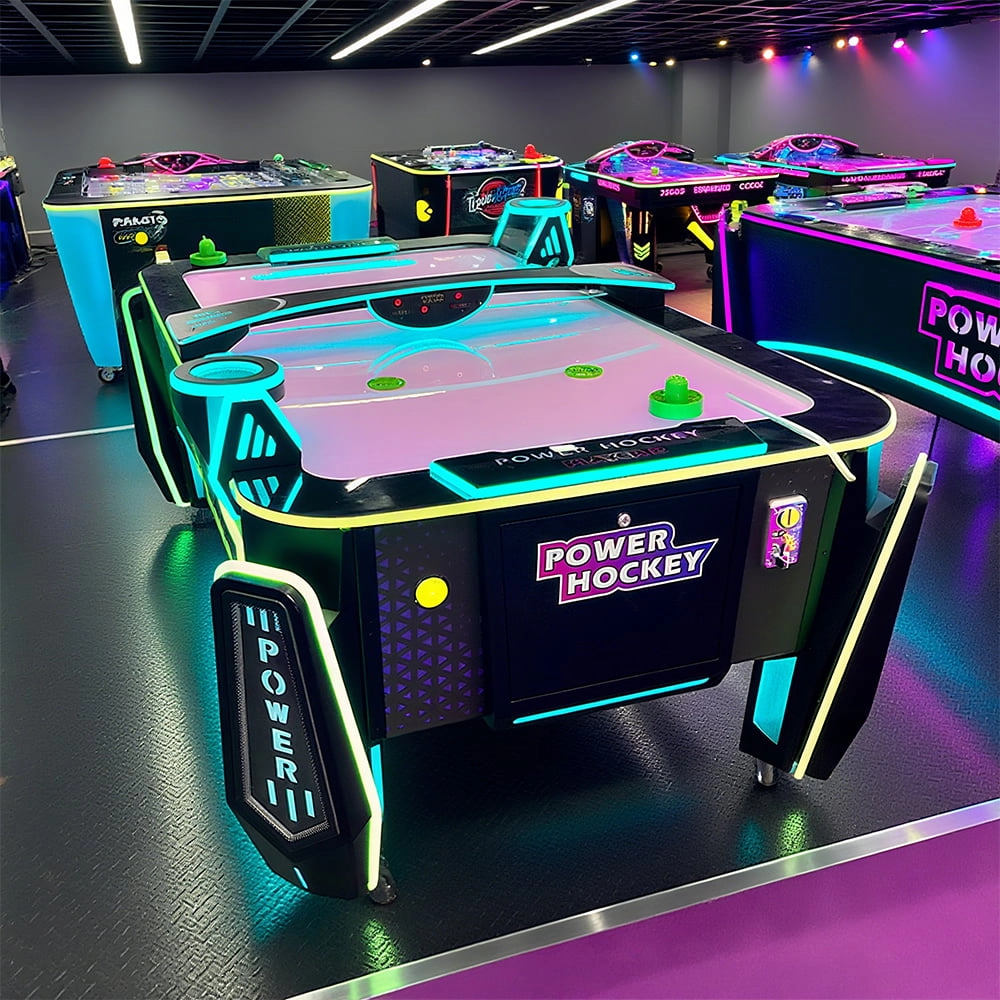
Arcade Hockey
FUNTECH is full of fun and exciting playgrounds! Air hockey, also known as air hockey, is a two-player competitive arcade game comprising a smooth, perforated playing surface, lightweight hockey sticks, a plastic puck, and an electronic scoreboard.
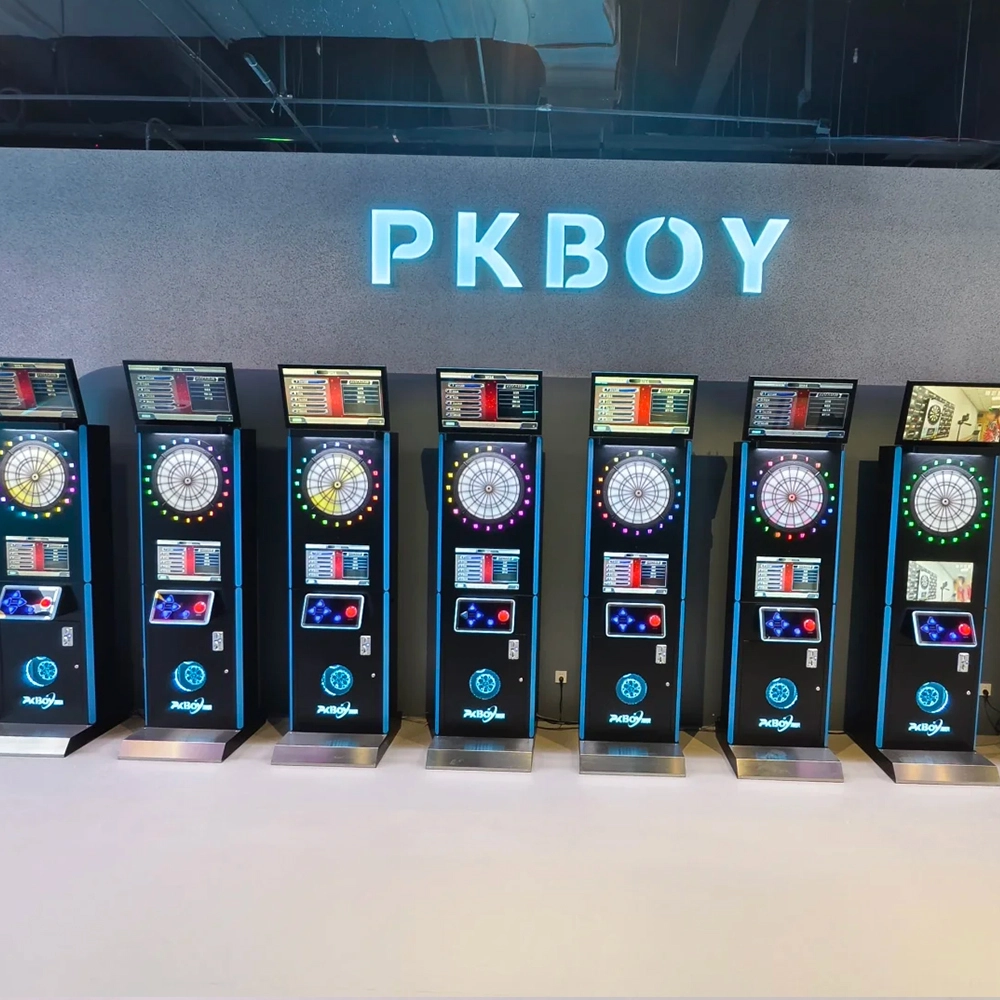
Dart Machines Bar Dart Machines
Joy Power is full of fun and excitement in the playground! The dart machine is suitable for all kinds of places, whether it is a bar, restaurant, KTV, or other entertainment venue, or a sports shop, club, or family leisure space, and can be perfectly adapted. In commercial venues, holding individual and team darts tournaments from time to time can attract more customers and increase the popularity and revenue of the venue, supplemented by various preferential activities, which can directly promote consumption and form a cycle of consumption of all the goods in the shop.
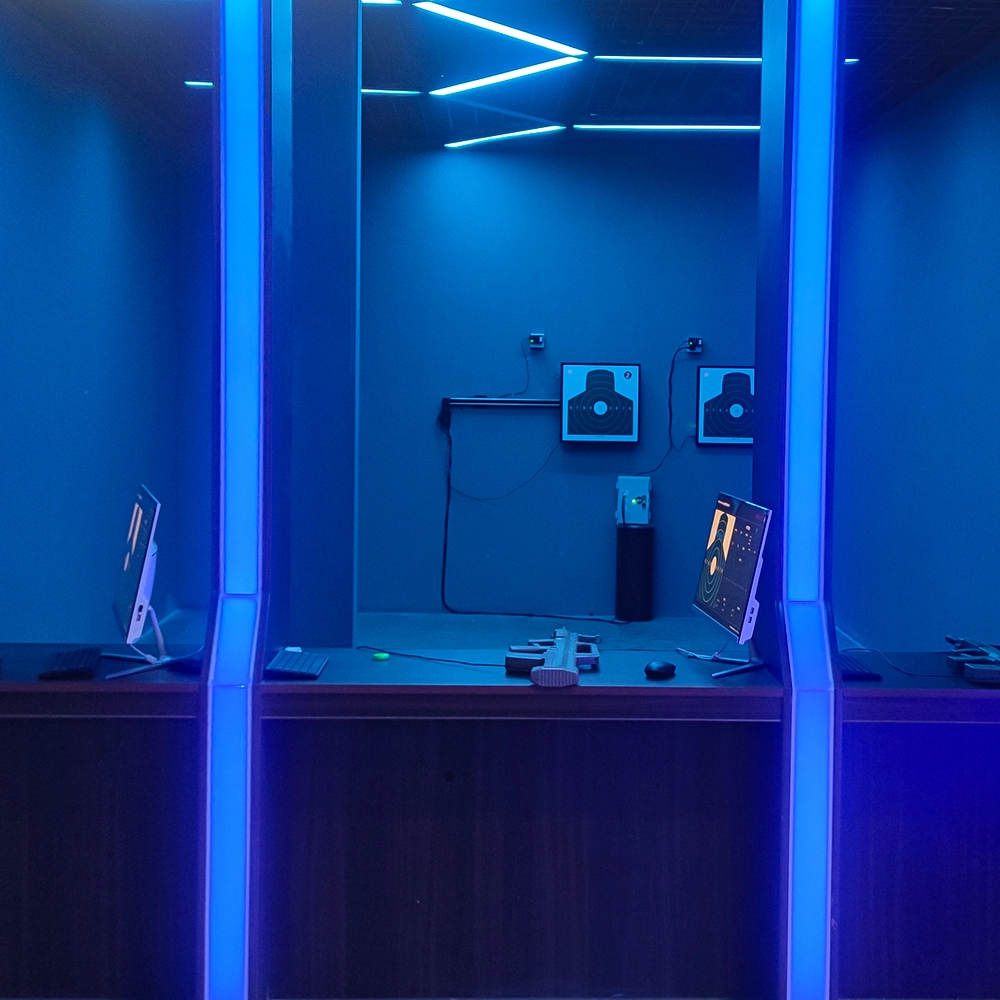
Infrared Shooting
Highly simulated simulation training analysis equipment, with advanced design concepts, fast system development, ease of operation and use, stable technical performance, less consumption of training, site dependence on a small group training is highly interesting, safe, and reliable, and other outstanding features. Product design to solve the basic skills of light weapons precision shooting as a starting point, to improve the safety of shooting training and training efficiency as the fundamental purpose, highlighting the simulation, information technology, and combat training requirements, can be in small indoor and outdoor venues and does not use live ammunition to complete the basic shooting training.
Multi-Player Interactive Shooting Machine
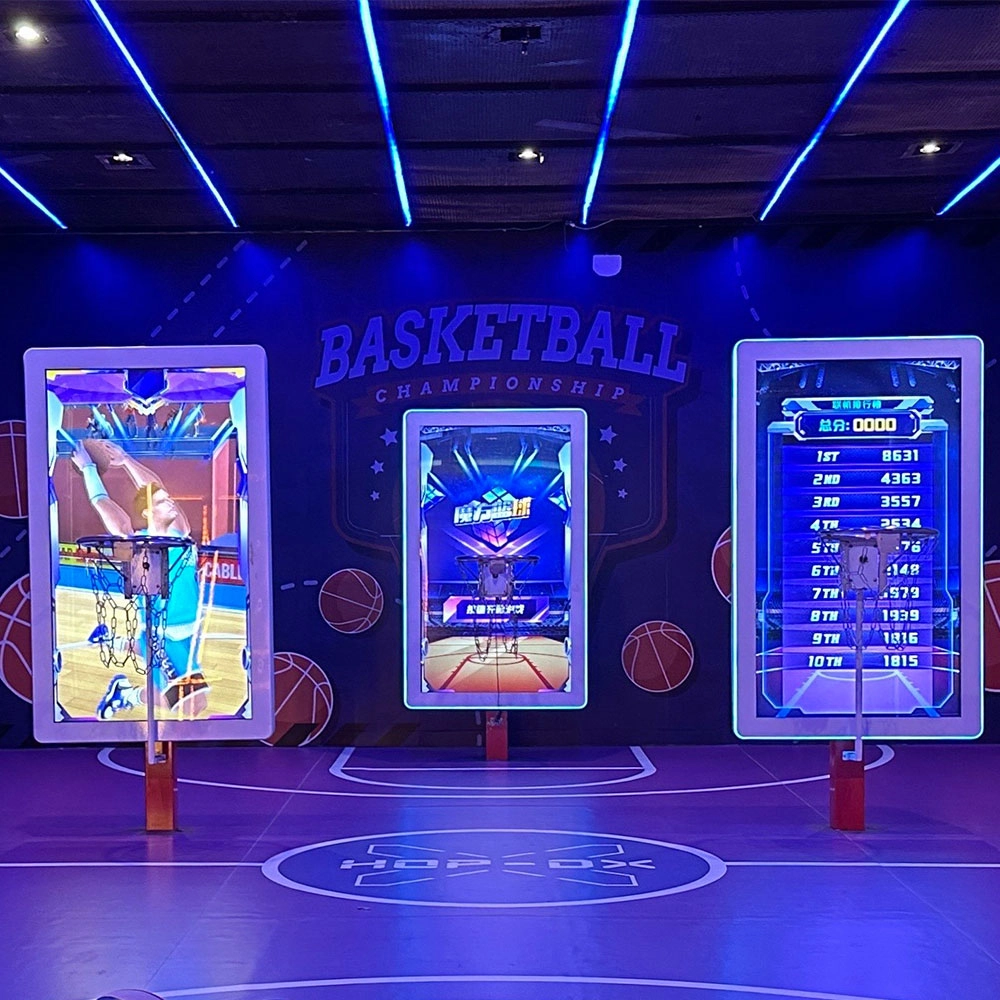
Joy Power is full of fun and exciting playgrounds! The basketball shooting machine is a classic amusement device integrating competition, entertainment, and interactivity. Based on the traditional basketball shooting sport, it integrates electronic scoring, sound and light effects, and challenge mechanisms to bring players an immersive game experience. The main body of the equipment is usually built with a metal frame, equipped with a standard-sized basket and a sturdy rim, with multiple sets of sensors to accurately capture the trajectory of the shot; when the player shoots the ball, the machine's built-in sensors count the score in real time and present the score, remaining time, and challenge goals through the LED display or LCD screen, with exciting sound effects and colorful lights to create a tense and exciting gaming atmosphere.
Ready to take your venue to the next level?
Leave us a message here, and our team will get back to you promptly.
Whether you're interested in custom orders, technical specifications, or partnership opportunities, we're here to assist you.
© 2025 FUNTECH ALL RIGHTS RESERVED

Weixia Lei
Fun_Tech-s
fun_tech20