
The 10 Key Factors in led interactive game floor That Affect Cost
- Introduction: Why understanding led interactive game floor costs matters
- Buying smarter: what buyers search for
- Factor 1: Pixel pitch and panel resolution
- Higher pixel density increases cost and image fidelity
- Factor 2: LED module quality and lifetime
- Longer-lasting LEDs cost more upfront but lower TCO
- Factor 3: Touch sensing and interaction technology
- Type of interaction tech shapes hardware and software costs
- Factor 4: Floor structure, load-bearing and safety features
- Robust floor mechanics ensure safety but add cost
- Factor 5: Content management system and software licensing
- Software capabilities determine long-term value and expenses
- Factor 6: Control hardware and networking
- Controllers, processors and network infrastructure incur both capital and integration costs
- Factor 7: Size, layout complexity and installation labor
- Area and installation complexity shape per-square-meter cost
- Factor 8: Certifications, safety & regulatory compliance
- Compliance adds cost but is mandatory in many markets
- Factor 9: Warranty, training and after-sales support
- Service packages influence overall investment and uptime
- Factor 10: Brand, R&D and customization level
- Established brands and bespoke design demand higher prices
- Quantitative comparisons and typical ranges
- How specification choices translate into approximate cost ranges
- Summary table: The 10 factors and their cost impact
- Quick reference for procurement decisions
- How to approach procurement to control cost
- Checklist to get the right balance of price and performance
- Why choose a trusted partner like Guangzhou Suiyi (FUNTECH)?
- Integrated solutions reduce hidden costs
- Conclusion: Budgeting wisely for an led interactive game floor
- Balance specifications, service and lifecycle cost
Introduction: Why understanding led interactive game floor costs matters
Buying smarter: what buyers search for
Organizations evaluating an led interactive game floor—whether for entertainment centers, shopping malls, schools, museums, or sports training facilities—are searching for clear guidance to estimate budget, compare suppliers, and forecast ROI. The price tag for an interactive LED floor can vary dramatically based on technology, design scope, and service. This article explains the 10 key factors that most influence cost so decision-makers can plan accurately and avoid common procurement mistakes.
Factor 1: Pixel pitch and panel resolution
Higher pixel density increases cost and image fidelity
Pixel pitch (distance between individual LEDs) is one of the biggest drivers of hardware cost. Indoor led interactive game floor systems typically use pixel pitches from about P2.5 to P6. Smaller pitch (e.g., P2.5–P3) delivers crisper graphics and more precise interaction detection, but costs per square meter rise significantly due to denser LED modules and more complex calibration.
Factor 2: LED module quality and lifetime
Longer-lasting LEDs cost more upfront but lower TCO
LED quality affects brightness uniformity, color accuracy, and lifespan. High-quality SMD LEDs often guarantee 50,000–100,000 hours of life with stable brightness, reducing replacement and maintenance costs. Cheaper LED modules lower initial cost but can suffer faster degradation, color shift, and uneven brightness—raising long-term expenses.
Factor 3: Touch sensing and interaction technology
Type of interaction tech shapes hardware and software costs
Interactive floors use different sensing methods: pressure/force sensors, infrared optical arrays, camera-based tracking, capacitive sensing, or combinations. Force-sensing tiles integrated into structure add hardware complexity and increase price. Camera-based systems reduce per-panel cost but require high-quality vision processing and controlled lighting, adding to software and installation costs. Choose the sensing approach that fits performance requirements and budget.
Factor 4: Floor structure, load-bearing and safety features
Robust floor mechanics ensure safety but add cost
The structural design—support frames, subfloor, anti-slip surfaces, edge protection, and load-bearing capacity—directly affects material and labor cost. Commercial-grade installations require higher load ratings (to support dense crowds or equipment), certified non-slip finishes, and increased fire-safety compliance, all of which raise cost compared to light-duty demo setups.
Factor 5: Content management system and software licensing
Software capabilities determine long-term value and expenses
Interactive content and the content management system (CMS) represent recurring value and cost. Off-the-shelf simple games are cheaper, while custom branded experiences, multi-user scoring, analytics, and remote CMS add licensing, development, and integration fees. Consider whether you need turnkey software, white-label content, or a custom development contract—each option affects budgeting differently.
Factor 6: Control hardware and networking
Controllers, processors and network infrastructure incur both capital and integration costs
Controllers, video processors, media servers, and network switches are required to drive an led interactive game floor. High-resolution floors need more powerful processors and higher-bandwidth networking (e.g., gigabit ethernet, fiber backbone). Redundancy for large commercial installs (dual power supplies, backup controllers) increases reliability but also cost.
Factor 7: Size, layout complexity and installation labor
Area and installation complexity shape per-square-meter cost
Total floor area is the baseline cost driver, but layout complexity—curves, irregular shapes, seams, thresholds, ramps—raises installation hours and custom bracketry costs. Site prep (leveling, access floor adjustments, power routing) and on-site testing add labor expenses. Larger projects benefit from economies of scale, reducing per-m2 pricing compared to small demonstrator floors.
Factor 8: Certifications, safety & regulatory compliance
Compliance adds cost but is mandatory in many markets
Commercial installations typically require CE, RoHS, UL, and local building/fire approvals. Certifications for electrical safety, flame retardancy, anti-slip, and EMI/EMC testing involve product design constraints and testing fees. Certified components and tested systems cost more but avoid legal and insurance issues in public venues.
Factor 9: Warranty, training and after-sales support
Service packages influence overall investment and uptime
Warranty length, spare parts availability, training for staff, and 24/7 technical support all impact cost. Vendors that include on-site commissioning, operator training, and a rapid spare-parts program usually charge a High Quality but reduce downtime and maintenance risk—important for revenue-generating installations.
Factor 10: Brand, R&D and customization level
Established brands and bespoke design demand higher prices
Well-known manufacturers and solutions backed by strong R&D often command higher prices due to proven reliability, integrated ecosystems, and better support. Custom branding, themed graphics, bespoke mechanical integration, and unique interaction modes increase development time and cost. Conversely, standard modular products reduce procurement complexity and cost.
Quantitative comparisons and typical ranges
How specification choices translate into approximate cost ranges
Below is a comparative table summarizing how typical specification choices impact price. These numbers are approximate and intended to help budgeting and supplier comparisons; actual quotes will vary by vendor, region and project specifics.
| Factor | Low-spec (approx.) | Mid-spec (approx.) | High-spec (approx.) |
|---|---|---|---|
| Pixel pitch | P5–P6 | P3–P4 | P2.5 or finer |
| Cost per m2 (display only) | $700–$1,200 | $1,200–$2,200 | $2,200–$4,000+ |
| LED lifetime | 30,000–50,000 hrs | 50,000–70,000 hrs | 70,000–100,000 hrs |
| Power consumption (typ.) | 100–180 W/m2 | 150–250 W/m2 | 200–350 W/m2 |
| Sensing tech | Basic pressure mats | Optical/IR + pressure combo | High-res camera tracking + force sensing |
| Installation cost (per m2) | $80–$200 | $200–$500 | $500–$1,000+ |
| Warranty | 1 year | 2 years | 3+ years with High Quality support |
Summary table: The 10 factors and their cost impact
Quick reference for procurement decisions
| # | Factor | Primary cost impact |
|---|---|---|
| 1 | Pixel pitch & resolution | Major: affects LED density & controllers |
| 2 | LED module quality | Major: lifespan and color uniformity |
| 3 | Touch/interaction technology | Major: sensors and software complexity |
| 4 | Floor structure & load-bearing | Medium: mechanical materials & installation |
| 5 | Content & CMS | Medium to Major: licensing & development |
| 6 | Control hardware & networking | Medium: processors, switches, redundancy |
| 7 | Size & installation complexity | Major: labor & site prep |
| 8 | Certifications & compliance | Medium: testing & certified components |
| 9 | Warranty & support | Medium: service-level costs |
| 10 | Brand & customization | Medium to Major: R&D and bespoke design |
How to approach procurement to control cost
Checklist to get the right balance of price and performance
To manage cost while getting a solution that meets your objectives, follow a clear procurement approach:
- Define clarity on use case: marketing, revenue generation, training, or education—this sets performance needs.
- Specify required pixel pitch, brightness and responsiveness based on viewing distance and interactions.
- Ask vendors for total cost of ownership (TCO) including expected maintenance, spare parts, and energy costs.
- Request third-party certification evidence and on-site references for similar installs.
- Compare content packages: licensing, content creation rates, and CMS flexibility.
- Negotiate installation milestones, training, and warranty terms tied to acceptance tests.
Why choose a trusted partner like Guangzhou Suiyi (FUNTECH)?
Integrated solutions reduce hidden costs
Choosing a vendor that combines smart hardware and interactive content—such as Guangzhou Suiyi (FUNTECH) under the Joyful Power brand—can simplify procurement. FUNTECH focuses on strict quality control, global service networks, and 24/7 support, which reduces lifecycle risk and downtime costs. For organizations targeting cultural tourism, trendy sports or educational deployments, suppliers with proven R&D and content ecosystems provide measurable value beyond the hardware price.
Conclusion: Budgeting wisely for an led interactive game floor
Balance specifications, service and lifecycle cost
When budgeting for an led interactive game floor, the visible display price is only part of the story. Pixel pitch, LED quality, interaction technology, floor structure, content, control hardware, installation complexity, compliance, support, and brand/customization together determine total cost. Define your objectives clearly, request detailed TCO quotes, and prioritize vendors that provide robust warranties and local support. That approach will help you secure the best performance within your budget.
Sources:
- Industry technical whitepapers and LED module datasheets from leading LED manufacturers
- Trade publications and integration company case studies on interactive floor installations
- Product certification standards (CE, RoHS, UL) and common market practices
Contact: For custom solutions or a quote tailored to your project, visit https://www.funtechgame.com/ or contact Guangzhou Suiyi (FUNTECH) sales and support.
Note: Price ranges and technical ranges in this article are representative approximations intended to help budgeting and vendor comparisons. For precise quotes, request a site survey and a detailed proposal.
FAQ Sources referenced above and vendor-provided specifications vary by model and region; always verify with the supplier prior to procurement.
End of article.
Maintenance Checklist for Long-Lasting Shooting Machine Performance
How Does Interactive Floor Projection Work? A Deep Dive into Digital Sports Innovation
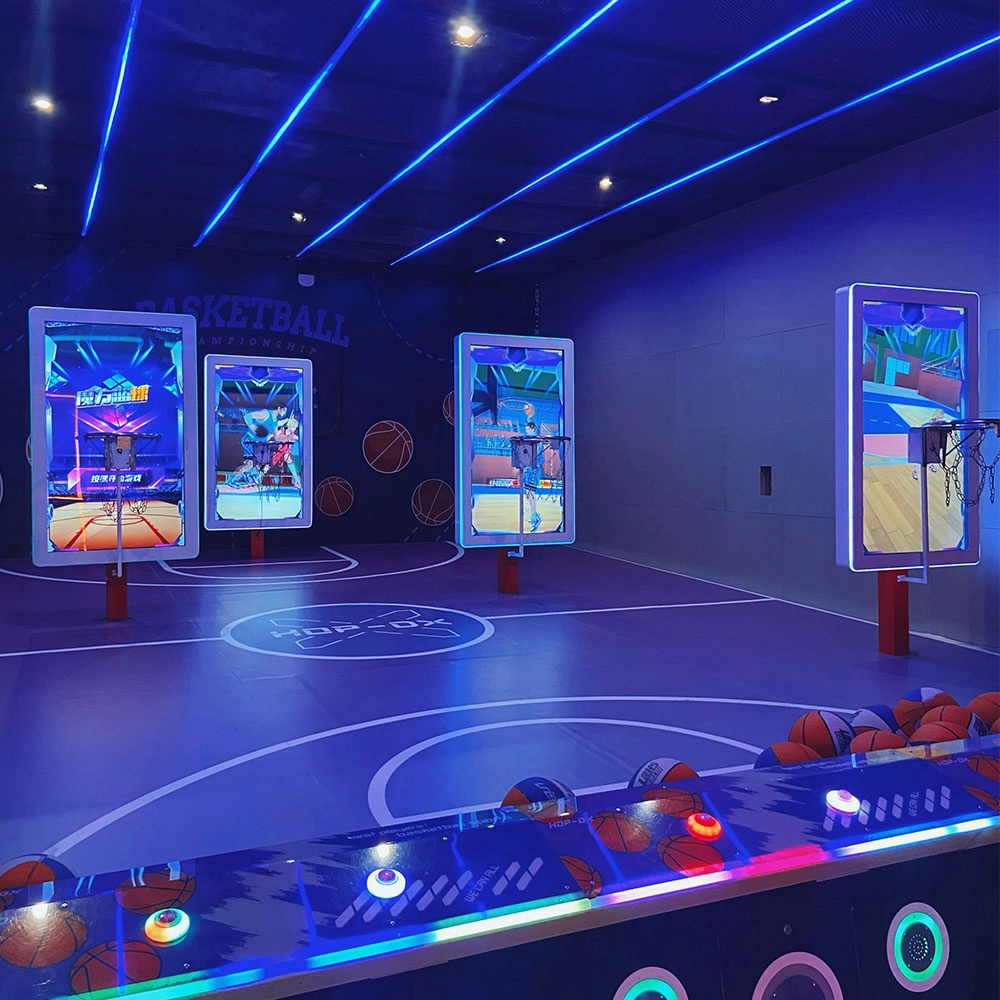
Tips for buy basketball game arcade
Tips for buy commercial dart machine
FAQ
What is the of process of design, construction and operation of digital sports entertainment hall?
The general steps for the design, construction and operation process of a digital sports entertainment center. Each step needs to be carefully planned and executed to ensure the smooth opening and long-term development of the digital sports entertainment center.
What is the minimum area required to build a comprehensive digital sports and entertainment hall, and what is the recommended area?
To build a comprehensive type of digital sports and entertainment hall, the minimum required area will be affected by the number and type of equipment, activity area requirements, parking spaces, rest areas and other factors.
Dart Machines Bar Dart Machines
How often does the equipment require maintenance?
For daily use, simple monthly maintenance, such as simple cosmetic cleaning and function checking after use, is sufficient. A more comprehensive quarterly maintenance is sufficient.
How to reduce operating costs?
Starting with equipment procurement, choose cost-effective, durable and easy-to-maintain products, which can save money for subsequent maintenance. Reasonable arrangement of staff, reduce the number of staff on duty during off-peak hours, train staff to have multi-skills, such as being able to operate the equipment and guide customers part-time, so as to improve the efficiency of manpower and reduce the cost of manpower.
Products
What is the most reasonable pricing for a mobile target archery program in a commercial setting?
If it is in shopping malls, scenic spots, and other places with high traffic flow, you can refer to the prices of similar entertainment programs in the surrounding area and combine them with your own costs, charging from $30 - $80 for a single session for a single person. If it is in a professional sports arena, for members or long-term training customers, packages can be introduced, such as monthly card 300 - 500 yuan, seasonal card 800 - 1200 yuan, according to different length and service content reasonable pricing.
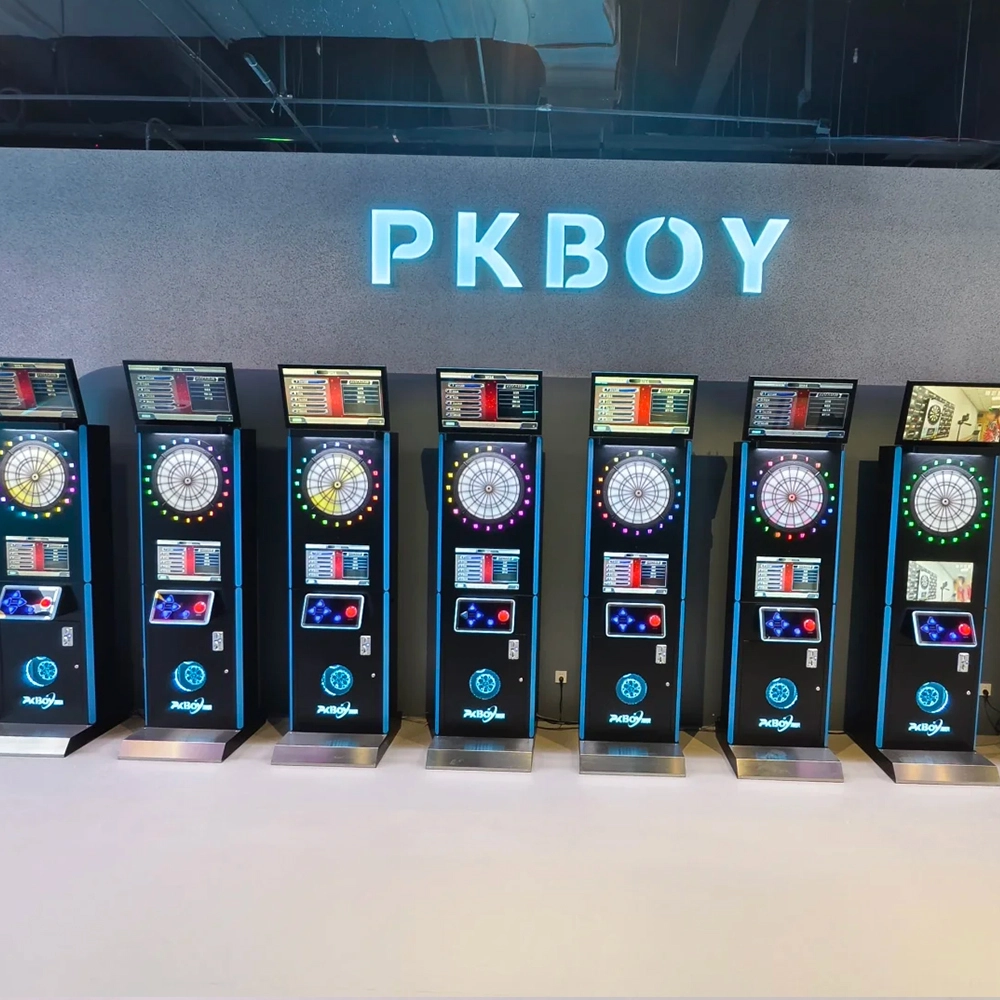
Dart Machines Bar Dart Machines
Joy Power is full of fun and excitement in the playground! The dart machine is suitable for all kinds of places, whether it is a bar, restaurant, KTV, or other entertainment venue, or a sports shop, club, or family leisure space, and can be perfectly adapted. In commercial venues, holding individual and team darts tournaments from time to time can attract more customers and increase the popularity and revenue of the venue, supplemented by various preferential activities, which can directly promote consumption and form a cycle of consumption of all the goods in the shop.
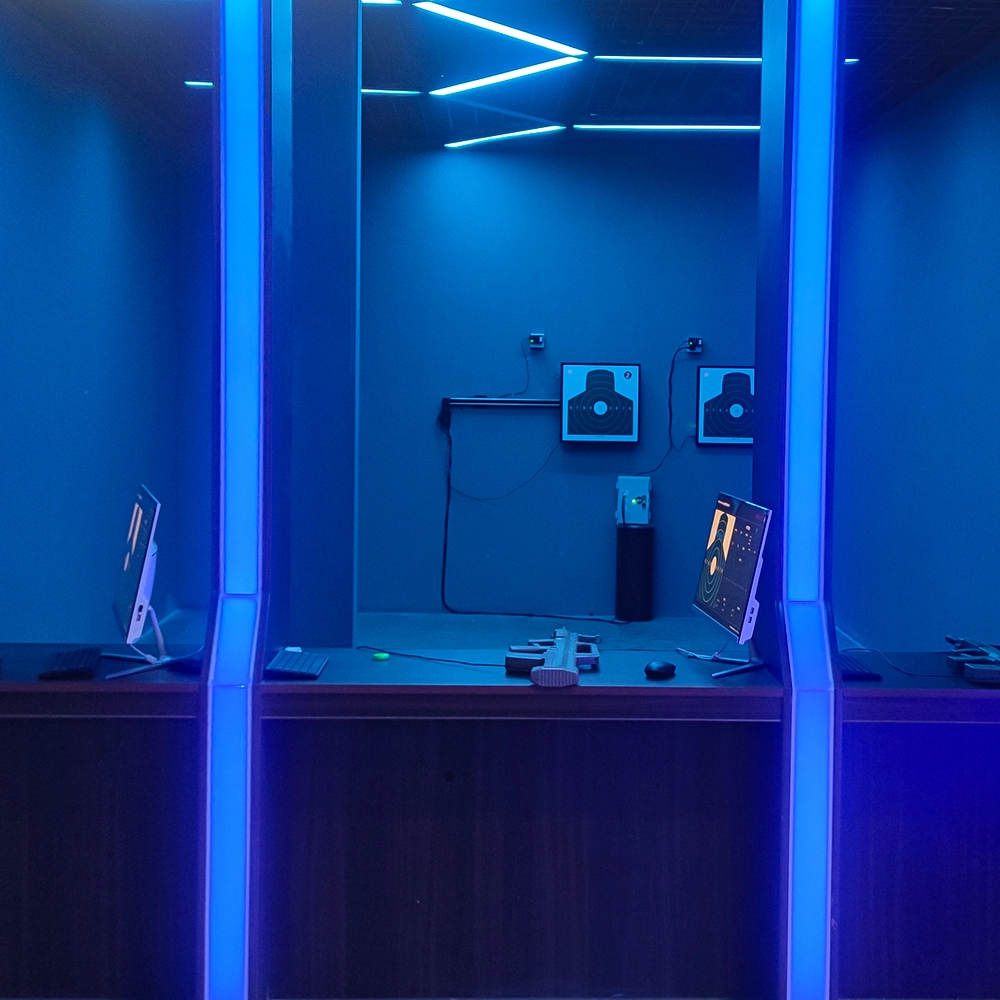
Infrared Shooting
Highly simulated simulation training analysis equipment, with advanced design concepts, fast system development, ease of operation and use, stable technical performance, less consumption of training, site dependence on a small group training is highly interesting, safe, and reliable, and other outstanding features. Product design to solve the basic skills of light weapons precision shooting as a starting point, to improve the safety of shooting training and training efficiency as the fundamental purpose, highlighting the simulation, information technology, and combat training requirements, can be in small indoor and outdoor venues and does not use live ammunition to complete the basic shooting training.
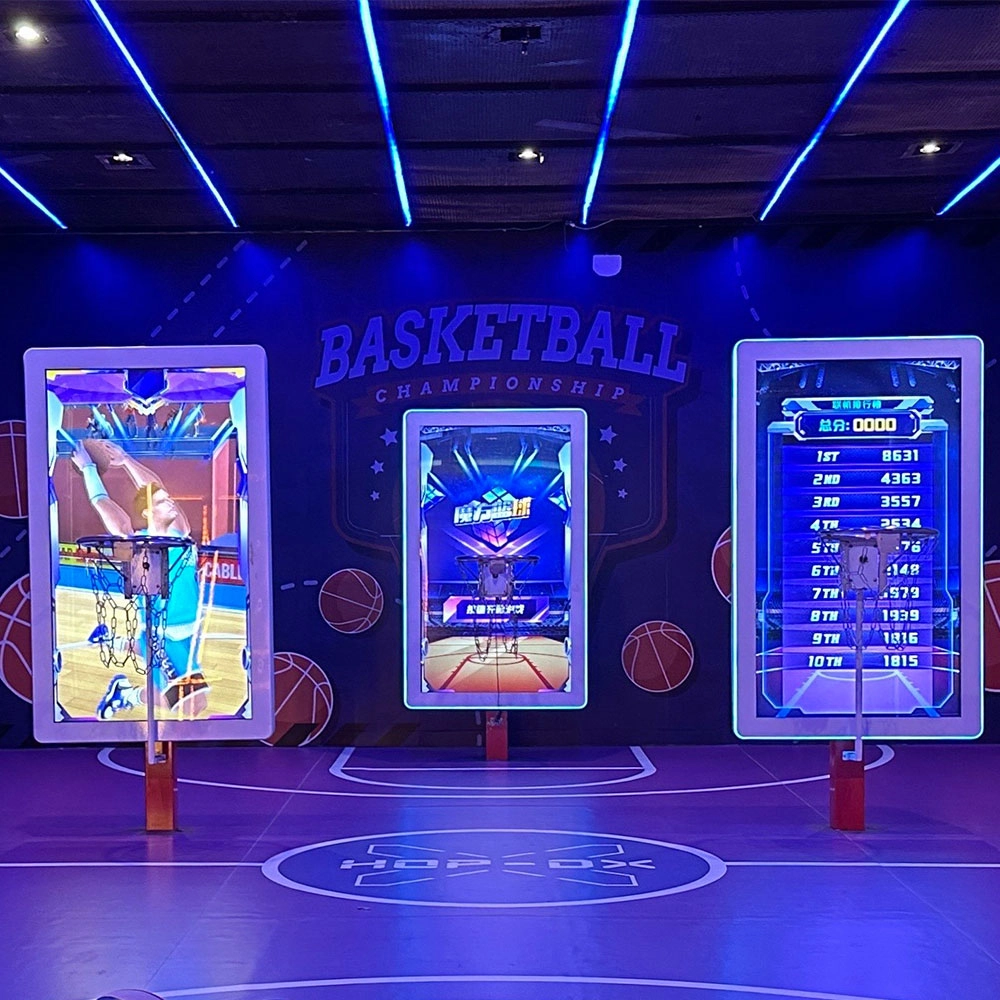
Multi-Player Interactive Shooting Machine
Joy Power is full of fun and exciting playgrounds! The basketball shooting machine is a classic amusement device integrating competition, entertainment, and interactivity. Based on the traditional basketball shooting sport, it integrates electronic scoring, sound and light effects, and challenge mechanisms to bring players an immersive game experience. The main body of the equipment is usually built with a metal frame, equipped with a standard-sized basket and a sturdy rim, with multiple sets of sensors to accurately capture the trajectory of the shot; when the player shoots the ball, the machine's built-in sensors count the score in real time and present the score, remaining time, and challenge goals through the LED display or LCD screen, with exciting sound effects and colorful lights to create a tense and exciting gaming atmosphere.
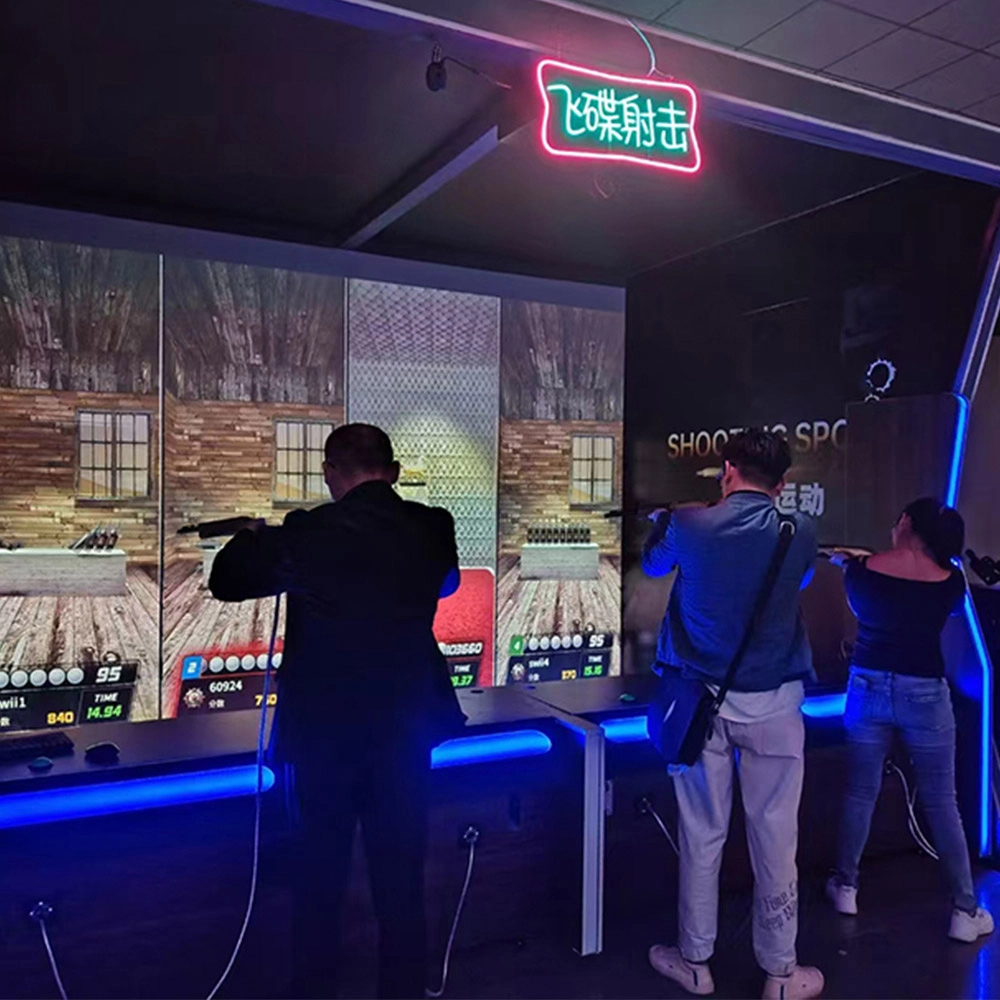
Indoor Wave Play Disc Shooting Equipment
Joy Power is full of fun and exciting playgrounds! The saucer shooting equipment in the indoor hip play hall is an immersive entertainment device integrating high-definition projection scenes, simulated air rifles, and multi-mode interactive gameplay, which allows players to experience the excitement of virtual shooting and the fun of social competition through laser-sensing scoring and multi-sensory feedback.
© 2025 FUNTECH ALL RIGHTS RESERVED

Weixia Lei
Fun_Tech-s
fun_tech20